Garage door repair and installs for Mendota Heights homes built around 1983, served by the Farmington Garage Door Pros truck traveling the 15 miles out from Farmington.
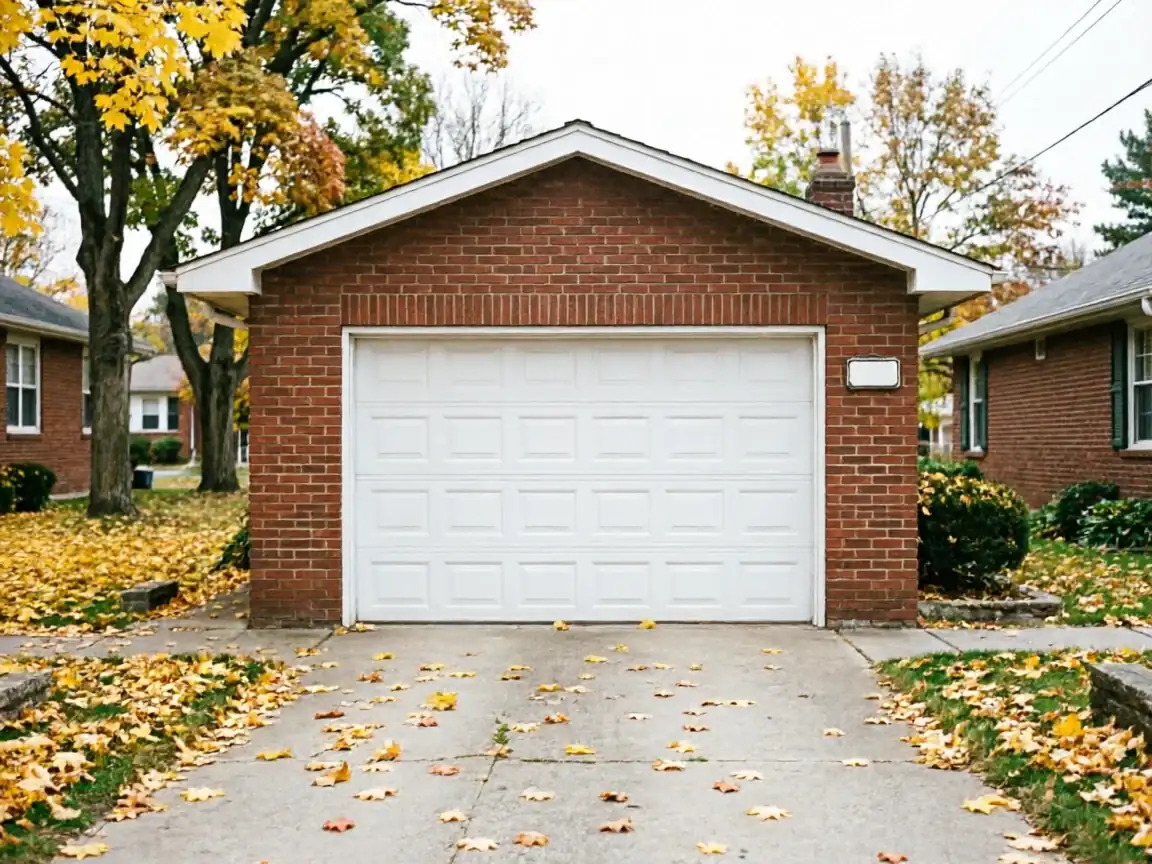
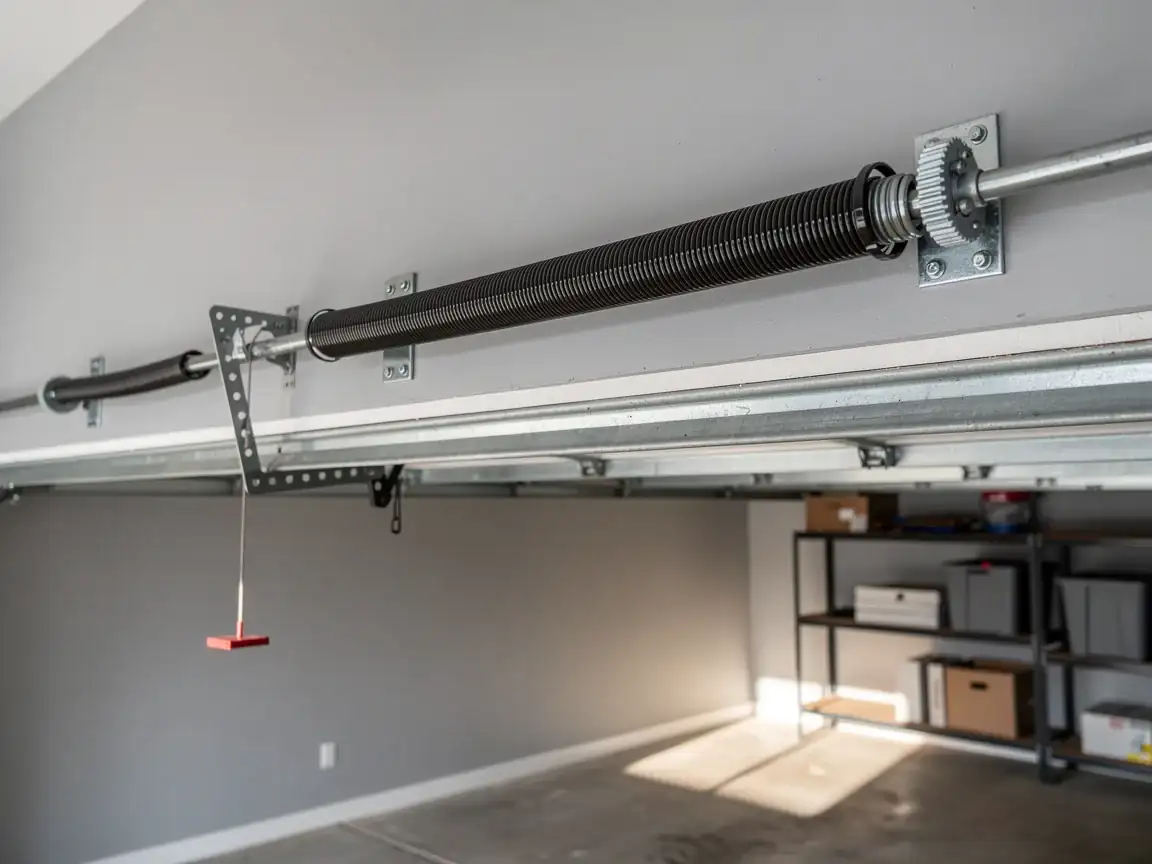
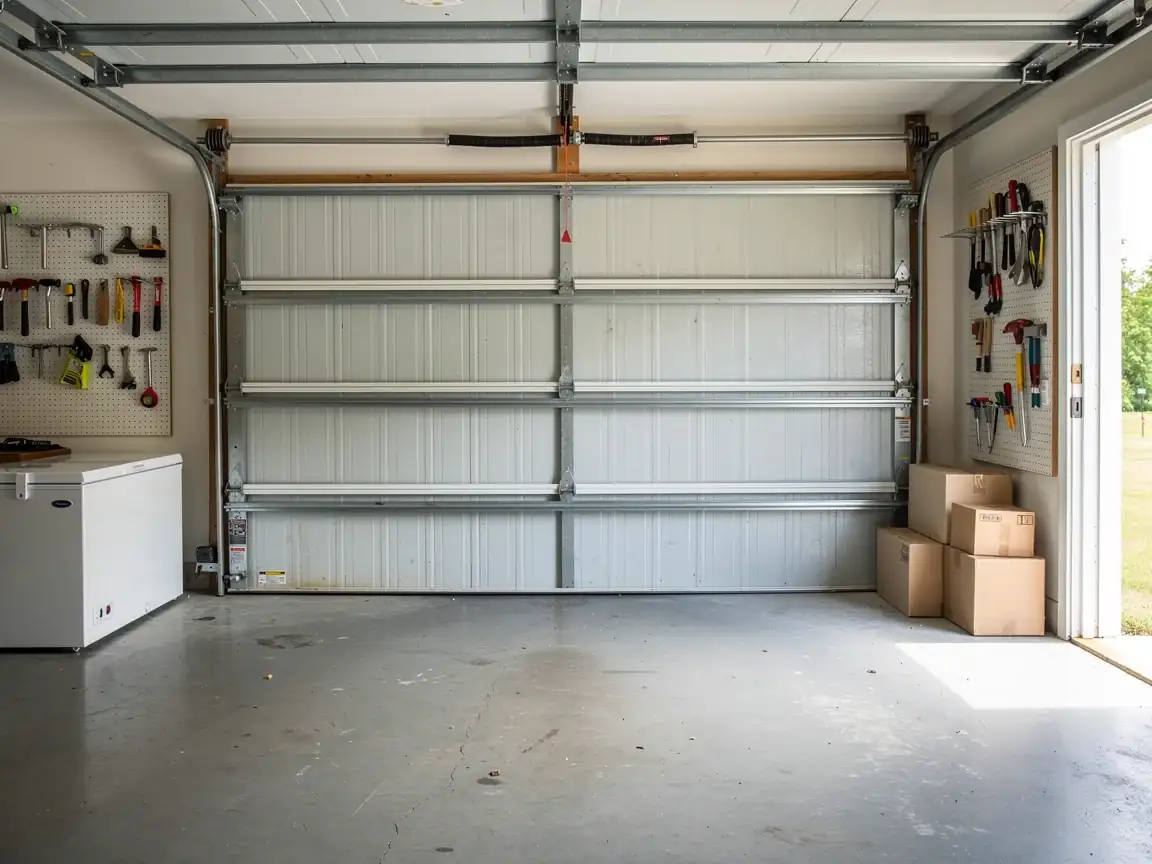
Mendota Heights sits about 15 miles from our shop in Farmington, and the housing stock here tracks close to the service area's overall median build year of 1983. That means most garage doors we find on these jobs are original or first-replacement units from the 1980s: steel sectional doors on extension or early torsion springs, openers that have usually been swapped once already but tracks and drums that often haven't. It's not the oldest stock we see across the territory, and it's not the newest either - it's squarely in the middle, which is its own kind of trouble. A door that's 35-40 years old is past the point where you can keep nursing the original hardware along with grease and patience. Springs rated for that era's door weight are also sized differently than what goes on today's doors, so matching parts correctly matters more here than on a newer build. Household incomes in this part of the service area run well above the broader average - median household income here is about $132,935, against roughly $93,077 across the full coverage area - and we see that show up in the calls: more owners asking for insulated steel or full replacement rather than patch repairs, and fewer trying to stretch a door past its reasonable life.
What People Here Ring About
The calls from this part of town skew toward doors that still work but don't work well: openers that grind or stutter, torsion springs that have gone slack rather than snapped outright, and panels that have started to bow at the bottom where moisture and the cold both get at the steel. With roughly 4,740 households in this immediate area, we don't get the sheer call volume of denser parts of the territory, but the jobs tend to be more deliberate - owners who've noticed a problem for a few weeks before they call, not a door that locked up overnight. We also hear from people replacing a door outright because the 1980s-era unit on the house doesn't insulate the way a newer door does, and the cold months make that gap obvious. One honest limitation: if a door's track is bent badly enough, or the jambs have shifted with the house over 40 years, a repair can cost more in parts and labor than just putting in a new door - we'll tell you straight when that's the math instead of trying to save a dying unit.
How Soon We Can Come Out
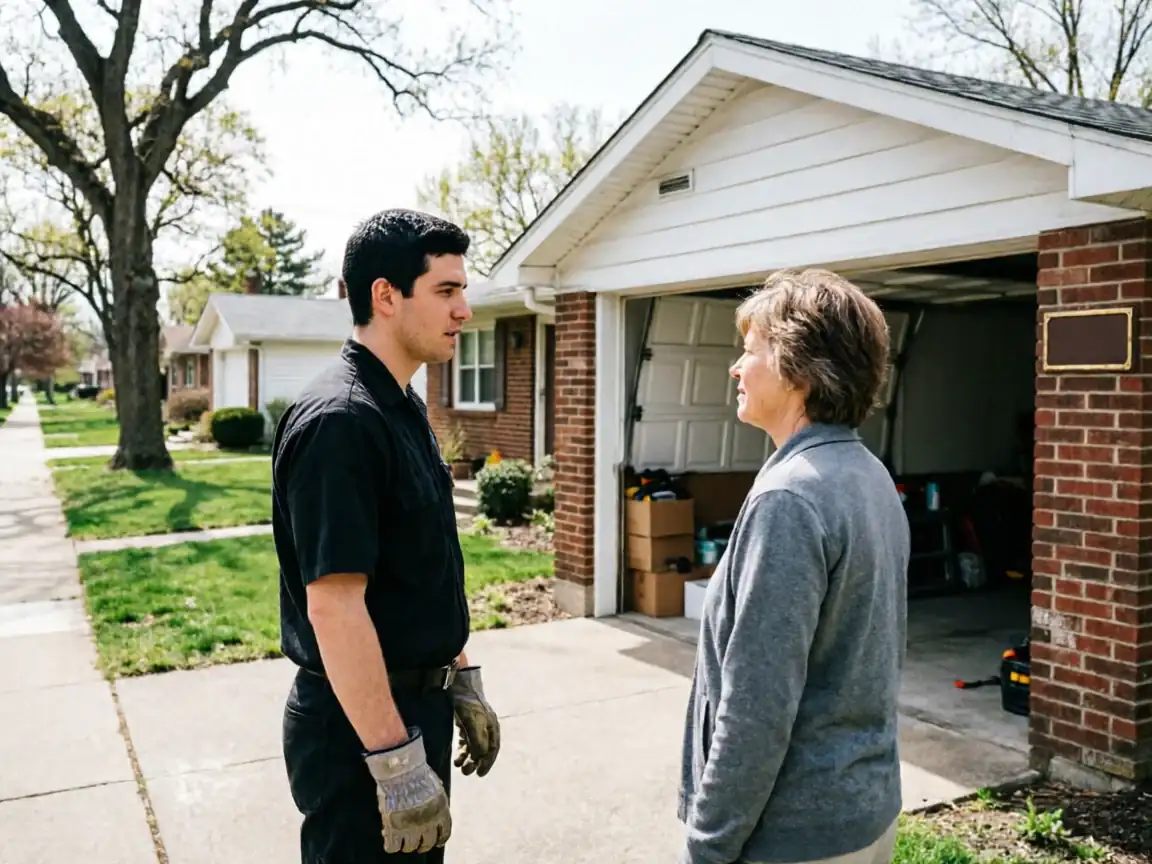
We run out of Farmington, roughly 15 miles from Mendota Heights, so we don't keep a truck stationed here and can't promise a same-hour arrival the way a local depot might. What we can do is schedule the drive out as part of the day's route and give you a real window before we leave the shop, not a vague afternoon. If a spring snaps on a double door, that's usually a trip we can prioritize over a slower issue like a noisy roller or a sticking sensor, since a door stuck open or shut is a bigger problem for the house. Call ahead rather than hoping for a walk-up fix - with the drive factored in, planning the visit gets you seen faster than waiting on an unscheduled stop.
What That Means for Doors
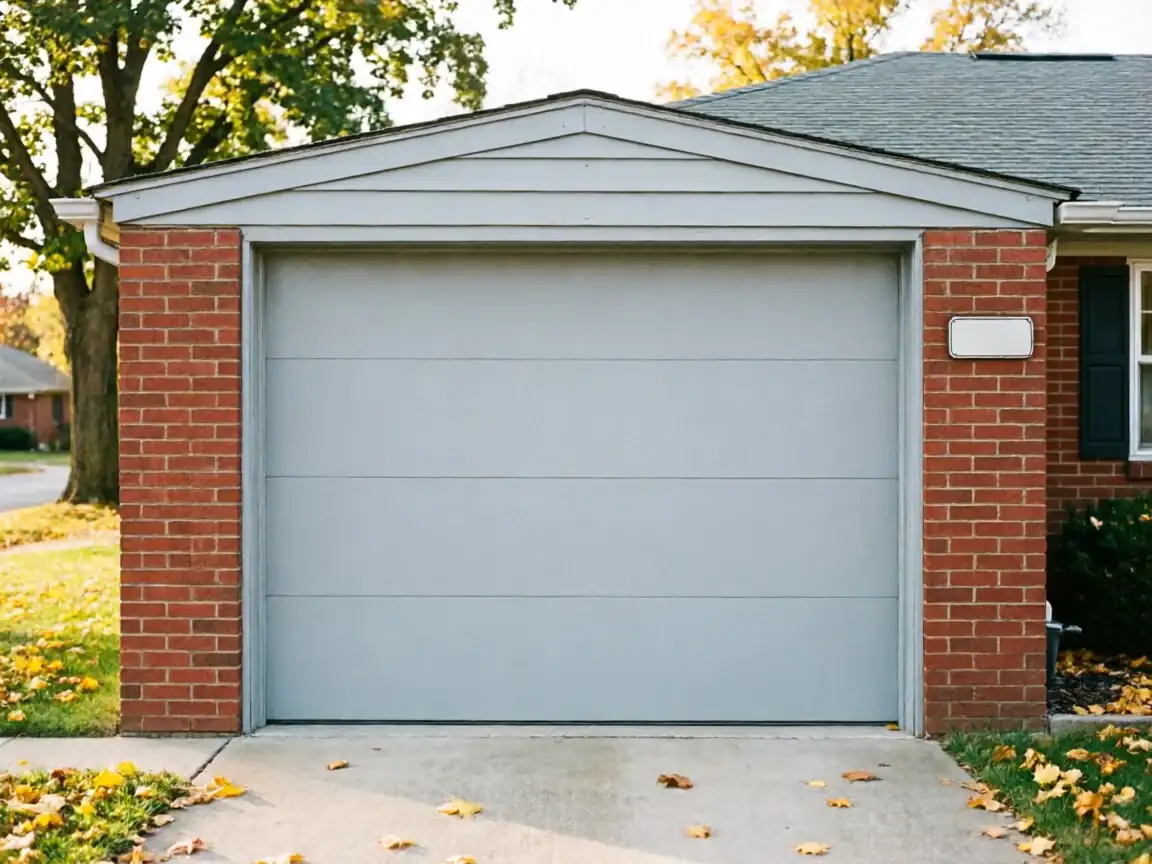
Given the 1983-era build pattern in this part of the service area and a cold moderate climate, the failures we expect to find lean toward spring fatigue and weatherstripping that's hardened and cracked rather than sealing right. Steel panels from that period weren't built with the insulation values that current code-grade doors carry, so a straight swap - old torsion door for a new insulated one, same opening - is often the more sensible fix than chasing repairs on original hardware piece by piece. Openers in this bracket are usually on their second unit already, chain-drive more often than belt, and the safety sensors are sometimes the newer tacked-on kind rather than factory-installed. None of that is unusual for a house in this age range; it's just worth knowing before you call, because it changes whether you're buying a spring or buying a door.
How it works
From “it’s stuck” to “it’s fixed”
1
Tell us what’s wrong
Describe the symptom - won’t open, loud bang, opener runs but the door won’t move.
2
On-site diagnosis
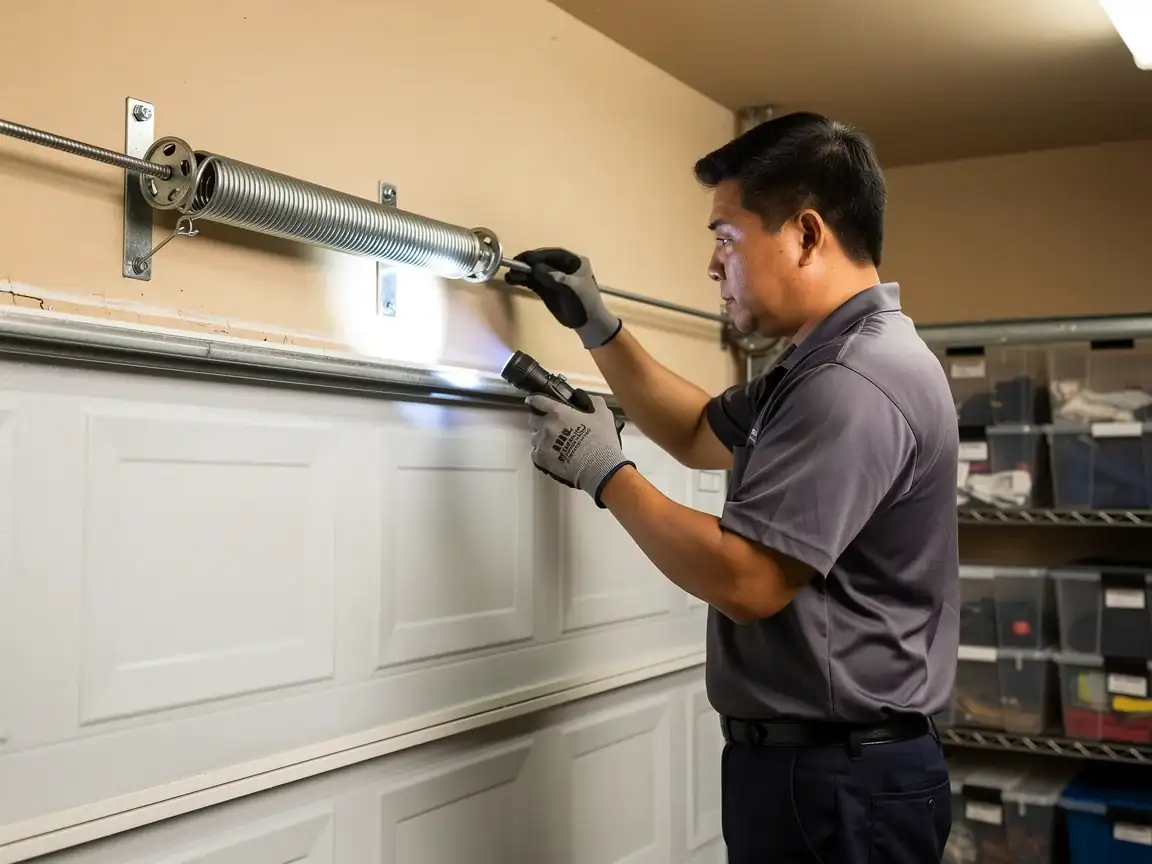
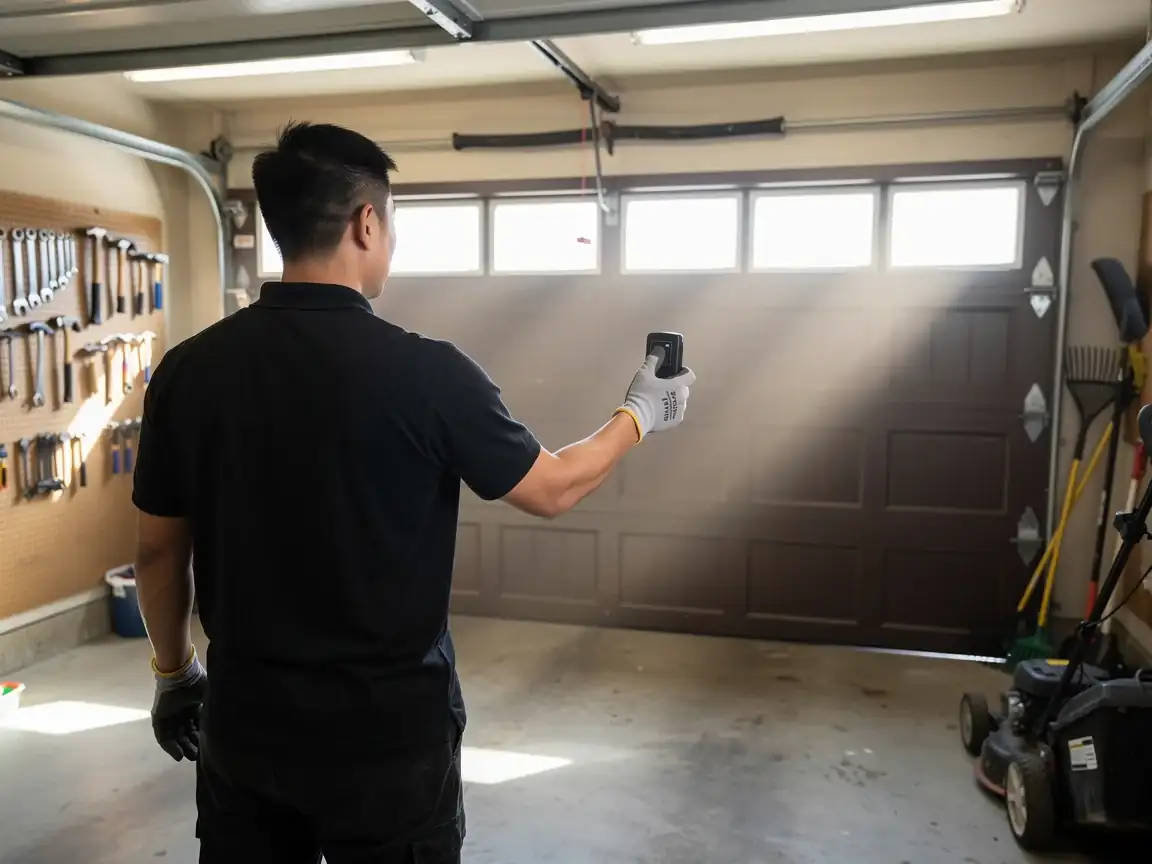
A technician tests the door under power and by hand and finds what actually failed.
3
Clear, up-front plan
You get the fix that’s needed and what drives the cost - before any work starts.
4
Repaired & tested
The repair is done, the door is set true and tested, and the work area left clean.
Not sure which repair your door needs in Farmington, MN? Describe what it’s doing - every job starts with a diagnosis.
No. We run out of Farmington, about 15 miles away, and travel out for every job here. We don't keep equipment or staff stationed in Mendota Heights, so we schedule the trip rather than promising a walk-up same-hour visit.
Why does my 1980s garage door keep needing repairs?
Doors from that era, which matches the median build year in this part of the service area, are usually on their original or first-replacement torsion springs and tracks. After 35-40 years, fatigue in the spring steel and warping in the track are normal, not a sign anything was done wrong.
Is it worth repairing an old door or replacing it?
Depends on what's failing. A spring or opener swap on a sound door frame is usually worth it. If the track is bent or the panels are bowing, replacement often costs less over time than repeated repairs - we'll tell you honestly which situation you're in before we quote anything.
Ready to get your garage door sorted?
Tell us what it’s doing and where you are in Farmington - we’ll take it from there.