Serving Farmington, MN & nearby
(651) 401-2196
Farmington, MN

Garage Door Opener Repair, Farmington MN Area

Opener trouble in a Farmington-area home built in the 1980s or 90s? Cold winters and older wiring make openers fail here in predictable ways. Here's why.

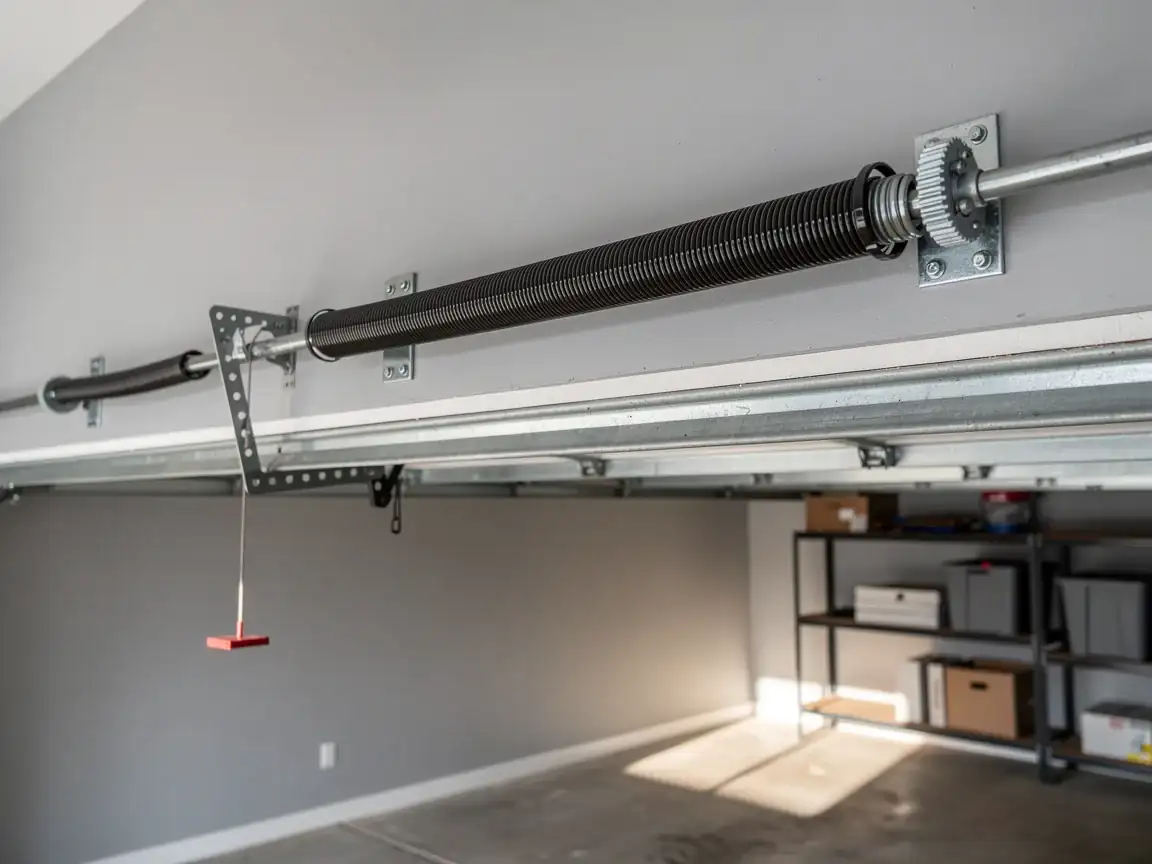
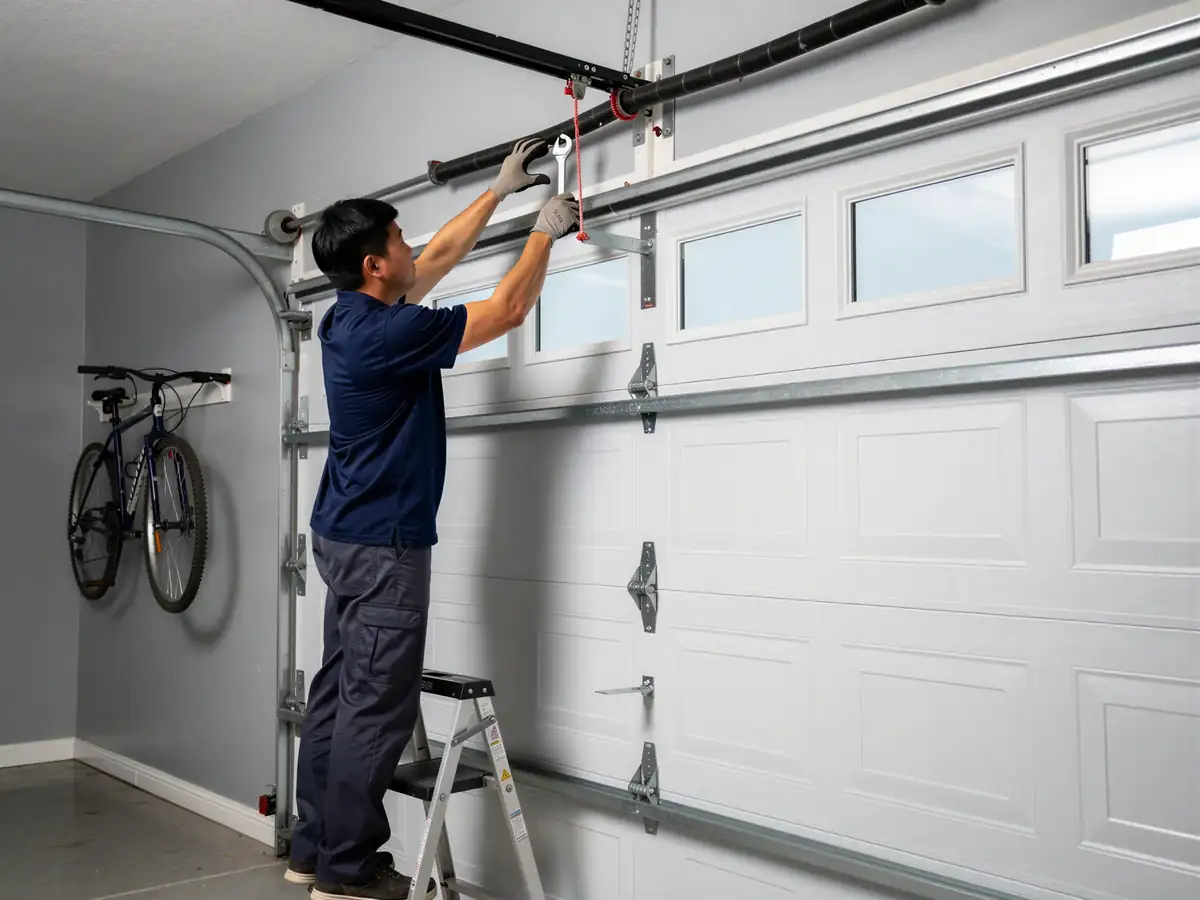
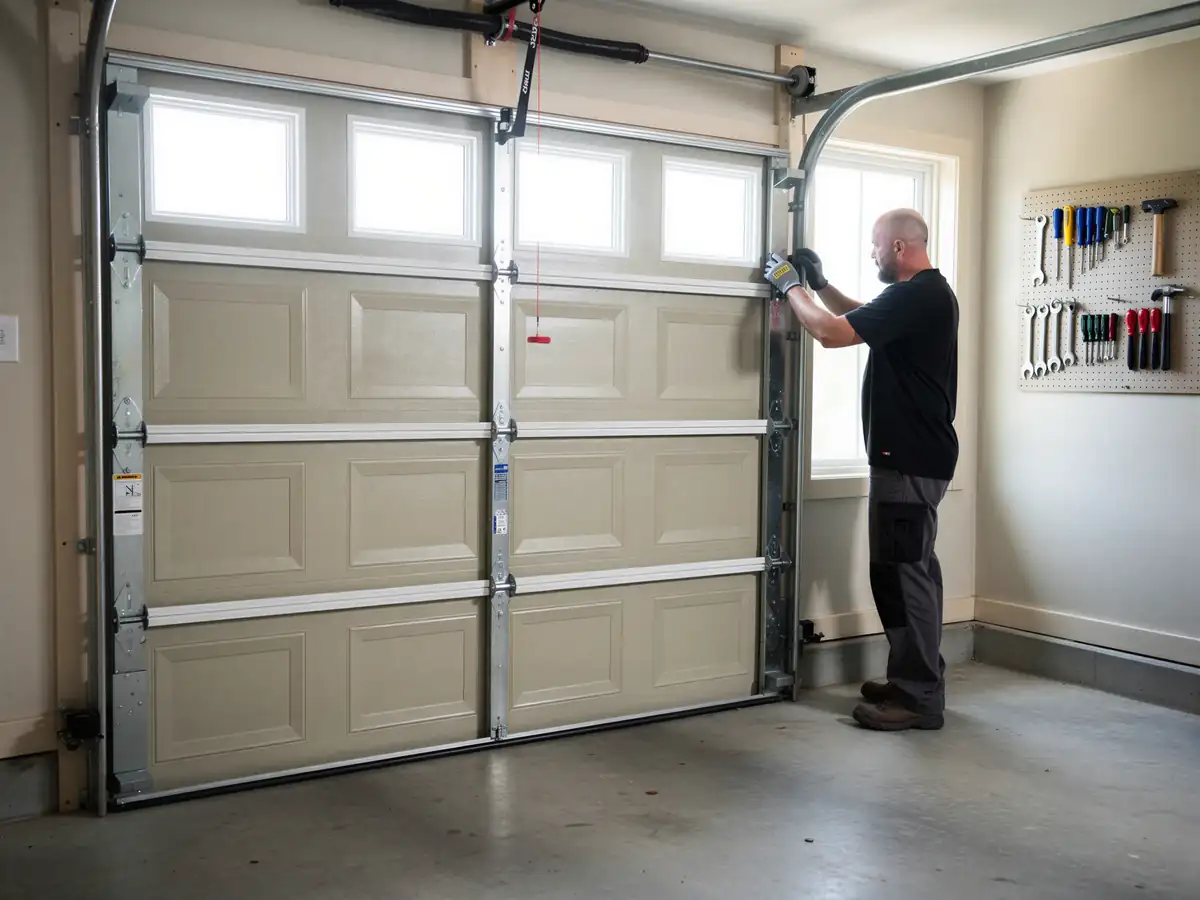
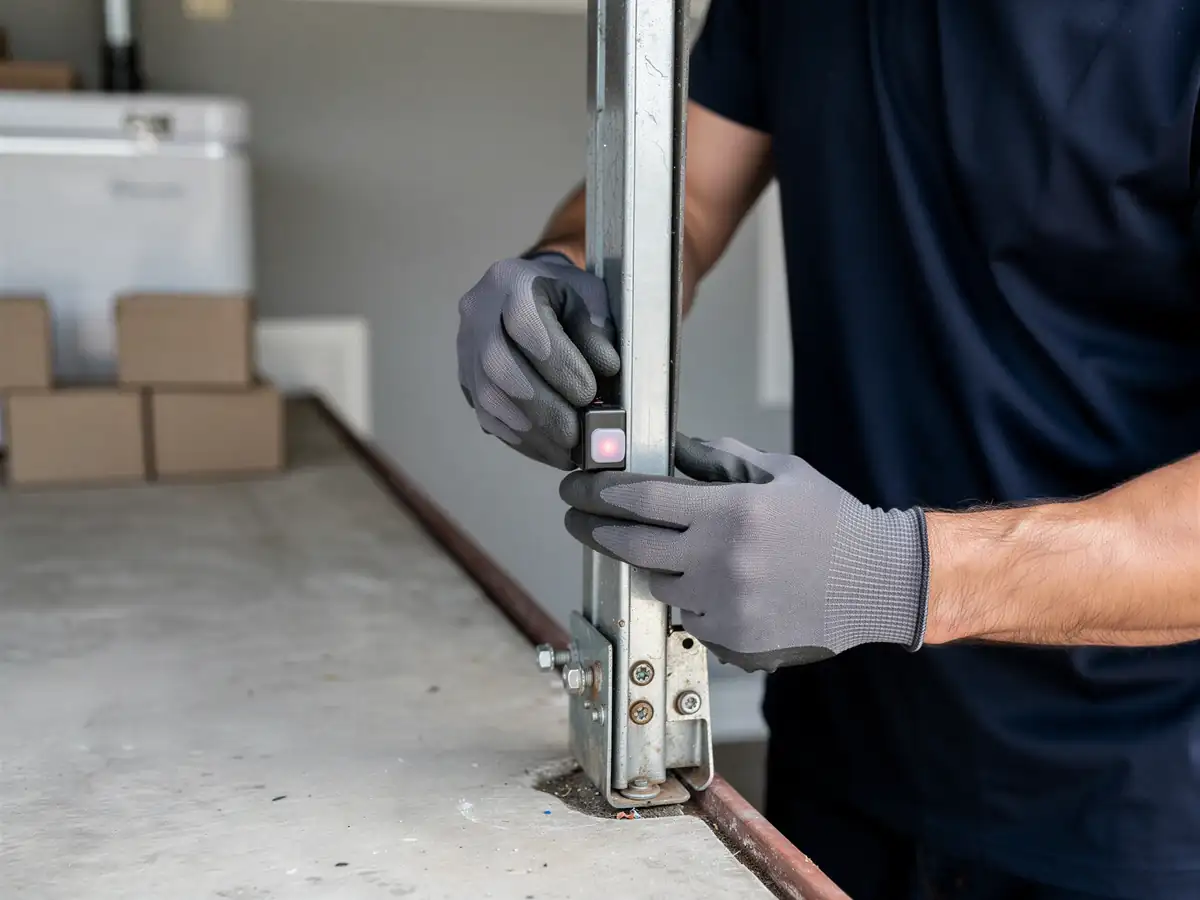
A technician in gloves adjusts a garage door safety sensor with a red light.
Farmington, MN
8 services
7 service areas
Diagnosis first, then the fix

Doing It Yourself

  1. A dead opener doesn't always mean a dead opener

    Before you call anyone, check the obvious: is the unit plugged in, has the breaker tripped, are the safety sensors at the bottom of the track lined up and the little lights on them solid instead of blinking. A dirty or knocked-out sensor eye is probably the single most common no-reason-it-stopped-working call we'd get.

  2. Swapping remote batteries and reprogramming the wall button is fair game for most homeowners

    Lubricating the chain or screw drive with the right grease, not WD-40, is too. Where we'd tell you to stop is the logic board and the motor housing. Opening either one without knowing what you're looking at risks turning a $40 part into a $300 one, and on the older chain-drive units common around here, replacement boards for a specific model can take a while to source.

  3. The honest limit: if your opener is original to a house built in the 1980s or earlier

    A lot of the circuit boards that run them are no longer made. At that point, troubleshooting past the basics isn't a DIY afternoon, it's a decision about whether to keep chasing a part or replace the head unit outright.

The Cost of This Job

What drives the bill on an opener repair isn't labor time, it's parts availability. A current chain or belt-drive opener uses a logic board that's usually in stock. An opener original to a house built decades ago often isn't, and sourcing an obsolete board can push a job from same-week to a longer wait, or make replacement the more practical call even when the motor itself is fine.

Age matters more than brand here. With most of the housing in this service area going up between 1955 and 2004, median around 1983, a large share of the openers we're asked to look at are old enough that the manufacturer has moved on to three or four newer product lines since. That's not a sales pitch for replacement, it's just the parts reality: older boards cost more to track down than new units cost to install.

We won't quote a number here because it depends on what's actually wrong and what opener you've got. What we will say is that a service call to diagnose the fault, versus a service call that ends in a new opener, are two different conversations, and we'd rather have that conversation after we've actually looked at the unit than guess at it over the phone.

Why This Fails Locally

This area's climate sits in the COLD moderate band, which means openers here work through real winters, not mild ones. Grease stiffens, metal contracts, and circuit boards that run fine at 70 degrees start skipping commands at 10 below. That's a normal stress on any opener, but it hits harder on the older units still in service across this area's housing stock.

Most houses across the 18 communities this service area covers were built between 1955 and 2004, with the bulk of that stock dating to the 1980s and 90s. That generation of openers leaned heavily on chain drives and early circuit boards, neither of which was built with 40 years of freeze-thaw cycling in mind. The chain stretches, the board's solder joints fatigue, and the whole unit starts hesitating before it fails outright.

A newer belt-drive opener with a sealed board handles that cycling better. An original 1980s unit, run through four decades of Minnesota winters, usually doesn't. That's the mechanical reason opener calls cluster so heavily in homes from this era rather than being spread evenly across newer construction.

How It Shows Up

  1. The most common complaint is an opener that hums or clicks but the door doesn't move

    The motor's trying, but the gear or chain has worn past the point of transferring force. Close behind that is an opener that runs the door partway and reverses, usually a safety sensor knocked out of alignment or a logic board that's lost track of the travel limits.

  2. Intermittent remote response is another one we hear a lot

    Especially from houses with the original wall unit and keypad still in place. Sometimes it's dying batteries, sometimes it's a receiver board that's degraded enough to miss signals in cold weather but work fine once the garage warms up in summer. That seasonal pattern, working in July and failing in January, is a strong sign the board itself is on its way out, not just a one-off glitch.

  3. Grinding or rattling during operation, especially right as temperatures drop

    Usually points to a chain that's stretched or a drive gear that's stripped. None of these are emergencies in the sense of a door falling, but an opener that's failing intermittently in the cold tends to fail completely within a season, not improve on its own.
How it works

From “it’s stuck” to “it’s fixed”

1
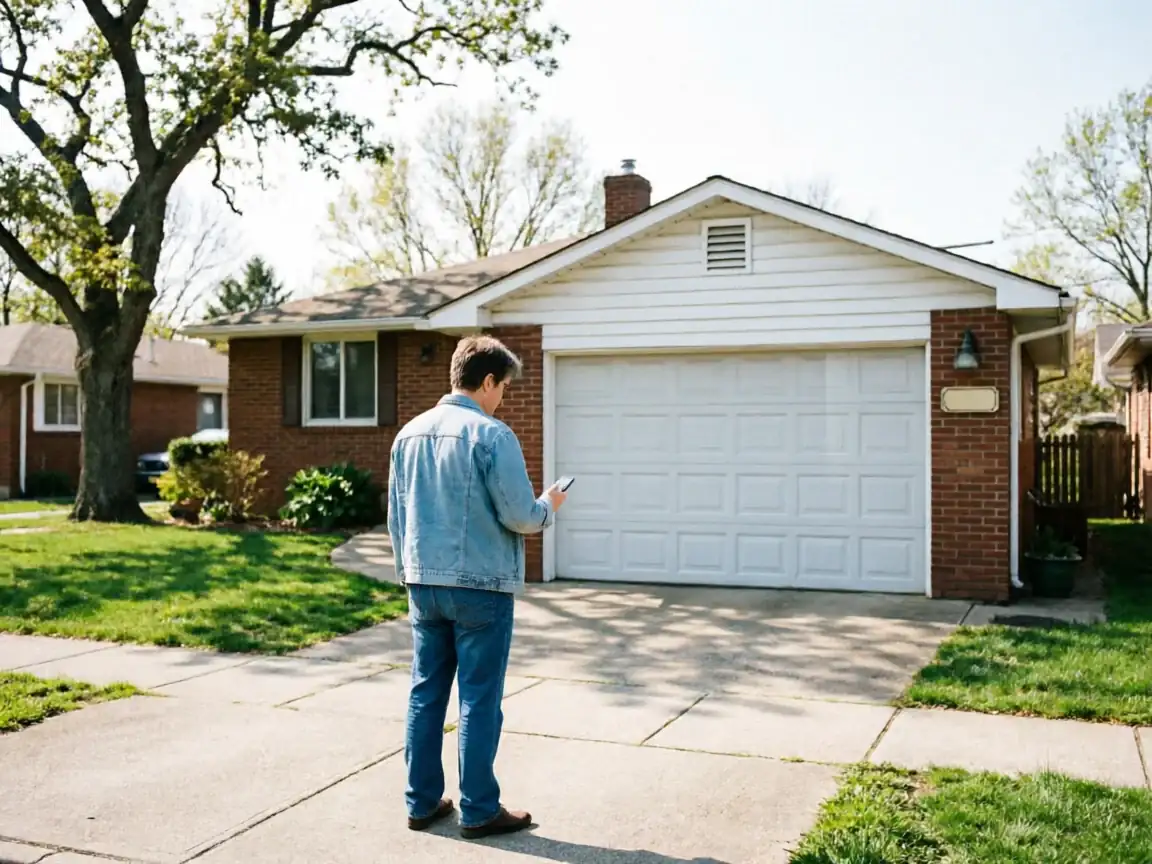
A man in a denim jacket stands in a driveway looking at his phone.

Tell us what’s wrong

Describe the symptom - won’t open, loud bang, opener runs but the door won’t move.

2
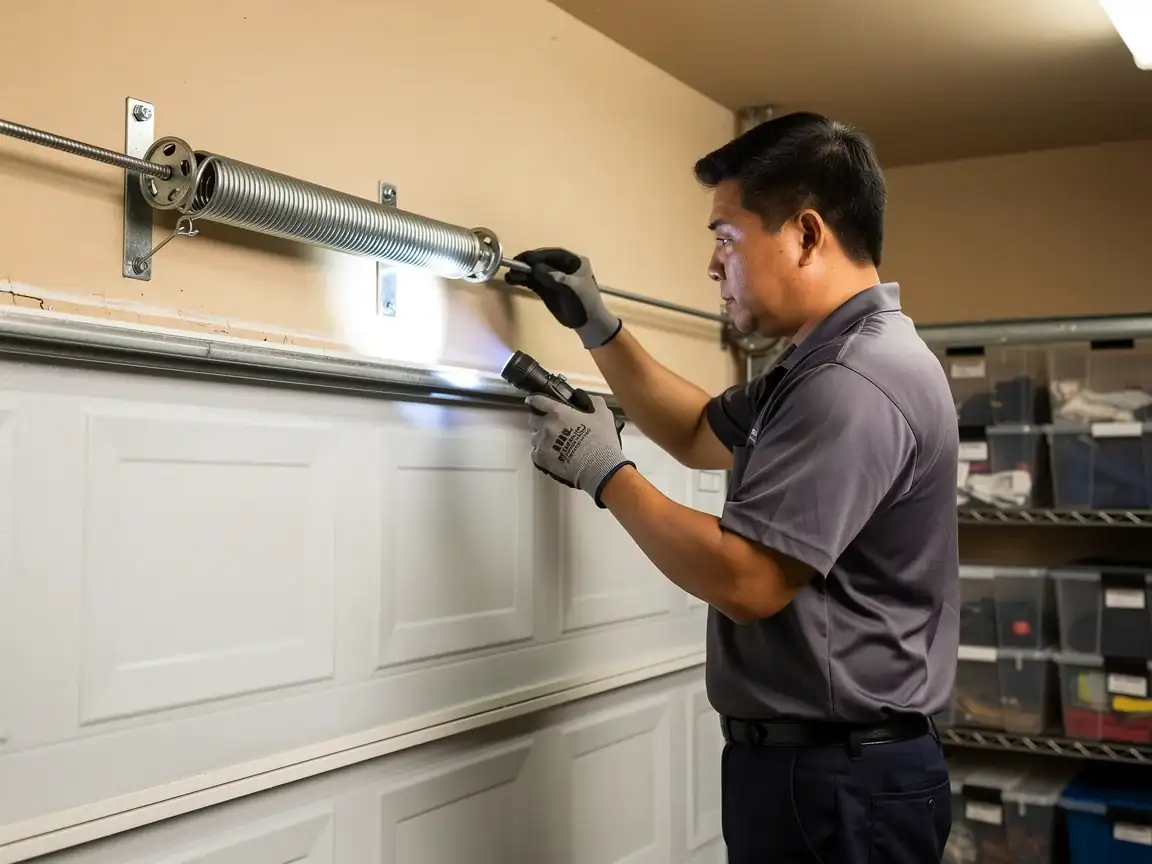
A technician inspects a garage door torsion spring with a flashlight.

On-site diagnosis

A technician tests the door under power and by hand and finds what actually failed.

3
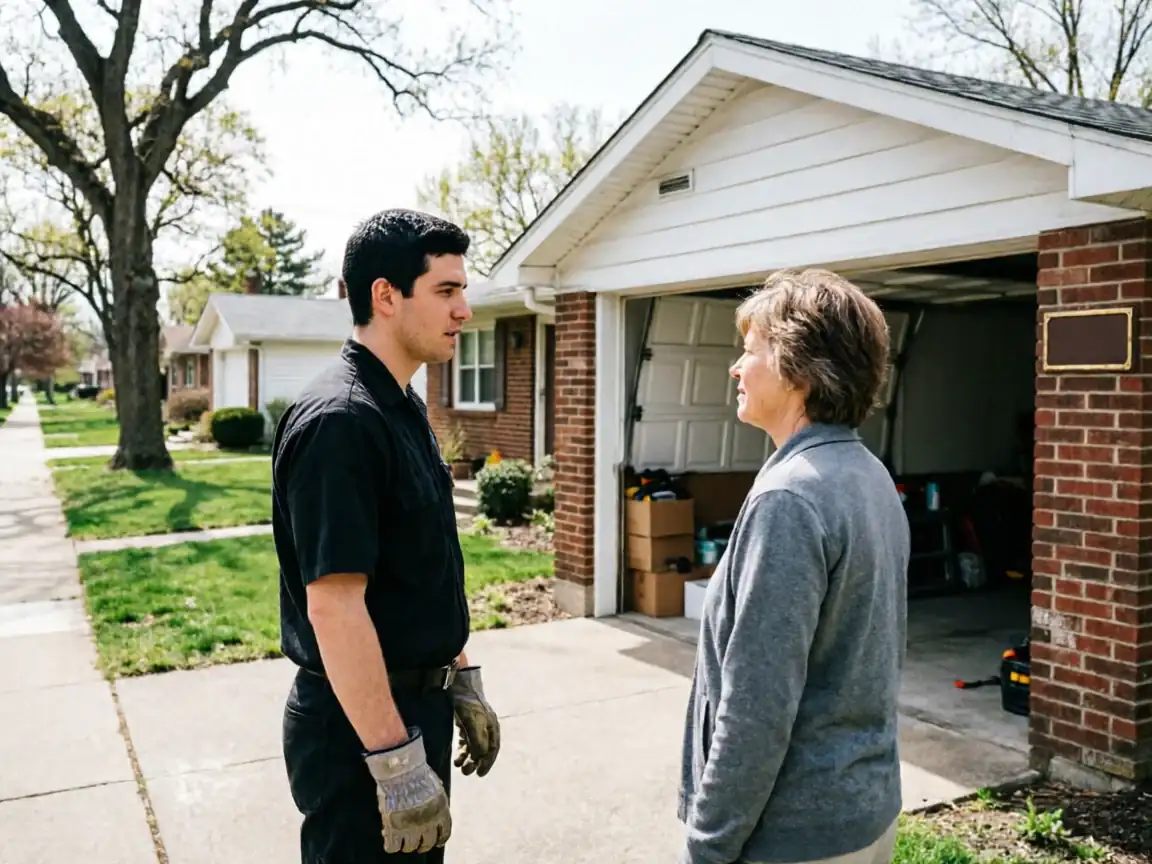
A technician in a black shirt talks to a woman in front of a garage.

Clear, up-front plan

You get the fix that’s needed and what drives the cost - before any work starts.

4
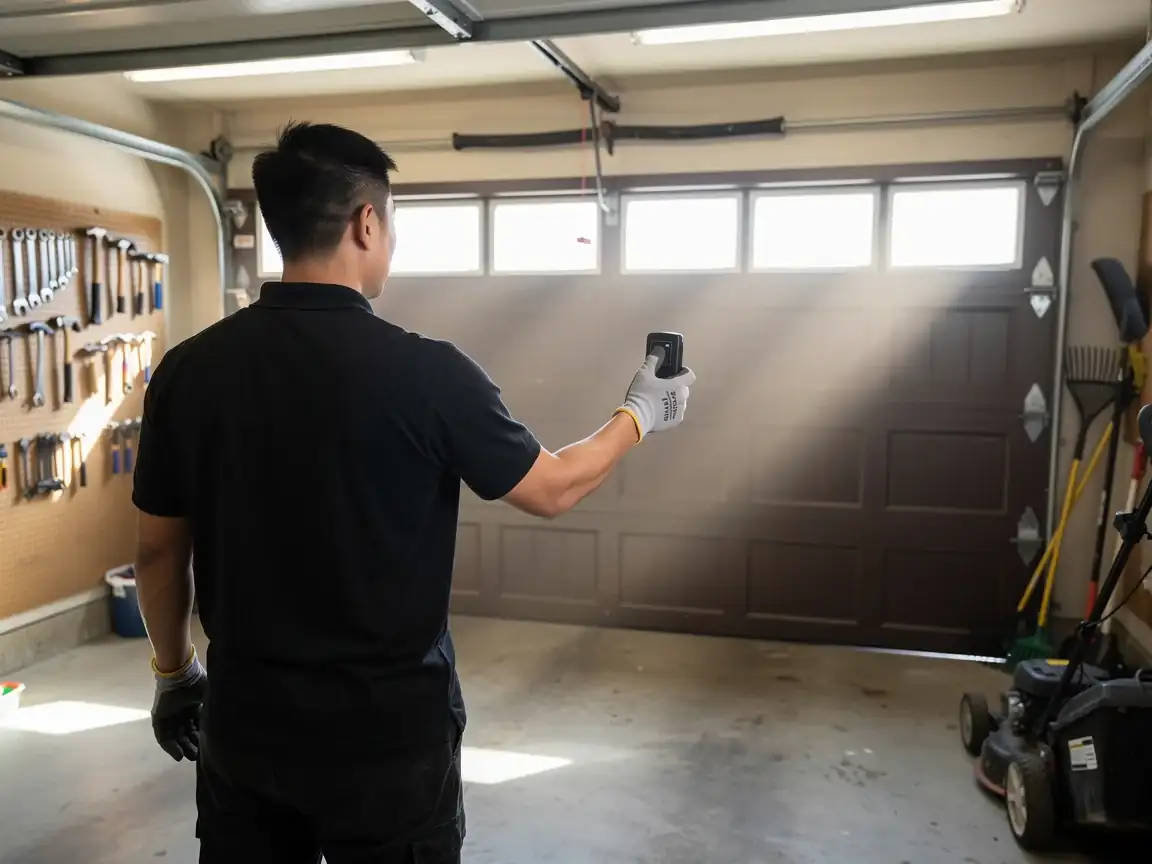
A technician in gloves holds a garage door opener remote, facing a brown garage door.

Repaired & tested

The repair is done, the door is set true and tested, and the work area left clean.

Not sure which repair your door needs in Farmington, MN? Describe what it’s doing - every job starts with a diagnosis.

How we work

What to expect

Diagnosis firstEvery visit starts by finding what actually failed - not a pre-written parts list.
The right part for the doorSprings and openers matched to the door’s weight and age, so the fix holds up.
Straight answersWhen a repair makes more sense than a replacement - or the reverse - you hear it plainly.
Clean, careful workTension released safely, hardware set true, the door tested under power before we leave.
22,731
Residents in Farmington
8
Garage door services
7
Neighborhoods & suburbs
MN
Serving Farmington, MN
What we do

Garage Door Services

Repair and installation work for Farmington homes and businesses.

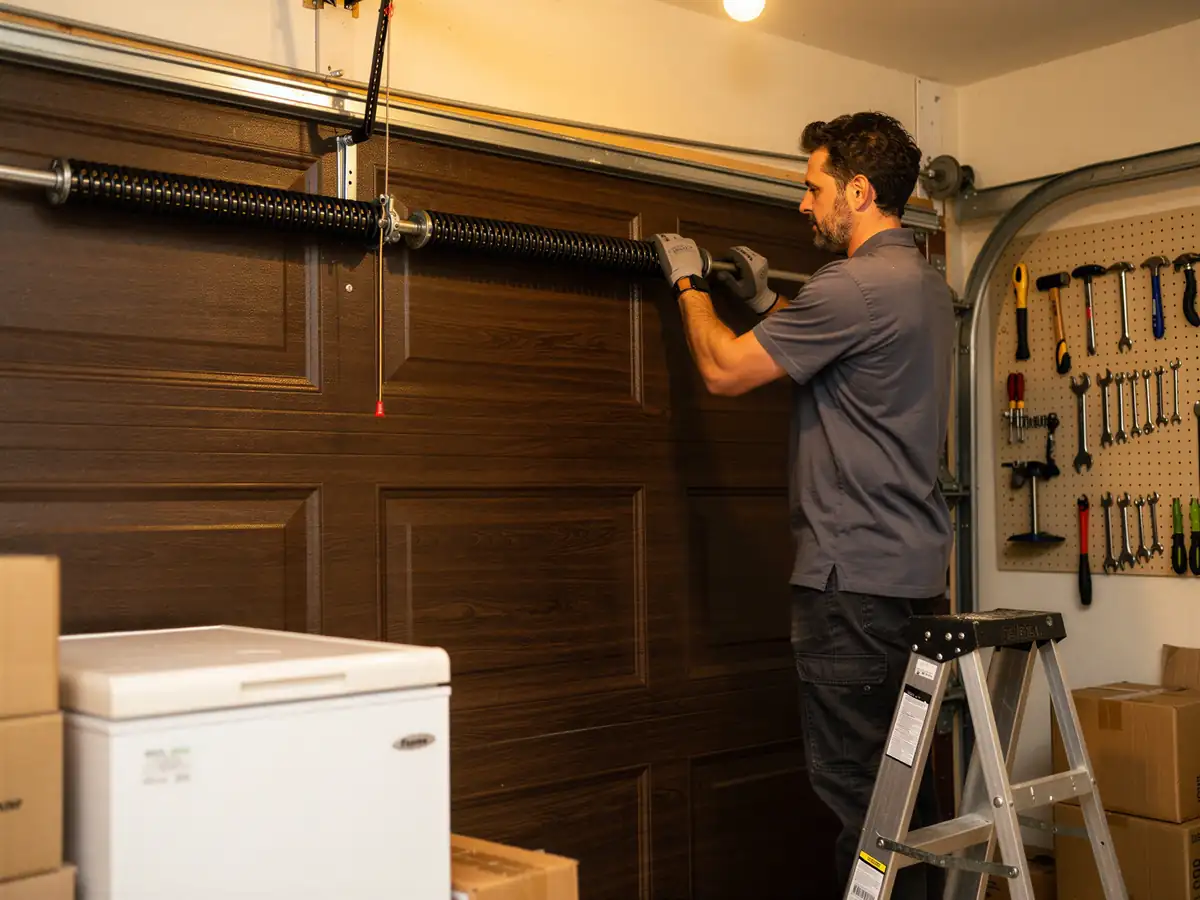
A technician on a ladder adjusts the torsion spring above a white garage door.

Garage Door Repair

Farmington homes built mostly 1983-1995 wear out the same torsion springs and rollers around the same age. Local repair for the doors this town actually has.

Learn more
A technician in a black shirt is working on a beige garage door.

Garage Door Installation

New garage door installation for Farmington homes built mostly between 1955 and 2004, sized and insulated for Minnesota's cold winters. Local, straightforward quotes.

Learn more
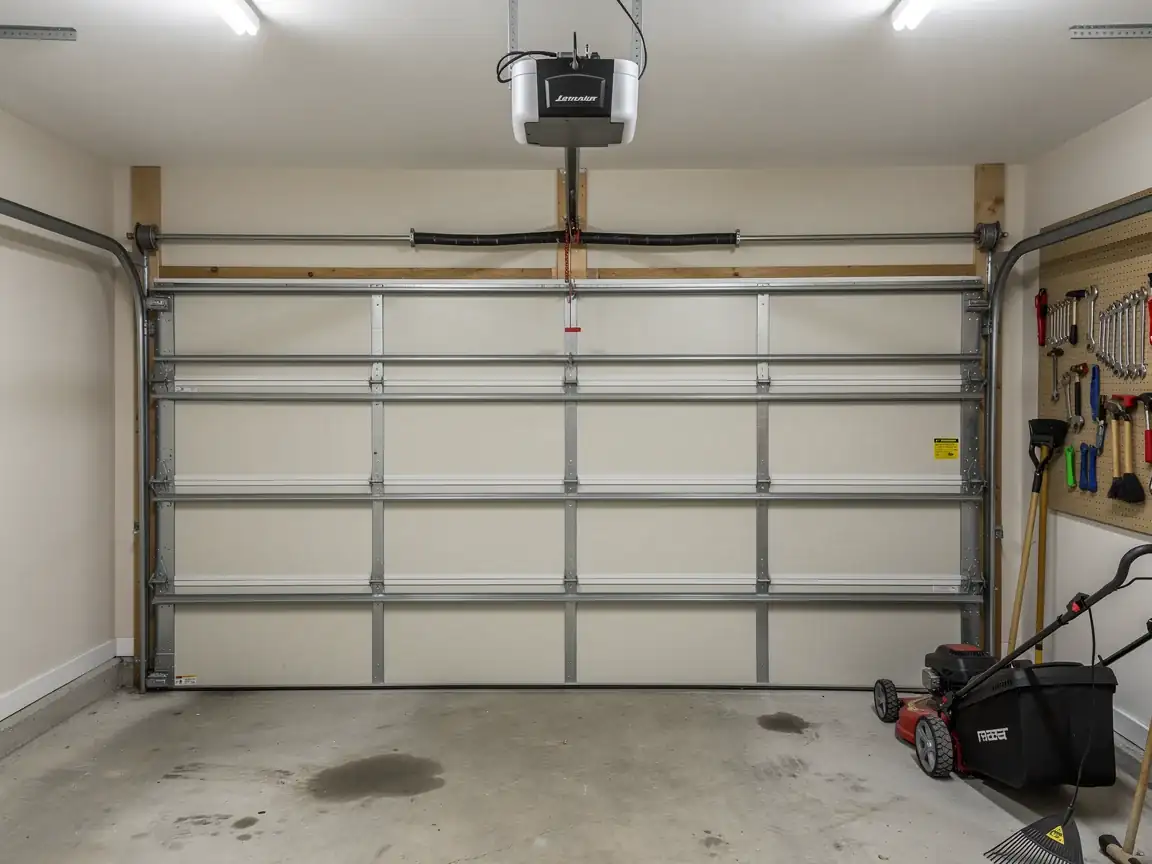
A closed white garage door with an opener and torsion spring is in a garage.

Garage Door Service

Garage door service for Farmington, MN homes built mostly between 1955 and 2004, where cold winters and original hardware wear out springs, openers, and rollers early.

Learn more
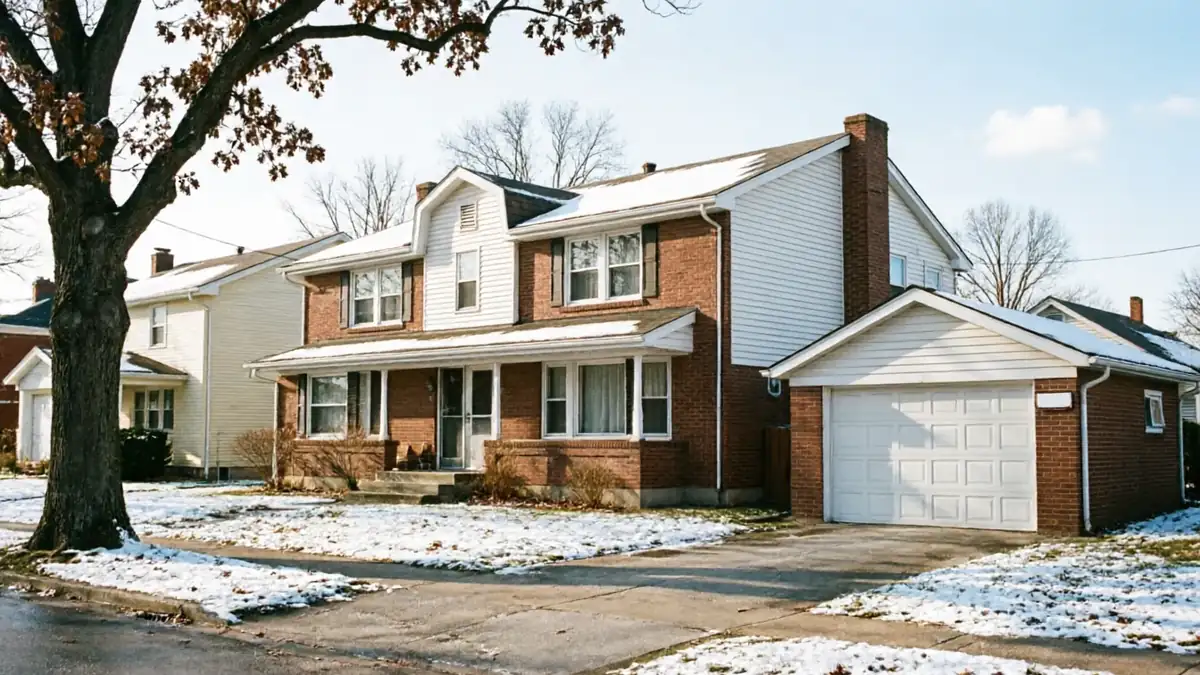
A two-story brick house with a white garage door and a snowy lawn.

Opener Repair

Opener trouble in a Farmington-area home built in the 1980s or 90s? Cold winters and older wiring make openers fail here in predictable ways. Here's why.

Learn more
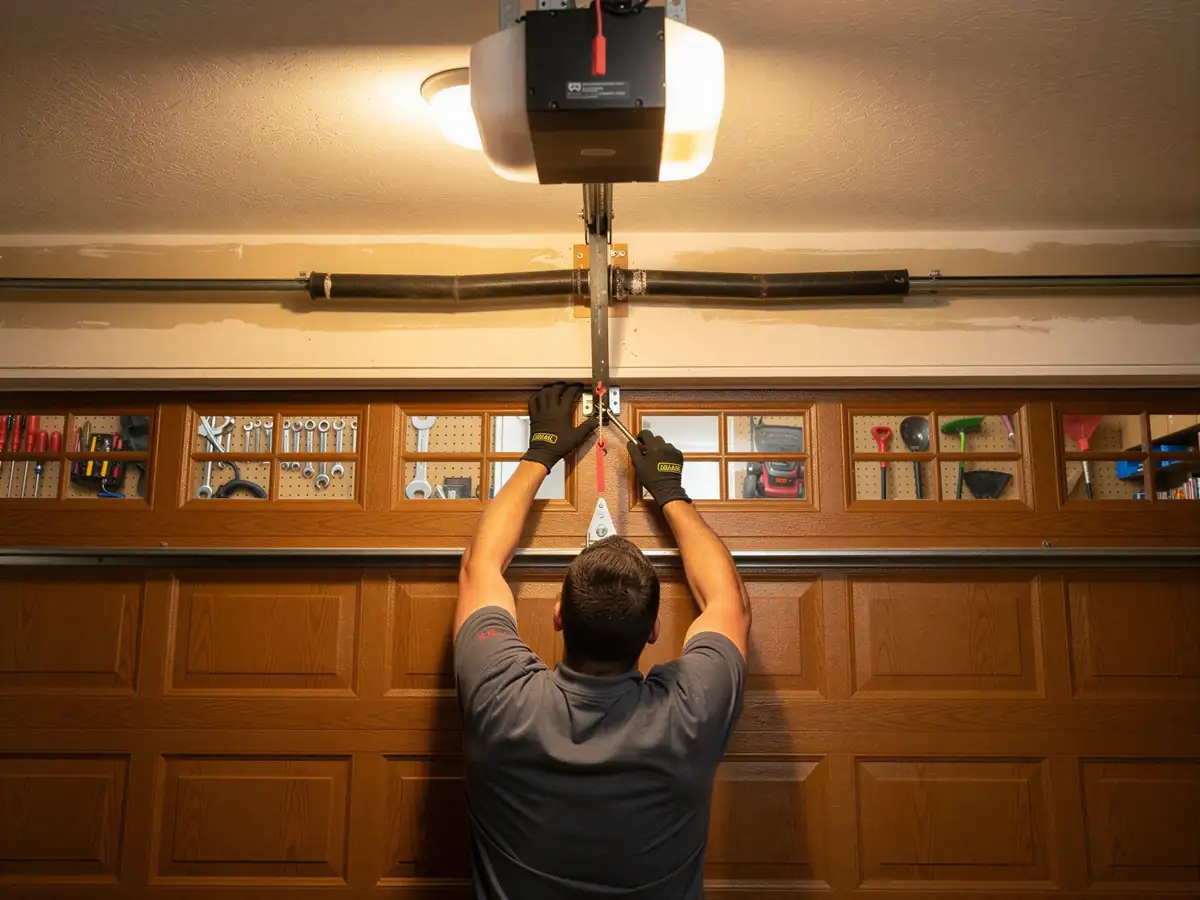
A technician works on a brown garage door with windows and a torsion spring.

Opener Installation

Farmington homes built 1955-2004 often run openers that predate modern safety reversal and cold-weather lubricant specs. Here's what installation involves and what it costs.

Learn more
A technician on a ladder adjusts the torsion spring above a brown garage door.

Spring Repair

Broken torsion springs on Farmington's 1980s-era garage doors are common this time of year. Here's what the repair involves and why it keeps happening.

Learn more
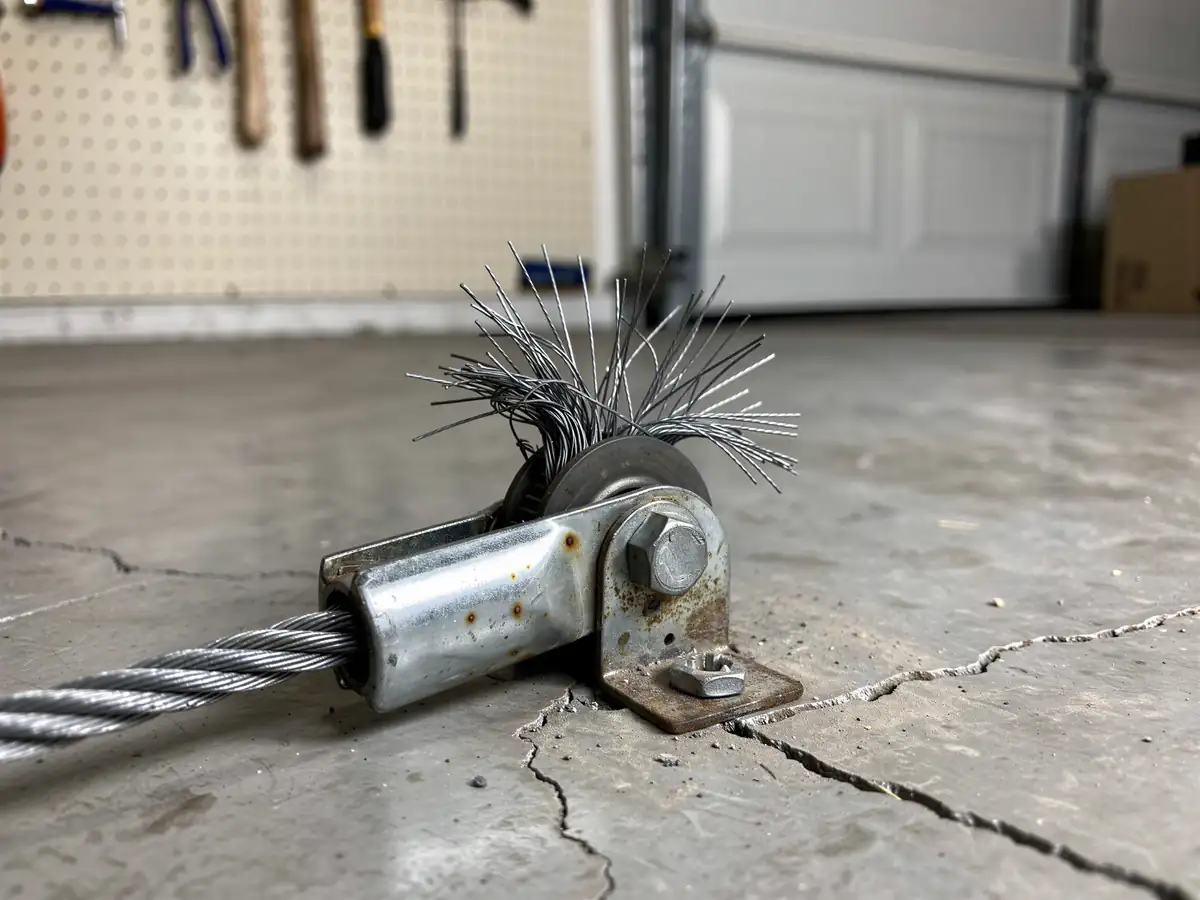
A frayed garage door cable is detached from a rusty pulley on a cracked concrete floor.

Cable Repair

Broken garage door cable in Farmington? We fix snapped lift cables on homes built 1955-2004, matched to cold-climate hardware and local torsion setups.

Learn more
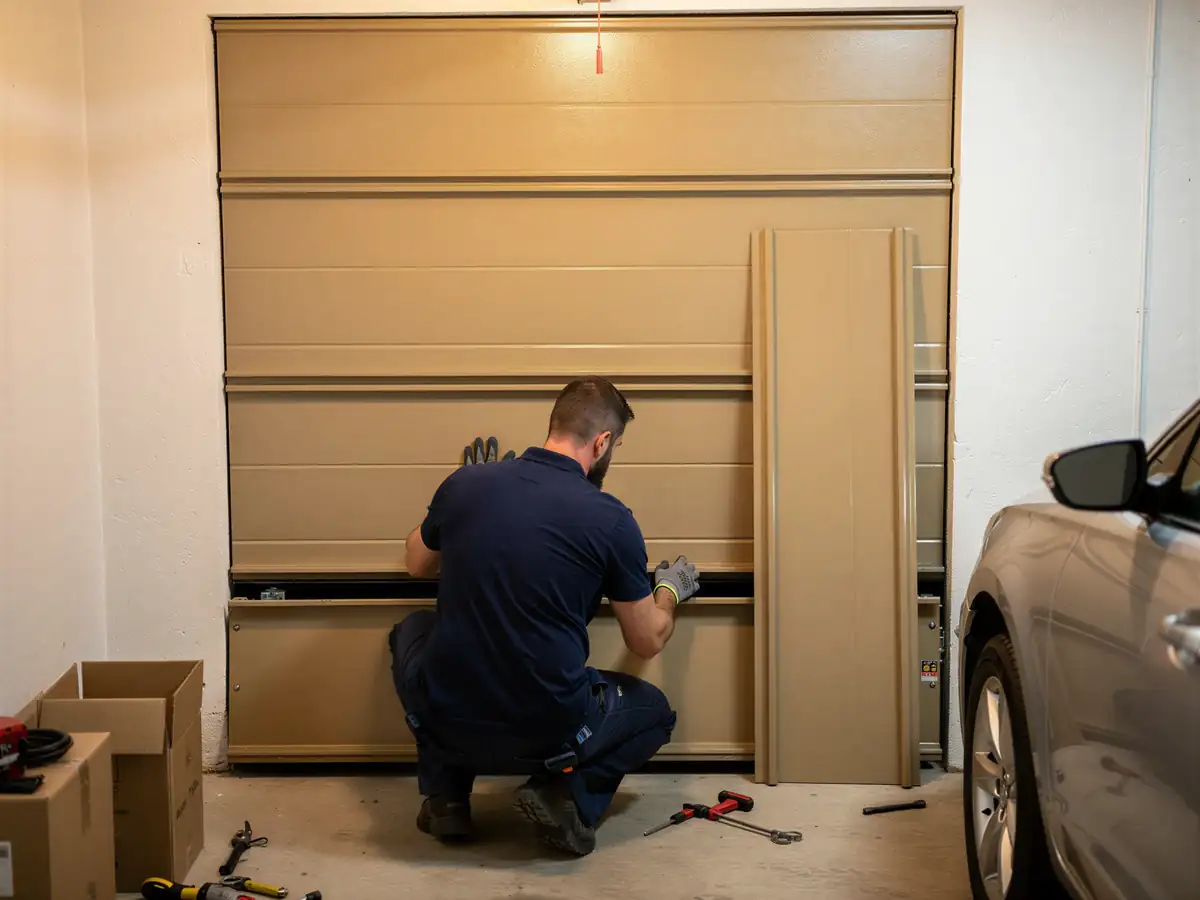
A technician is working on a tan garage door with tools on the floor.

Panel Replacement

Panel replacement for Farmington-area garage doors: why cold-climate warping and 1980s-era door stock make matching panels tricky, and what the job actually involves.

Learn more
Where we work

Serving Farmington & nearby

Local garage door service across 7 Farmington-area neighborhoods and communities - is your street on the list?

7

Farmington-area neighborhoods & nearby communities we cover

Questions

Frequently asked

Straight answers about garage door repair in Farmington. Still unsure? Ask us directly.

Why does my opener only act up in winter?

Cold affects both the mechanical parts and the circuit board. Grease stiffens, chains stretch slightly, and older logic boards can lose reliable signal response once temperatures drop. If it works fine in summer and struggles in winter, that's usually the board or drive mechanism starting to fail, not a coincidence.

Is it worth repairing an opener from the 1980s or should I replace it?

Depends on what's failed. If it's a sensor or remote, repair makes sense. If the logic board on an original-era unit is gone, parts can be hard to source, and at that point a new opener is often the more practical call than hunting down an obsolete board.

Can I fix a misaligned safety sensor myself?

Usually, yes. Loosen the mounting bracket, realign the sensor so both lights show solid rather than blinking, and retighten. It's one of the few opener fixes we'd tell a homeowner to try before calling anyone.

How do I know if it's the opener or the door itself?

If the opener runs but the door doesn't move, or moves partway and reverses, that's usually the opener, sensors, or travel limits. If the door won't budge at all even by hand, that points to a spring or track problem instead.

Ready to get your garage door sorted?

Tell us what it’s doing and where you are in Farmington - we’ll take it from there.

Request a QuoteCall