How Local Conditions Play In
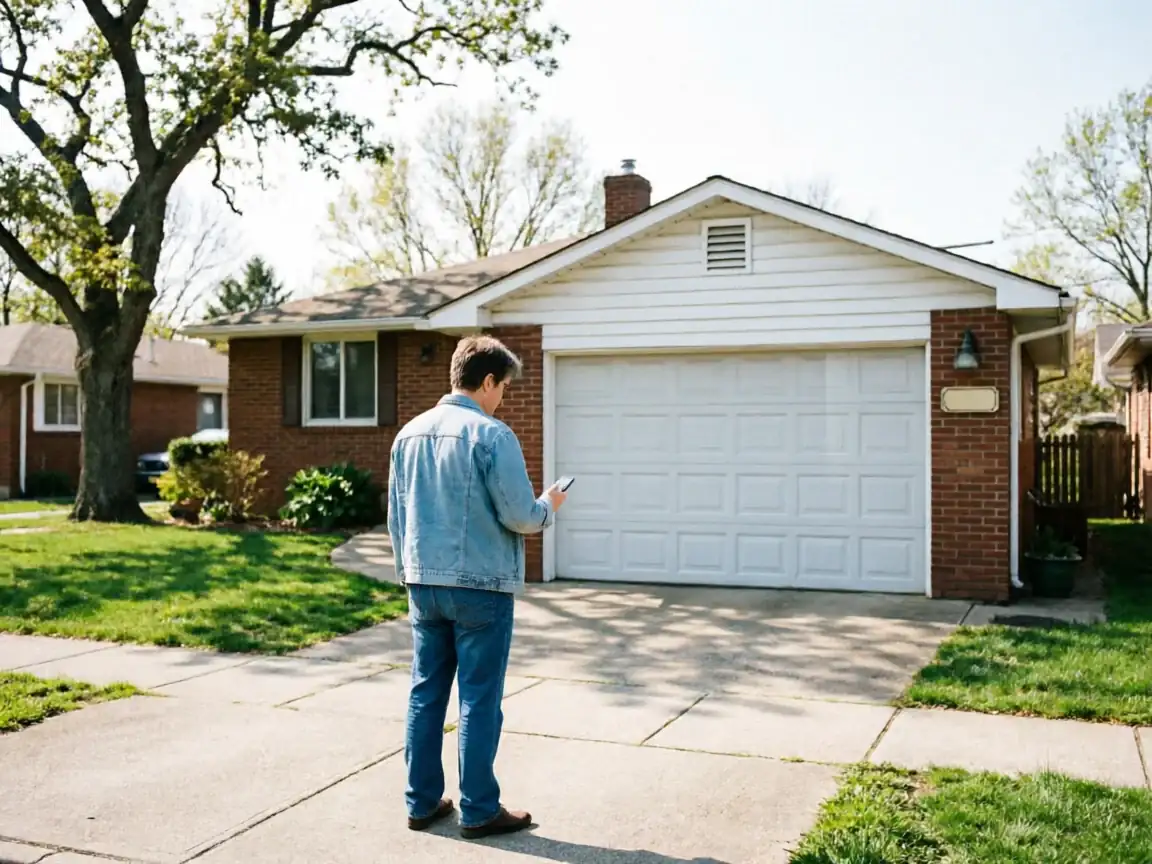
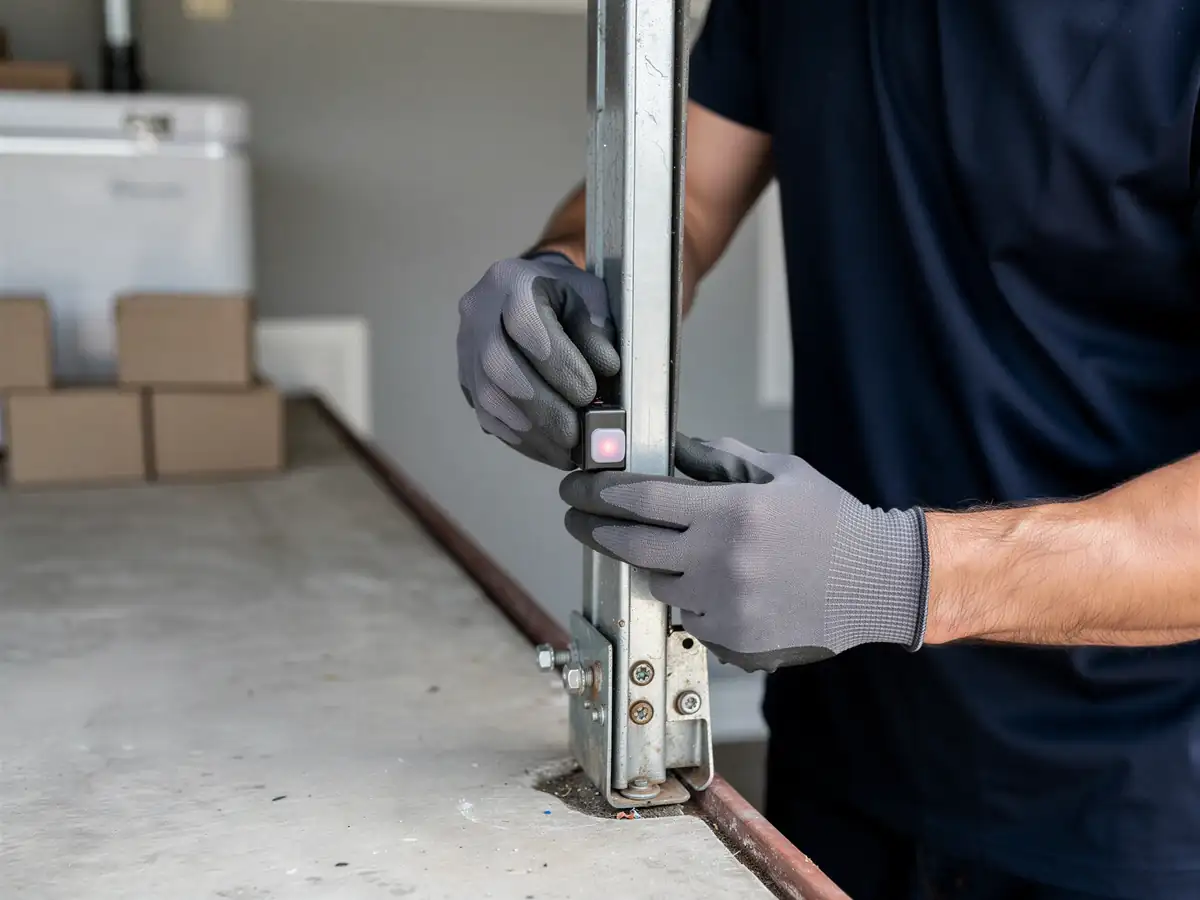
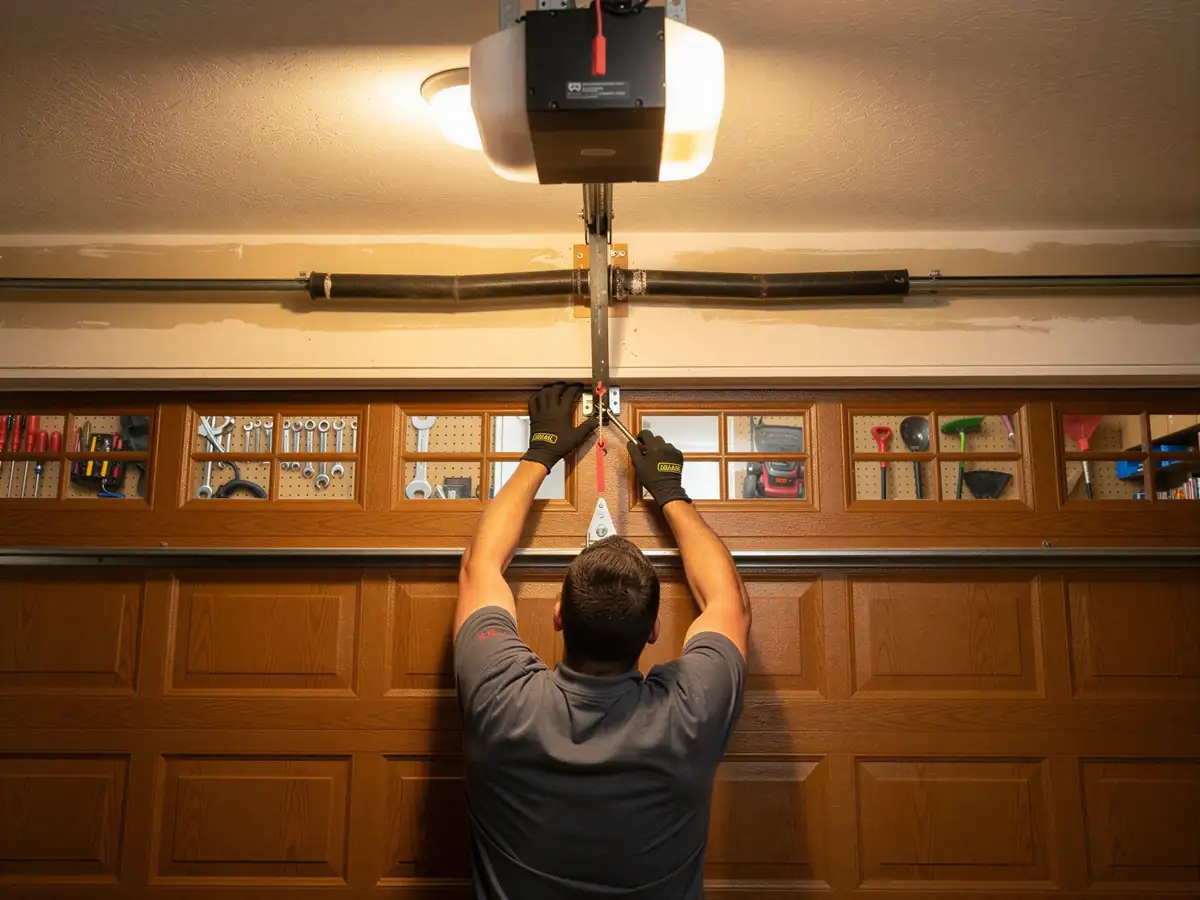
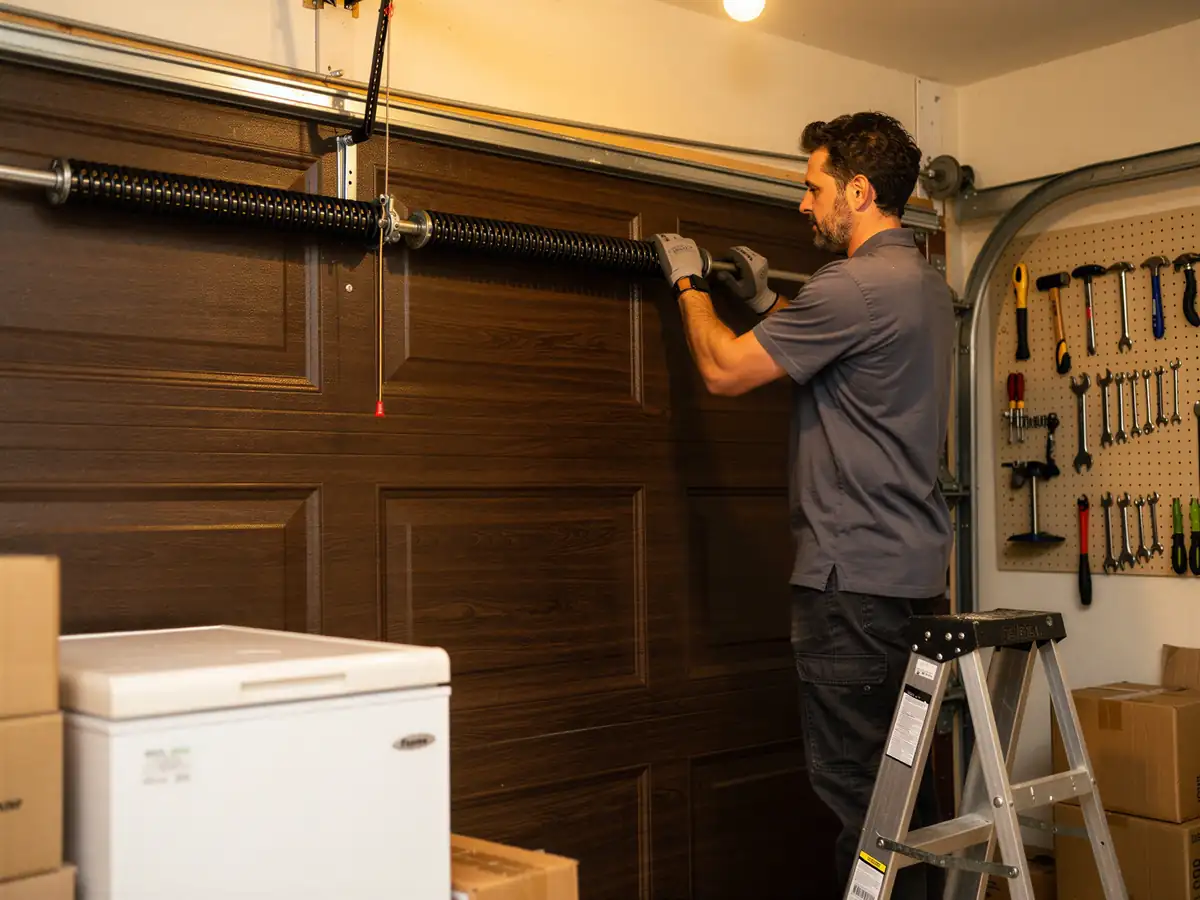
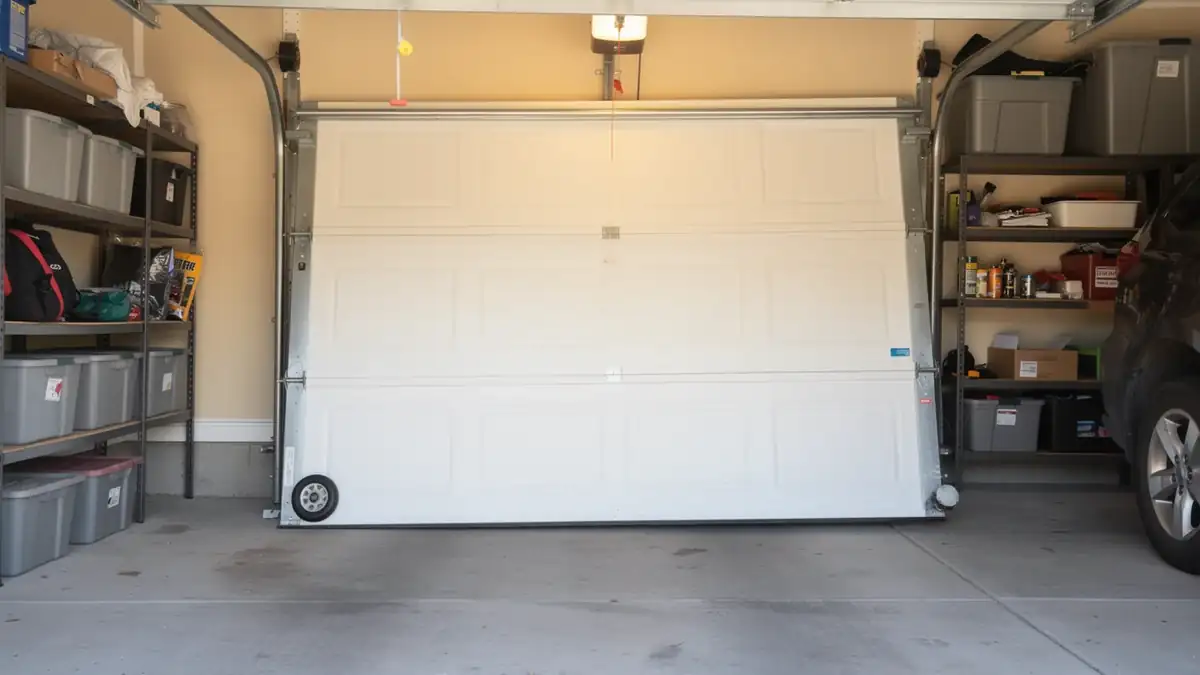
Farmington sits in a cold, moderate climate band, which means the slab under your track goes through real freeze-thaw cycles every winter, not just a cold spell or two. That shift happens under the concrete, not on top of it, so you won't see a crack to warn you. What you'll notice instead is a track that's a sixteenth of an inch out of plumb by January and three-sixteenths by March, because the slab edge nearest the door opening heaves more than the slab under the rest of the garage. On a door track fastened with those lighter 1980s-era brackets, that small shift is enough to walk the rollers toward the edge of the rail over a season. By the third or fourth winter after a bracket starts to loosen, the door doesn't need much else to go wrong. One hard stop, one slammed remote-close, and it jumps. This is also why a door that's run fine for fifteen years can suddenly start acting up in the fifth winter after a quiet settling period - the slab finally moved enough to matter.
The Problem
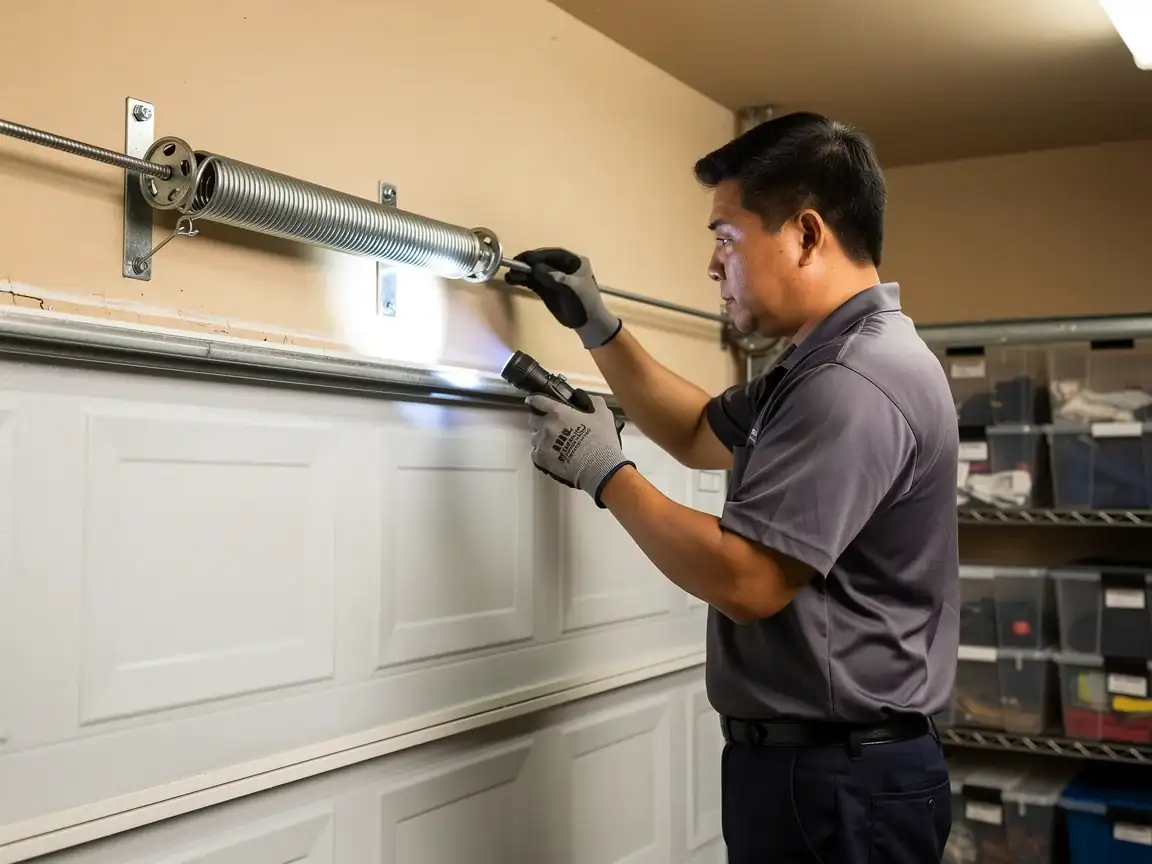
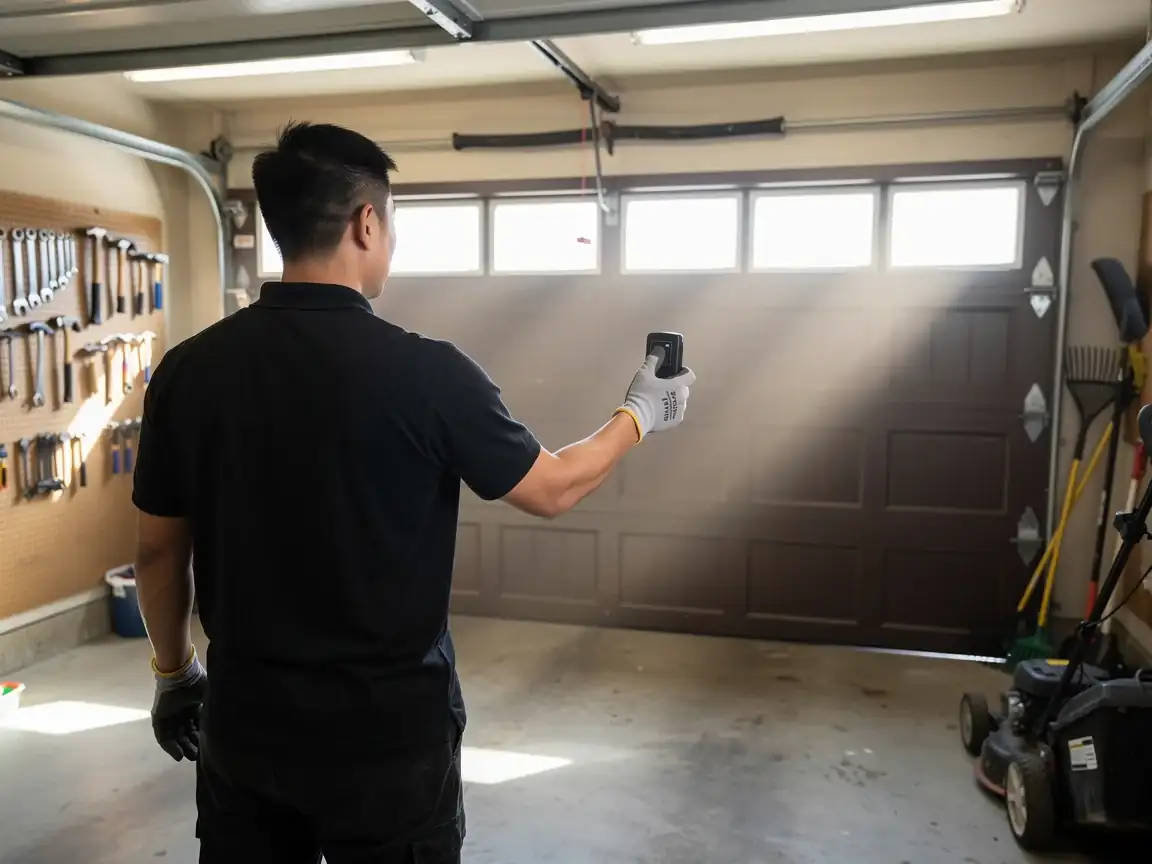
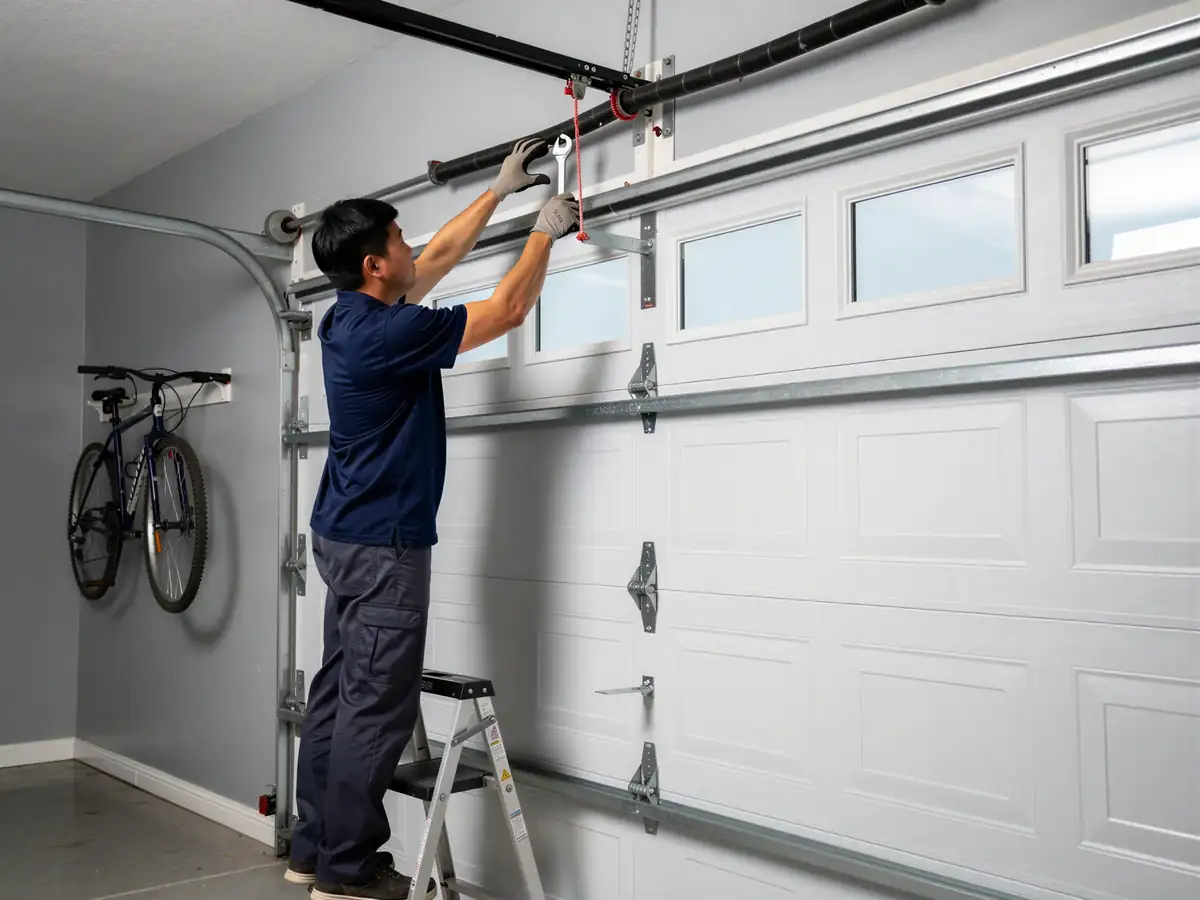
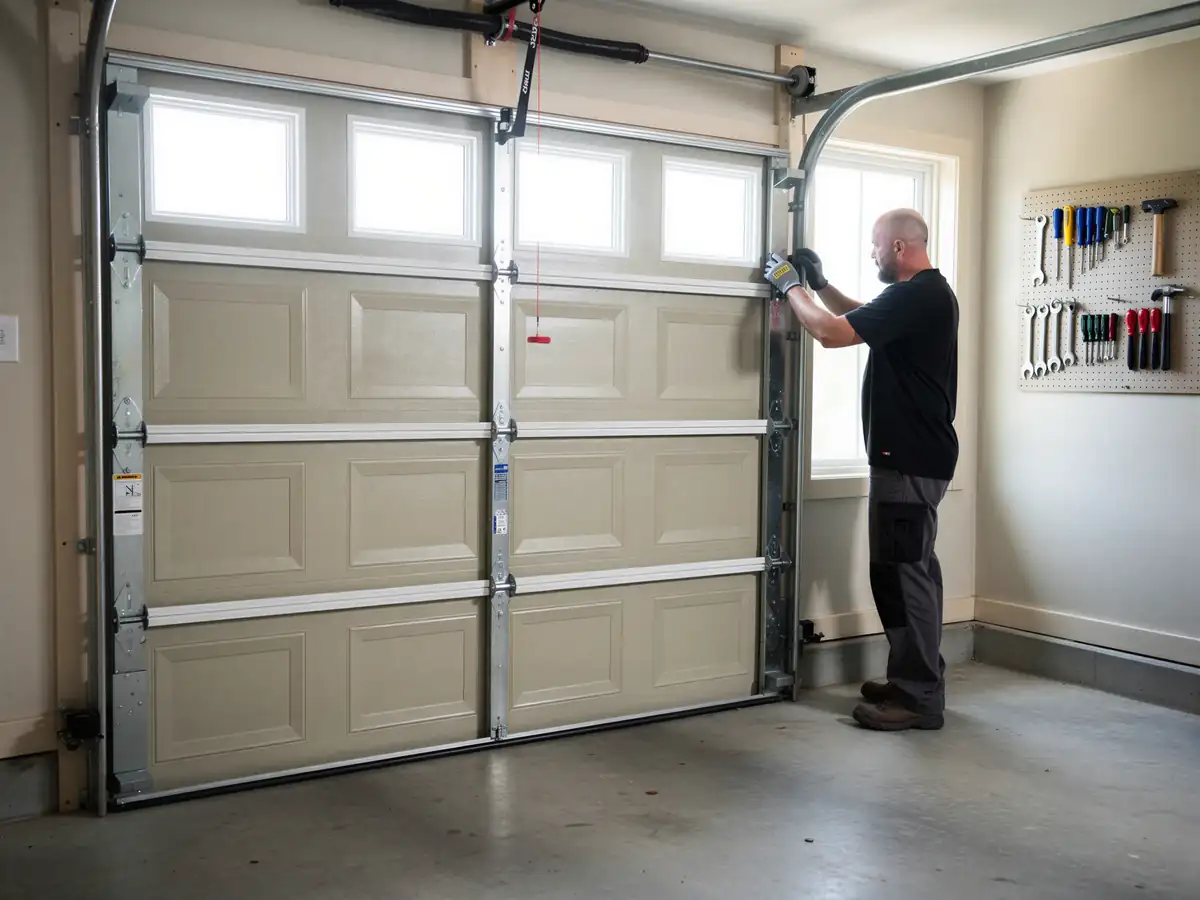
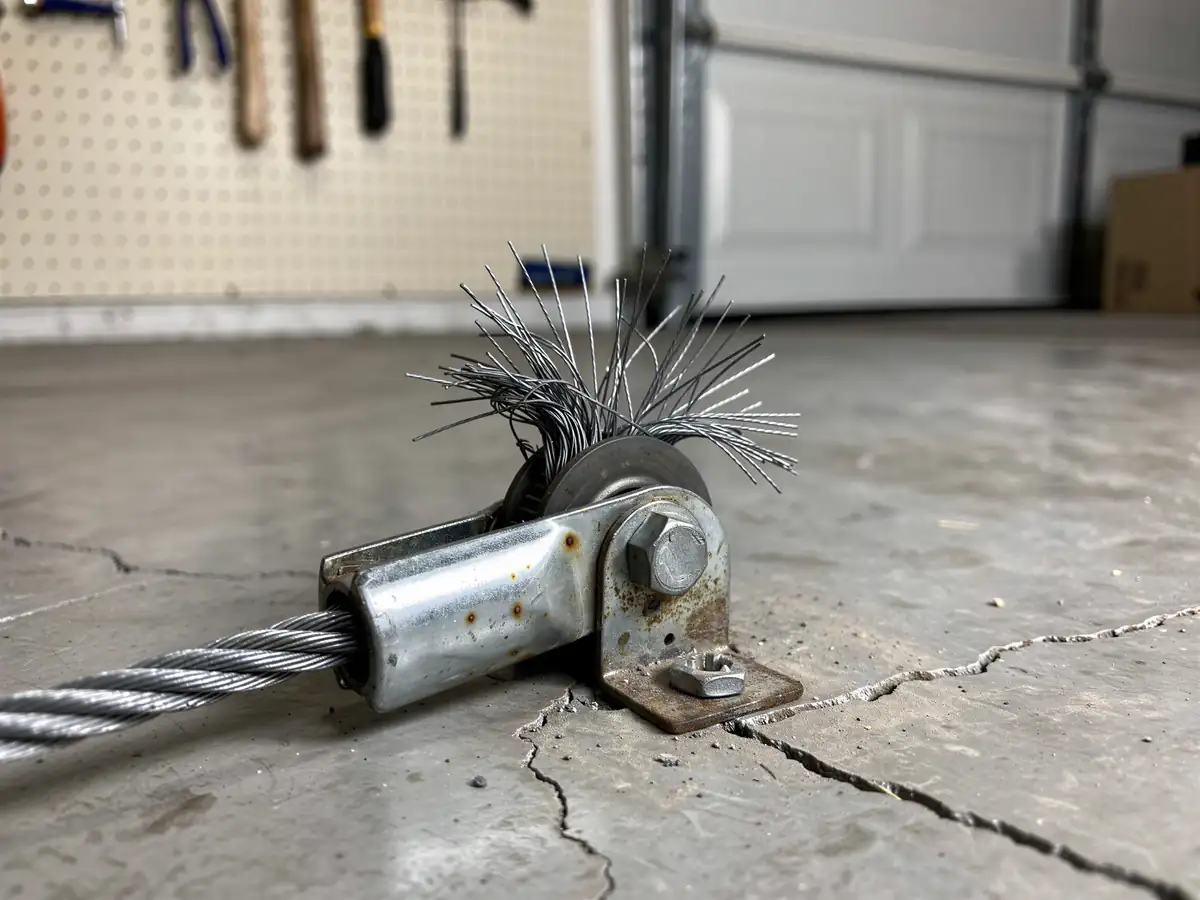
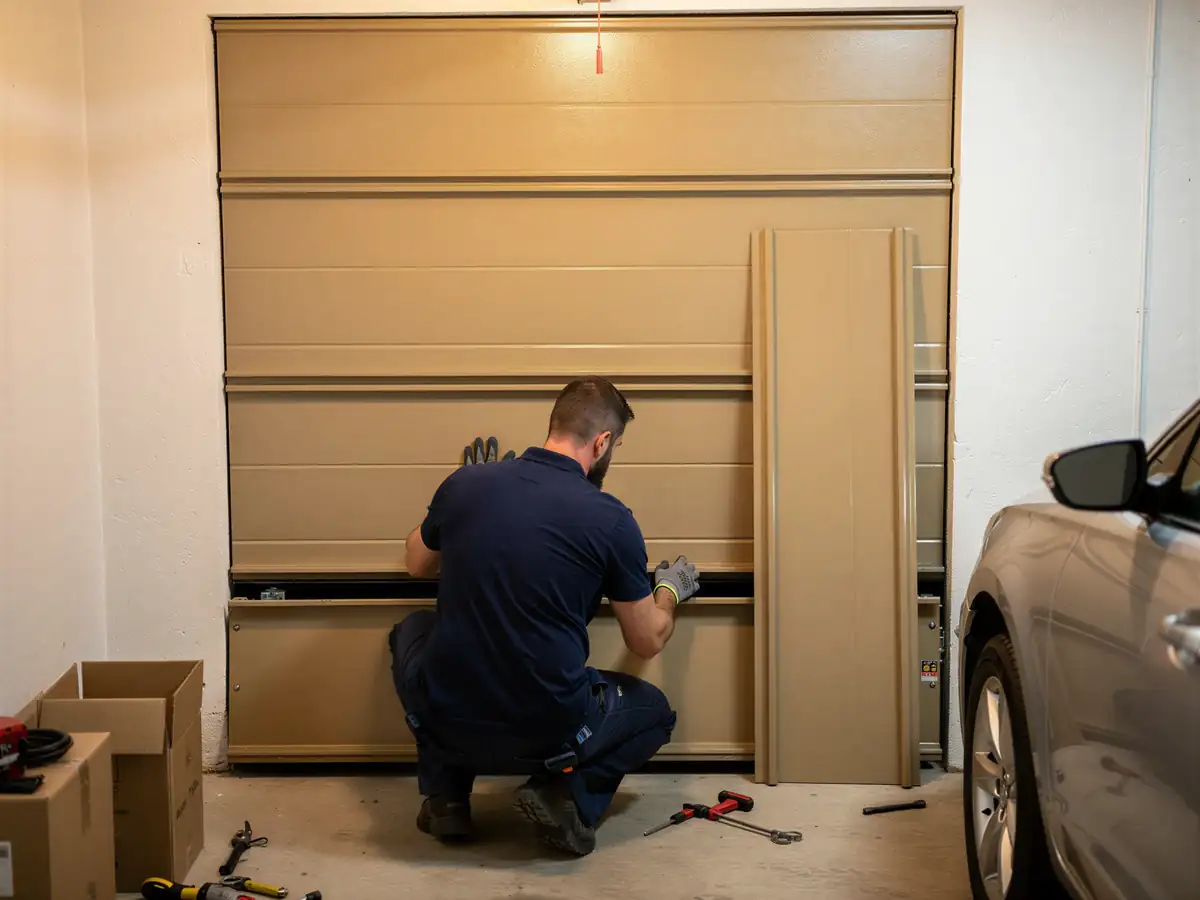
Once a bracket has backed out and the track has drifted, you're not looking at a tightening job anymore. The holes in the framing are usually stripped out from the original screws working loose, so driving the same screws back in just buys you another winter, not a fix. On the 1980s and 90s stock that makes up most of this area, we're also finding the vertical track sections were hung a touch short to begin with, which leaves less margin for the kind of movement a cold-climate slab produces. When a bracket lets go on one side, the door racks slightly as it travels, which puts uneven load on the opposite track and bends the rail at the roller contact point - even on doors that were installed level and true. By the time you hear the scrape or see the gap where a roller's left the rail, you're usually dealing with a bent section of track, not just a loose bracket, and that section needs to come off and get replaced rather than reset.