Doing It Yourself
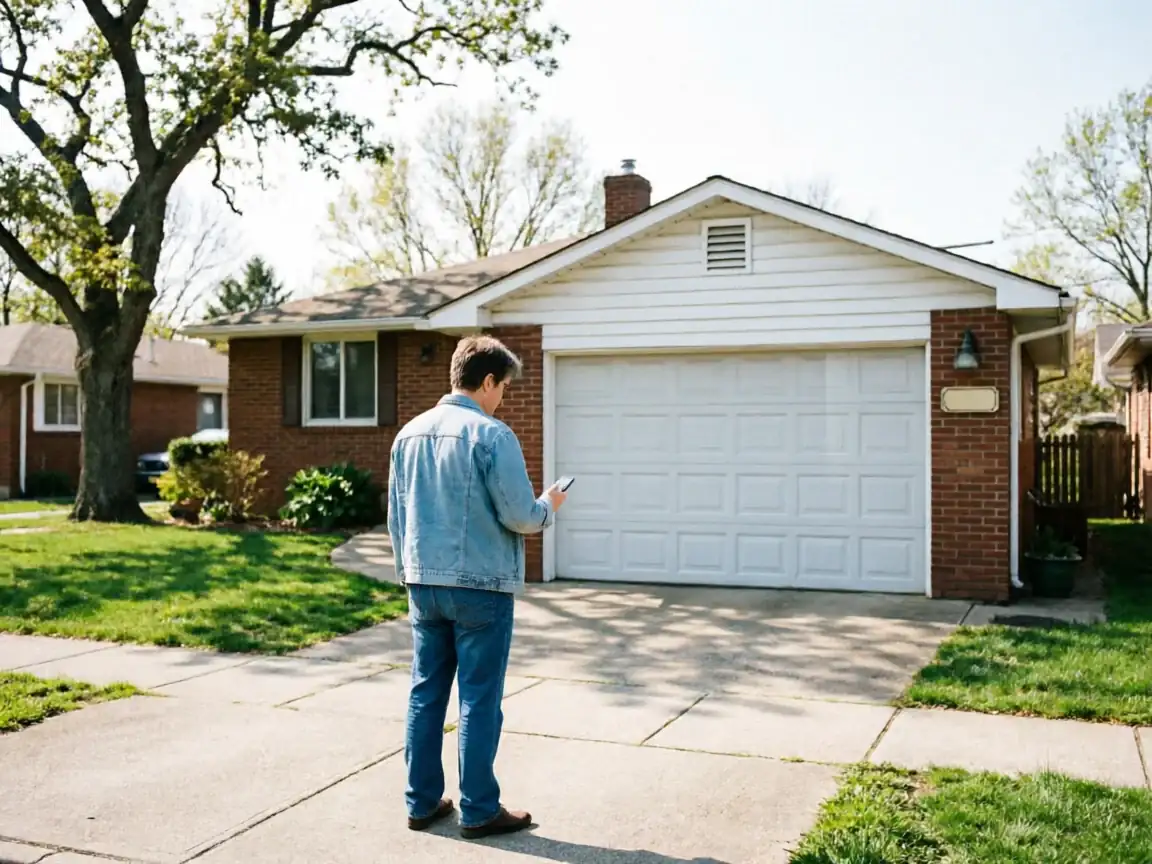
A lot of what goes wrong with a garage door looks simple from the driveway
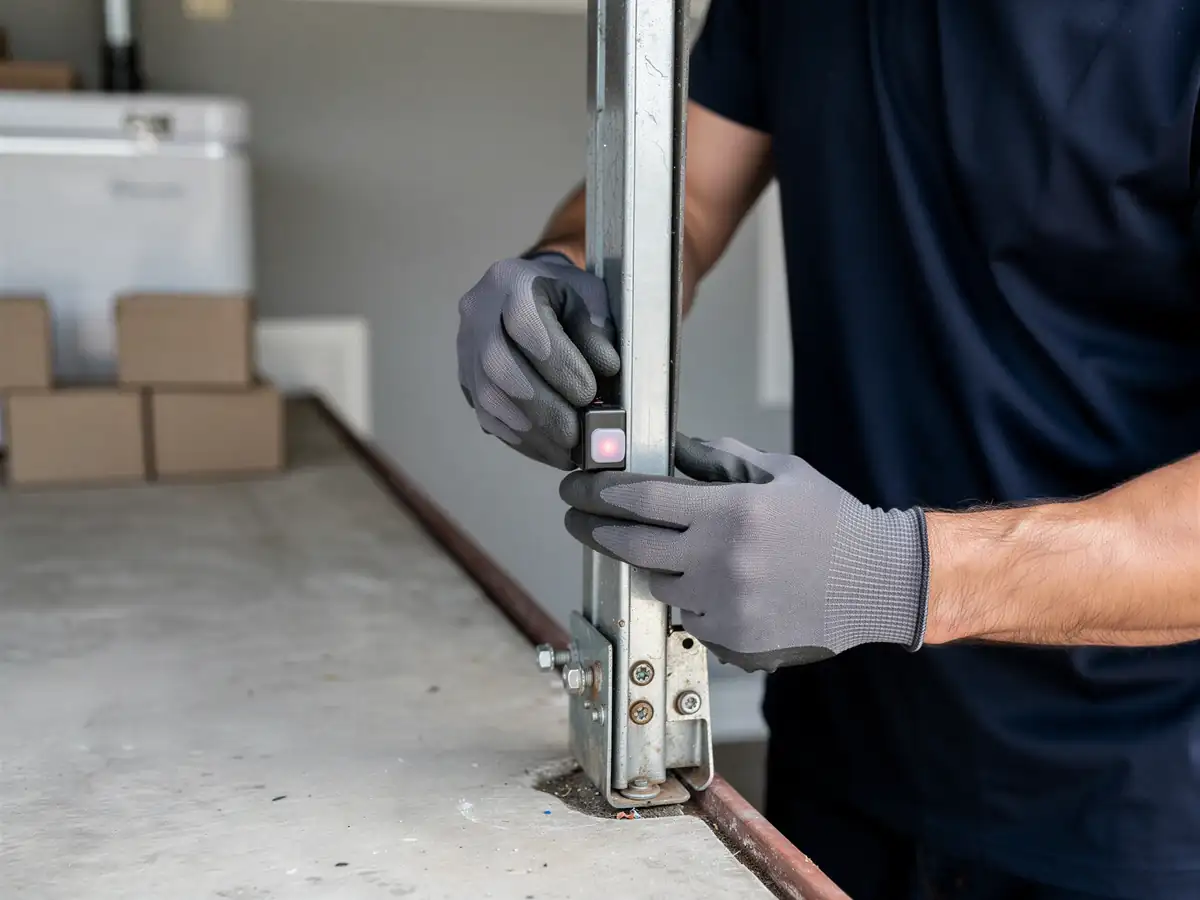
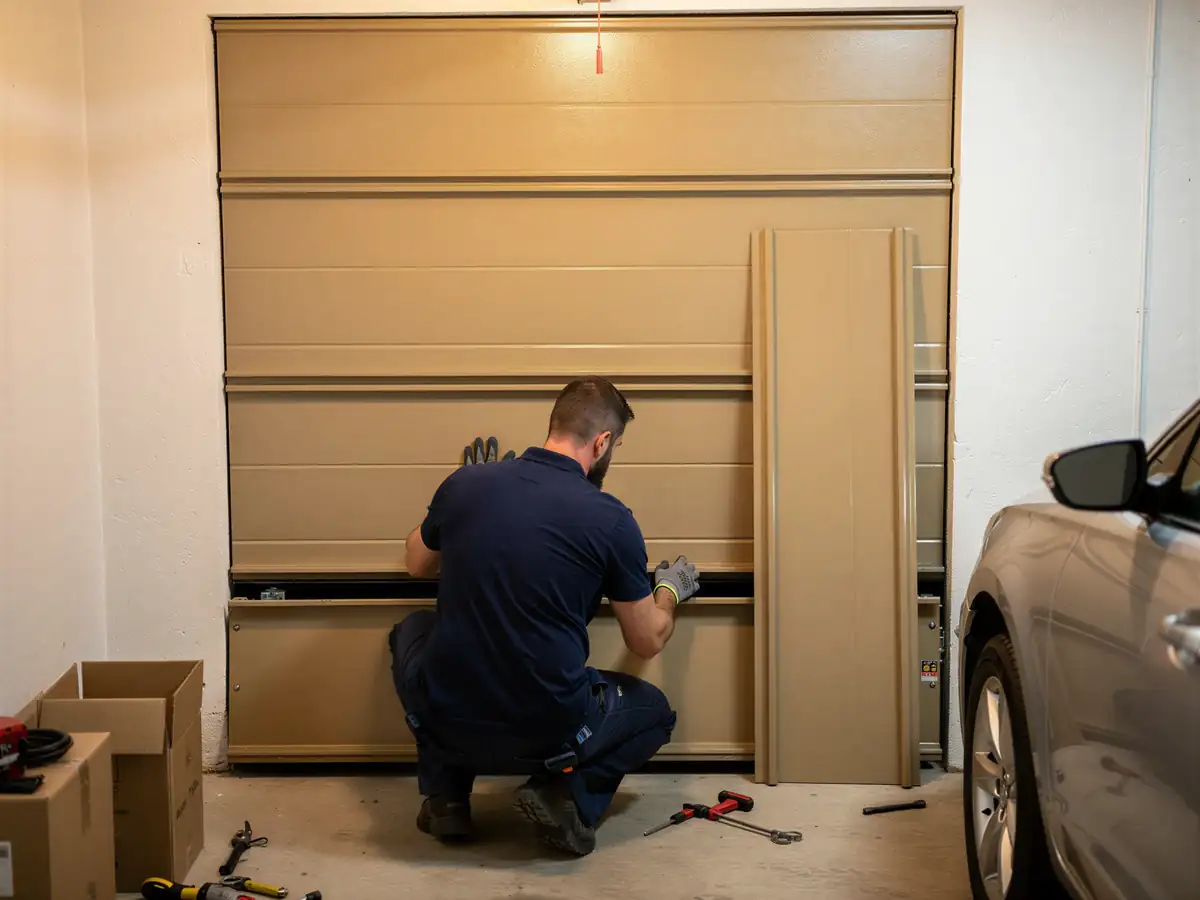
A noisy roller, a door that sags on one side, an opener that grinds instead of lifting. Some of that really is yours to handle. Lubricating hinges and rollers, tightening loose bolts on the track, clearing the photo-eye sensors of dust - that's homeowner work, no special tools needed.
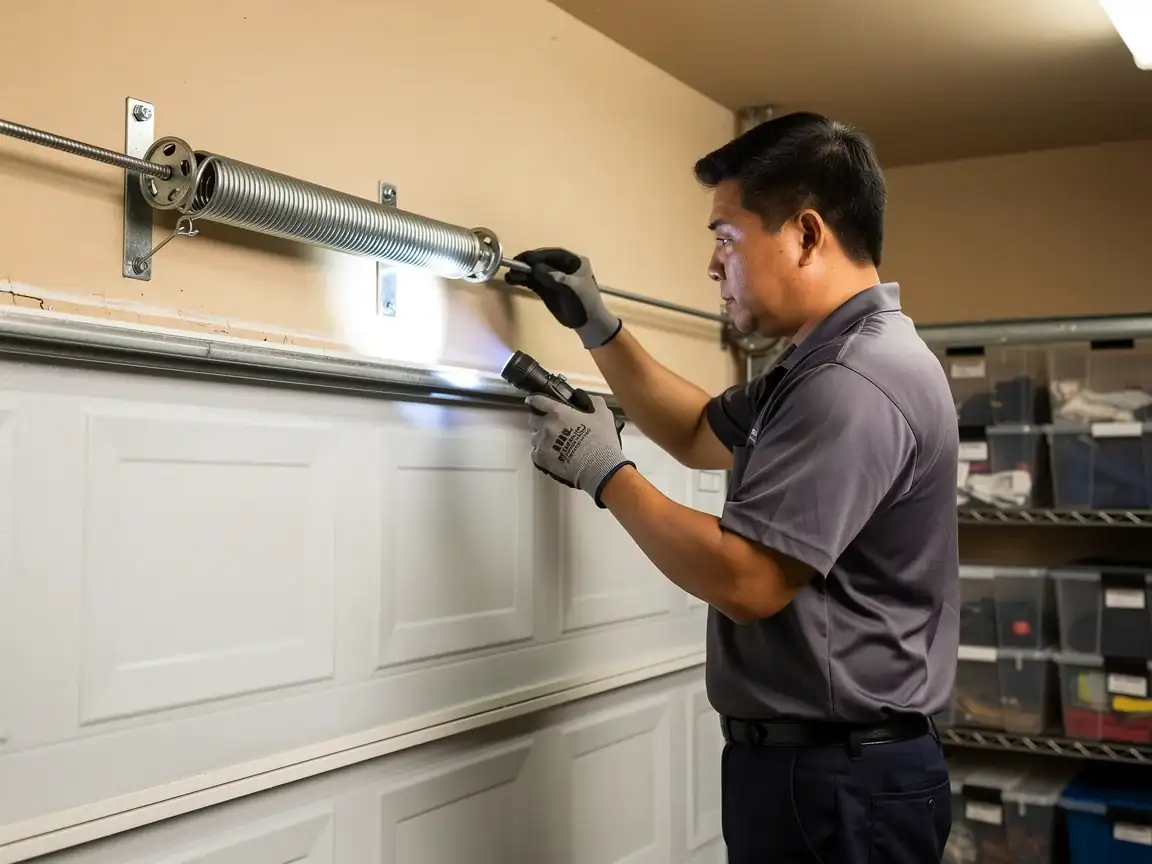
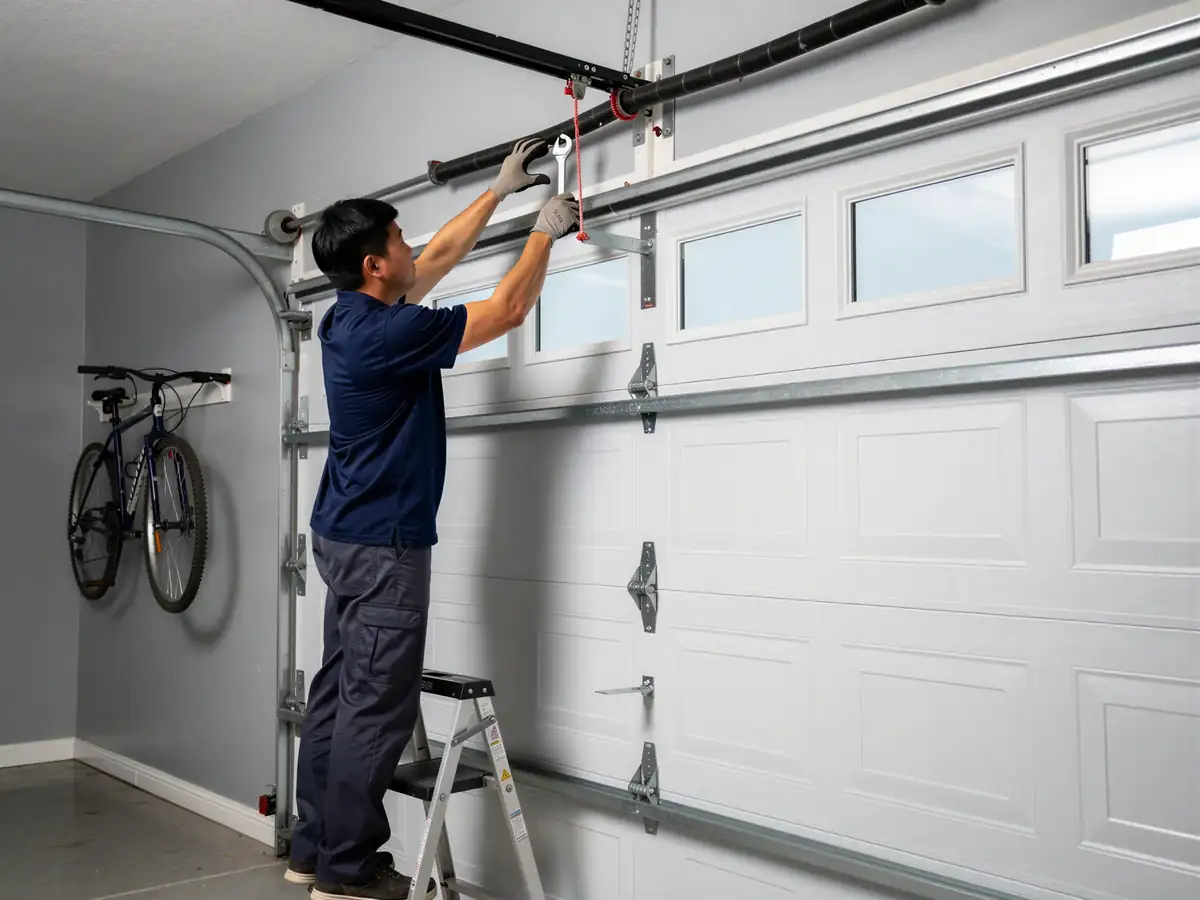
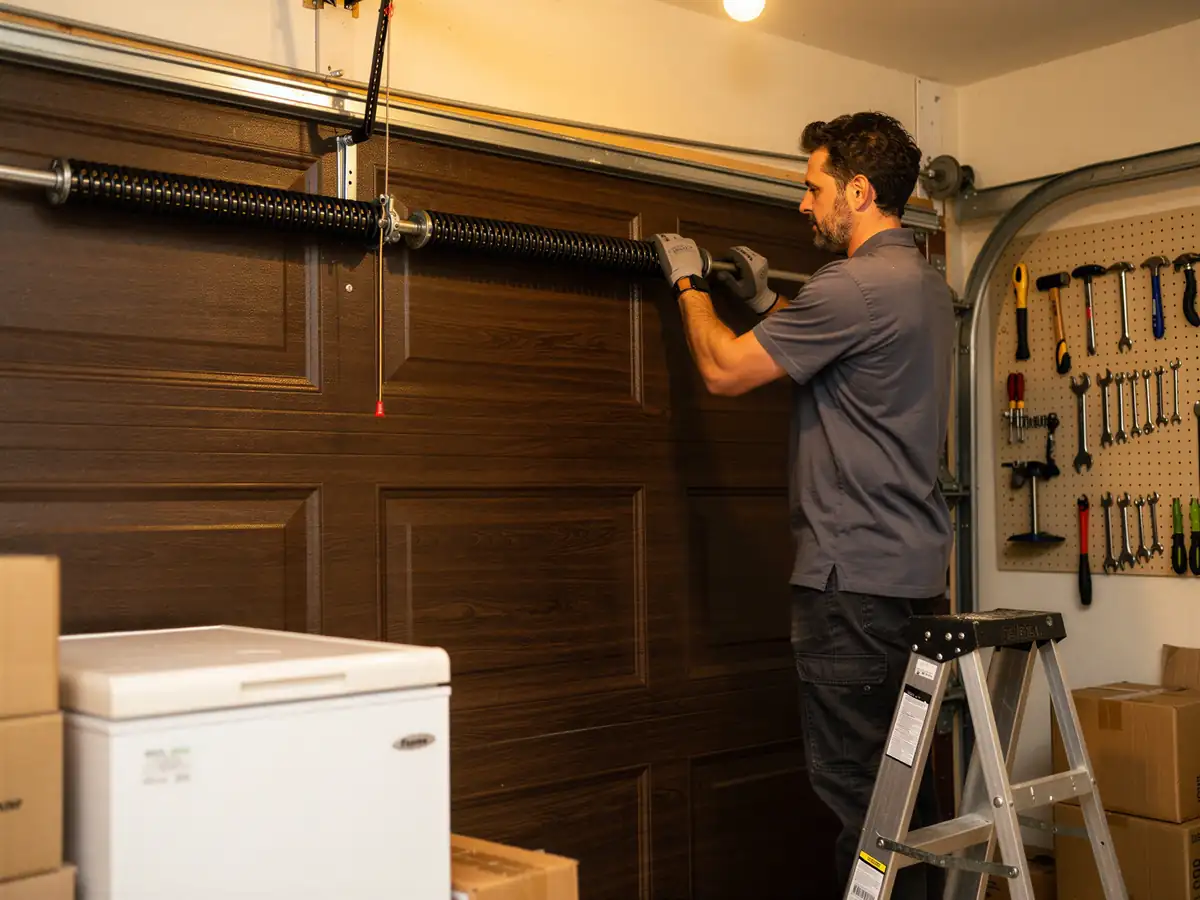
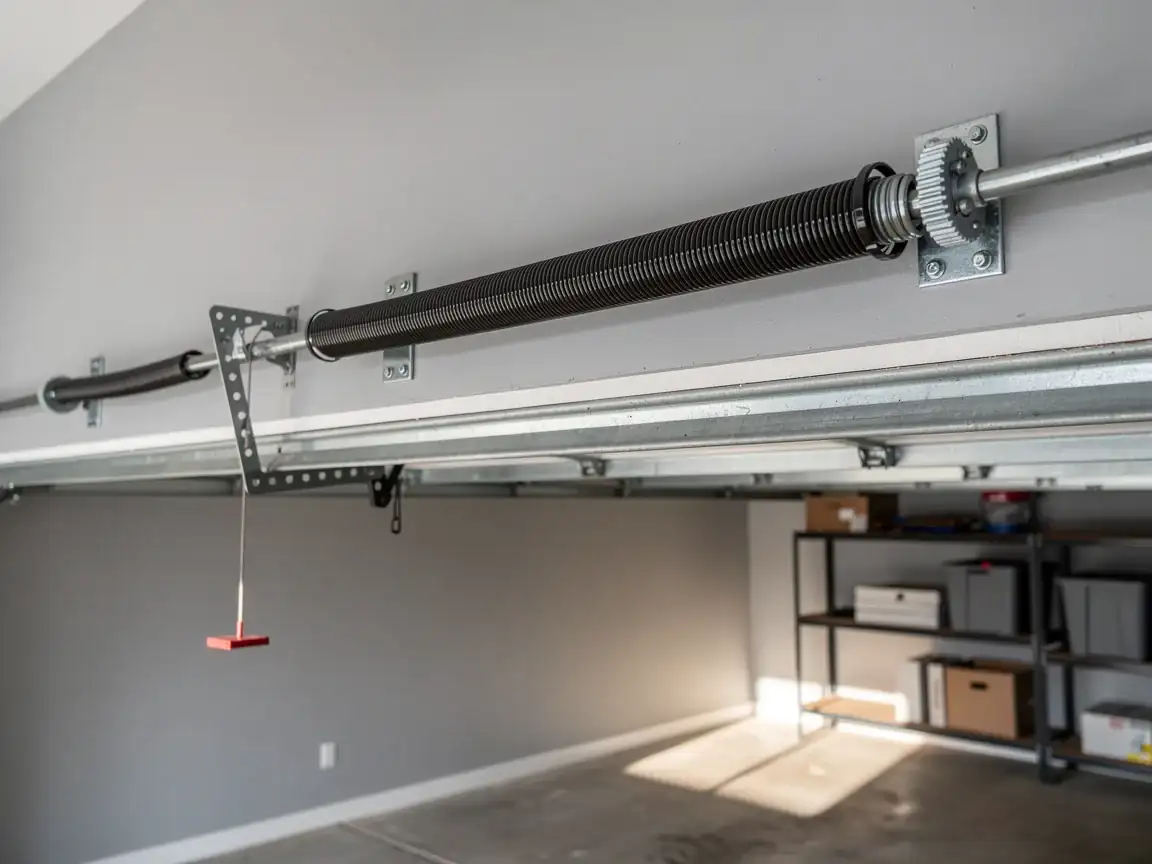
What isn't yours to handle is the torsion spring
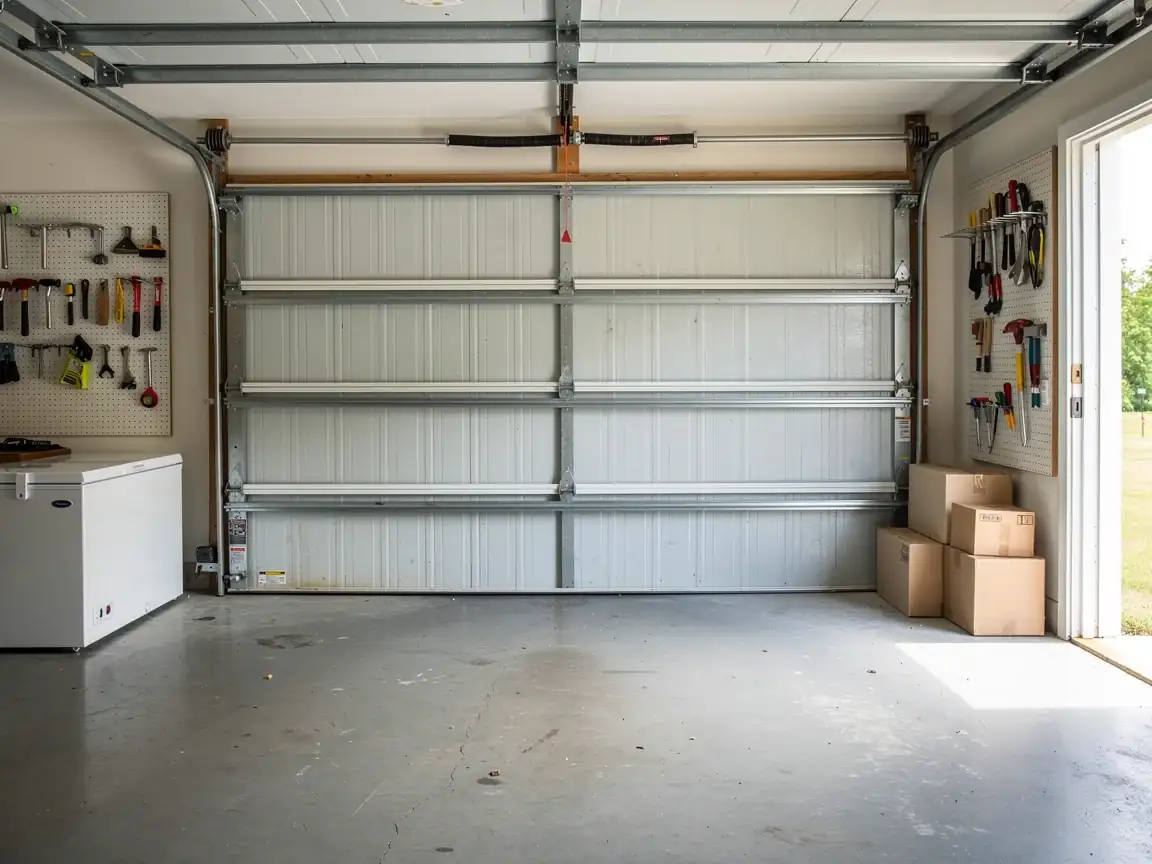
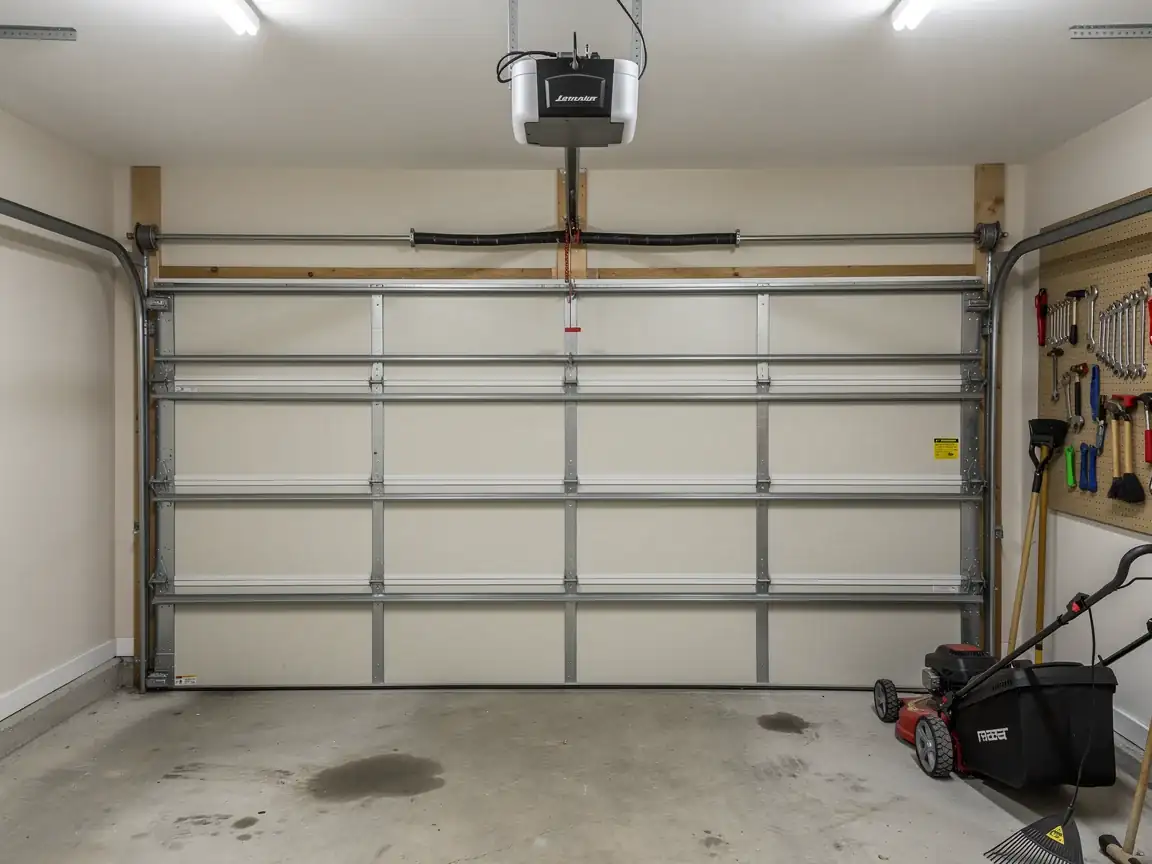
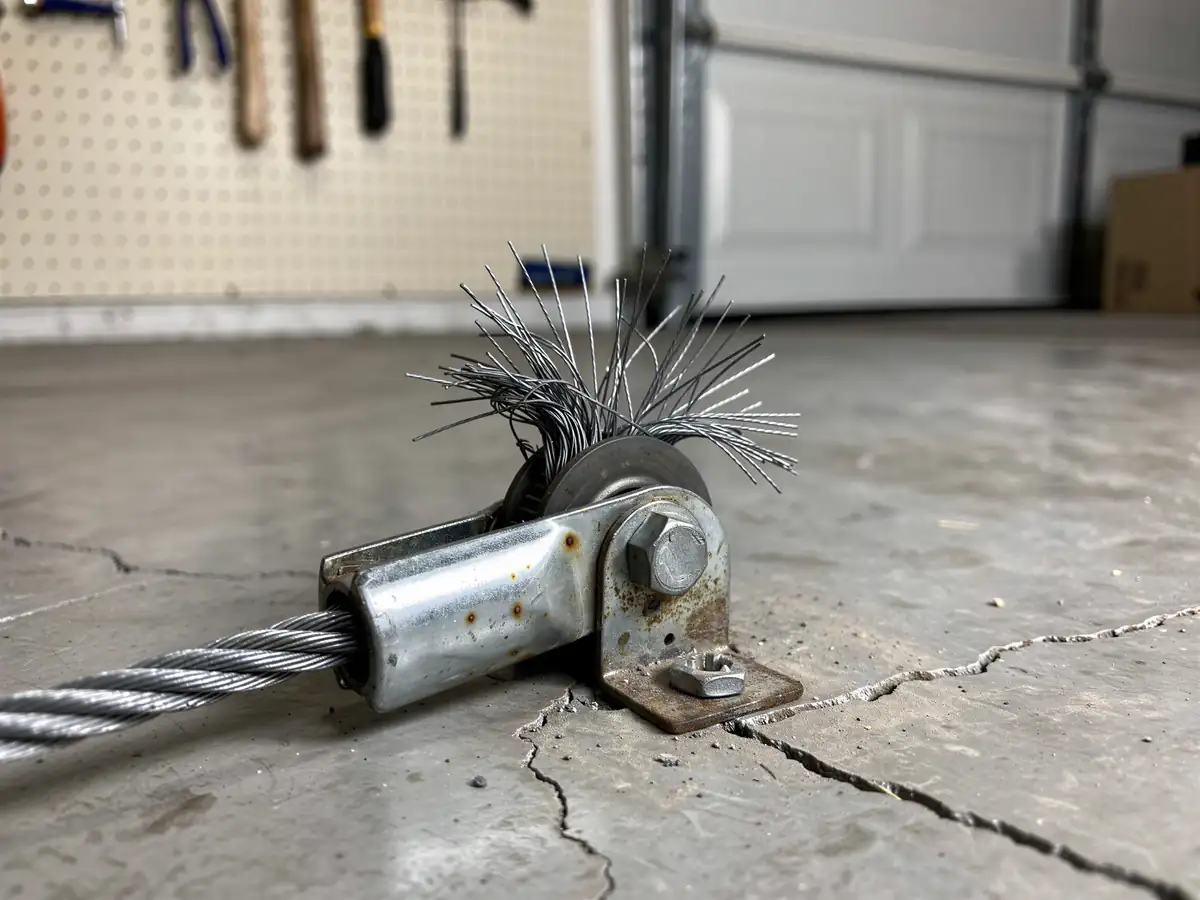
Most houses in the Farmington service area were built between 1955 and 2004, with the bulk of that stock going up through the 1980s and 90s, which means a good share of doors out there are still running the torsion spring setup that came standard for that era. These springs hold the full weight of the door under tension, and a spring that lets go while you're working on it can break a hand or worse. Same goes for the bottom bracket and cable system - small parts, big force.
If you're not sure which category your fix falls into, treat it as a call, not a project
We'd rather talk you out of a job that doesn't need us than have you find out the hard way which side of that line you were on.
The Cost of This Job
We're not going to put a number here that we can't back up for your specific door - the honest answer is that cost depends on what's actually broken, the size and weight of the door, and whether the opener needs attention too. A single spring replacement is a different job from a full torsion conversion on an older double-wide door, and quoting one price for both would be guessing.
What we can tell you is what drives the cost up or down. Age and originality matter: a door still running its factory hardware from the 1980s or 90s often needs more than the one part that failed, because everything around it has been under the same stress for decades. Household budgets across this area sit well above the state median, which is part of why a lot of owners choose to fix it right the first time rather than patch around a failing spring or a worn cable - a second call for the same door costs more than one visit done properly.
The real number comes from seeing the door. We'll tell you what's wrong and what it takes to fix it before any work starts, not after.
Why This Fails Locally
Farmington sits in a cold, moderate climate band, and that matters more to a garage door than most owners think. Steel contracts in deep cold, torsion springs lose a little flex, and nylon rollers that were fine in July start chattering in January. None of that is dramatic on its own - it's the accumulation, winter after winter, on hardware that in a lot of homes here dates back to a build year somewhere between 1955 and 2004.
Add in that the service area covers 18 named communities with housing stock concentrated in that 1980s-to-90s window, and you get a pattern: a whole generation of doors hitting the same age-related wear at close to the same time, right as winter puts the most load on them. A spring rated for a certain number of cycles doesn't know what year it is, but cold adds friction, and friction adds wear the spring's rating never accounted for.
This isn't a Farmington-specific flaw in the doors themselves - it's what cold does to aging torsion hardware anywhere it exists in volume. Here, it just happens to exist in volume, because so much of the housing went up in that same narrow window.
How It Shows Up
It rarely starts as a door that won't open at all
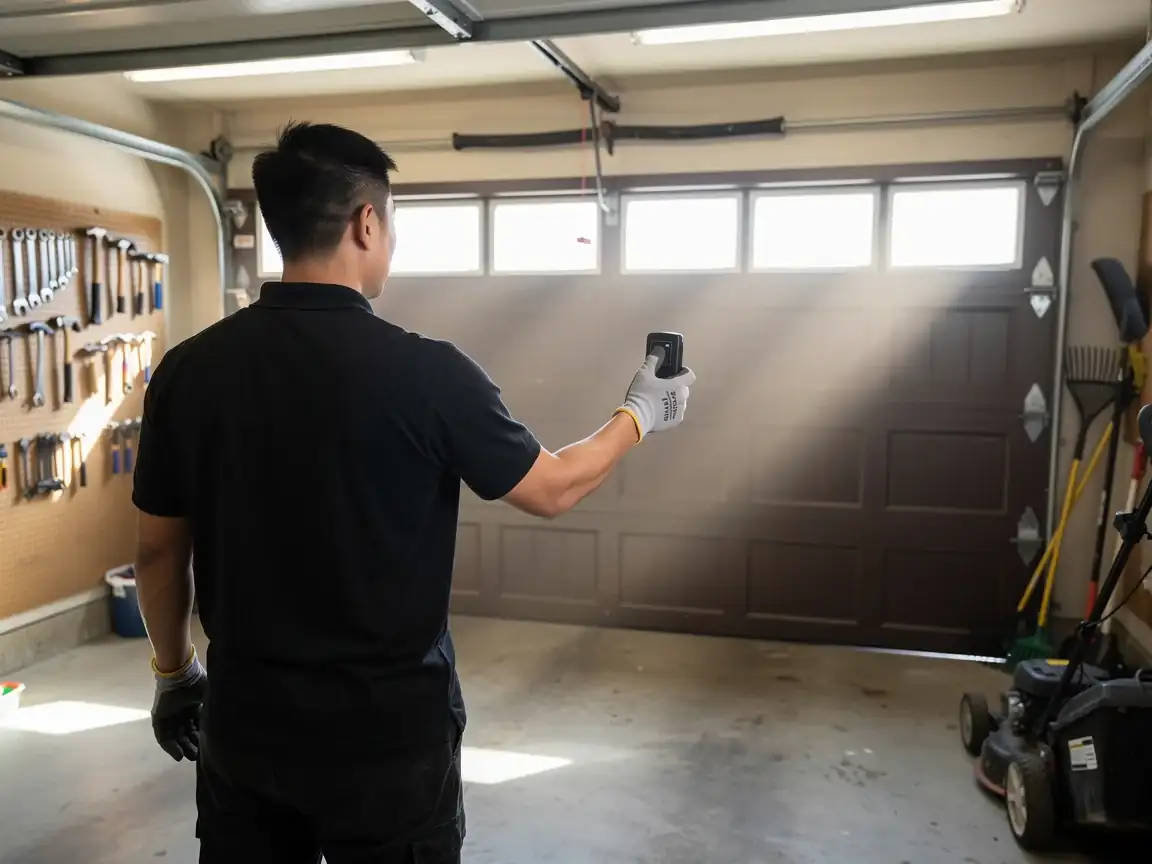
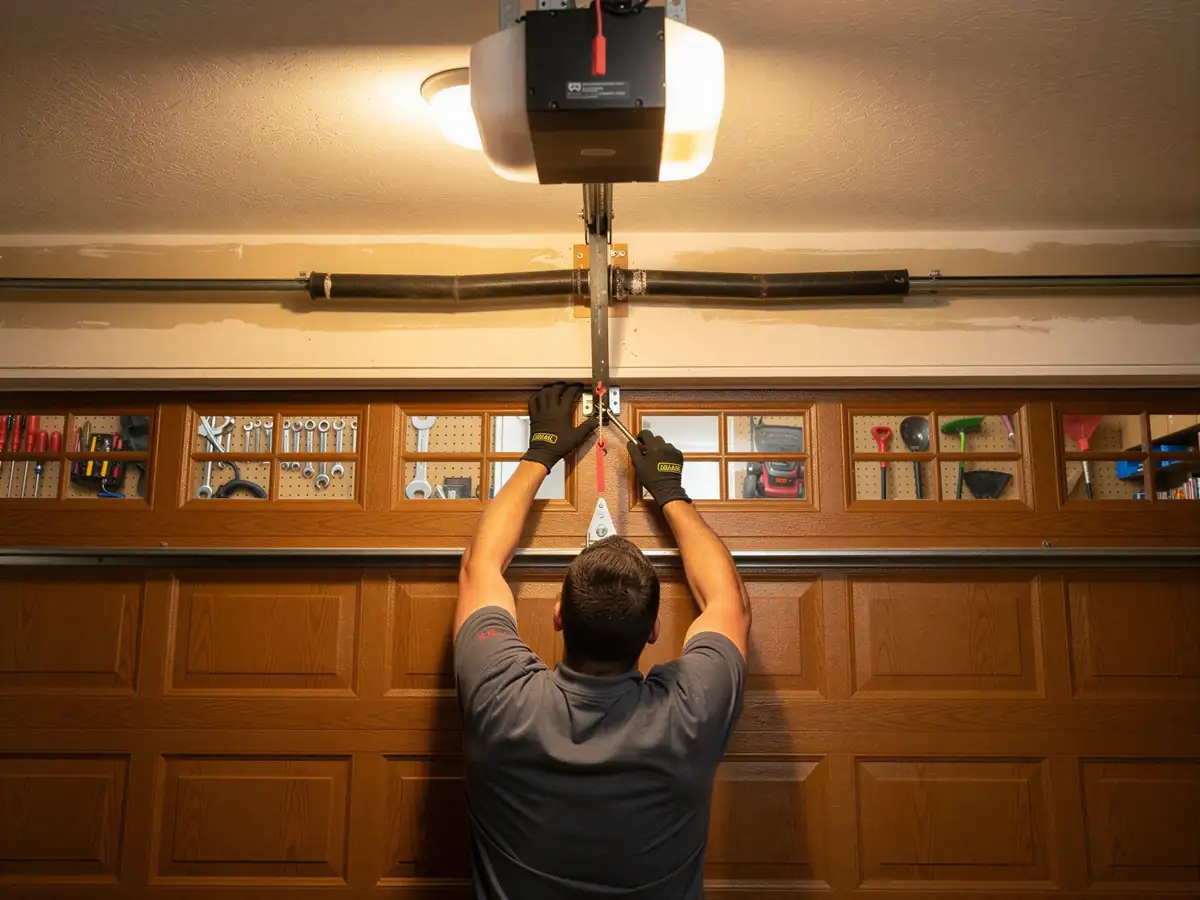
More often it's the door that opens a little slower than it used to, or one that shudders partway up and then catches. In homes from the 1983-median build years common here, that shudder is frequently a torsion spring starting to lose tension - the opener is compensating by working harder, and you can sometimes hear that in the motor before you see it in the door.
Other times it shows up as a door that looks fine standing still but drifts shut on its own
Or one side visibly lower than the other when it's halfway up. That's usually cable or spring balance, not the opener, even though the opener gets blamed first because it's the part making noise.
In colder months, watch for a door that worked yesterday and sticks today with no other change
That's often just cold-stiffened hardware on an older spring reaching the point where it can't take the extra resistance. None of these are emergencies the first day you notice them, but none of them get better by waiting through another winter.