Doing It Yourself
Swapping an opener looks simple on a video
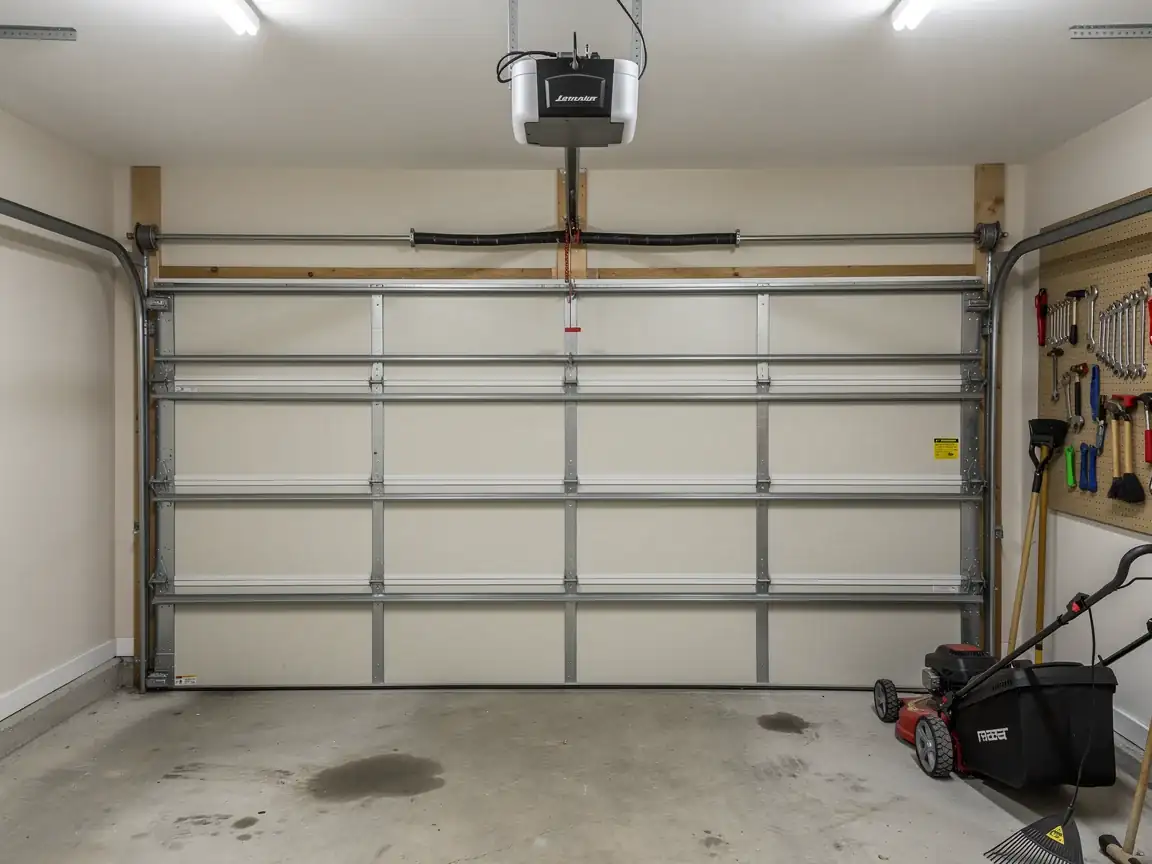
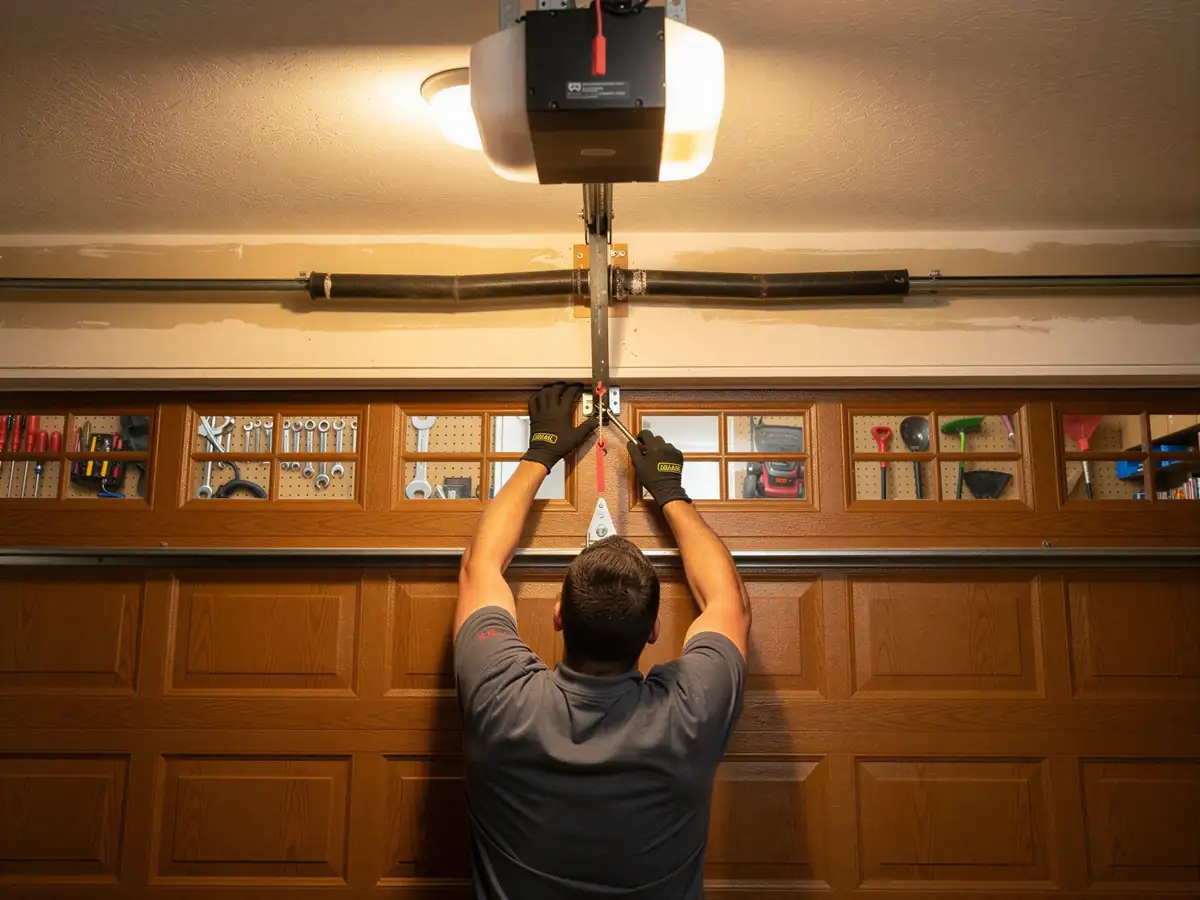
Mount the rail, hang the head unit, wire the wall button, set the travel limits. What the videos skip is the part that matters in a cold-climate market like this one: matching the opener's horsepower and drive type to a door that's been sagging a little since the Carter administration.
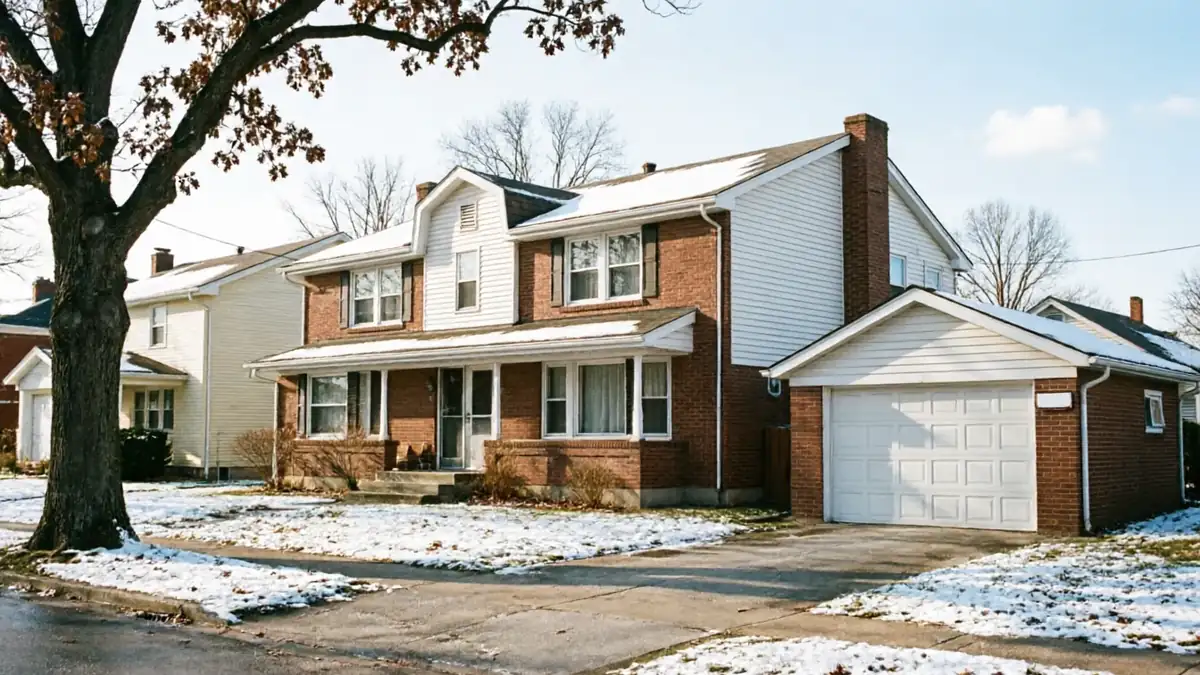
A lot of the housing stock across this service area went up between 1955 and 2004
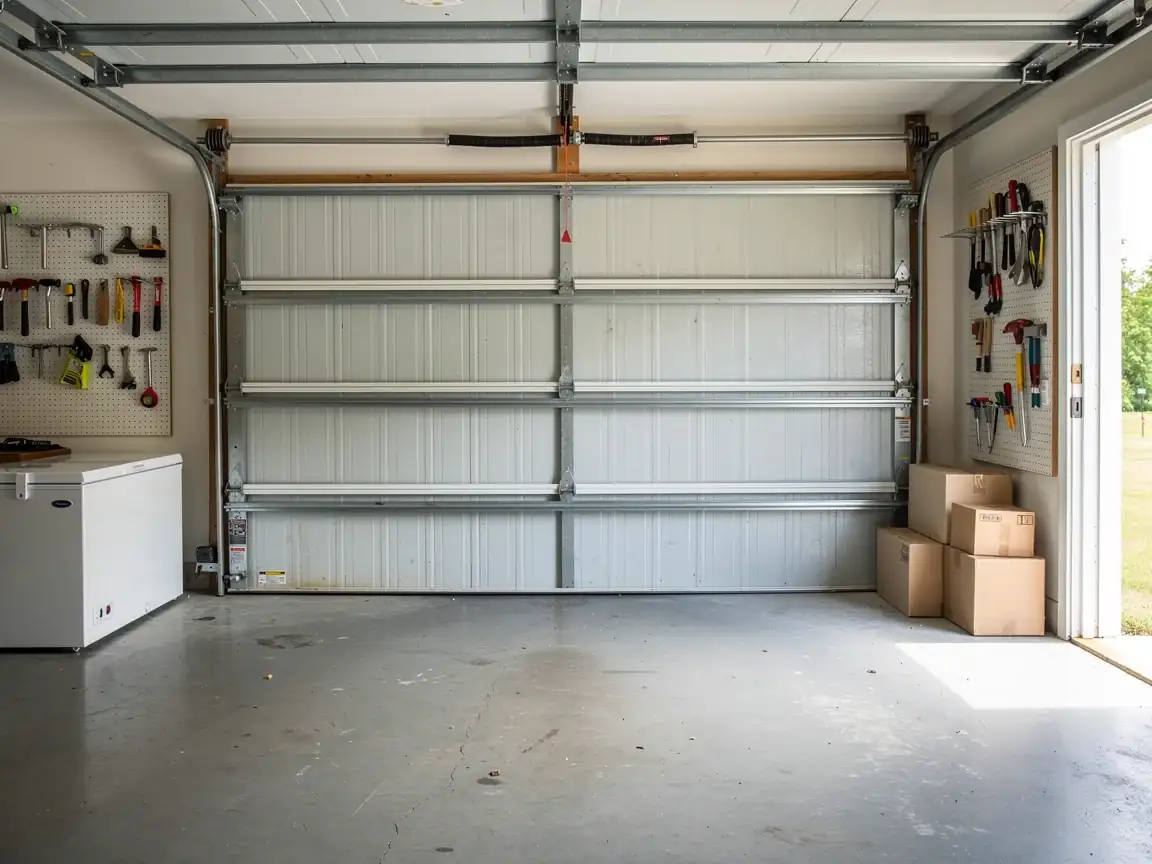
With the bulk of it in the 1980s and 90s. That means you're often pairing a new opener with an original door, original track, and hardware that was sized for a lighter panel or a different spring rate than what's on the door today. Bolt a 3/4 HP unit onto a door that's heavier than spec because of added insulation or a storm-damaged panel swap years back, and the opener will run hot, strip gears, or just refuse to pull the door past the midpoint on a cold morning.
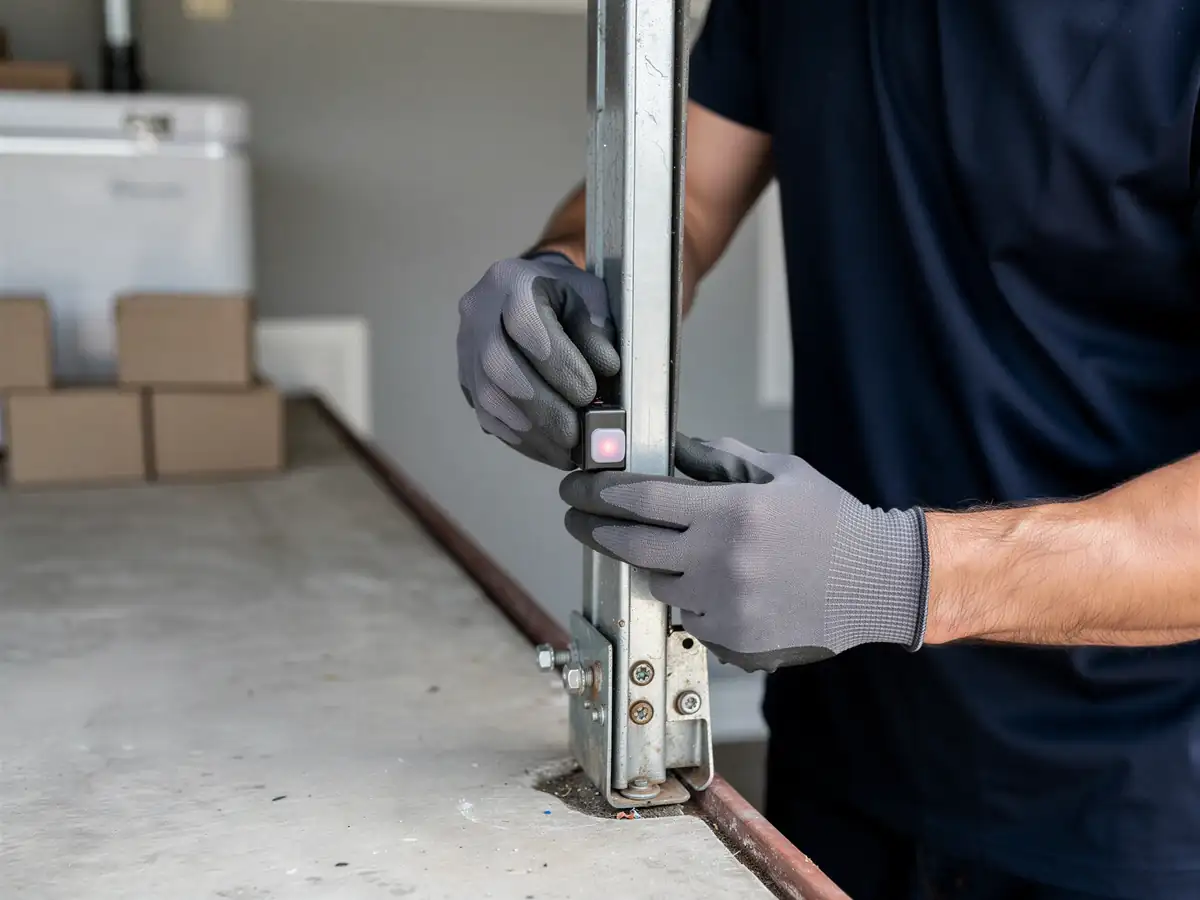
The other piece people miss is the safety reversal system
Any opener installed new has to have working photo-eye sensors and a force-reversal test that actually passes, not just a unit that looks plugged in. If you're doing this yourself, budget the time to test it properly, not just get the door moving.
We're not against DIY
We are against doing it once and getting it wrong in a way that costs more to undo.
The Cost of This Job
We're not going to throw a number at you that doesn't hold up once a tech is standing in your driveway. What drives the cost on this job, consistently, is what's already on the door.
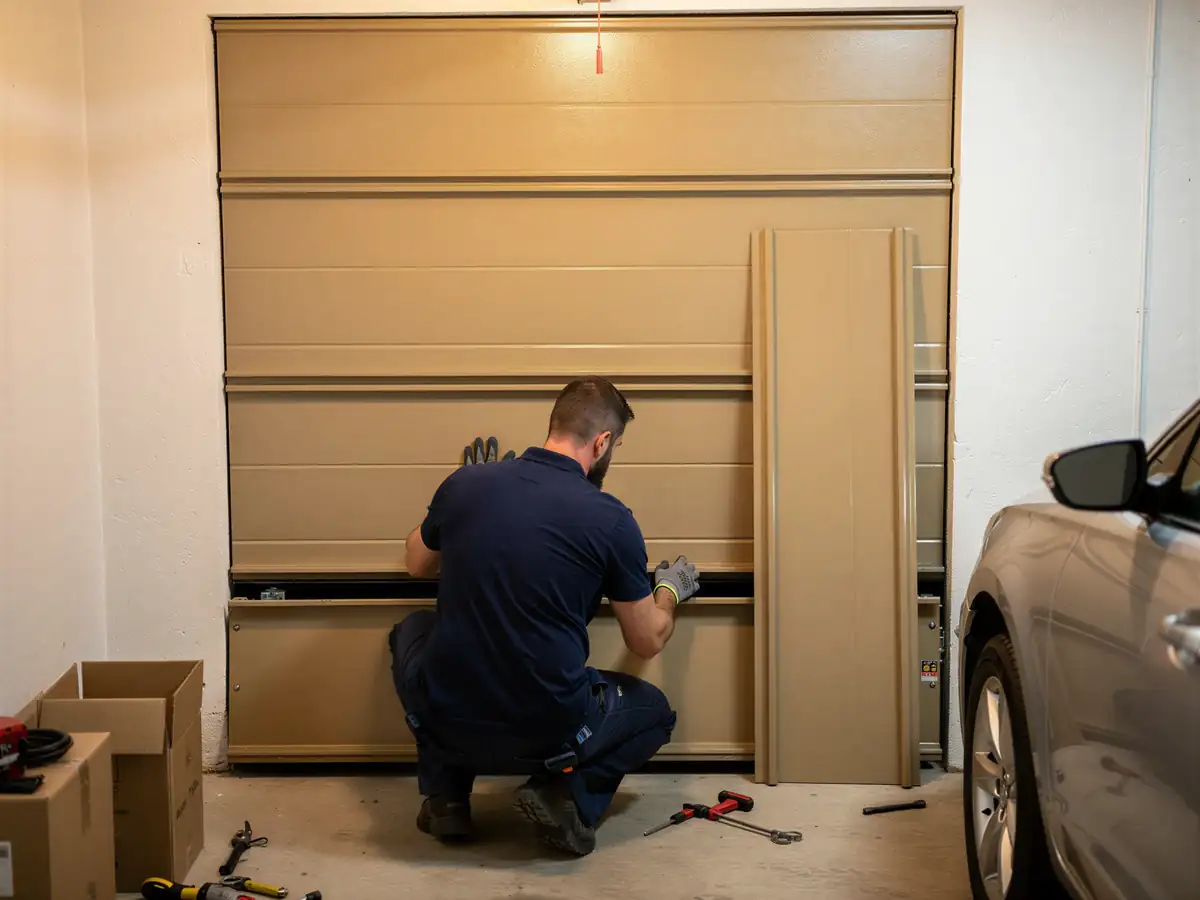
A straightforward swap - same mounting points, same door weight, existing wiring reusable - is the cheap version of this job. Add a bent rail, a door that needs new rollers or cable to handle the opener's pull correctly, or a header that needs reinforcing because the house is older and the framing wasn't built for a modern unit's mounting bracket, and the job grows.
Household income across this area runs well above the state median, and we see that reflected in what people ask for: belt-drive units over chain, battery backup for winter outages, smart openers with phone app control. Those all cost more than a basic chain-drive swap, and that's a choice, not a requirement.
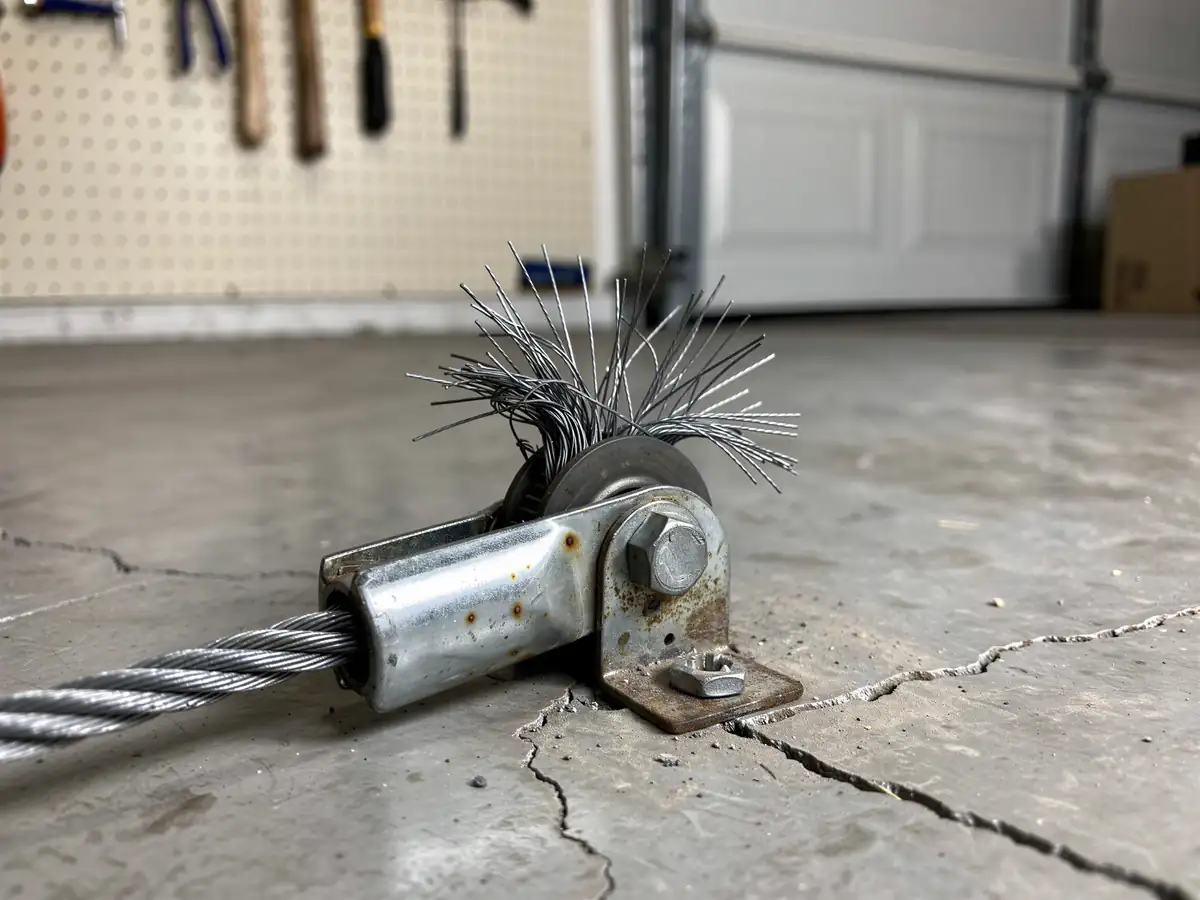
The honest limit here: if your door itself is failing - cracked panels, a spring that's clearly shot, track that's rusted through - putting a new opener on it is money spent on the wrong half of the system. We'll tell you that before we quote the opener.
Why This Fails Locally
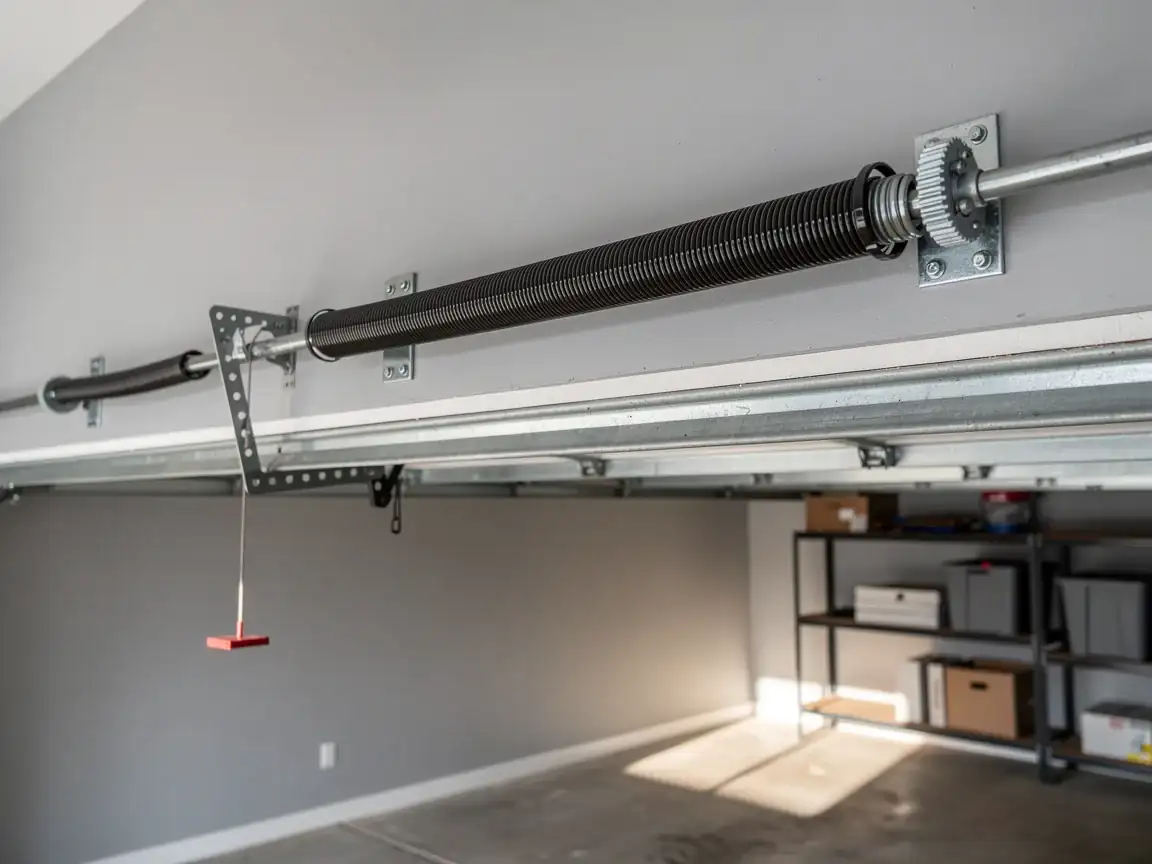
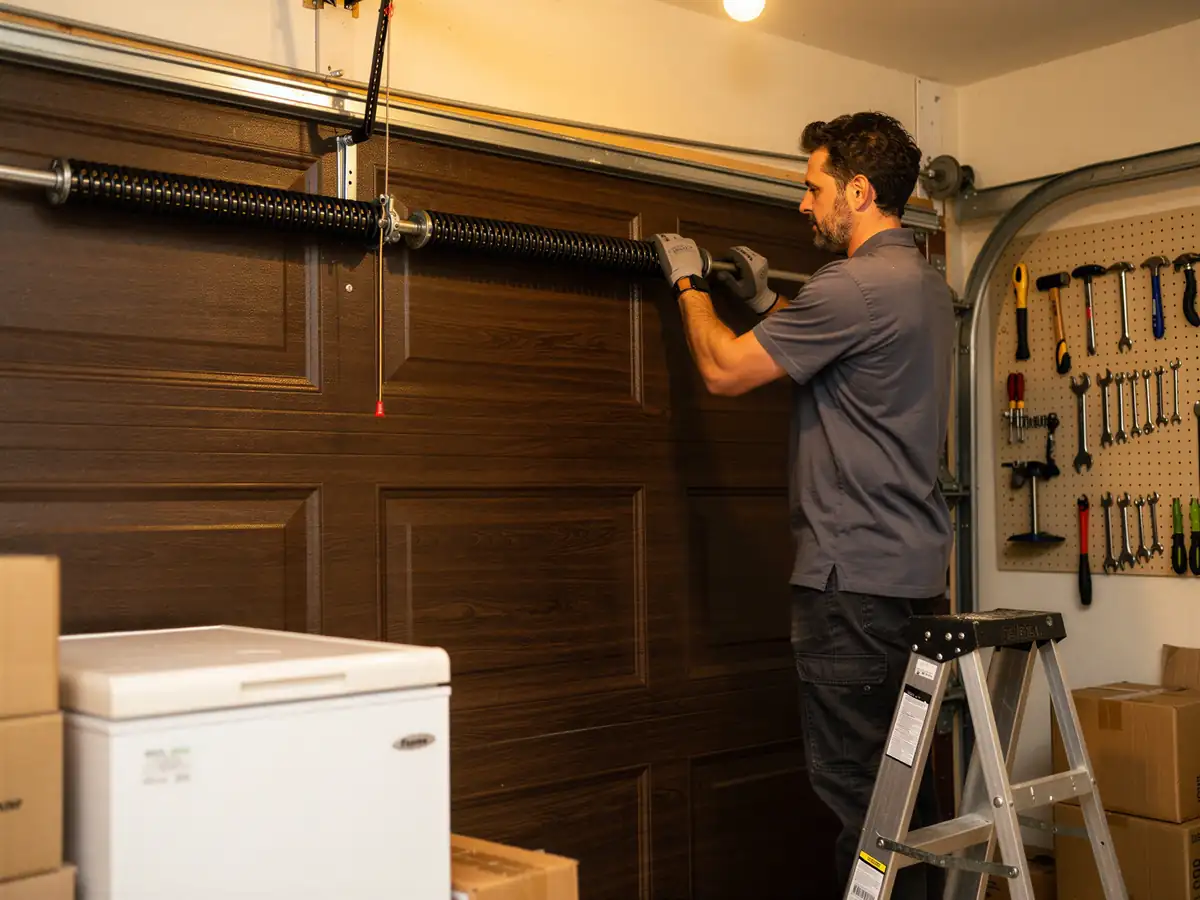
This area sits in a cold, moderate climate band, and that matters more for openers than most people expect. Cold doesn't just stiffen grease in the gearbox - it changes how much force the opener needs to move a door whose springs have already lost some tension from age, and a lot of the springs out there were installed when the house was built, which for much of this housing stock means the 1980s or earlier.
An opener rated correctly for a door in July can struggle with the same door in January, because the door is heavier (ice, moisture in older wood panels) and the opener has to work harder through a cold-soaked drive screw or chain. Owners read that as 'the opener is broken' when it's really an opener that was marginal for the door load even before winter made it worse.
We also see a straight mismatch between build era and opener generation: a door from the 80s or 90s original stock, paired three or four openers later with whatever unit was on sale, none of them ever matched to the door's actual weight or balance. Each swap papers over the balance problem instead of fixing it. Eventually the opener that finally gets installed correctly is doing a job the last three couldn't.
How It Shows Up
The call usually starts the same way
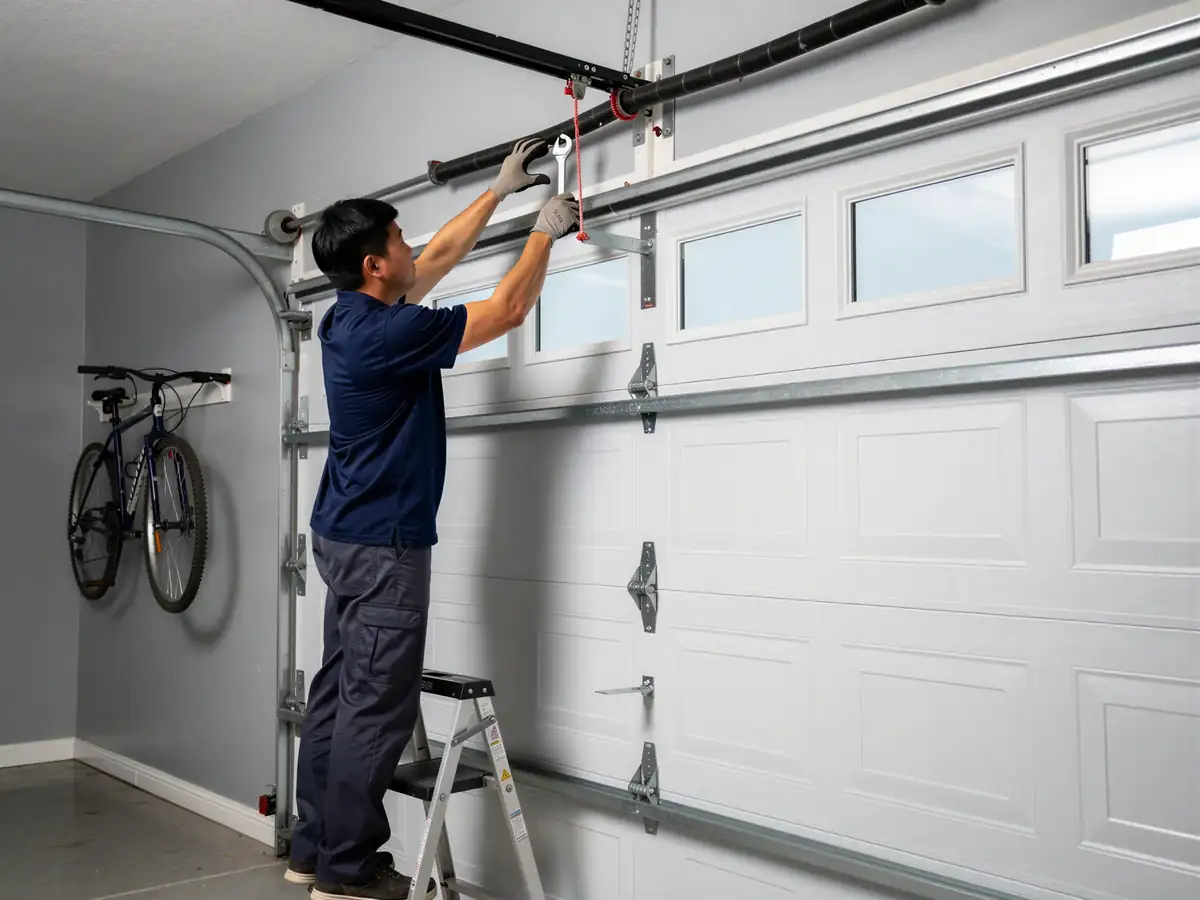
The opener runs, the light comes on, the door doesn't move, or it moves and reverses itself for no clear reason. On older stock from this era, that's often the opener trying to lift more weight than it's rated for, because the springs under it have aged out of balance.
In winter you'll hear it before you see it
A grinding or straining noise on the first pull of the day, then smoother movement once the door's been up and down a few times and things warm up slightly. That's a door working against stiff, cold hardware, not an opener problem on its own, though it will eventually take the opener down with it.
Across the roughly 22,000 owner-occupied houses in this service area
The pattern repeats enough that we don't guess at it anymore: opener struggles track pretty closely with door age and whether the springs were ever replaced. A new opener fixes the symptom for a while. It doesn't fix a door that was never properly balanced for the load it's carrying now.
- 22,000 owner-occupied