Doing It Yourself
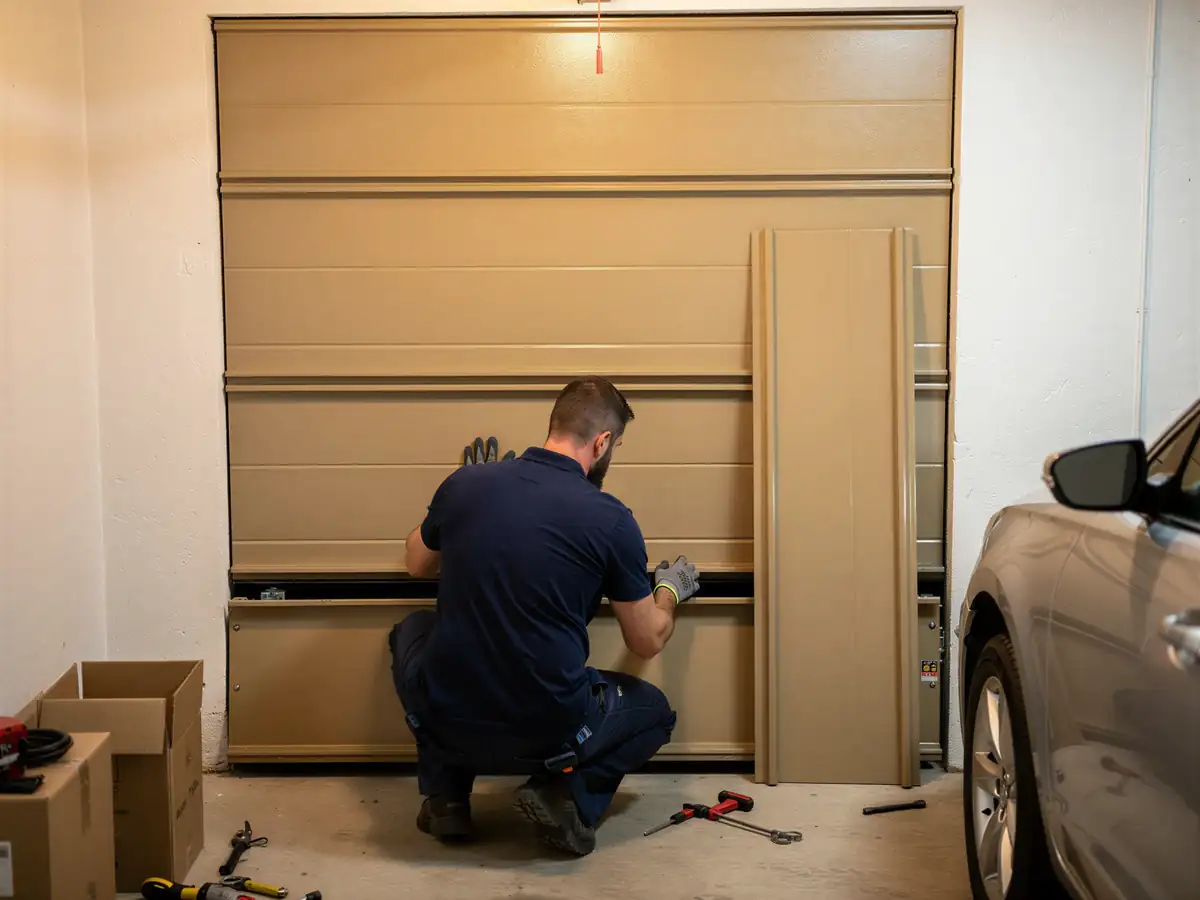
Swapping a single panel looks simple on paper
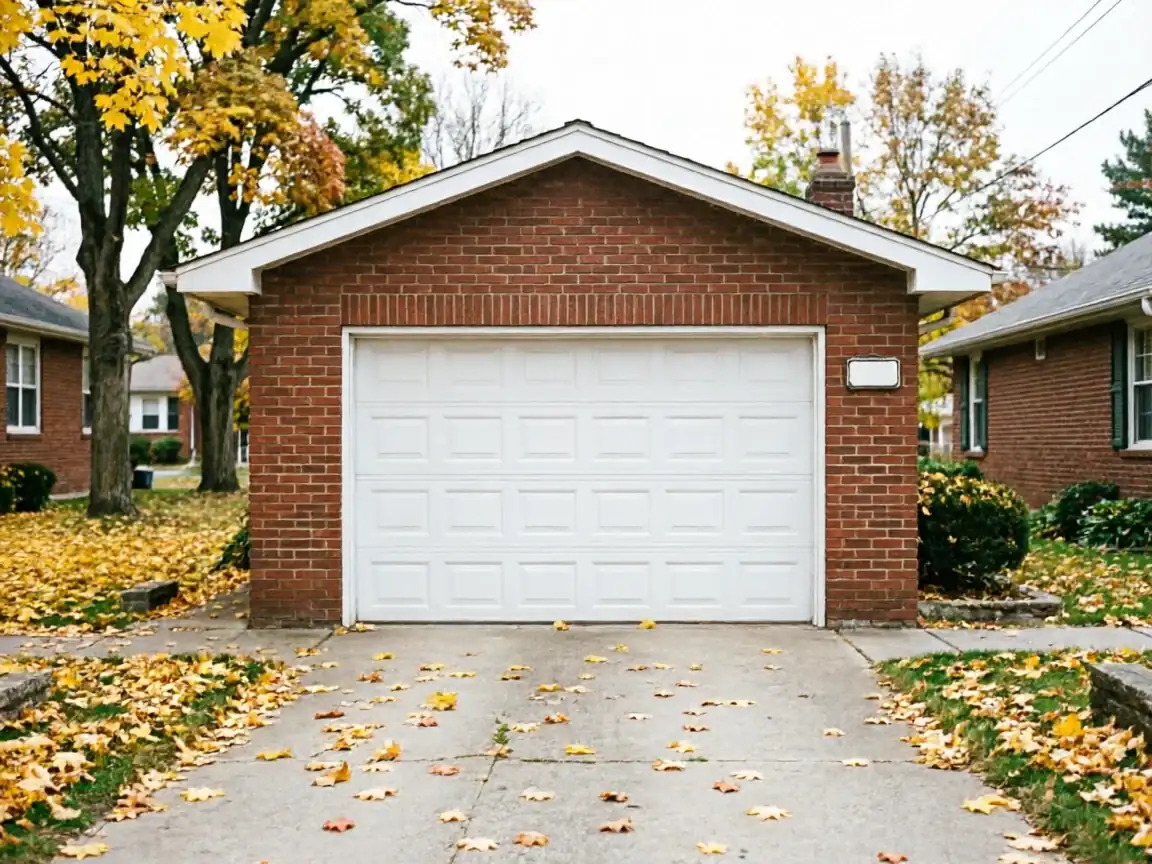
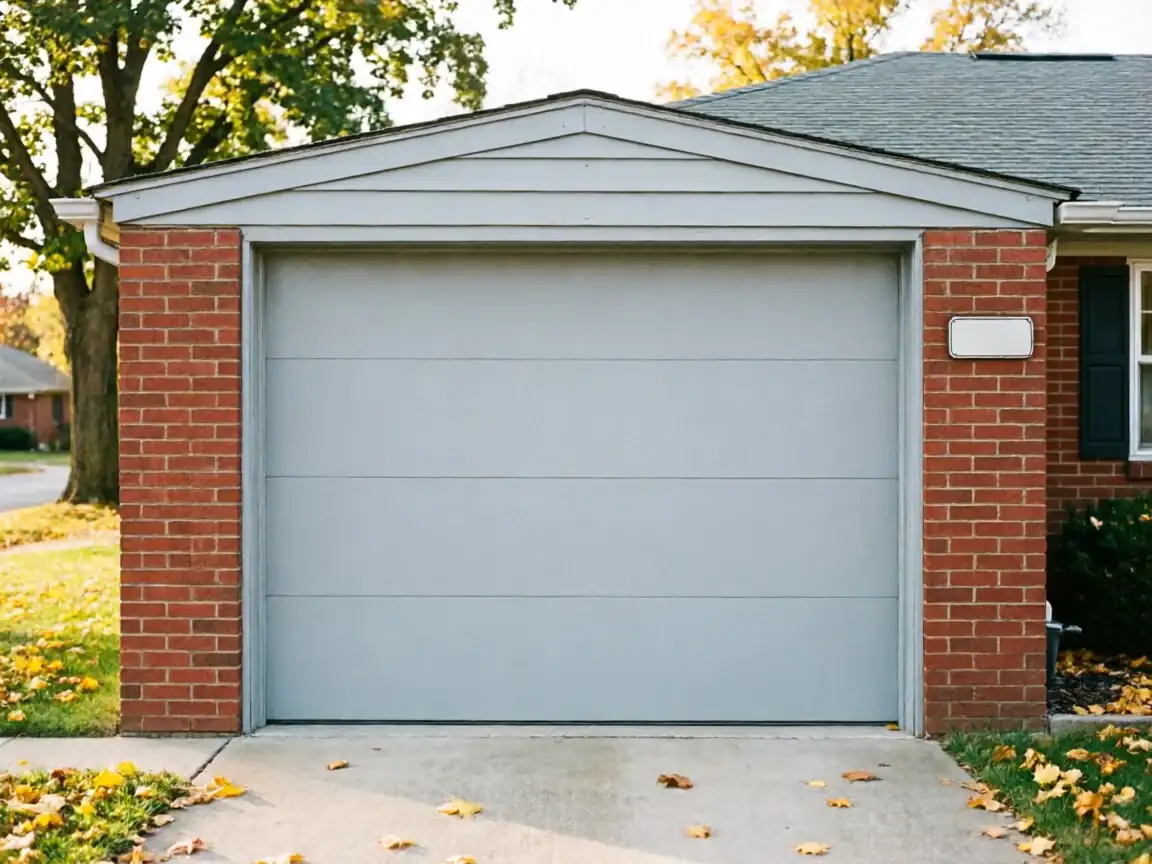
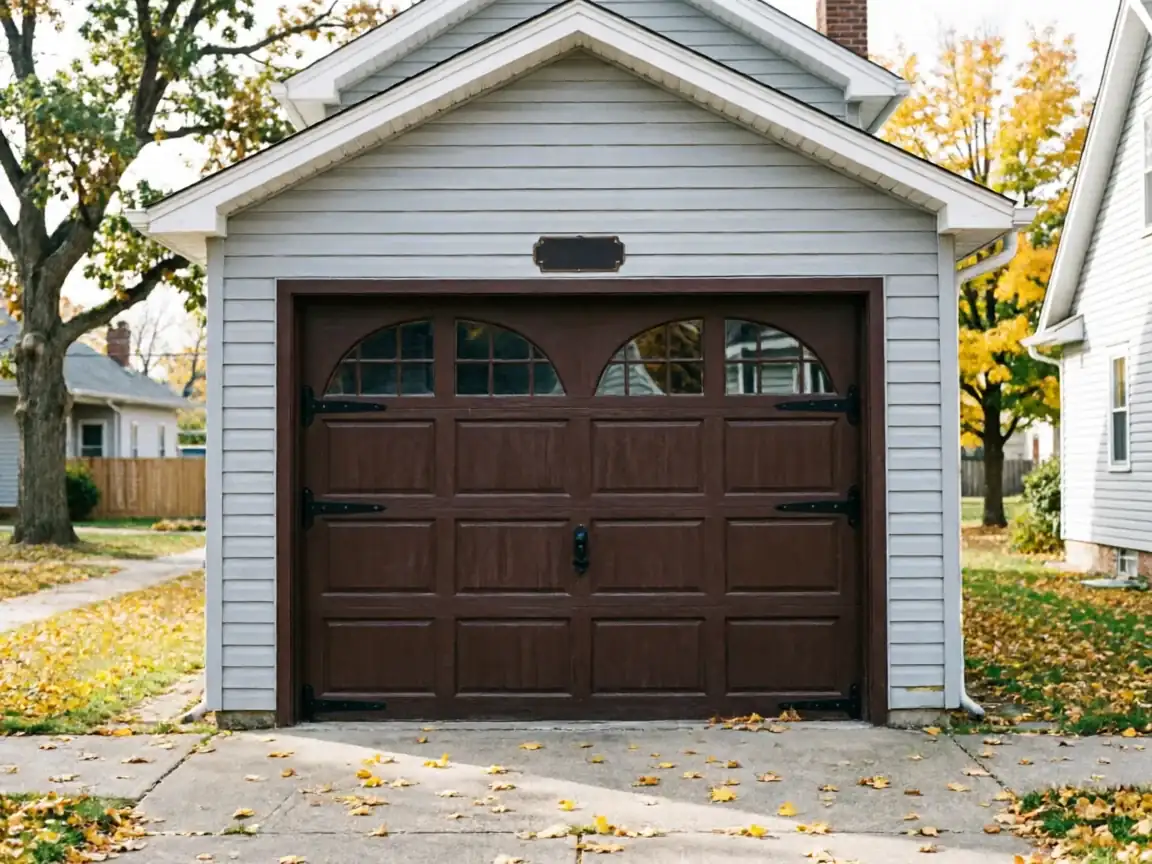
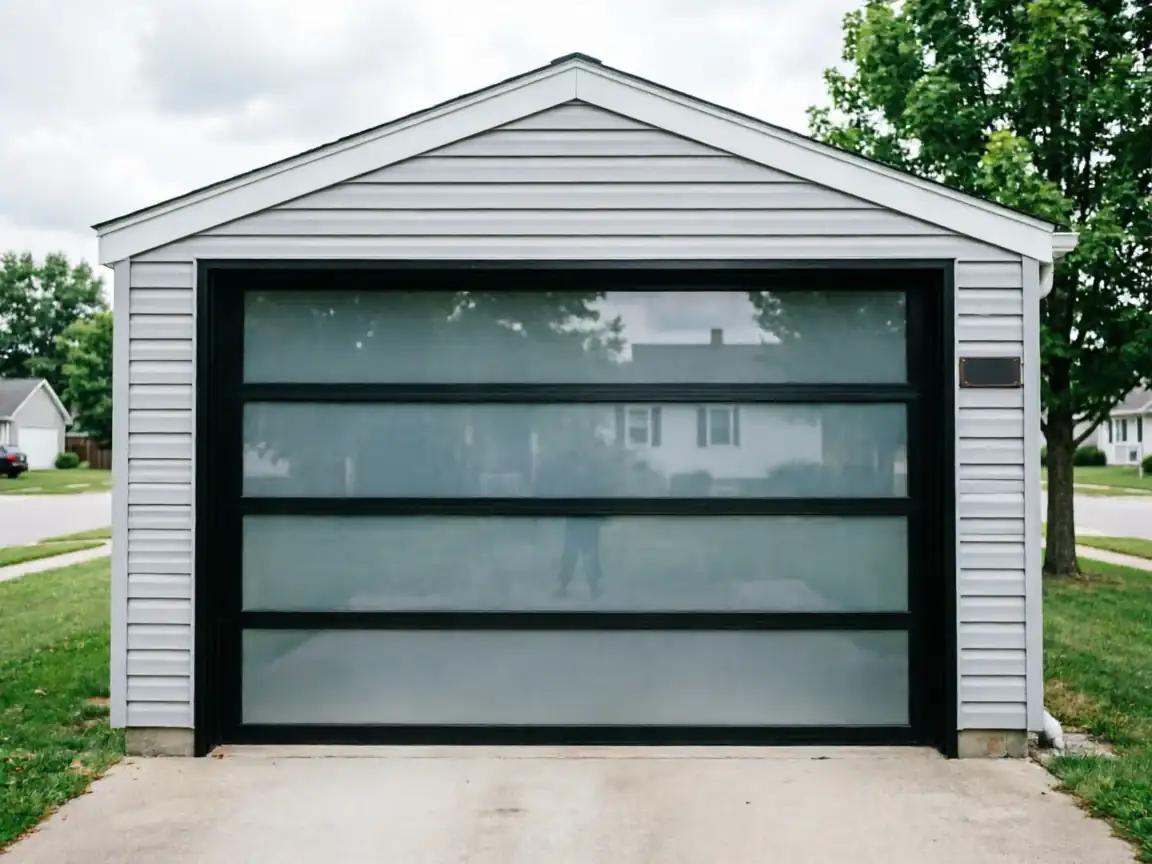
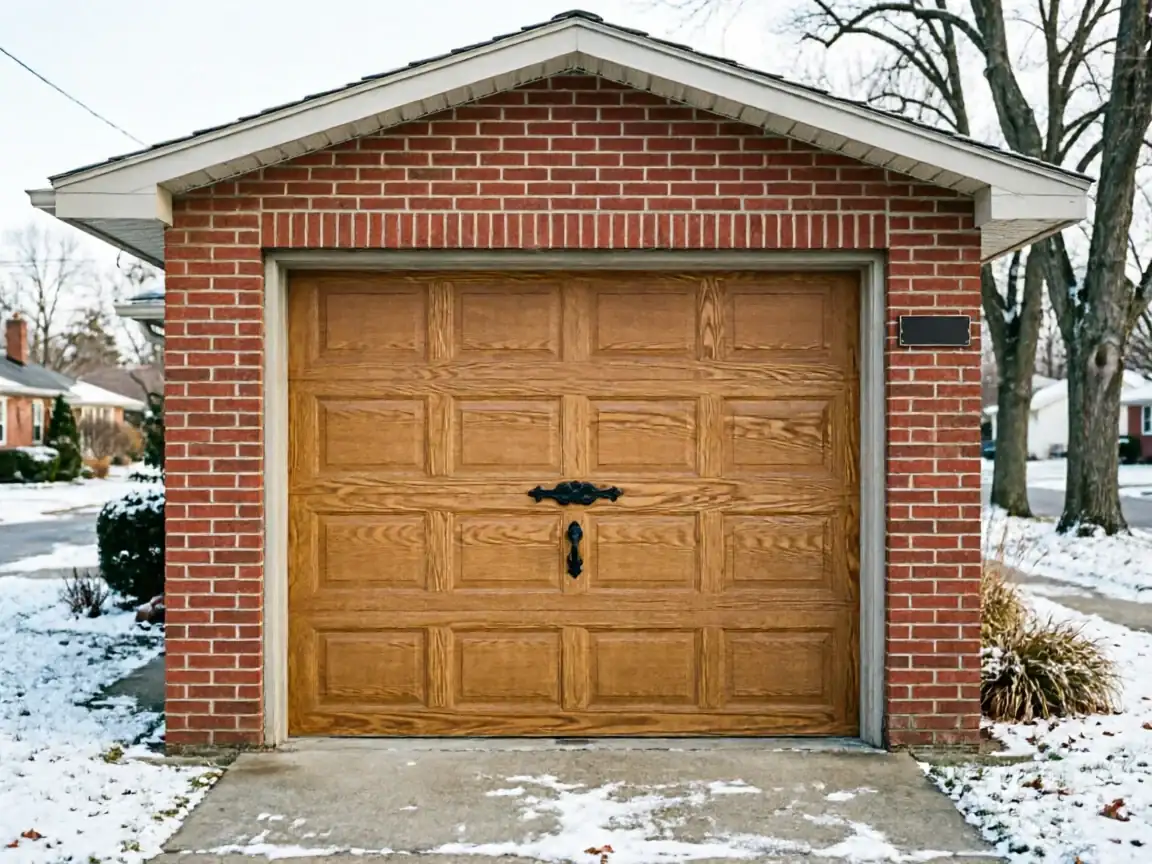
Pull the hinges, slide the old section out, bolt the new one in. On a lot of doors that's close to true. The trouble starts when the panel you need isn't a current stock item anymore, which is common on doors installed any time from the mid-1950s through the early 2000s - the range that covers most of the housing stock across this service area. Manufacturers change panel profiles, rib patterns, and thickness over the decades, so a door from the 1980s or 90s, which is what most of these 18 named areas are built around, often needs a panel sourced to match an older line rather than whatever's sitting in a big-box aisle.
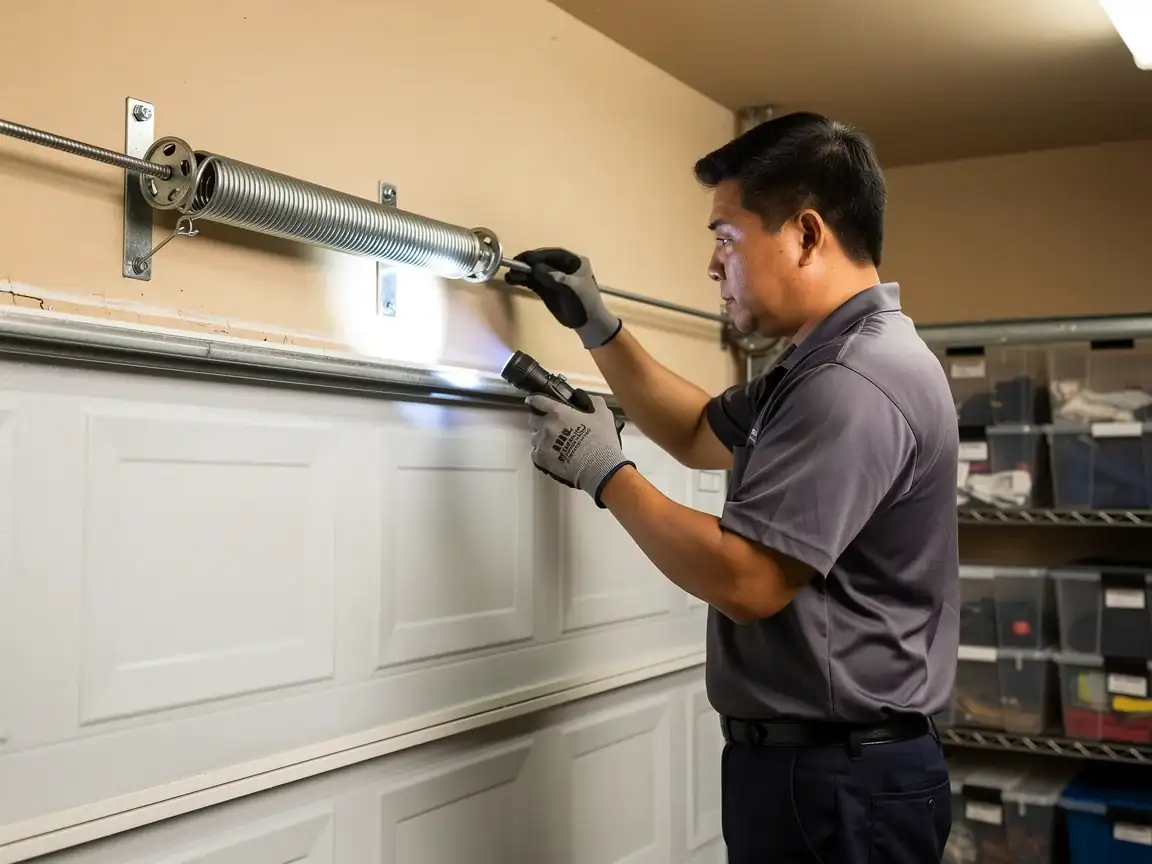
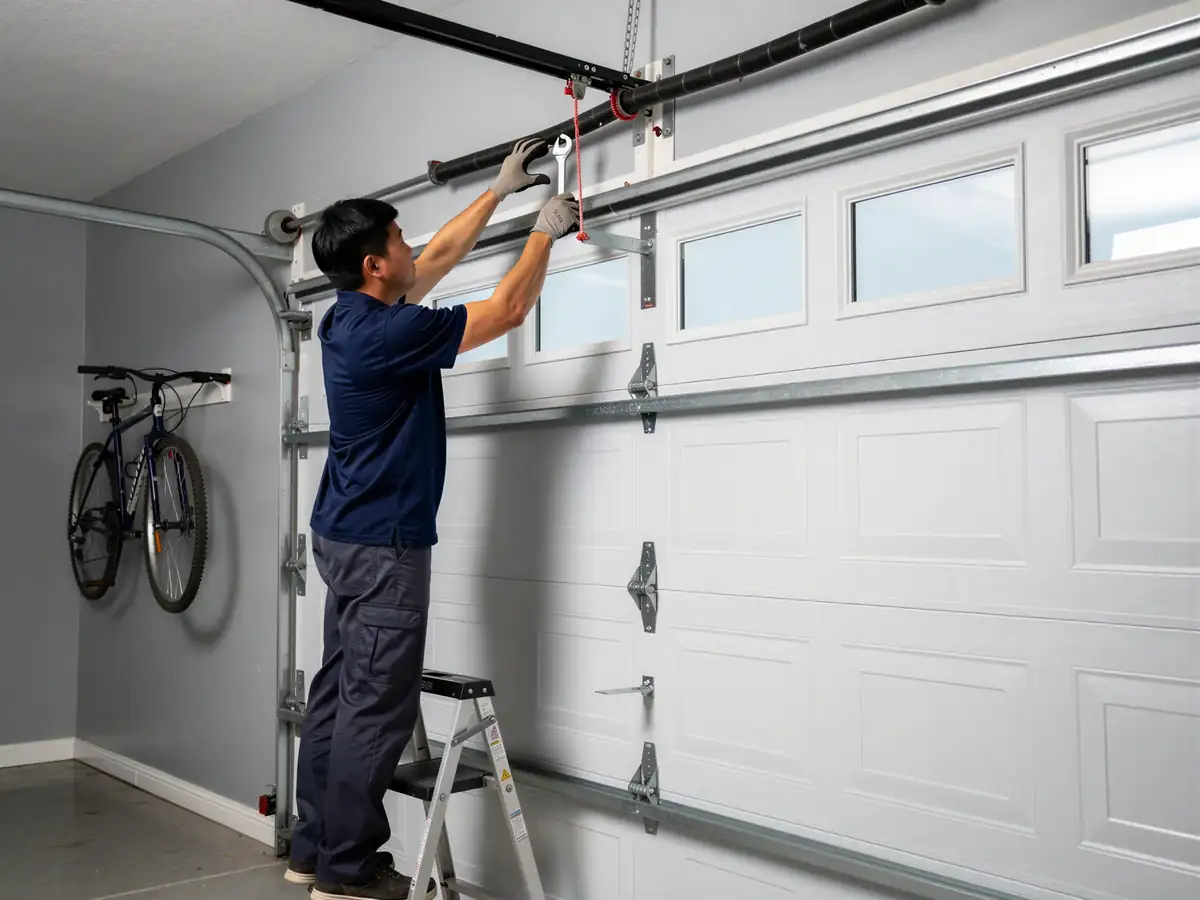
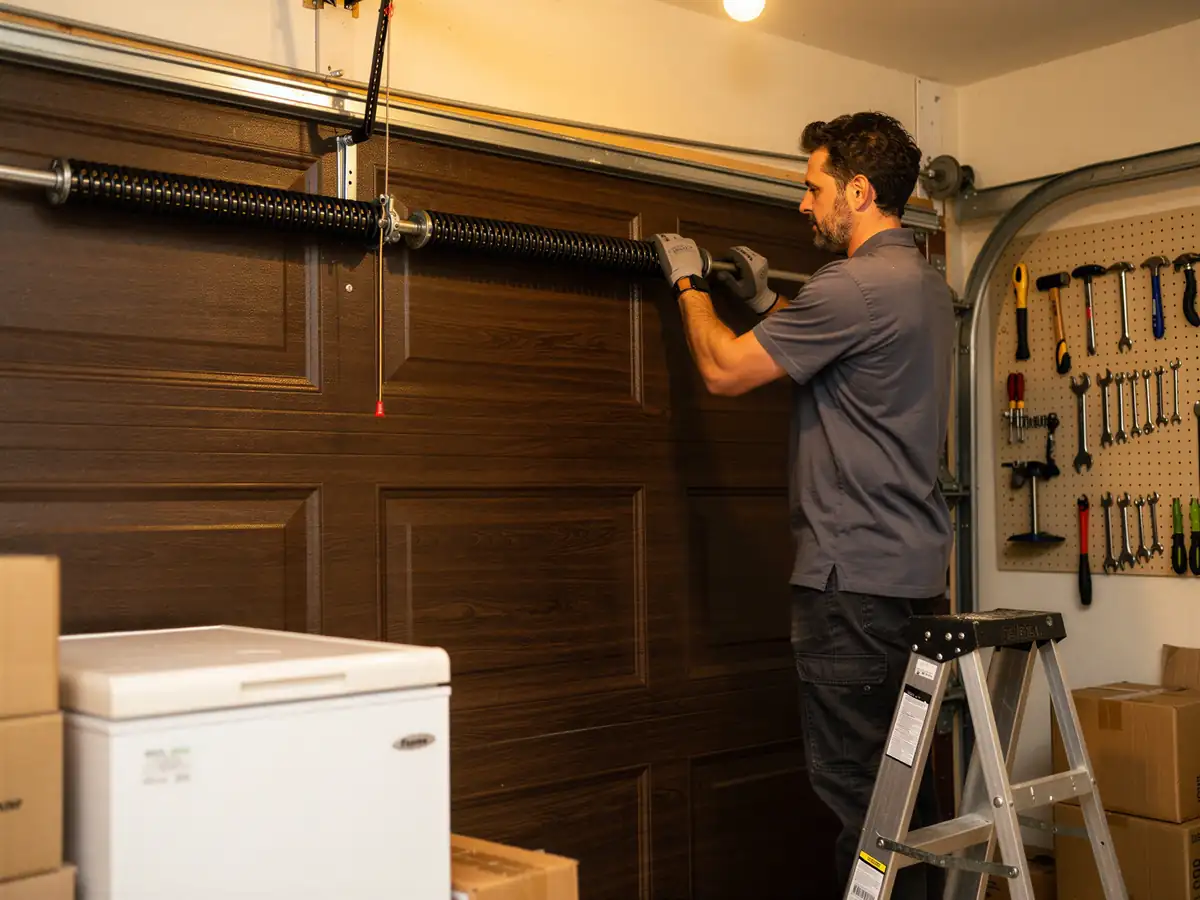
If you do find a match, the job still asks for care around spring tension, track alignment, and hinge spacing
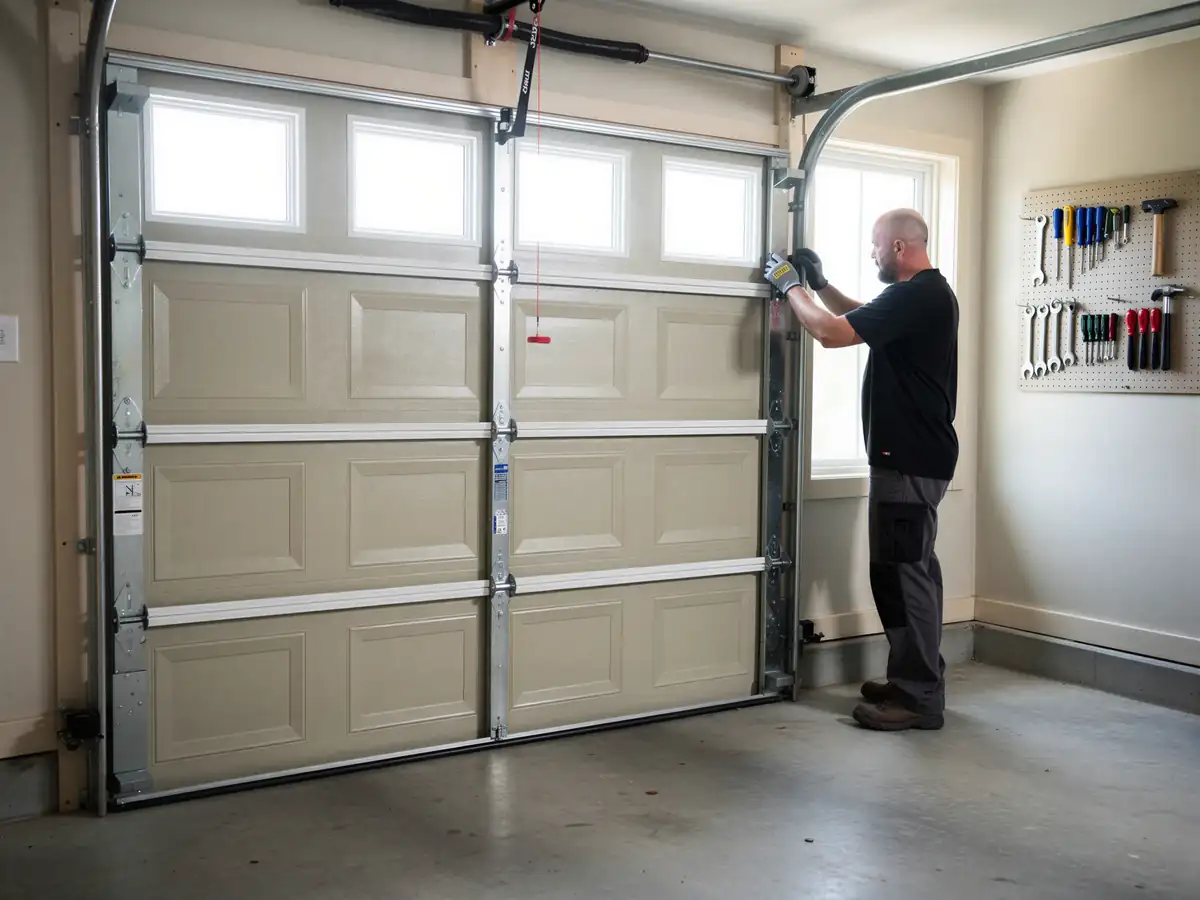
Get any of those wrong and the new panel binds against the track or leaves a gap that lets wind and moisture in. We're not against a handy homeowner tackling this. But a mismatched panel is worse than the dent it replaced, because now the door racks every time it opens. If you're not sure the replacement panel is the right gauge and color match, it's worth a call before you order anything.
The Cost of This Job
We don't post a flat number here because panel replacement swings a lot based on door age, panel count, insulation type, and whether the section has to be special-ordered to match an older design. A single bottom panel on a common modern door is a different job than sourcing a matching middle section for a door that's been up since the 1980s.
What we can say: across the service area, median household income runs around $93,077, and most owners we talk to want the damaged section replaced rather than paying for a full door when the rest of the panels are sound and still match. That's usually the right call if the door isn't warped and the remaining sections are in decent shape. It stops being the right call once you're replacing three or more panels on an older door - at that point the labor and hunt for matching stock often costs close to a full replacement door, and we'll tell you that straight instead of running up a bill chasing parts.
Why This Fails Locally
Farmington sits in a cold, moderate climate band, and that matters more for panels than most people expect. A crack or a soft dent doesn't stay cosmetic here - freeze-thaw cycling works into the seam, and once moisture gets behind a steel skin it can delaminate the insulation layer or rust the frame from the inside out over a winter or two. A panel that would just look rough in a warmer climate turns into a structural problem here.
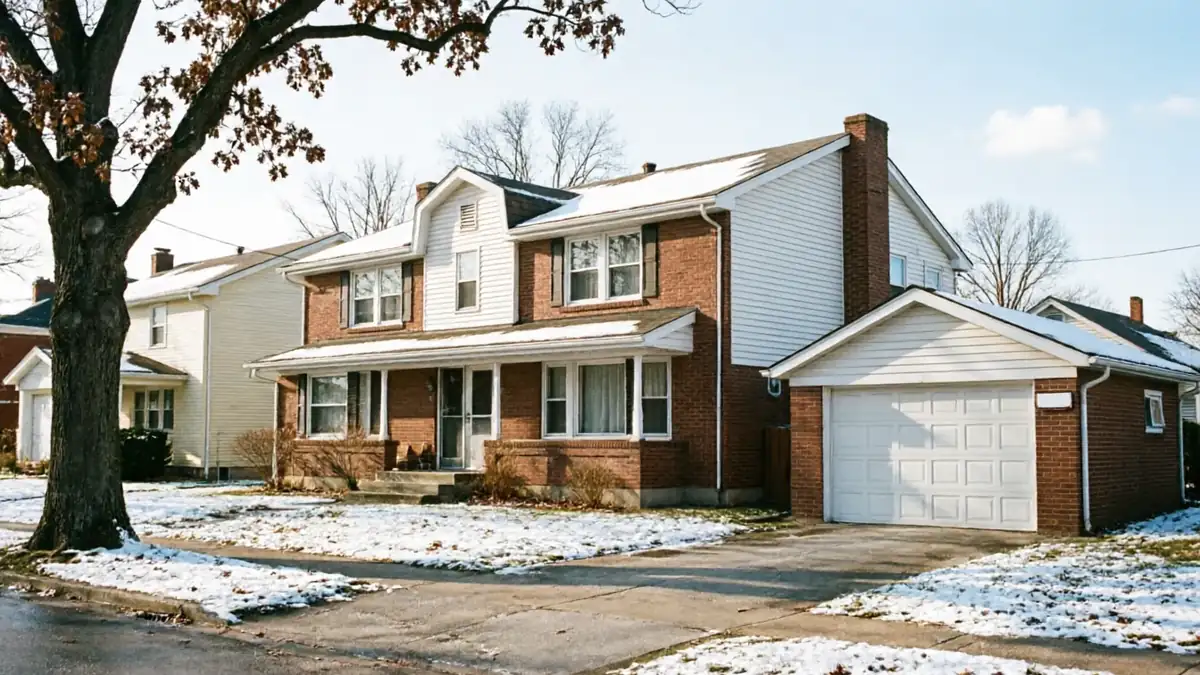
The other piece is the housing stock itself. With homes across this service area built mostly between 1955 and 2004, and a heavy concentration from the 1980s and 90s, you've got doors running on panel profiles from several different manufacturing eras all still in daily use. A panel pulled from a newer line often doesn't share bolt spacing or rib depth with what's already on the door, which is why panel matching - not just panel buying - is the actual job here. It's a local pattern, not a one-off.
How It Shows Up
Most calls start the same way
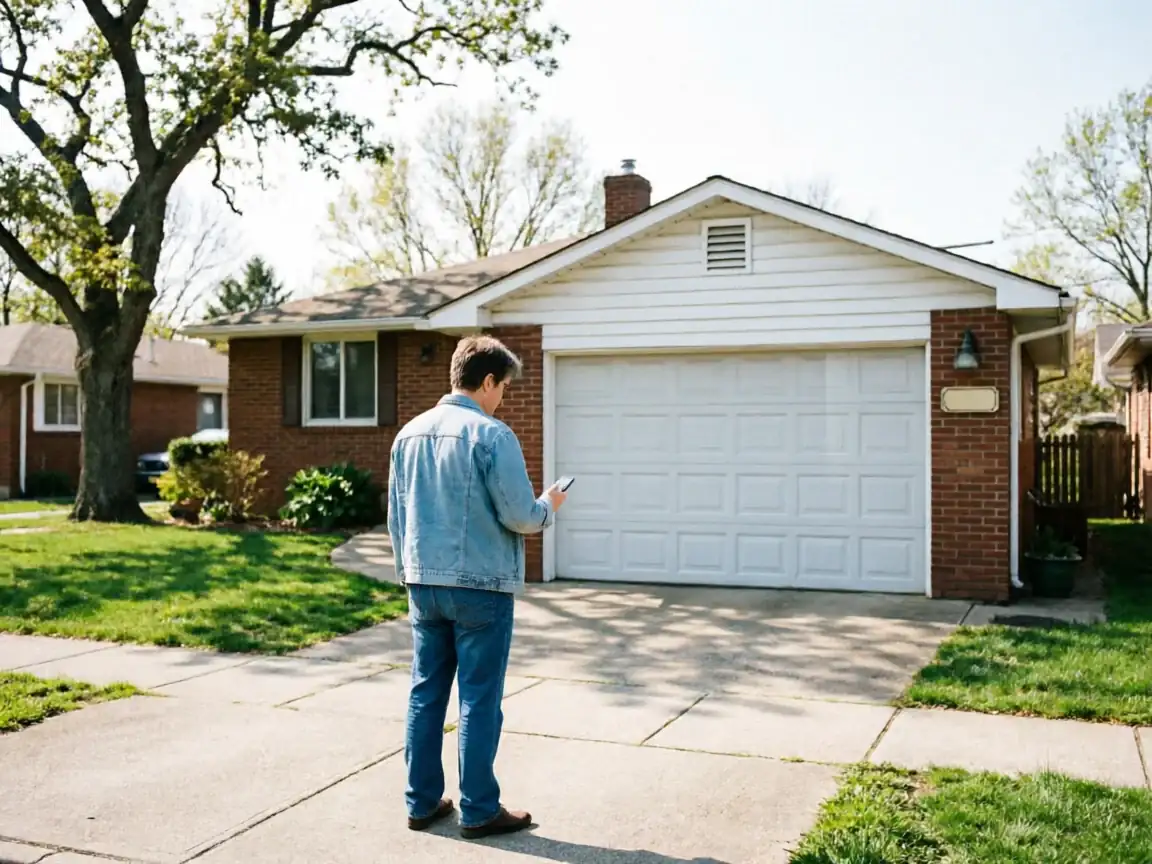
A car backed into the bottom panel, a basketball dent dead center, or a long season of ice buildup that finally split a seam along the bottom section. Sometimes it's slower - a panel that's been absorbing moisture for a year or two starts to bow outward at the middle, and the door stops sealing flush against the weatherstrip.
With 21,947 owner-occupied houses across this service area, we see the full range of door ages
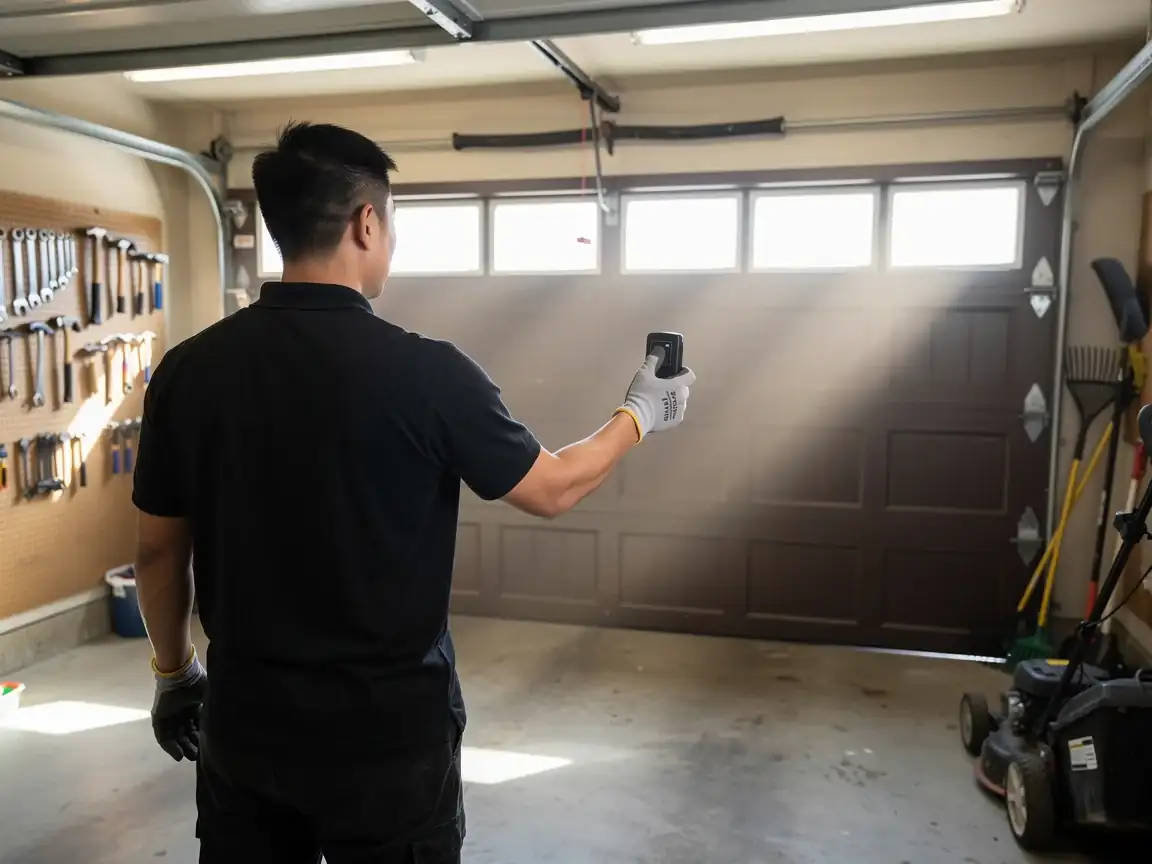
And the failure pattern tracks pretty closely with when the house and door went in. Older doors from the earlier end of the 1955-2004 range tend to show rust-through at the bottom panel first, since that's the section closest to runoff and road salt. Newer doors, closer to the 2004 end, usually fail from impact rather than corrosion - the steel's thinner and dents easier but doesn't rot the same way. Either way, the panel rarely fails alone; check the roller and hinge on that section too.
- 21,947 owner-occupied