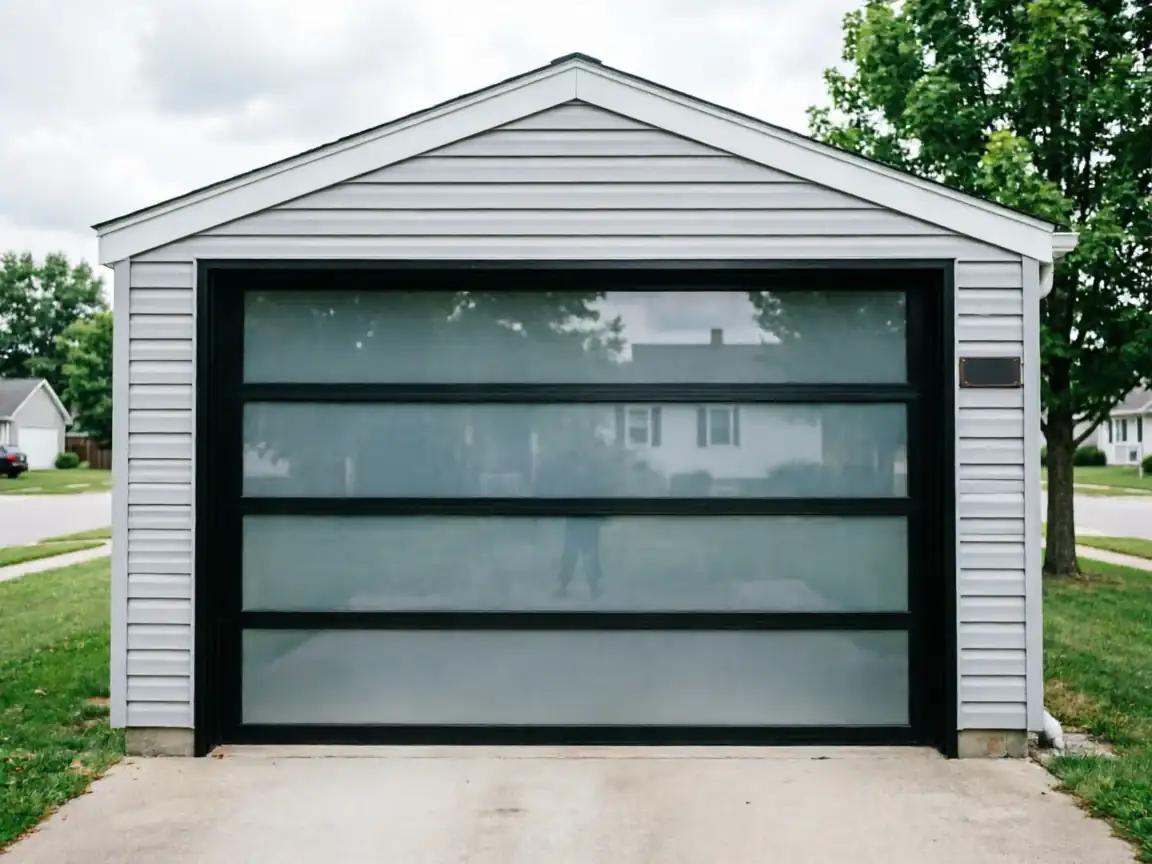
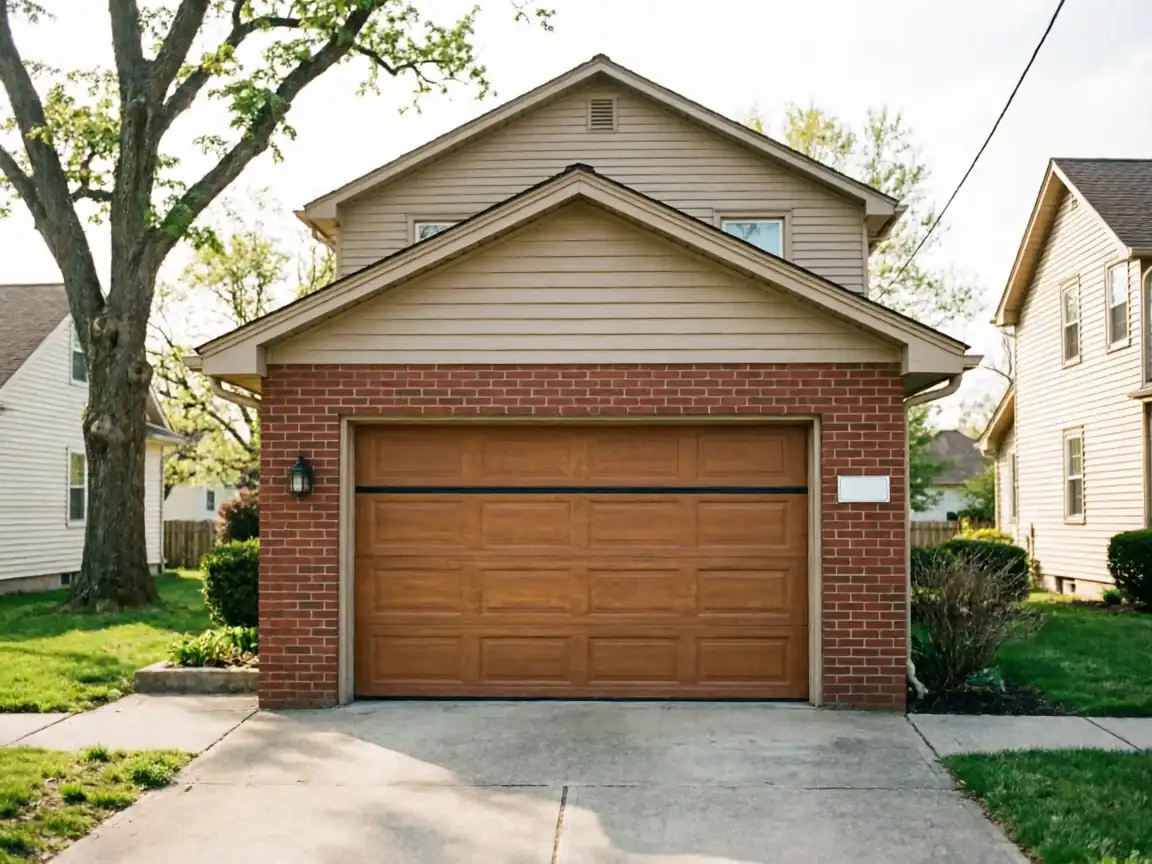
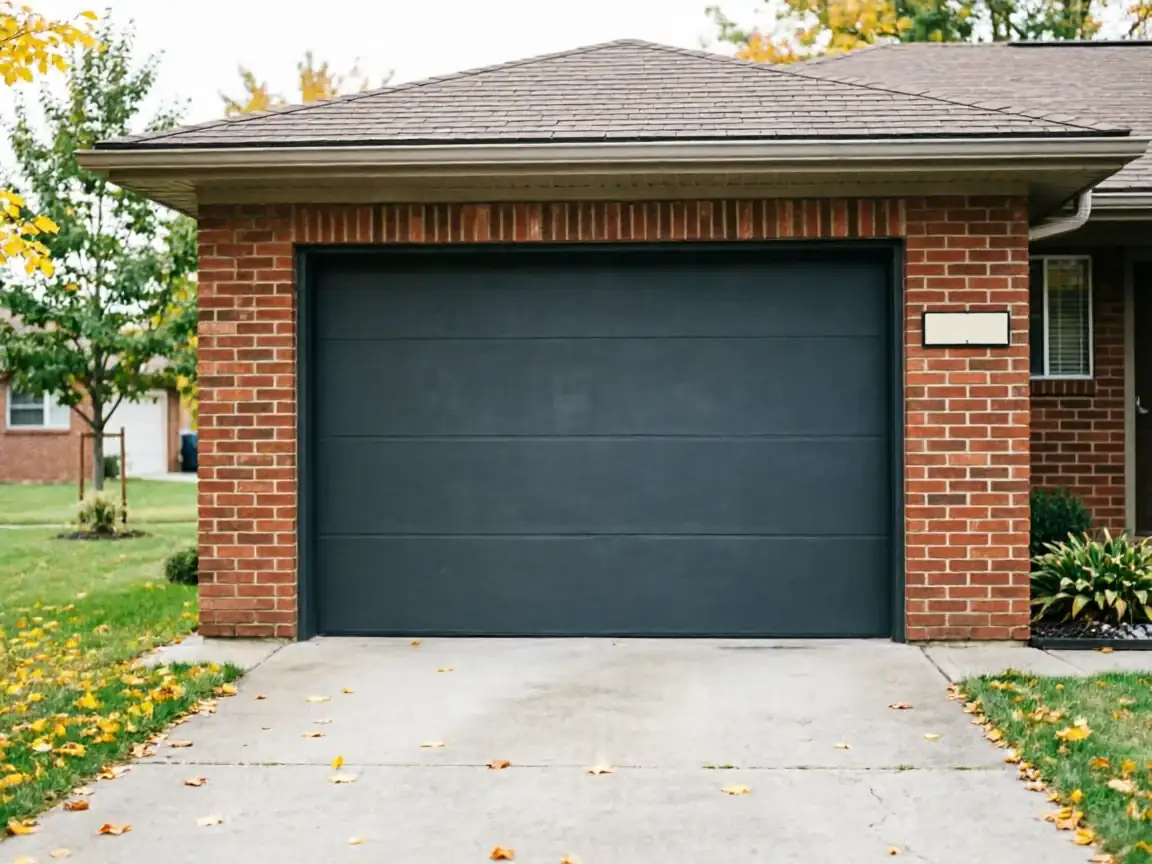
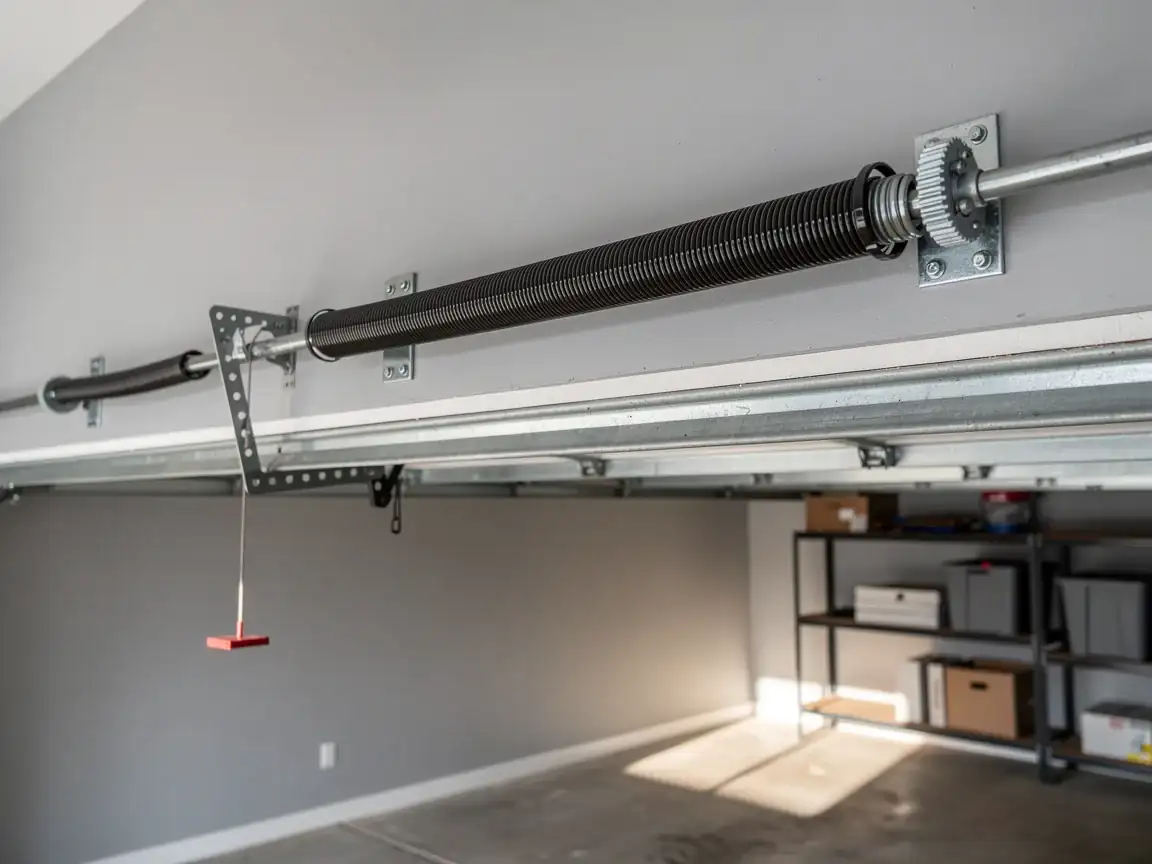
Serving Hastings from Farmington, 16 miles out. We know the 1980s-era doors and torsion hardware common on this side of the service area, and what breaks first in a Minnesota winter.
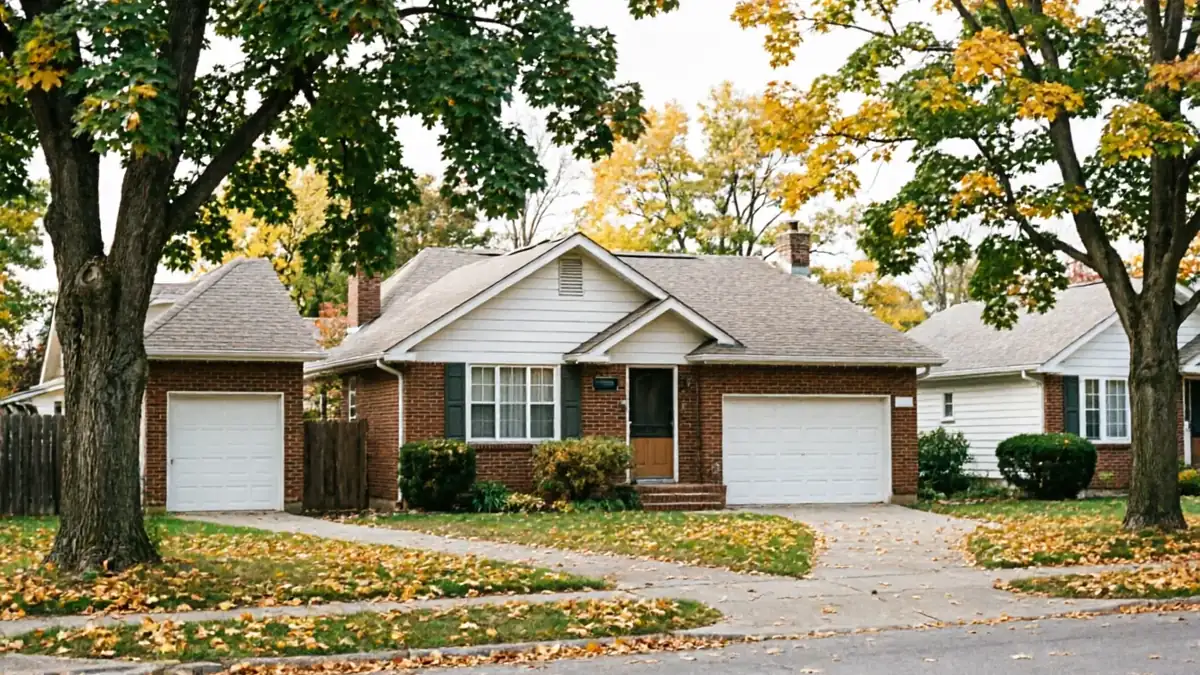
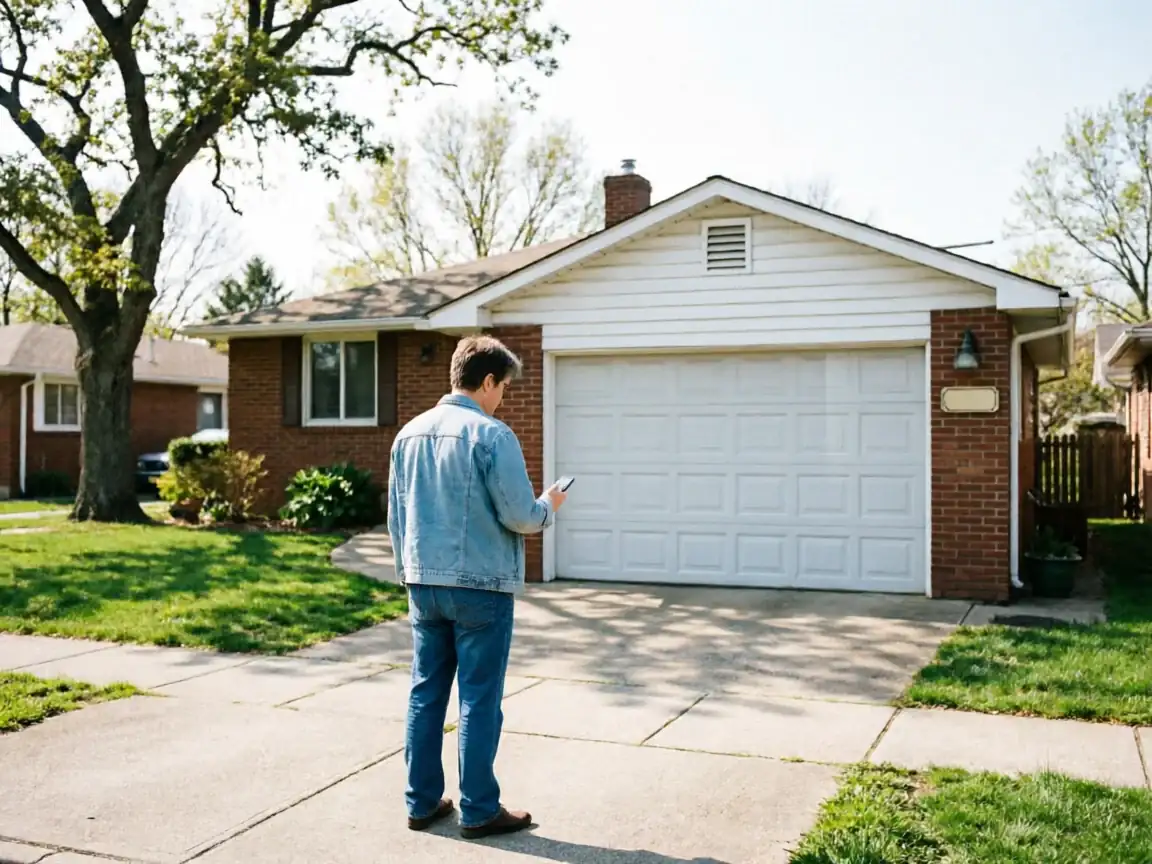
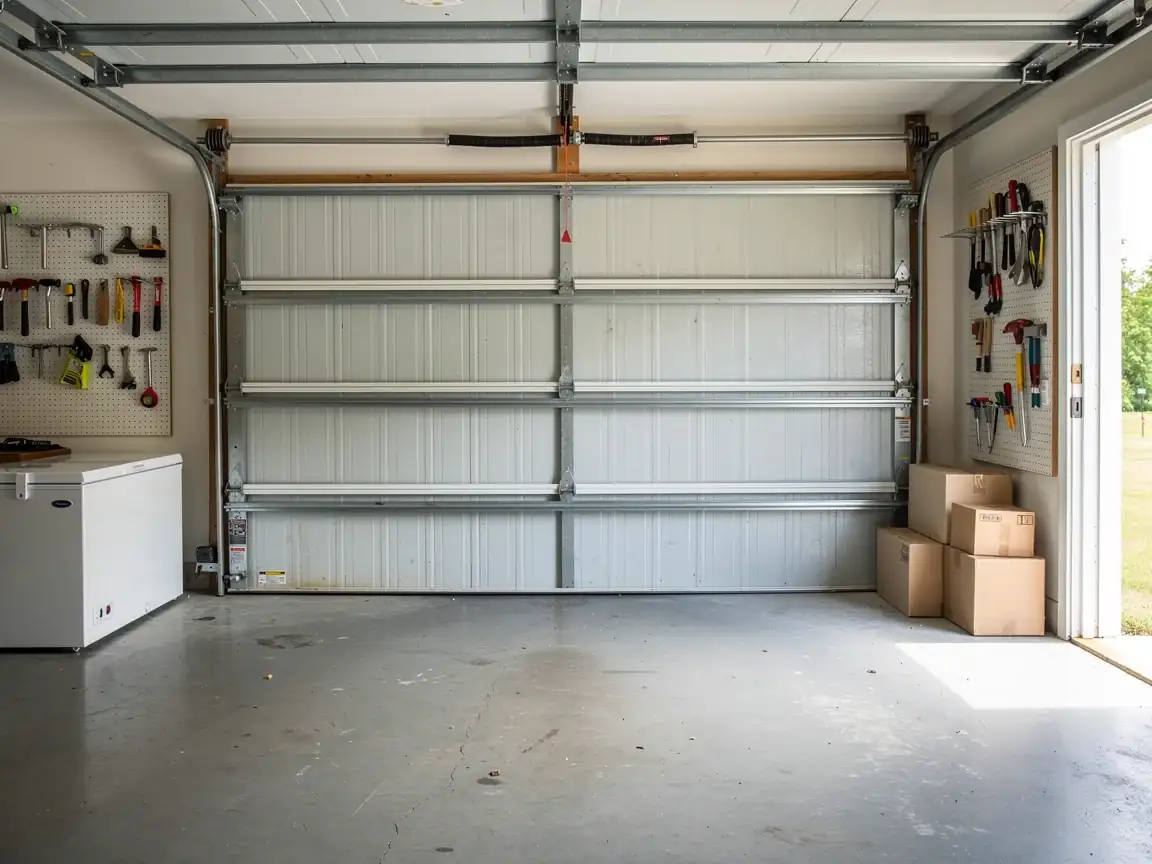
Most houses in Hastings went up around 1985, which puts the typical garage door and opener squarely in the second wave of torsion-spring systems - a step up from the older side-mounted track jobs you still see closer to Farmington's original core, but old enough now that the original springs, rollers, and openers are well past their rated cycle count. A door installed in the mid-80s has usually had one spring replacement already, sometimes two, and the opener is either an aging chain-drive unit or a replacement from the 2000s that's starting to show its age too. We see a lot of original galvanized track on these houses too - it still works, but it's narrower than what goes in today, which matters if you're ever shopping for a new door instead of a repair. With roughly 8,917 households in this part of the area, that 1985 build year is the number that actually tells you what's likely wrong before we even get the call.
What People Here Ring About
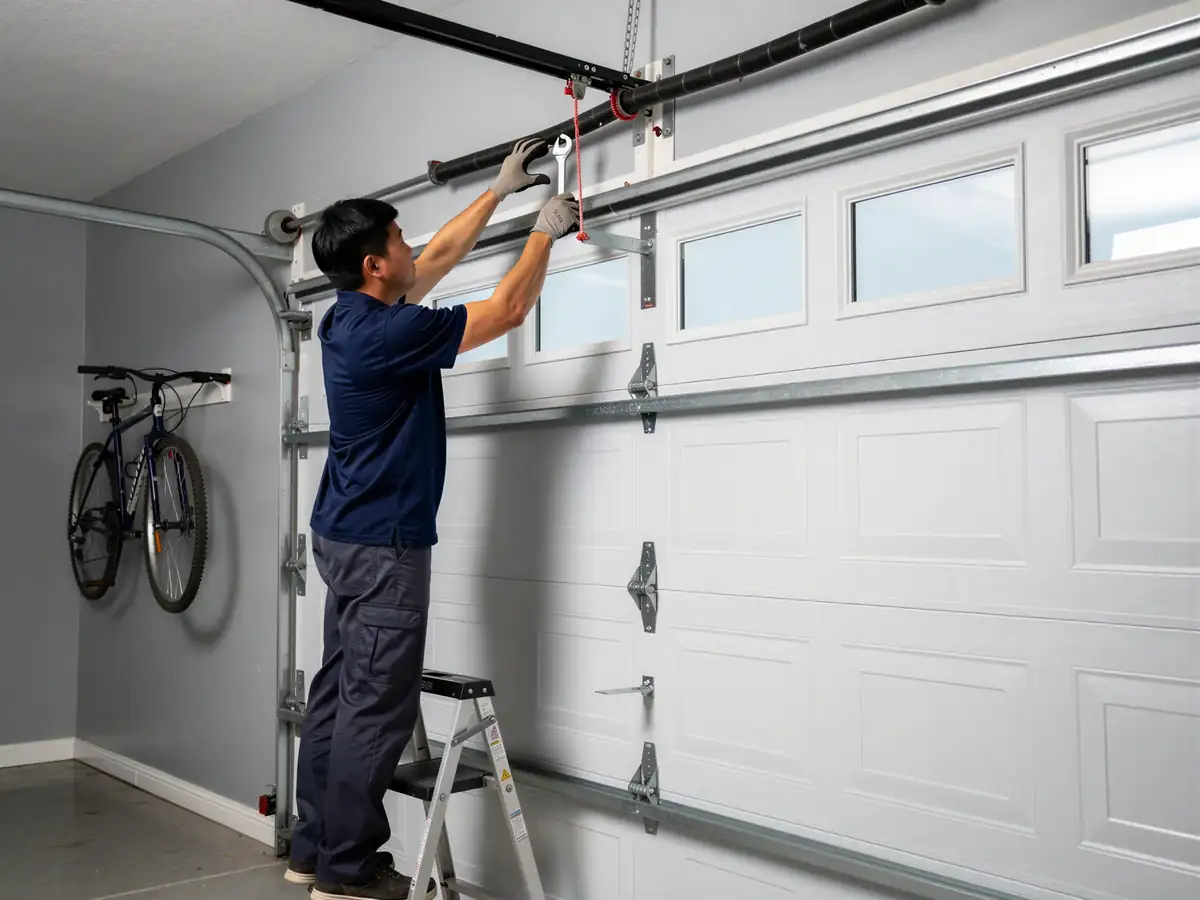
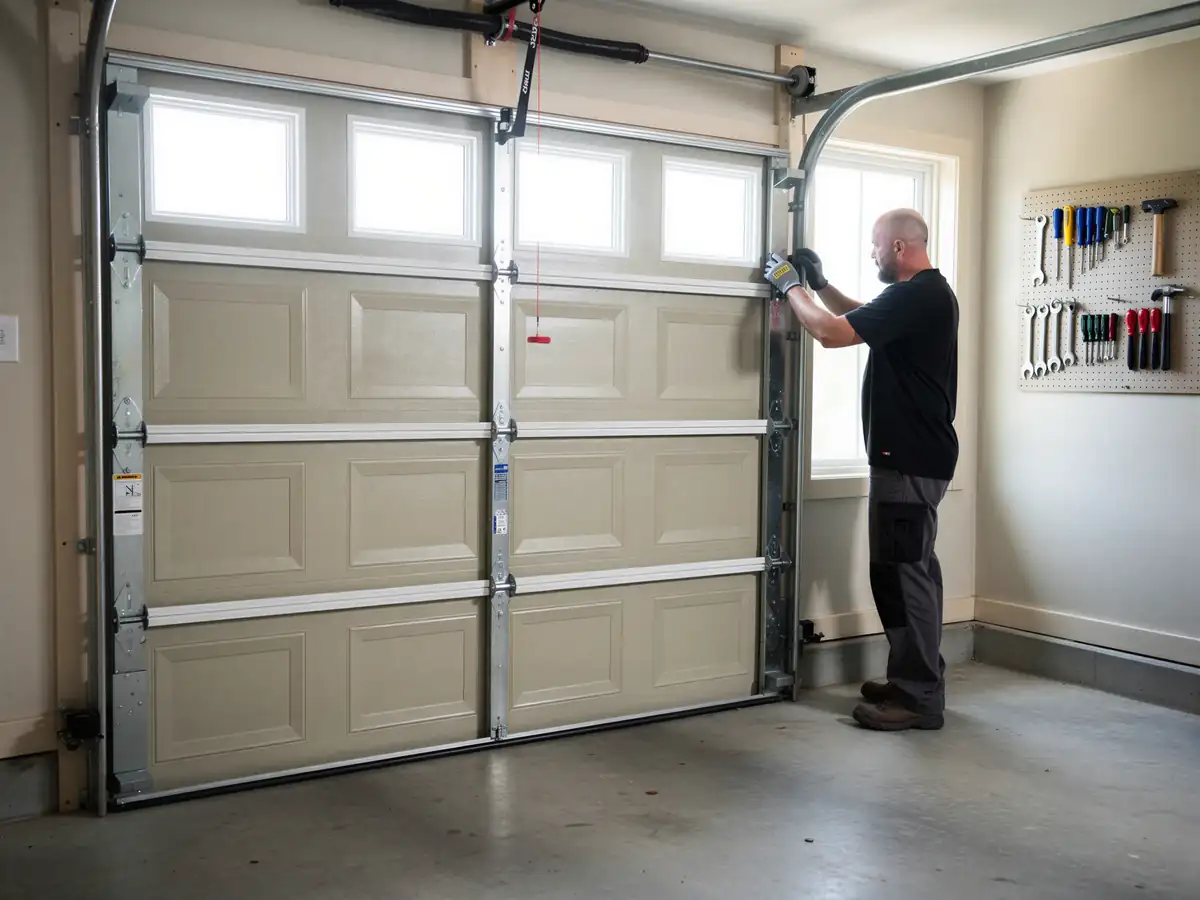
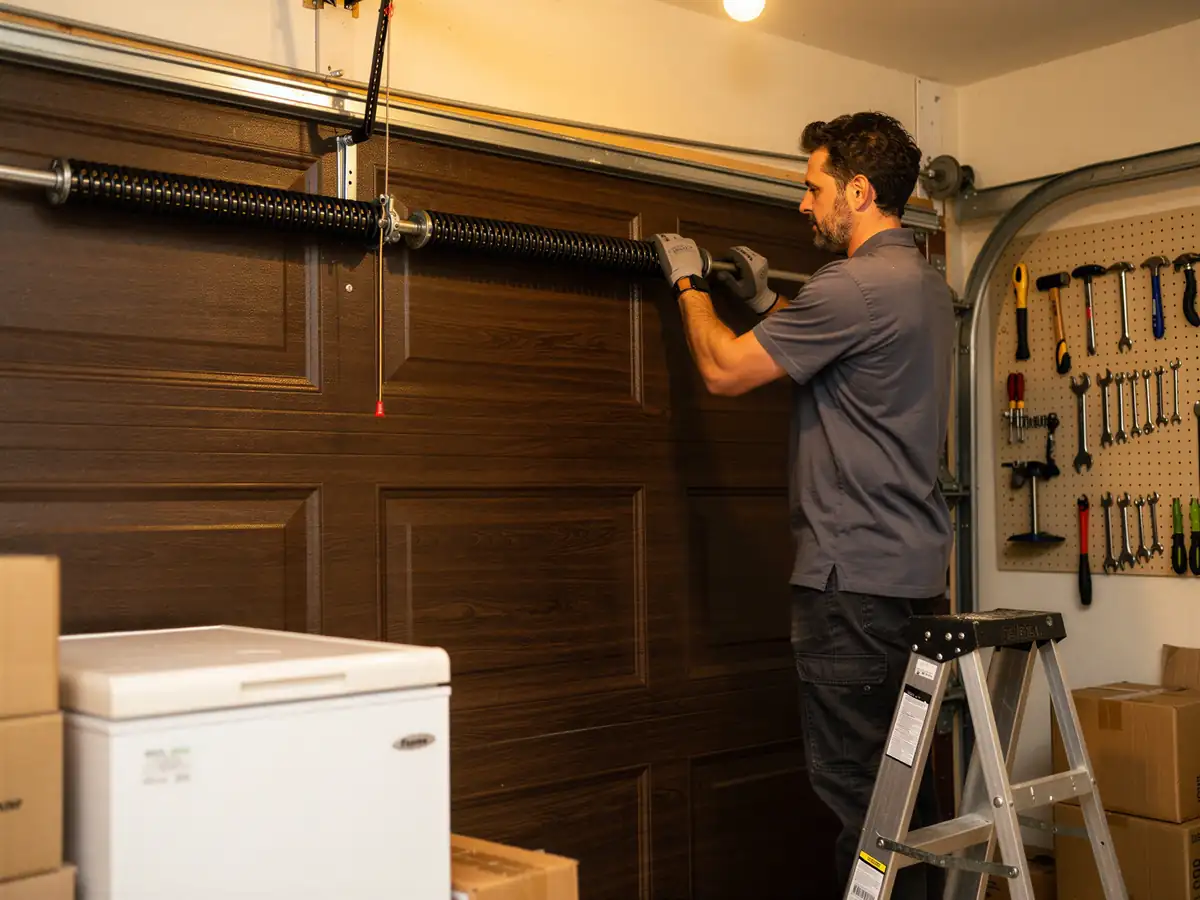
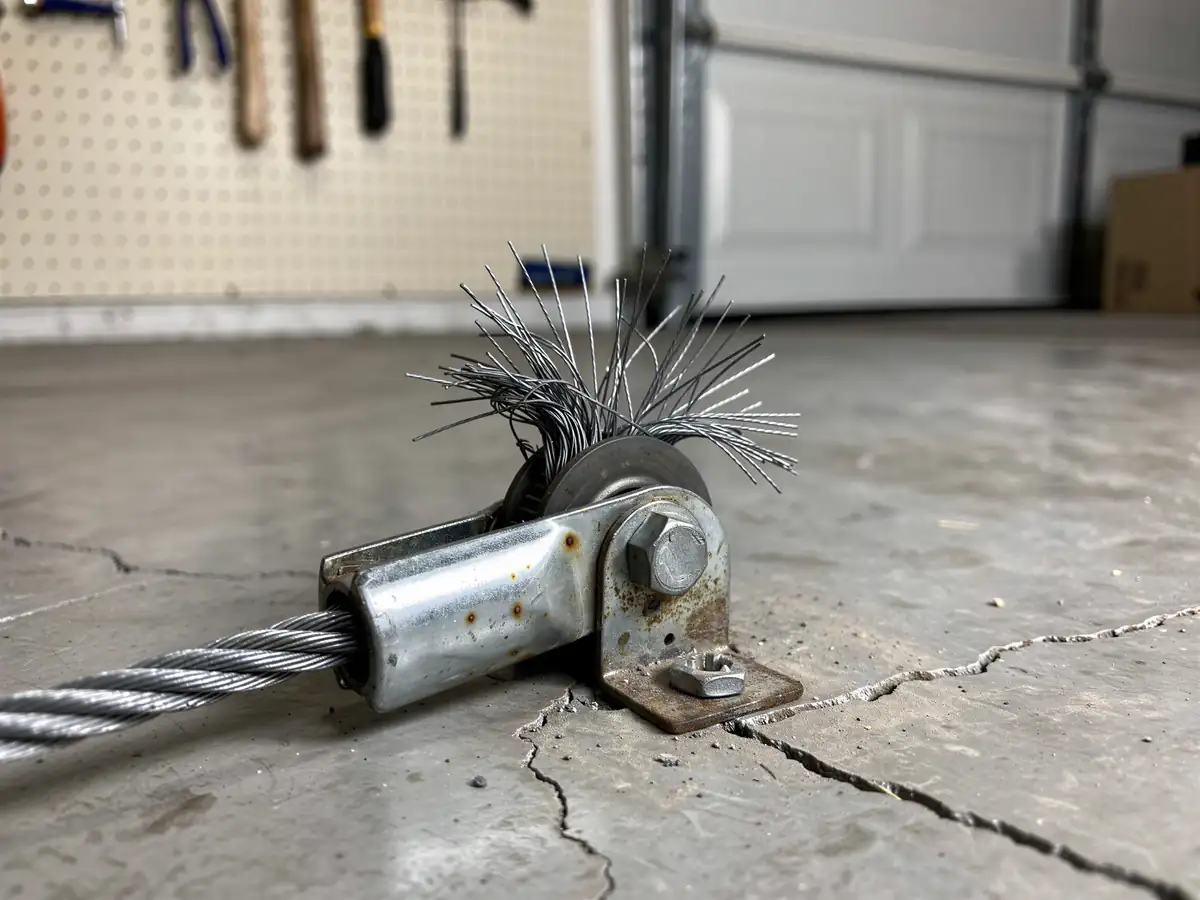
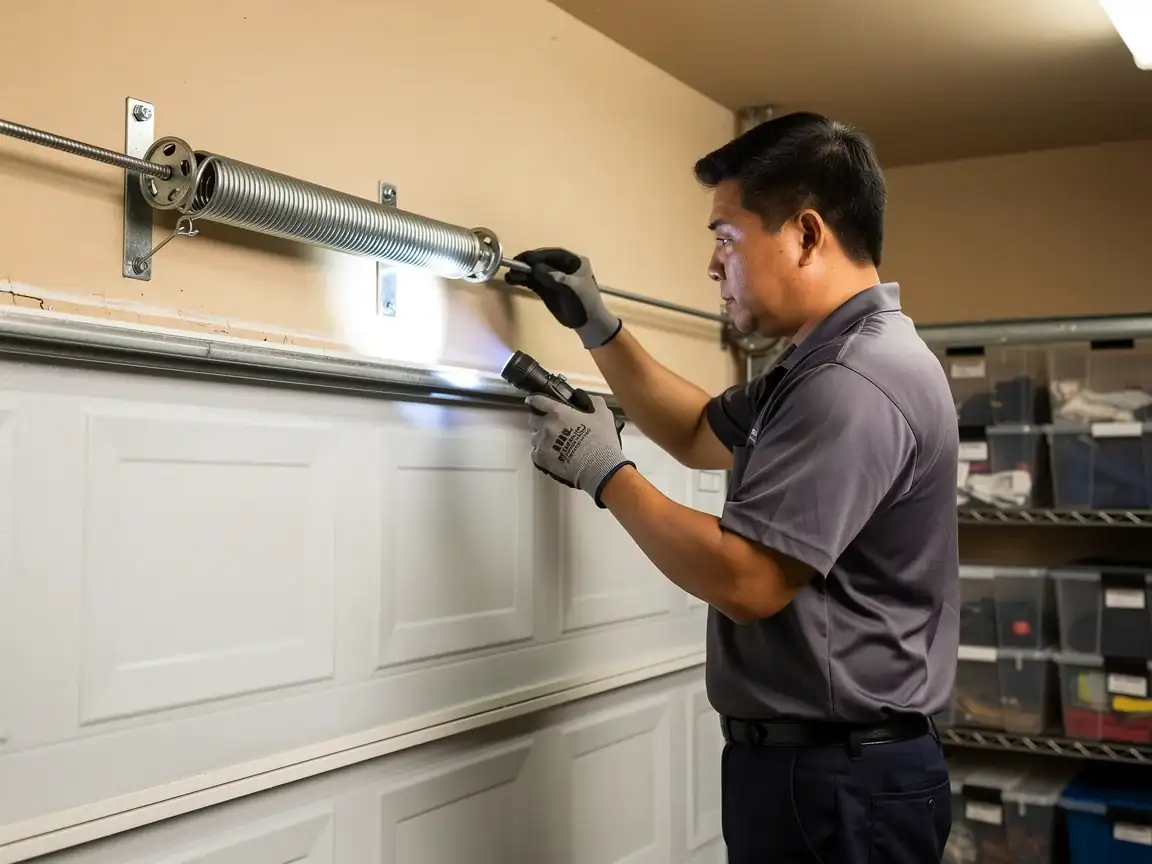
The calls out of Hastings skew toward the predictable failure points of a 35-to-40-year-old system: torsion springs that finally let go, usually in the cold when the extra stiffness in the metal makes them weaker than they test in summer, and openers with worn gears or dead circuit boards. Cable fraying on the drum side comes up too, especially on doors that never had the cable replaced alongside the spring the first time around. We also hear from owners whose track has worked loose from the jamb after decades of the door riding slightly off-square - a cheap fix if it's caught early, a bent-track replacement if it isn't. With median household income here at $92,940, most of these are quality doors worth repairing rather than tearing out, but we'll tell you straight when a door's hardware is too far gone to be worth chasing part by part.
How Soon We Can Come Out
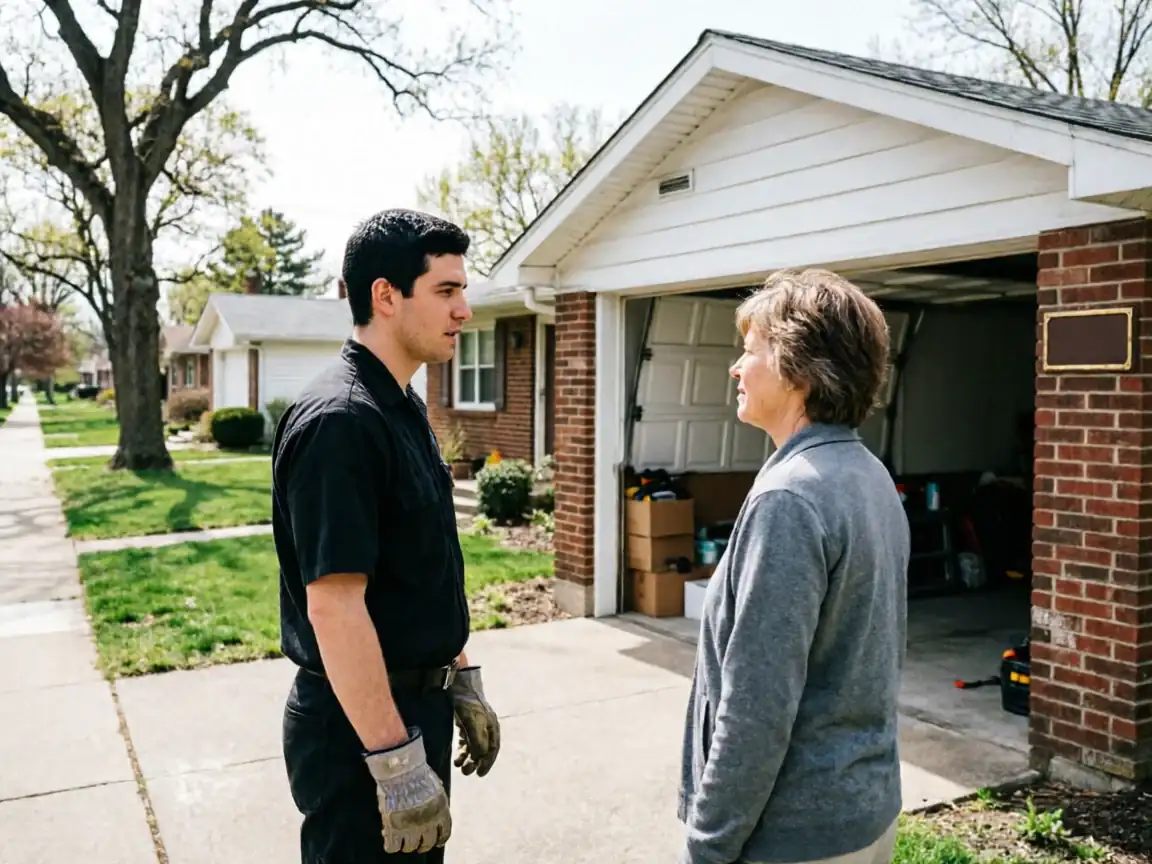
We run out of Farmington, and Hastings sits about 16 miles from the shop - far enough that we schedule the run rather than treat it as a drop-everything stop, but close enough that it's a normal part of the route most weeks. We don't promise a same-hour arrival here the way we might closer to home, and we won't pretend otherwise. What we can do is give you an honest window when you call and stick to it, rather than quote something we can't back up. If a spring breaks on a Tuesday night and the door's stuck down, say so - we'll tell you what we can realistically do and when.
What That Means for Doors
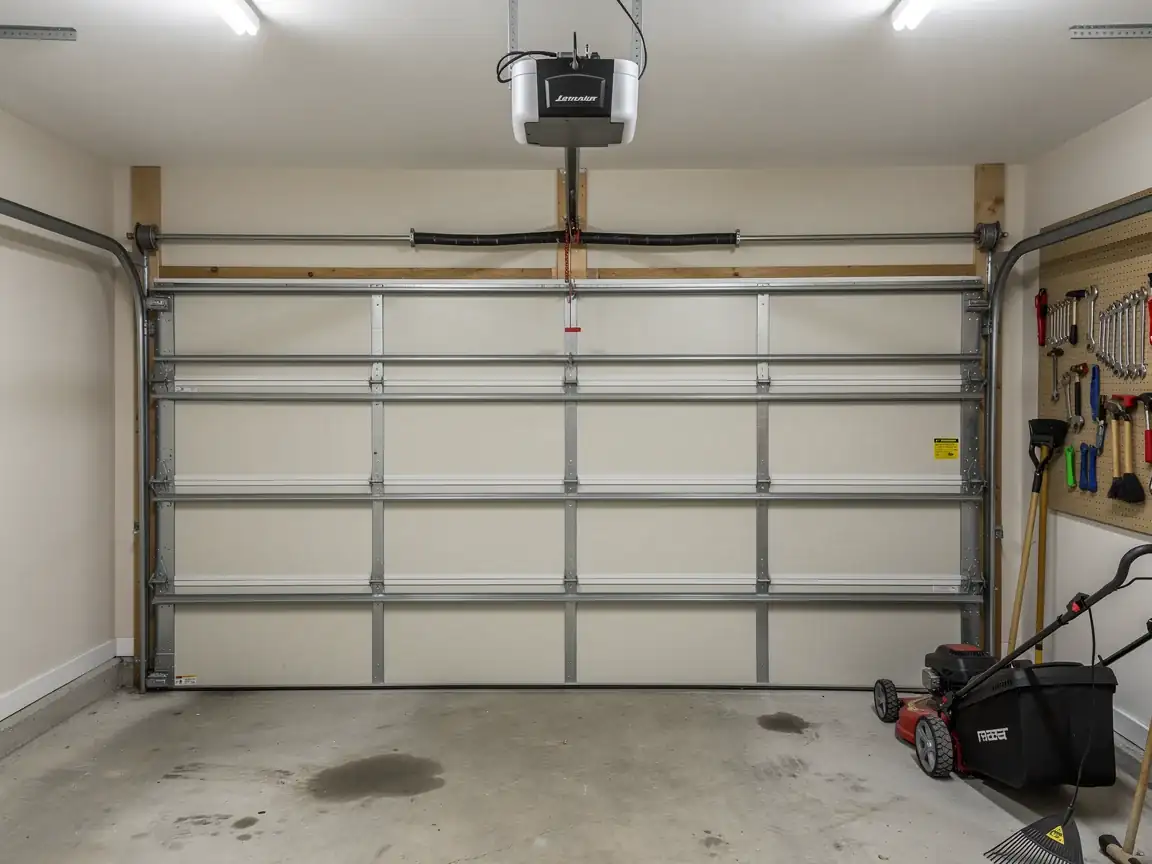
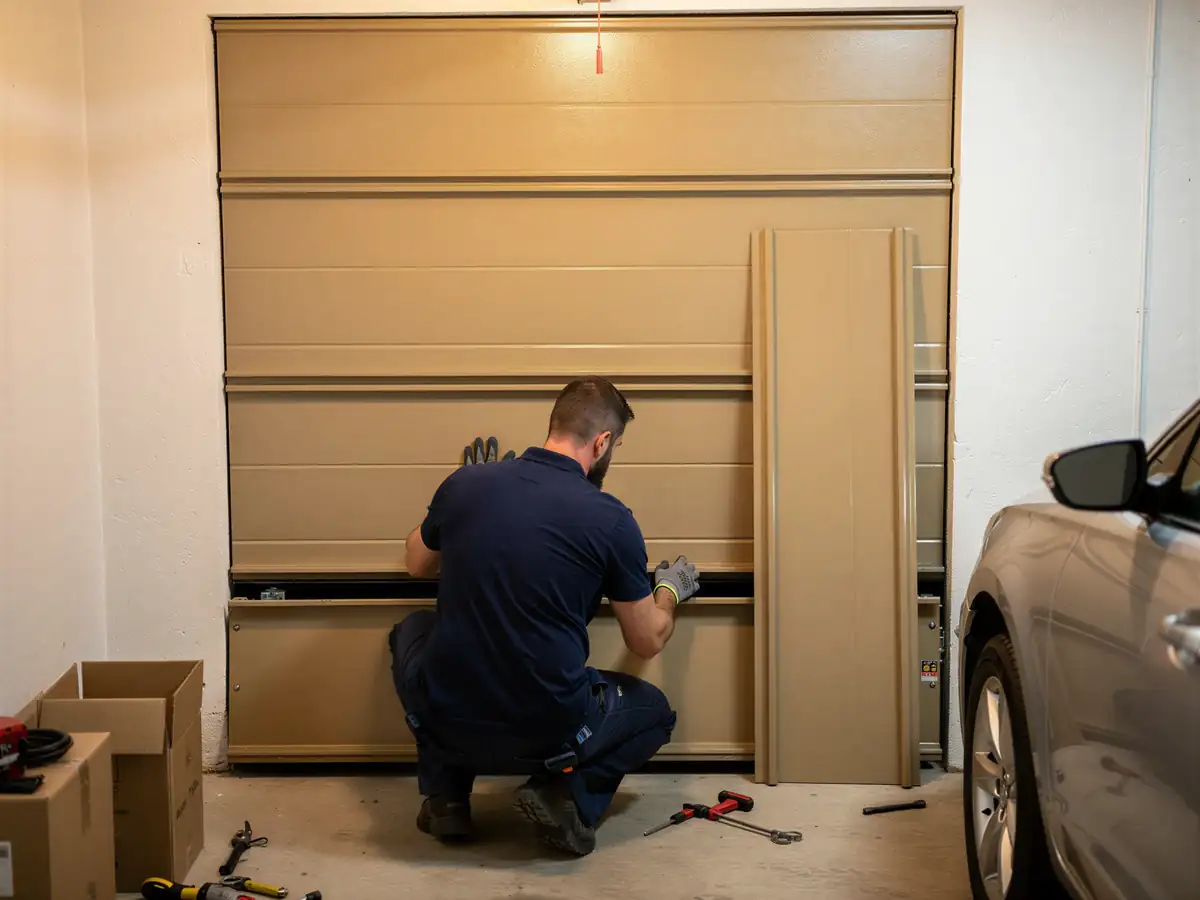
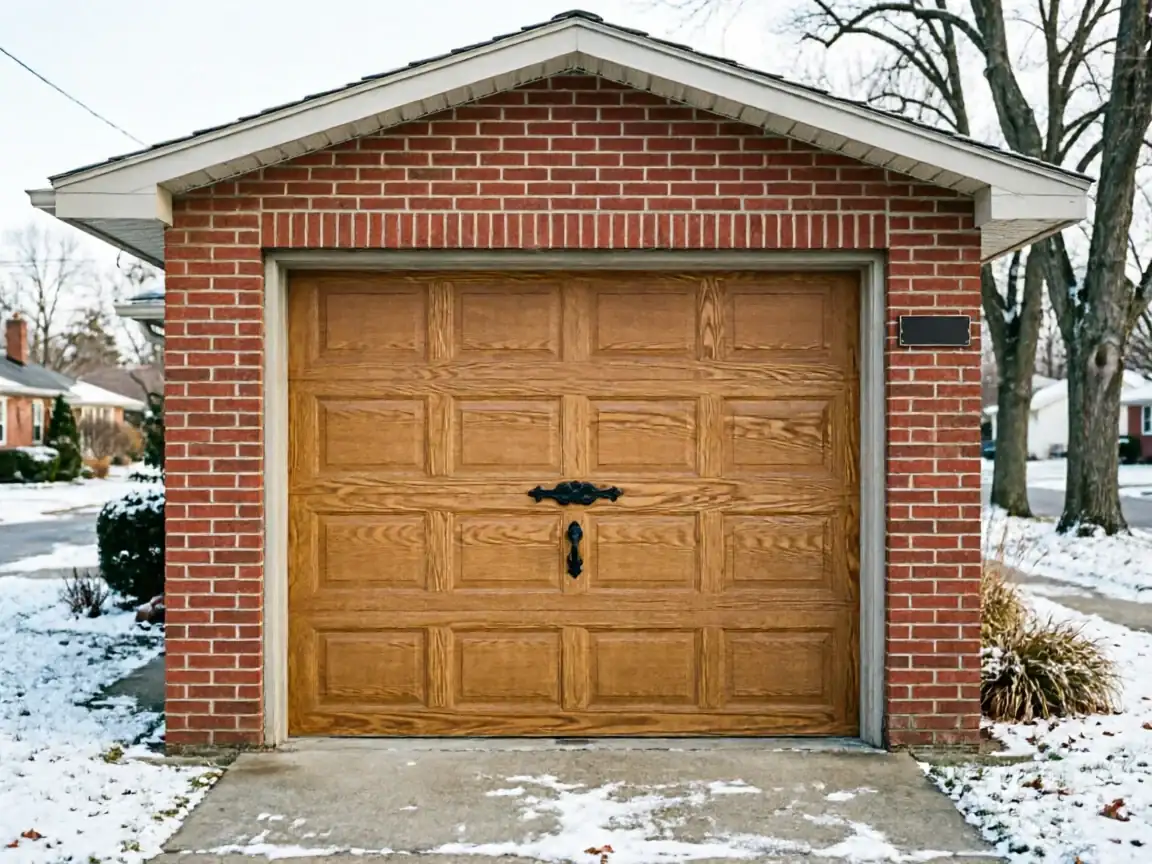
A 1985-era door in Hastings wasn't built to the current International Residential Code's wind-load and insulation expectations, and the climate here is cold enough, moderate as it runs compared to the rest of the state, that an uninsulated or thin-panel door from that era is doing less work than a current one. That's not an emergency by itself, but it does mean two things in practice: parts for the original hardware are getting harder to source exactly matched, and if you're replacing rather than repairing, a new door will perform noticeably better through a Minnesota winter than what's currently hanging. We'll always repair what's repairable first - replacement only gets recommended when the math on parts and labor stops making sense next to a new door.
How it works
From “it’s stuck” to “it’s fixed”
1
Tell us what’s wrong
Describe the symptom - won’t open, loud bang, opener runs but the door won’t move.
2
On-site diagnosis
A technician tests the door under power and by hand and finds what actually failed.
3
Clear, up-front plan
You get the fix that’s needed and what drives the cost - before any work starts.
4
Repaired & tested
The repair is done, the door is set true and tested, and the work area left clean.
Not sure which repair your door needs in Farmington, MN? Describe what it’s doing - every job starts with a diagnosis.
No. We're based in Farmington and drive out to Hastings as part of our regular coverage, about 16 miles each way. We schedule the trip rather than treat it as a local same-day stop, and we'll give you a realistic window when you call.
Why did my spring break in the cold when it worked fine all summer?
Torsion springs lose a bit of flex in cold metal, and a spring that's already near the end of its cycle life - common on doors from the mid-1980s build era common in Hastings - often lets go in winter first. It's wear catching up, not a cold-specific defect.
Is it worth replacing my original 1980s door instead of repairing it?
Depends on the door. If the panels and track are sound and it's just a spring, opener, or cable, repair almost always makes sense given the income and housing profile here. If the track's bent or the door's uninsulated and underperforming in winter, replacement starts to pencil out better.
Ready to get your garage door sorted?
Tell us what it’s doing and where you are in Farmington - we’ll take it from there.