What's Actually Included in a Farmington Garage Door Service Call
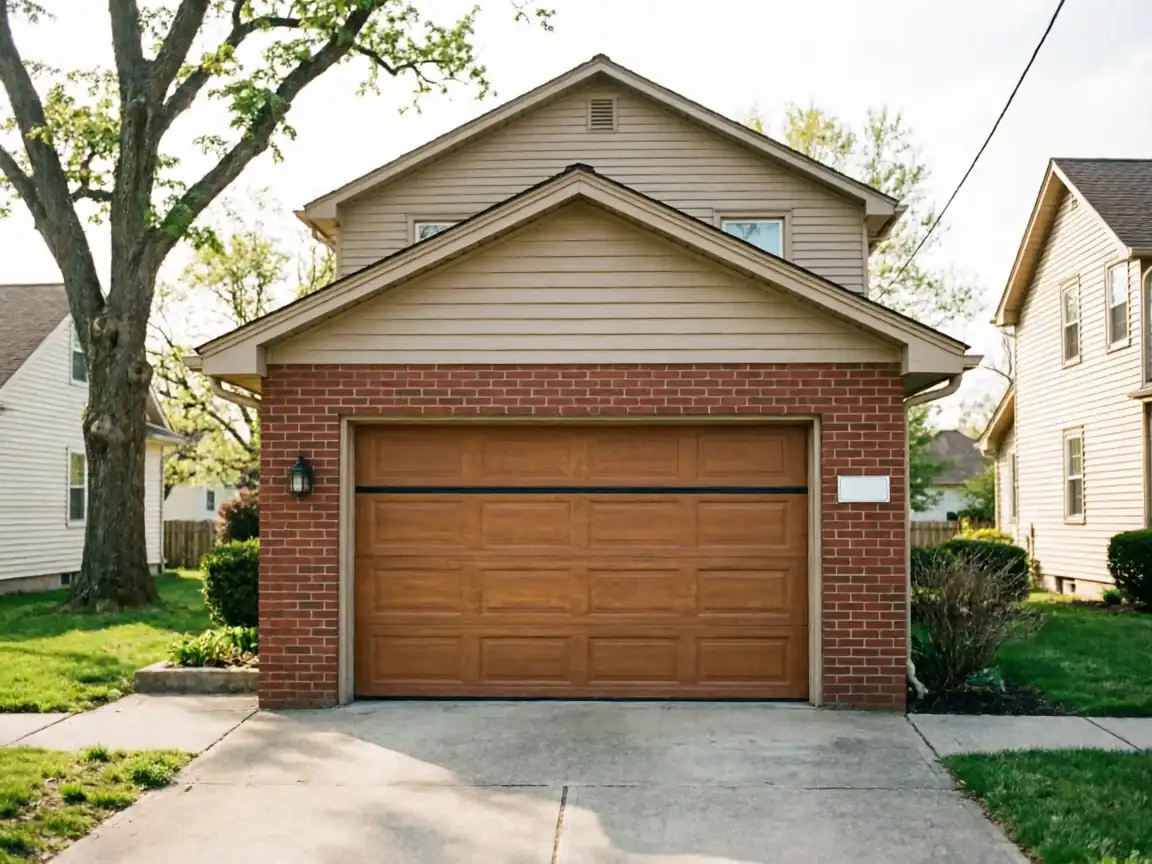
Farmington Garage Door Pros explains what's covered in a service call for 1955-2004 homes in Farmington's cold moderate climate band, from springs to openers.
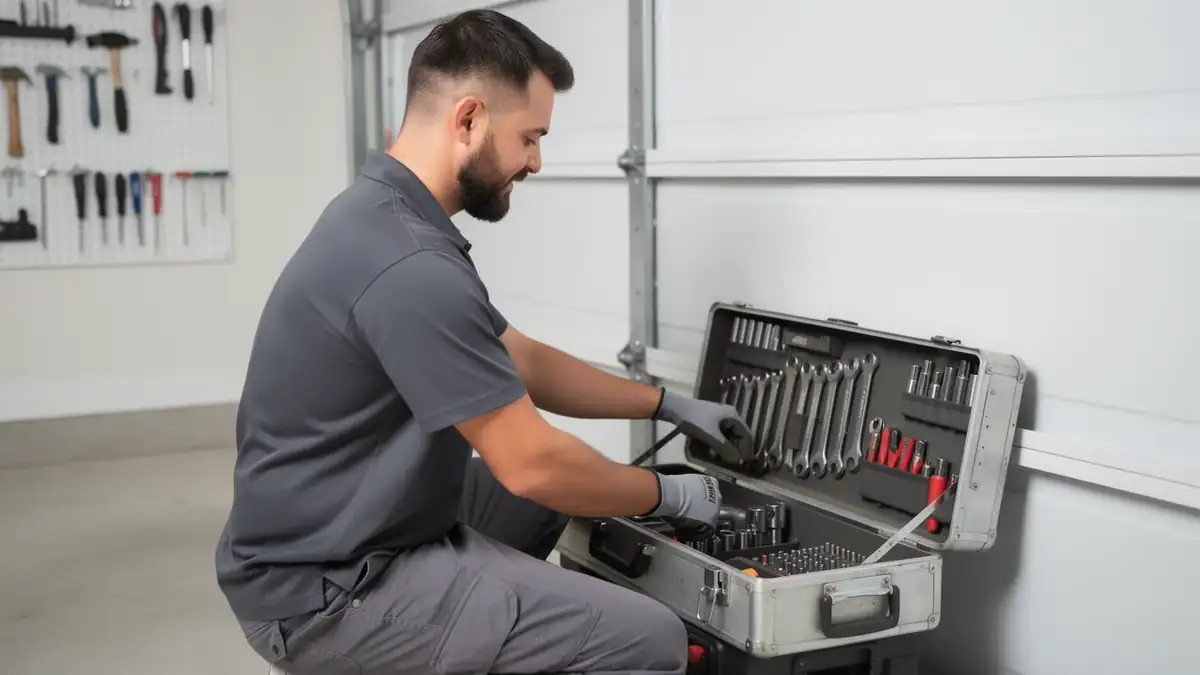
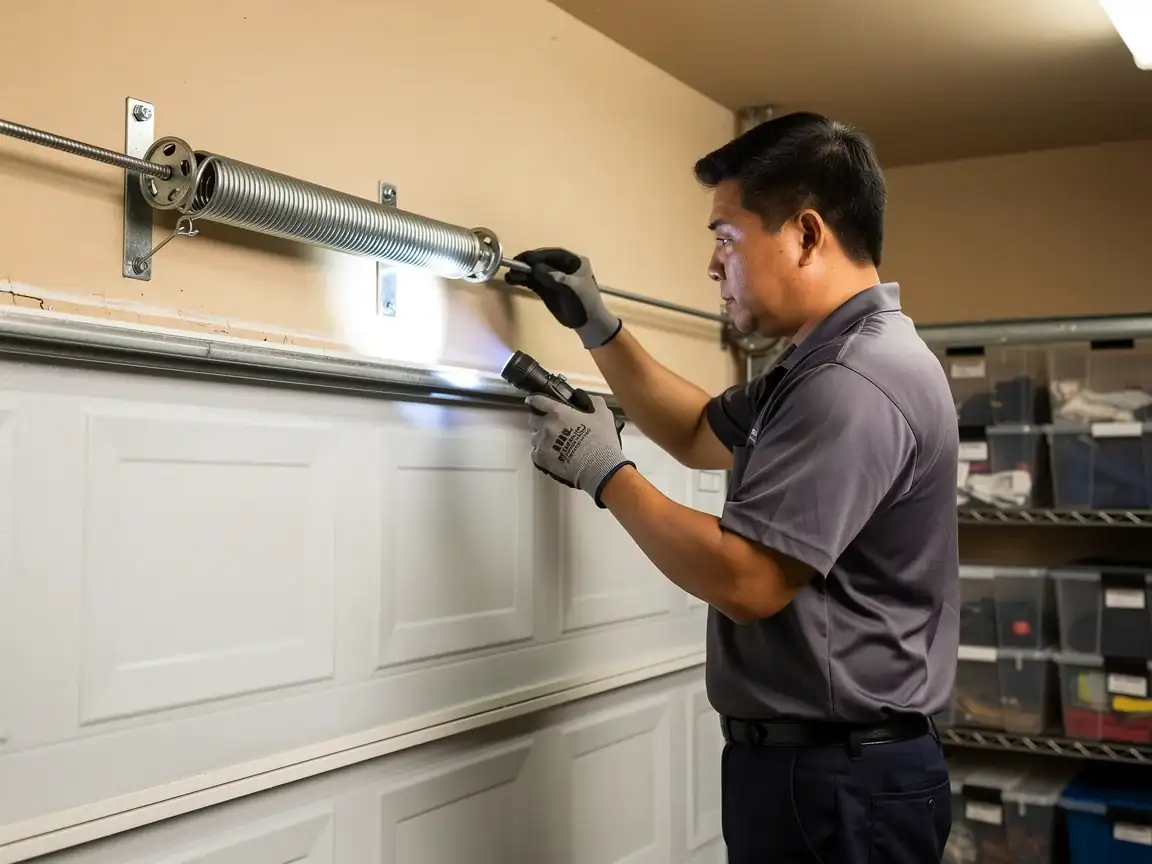
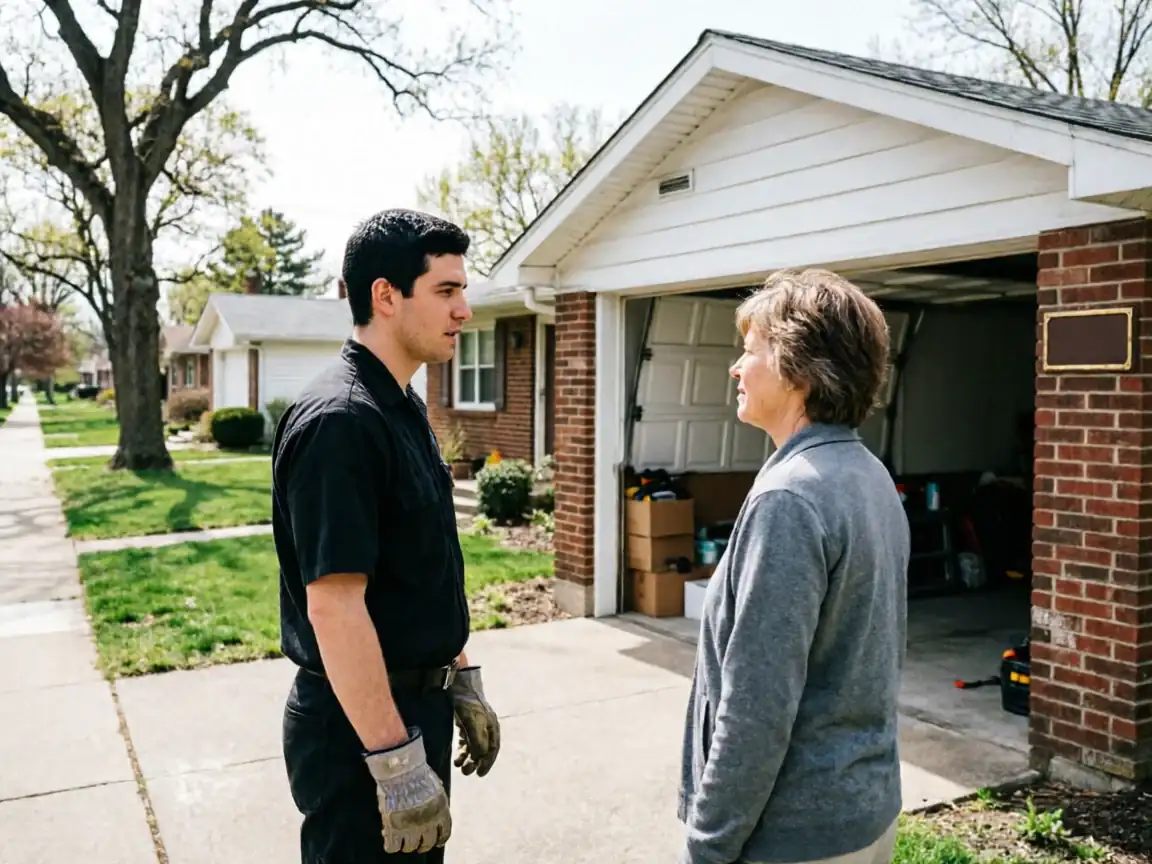
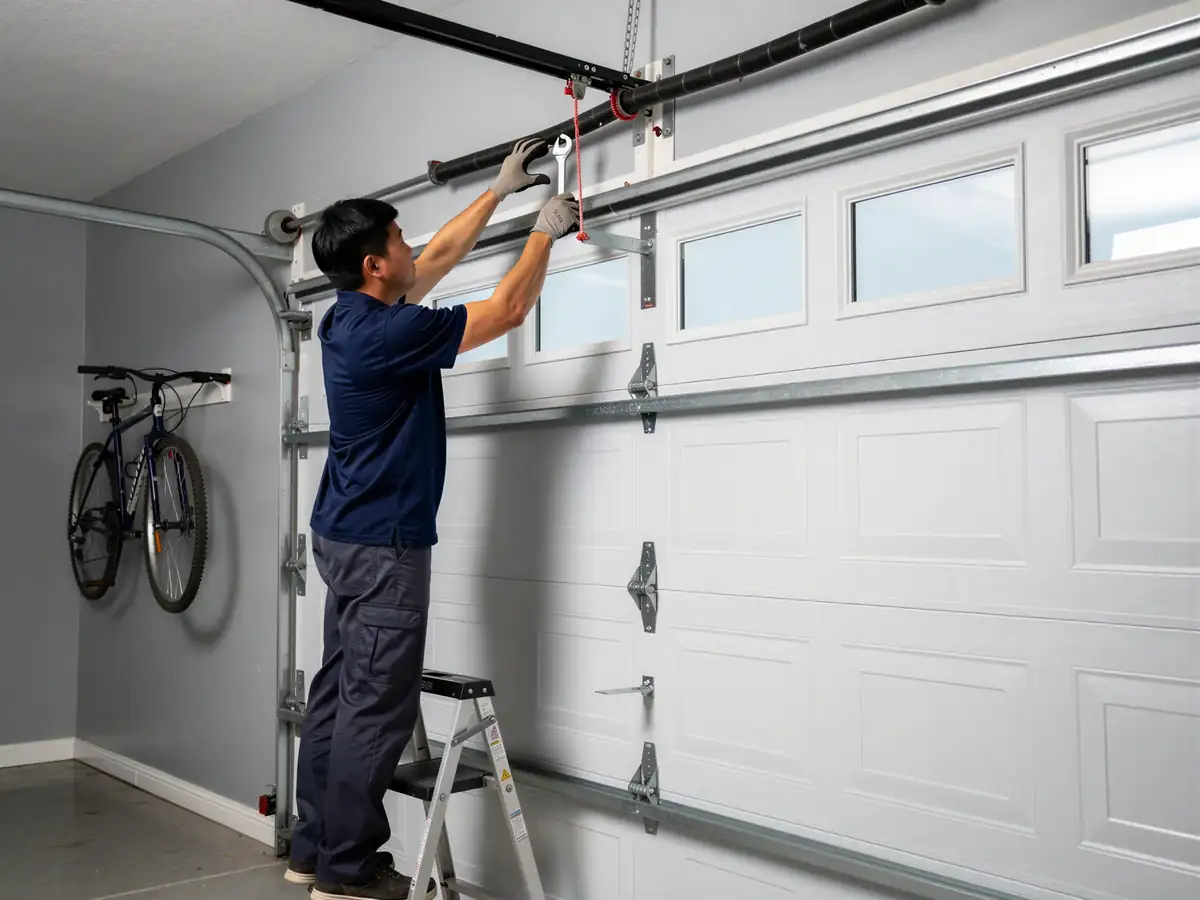
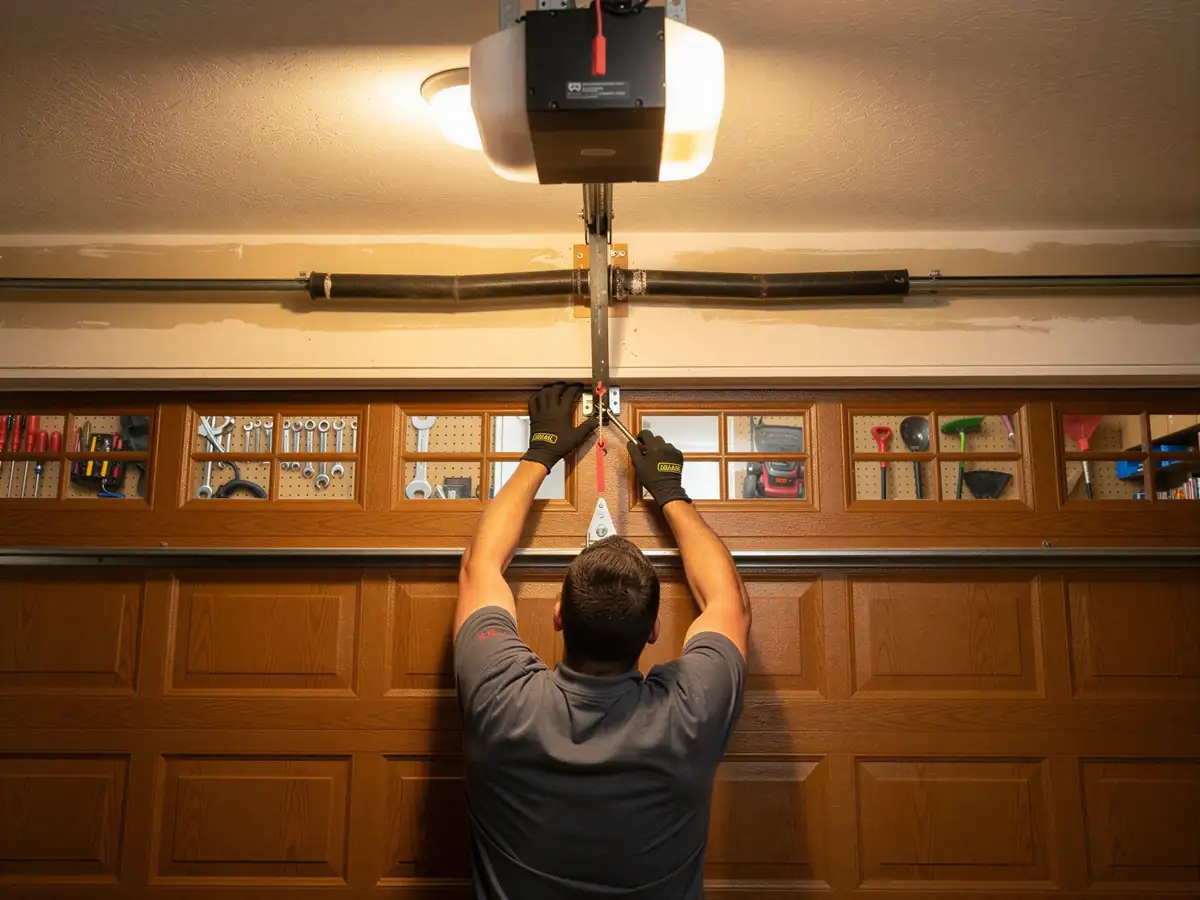
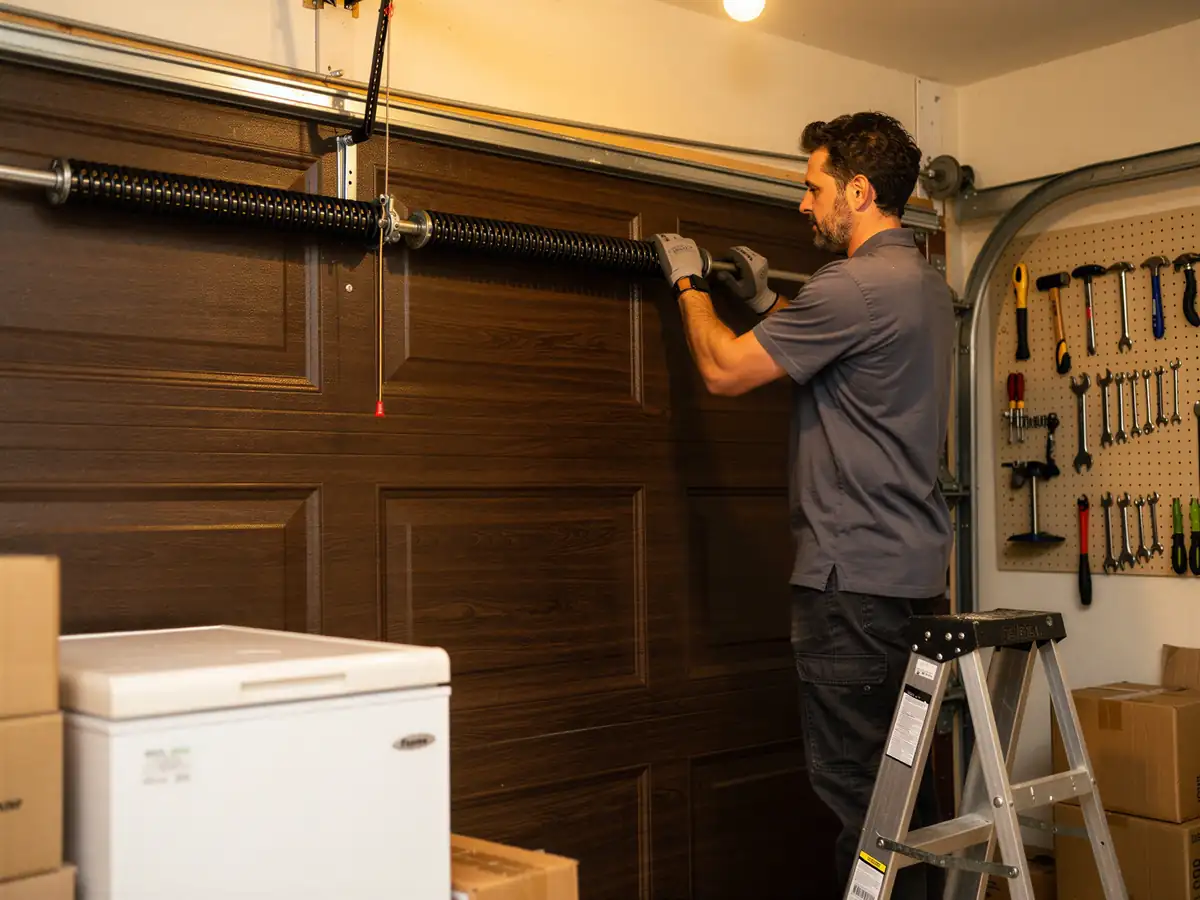
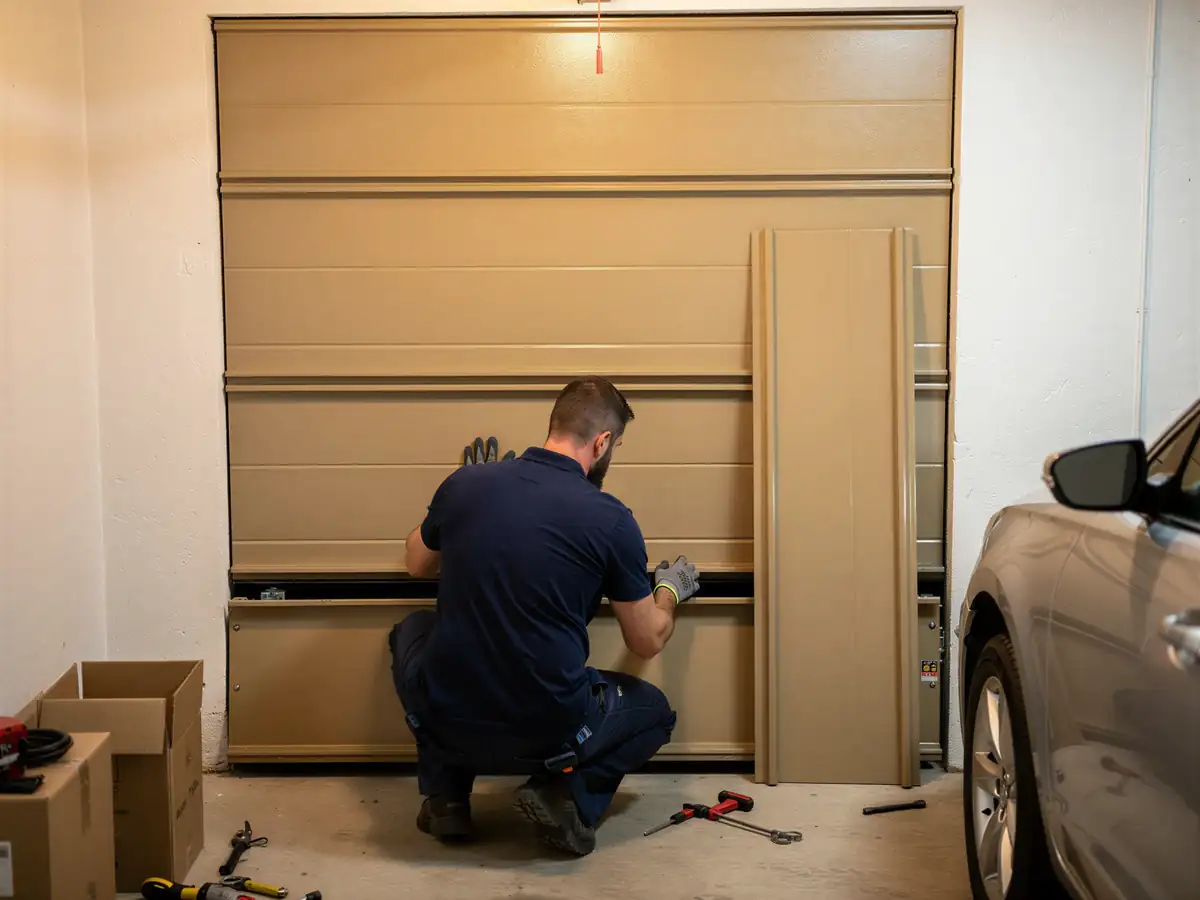
Most owners call thinking a service call means someone shows up, squirts some oil, and leaves. That's not what we do, and if that's all you need, you probably don't need us. A real service call is a diagnostic pass on the whole system - spring tension, cable wear, track alignment, opener logic, and the seals around the panel - because in a house built anywhere from 1955 to 2004 (median 1983, per the housing data for this service area), those parts don't fail on the same schedule. A torsion spring rated for 10,000 cycles in a house built in 1983 is probably past due. A house finished in the late 90s might have its original spring still holding, but the opener's circuit board is the thing on borrowed time. We check both, not just whichever part made the noise that got you to pick up the phone. Owners also assume the call is priced the same no matter what we find. It isn't. A tech who shows up, opens the door, and tells you the spring is fine and the noise is a dry roller is a cheaper visit than one who has to pull a cable drum. We quote what we find, not what we guessed on the phone.
How Local Conditions Play In
Farmington sits in a cold moderate climate band, and that matters more to a garage door than most owners expect. Steel torsion springs lose a measurable amount of lift in sustained cold, which is why a door that closed fine in September can start dragging by January - the spring isn't broken, it's just not delivering the tension it was wound for. Weatherstripping along the bottom panel and side jambs takes the worst of it: rubber that's flexible in summer turns stiff and starts cracking at the fold line once temperatures drop and stay down for weeks at a stretch. On a service call, that's one of the first things we check in winter months, because a bad seal isn't just a comfort problem - it lets cold air sit against the panel and the opener rail, which changes how everything else in the system behaves. Lubricant matters too. A grease rated for warm-climate service gums up and slows the rollers here; we use what holds viscosity through a cold snap. None of this is dramatic, but it's the difference between a door that's quiet in July and one that's grinding by February, and it's specific to running a garage door through a real winter rather than a mild one.
The Problem
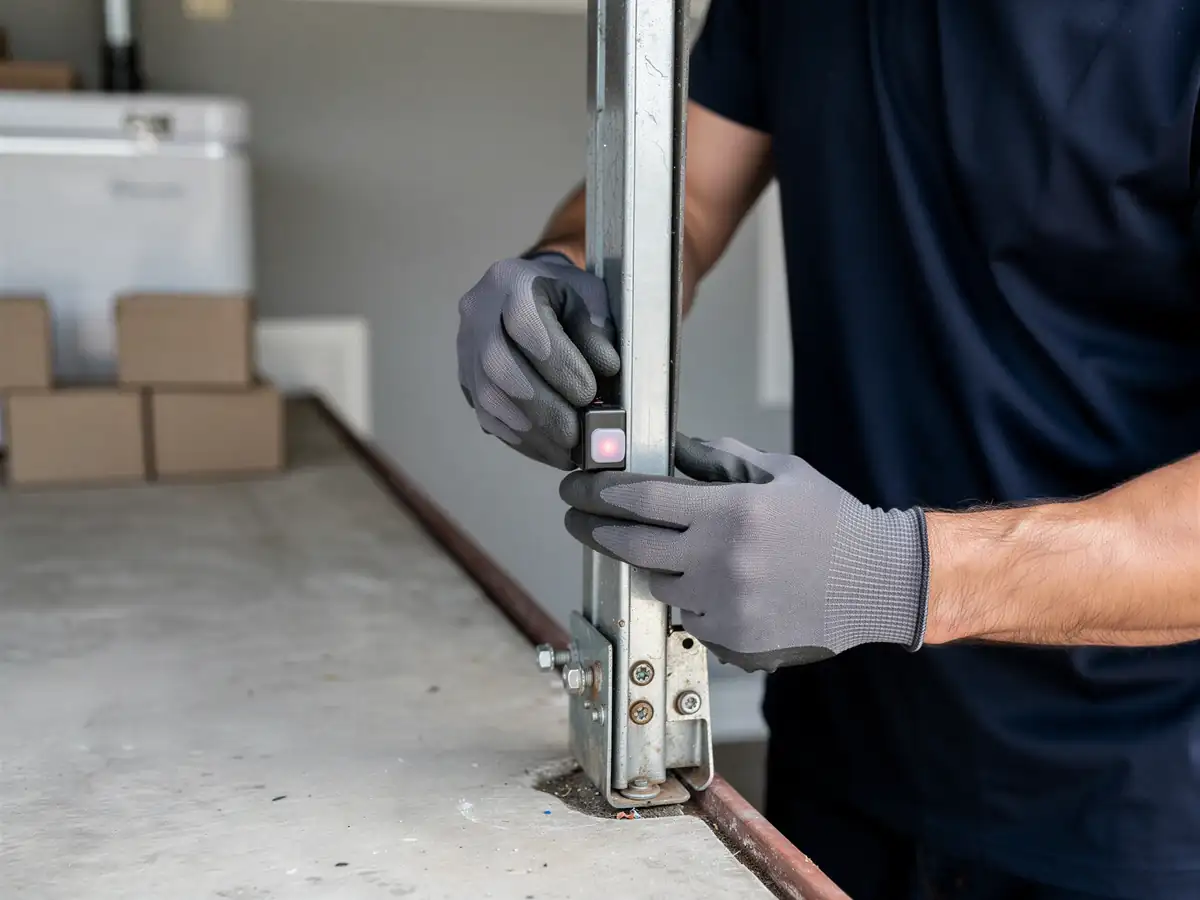
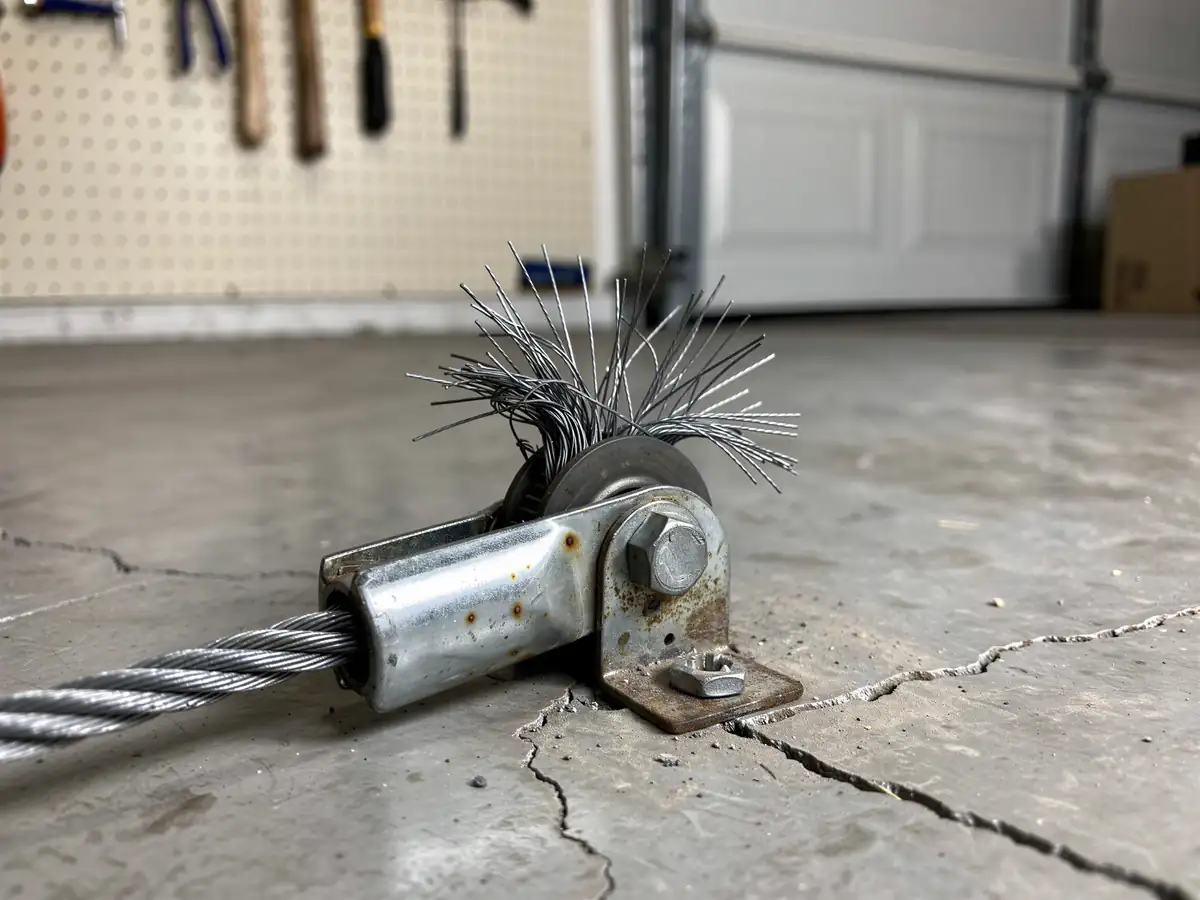
The service area here runs mostly 1980s and 90s construction across the named communities we cover, stretching out toward places like Coates, Hampton, and Credit River. That means a lot of original hardware is now 25 to 40 years old, and parts from that era aren't always a shelf item. Side-mounted torsion setups and older extension spring systems on single-car doors are common on houses from the earlier end of that range, and when a cable or drum goes on one of those, we're sometimes sourcing a part rather than grabbing it off the truck. The symptom that brings most people to the phone is a door that won't open, won't close all the way, or slams the last six inches - usually a spring or cable problem, occasionally a sensor knocked out of alignment. What we're honest about: if your opener is an original unit from the 80s or 90s and the logic board fails, a matching replacement board isn't always available, and the straight answer is a new opener rather than a repair. We'll tell you that on-site rather than stall you with a part order that may not pan out.
The Cost of This Job
We don't have a flat number to put on a service call because the honest answer is that it depends on what's actually wrong, and we won't quote blind over the phone. What we can tell you is what drives the number: whether the fix is adjustment-level (realignment, lubrication, a sensor reseat) or parts-level (spring, cable, drum, roller, opener board), and whether the part is common stock or something we have to source for an older system. With a median household income of $93,077 across the service area, most owners here tend to ask for the straight comparison - repair cost against replacement cost - before deciding, rather than defaulting to the cheapest fix. That's a fair question and we answer it on-site, with the door open in front of both of us. The call itself covers the diagnostic, the labor to perform whatever adjustment or repair is needed that visit, and a plain explanation of what we found, written down if you want it for your records. What it doesn't cover is parts that have to be special-ordered on a lead time outside our control - we'll tell you upfront if that's the situation rather than let the quote come as a surprise.
How it works
From “it’s stuck” to “it’s fixed”
1
Tell us what’s wrong
Describe the symptom - won’t open, loud bang, opener runs but the door won’t move.
2
On-site diagnosis
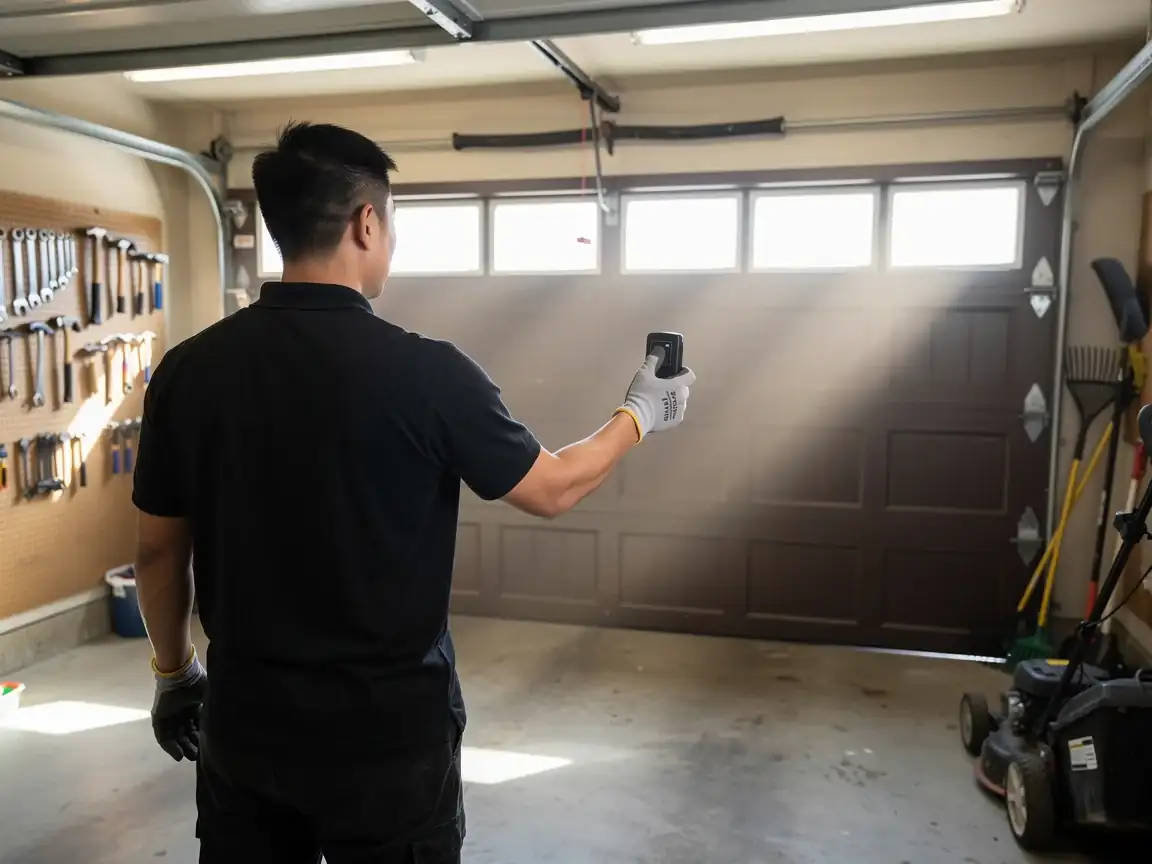
A technician tests the door under power and by hand and finds what actually failed.
3
Clear, up-front plan
You get the fix that’s needed and what drives the cost - before any work starts.
4
Repaired & tested
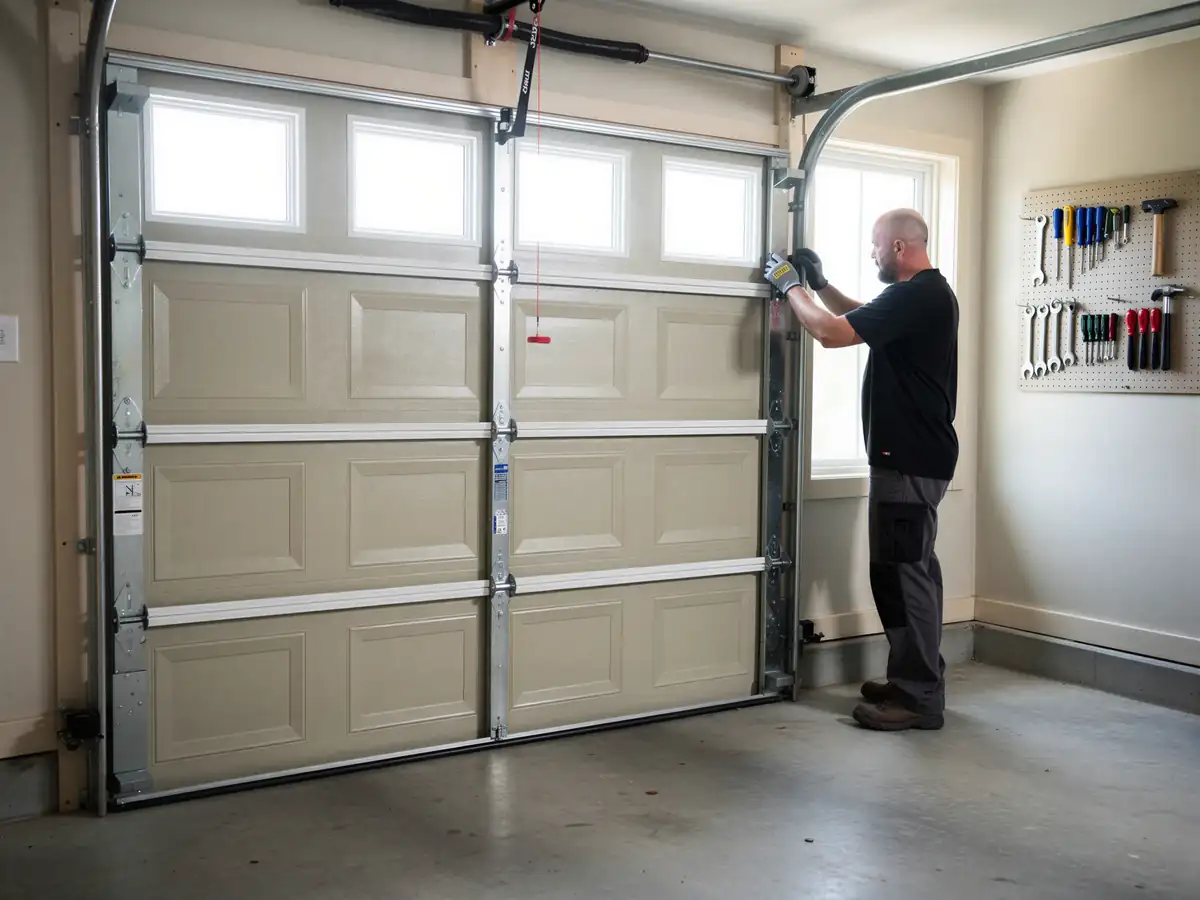
The repair is done, the door is set true and tested, and the work area left clean.
Not sure which repair your door needs in Farmington, MN? Describe what it’s doing - every job starts with a diagnosis.
The visit covers a full diagnostic of the system, not a quick glance, so there's a service call charge whether or not a repair follows. We tell you what we find and what it would cost to fix before doing any work beyond the inspection, so you're not committed to a repair just because the truck showed up.
Why does my garage door get harder to lift in winter?
Farmington sits in a cold moderate climate band, and torsion springs lose some of their effective lift in sustained cold. It's rarely a sign the spring is failing outright - more that it's working against conditions it wasn't delivering full tension for. We check spring tension as part of every cold-season call.
My house was built in the 80s. Is that a problem for parts?
Not usually for springs, cables, or rollers, which are common sizes we carry. It can matter for original openers from that era - if the logic board fails, a matching replacement isn't always available, and the straight answer at that point is usually a new opener rather than chasing a part.
How do I know if it's a repair or a replacement?
We look at the age and condition of the whole system, not just the broken part. A single failed spring on an otherwise sound door from the 90s is a straightforward repair. Multiple aging components on an original-equipment setup from the 80s often costs more to keep patching than to replace outright - we'll lay out both numbers.
Ready to get your garage door sorted?
Tell us what it’s doing and where you are in Farmington - we’ll take it from there.