Doing It Yourself
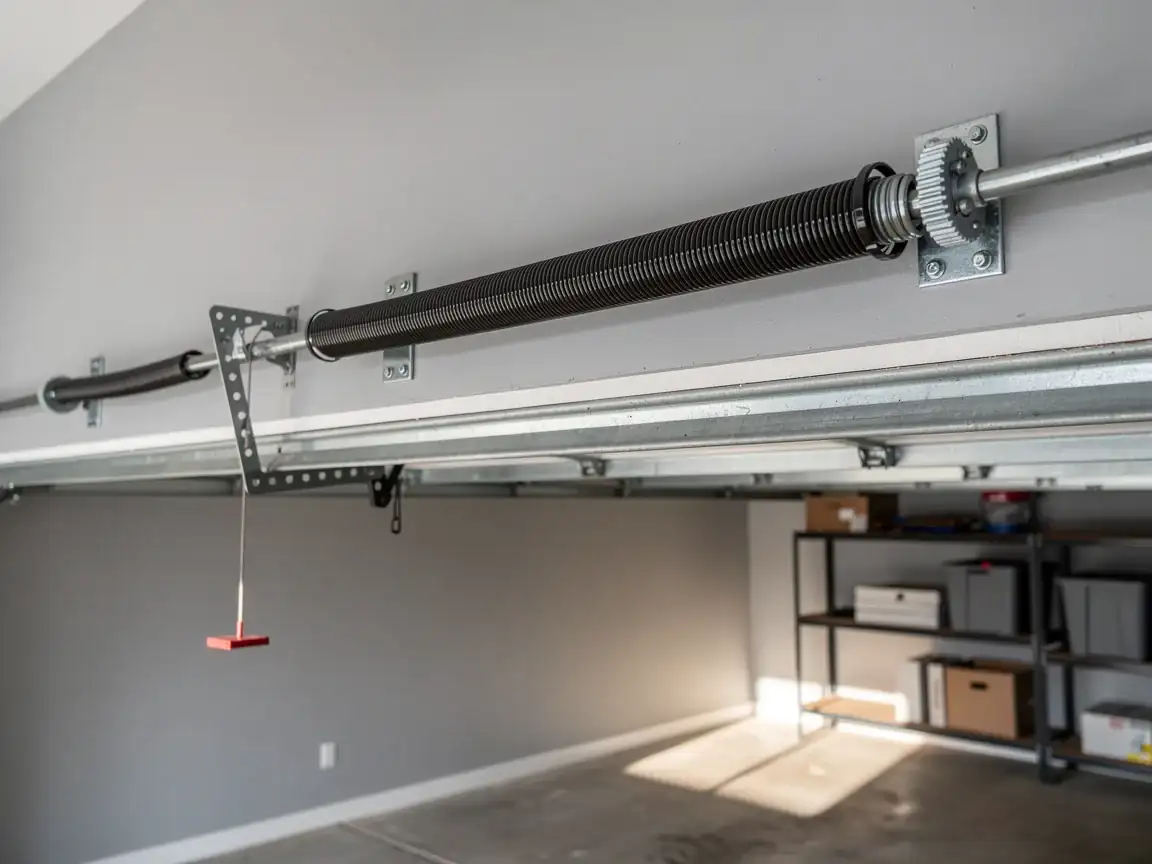
A torsion spring holds enough tension to do real damage if you don't know what you're doing
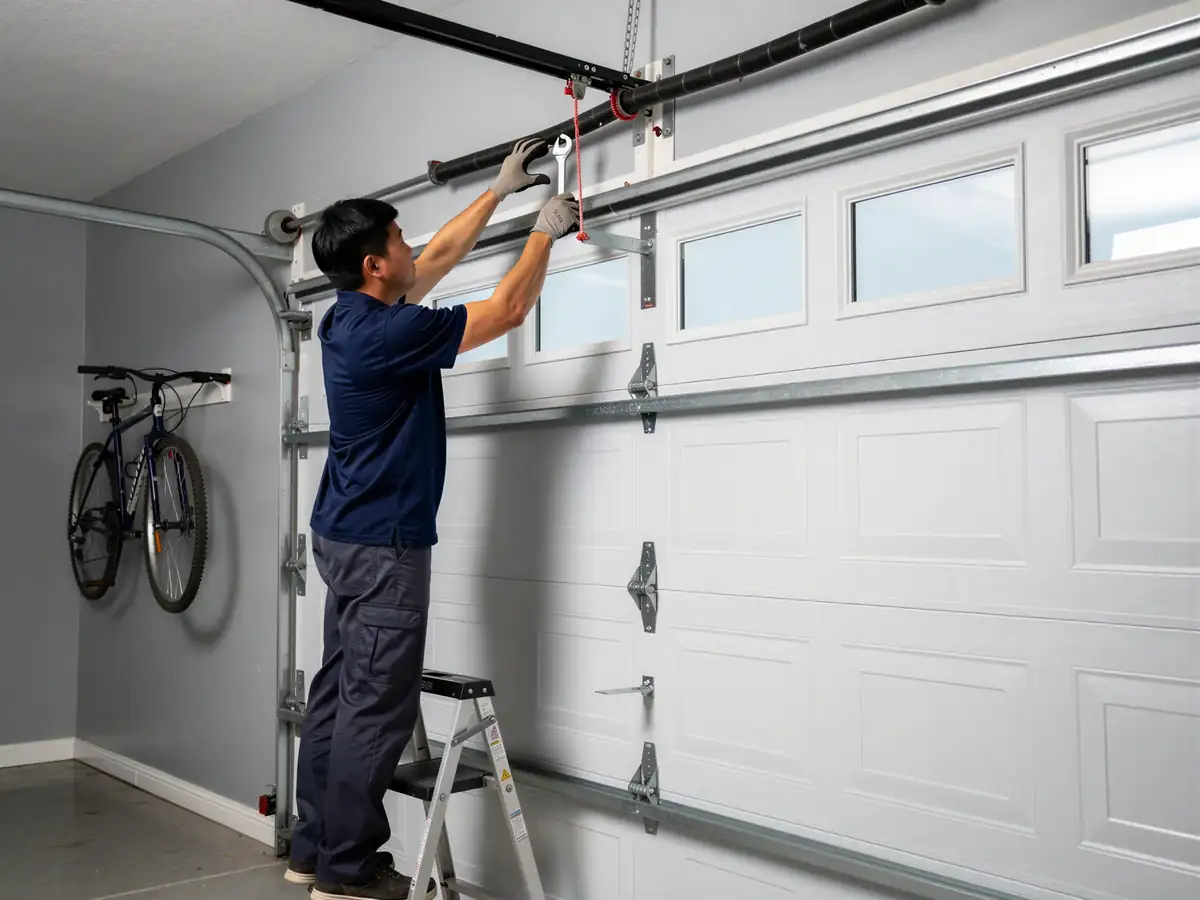
We're not going to walk you through winding one yourself - that's the one job on a garage door we tell homeowners to leave alone, full stop. Swapping a bulb or tightening a loose bracket, fine. Winding a spring with the wrong bar, or guessing at the wind count, has put people in the hospital.
What you can safely do is diagnose
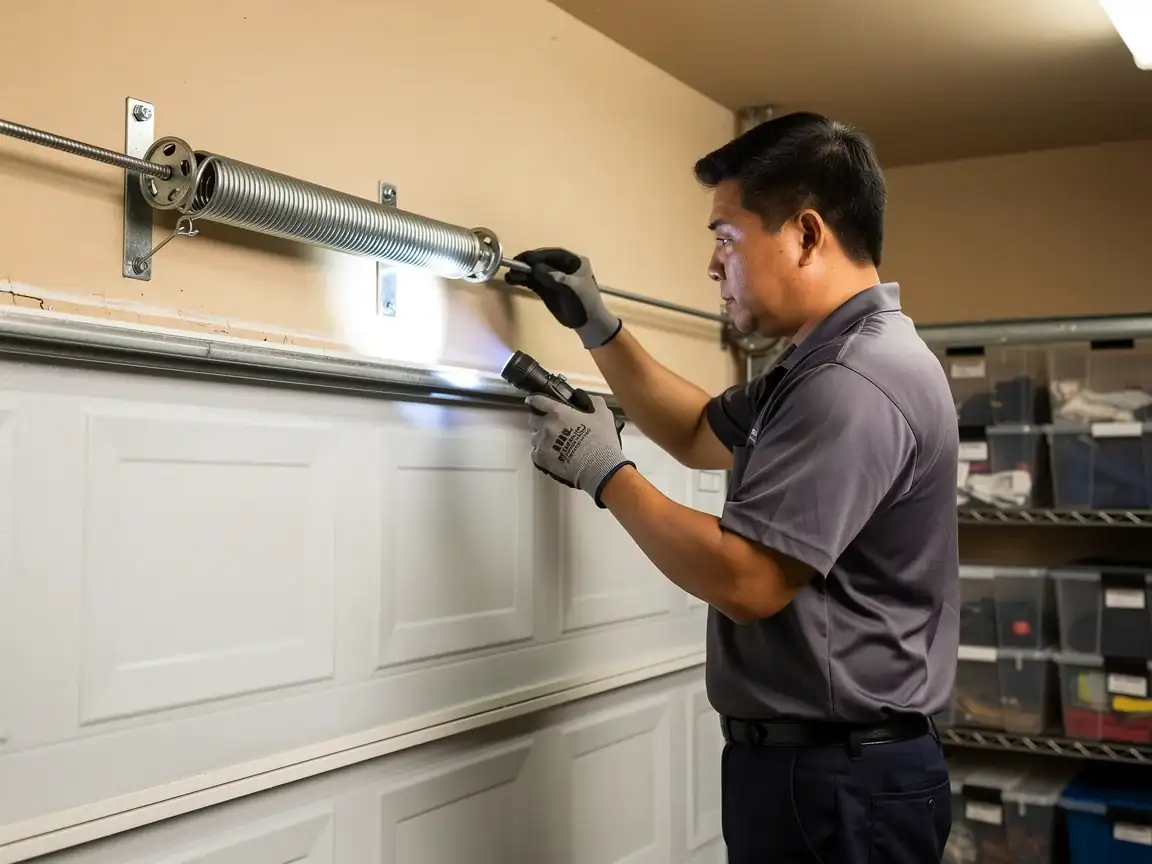
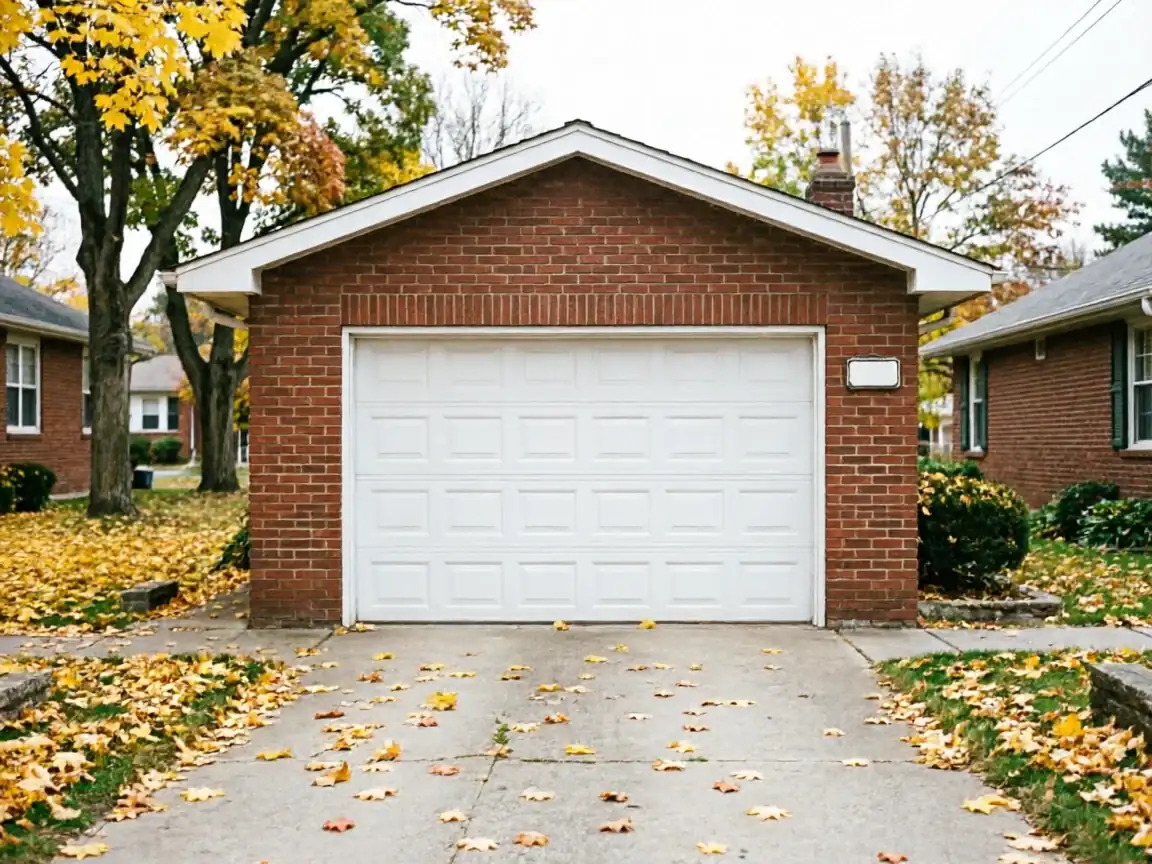
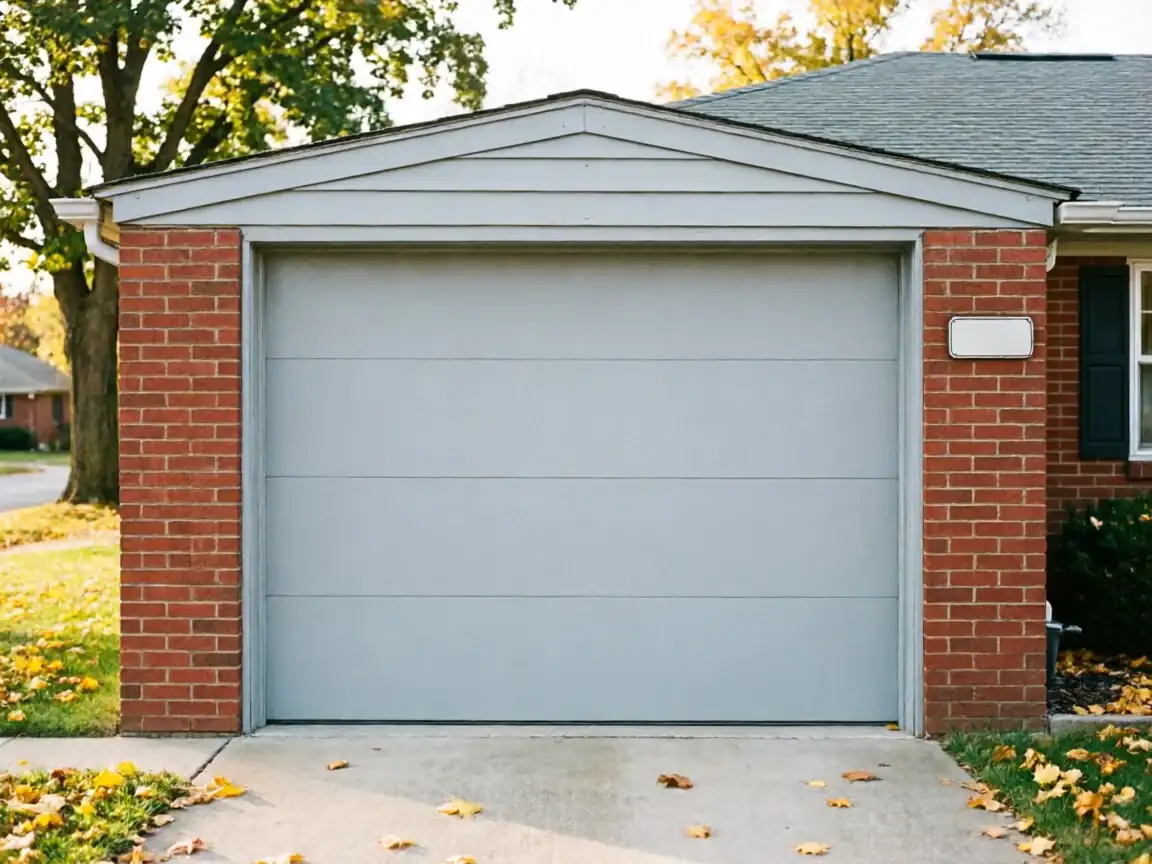
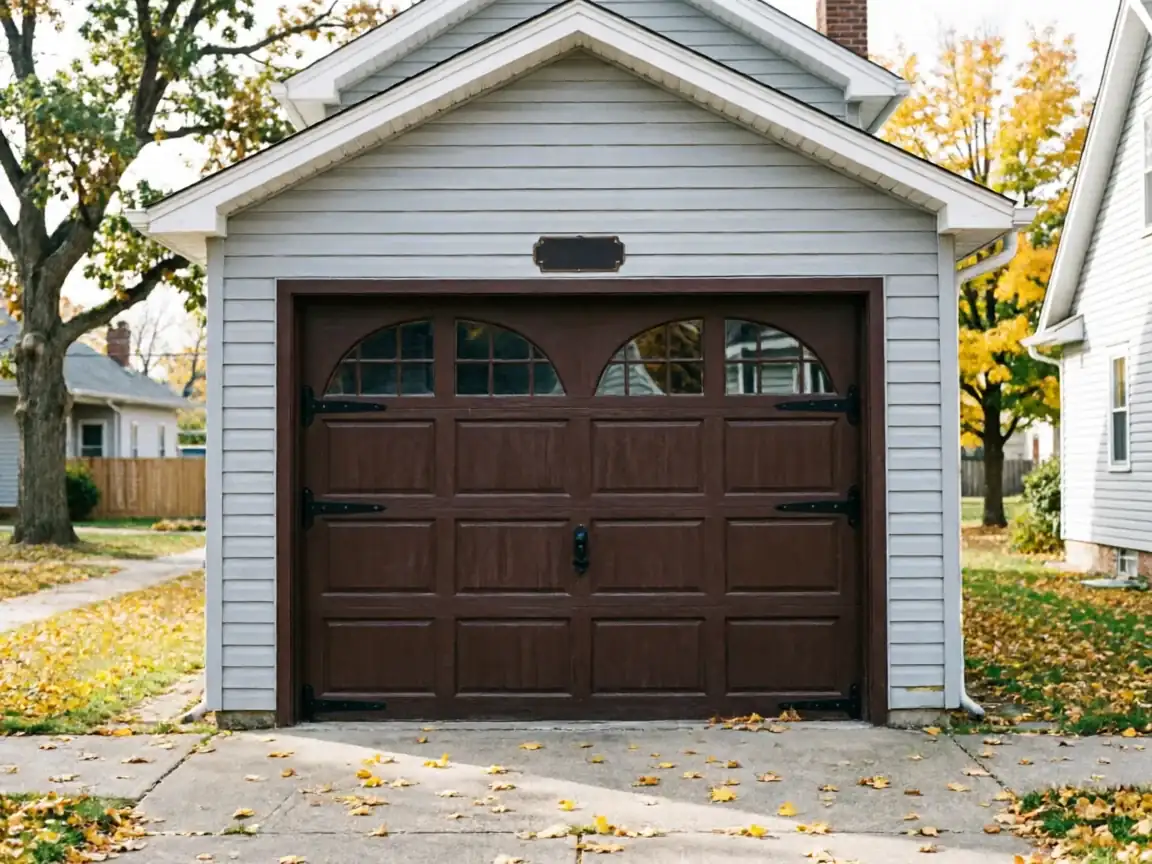
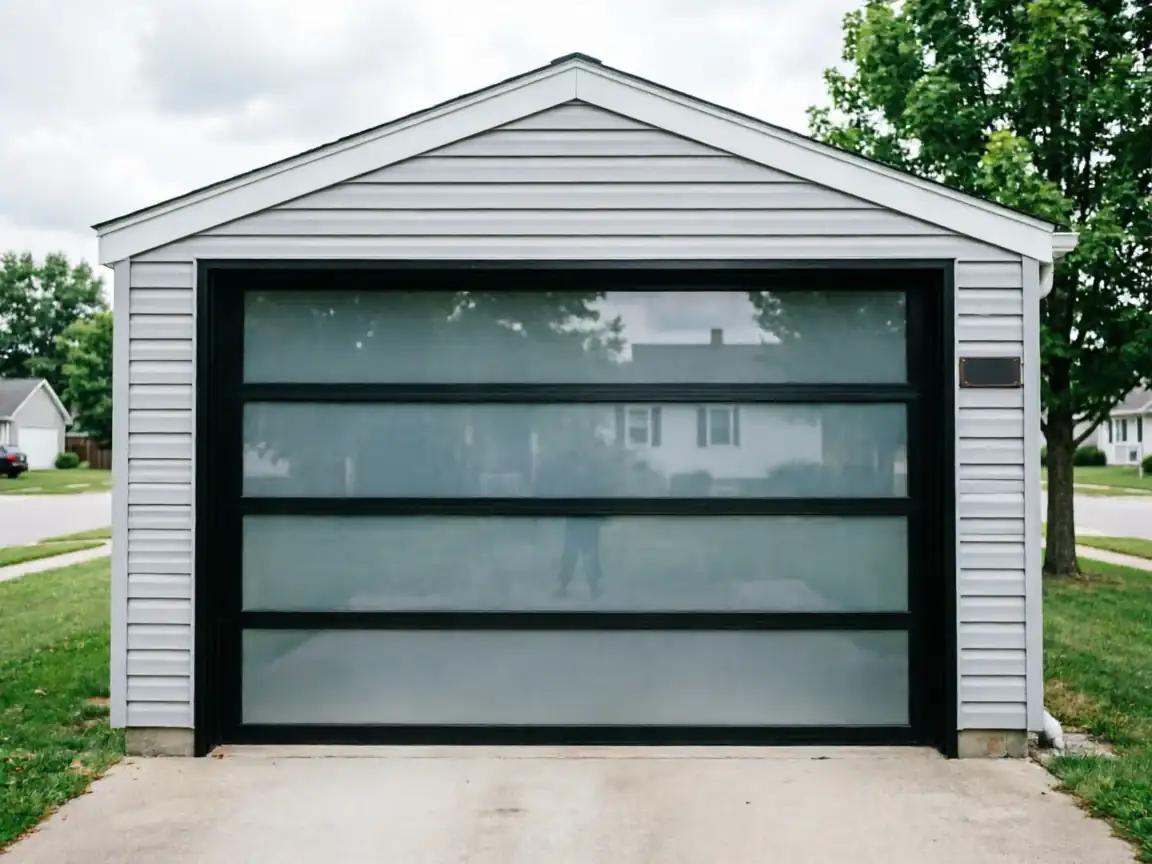
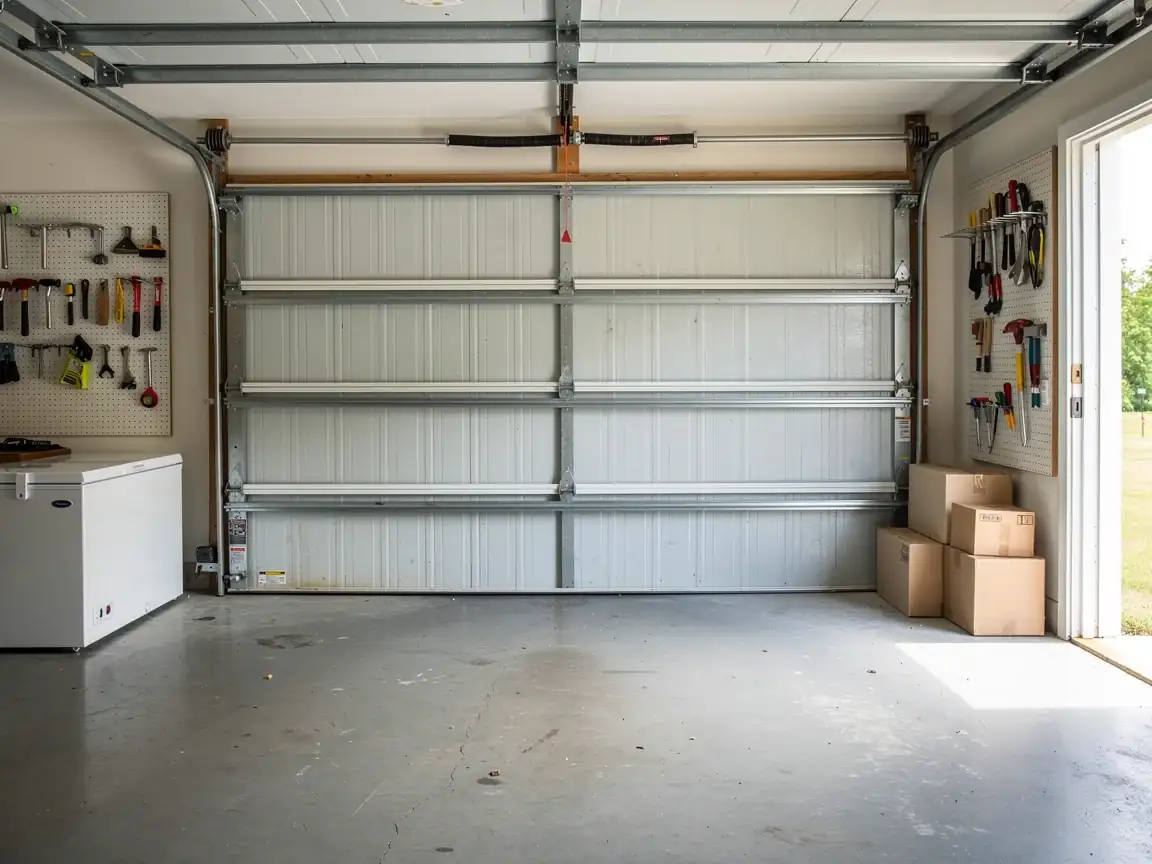
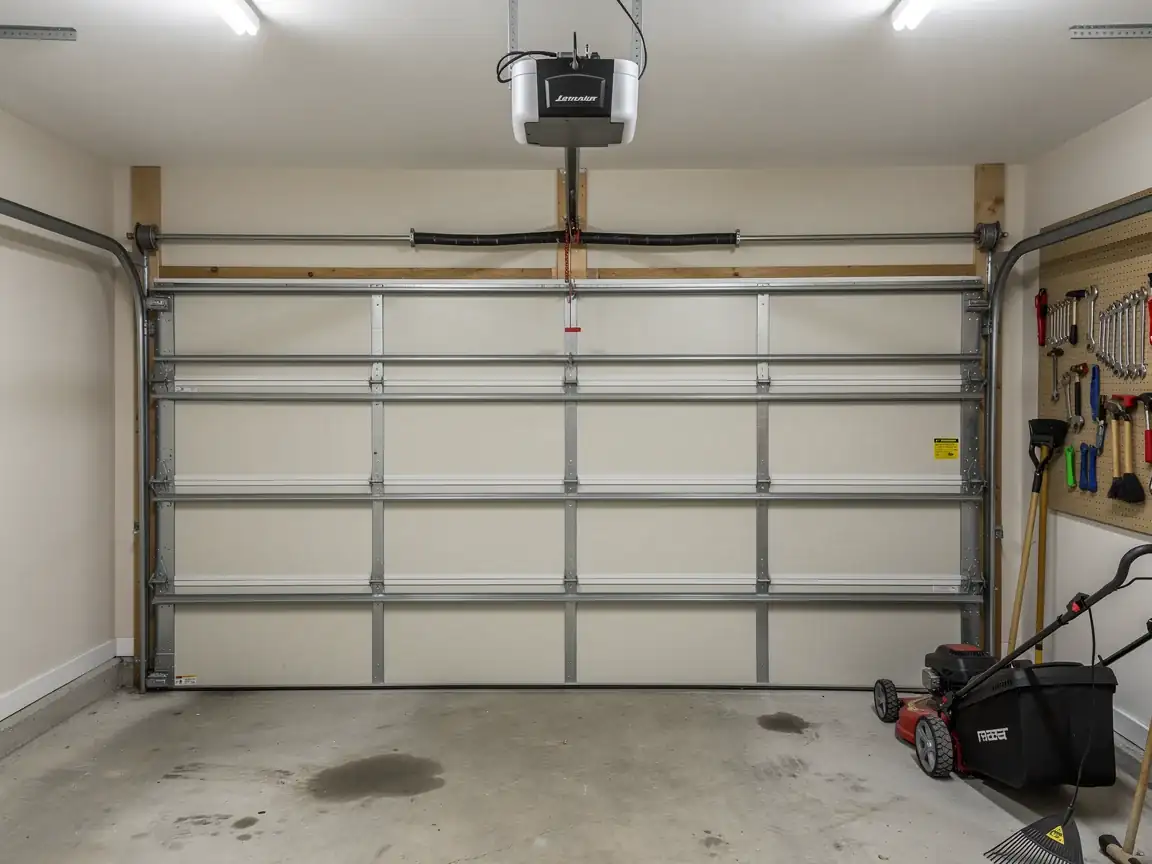
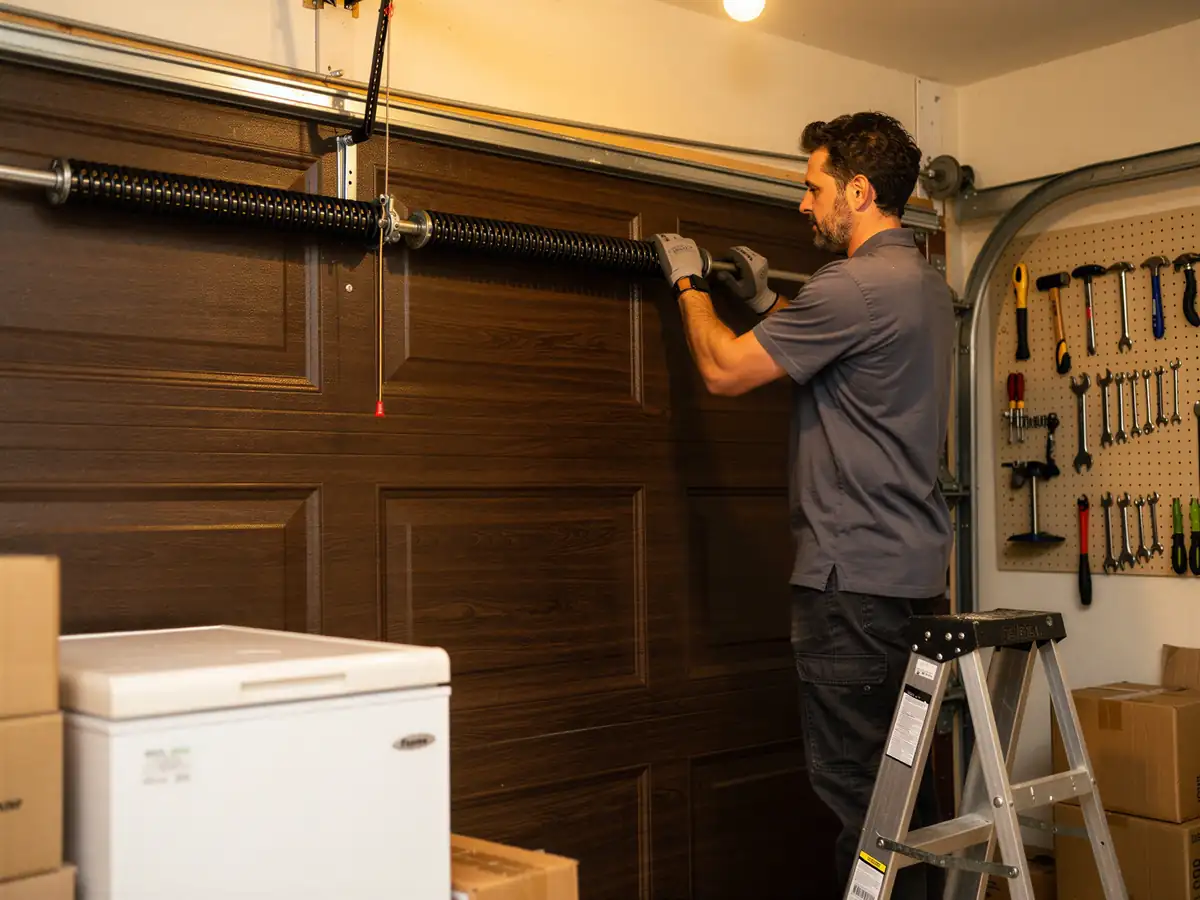
If the door won't lift without heavy effort, or it slams down instead of lowering slowly, or you see a visible gap in the coil on one side, that's a spring problem, not an opener problem. Note whether it's a single door with one center spring or a double door with two springs - most two-car garage doors in this area run two torsion springs, and if one has gone, the other is usually close behind from the same age and wear.
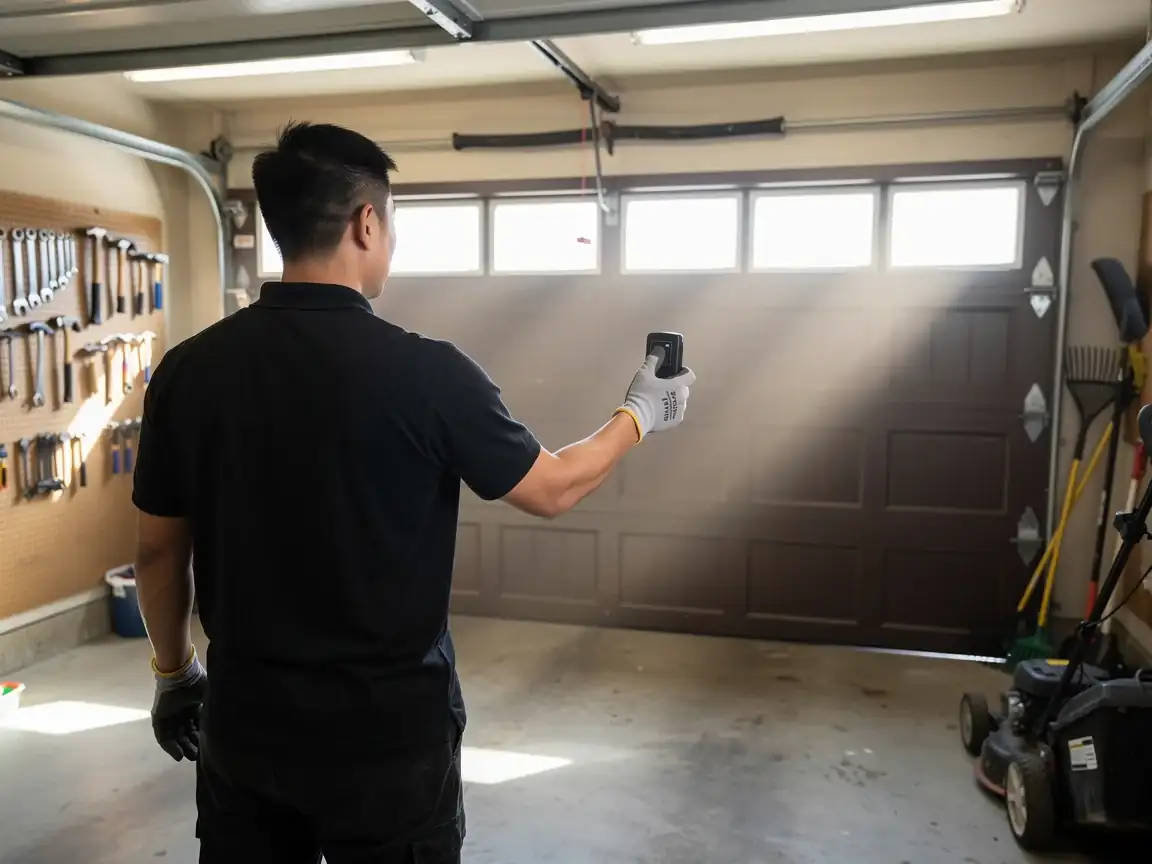
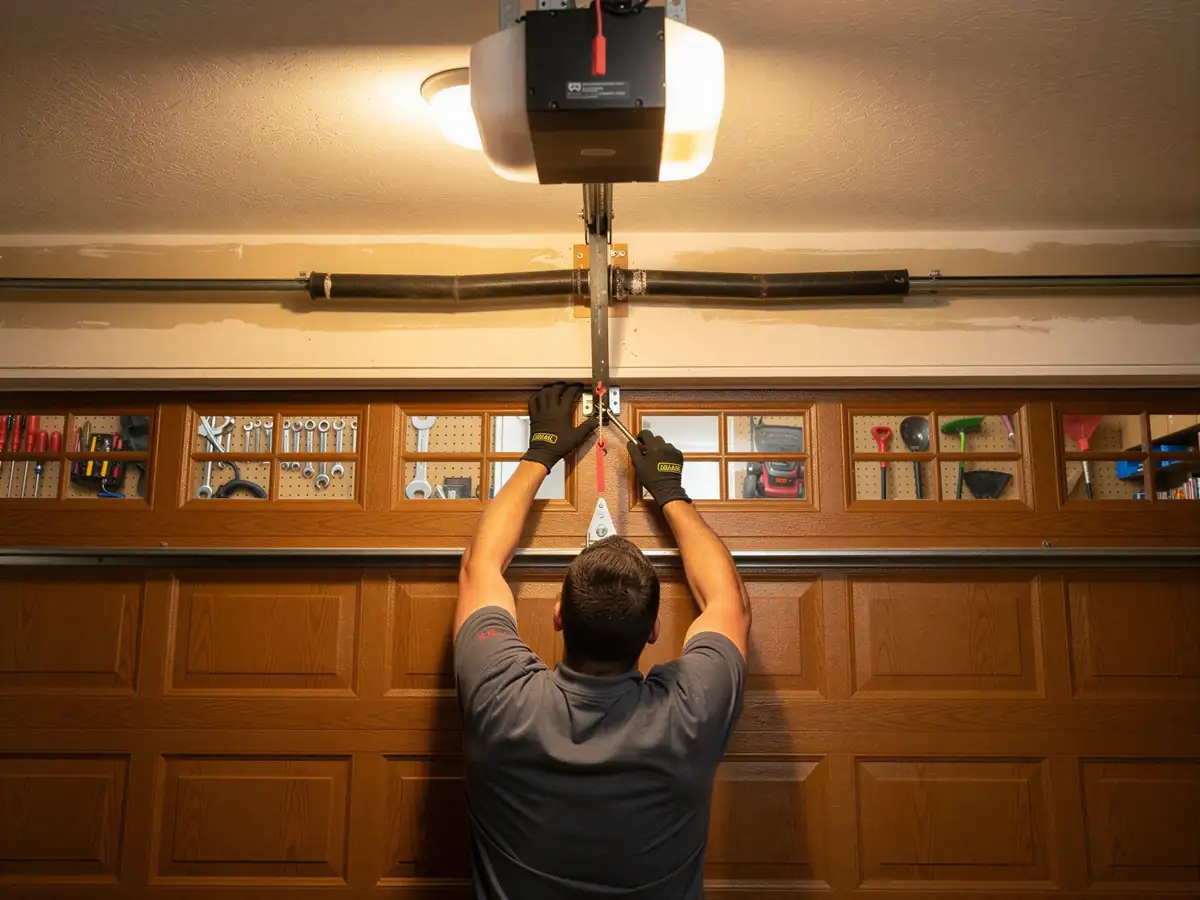
The one thing worth doing yourself: unplug the opener before anyone touches the door by hand
A spring that's already failing can snap the rest of the way under opener strain, and that's a bad moment to have your hand on the track.
The Cost of This Job
We don't post a flat number here because spring jobs vary by door weight, spring size, and whether it's one spring or two - and on a lot of the two-car doors we see in this area, it's two. What we can tell you is what drives the number: the diameter and wind length of the spring, whether the drums or cables need replacing alongside it (common once a spring has been dragging unevenly for a while), and whether the door is a standard single-layer panel or a heavier insulated one.
Household income across our service area runs a median of $93,077, which is part of why a fair number of owners choose to replace both springs at once rather than wait for the second one to go - it's one truck visit instead of two, and it avoids a mismatched pair doing uneven work on the drums.
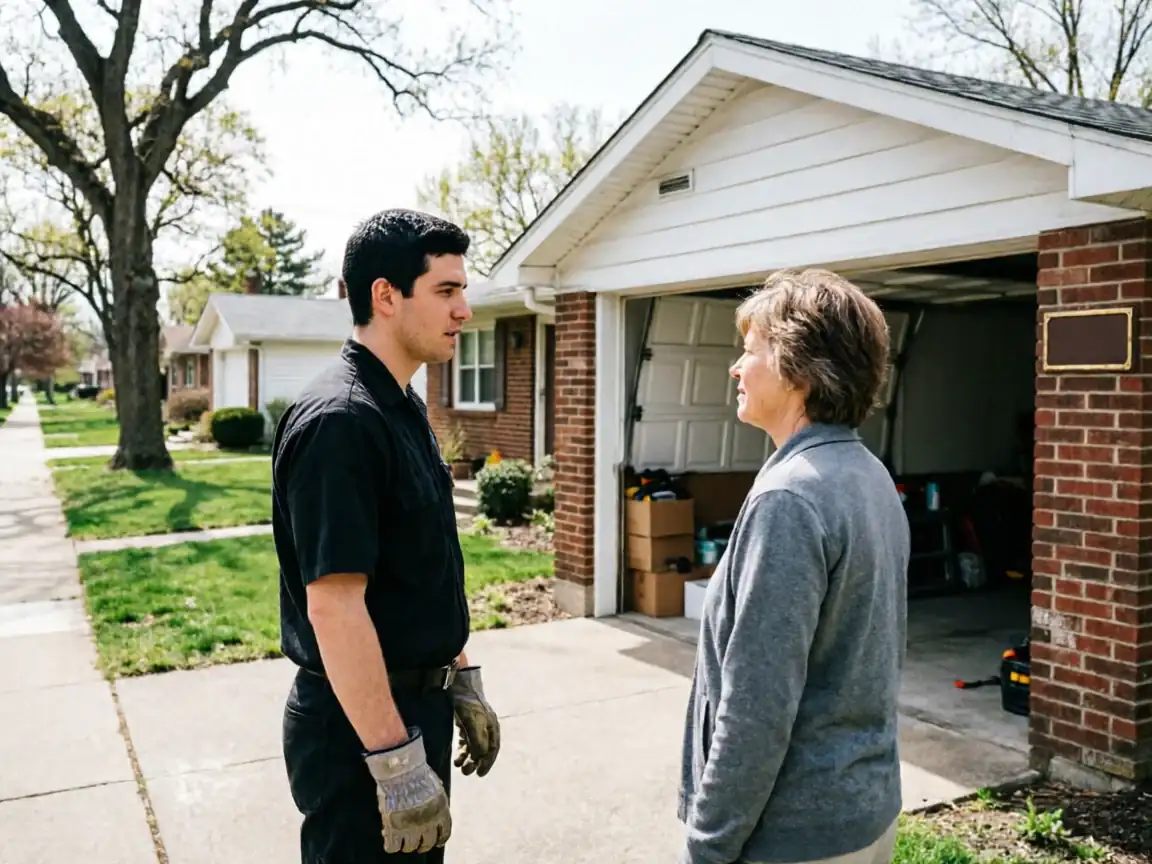
Get us out to look at the door and we'll give you a number before anything gets touched, not after.
Why This Fails Locally
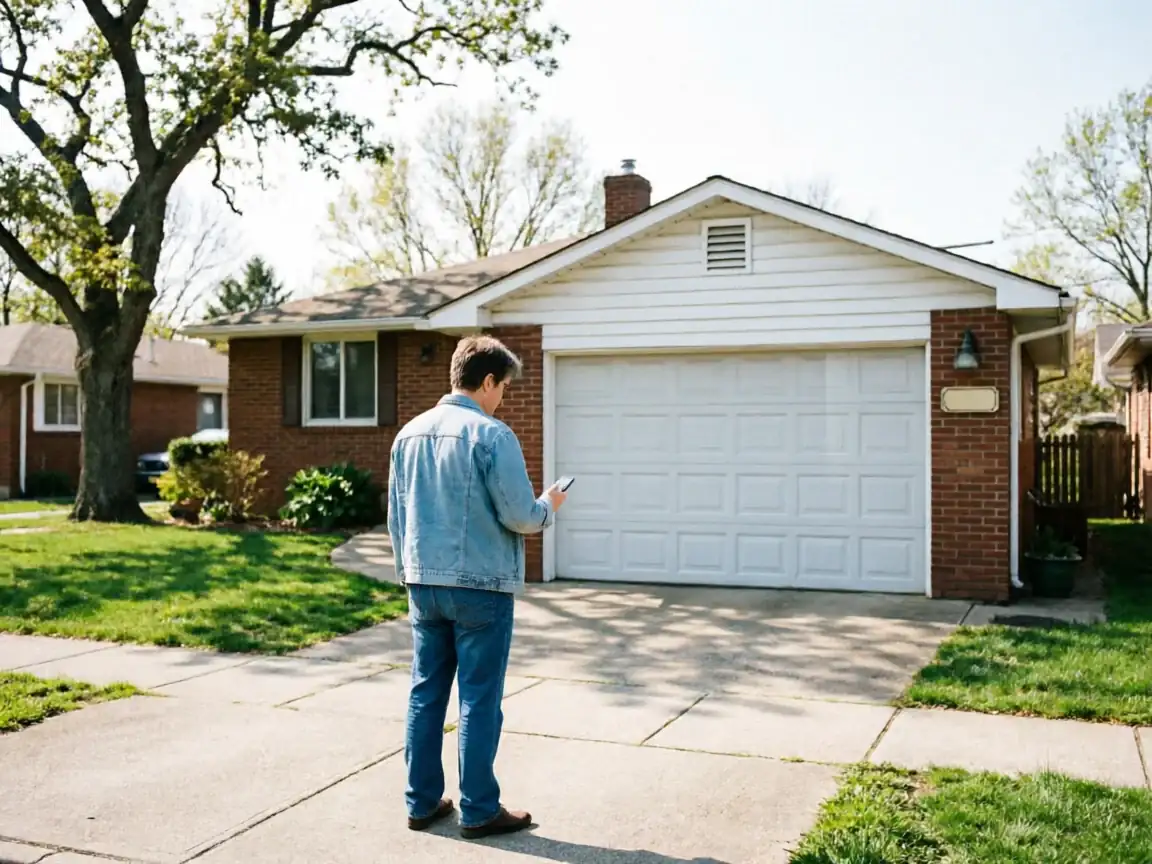
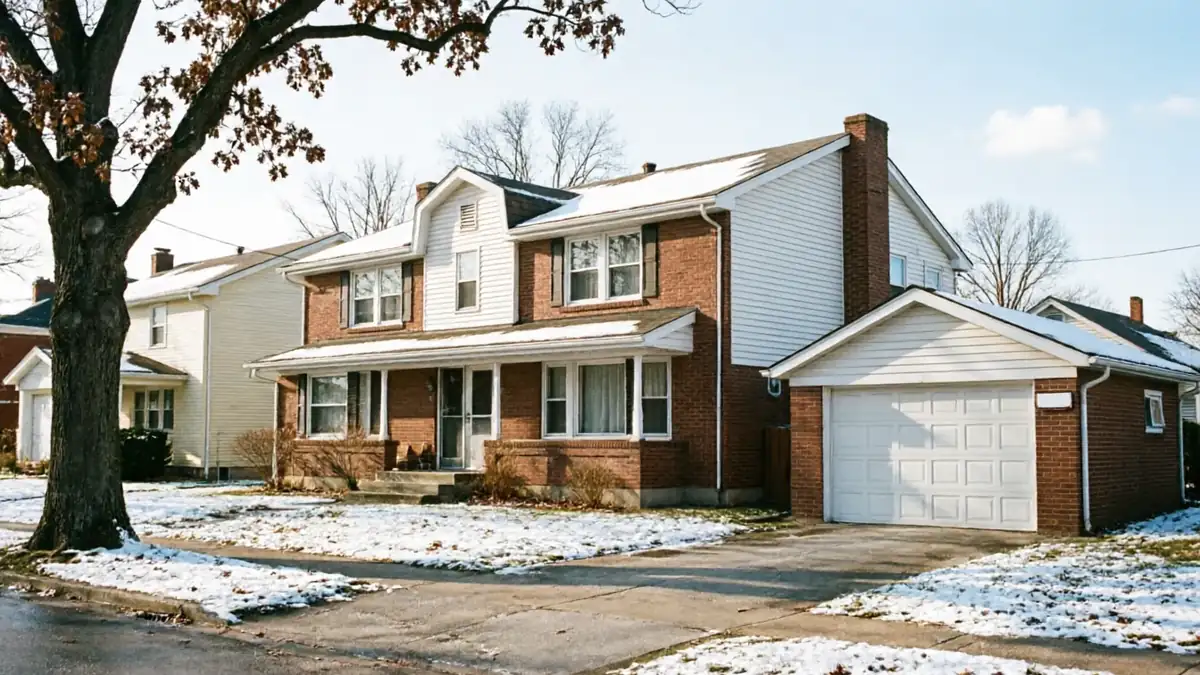
Housing in this service area was mostly built between 1955 and 2004, with the bulk of it from the 1980s and 90s. That means a large share of the garage doors we're called out to are now 25 to 40 years into service - right in the window where torsion springs start to fatigue and fail, since most are rated for somewhere around 10,000 open-close cycles and a door used twice a day gets there faster than people expect.
The cold-moderate climate here doesn't help. Steel spring wire stiffens and loses a little flex in sustained cold, and the coil that was already fatigued from age takes the extra strain on the first hard freeze or the first thaw-refreeze cycle of the season. That's why spring calls cluster hard in late fall and again in early spring - it's not coincidence, it's metal fatigue meeting temperature swing on hardware that's already at the end of its rated life.
Across the roughly 21,947 owner-occupied houses in this area, a big share share that same build era and that same climate exposure, which is why this fault shows up on so many streets at once rather than as a one-off.
How It Shows Up
Most owners notice it the same few ways
The door feels heavy - you go to lift it manually and it fights you, or the opener strains and groans before it moves. Sometimes one side of the door hangs lower than the other, a sign that one spring has let go while the other is still holding. Other times the door drops fast on the way down instead of lowering under control, which usually means the spring has lost tension gradually rather than snapping outright.
A loud bang from the garage, often in the morning when the temperature has dropped overnight
Is usually the spring itself breaking - you'll sometimes find a split in the coil if you look. After that, the opener may still run, but the door won't lift past a few inches before the motor cuts out or strains hard enough to trip its own safety sensor.
If you catch it early
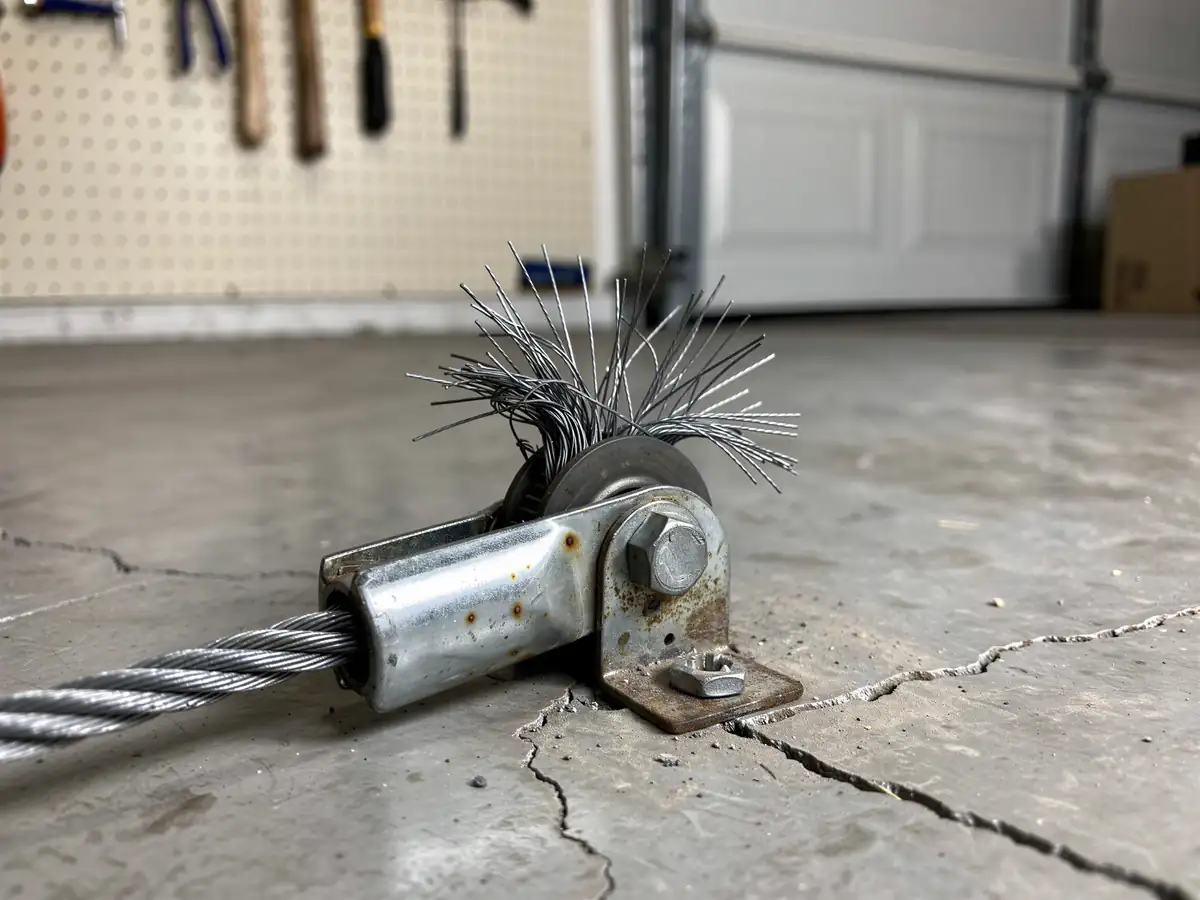
Stiff movement, uneven hang, odd noise on the wind-down - that's the window to get it looked at before the cable or drum takes damage too, which turns a spring job into a bigger one.