What Most People Get Wrong
Most of the calls we get start the same way
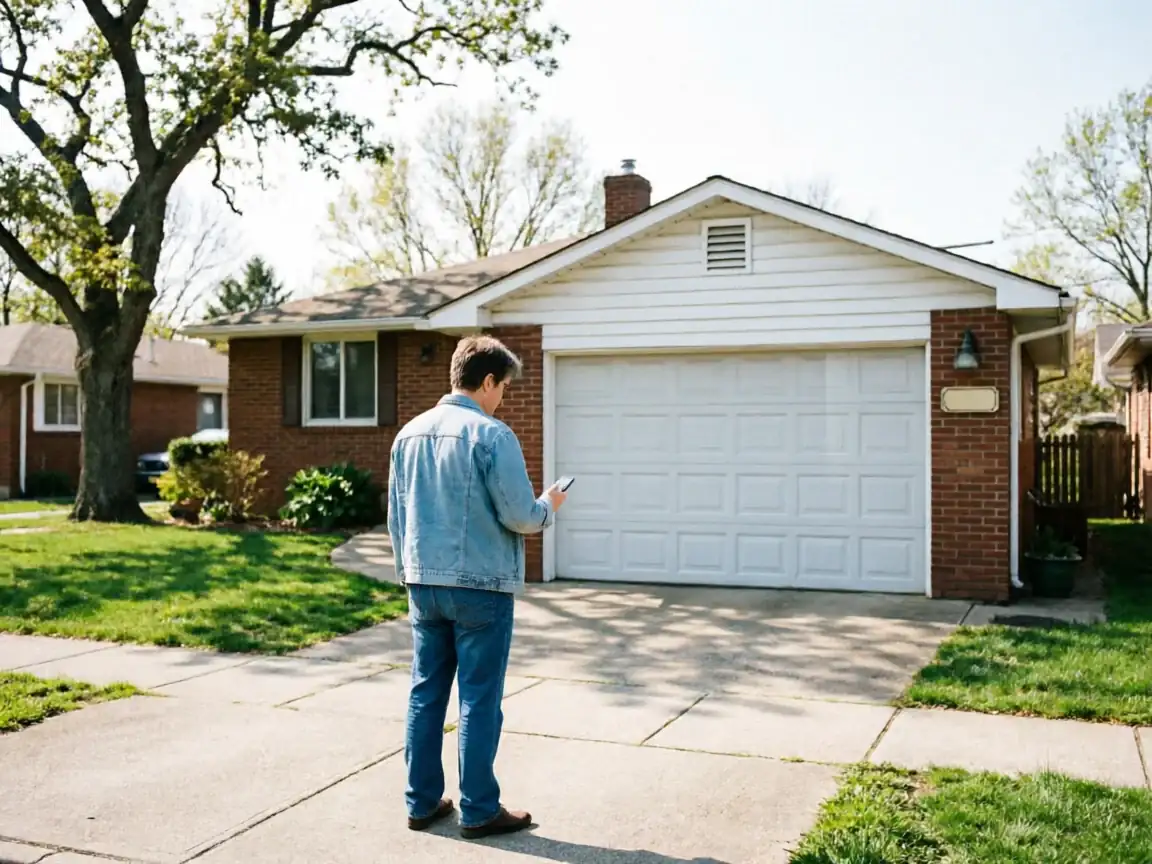
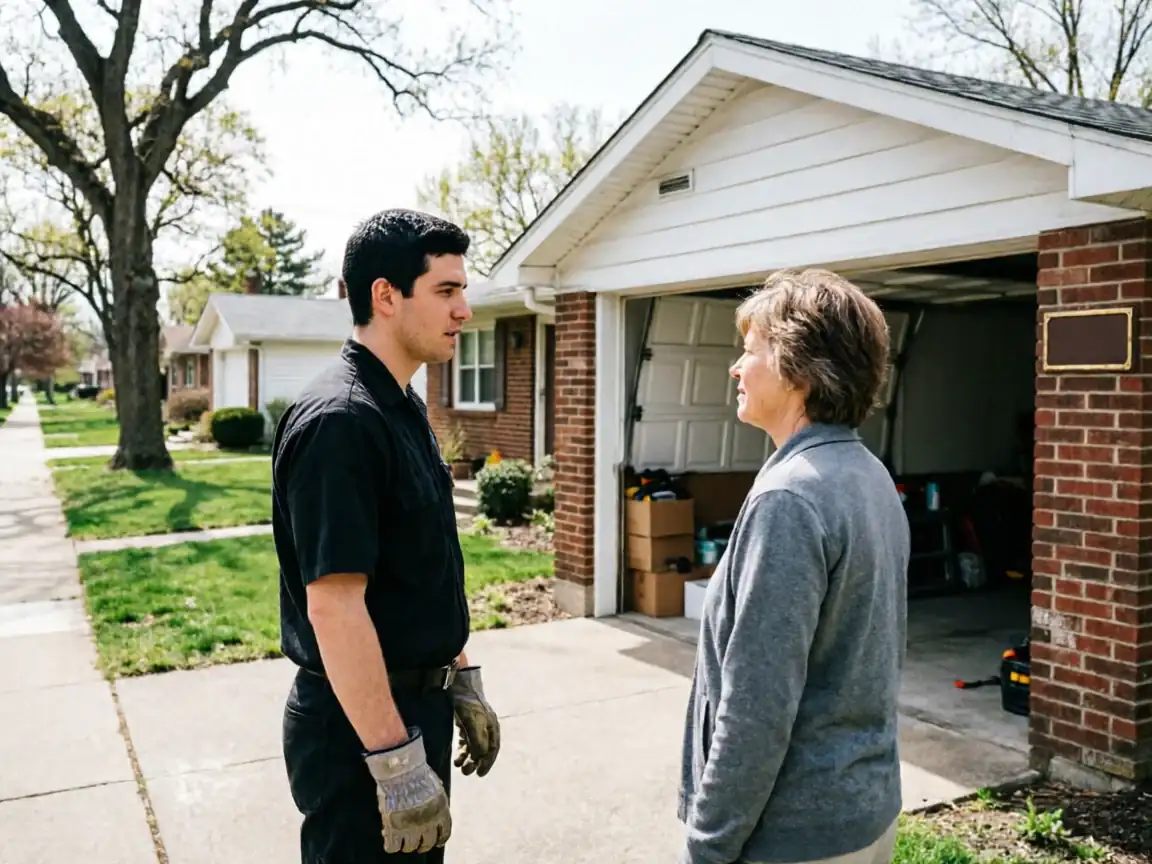
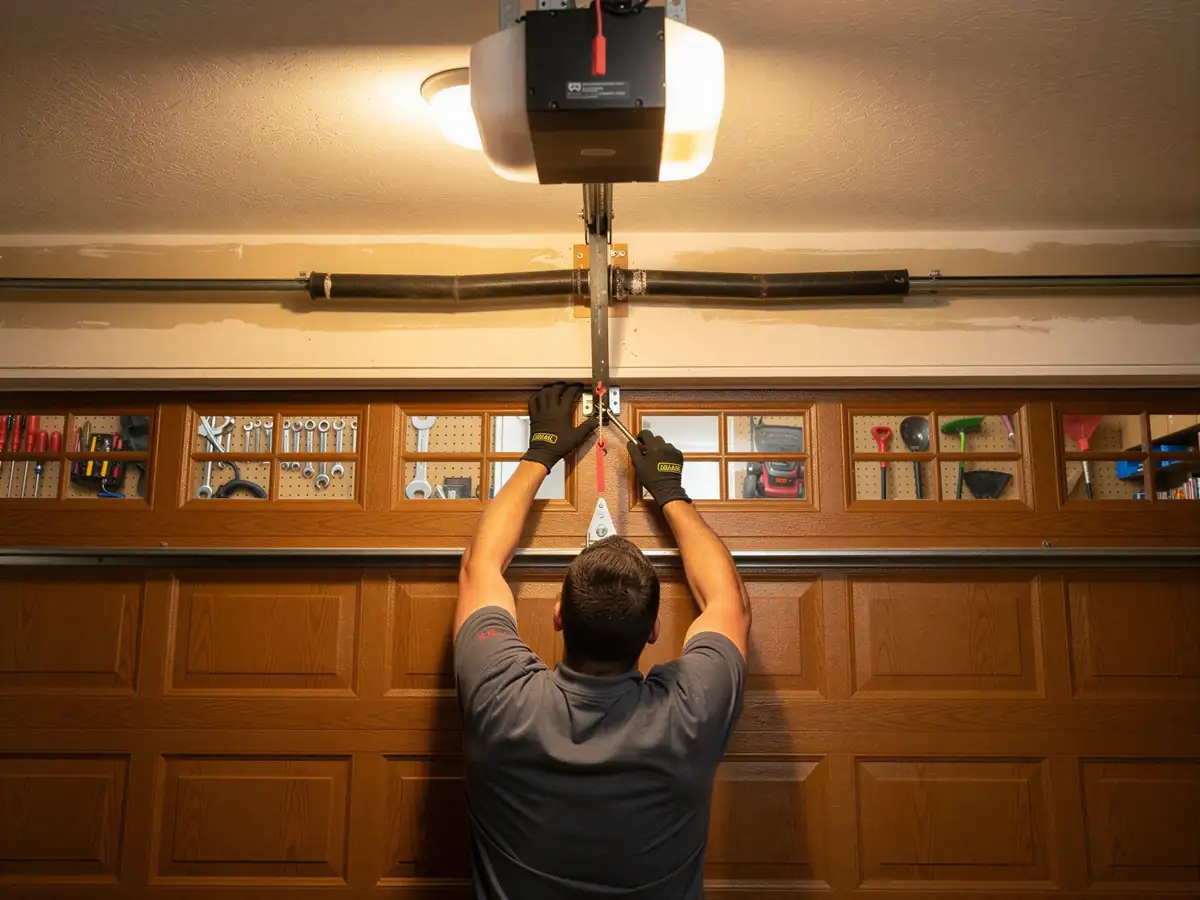
A noise has been there for months, maybe longer, and the owner figured it was just an old door being an old door. That assumption makes sense here, because a lot of Farmington's housing went up between 1955 and 2004, with the bulk of it dating to the 1980s and 90s. A door that age isn't unusual - it's the norm across the 18 areas that make up this service area. The mistake is treating every noise as background hum from an aging system instead of a specific part telling you something specific.
A rhythmic thump once per rotation is almost never "just age"
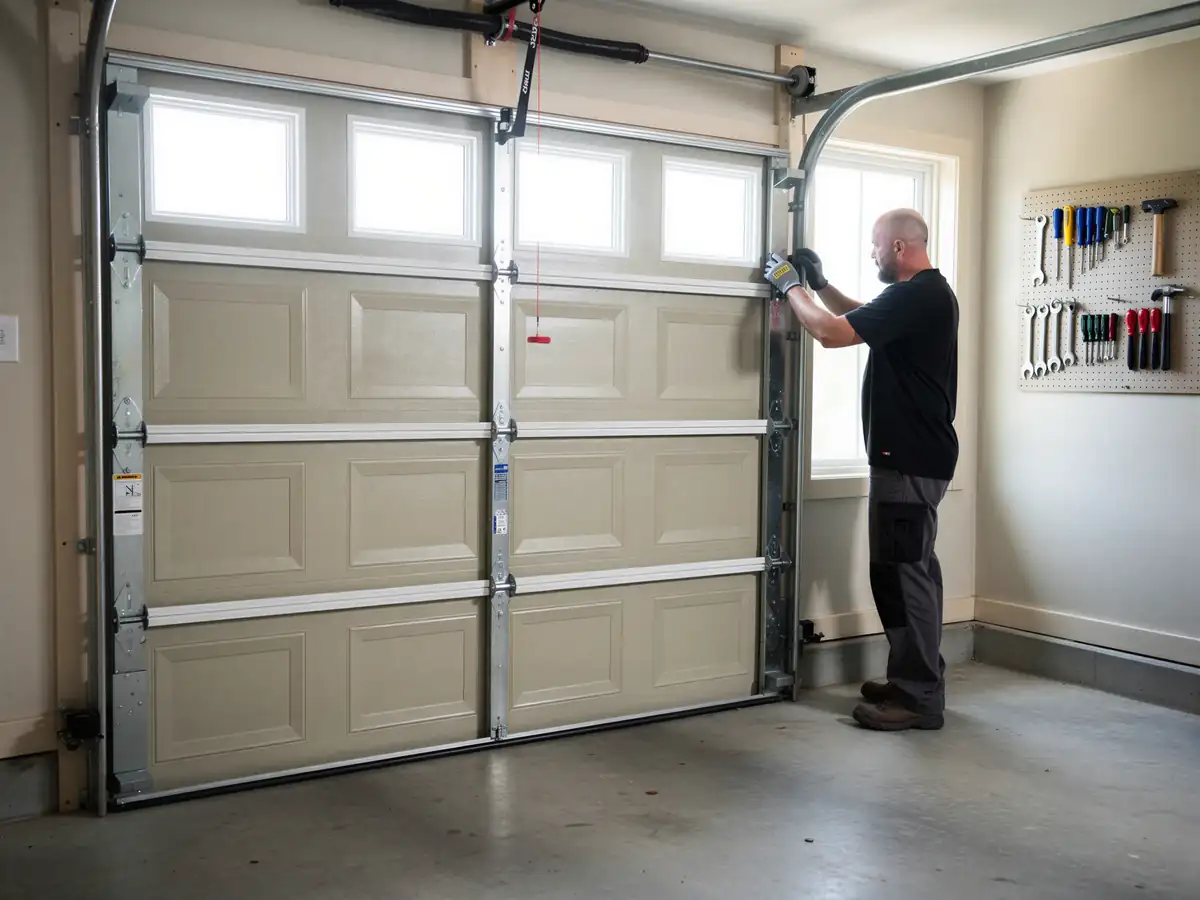
It's a flat spot on a roller or a bent track section. A high-pitched squeal on the way up usually means dry hinges, not a dying opener. People wait because the door still opens, and in a house built in the 1980s, waiting usually means the spring or the hardware finally lets go on a cold morning instead of a mild one. We'd rather diagnose the noise in October than replace a cable in January.
How Local Conditions Play In
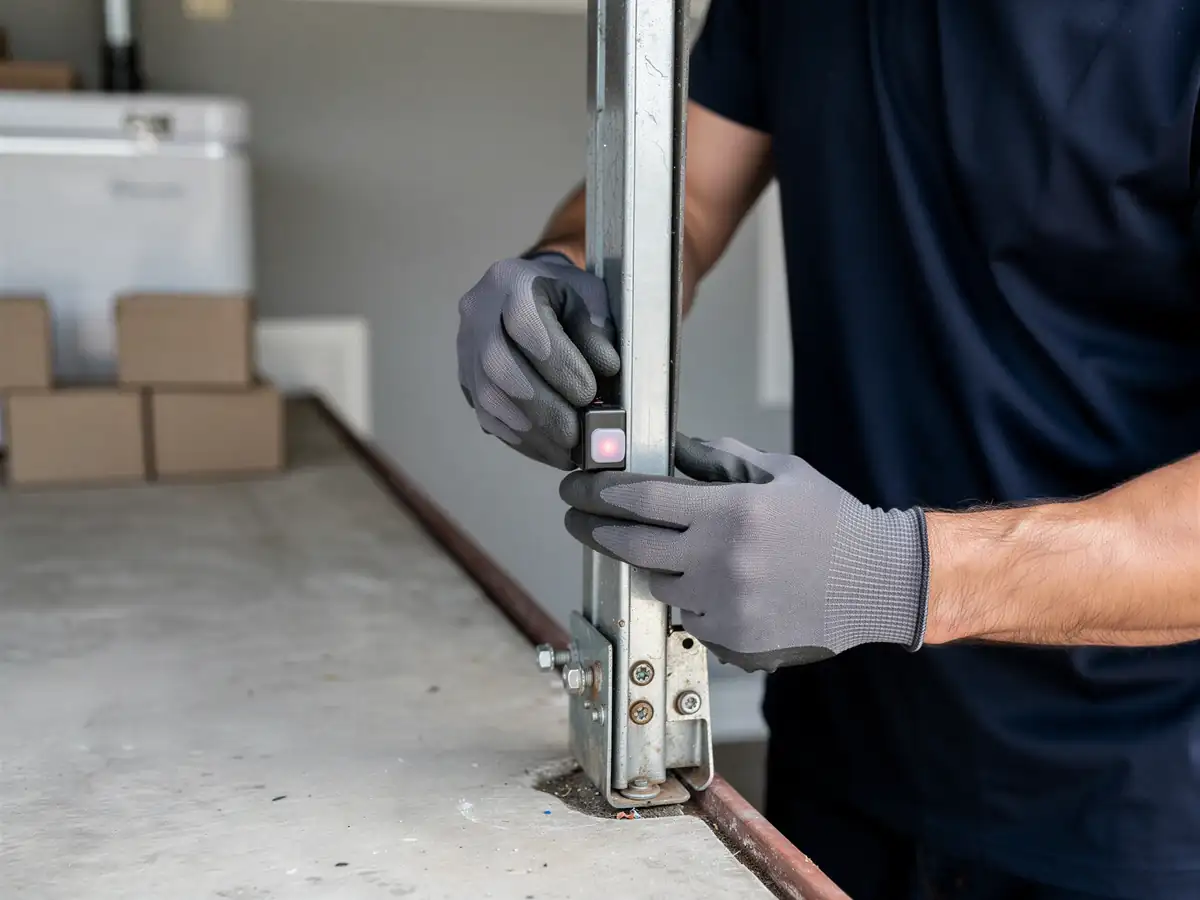
Farmington sits in a cold-climate band, and cold does specific things to a garage door that it doesn't do to one in a milder region. Grease inside bearings and hinges thickens as temperature drops, so a door that was quiet in August starts groaning in November - not because anything broke, but because the lubricant stopped doing its job. Metal track sections contract slightly in the cold too, which can turn a marginal alignment issue into an audible scrape that wasn't there in summer.
This matters most for houses built in the 1980s and 90s, since original torsion hardware from that era wasn't built with today's synthetic cold-rated lubricants in mind. A noise that shows up with the first hard freeze and goes quiet again in spring is a strong sign the hardware is original and due for a relube or a roller swap, not a full opener replacement. We hear this pattern a lot from the older subdivisions on this side of town.
The Problem
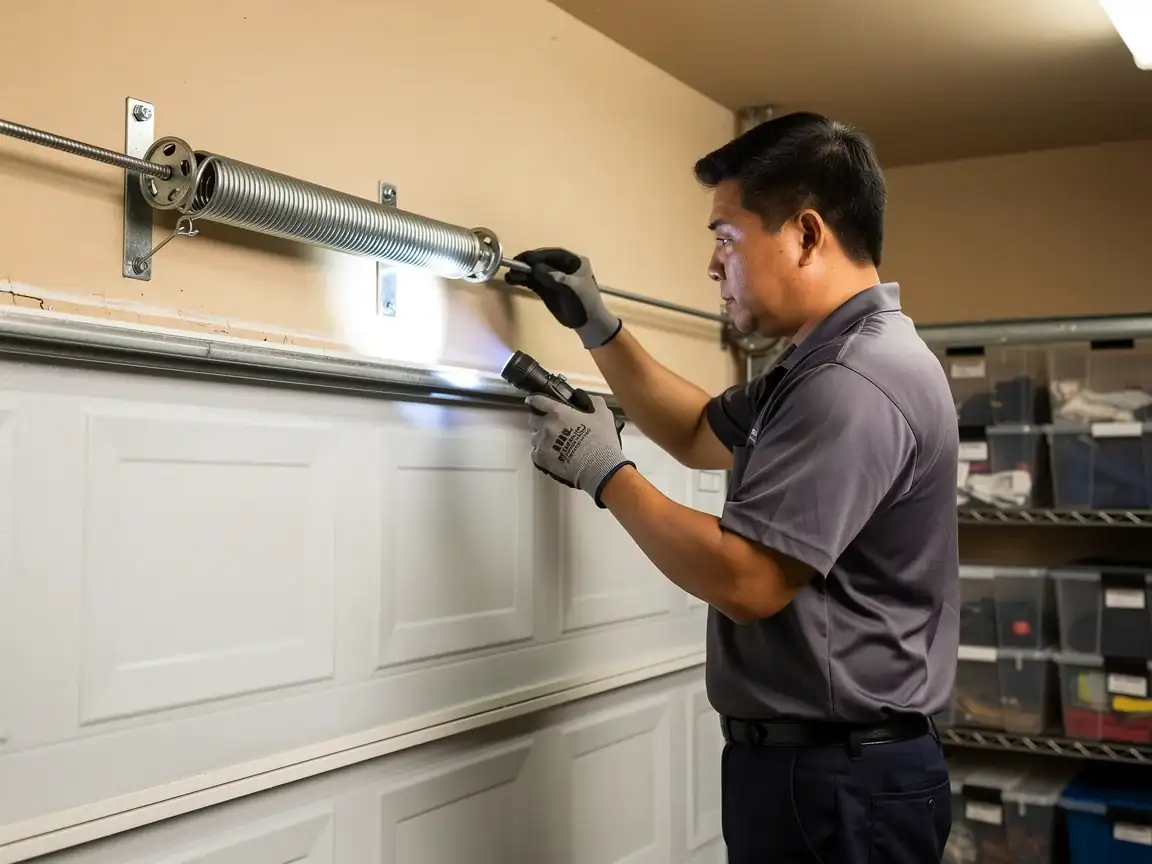
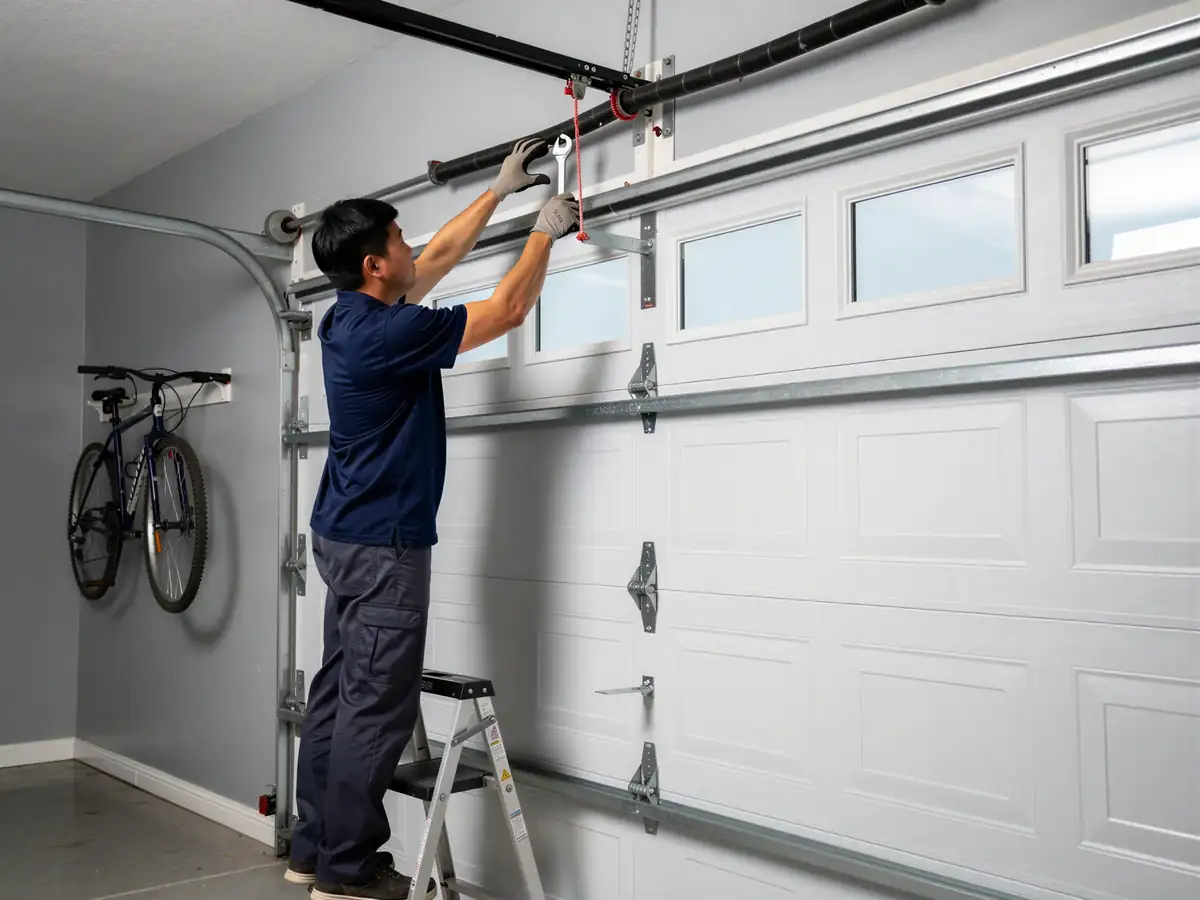
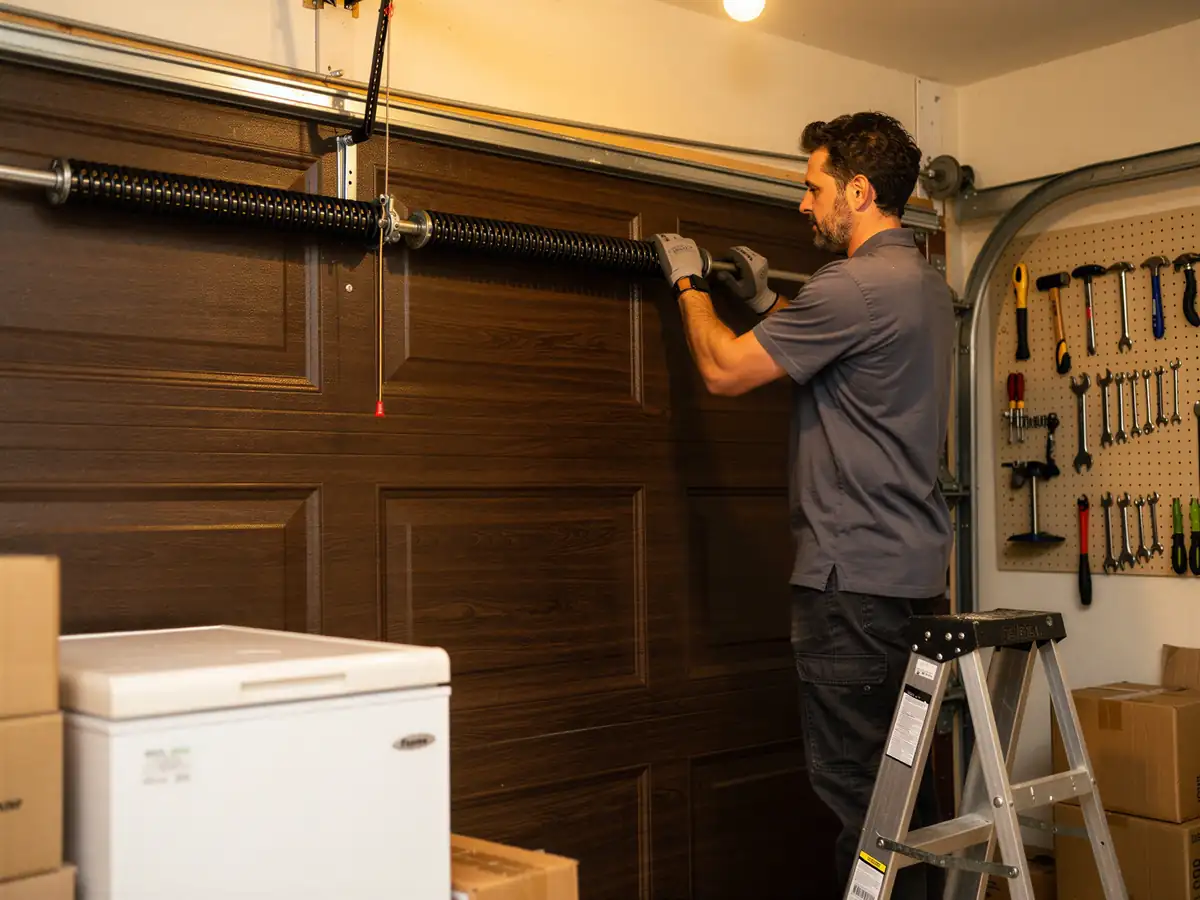
A door built in the median year for this area - 1983 - has had roughly four decades to wear through its original rollers, hinges, and sometimes the spring itself. Steel rollers from that era wear unevenly and announce it with a knock you can time to the door's travel. A spring nearing the end of its cycle life often makes a sharper pop, usually heard once, right before it lets go - which is why a single loud bang followed by a door that won't budge is not a noise to sit on.
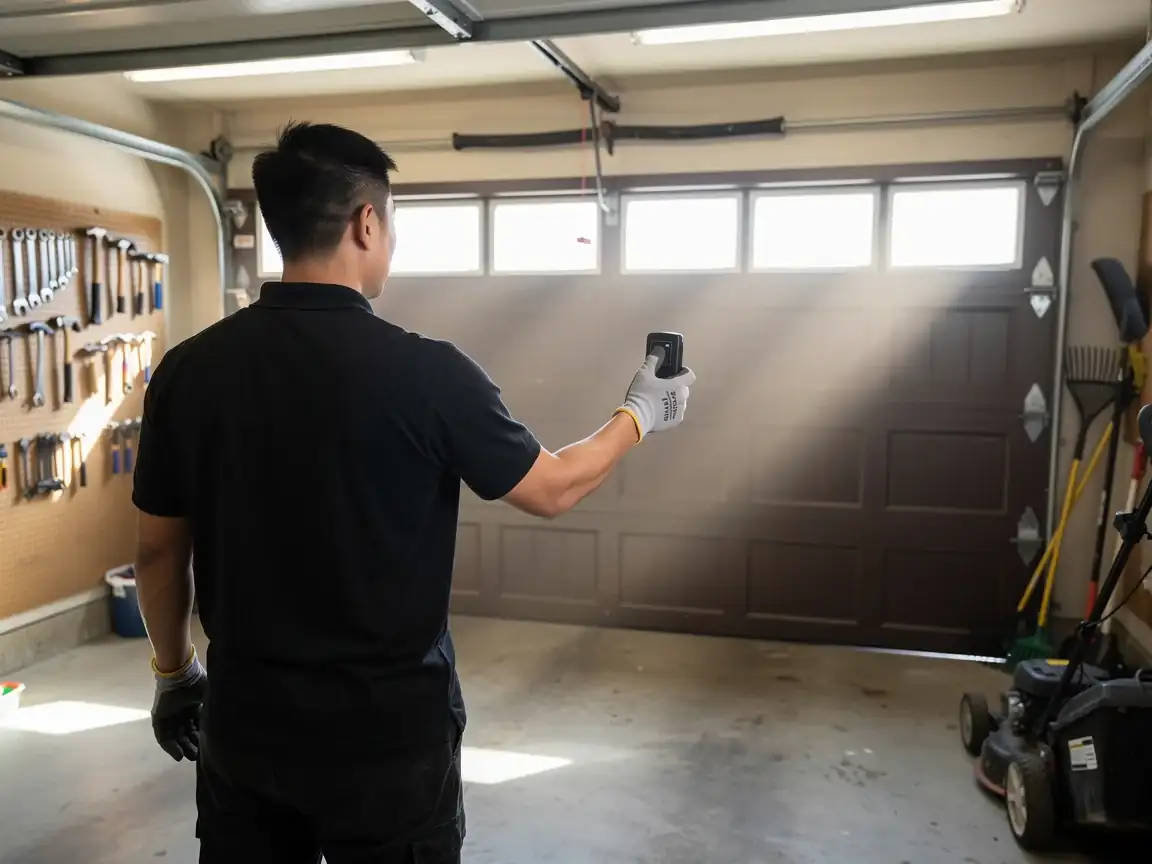
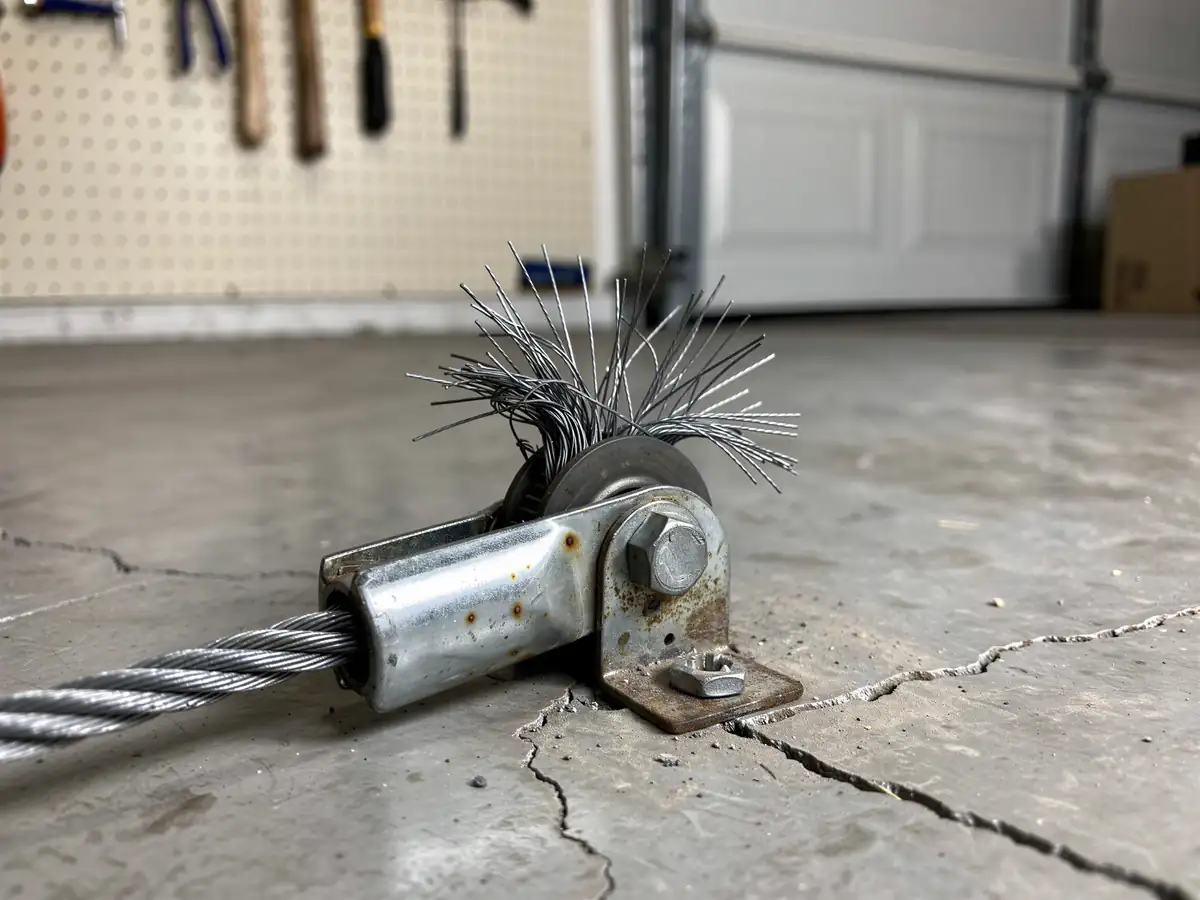
Cable noise is different again - a faint clicking or scraping near the bottom bracket as the door closes points to a cable walking off its drum, which on an older drum-and-spring setup can jump the track without warning. None of these are the same repair, and none of them get better by running the opener through a few more cycles to see what happens. The fix depends entirely on which part is making the sound, which is the whole reason a diagnosis by ear from someone who's heard a few thousand of these matters more than a guess.
The Cost of This Job
We don't have a flat number to hand you here
Because a roller swap, a hinge relube, and a spring replacement are three different jobs with three different price points, and quoting one figure for all of them would be a guess dressed up as a fact. What we can say: across this service area median household income runs around $93,000, and most of the roughly 21,947 owner-occupied houses in the 41,589 households here were built in an era where parts for the original hardware still exist but aren't always on the truck.
- $93,000 median household income
- 21,947 owner-occupied
- 41,589 households
The honest limitation is this
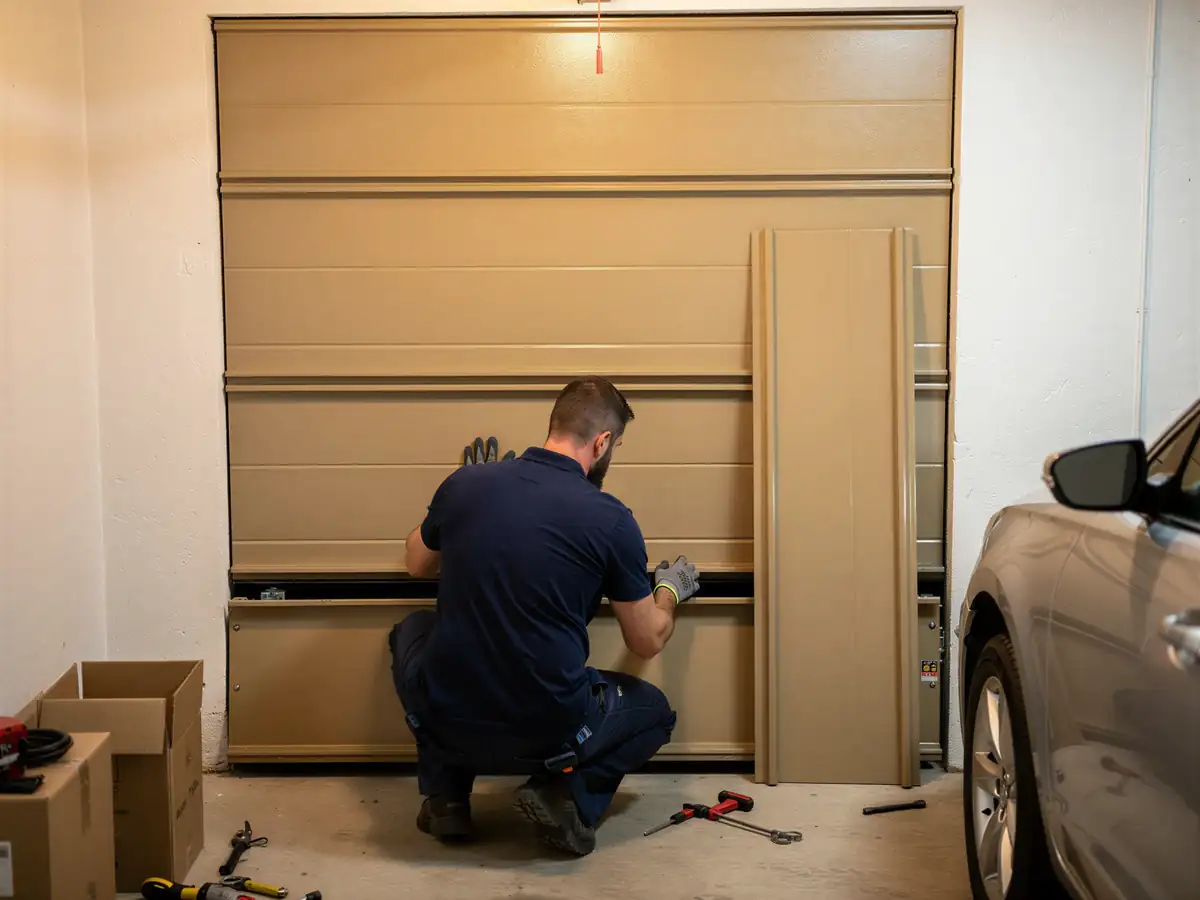
If your door is original to a house from the 1980s or earlier and the track itself is bent or pitted, patching one noisy roller isn't worth doing in isolation. At that point the smarter spend is often a full hardware refresh rather than chasing one sound at a time. We'll tell you straight if that's where you're at instead of billing you three separate service calls to find out the hard way.