Doing It Yourself
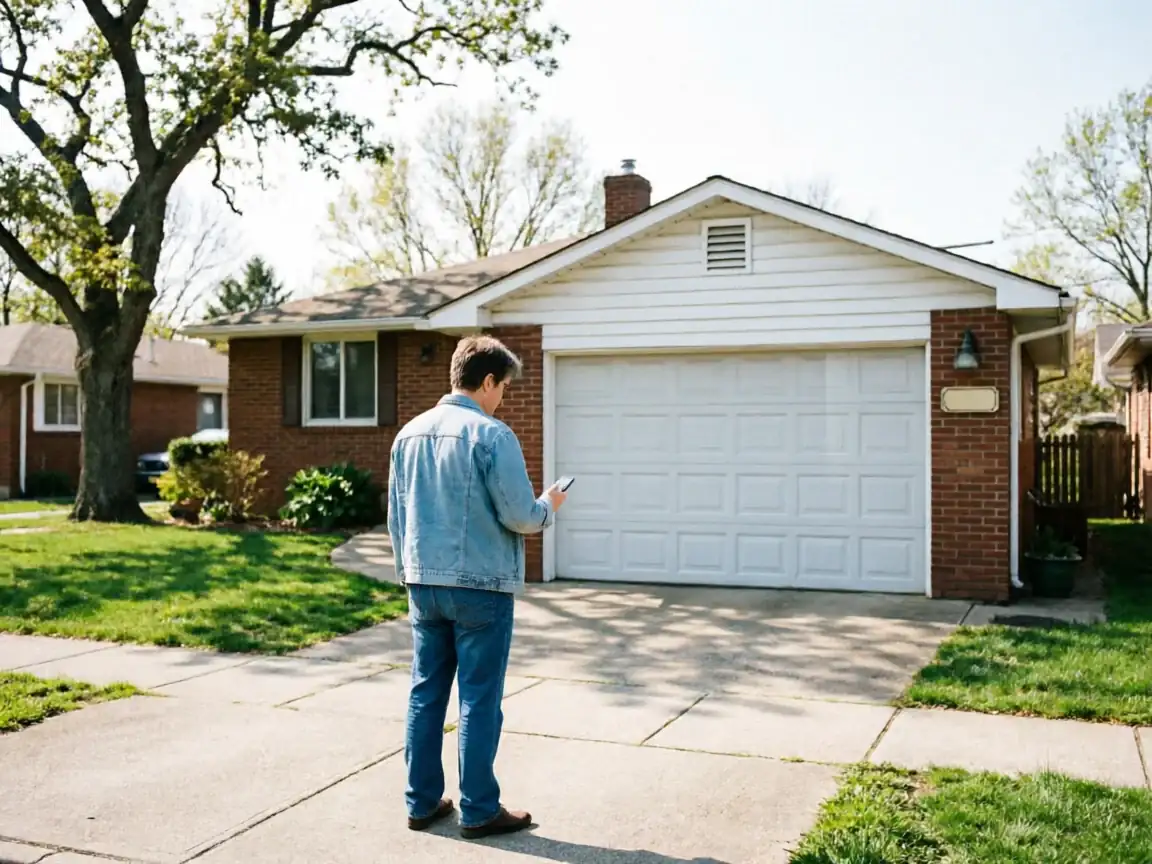
A lot of what goes wrong with a garage door looks simple from the driveway and isn't
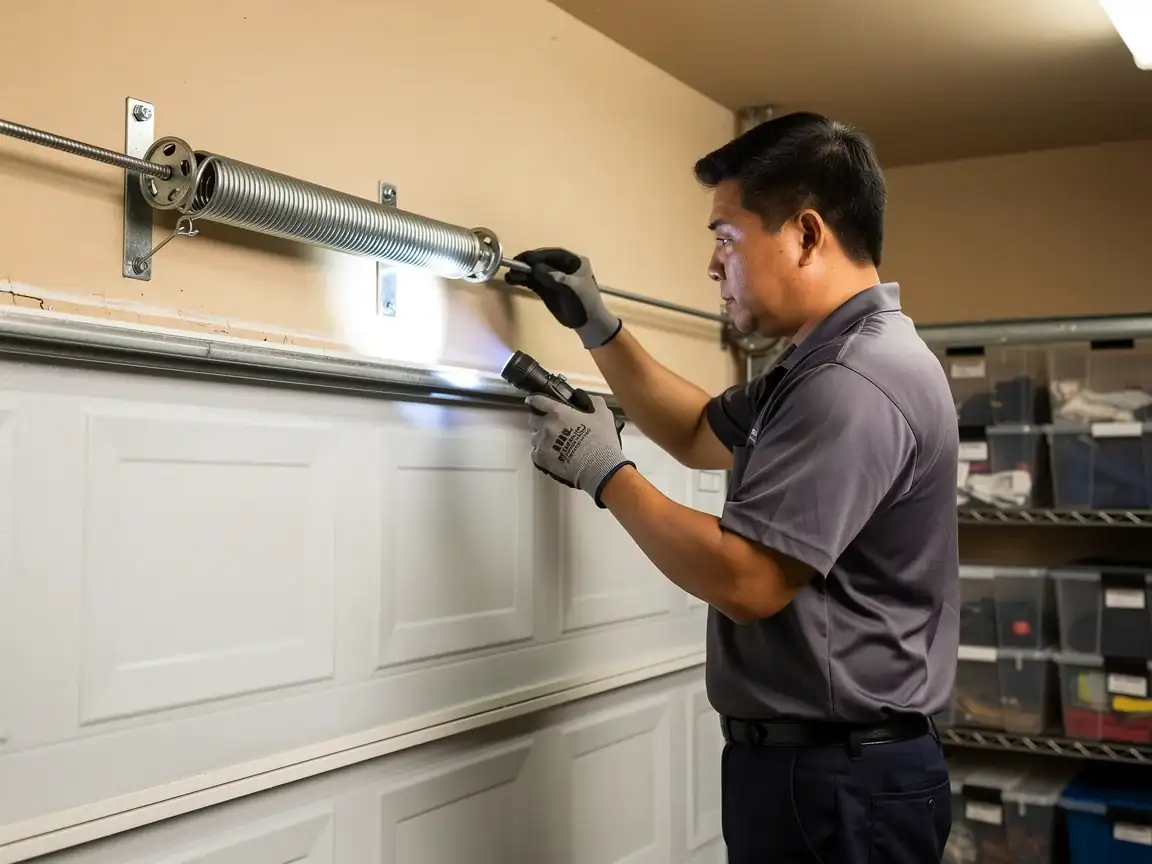
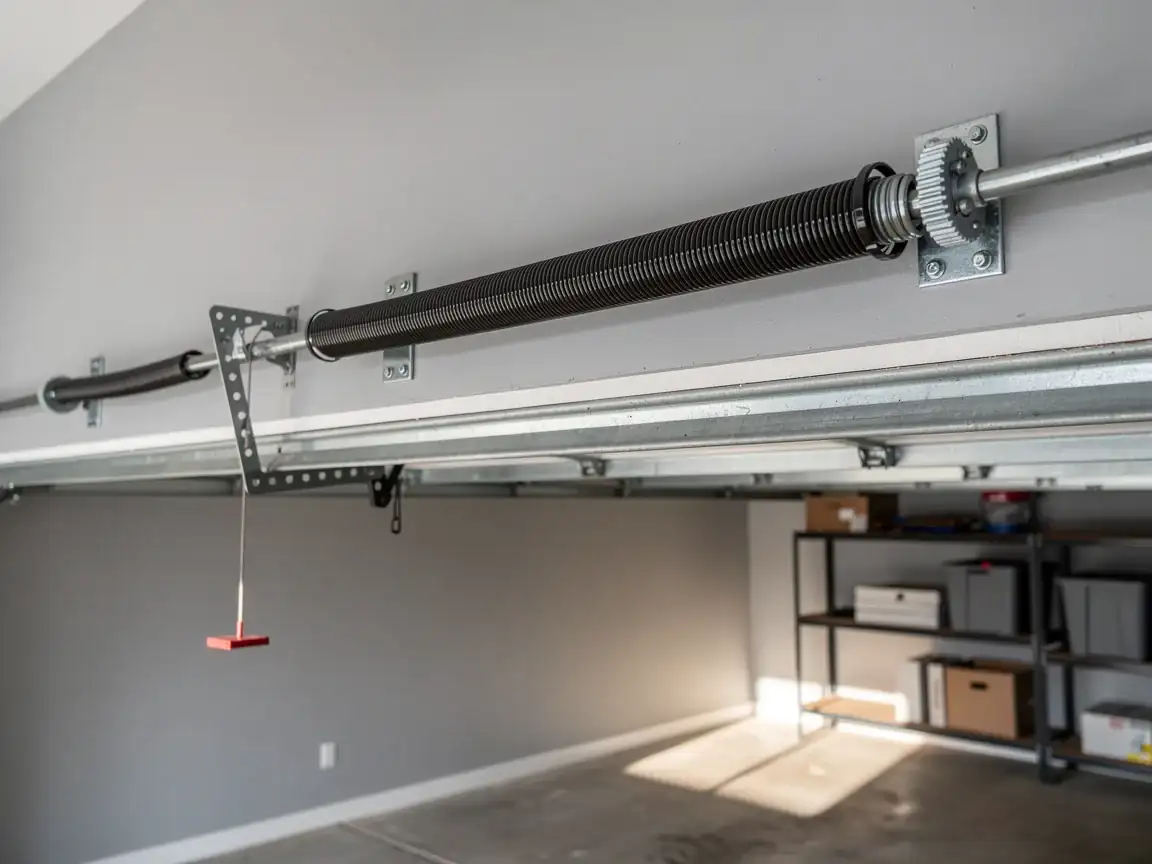
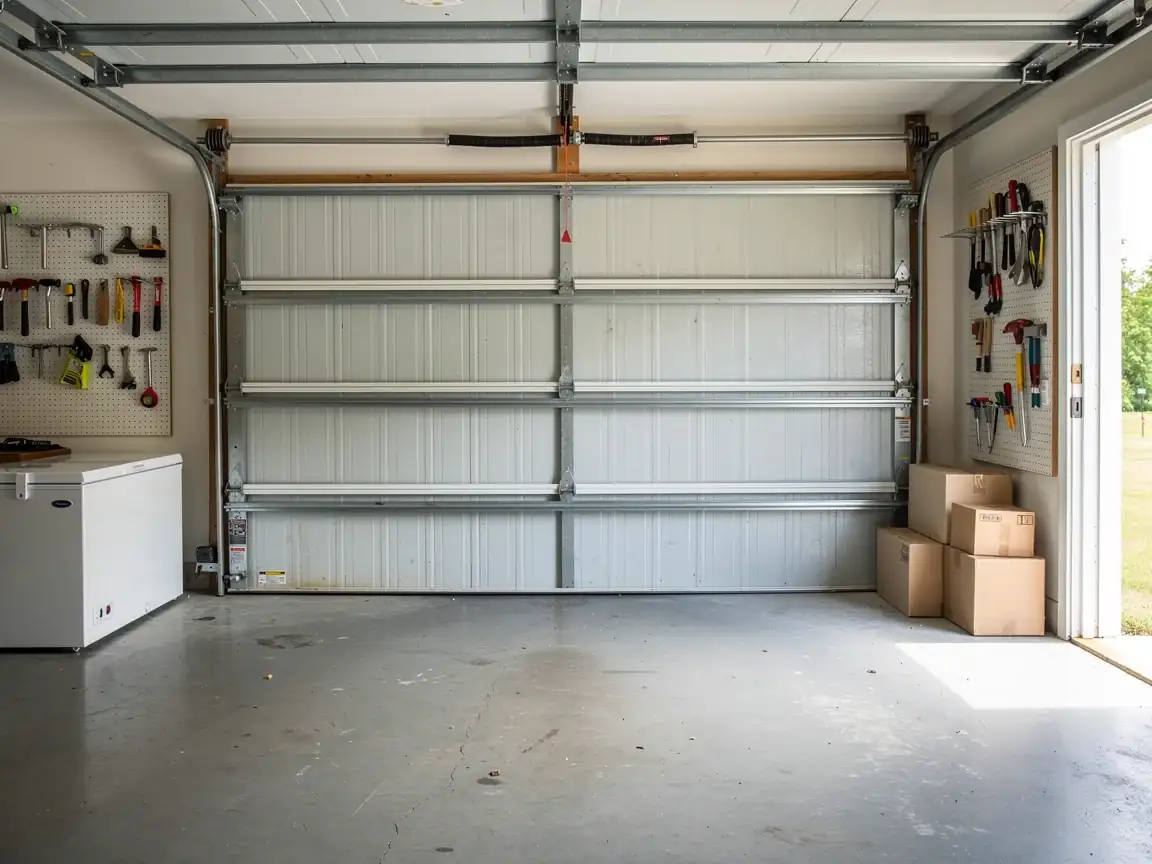
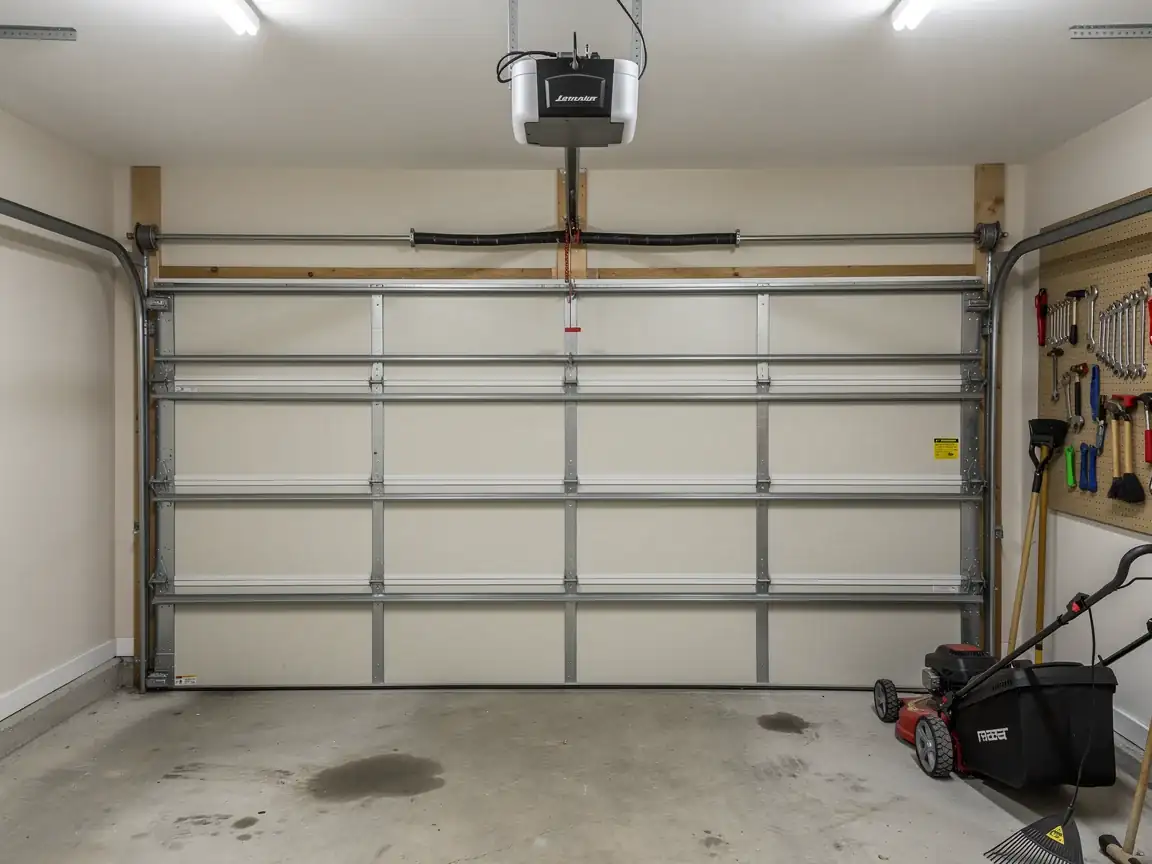
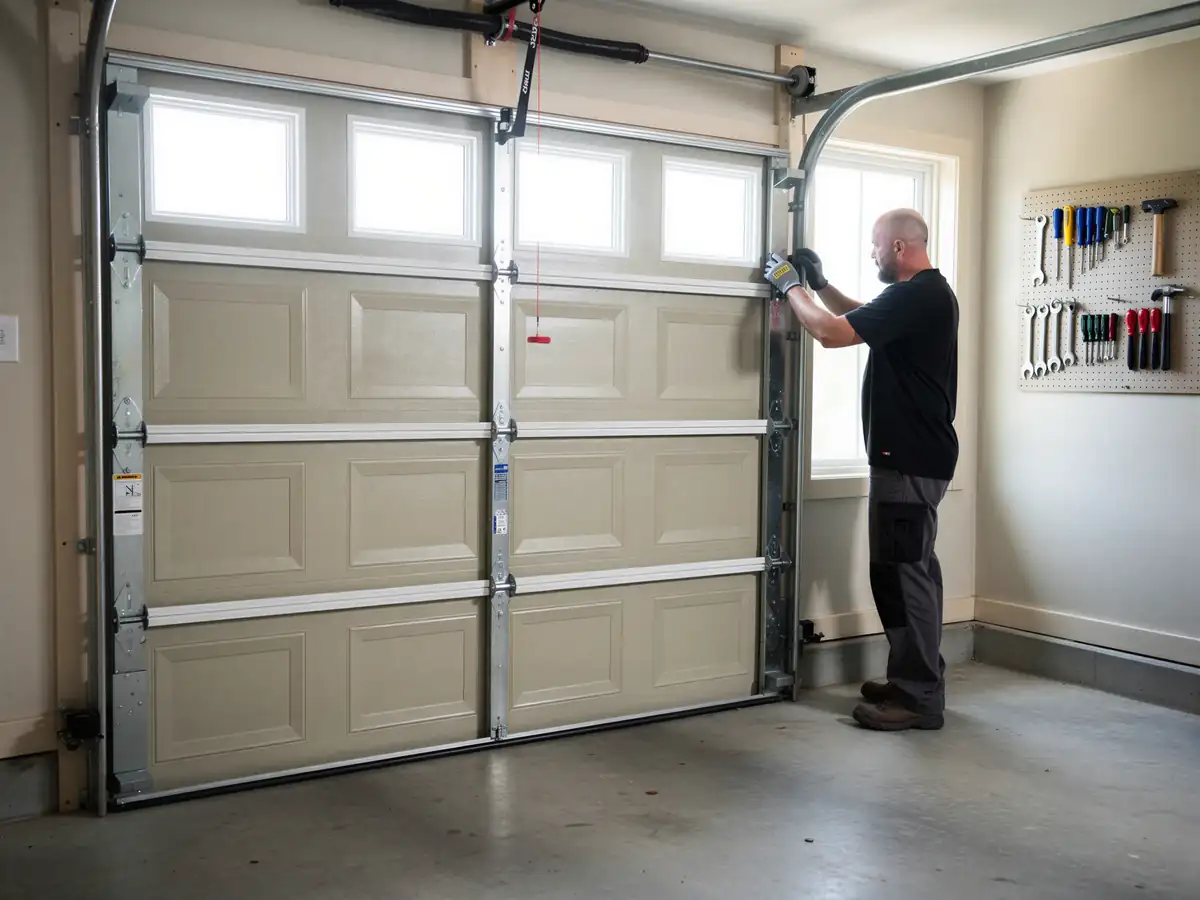
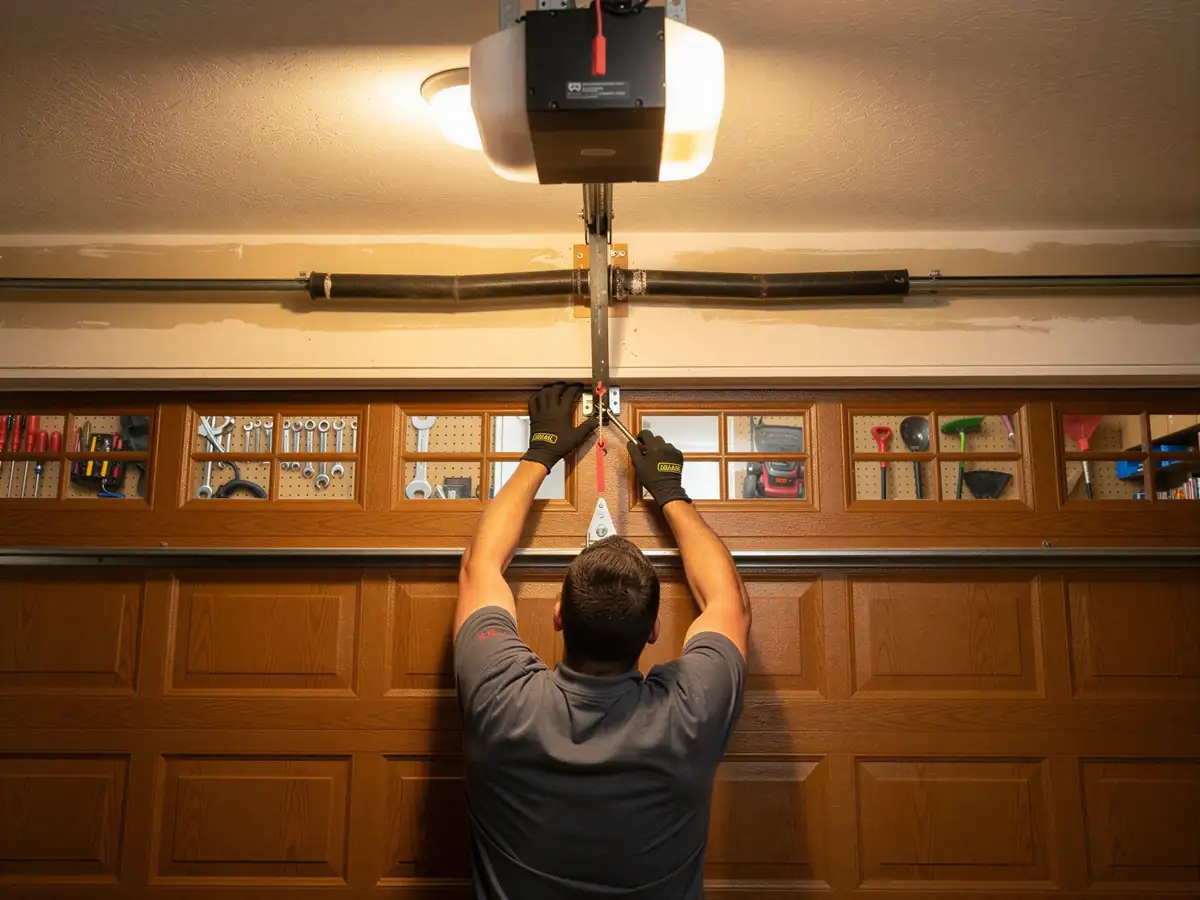
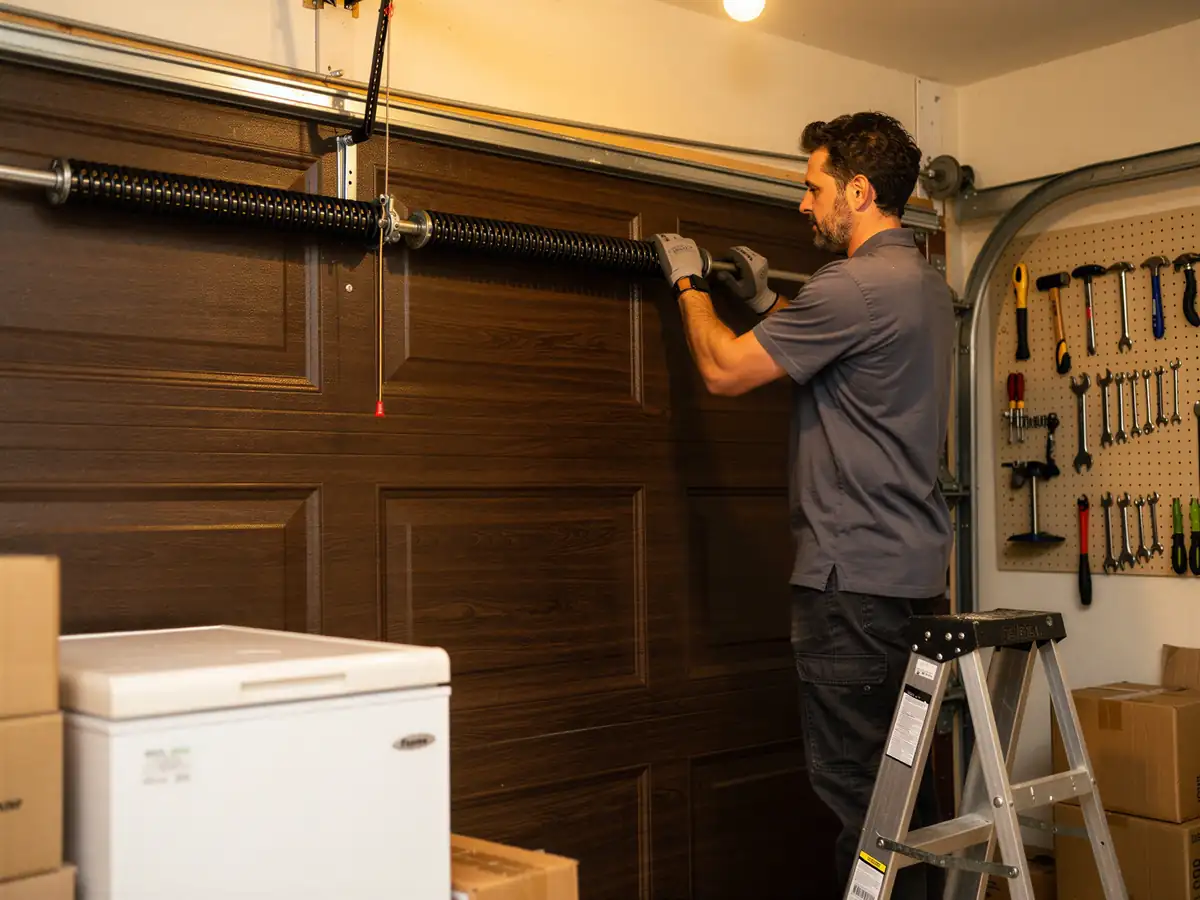
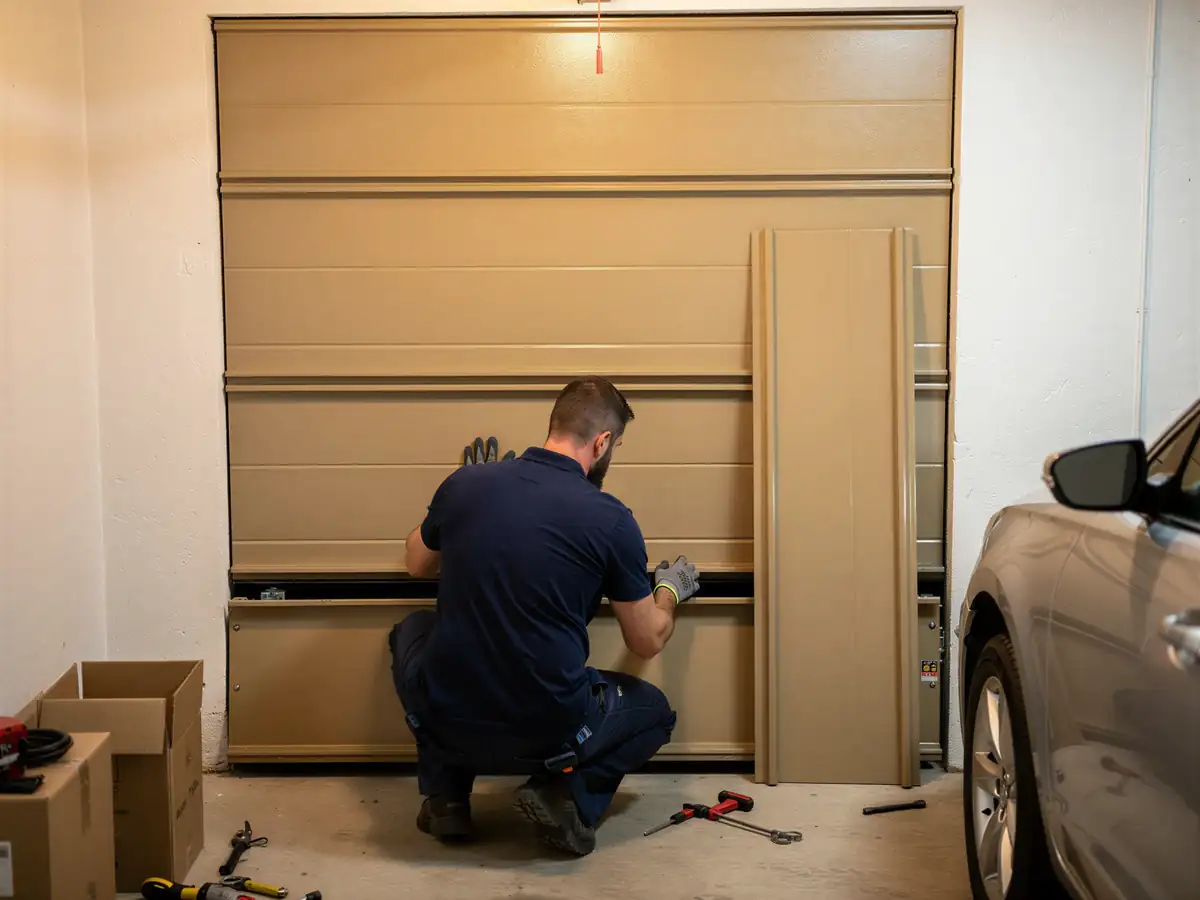
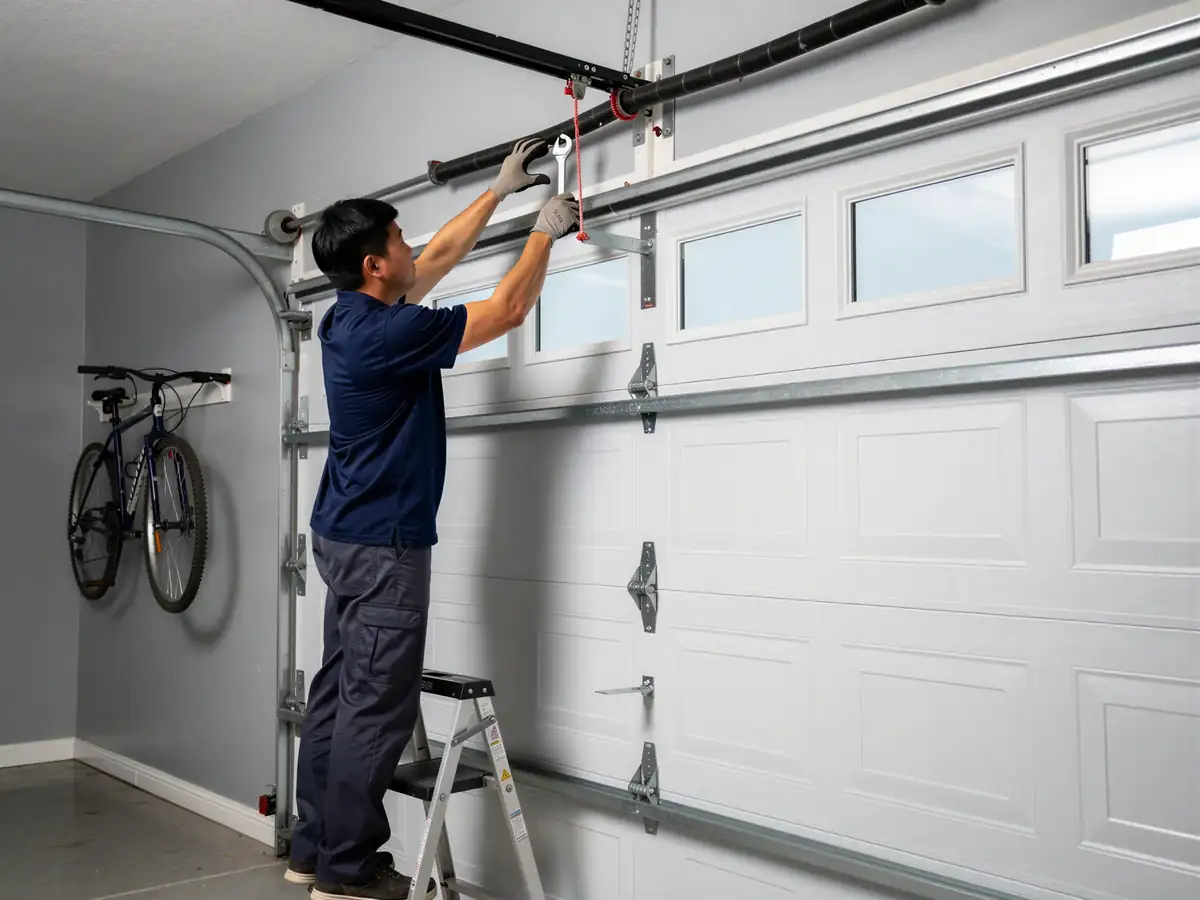
If the door won't open and the opener motor just hums, that's almost always a broken torsion spring, and torsion springs are under enough tension to break a hand or worse if you don't have the winding bars and a clamp set up right. Swapping rollers or a bottom bracket on your own is reasonable if you're comfortable with hand tools and you disconnect the opener first. Track alignment, cable replacement, and anything involving the spring itself is where DIY turns into an ER visit or a second bill to fix what the first attempt bent.
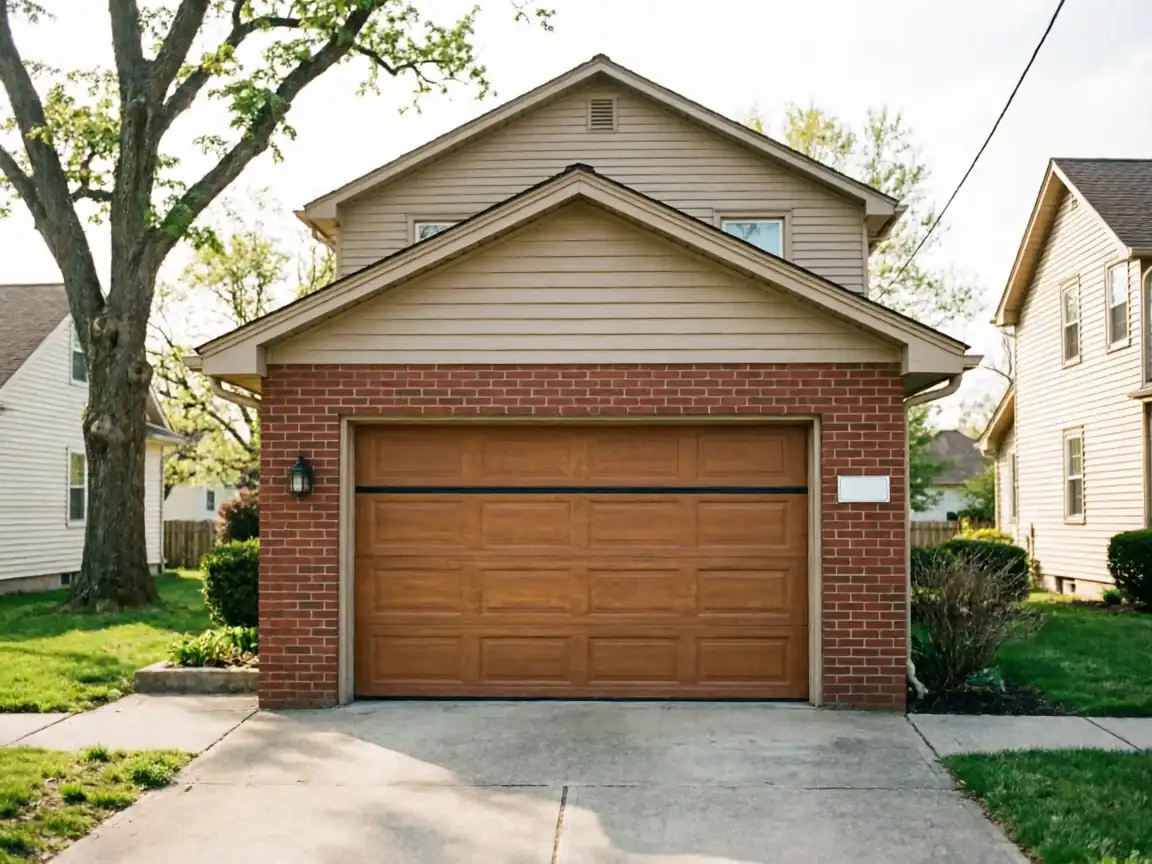
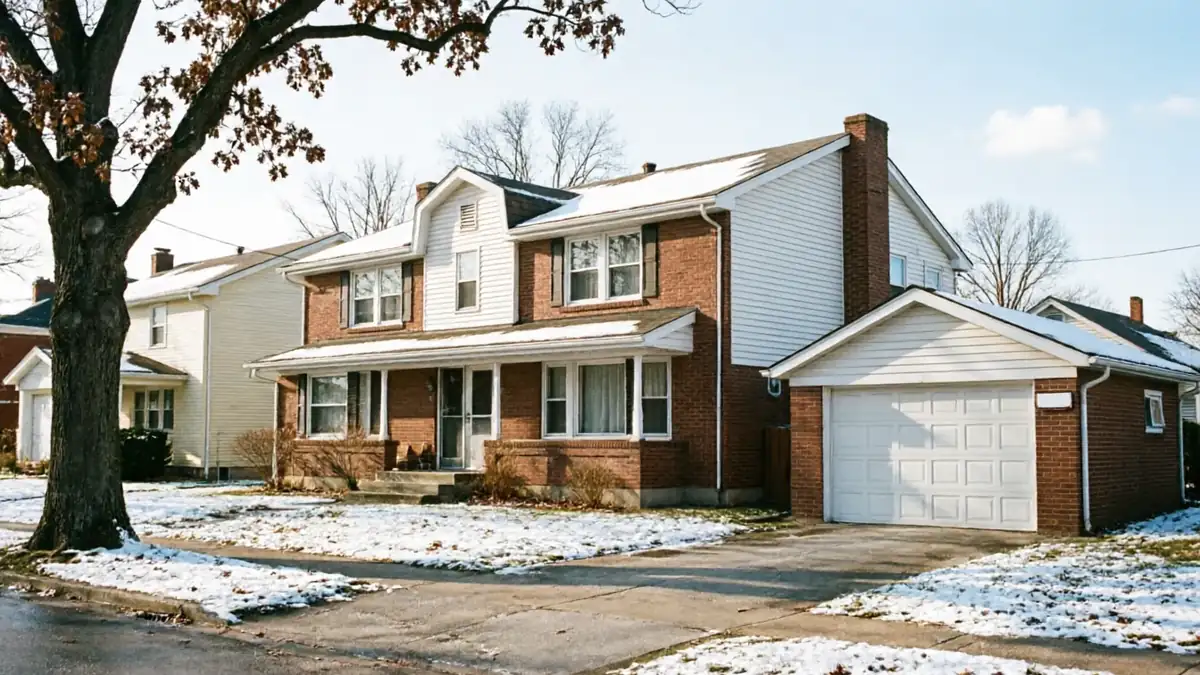
Farmington's housing stock, built mostly between 1955 and 2004 with most of it concentrated in the 1983-1995 window
Means a huge share of doors in this area are original builder-grade torsion setups now 30-plus years old. The springs on those doors weren't built for infinite cycles, and a spring that's lasted three decades doesn't give much warning before it lets go. If your door is from that era and you haven't touched the spring yet, assume it's near the end, not just worn.
What you can safely do yourself
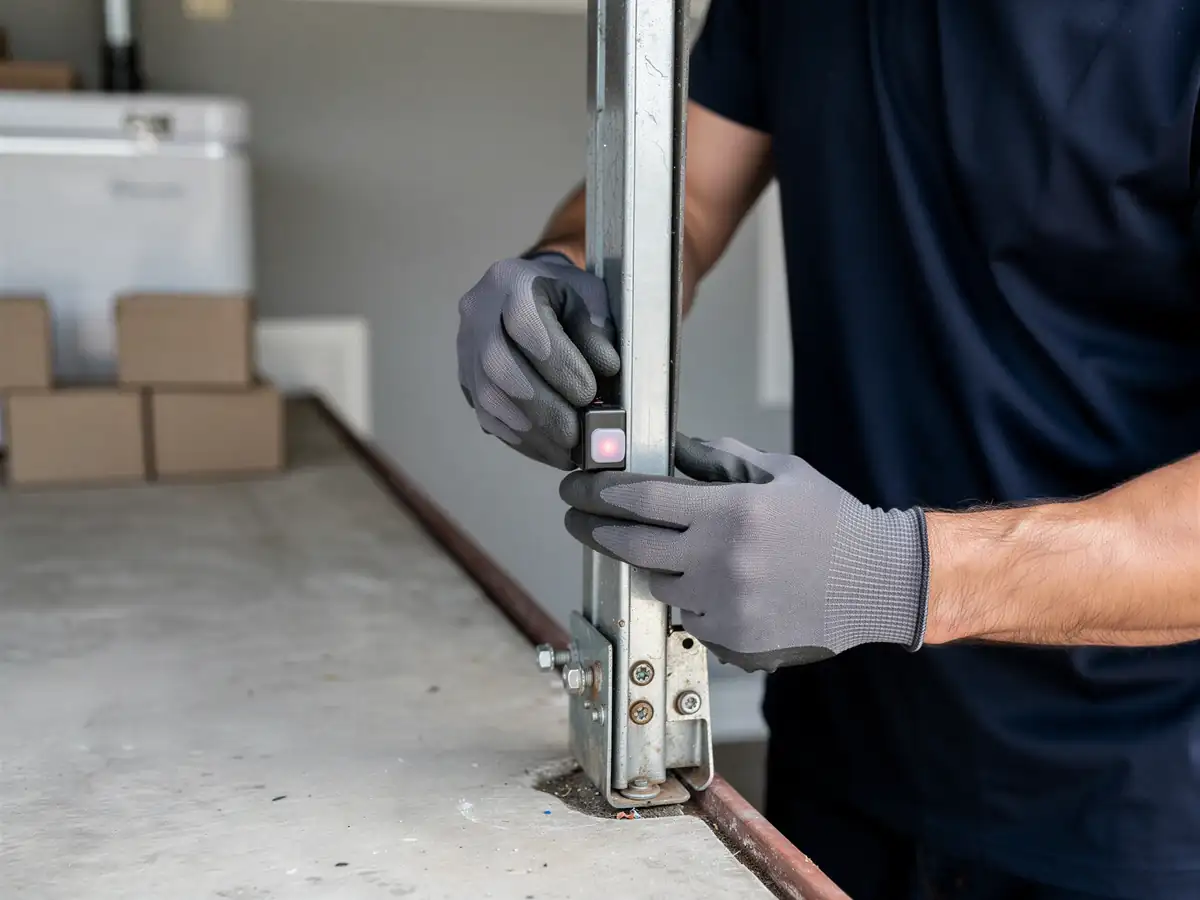
Lubricate rollers and hinges, tighten loose bolts on tracks, check and replace weatherstripping, and clear the photo-eye sensors if the door won't close. What you shouldn't: anything with the spring, the cable drums, or the torsion bar itself.
The Cost of This Job
We're not going to put a number here we can't back up, because the cost on a spring or opener repair depends on the door width, whether it's a single torsion spring or two, and whether the drums or cables came with it when something let go. What we can tell you is what drives the cost up or down on jobs we see in this area: double-wide doors on 1980s-90s builder stock usually run two springs instead of one, and if a cable snapped along with the spring, that's an added part and more labor to re-set the drums evenly.
The honest limitation: if your opener is original to a house built in the 1983-1995 window, parts for some of those older chain-drive units are hard to source, and at some point replacing the opener costs less than chasing parts for one that's been discontinued. We'll tell you straight when a repair isn't worth it instead of running up a bill on a motor that's done.
What keeps a repair cheap is catching it before the spring fully fails - a door that's getting noisy or heavy to lift by hand is telling you something, and that call costs a lot less than the one after the spring snaps and drops the door on a car bumper.
Why This Fails Locally
Farmington sits in a cold, moderate climate band, and that matters more to garage doors than people expect. Cold doesn't just stiffen grease in the rollers - it shrinks the torsion spring's steel just enough that a spring already near the end of its cycle count is more likely to snap on the first truly cold stretch of the season than in July. We see more spring failures tied to the first hard cold snap than at any other point in the year, and that's a direct result of the climate band this town sits in, not a coincidence.
Pair that with the housing stock: most of the 18 named areas that make up this service territory built out in the 1980s and 90s, which means a large share of the doors here are hitting spring-failure age right around the same stretch of winters. It's not one unlucky house - it's a whole generation of doors wearing out on a similar timeline because they went up on a similar timeline.
The other local factor is moisture and freeze-thaw cycling on the bottom seal and the track's lower section. Cold-climate freeze-thaw works corrosion into the roller brackets and track bolts faster than it would in a milder region, which is part of why track alignment complaints cluster here more than you'd guess from the age of the door alone.
How It Shows Up
Most calls start the same way
The door is noticeably heavier to lift by hand than it used to be, or the opener strains and groans before it moves. That's the spring losing tension, and on a 1983-1995 era door in this area, that's often the first real sign anything is wrong - these doors don't rattle or squeak much before the spring just goes.
The other common pattern is a door that closes most of the way and then reverses
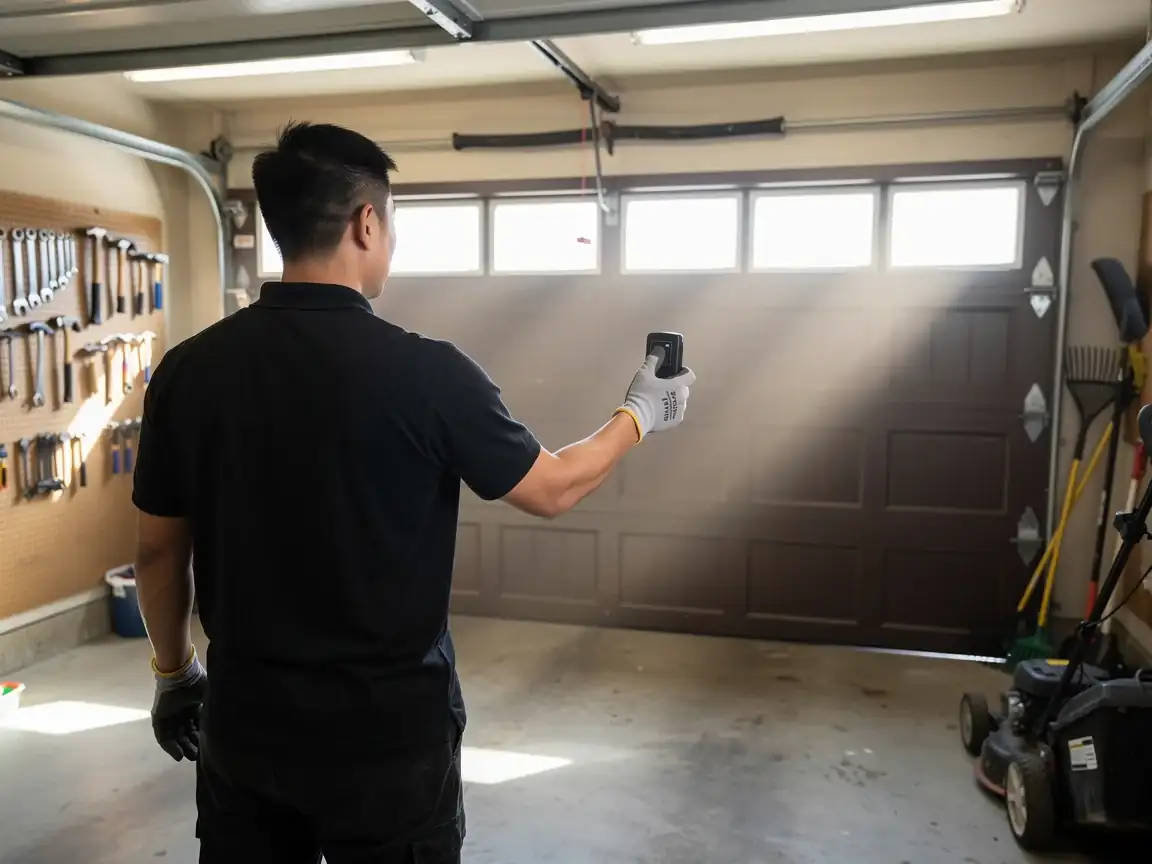
Or won't close at all. In cold weather that's frequently the photo-eye sensors getting knocked out of alignment by frost or a buildup of road salt and grime kicked up off the driveway, not an electrical fault. We also see bent track on doors where someone backed into it slightly - that shows as a door that binds or grinds in one spot rather than failing all at once.
If the door drops suddenly with a loud bang and won't move either direction
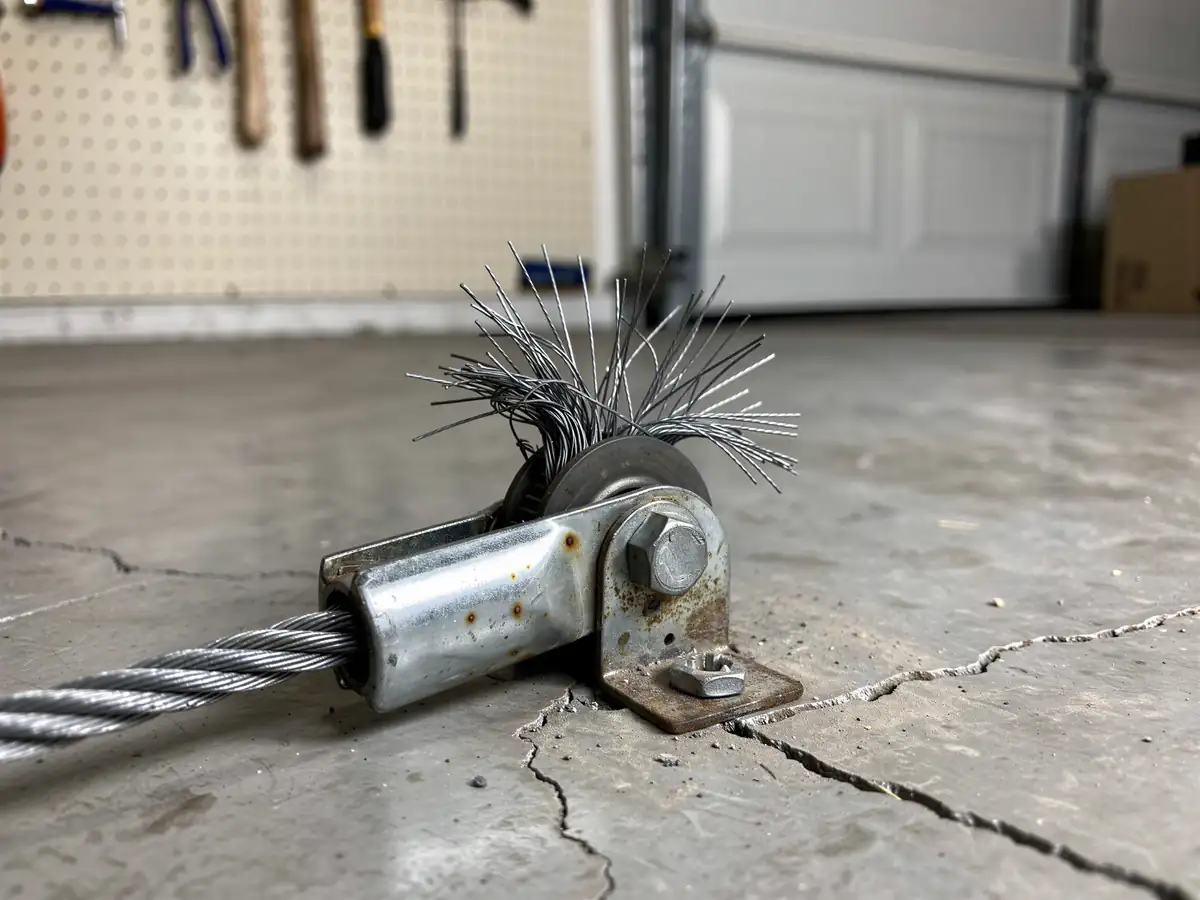
That's a cable or spring that's already broken, and at that point the door isn't safe to force open by hand. Across the roughly 22,000 owner-occupied houses in this service area, that's the single most common emergency call we get, especially once the cold sets in.
- 22,000 owner-occupied