What Most People Get Wrong
Most homeowners assume a dead opener means a dead motor
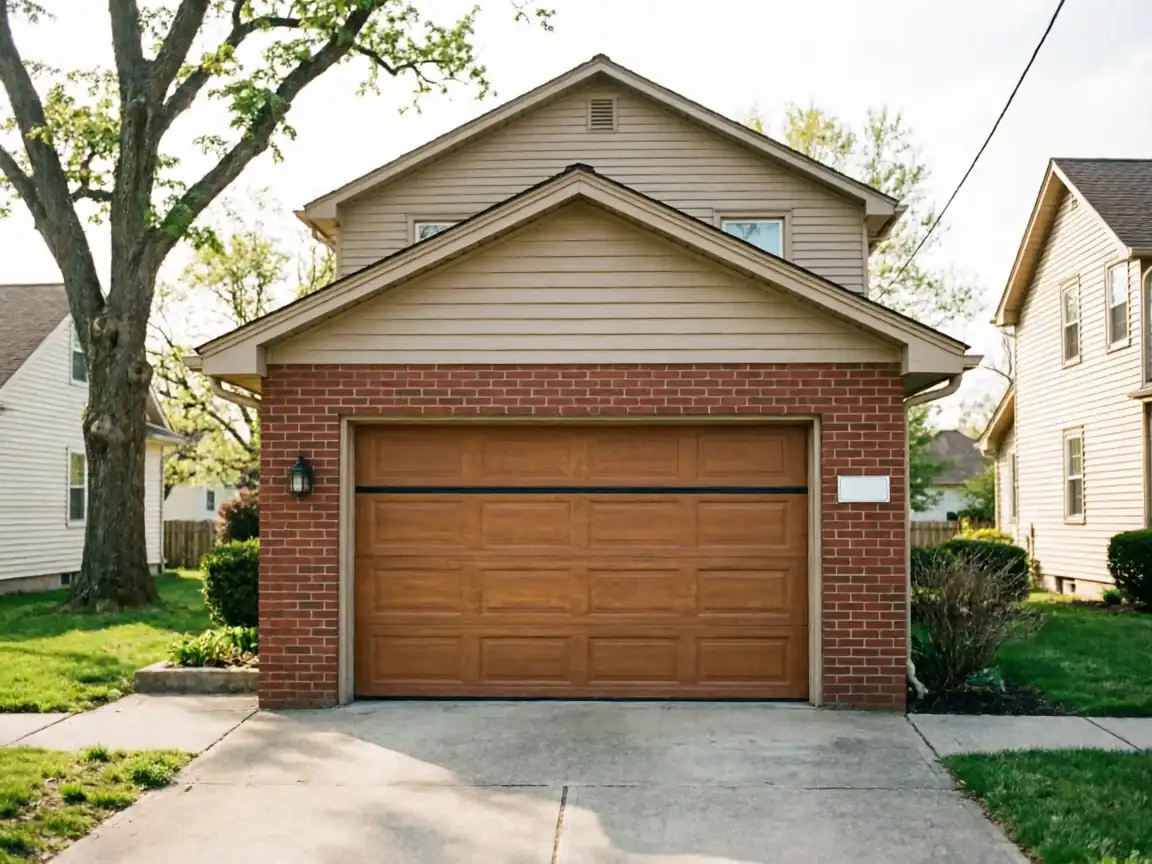
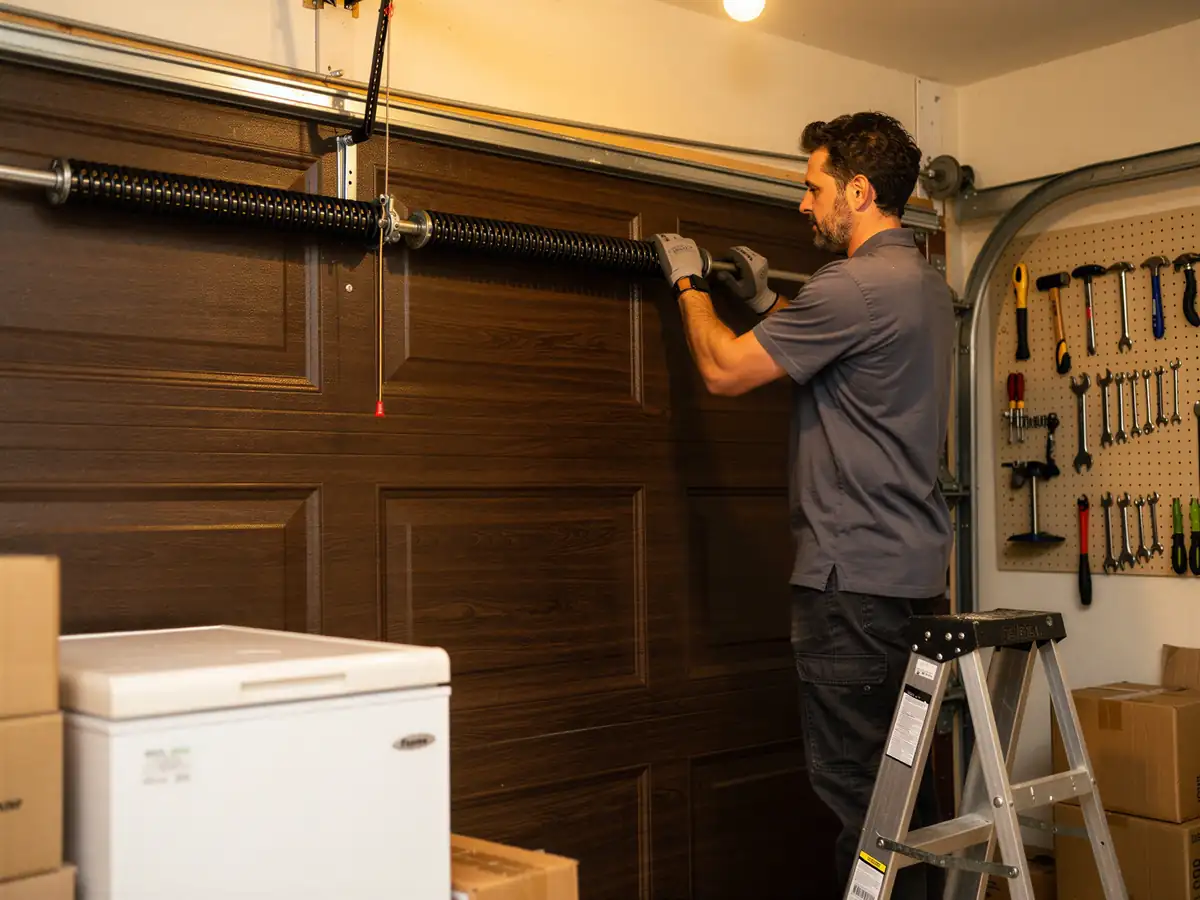
Around here, it's just as often the outlet. Houses in this service area were mostly built between 1955 and 2004, with the median landing around 1983 - which means a big share of garages were wired for a single shared circuit, not a dedicated one for the door opener. That setup was normal for its decade. It's not built for a household running space heaters, block heaters, and a chest freezer off the same panel during a cold snap.
The other thing people miss
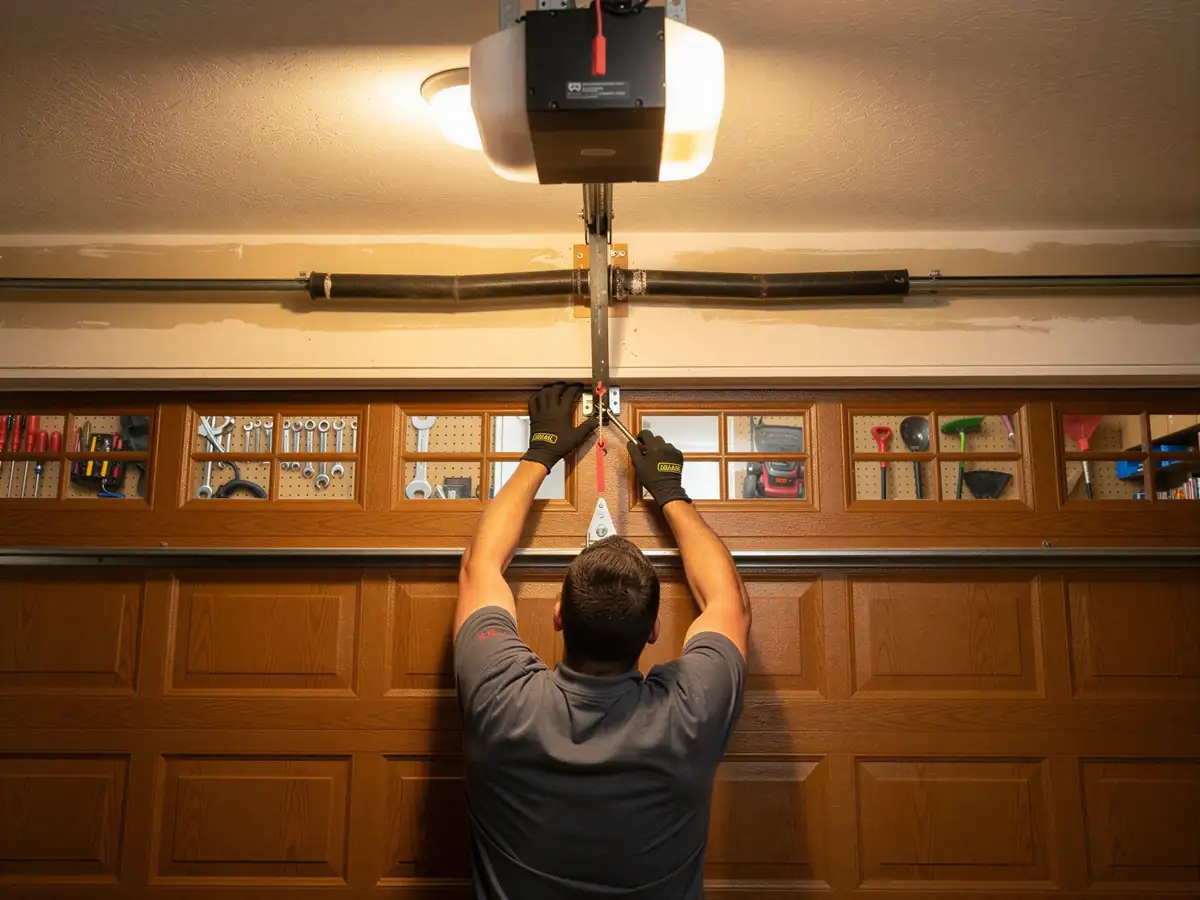
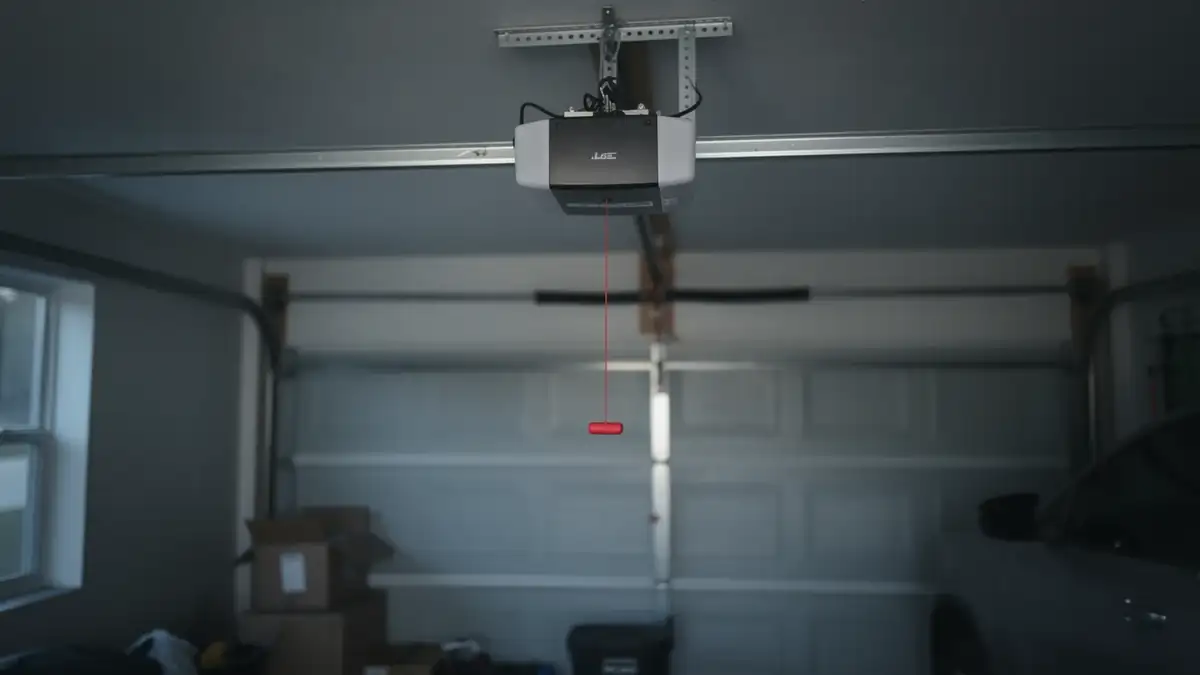
A battery backup isn't standard equipment on anything installed before the last 10-15 years. If your opener is original to a house from the 1980s or 90s stock that makes up most of this area, it has no battery at all. When the power drops, that door is stuck wherever it was when the lights went out - and if that's halfway open with the car outside, you've got a problem beyond inconvenience.
- 15 years
How Local Conditions Play In
This area sits in a cold, moderate climate band, which means winter isn't a once-a-year event - it's months of freeze-thaw cycling, ice buildup on tracks, and the kind of weather that strains the electrical grid right when you need the door most. Power cuts here tend to cluster around the same storms that make you want the garage door working: heavy snow load, ice on lines, wind.
Older chain-drive openers common in the 1980s-90s housing stock across this area draw more current on startup than newer belt-drive units, which matters when a house is already pulling power from backup heat sources during an outage. None of this is dramatic on its own. It just means the failure mode here isn't "the opener broke," it's "the opener had no power and no way to work around it."
The Problem
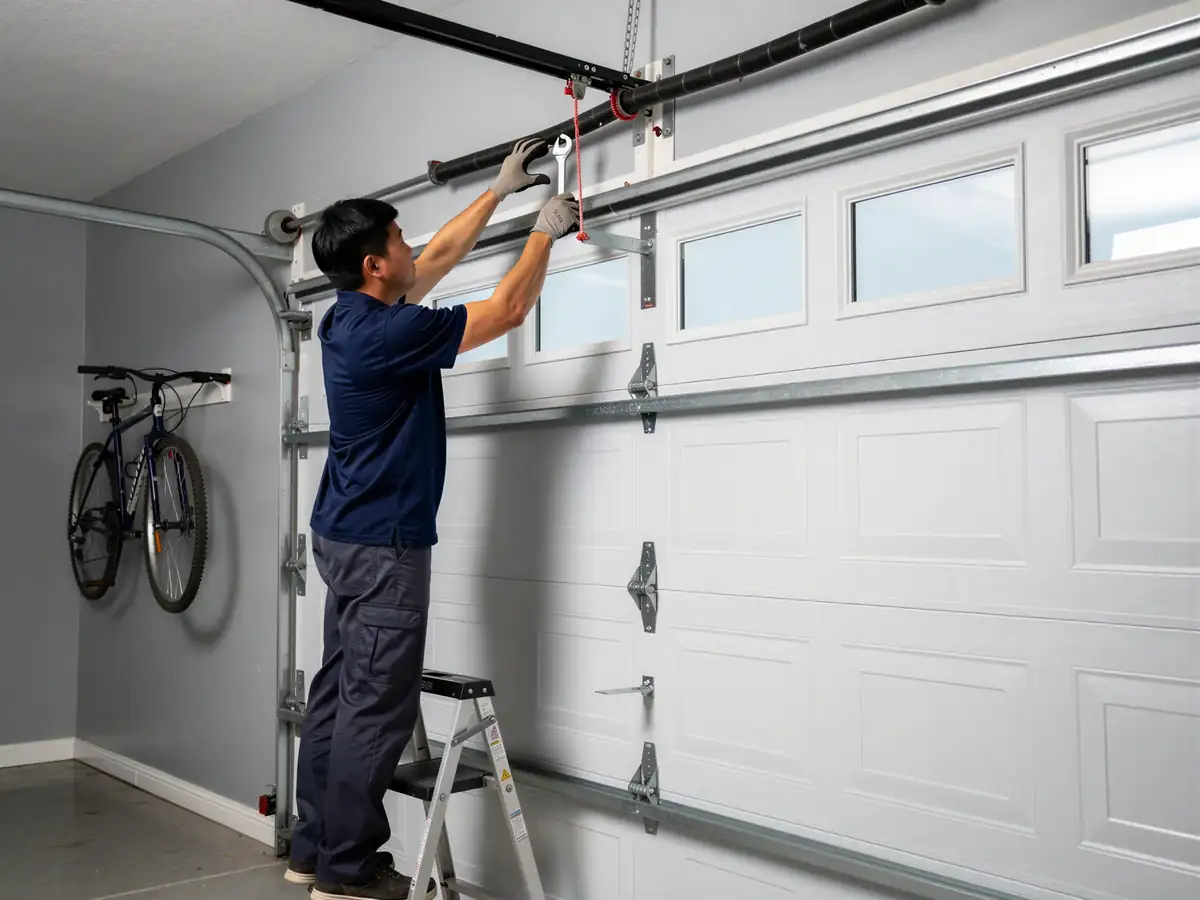
The actual problem is a mismatch between opener age and what a modern cold-weather outage asks of it. An opener installed when a house was built in the 1970s through 90s was never designed to fail gracefully - no battery backup, no manual release most owners can find in the dark, and a wall switch that does nothing once the circuit is down.
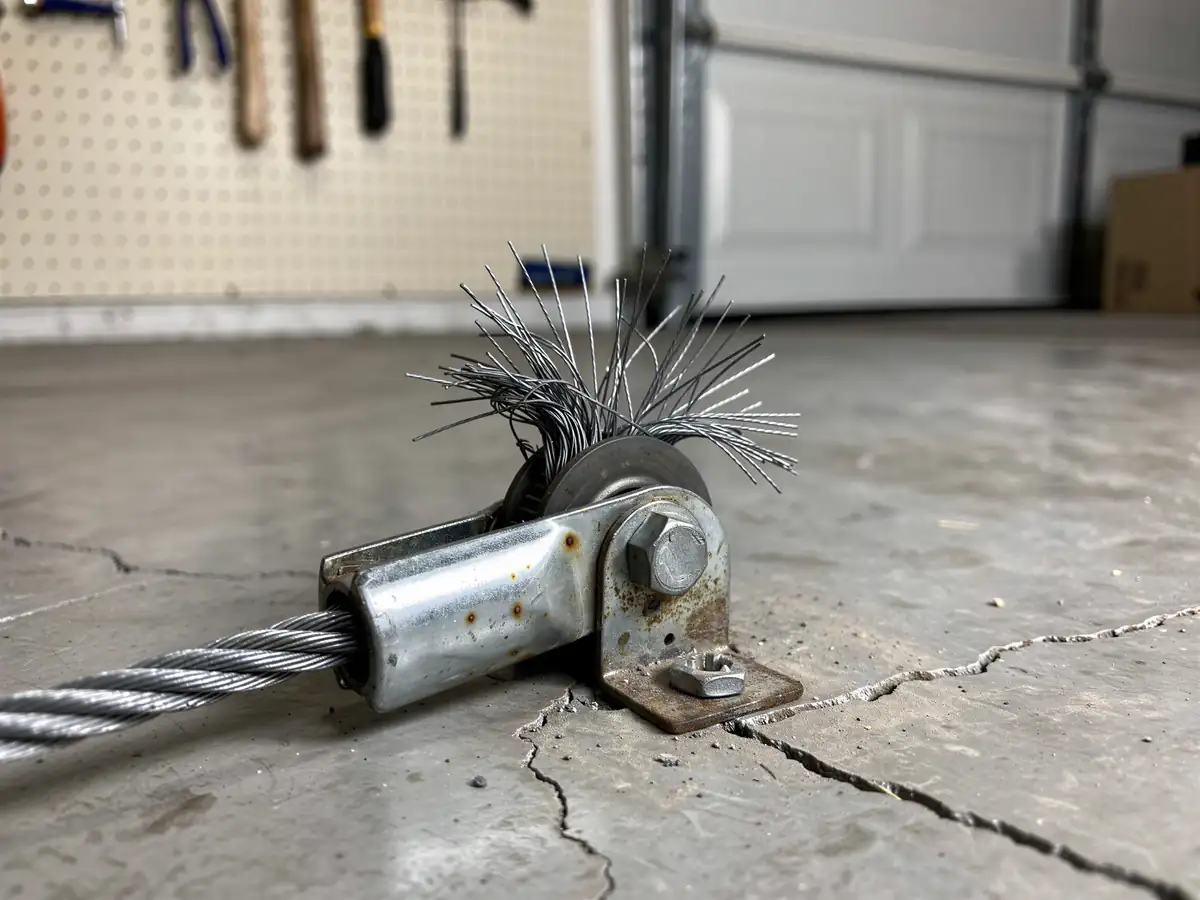
We don't manufacture outages, and we can't promise one won't happen this winter. What we can say is that a lot of the service calls that follow a cold snap aren't broken springs or snapped cables - they're openers that simply had nothing left to run on, in houses where nobody had checked the backup battery, or never had one installed in the first place.
The Cost of This Job
With median household income in this area at $93,077
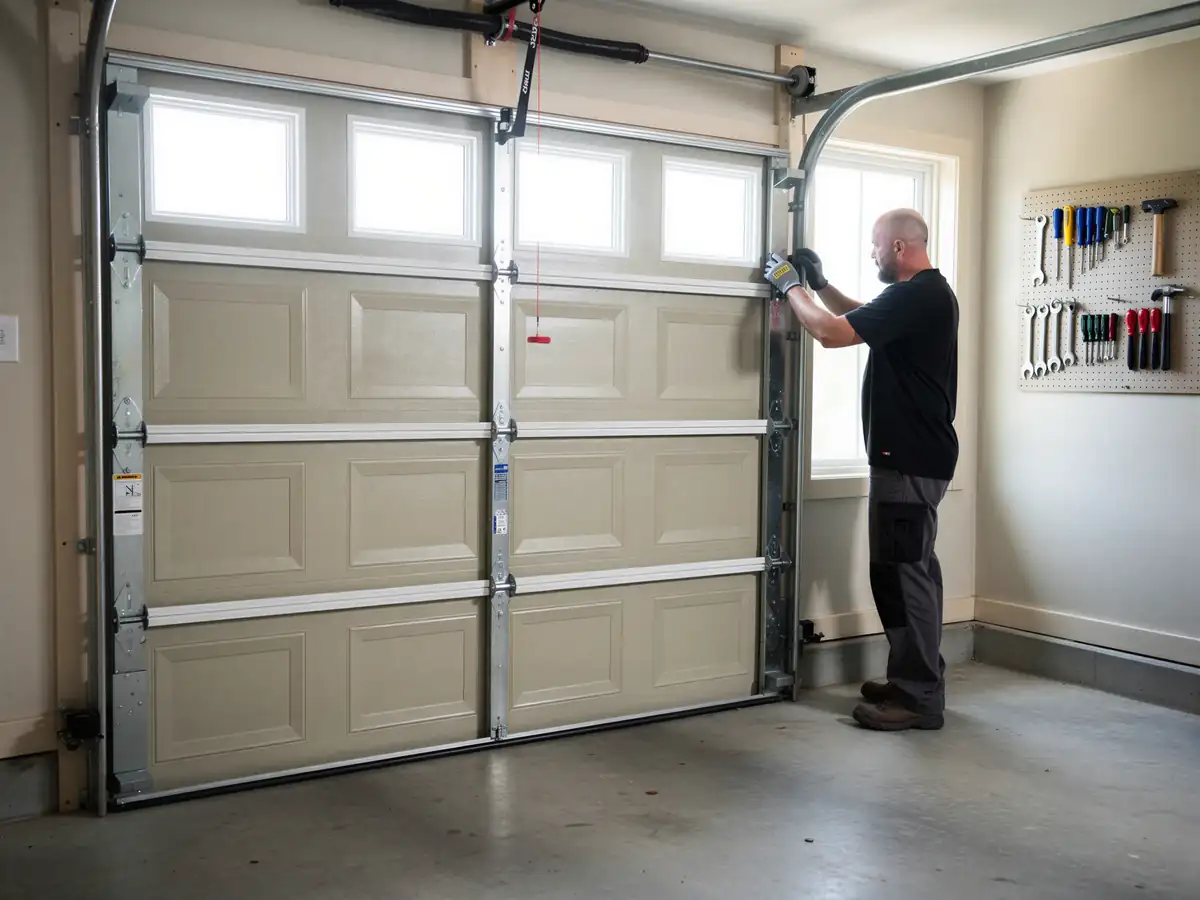
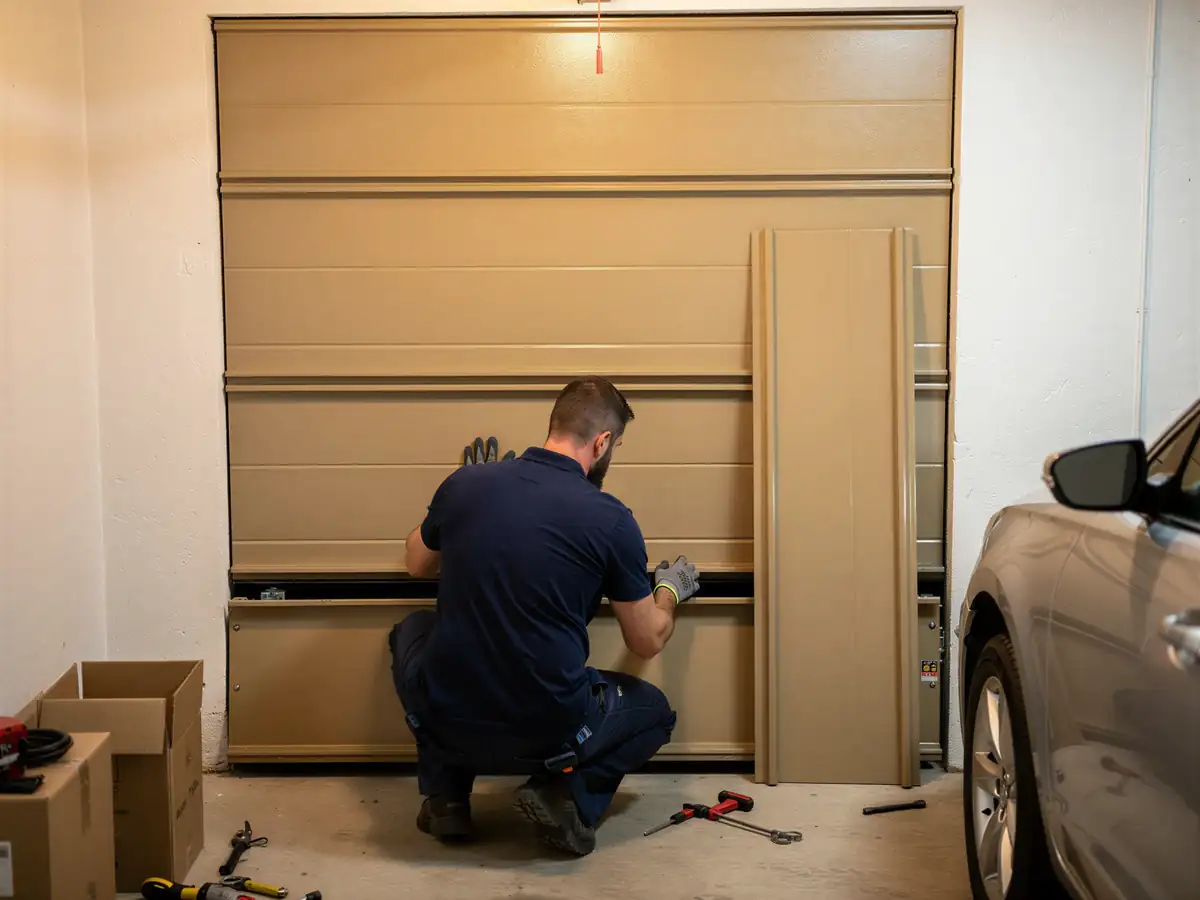
Most homeowners here can absorb a planned opener upgrade more easily than an emergency after-hours call during a storm, when a stuck door becomes a security and weather problem at the same time. Swapping an old chain-drive unit for a model with a built-in battery backup is a straightforward, one-visit job - it's not a structural repair, and we won't tell you it needs to be one.
What we can't do is quote you a number here without seeing the door and the opener you've got
Since a single door and a double door aren't the same job, and we don't guess at parts pricing over the phone. What we can tell you is that across 21,947 owner-occupied houses and 41,589 households in this area, a battery backup swap is one of the few upgrades that pays for itself the first time the power actually goes out.
- 21,947 owner-occupied
- 41,589 households