This Area's Housing
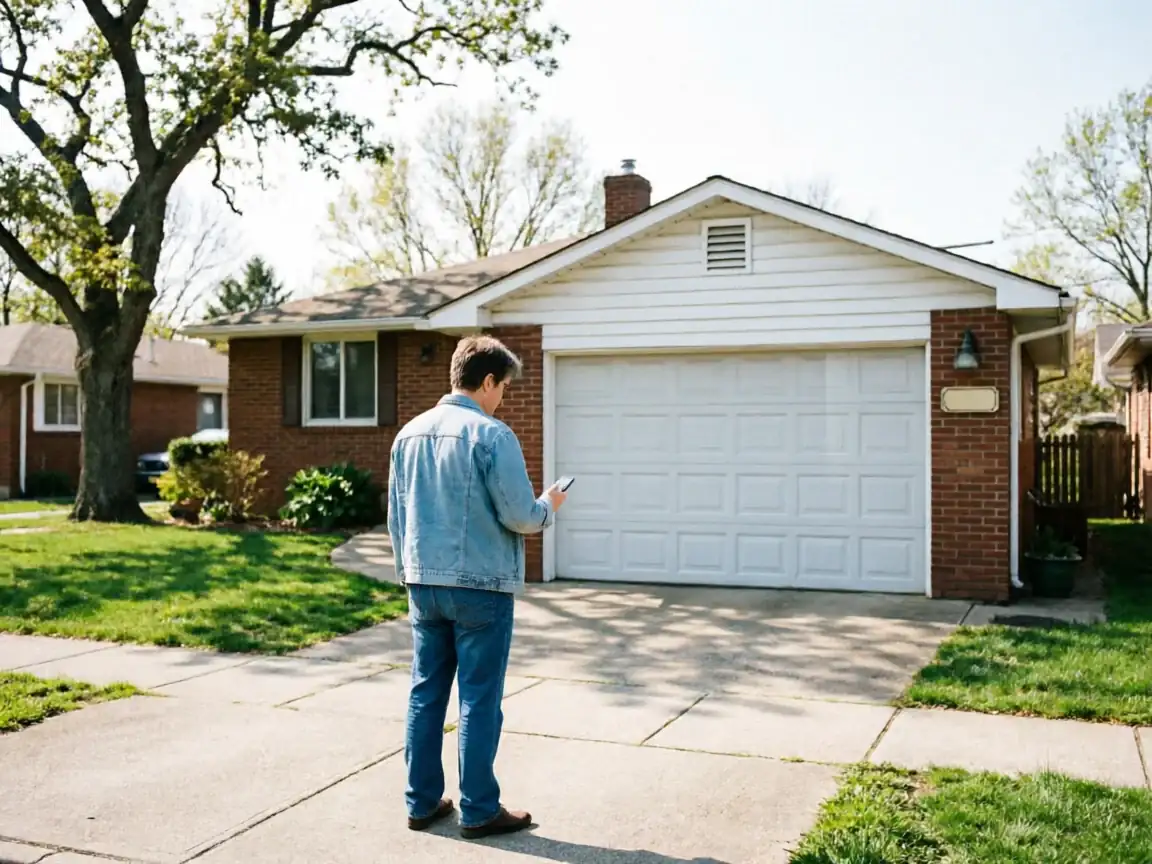
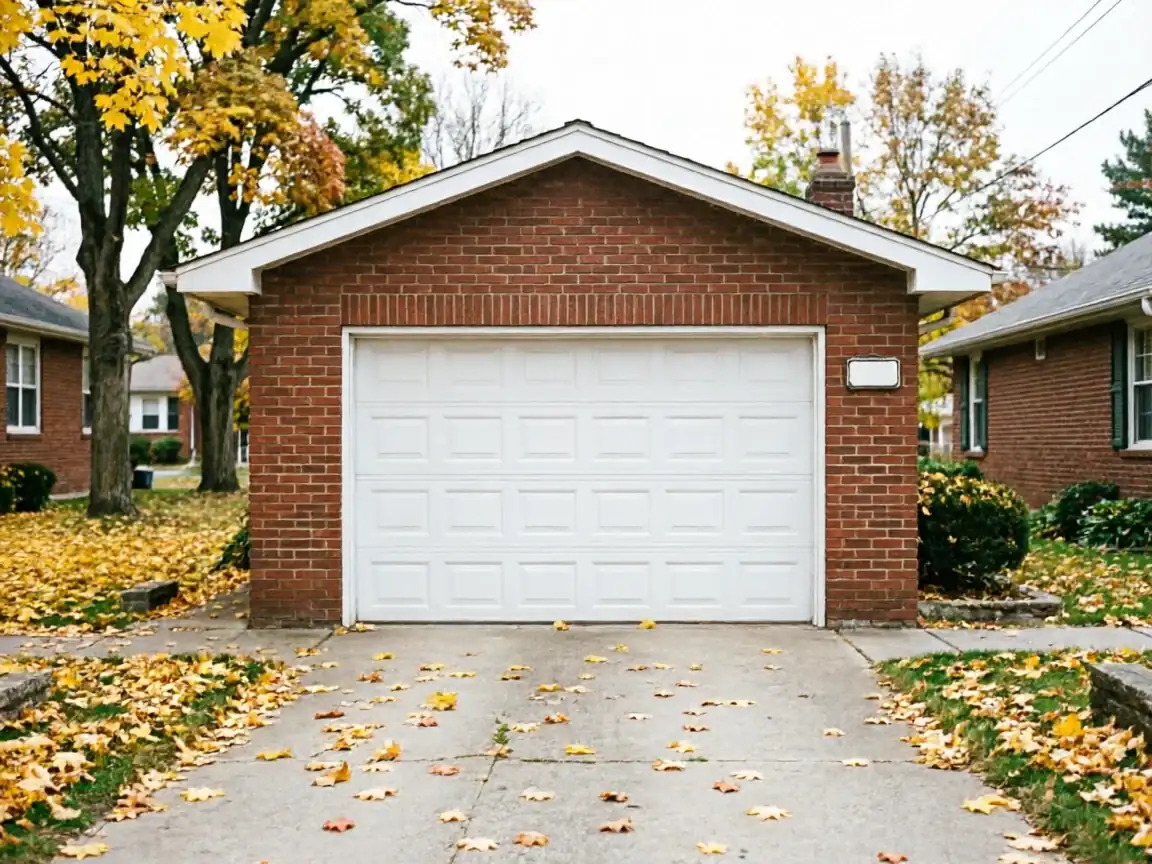
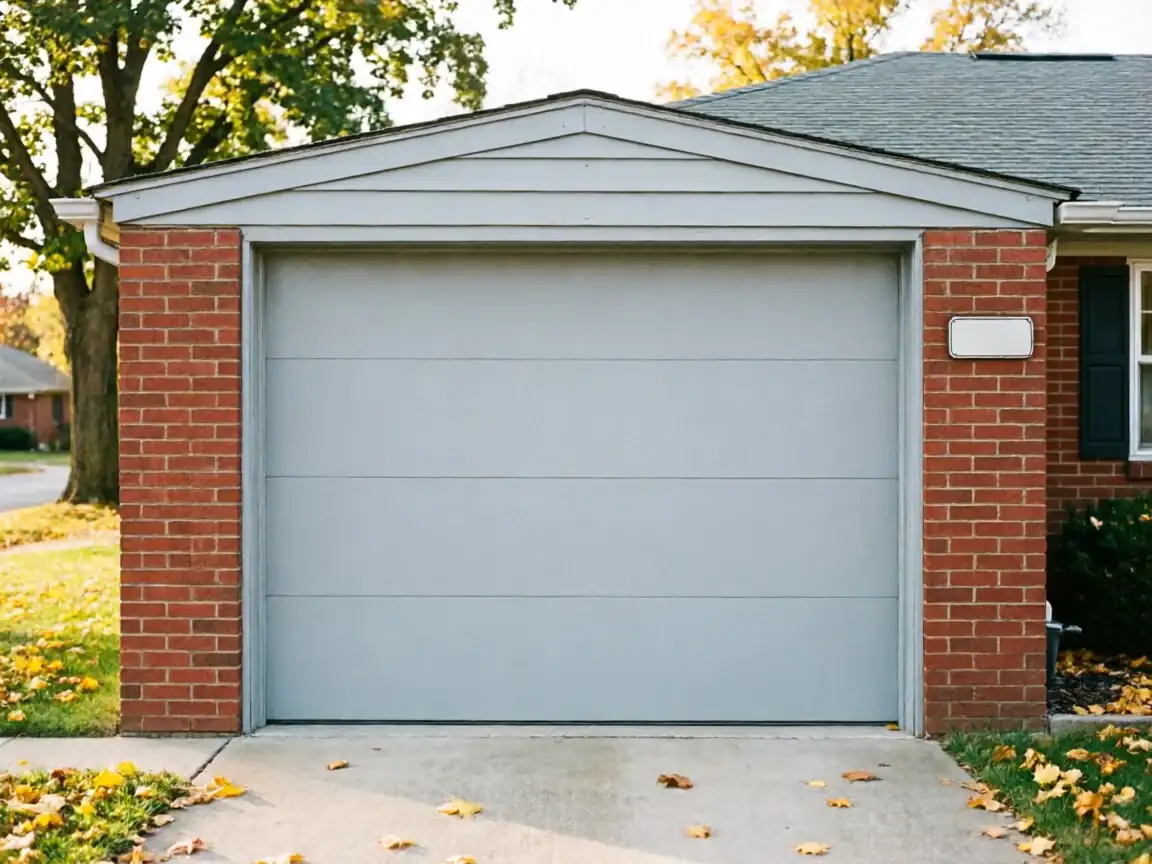
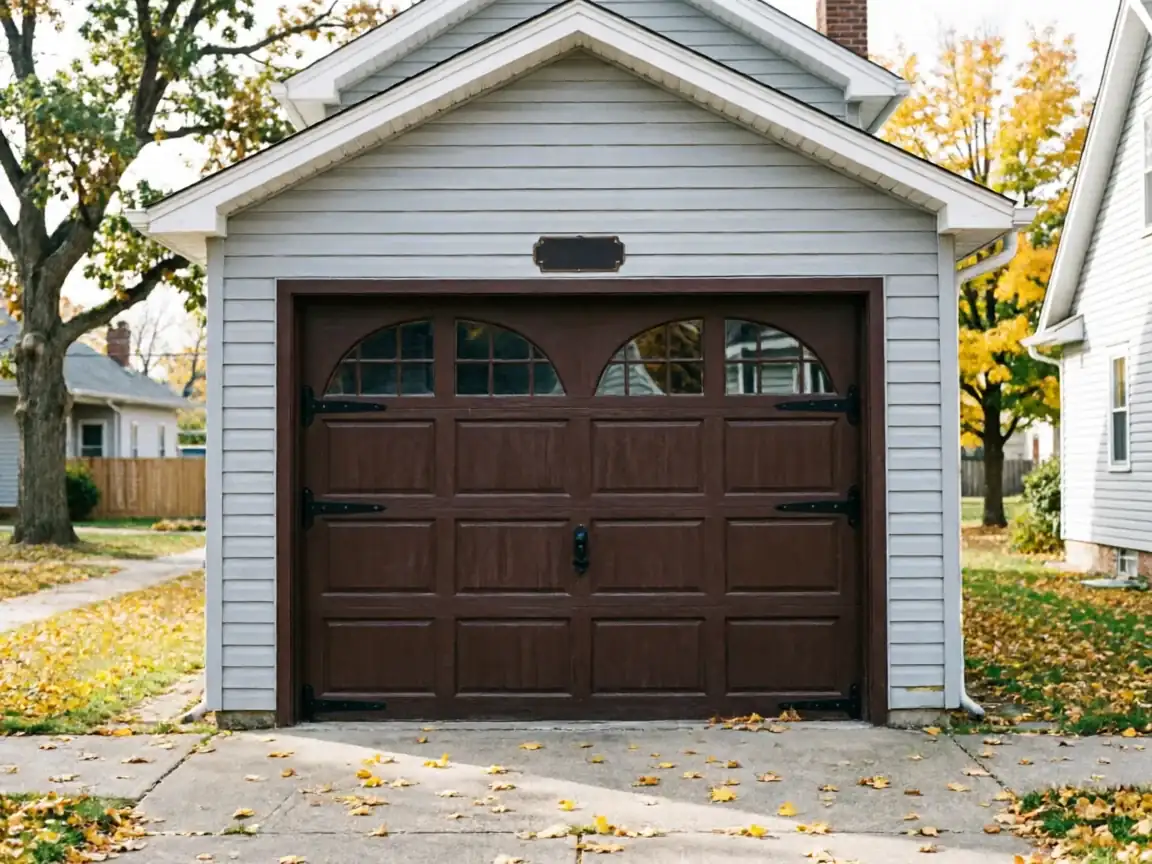
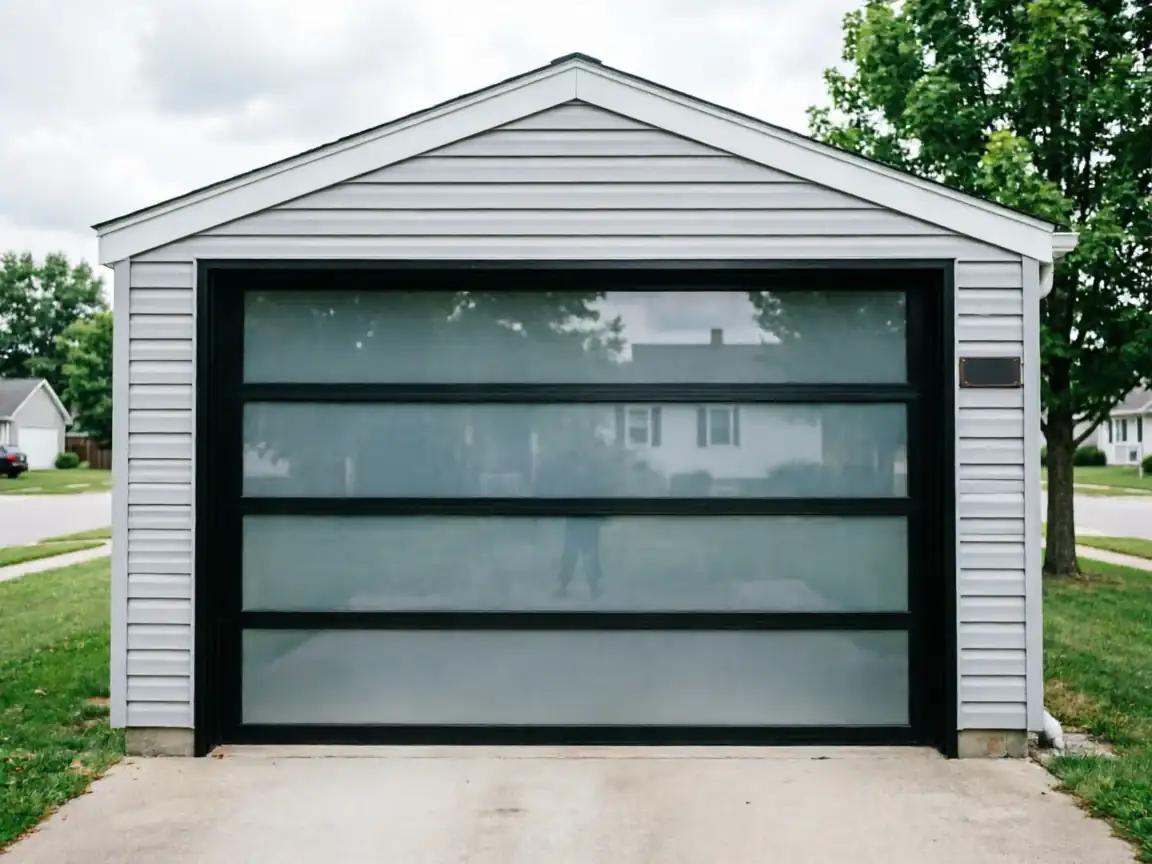
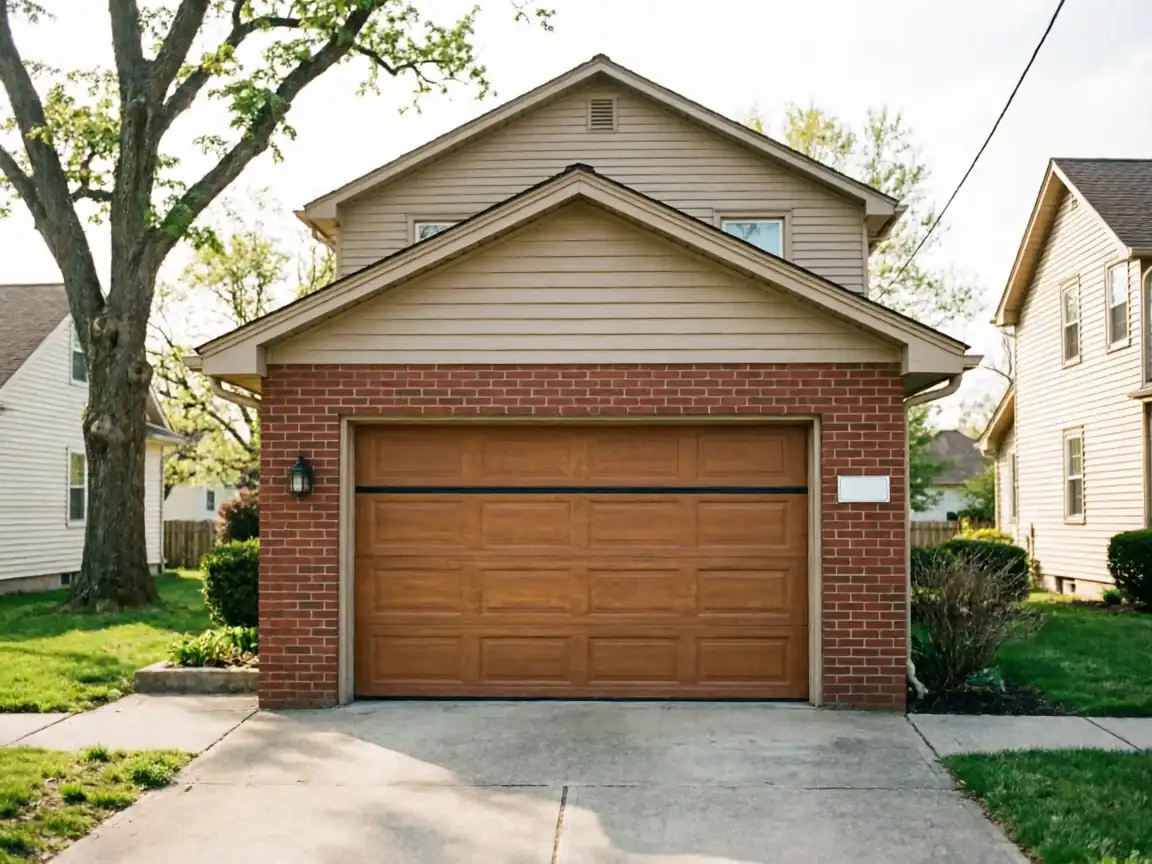
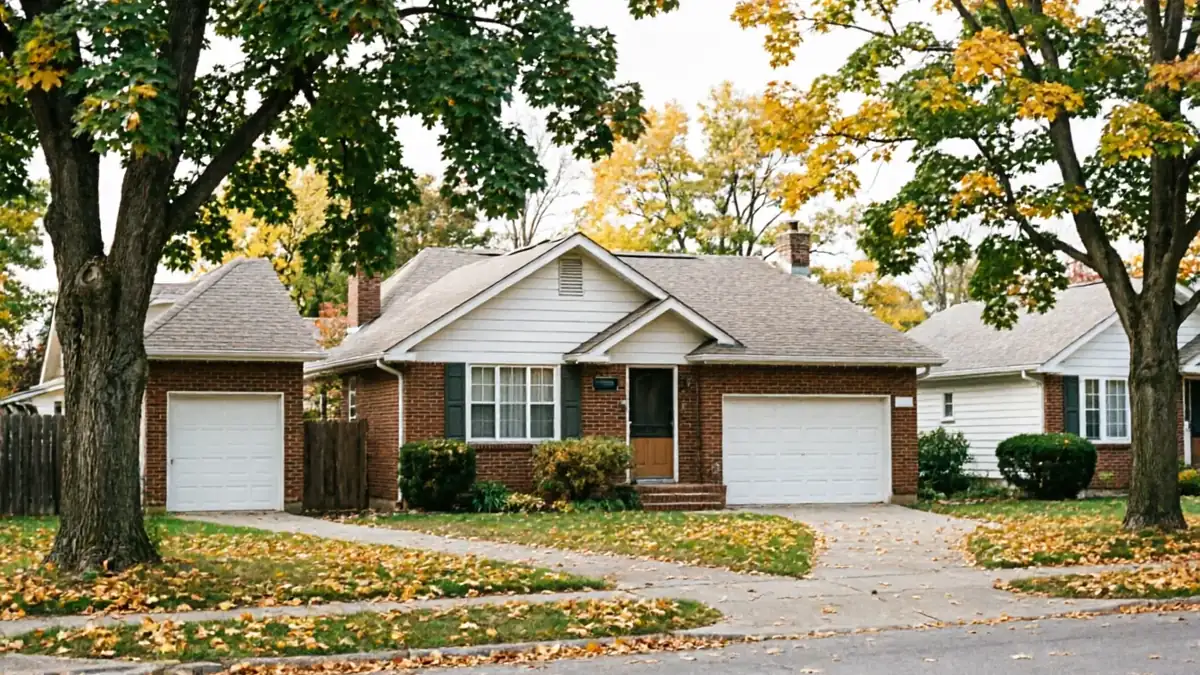
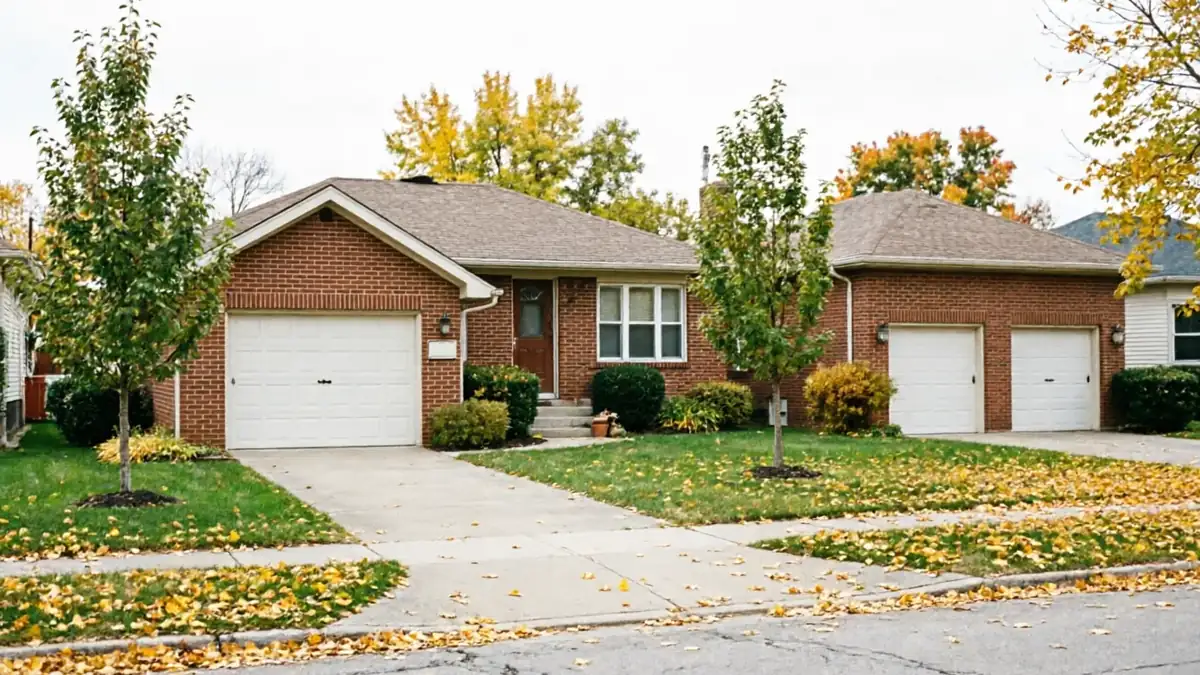
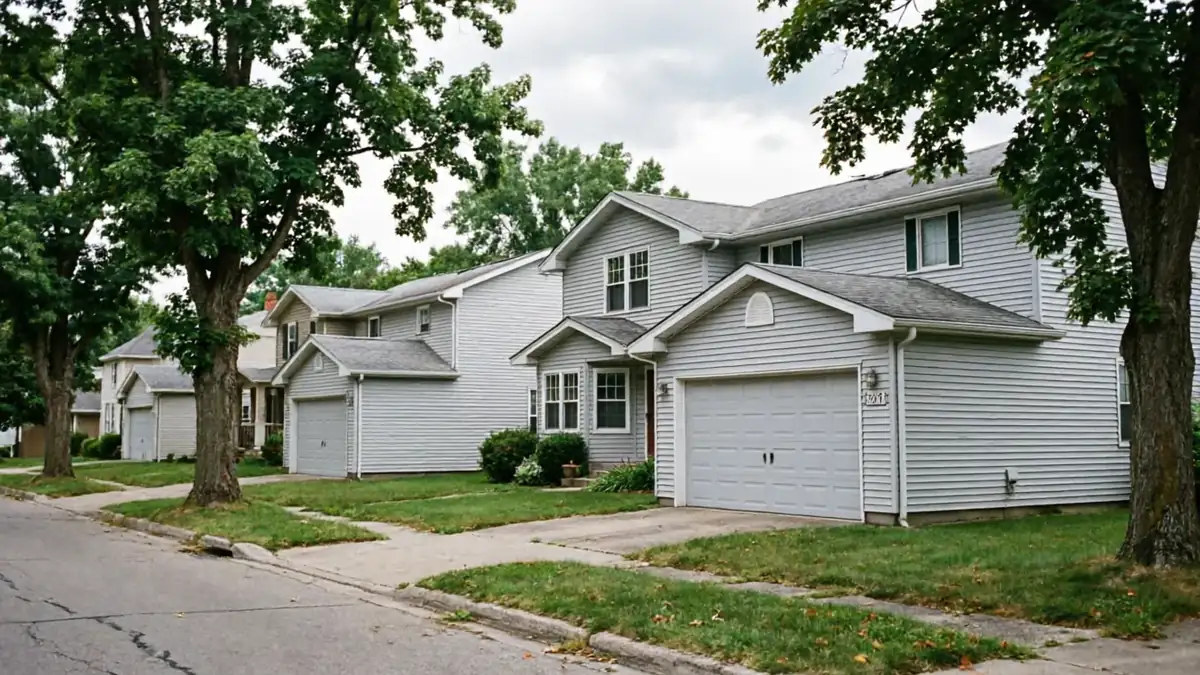
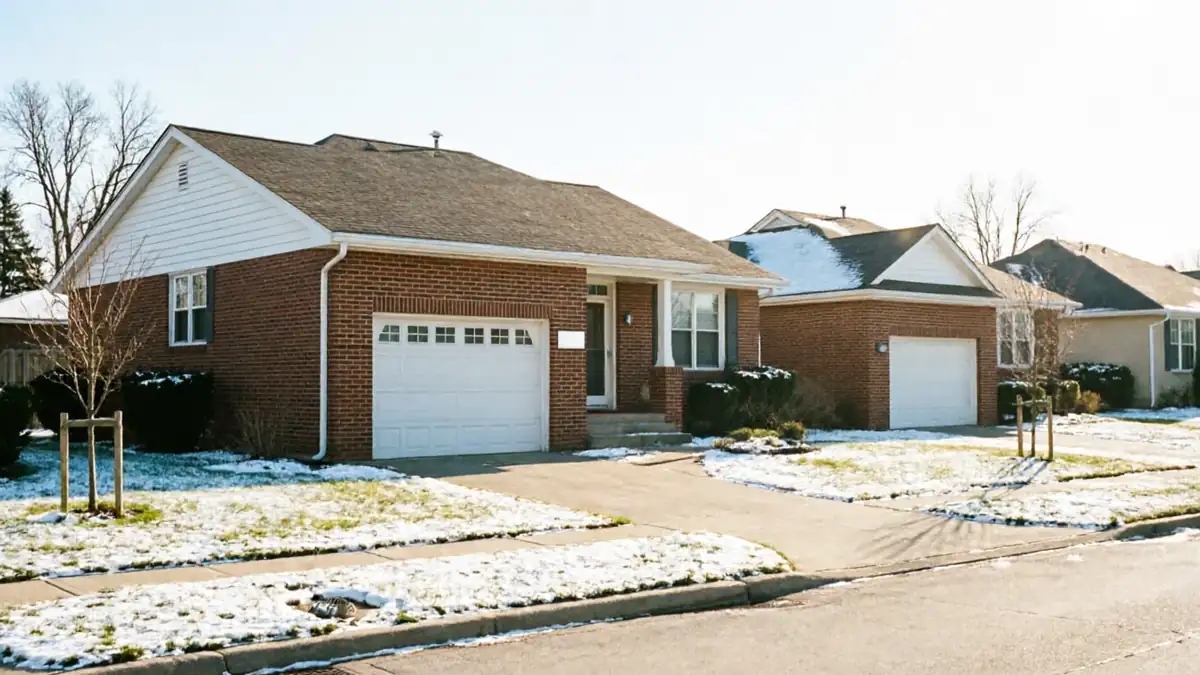
Elko New Market skews newer than most of the territory we cover out of Farmington
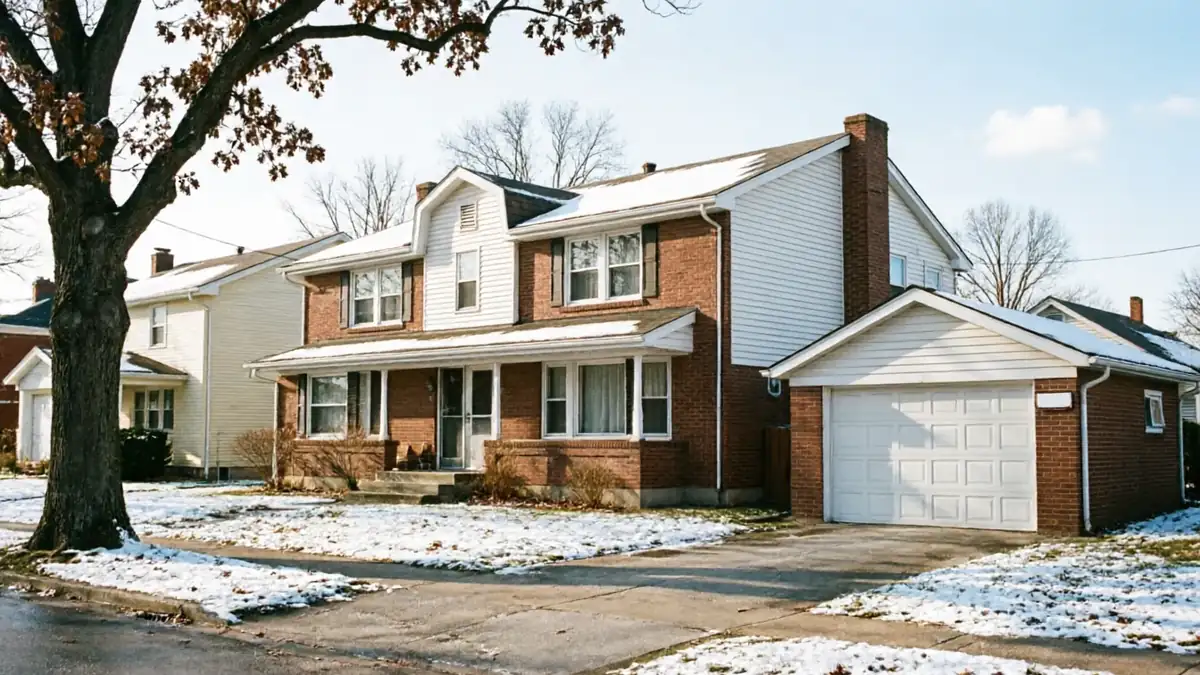
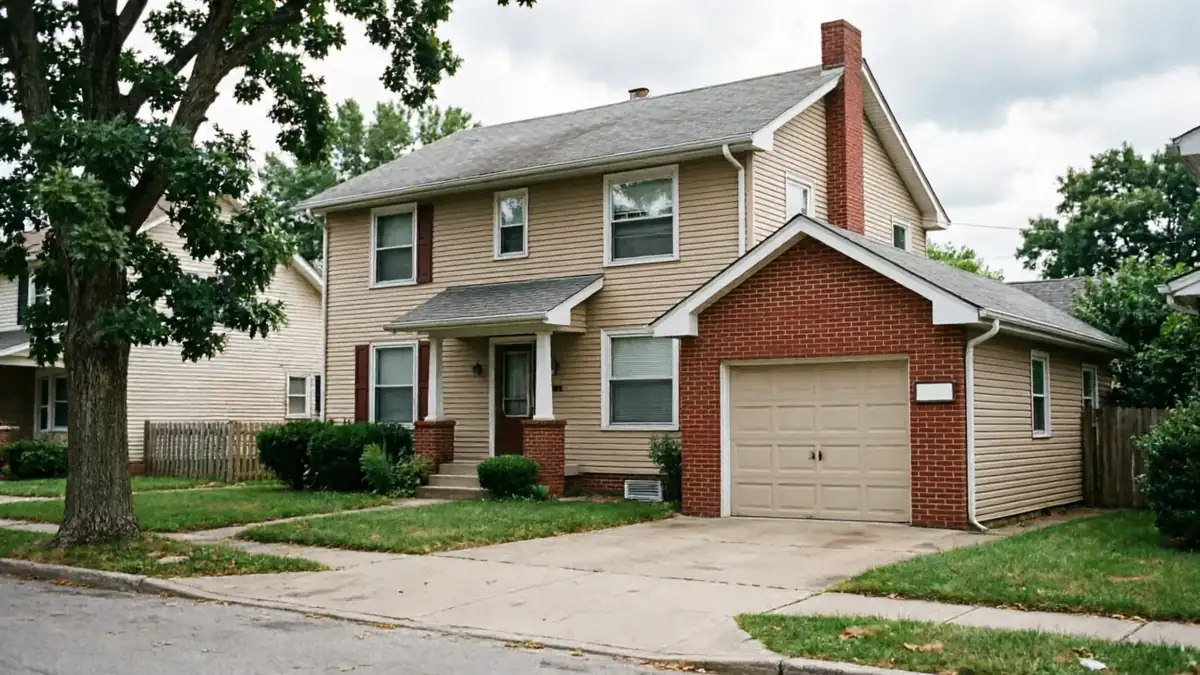
Median year built here lands around 2004, a good two decades past the 1983 median for the wider service area, where houses typically date from 1955 through 2004. That gap matters more than it sounds like it should.
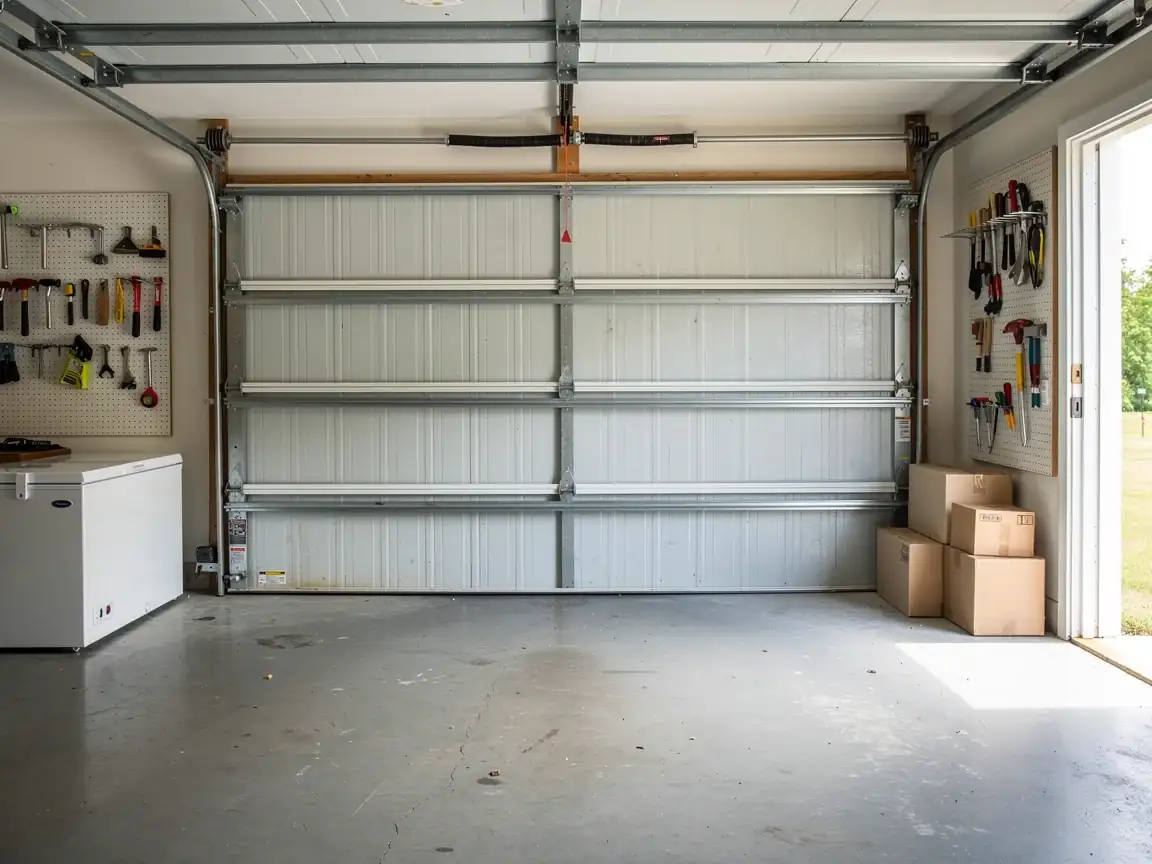
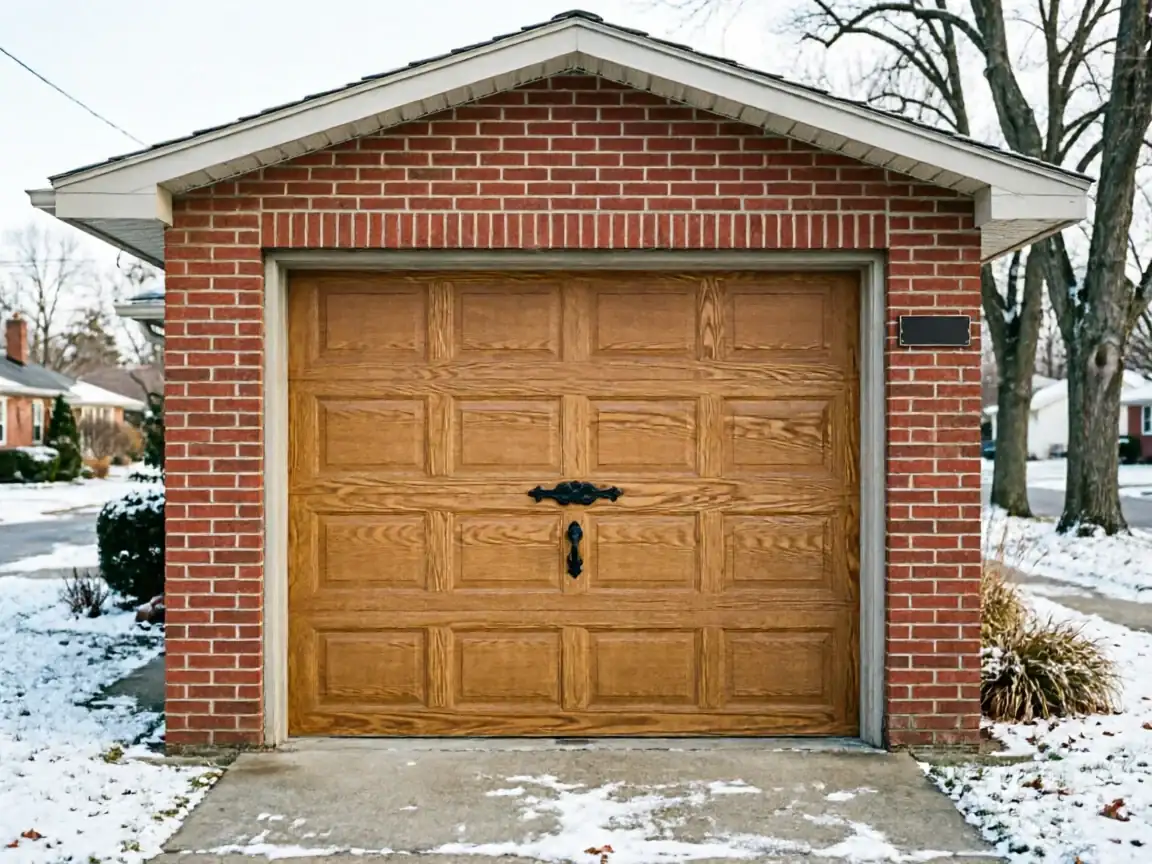
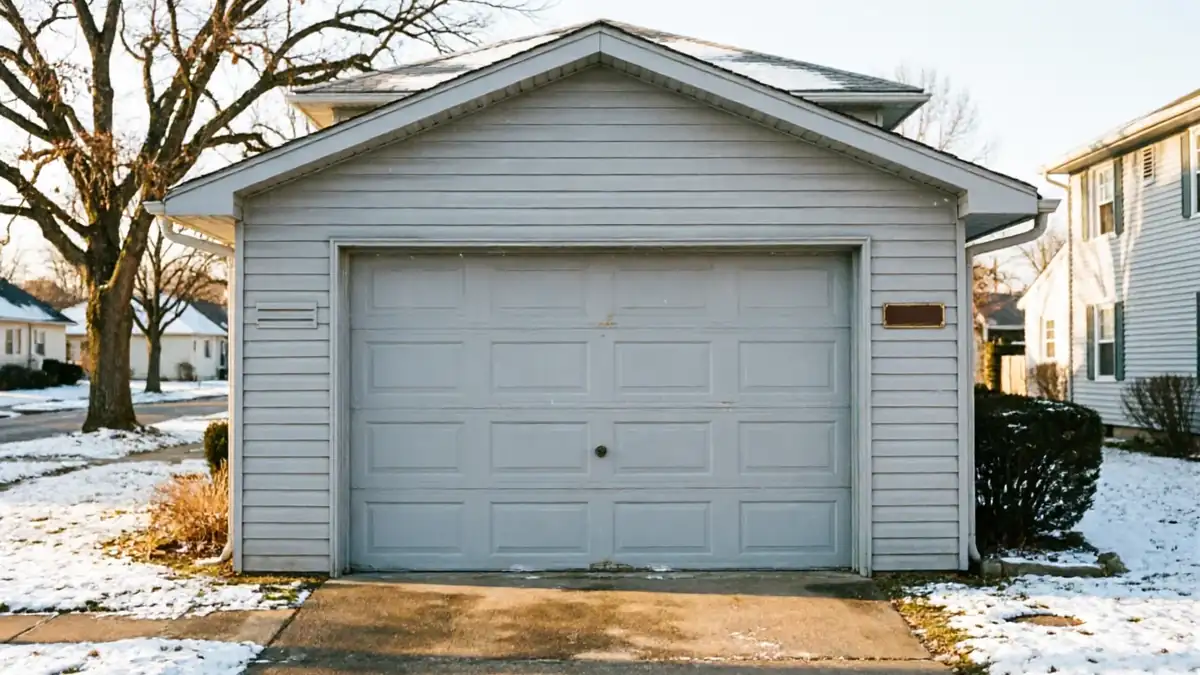
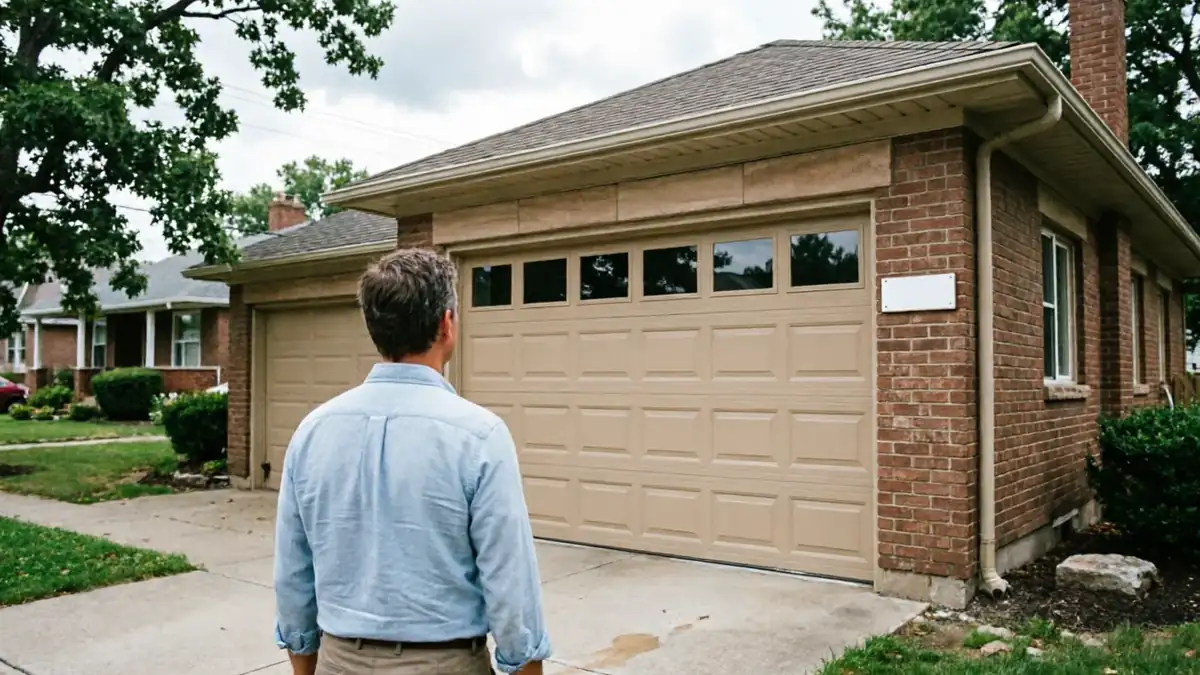
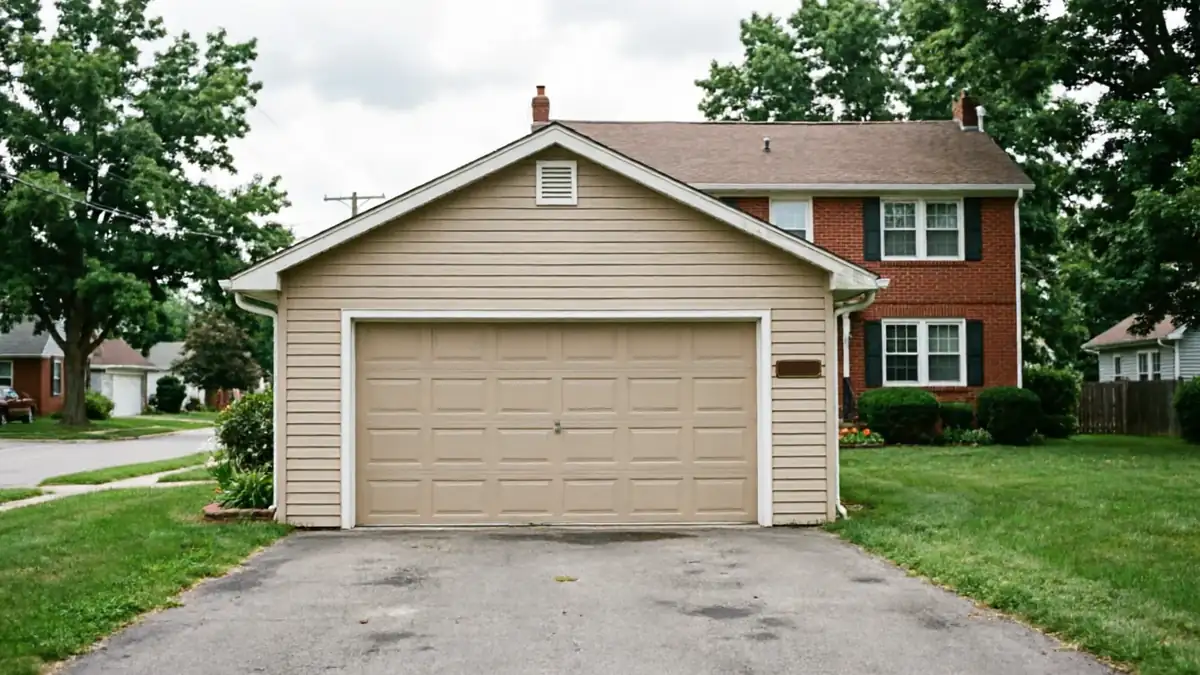
A house built in 2004 almost always came with a factory-installed steel sectional door
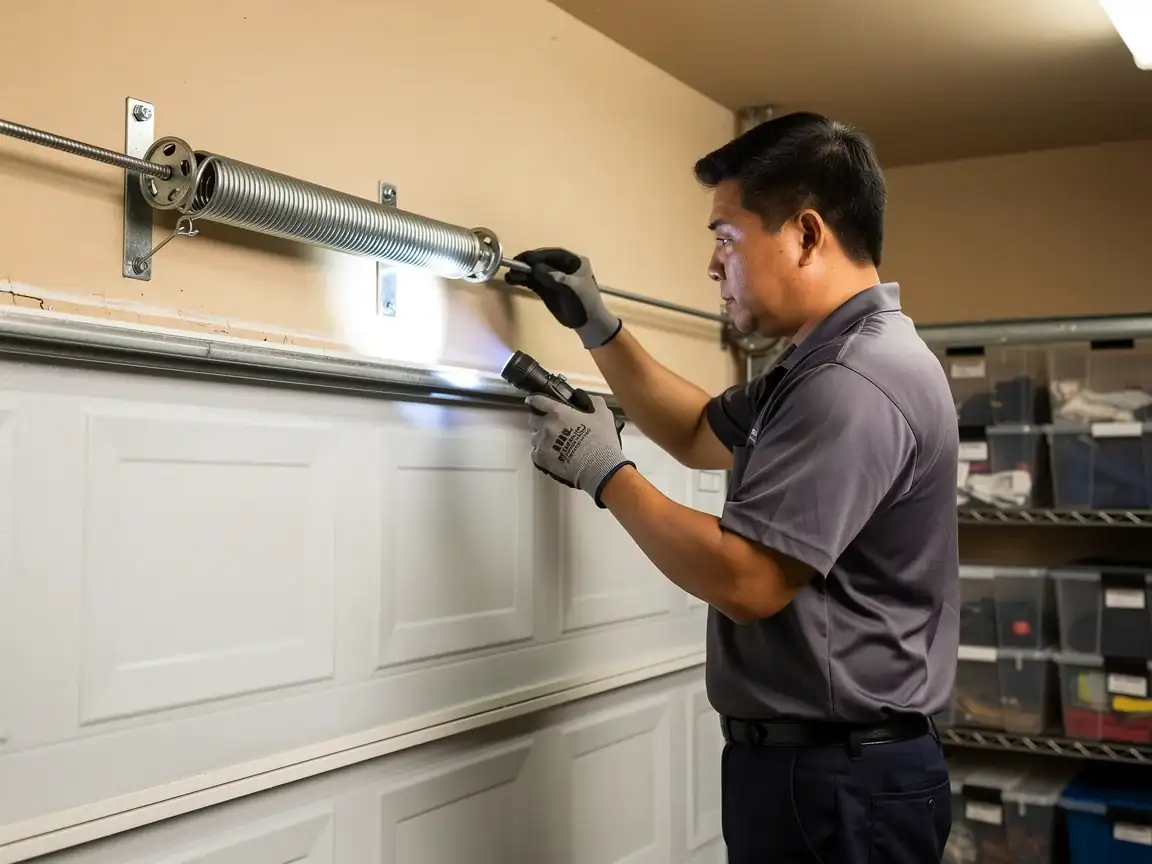
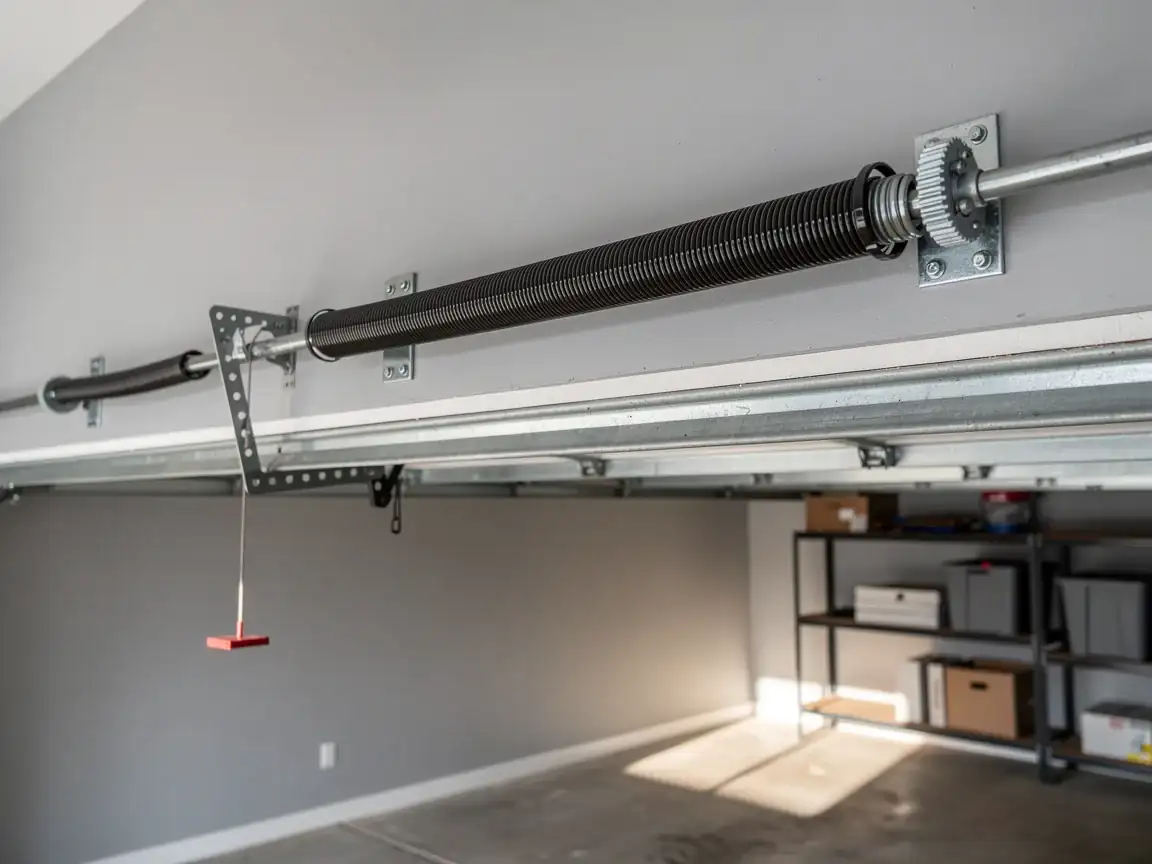
An extension or torsion spring sized to code at the time, and a chain or belt-drive opener with a safety reversal sensor pair already wired in. You're not dealing with the one-piece doors or add-on openers that show up in the older pockets of the broader area. With roughly 1,578 households in Elko New Market, the housing stock here is more uniform in age than most towns on our route, which means the repair calls tend to repeat the same handful of issues rather than running the full range we see on older streets.
- 1,578 households
The tradeoff: parts from a 2004-era door aren't always the same part number as what's on the shelf today
Even though the door looks modern. Panel and track hardware changed enough between roughly 2000 and now that a quick visual match isn't reliable - we check the part before we quote it.
What People Here Ring About
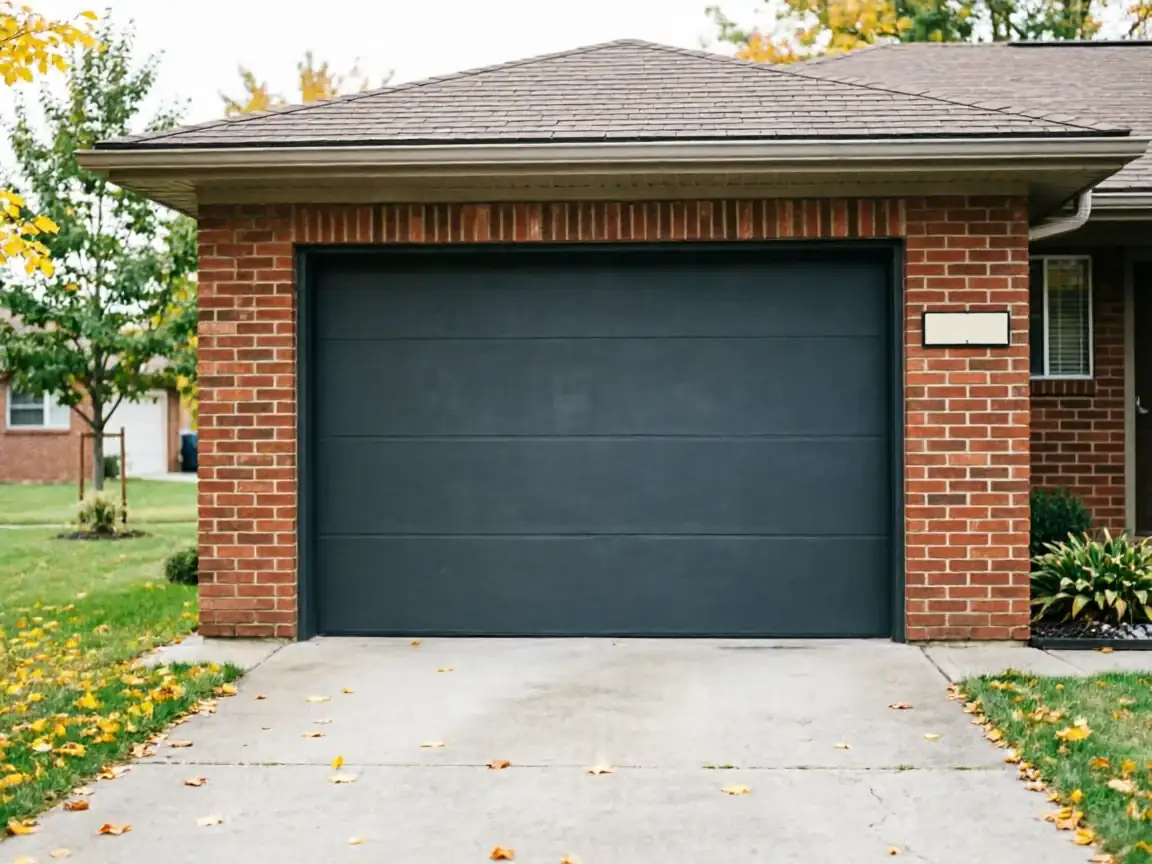
Most calls out of Elko New Market aren't about doors falling apart - they're about doors that are maybe 15 to 20 years old starting to show their age at the weak points builders used at the time. That means torsion springs reaching the end of their cycle life, nylon rollers that have gone brittle and loud, and openers with circuit boards or logic units that are original to the house and finally quitting.
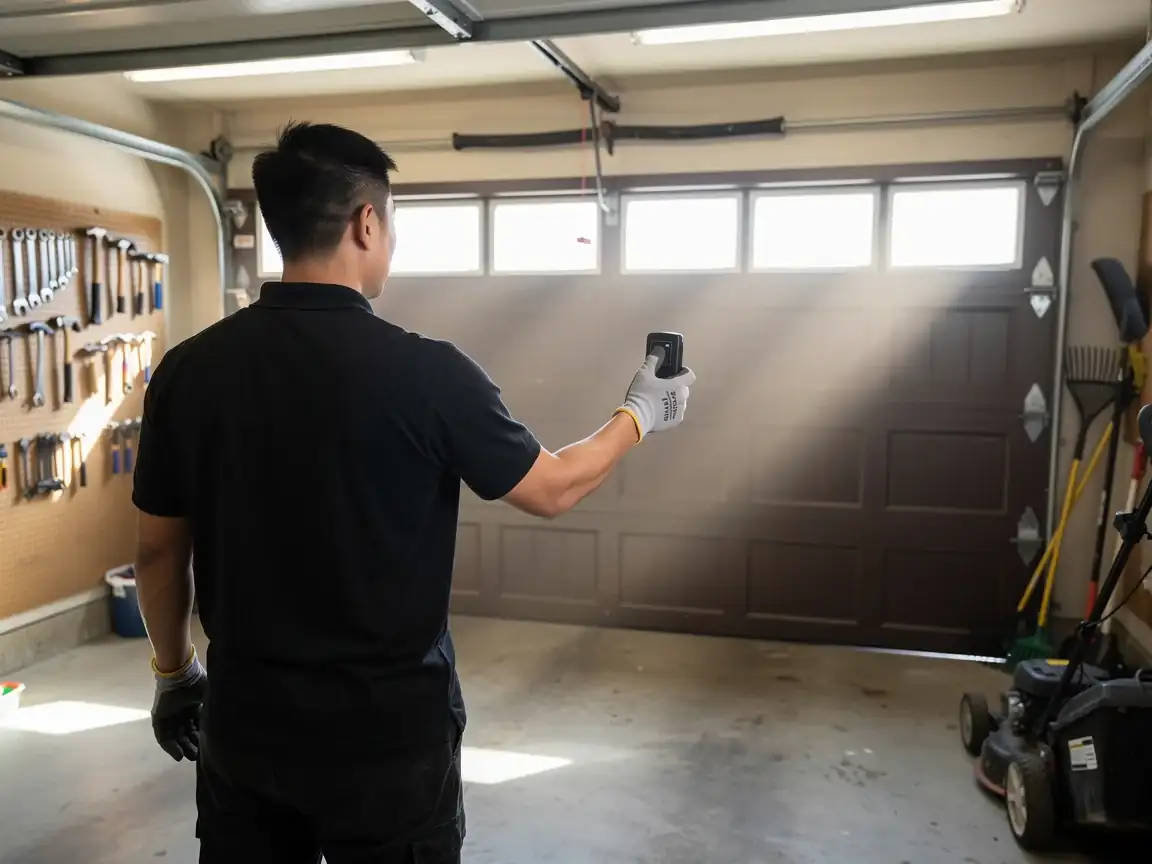
We also see a fair number of calls about photo-eye sensors knocked out of alignment - common on doors from this era because the sensor brackets were lighter-duty than what's used now. A bumped bracket from a stored bike or a snow blower is enough to stop the door from closing, and it's a five-minute fix once we're looking at it, not a new opener.
Given the median household income here runs well above the service-area average - $147,381 versus $93,077 across the broader territory - we also get more calls about upgrading rather than patching: quieter belt drives, insulated panels, battery backup openers. People here are more likely to replace a door that's merely annoying rather than wait for it to fail outright.
How Soon We Can Come Out
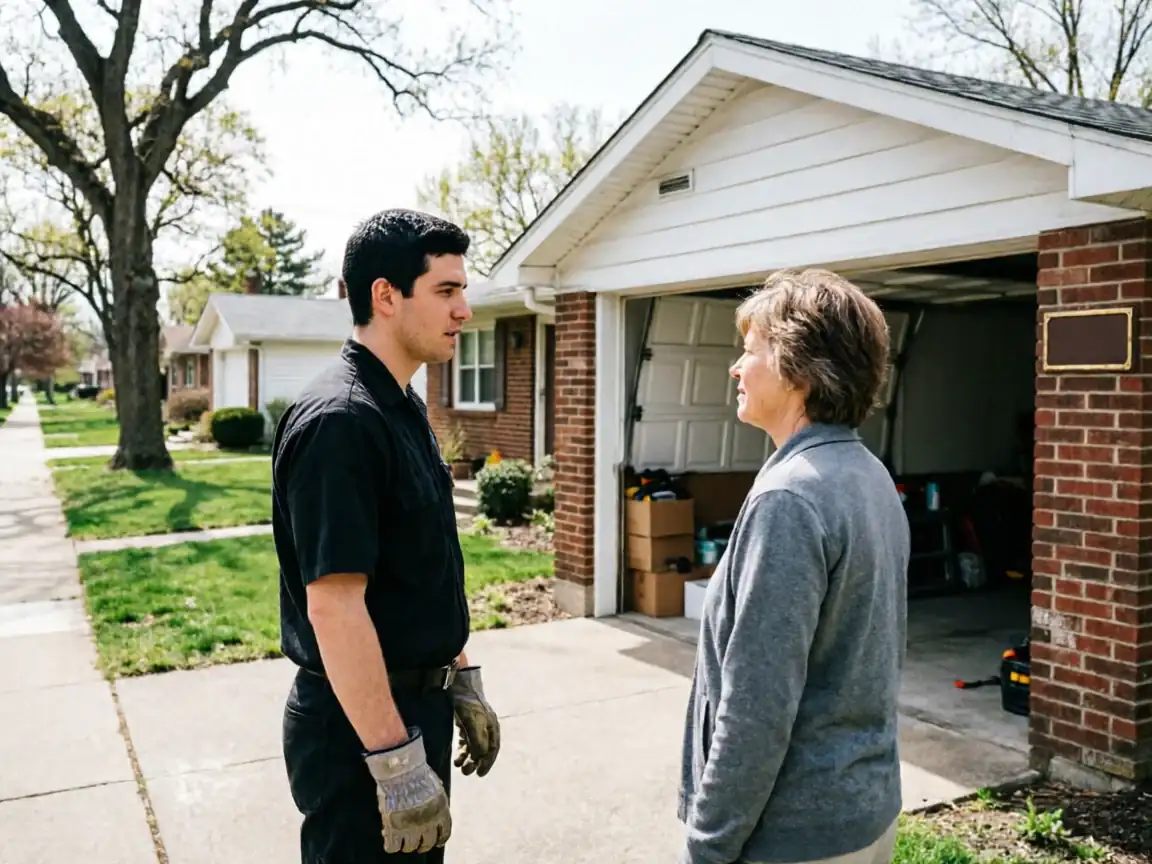
We run out of Farmington, and Elko New Market is about 10 miles from our base - one of the closer stops on our regular route, alongside Coates and Hampton. We don't keep a depot or staff in Elko New Market itself; every job here is a truck dispatched from Farmington, so we schedule around the drive rather than pretending we're already around the corner.
We're not going to promise a same-hour window in writing here, because that's not a fact we can back with a number. What we can say is that the distance is short enough that it rarely adds meaningful time to a job compared to stops farther out on the list, like Northfield or Hastings.
What That Means for Doors
Because the bulk of Elko New Market's housing dates to around 2004 rather than the 1955-1983 range common elsewhere in the territory
We bring different stock on the truck for calls here. Torsion spring sizing on a 2004-era door is more standardized than on an older one-piece setup, and opener logic boards from that period are more likely to have a direct modern replacement than the drive units on 1960s and '70s doors elsewhere on our route.
The climate side doesn't change
This is still a cold-moderate winter zone, so steel panels, weatherstripping, and spring tension all get the same seasonal stress here as anywhere else we cover. Cold snaps stiffen lubricant and shrink metal tolerances regardless of what year the door was built.
One honest limit: if a 2004-era opener's control board is discontinued
And some are, by this point - we'll tell you straight that a full opener swap is the better money than chasing a part that may not show up for weeks.