How It Shows Up
Most of the panel calls we get from Elko New Market aren't rust-through or wood rot
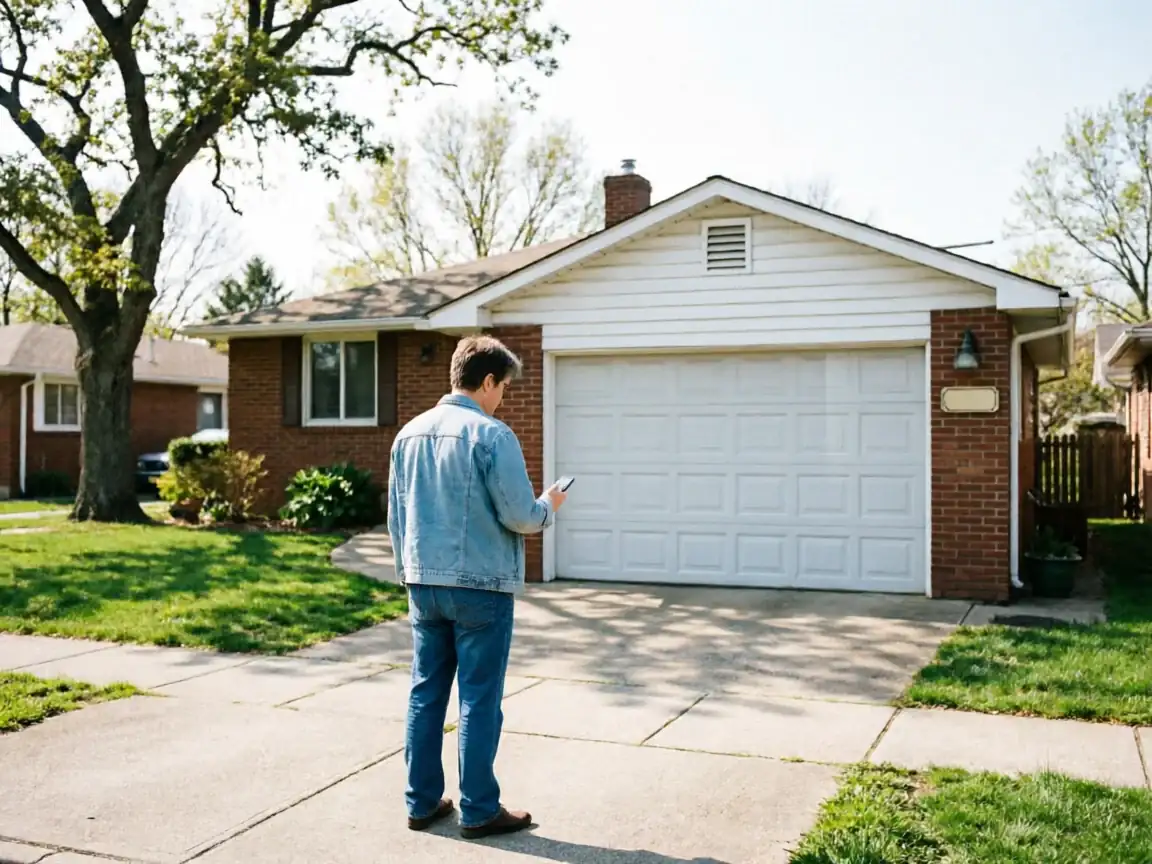
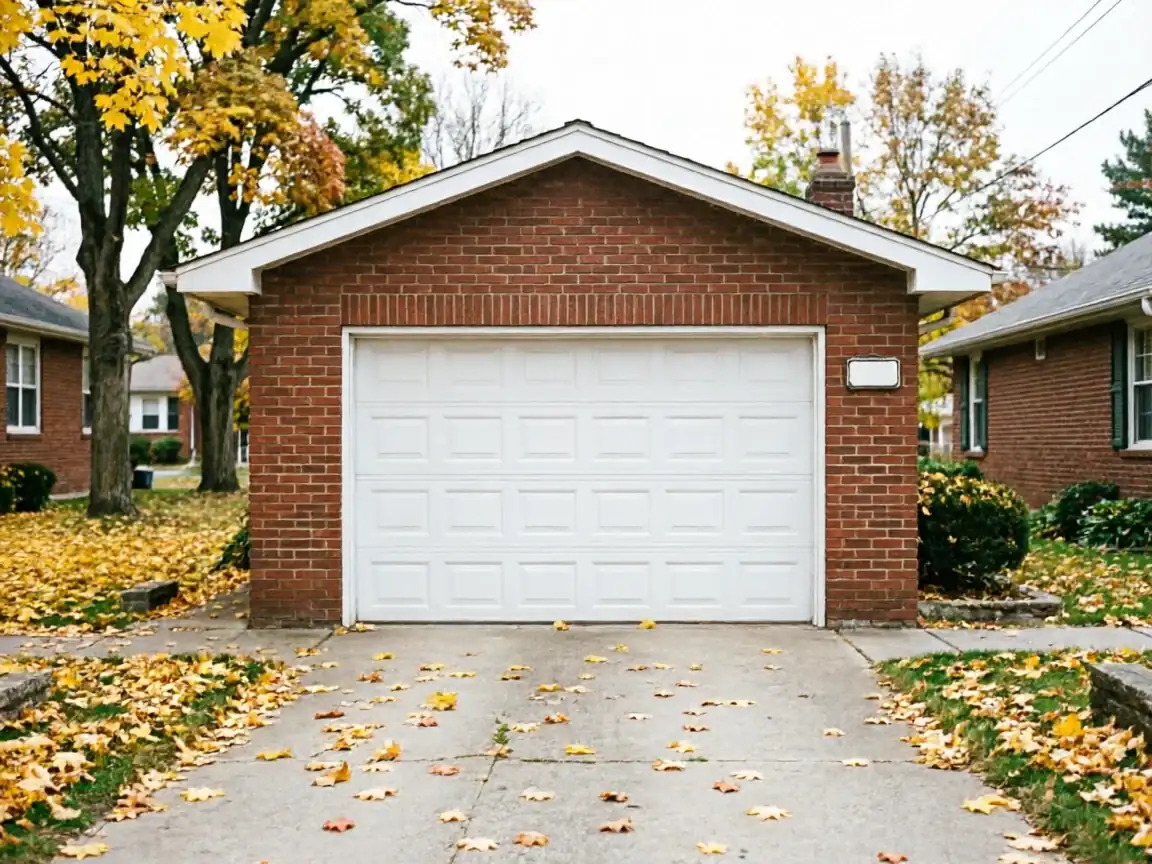
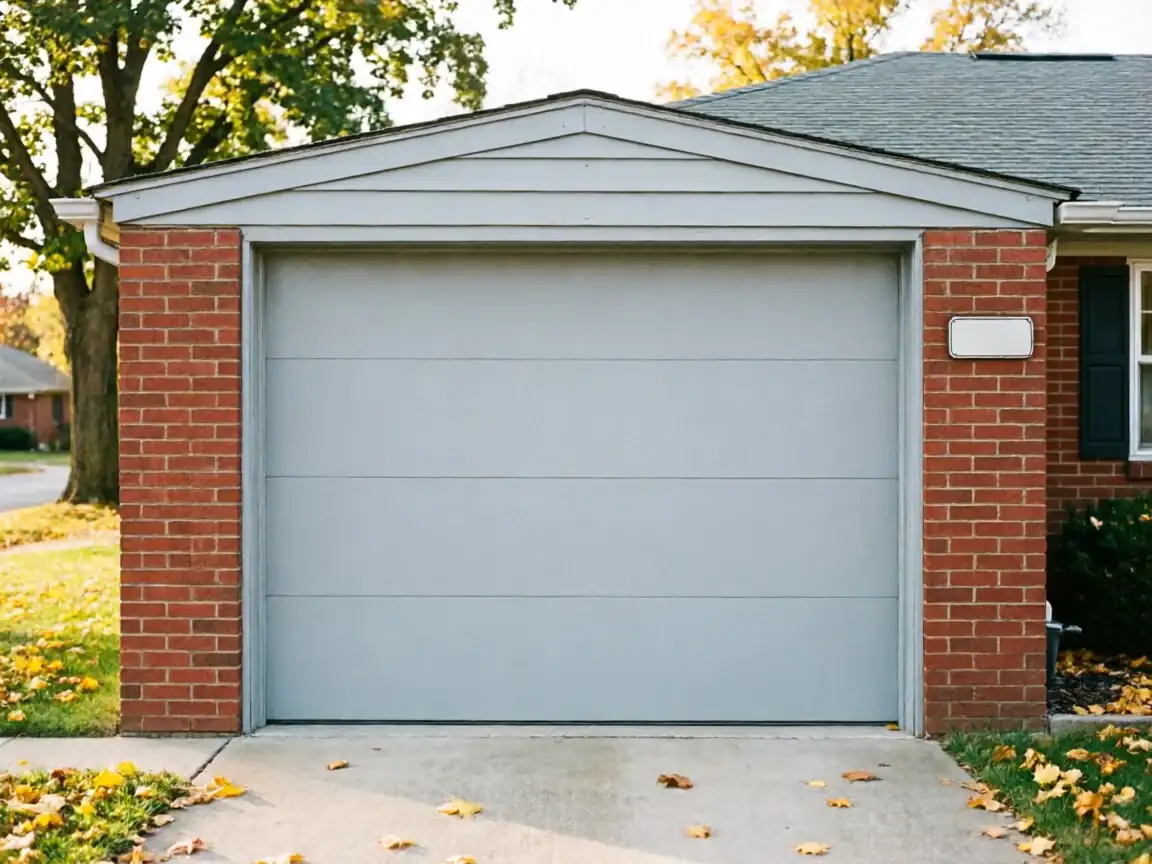
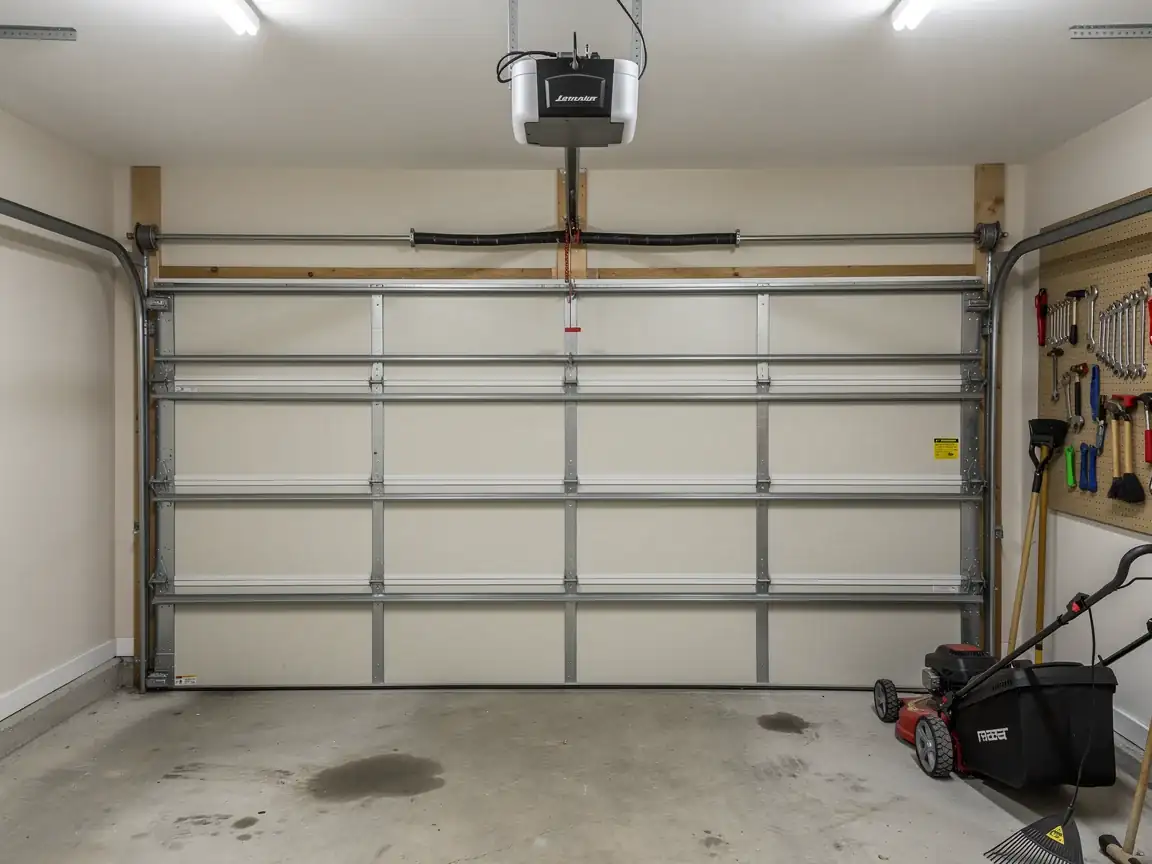
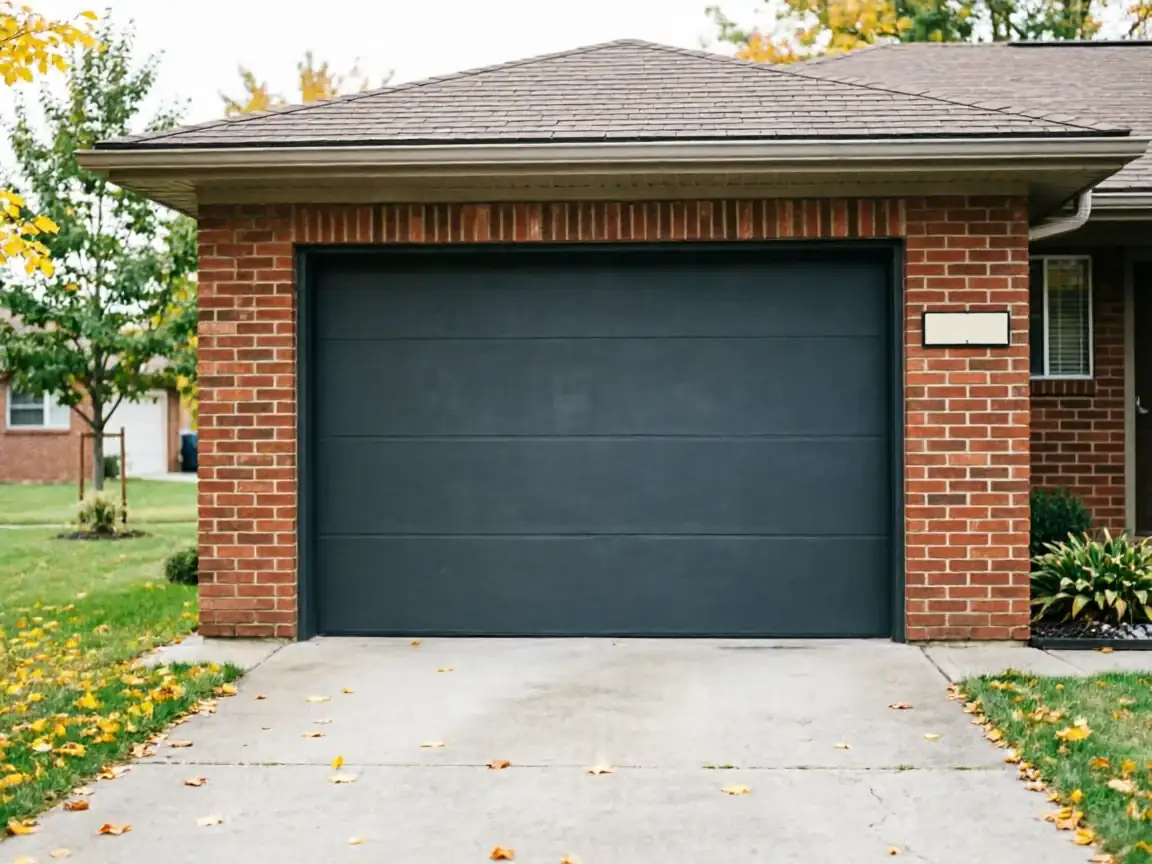
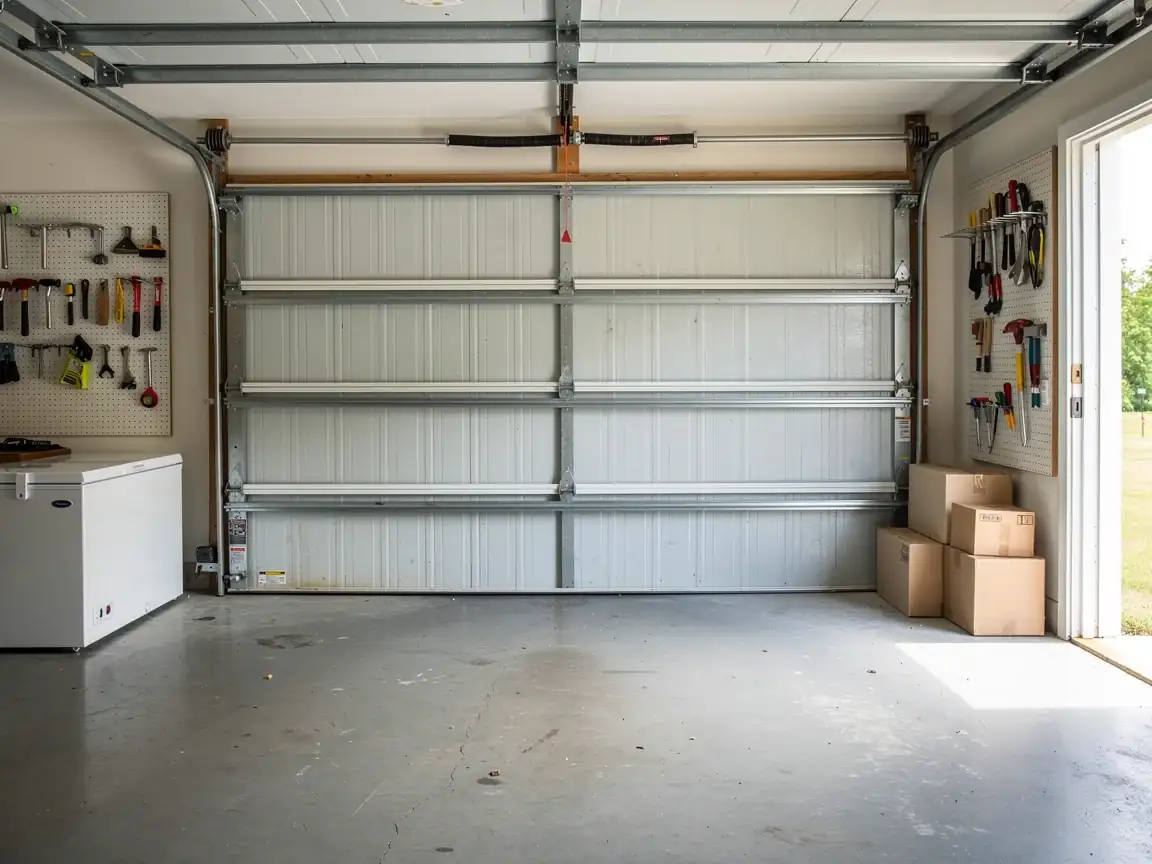
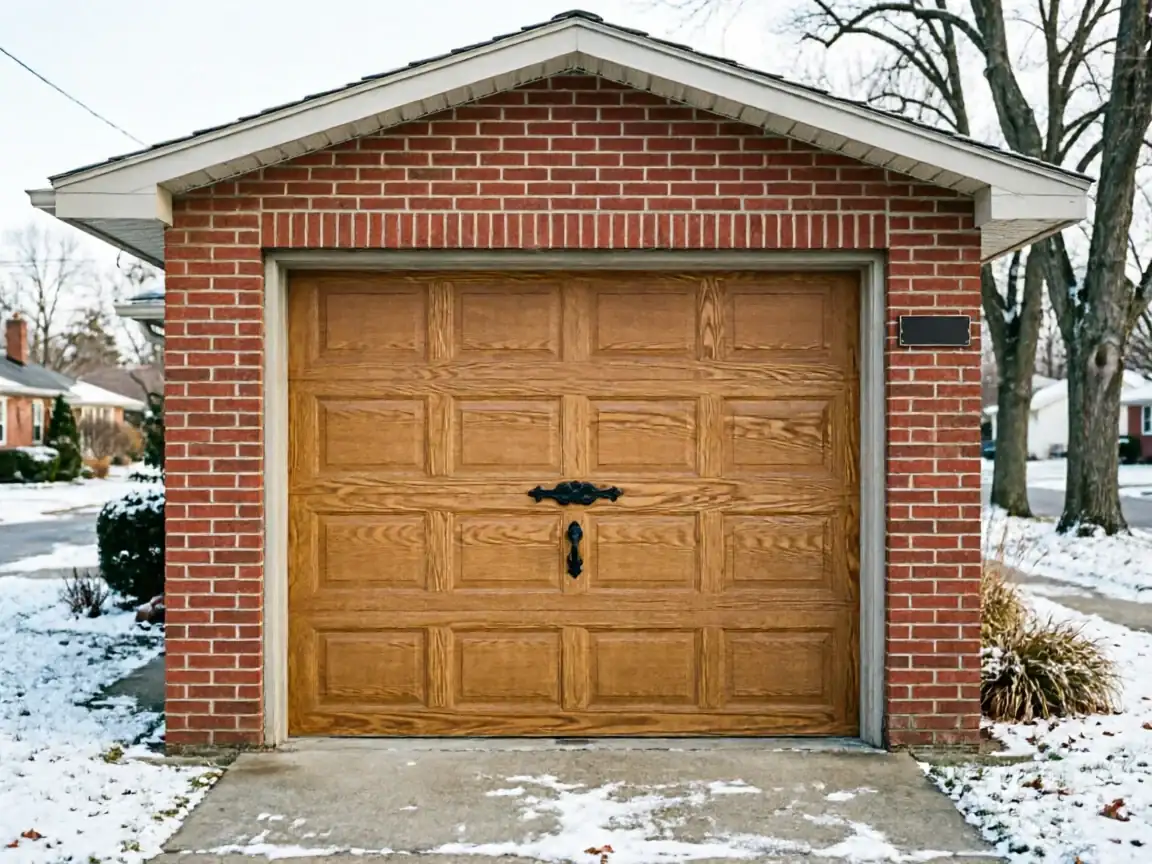
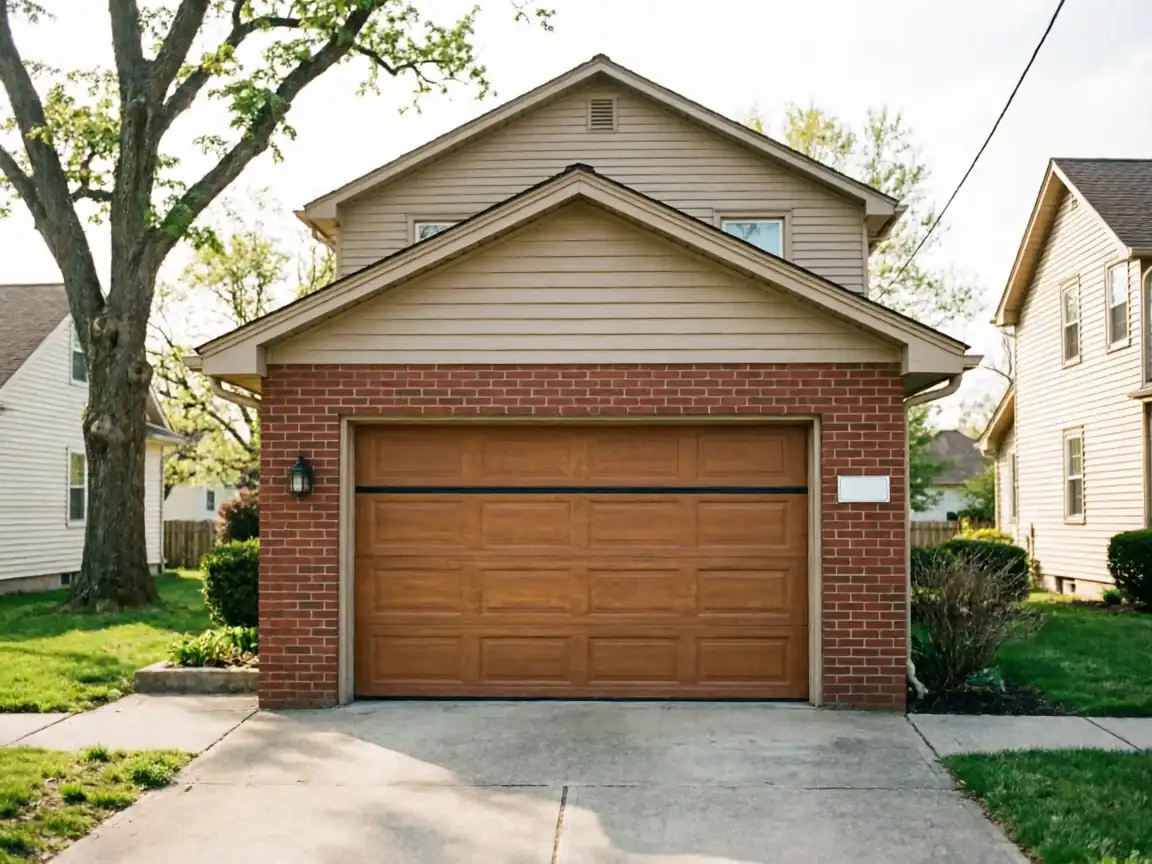
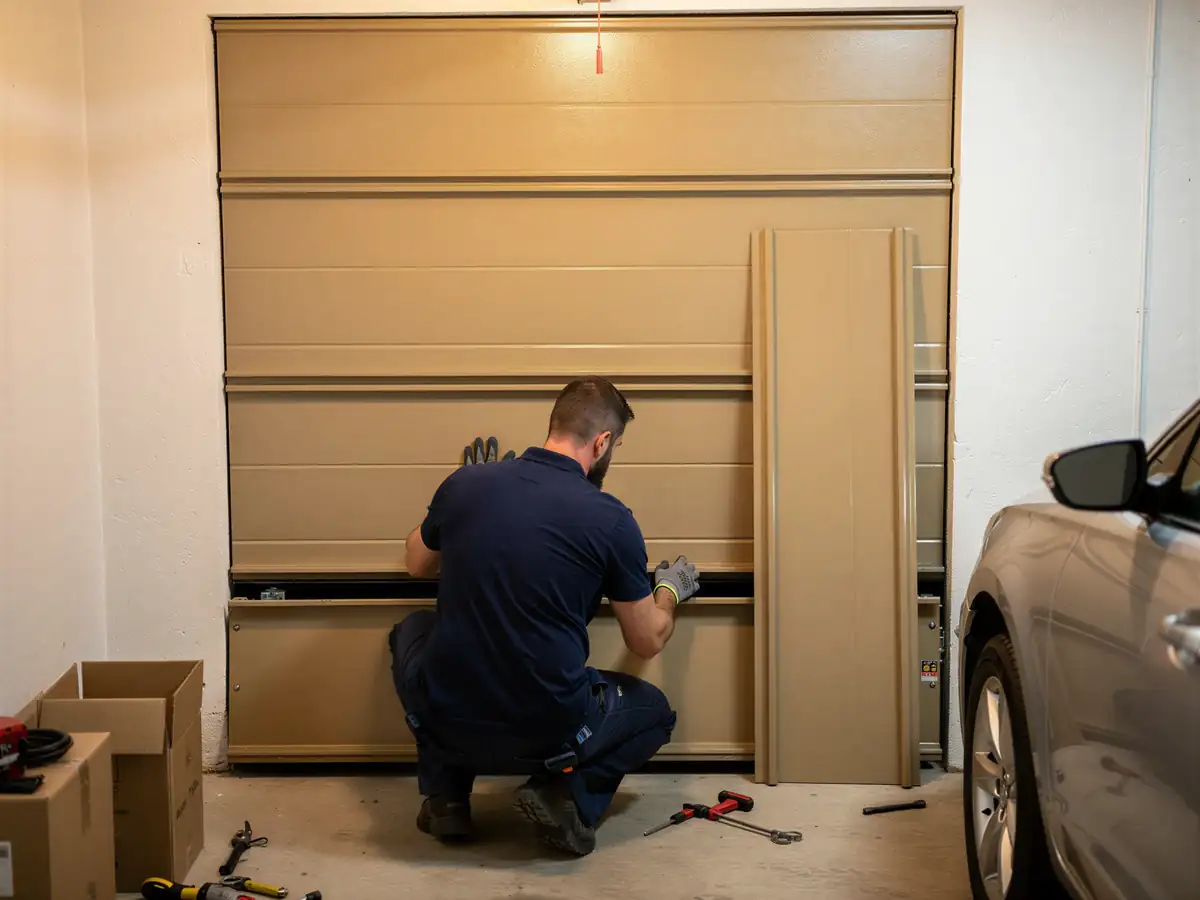
With a median build year around 2004, this is younger housing stock than a lot of what we cover out of Farmington, and the doors reflect that: factory steel sandwich panels with a foam core, usually still under the original track and hardware. What fails first is the foam bond at the seams, or a single panel that's been bent in from a car bumper or a wind-thrown branch, and the bow telegraphs down the whole section because the core doesn't flex back like an older solid-steel panel would. You also see hairline cracks at the hinge stile on doors that have had the same opener cycling them for two decades without a spring check. It's less "this door is worn out" and more "one panel got hit and the rest of the door is fine," which is actually the easier job - if we can still match the panel.
Because these homes were mostly built in the same stretch of years
A lot of the original doors came from a narrow set of manufacturers and profiles. That cuts both ways: matching is more likely to work here than on a block of mixed-era houses, but when a model's been discontinued, the whole run can be hard to source at once.
Booking a Visit
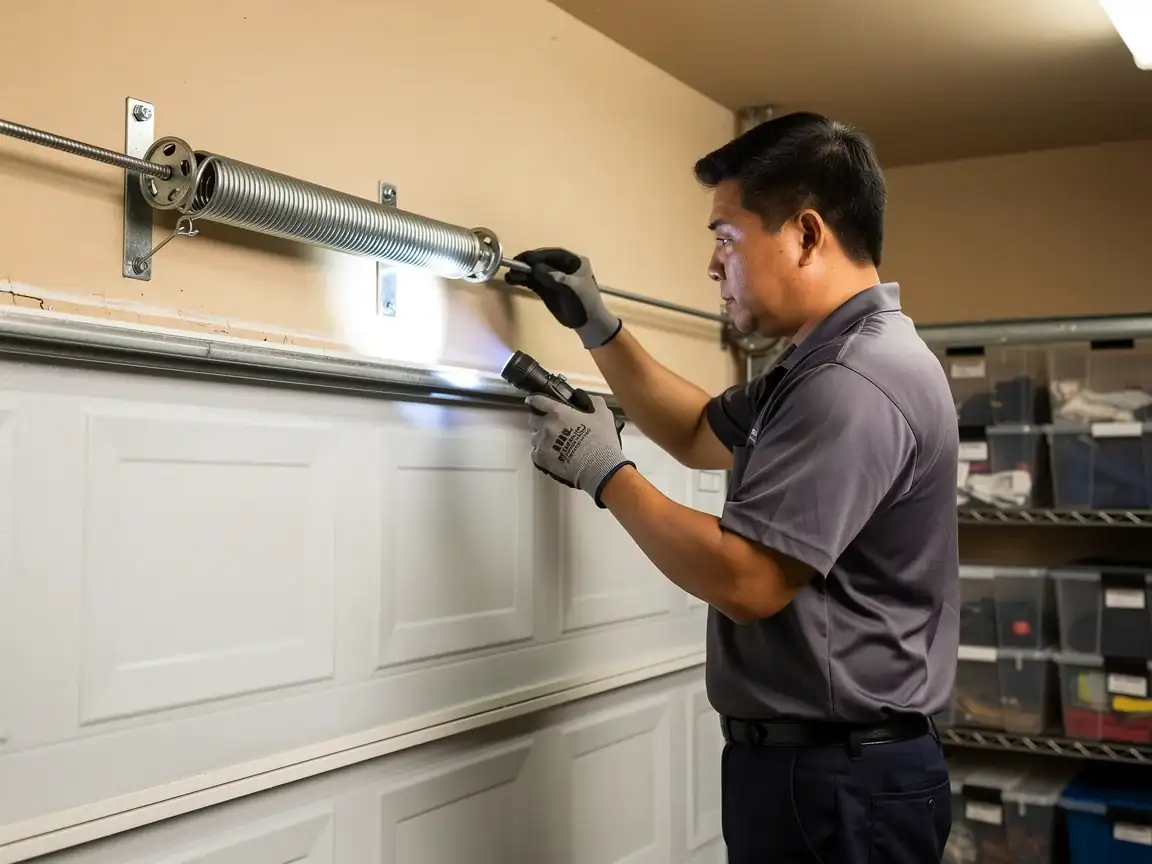
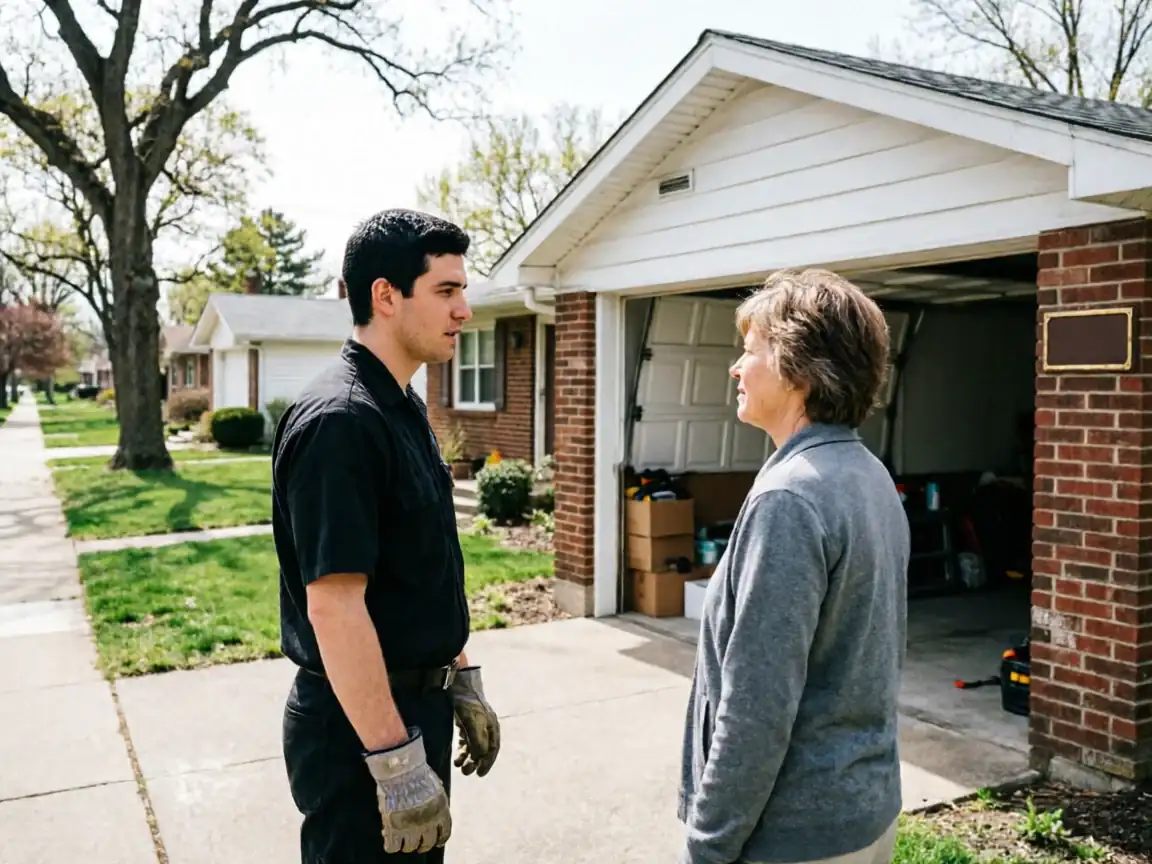
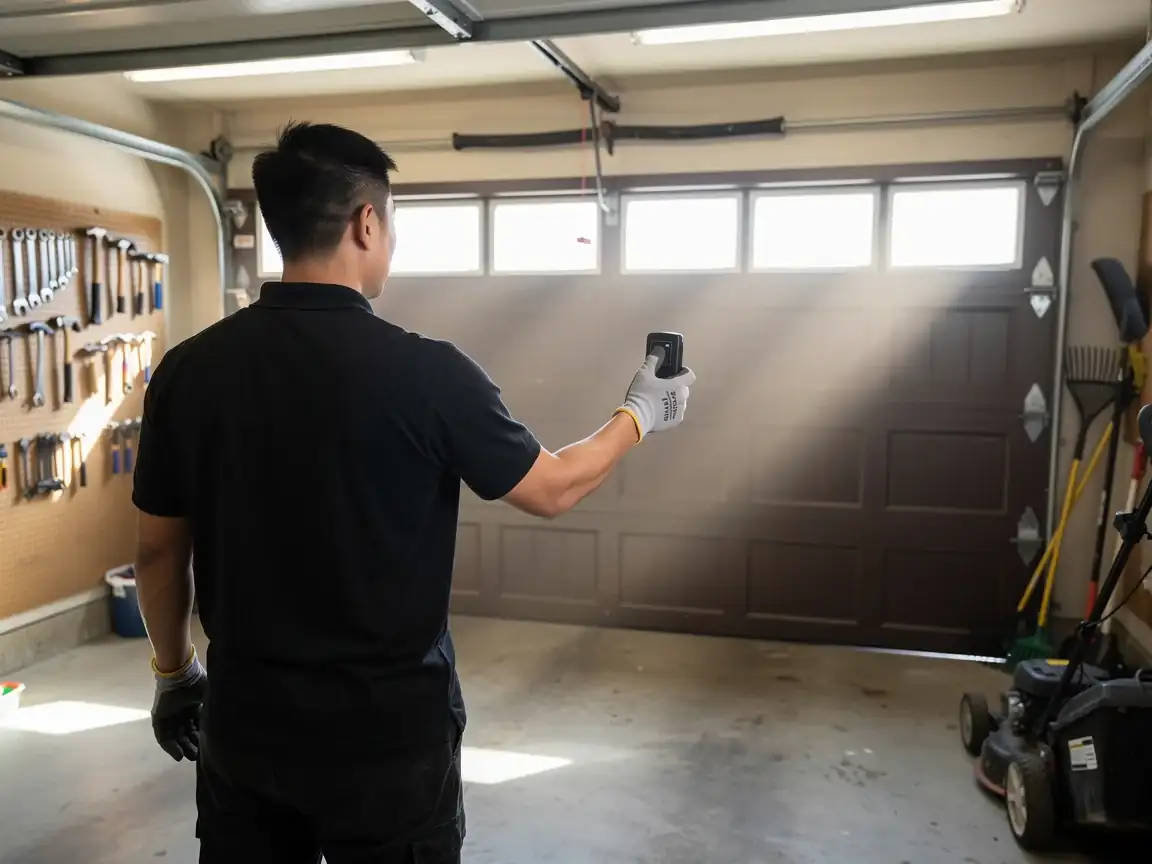
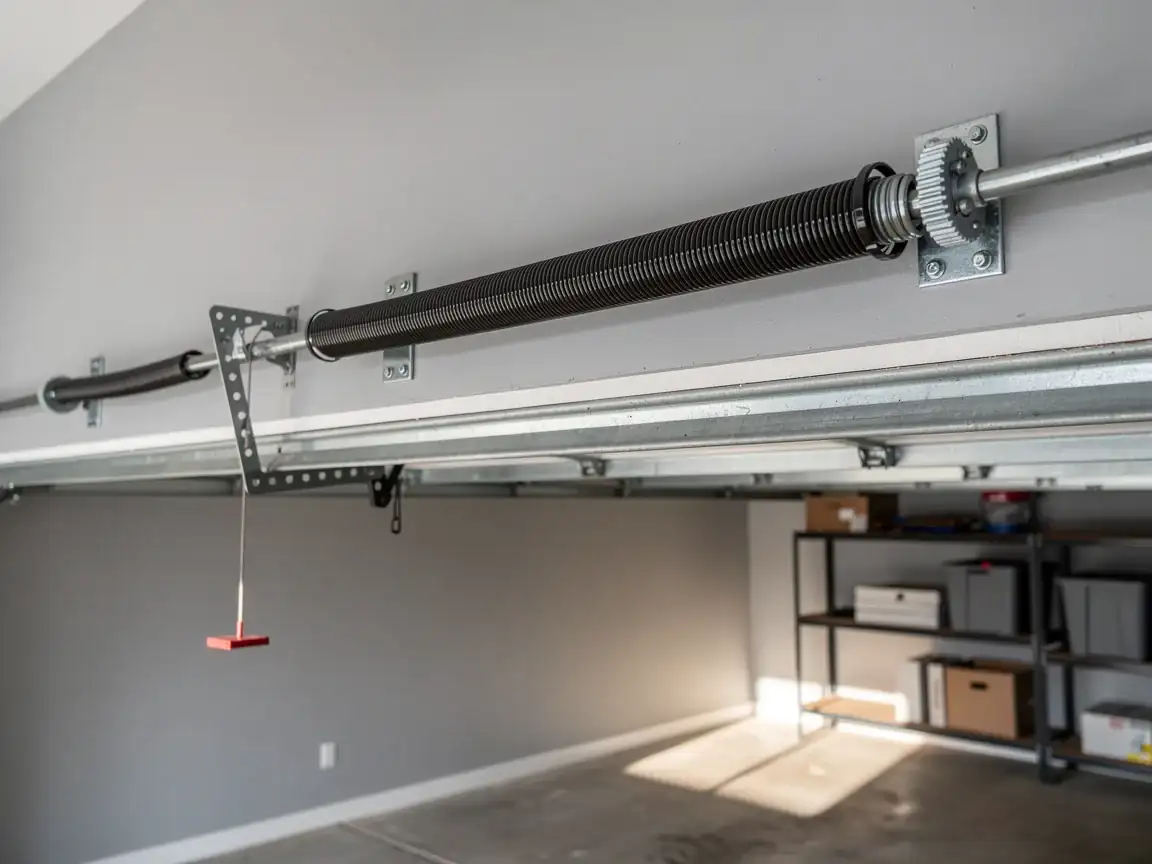
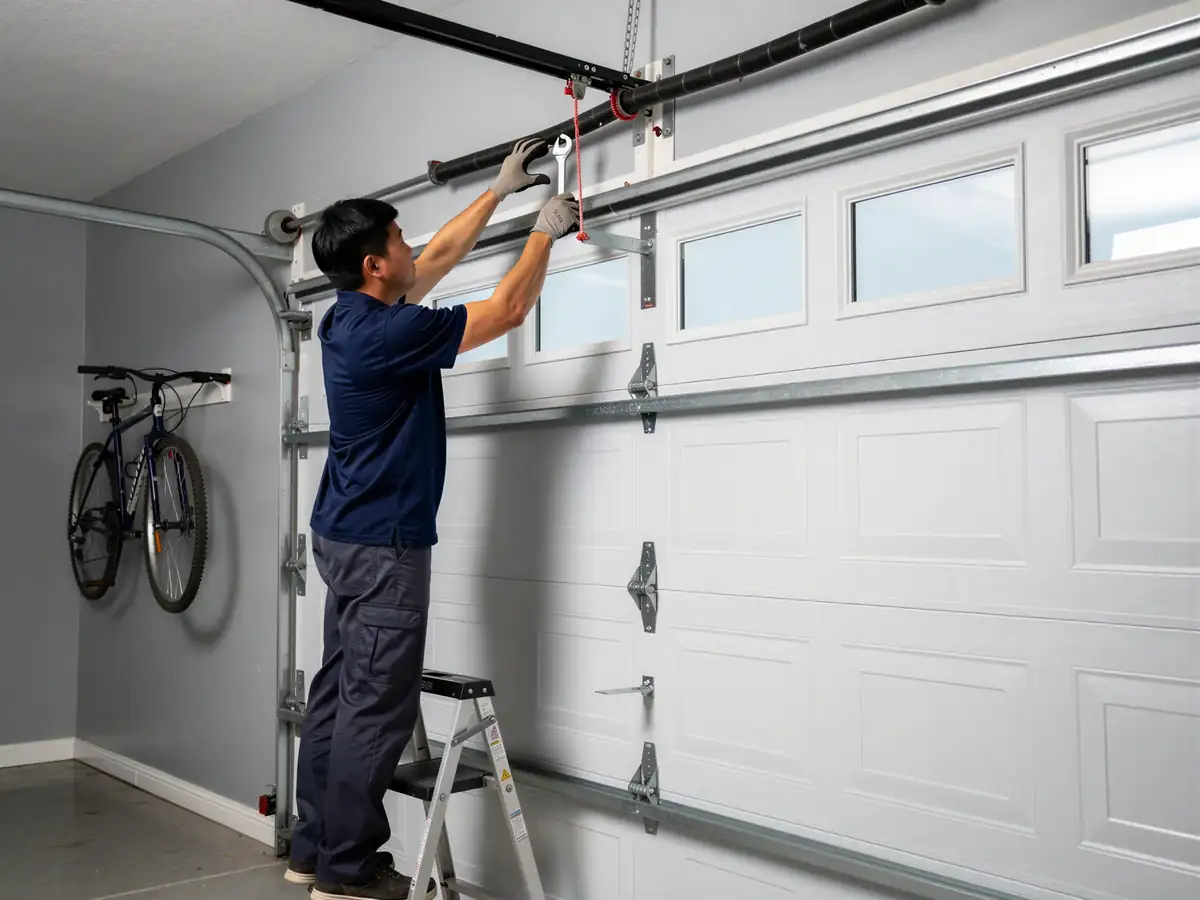
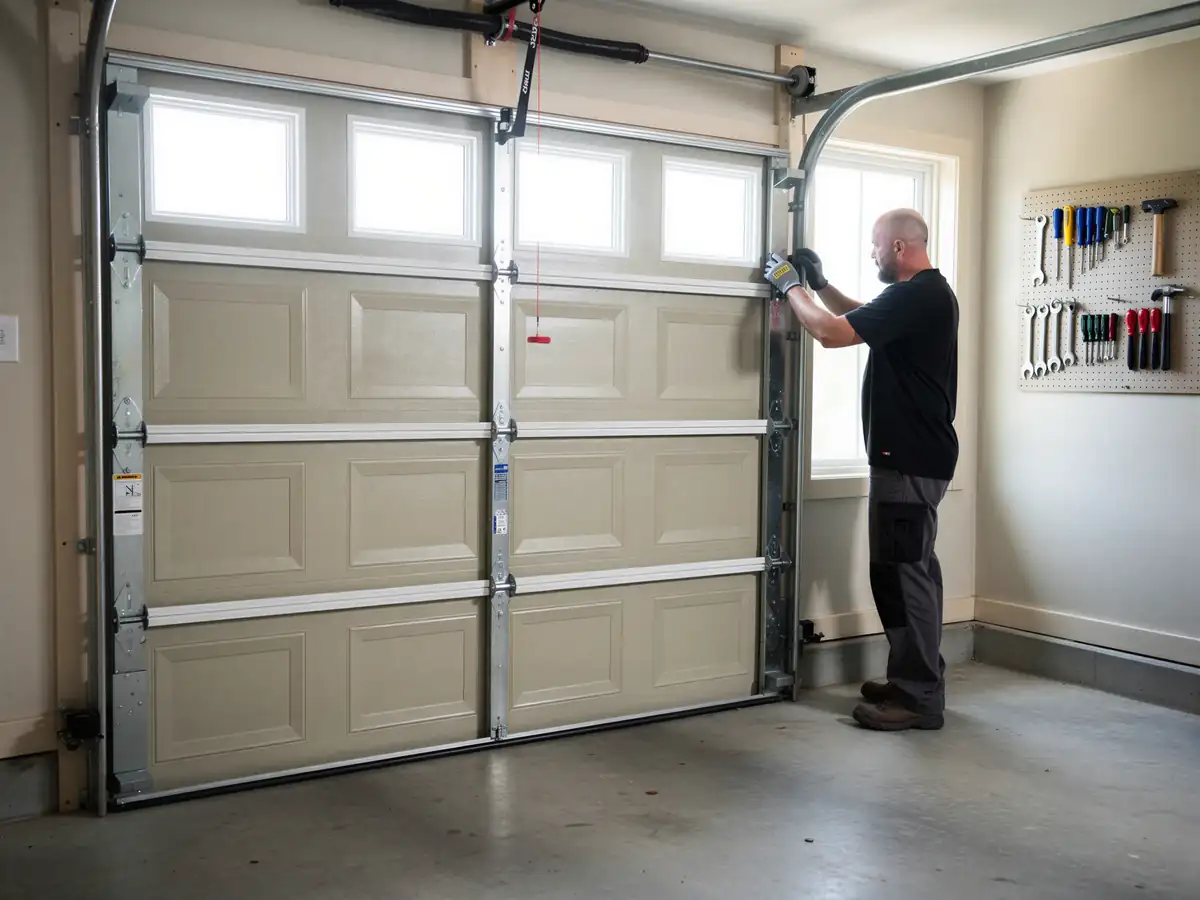
We run this job out of Farmington, about 10 miles up the road, so there's no local branch or drop-in counter in Elko New Market - we schedule the visit, bring the panel stock and tools on the truck, and do the match-and-measure on site. The first trip is almost always for measuring: panel height, section count, hinge spacing, and checking whether the track and opener can handle the replacement panel without rebalancing the springs. On a 2004-era door that's never had major work, that's usually a short visit. If the door's been modified - a retrofit opener, added insulation, aftermarket windows - it takes longer because we're confirming the panel will actually fit what's already there instead of what the original spec sheet says.
We don't keep an inventory sitting in Elko New Market, so a second visit to install is normal once the panel's sourced. We'll tell you at the measure visit roughly what we're ordering and why, not just hand you a number.
The Cost of This Job
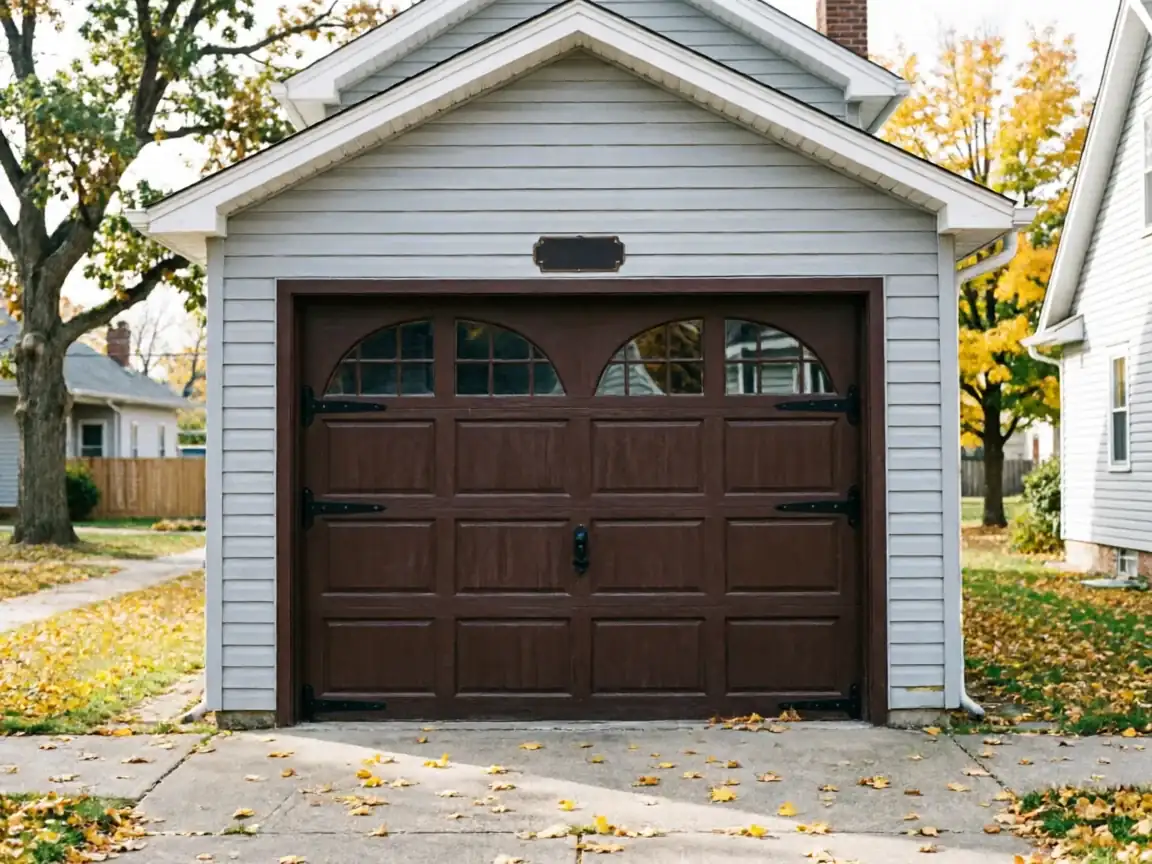
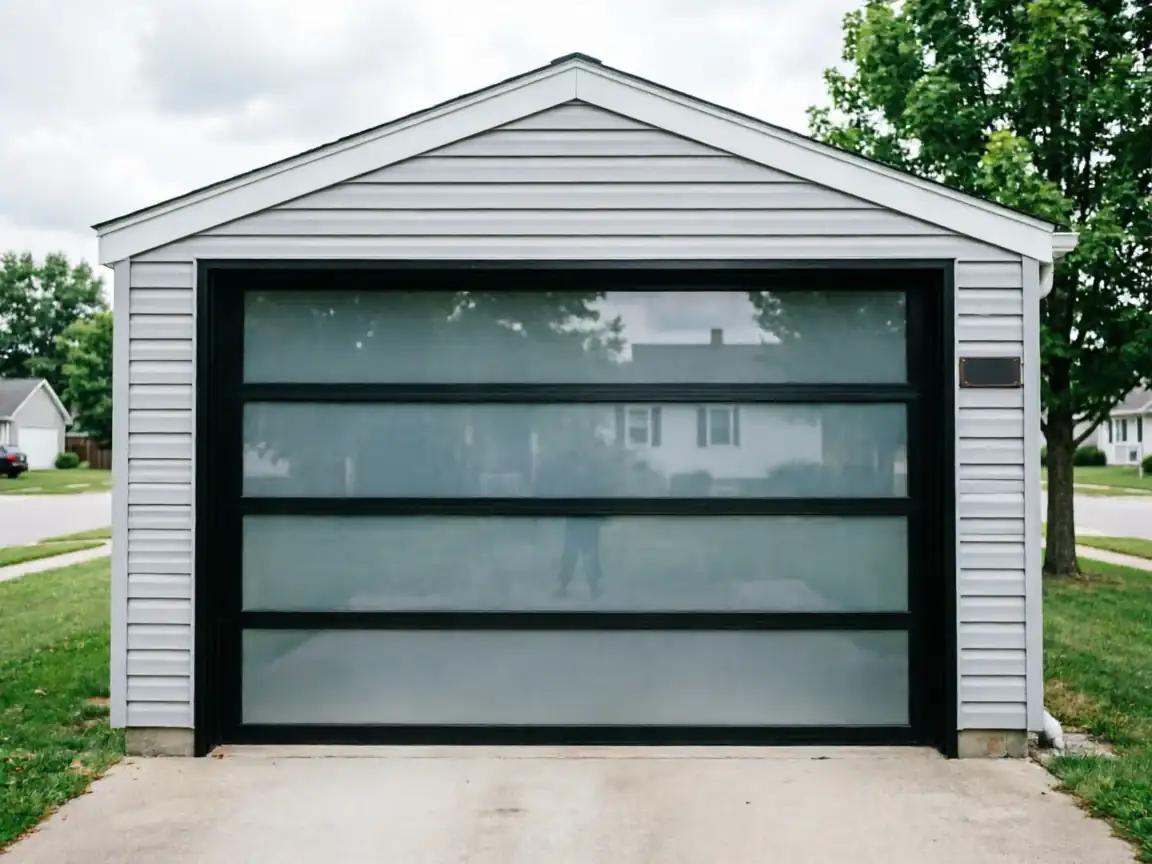
We don't have a flat rate to quote here - panel pricing depends on the manufacturer, the finish, and whether the section has a window, and we don't have a published price list in the facts we work from for this page. What we can tell you is what drives the number up or down: a single flat steel panel is the cheapest fix; a full matched run across multiple sections costs more because you're buying more material and more labor time; and panels with windows or custom color runs take longer to source and cost more than plain steel. If your door is a common builder-grade model from the early 2000s, matching tends to go faster and cheaper than on an older or less common door, simply because more of that stock still exists.
The Complications
The real complication on 2004-vintage doors isn't the door, it's the match
Manufacturers change panel profiles and discontinue colors over the years, so even a door that's only two decades old can have a section that's no longer made in the exact finish or ridge pattern. When that happens, you've got two honest options: replace just the one panel and accept a slight color or texture difference, or replace the whole door so everything matches. We'll tell you straight which one makes sense rather than push the bigger job - if the mismatch would barely be visible from the street, a single panel is the right call.
Cold-climate swings matter here too
This area sits in a moderate-cold climate band, and foam-core panels that have been through repeated freeze-thaw cycles can have moisture trapped inside the core from a small crack you can't see from outside. If we open up a damaged panel and find the foam's gone soft or waterlogged, that's a sign the rest of the door's panels may follow in a year or two, and we'll say so rather than just patch the one that's visibly broken.
Parts We Carry
We carry the common steel panel stock and fasteners needed for a single-section swap on the truck, along with standard hinge and roller hardware for 2000s-era doors. What we don't stock is every manufacturer's exact color and texture run - those get special-ordered once we've confirmed the match at the measure visit. We also don't carry wood or composite panels as stock items; those are special order regardless of the house's age. If your opener or track hardware is original to the house and showing wear alongside the panel damage, we'll flag that at the same visit instead of waiting for a second call.