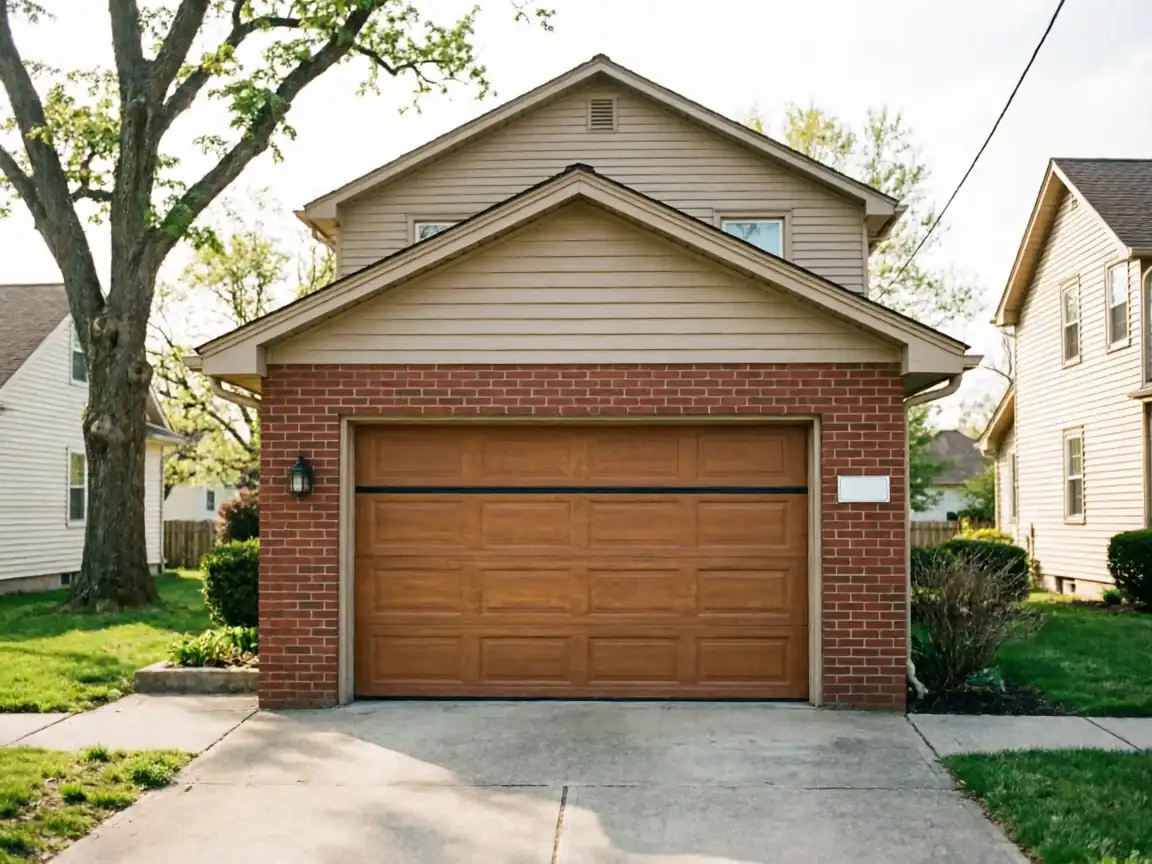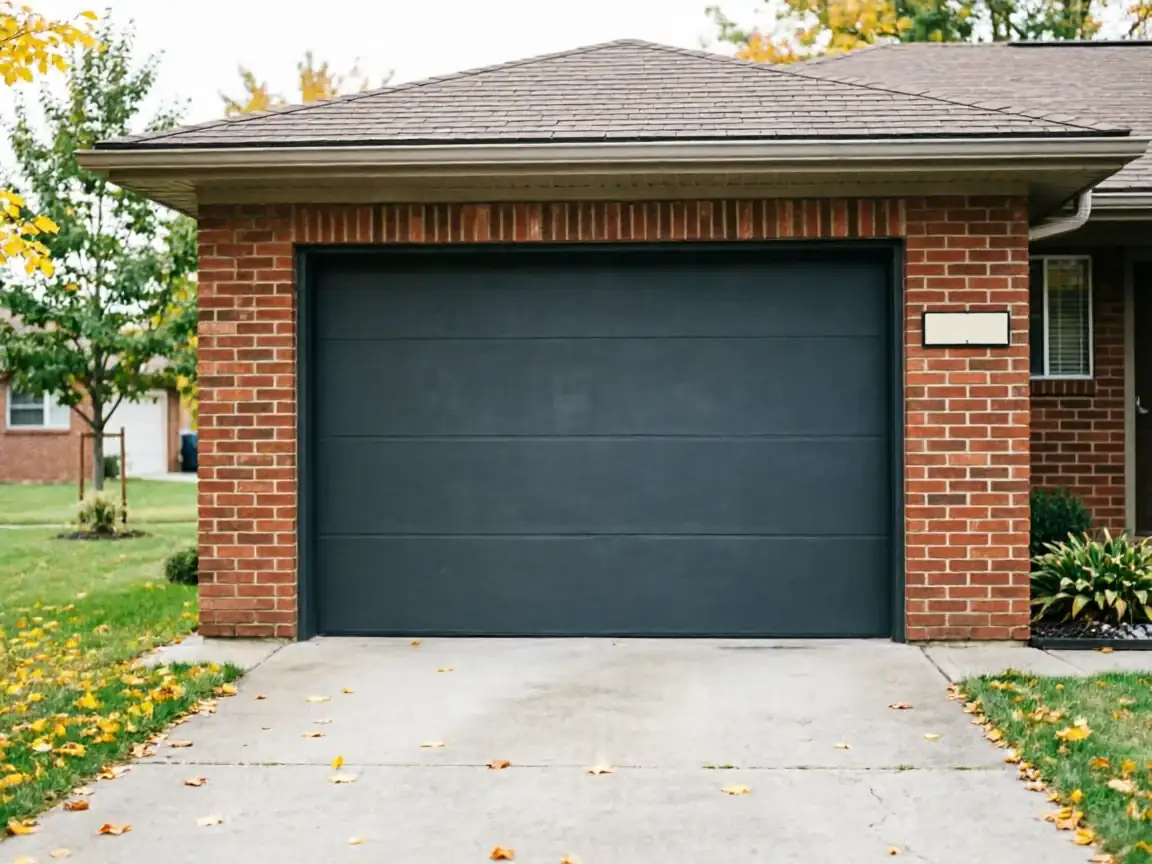
This Area's Housing
Credit River sits about 10 miles out from our shop in Farmington
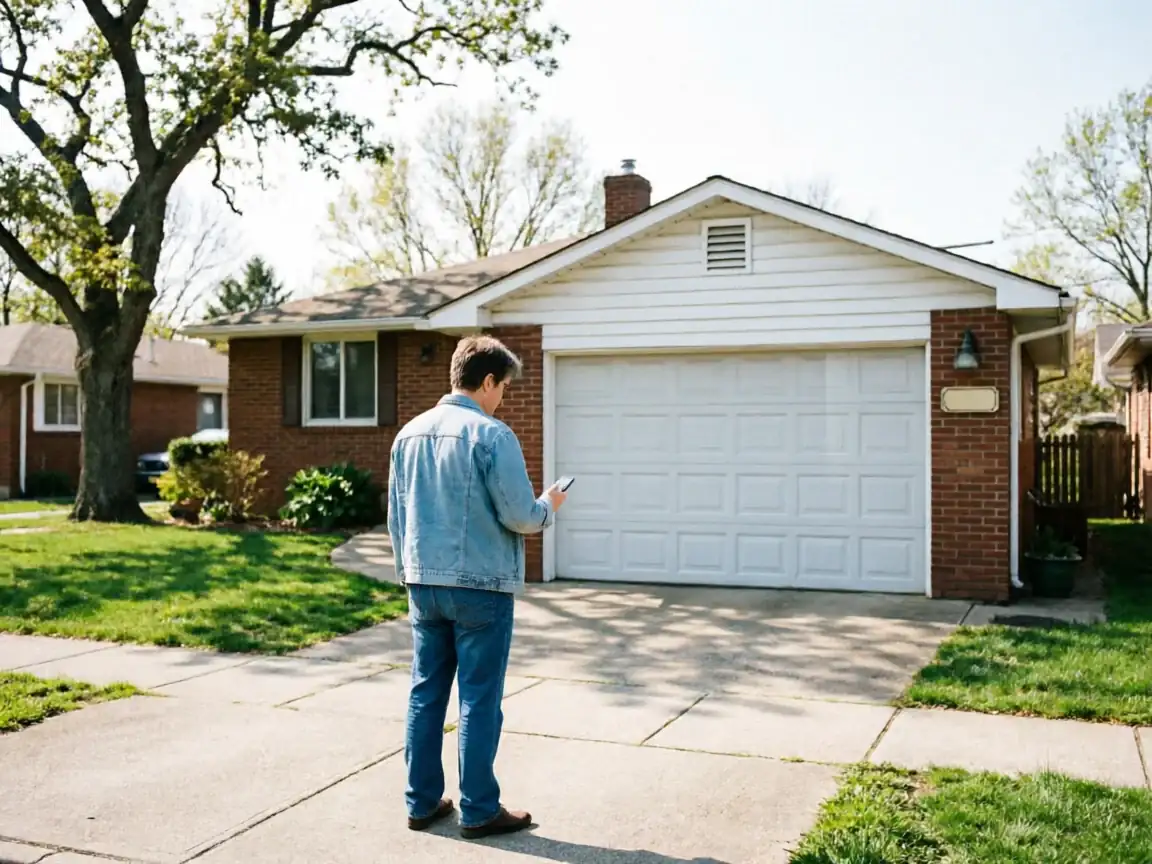
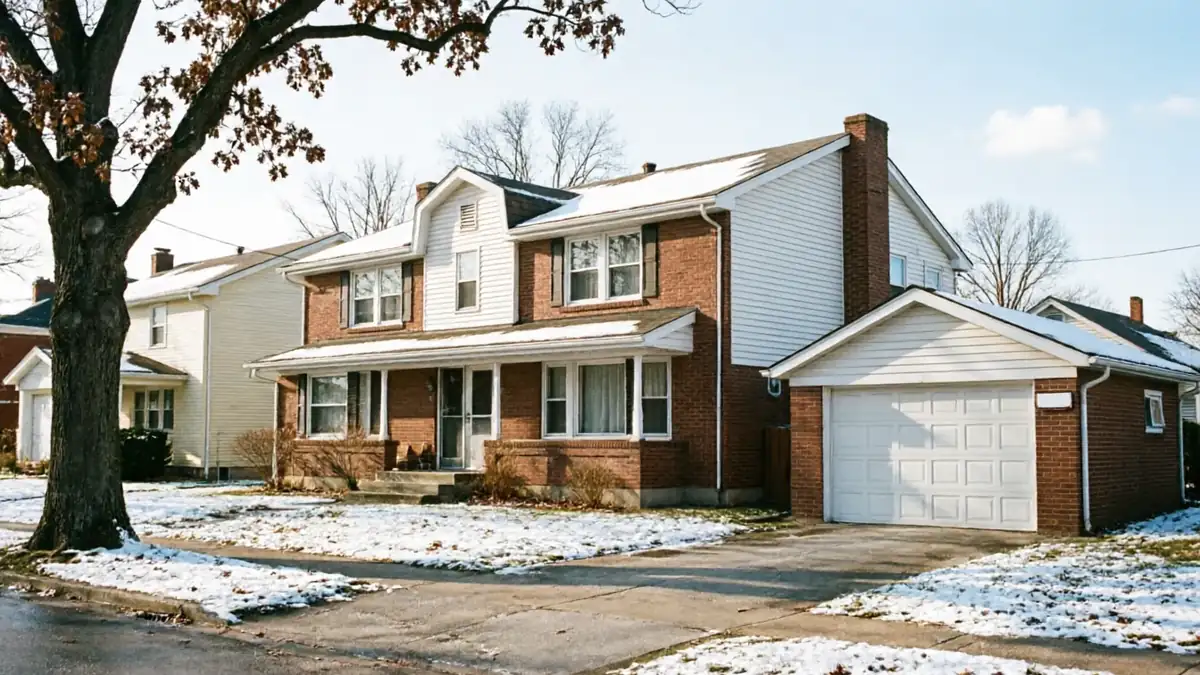
And the housing stock here runs a bit newer than the area median. Across the wider service area, F1 houses were mostly built between 1955 and 2004 with a median year of 1983. Credit River itself lands closer to 1989 - late-80s construction, when builders had already moved past the old heavy one-piece doors and standard galvanized torsion springs were the norm rather than the exception.
- 10 miles
That six-year gap matters more than it sounds
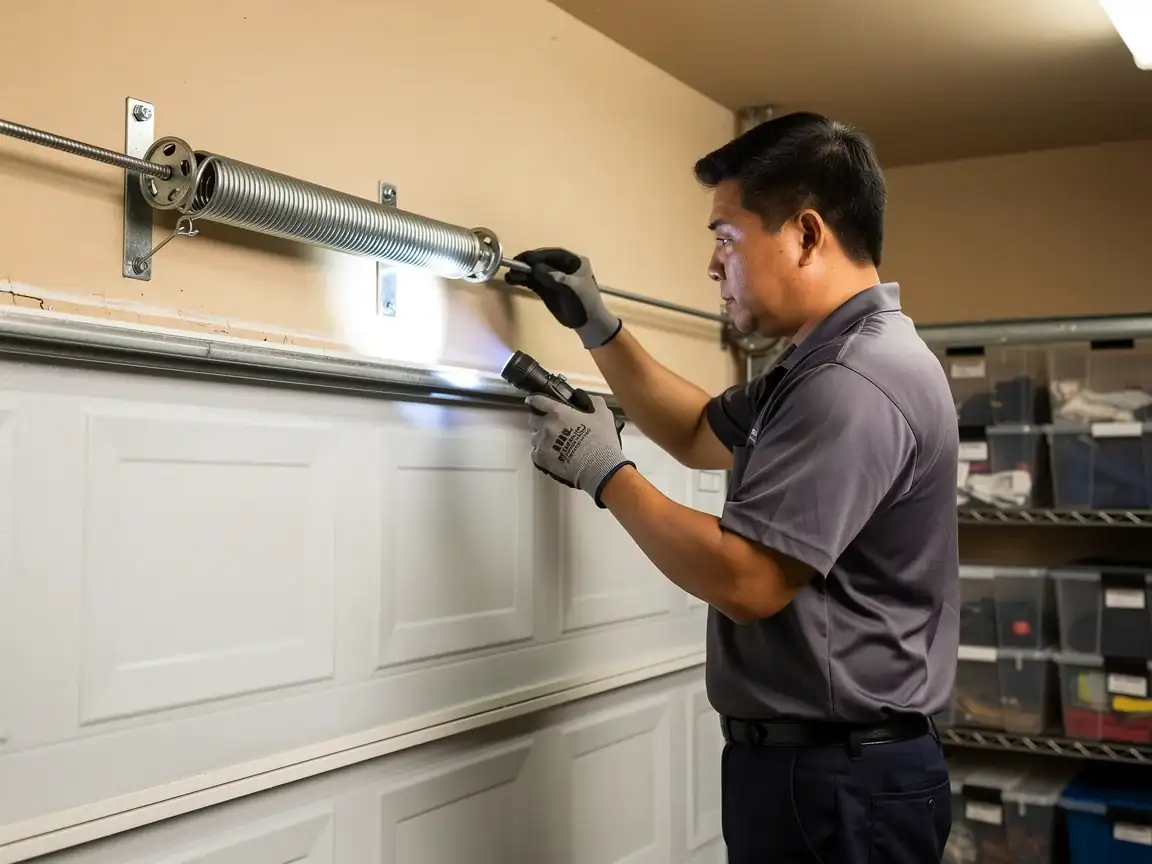
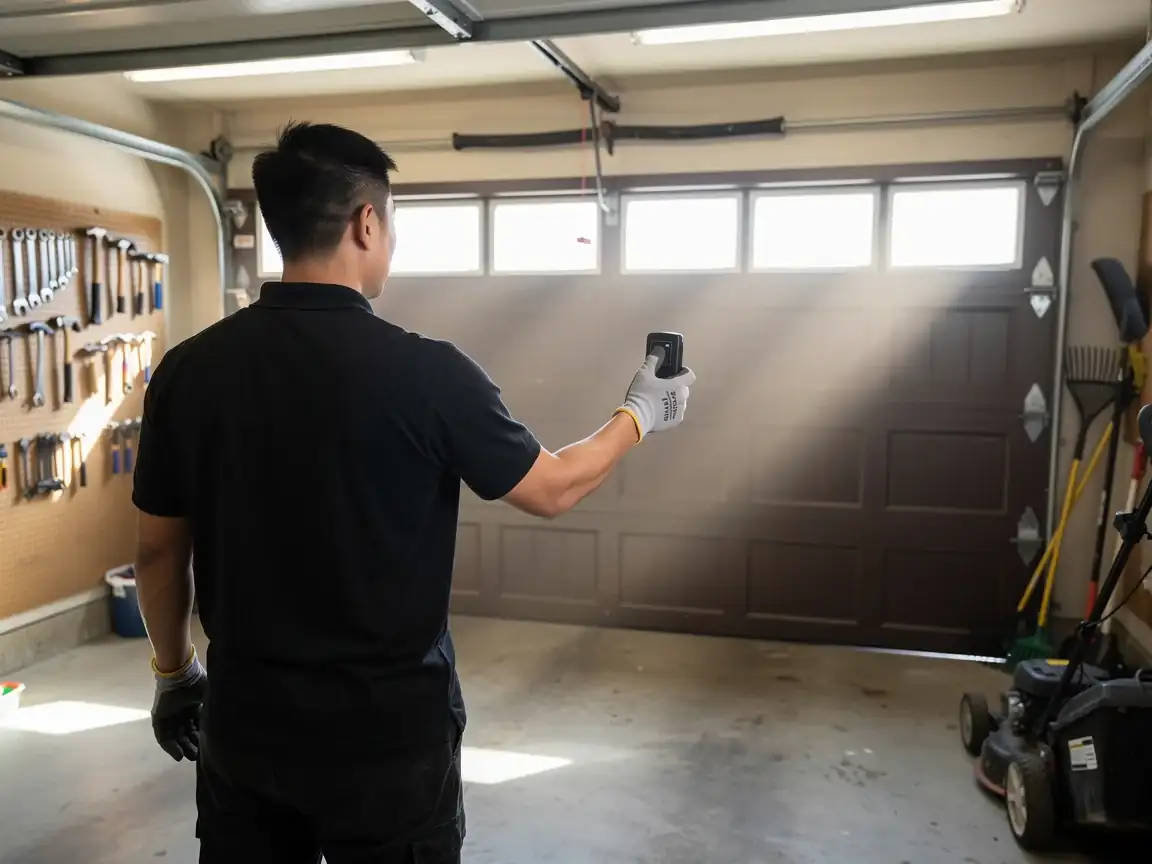
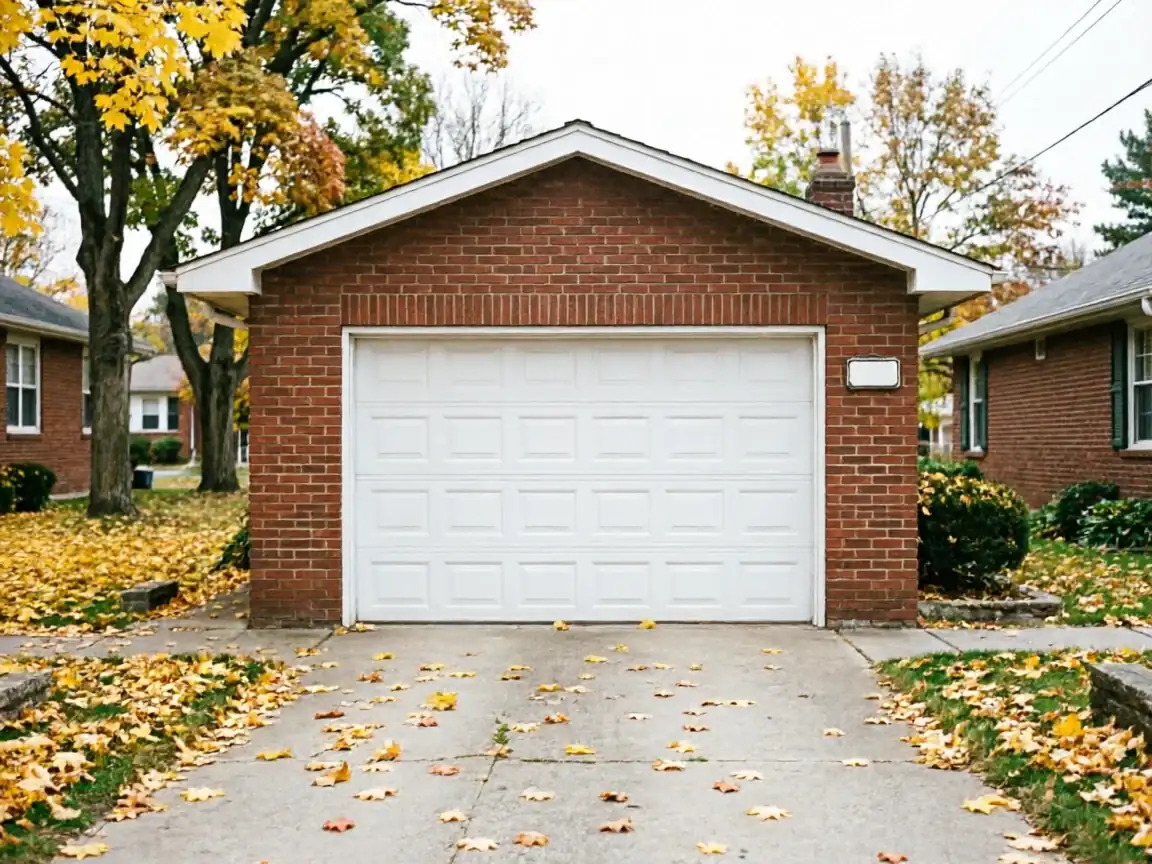
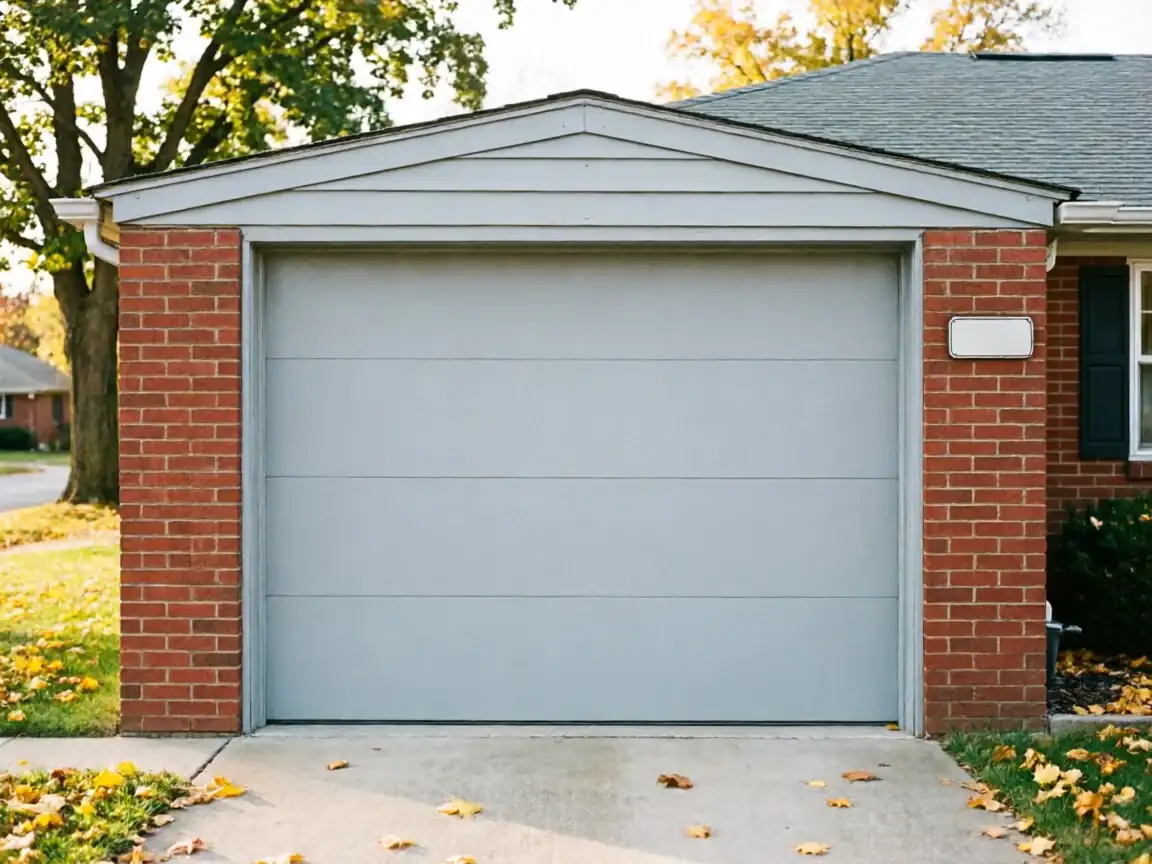
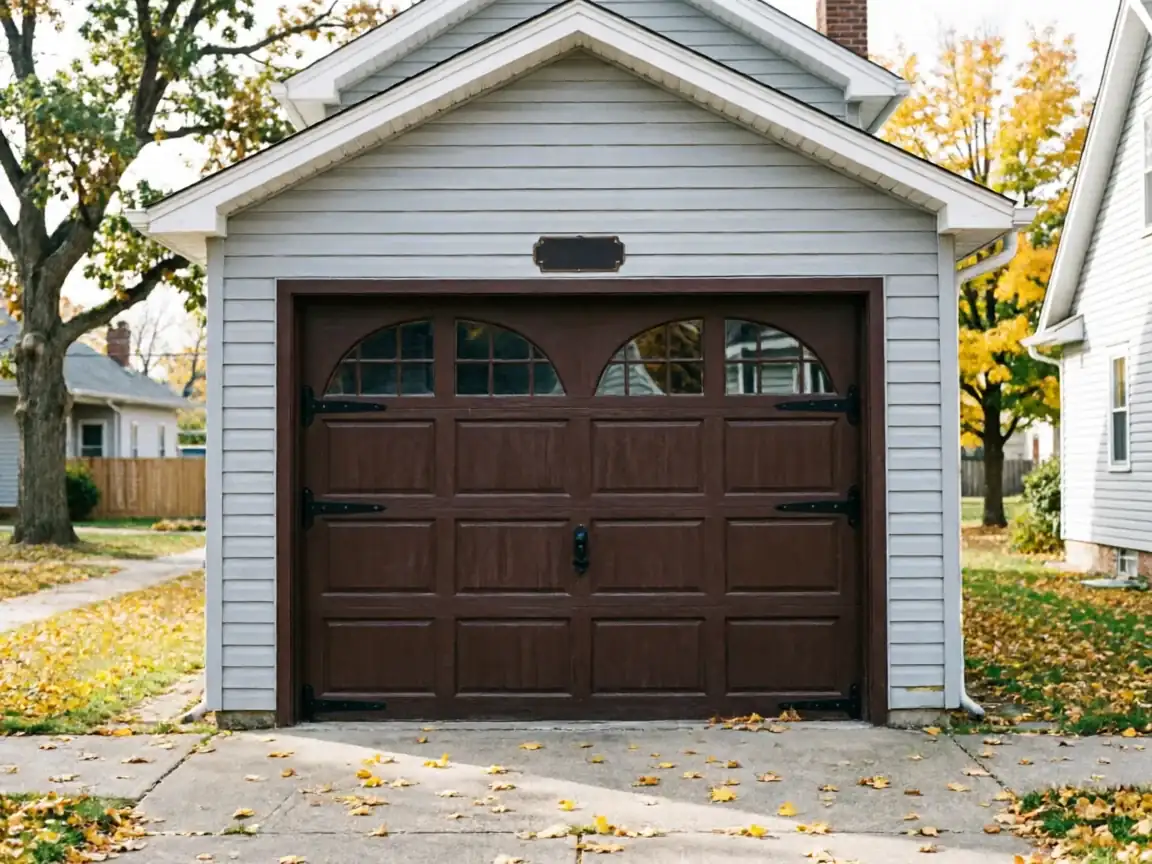
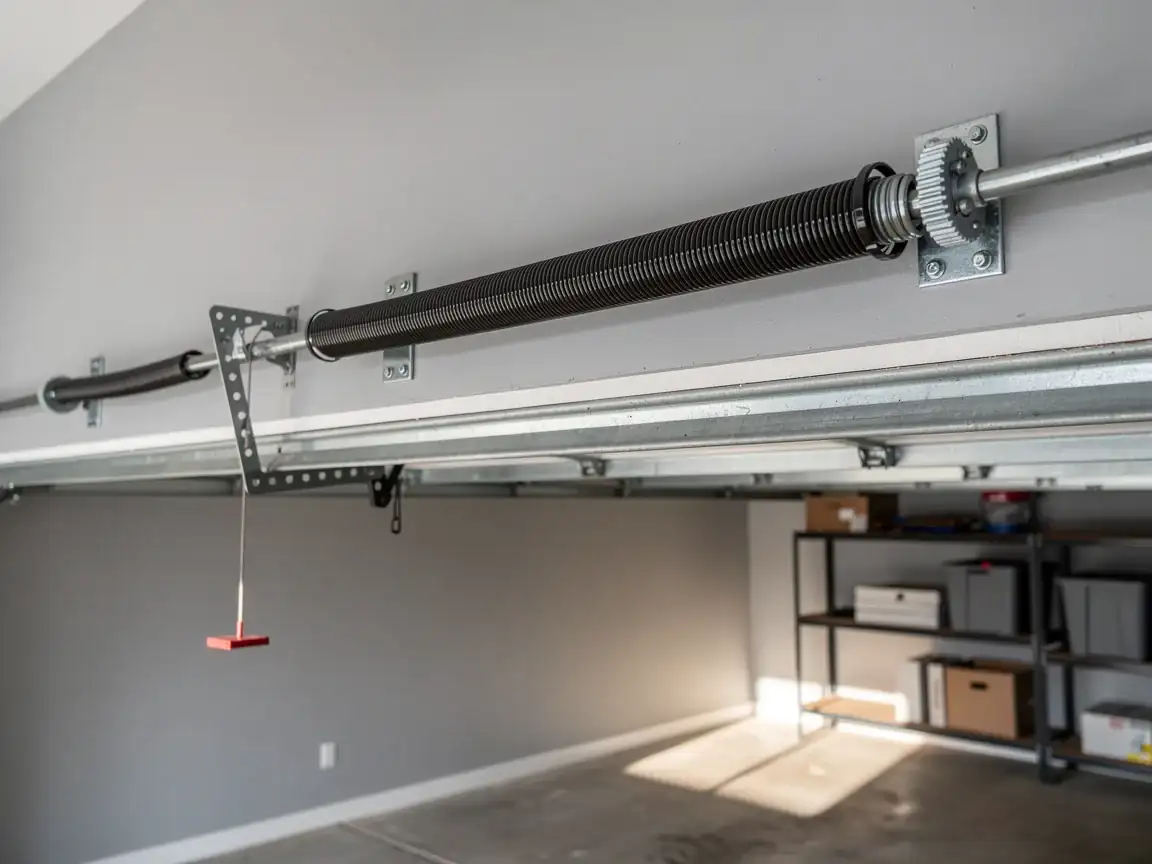
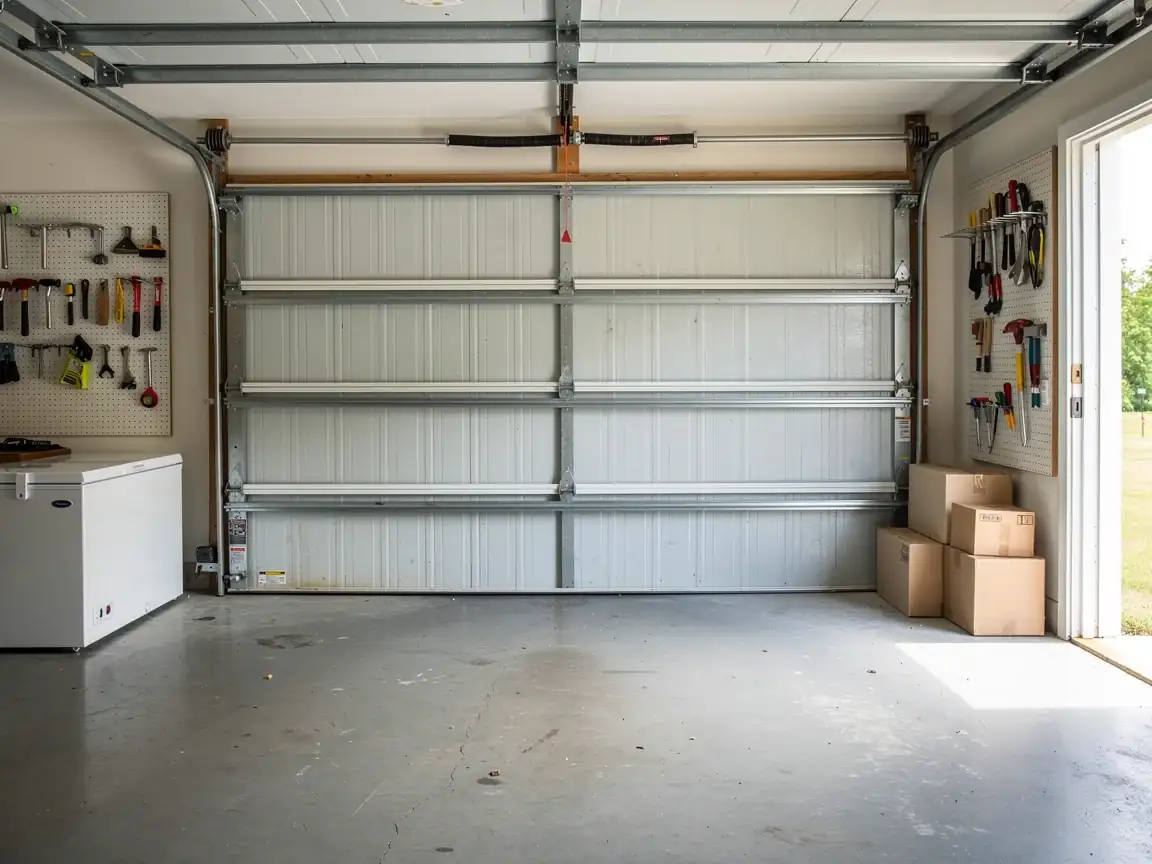
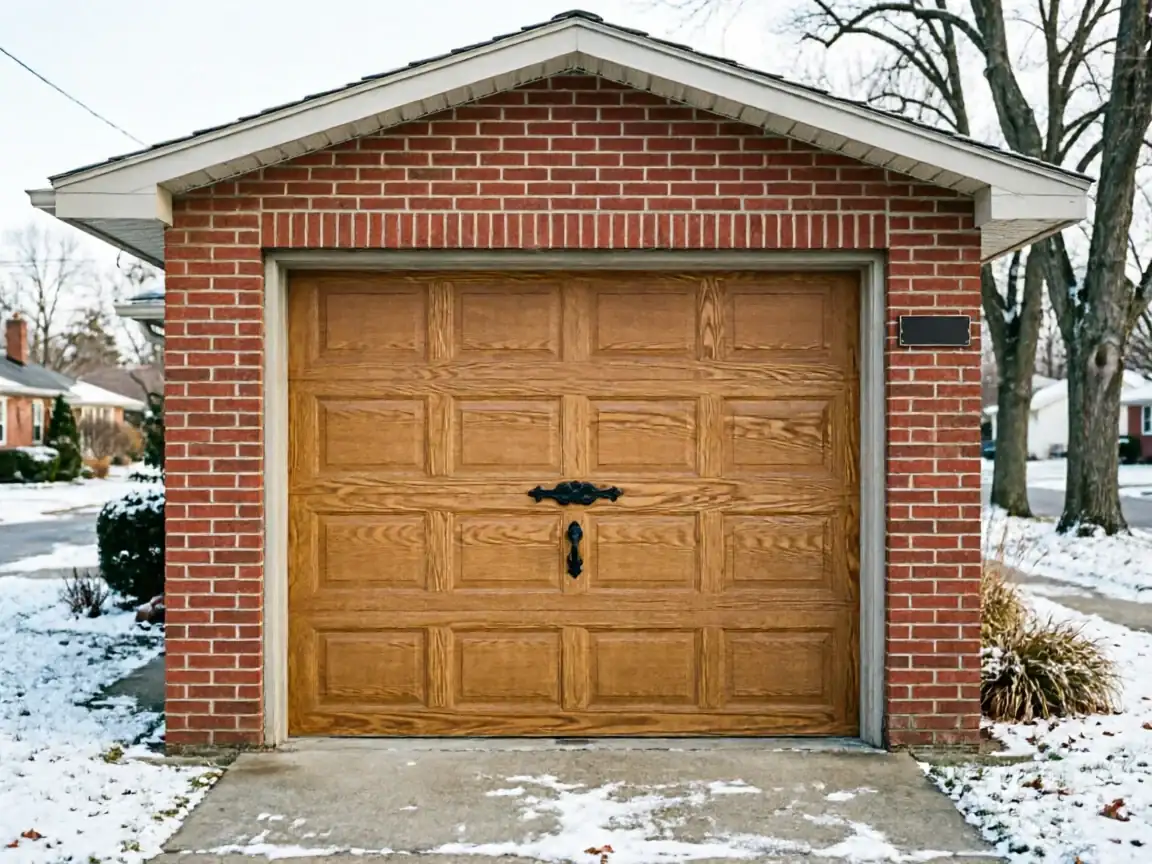
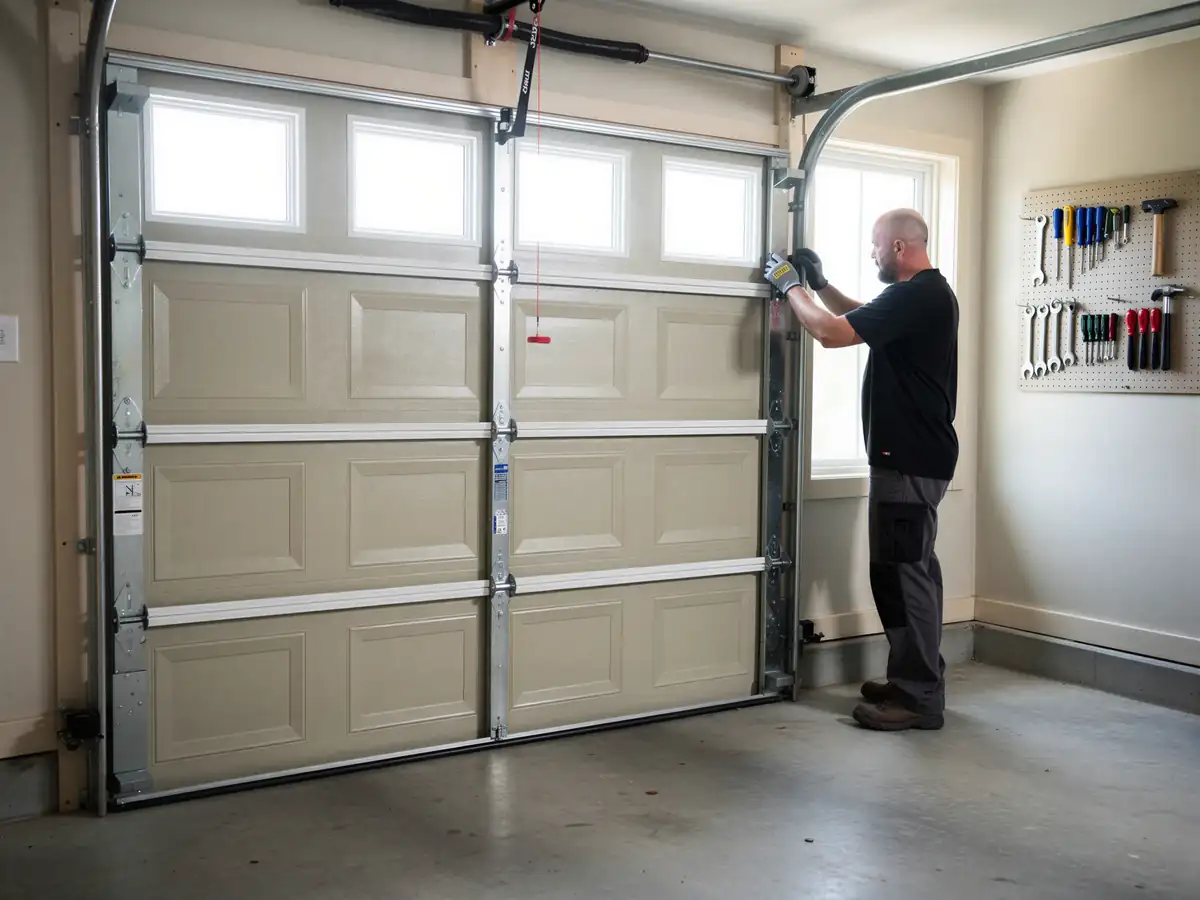
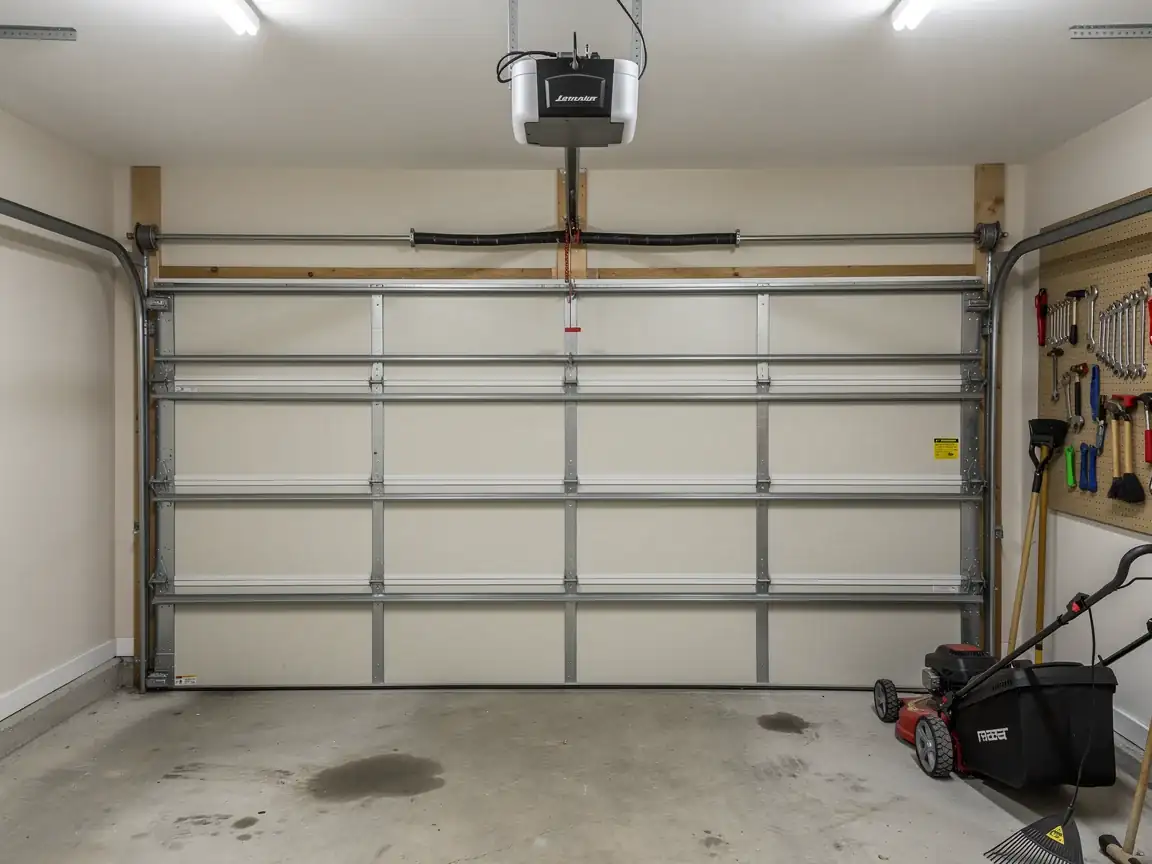
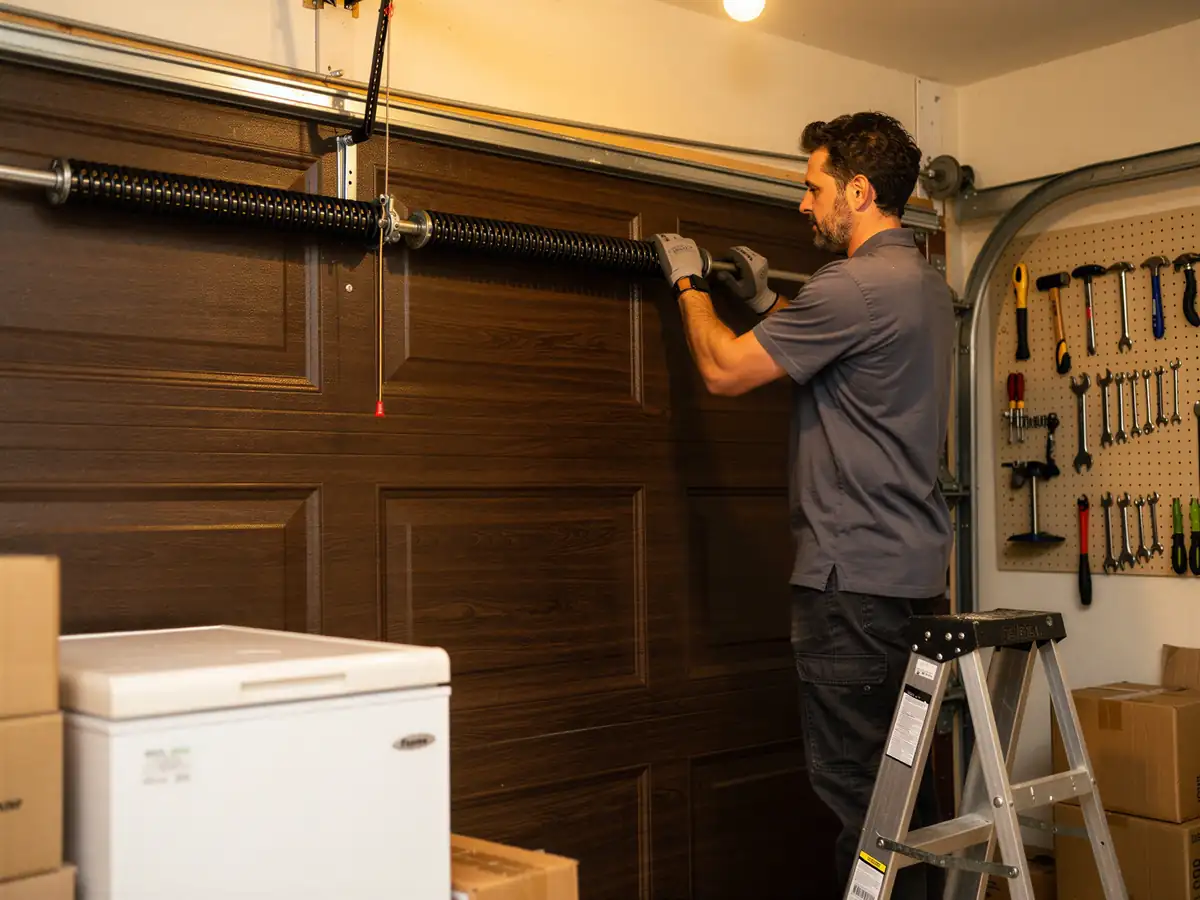
A house built in 1983 might still have its original extension-spring setup on the ceiling track, especially if nobody's touched the door since the place was framed. A house built in 1989 is more likely to have come with a torsion spring over the header from day one, plus steel panels instead of the older wood composite that a lot of 1970s builds used. The openers have usually been swapped at least once by now regardless of build year - chain-drive units from that era don't last forty years.
We don't have a lot more granularity than that on Credit River specifically
No neighborhood-by-neighborhood breakdown, no permit records in front of us. But the 1989 median is the number that actually tells you what's hanging over most driveways out here.
What People Here Ring About
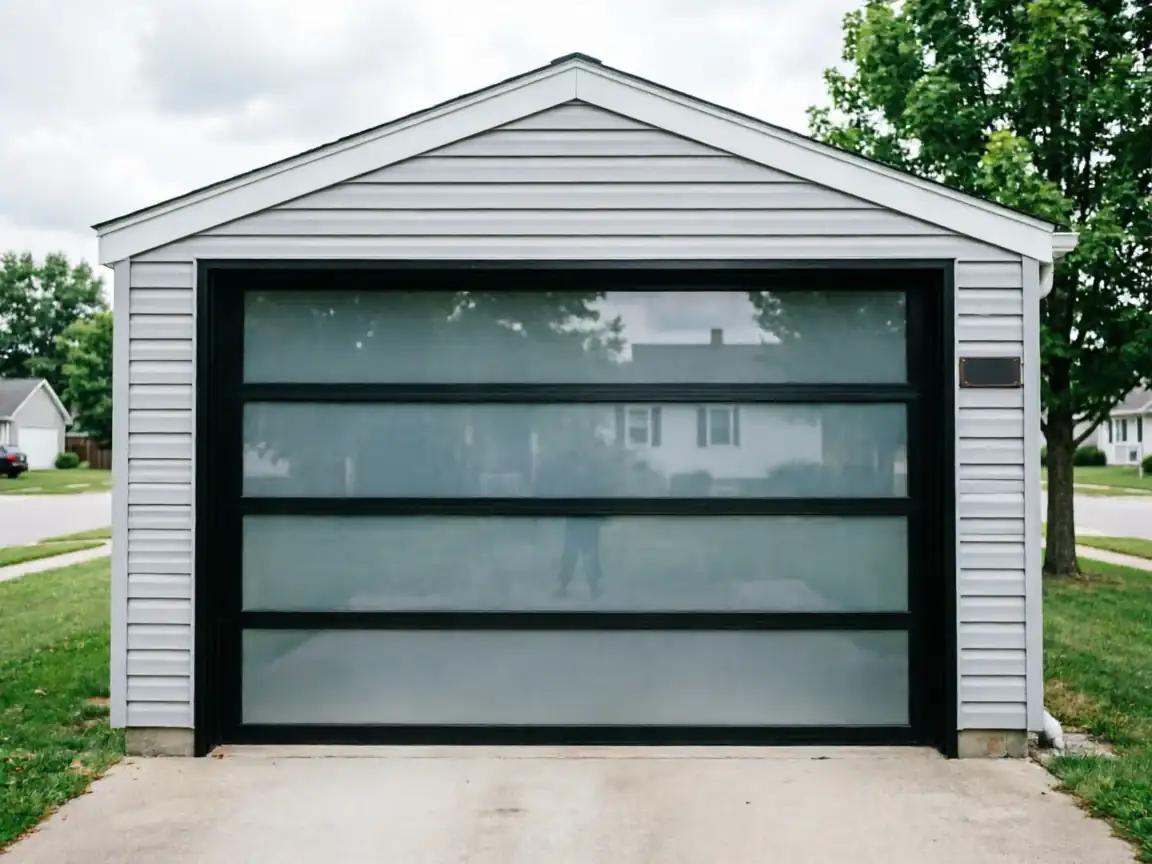
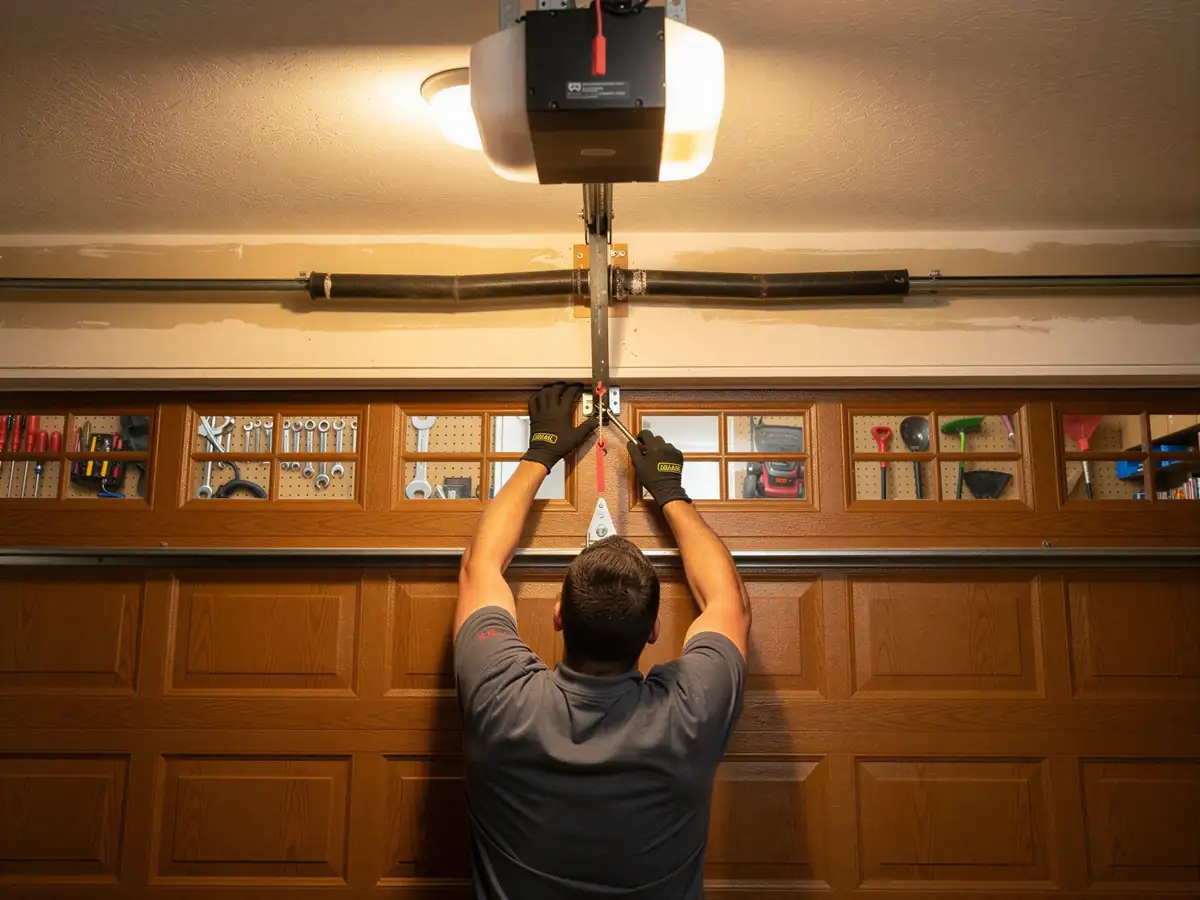
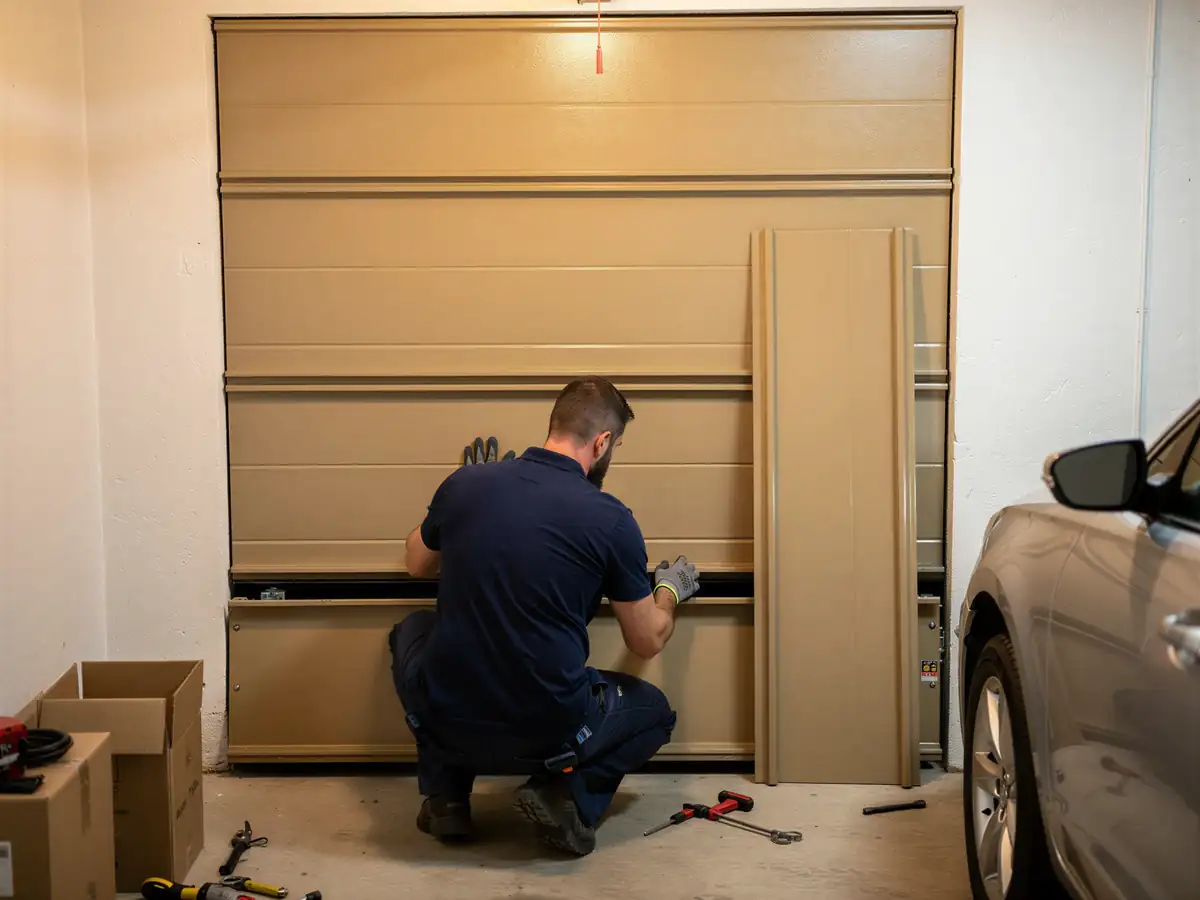
With a median household income of $149,524 in Credit River, well above the $93,077 median across the broader service area, the calls we get here tend to skew toward replacement rather than patch-up repair. When a torsion spring snaps or a panel gets cracked, a lot of homeowners here ask about upgrading the whole door and opener at the same time instead of just fixing what broke.
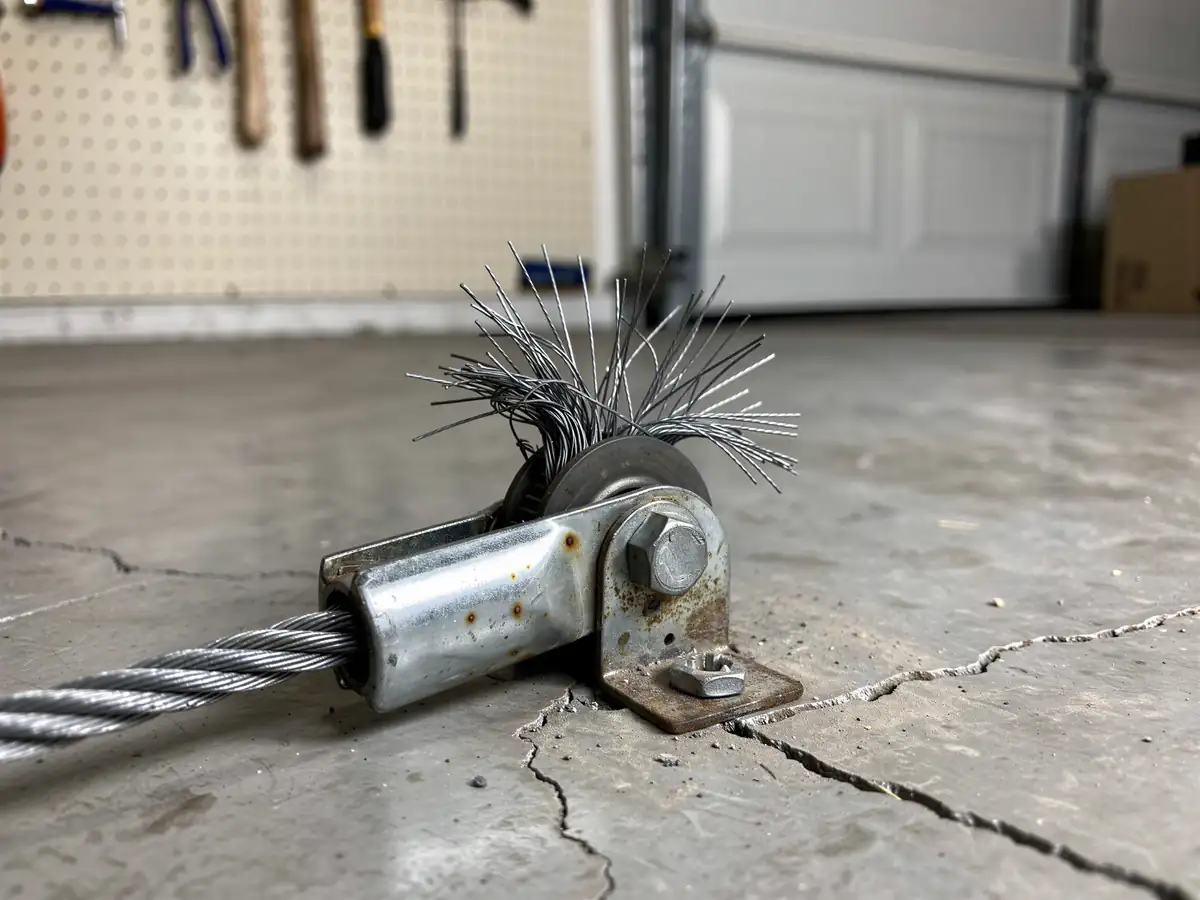
That's not universal - plenty of calls are still a straightforward broken spring or a cable that's jumped the drum, same as anywhere. But we see fewer requests to "just get it limping along" and more requests to do it right once. Worth saying plainly: that's not always the better move. If a door is otherwise sound and the only issue is a spring or a roller, replacing the whole unit is money you don't need to spend. We'll tell you that even if the upsell would be easier.
How Soon We Can Come Out
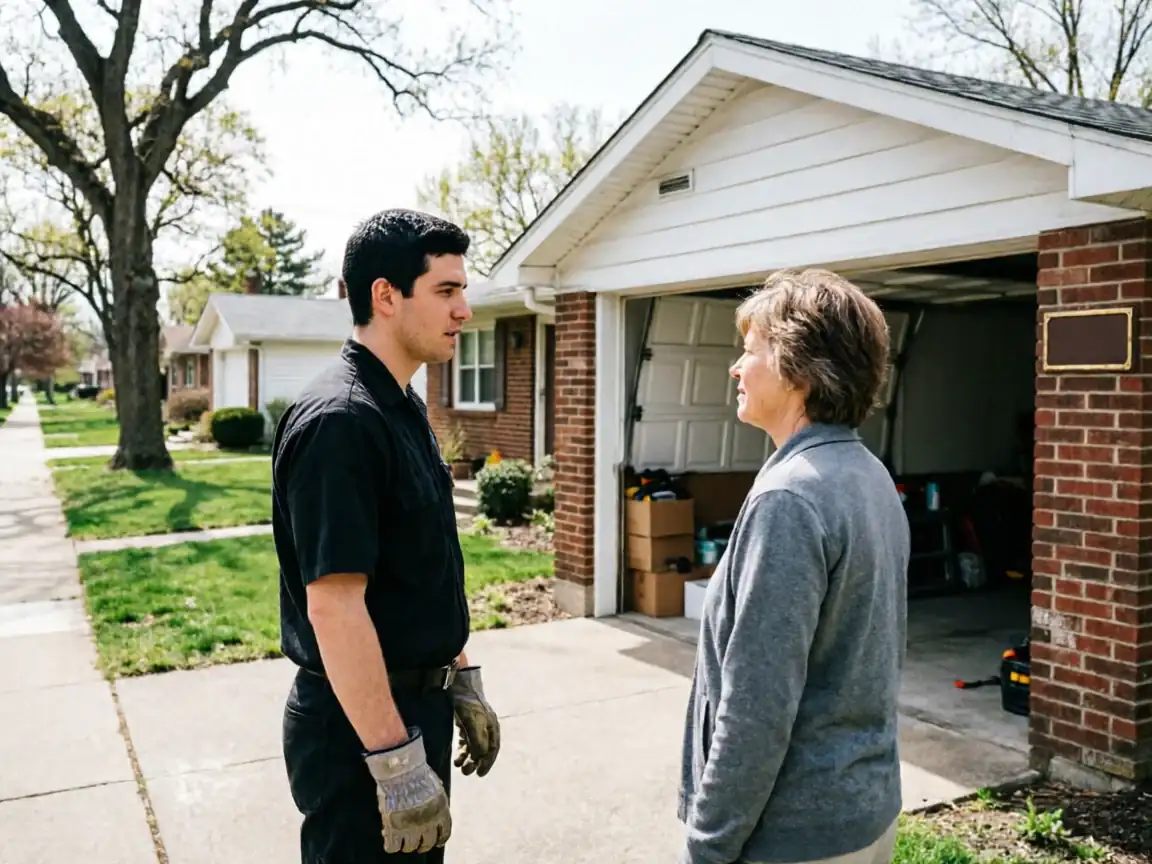
Credit River is about 10 miles from our shop in Farmington. We don't run a second location or a depot out this way, so every job here means a drive - that's just the geography of it, and it's the same for the other outlying spots we reach, places like Hampton or Vermillion. We don't carry a fixed guaranteed response window to quote you, so we won't invent one here. What we can tell you is that the distance is short enough that it's a normal part of our coverage, not a stretch run.
If you're calling about a door that won't close and you're worried about security overnight, say so when you call - that context helps us sequence the day.
What That Means for Doors
Put the 1989 median build year together with a COLD moderate climate band and you get a specific
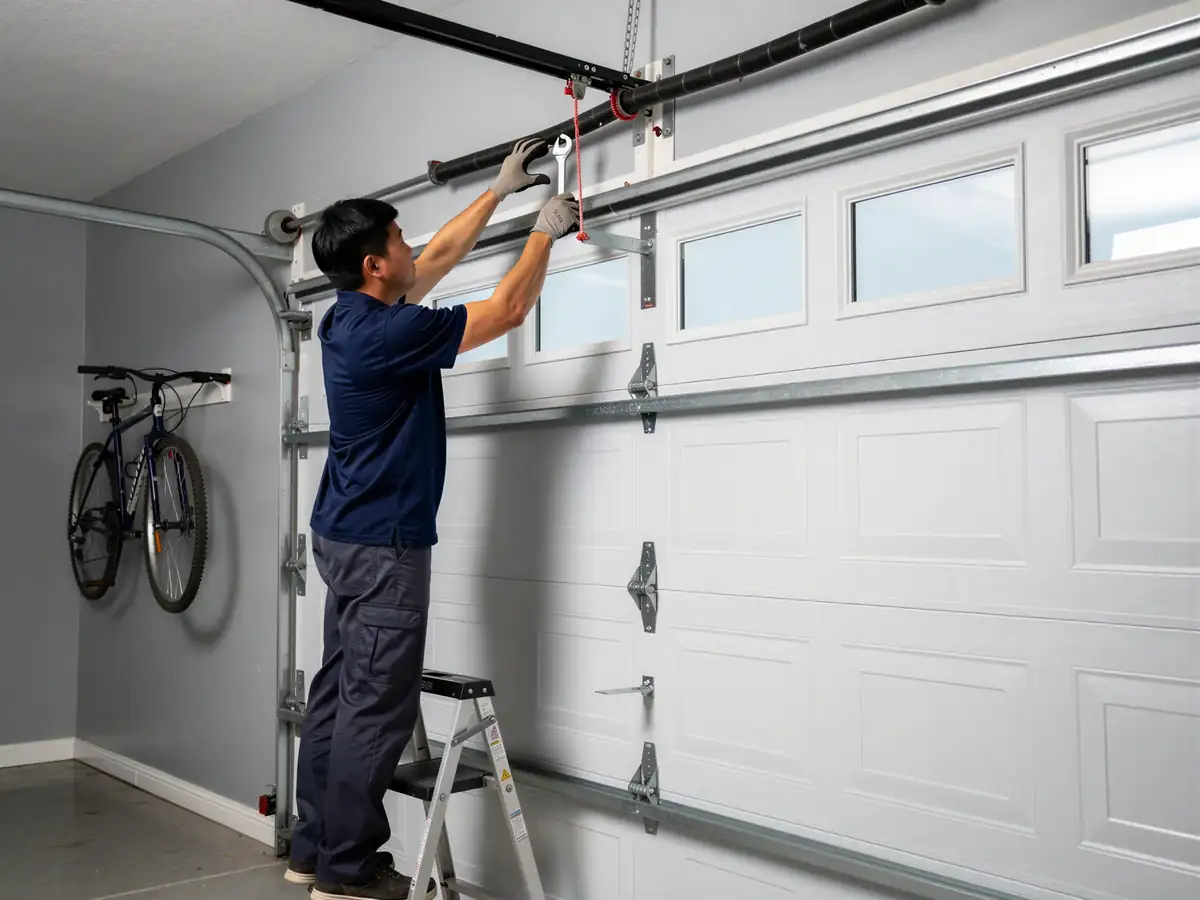
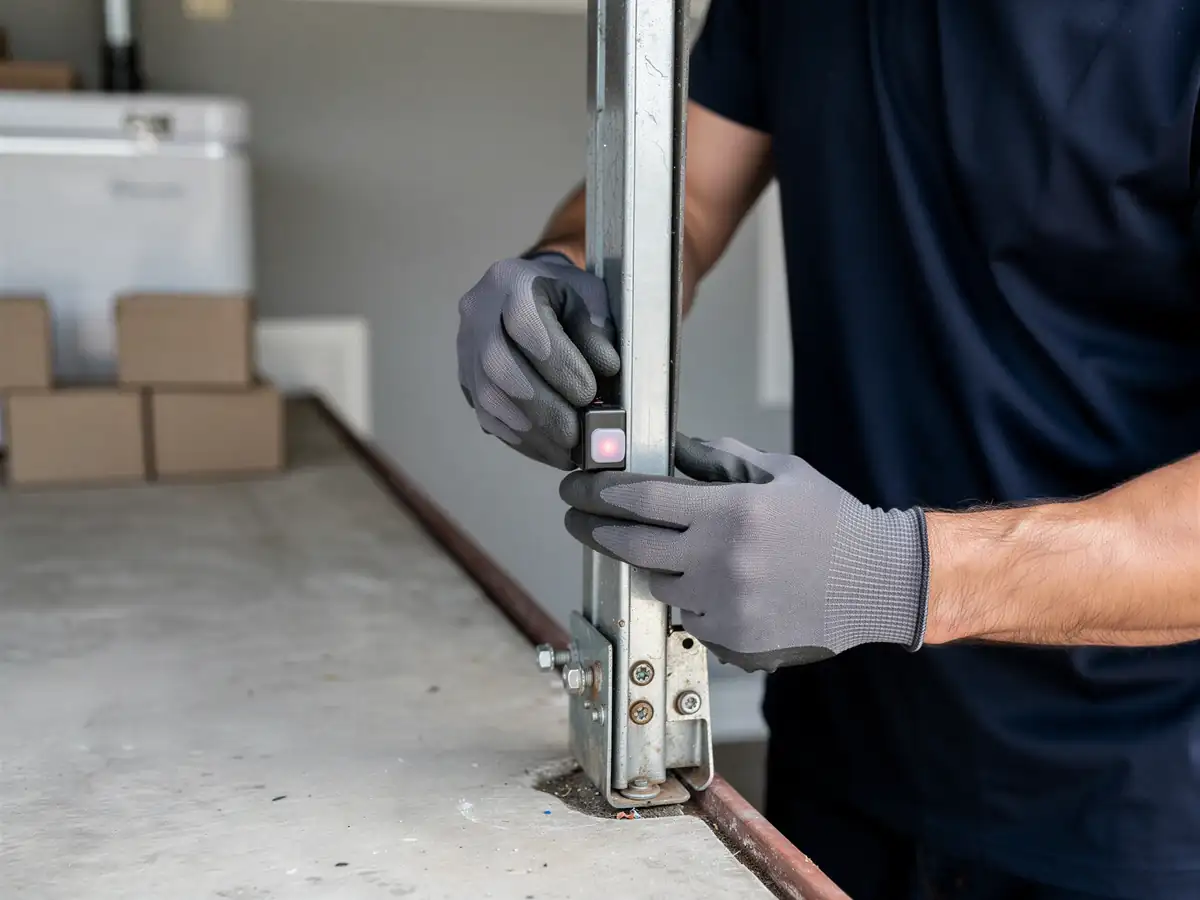
Common failure pattern out here: torsion springs that have done three winters of expansion and contraction too many, galvanized coating starting to flake where moisture collects at the bottom bracket, and openers from a mid-2000s swap finally giving out on the logic board rather than the motor.
We don't see much of the old wood-panel rot that shows up on pre-1970s doors elsewhere in the region
Since Credit River's stock mostly postdates that. What we do see is standard double-car torsion setups that are original enough to be due, even if the door itself still looks fine. A door that looks fine on the outside and a spring that's one cold morning from snapping are two different things, and age is usually the better predictor than appearance.