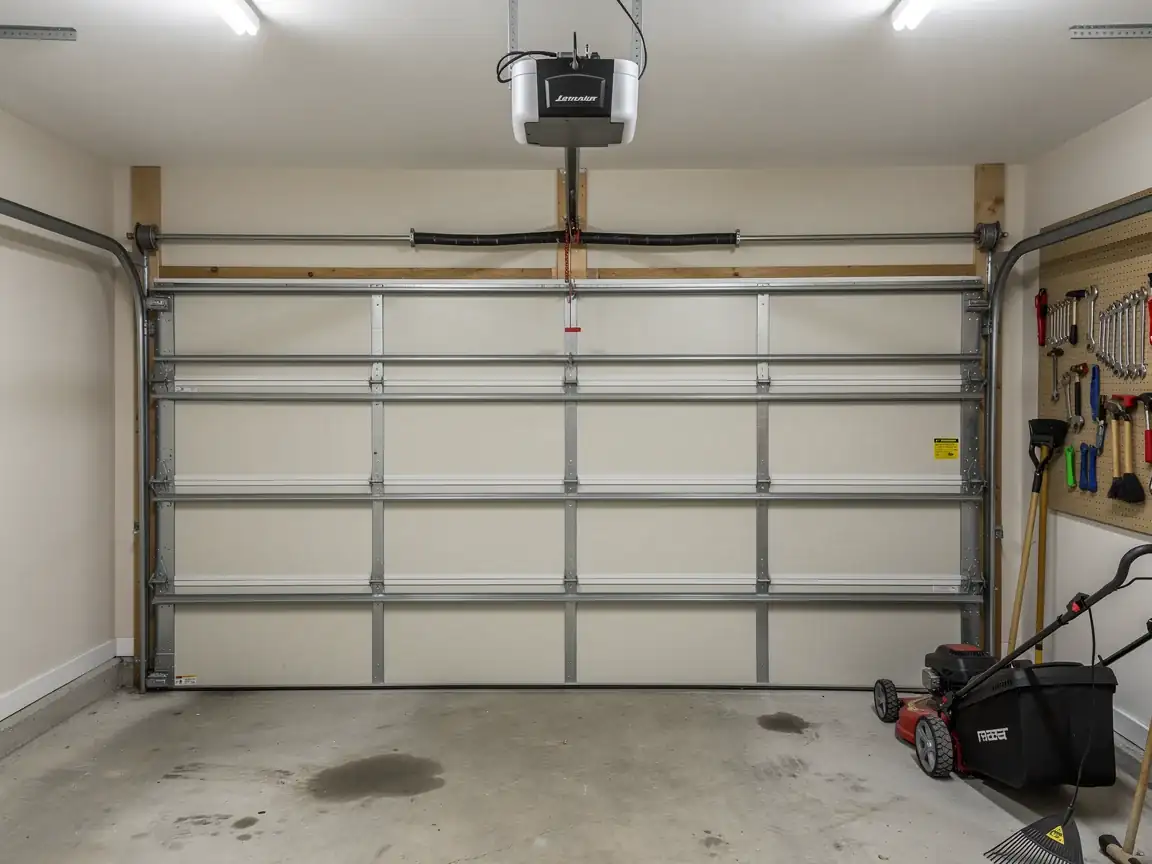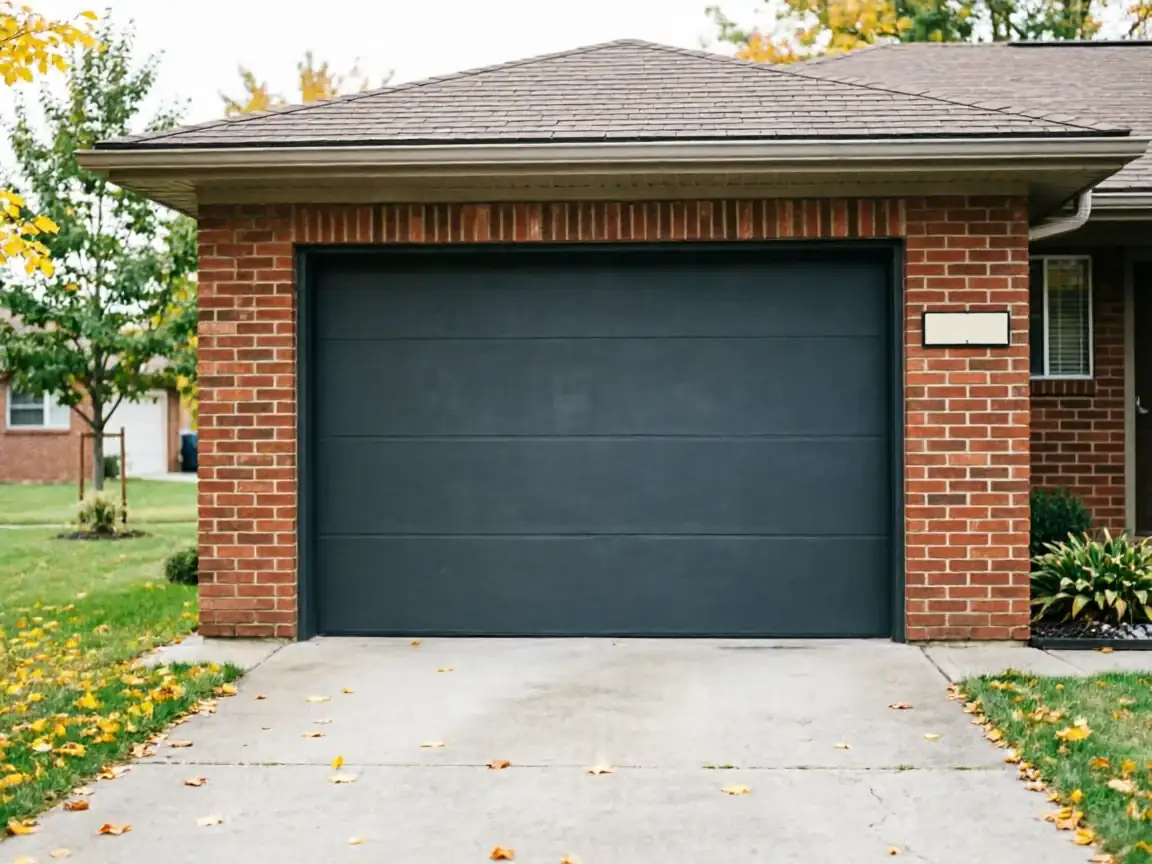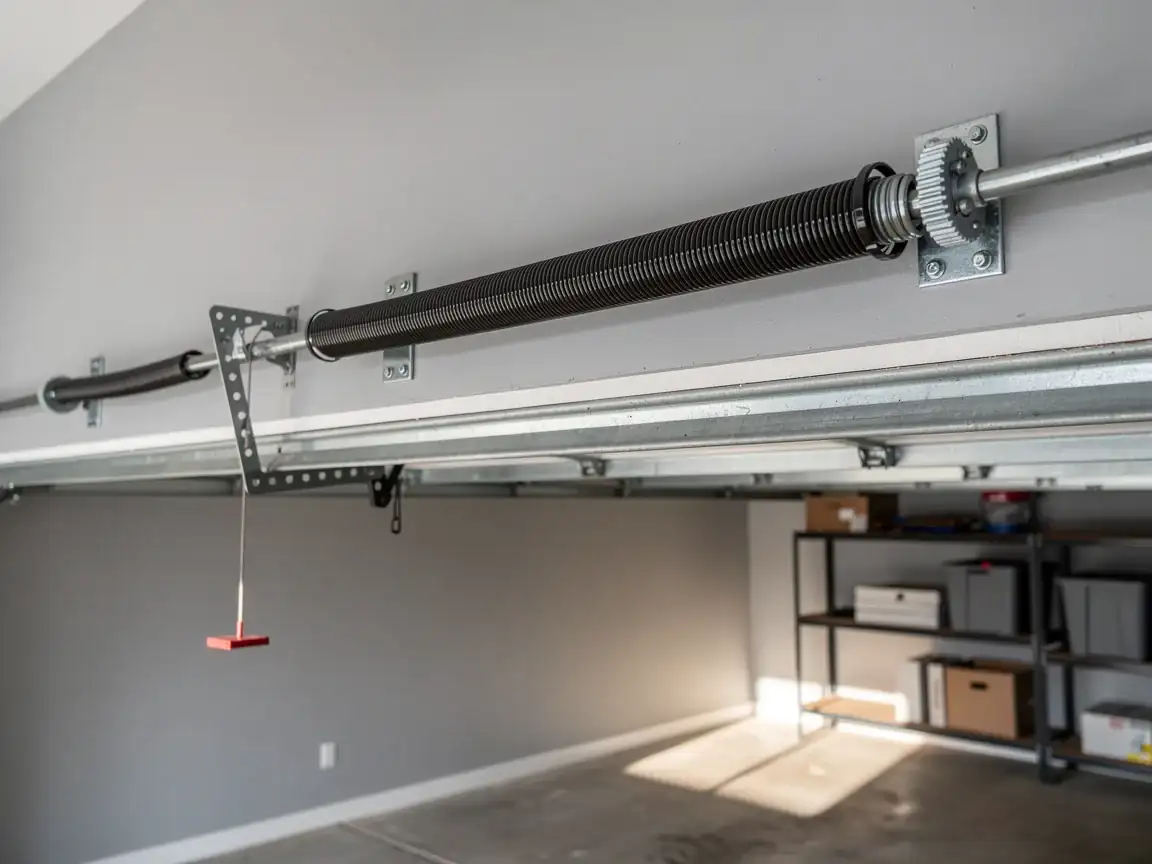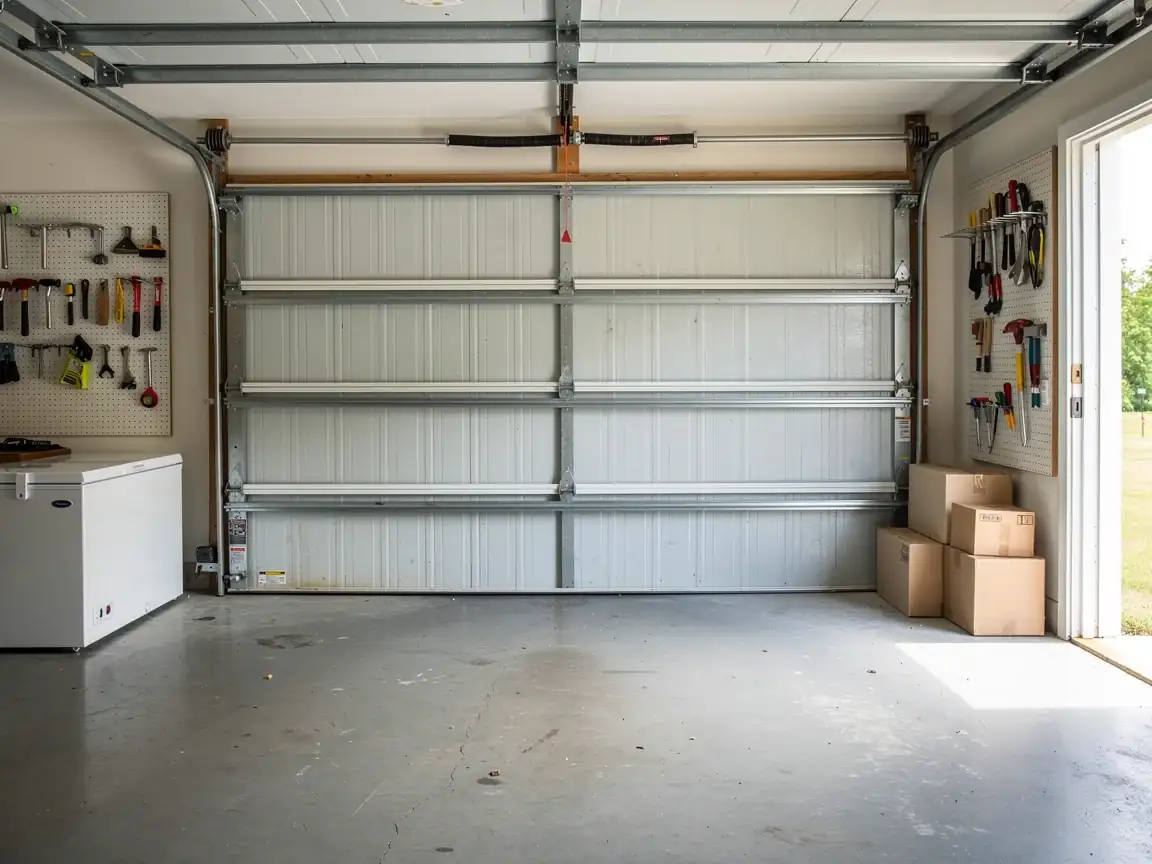
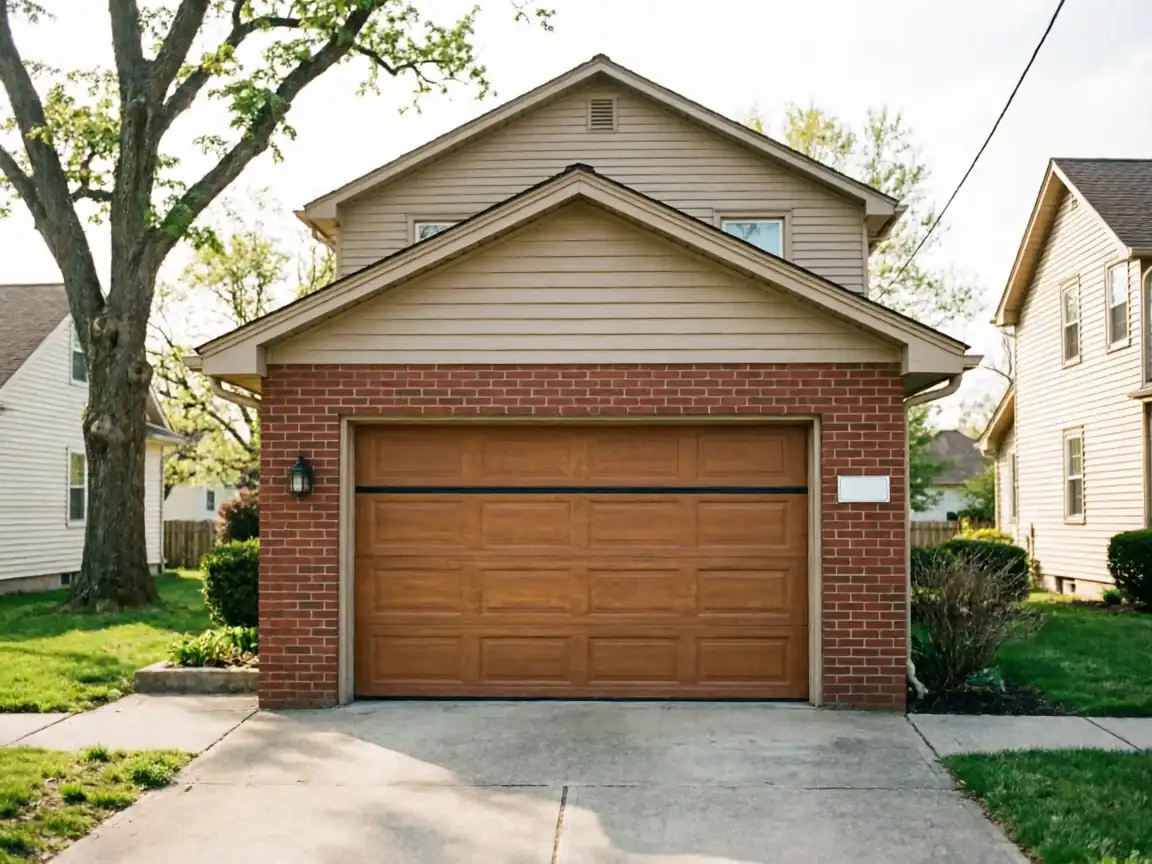
Parts We Carry
Most of what breaks in Credit River comes off a door installed or replaced somewhere close to 1989
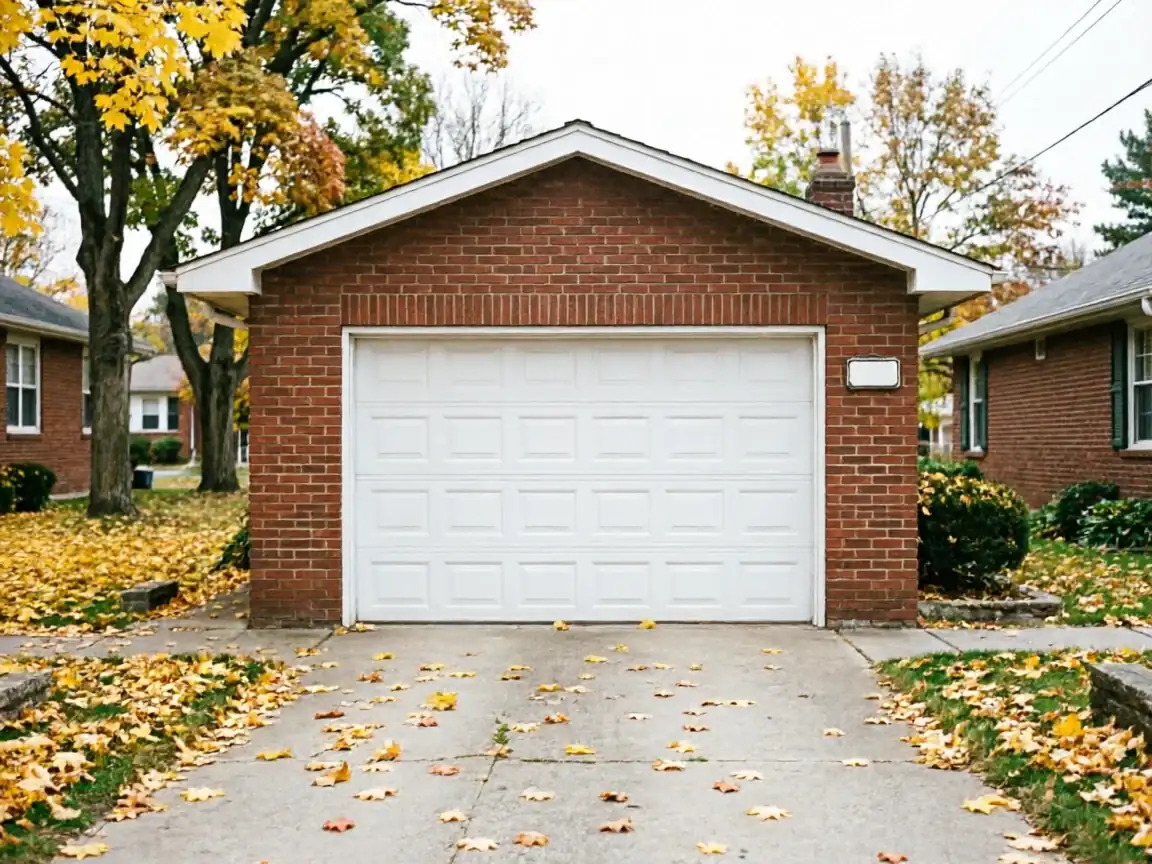
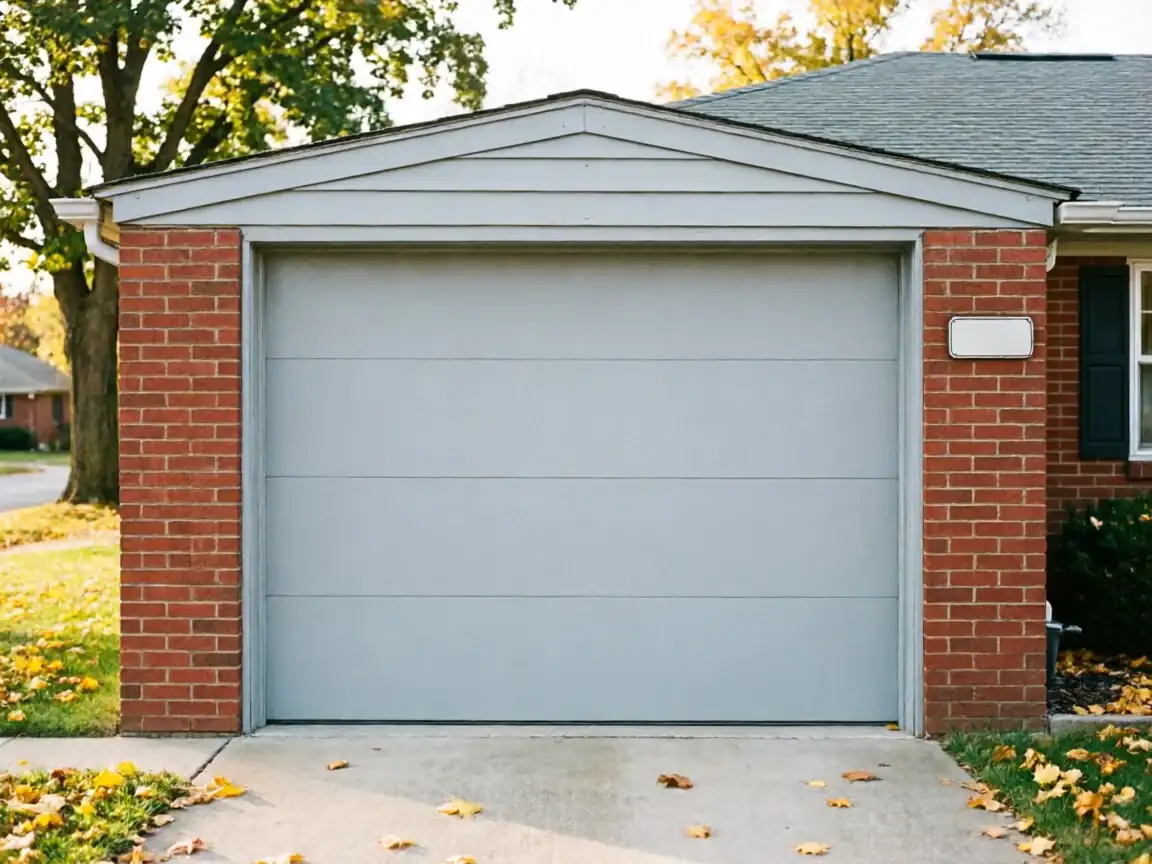
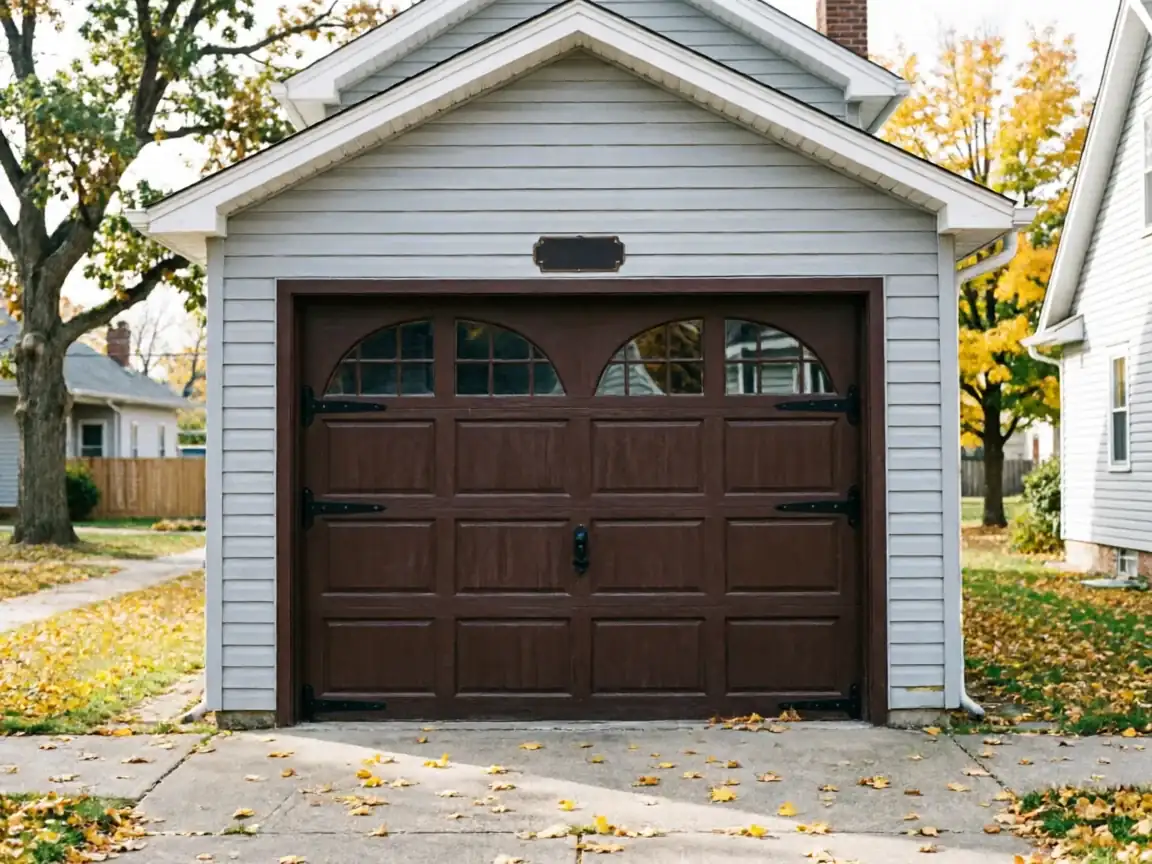
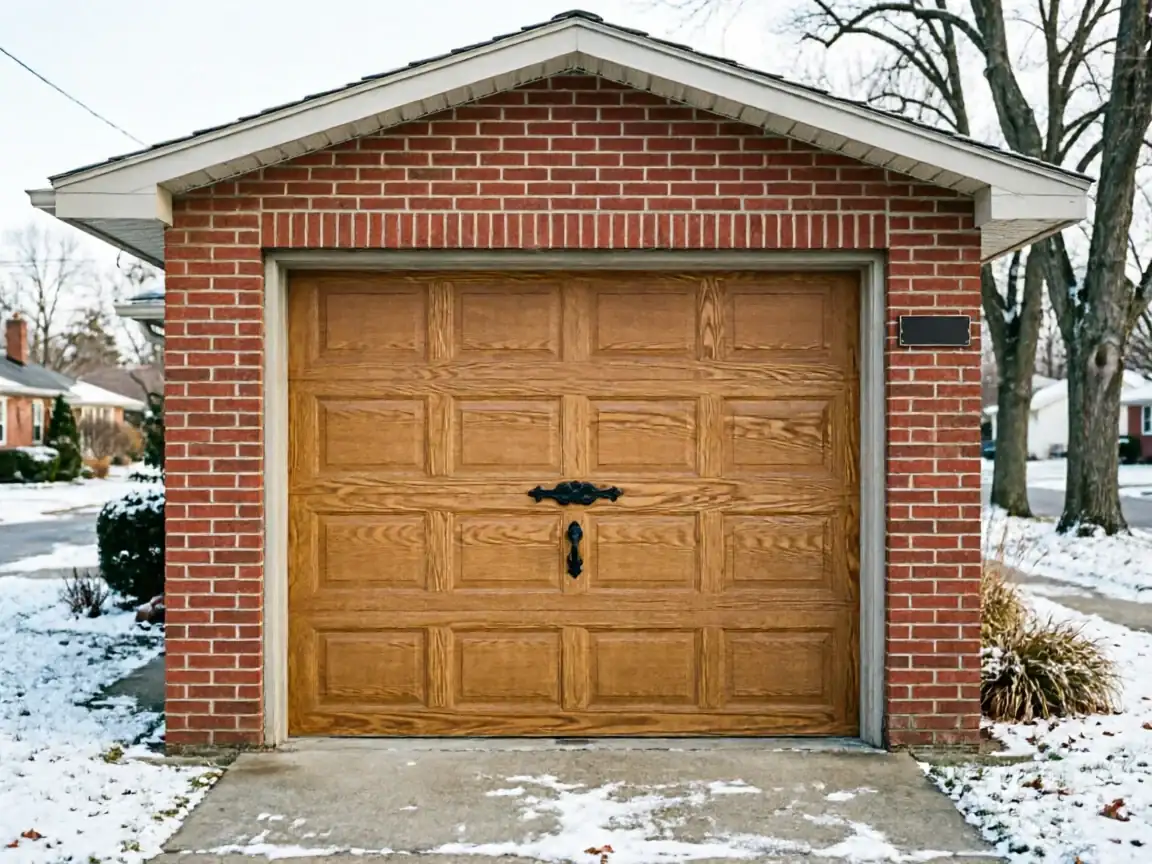
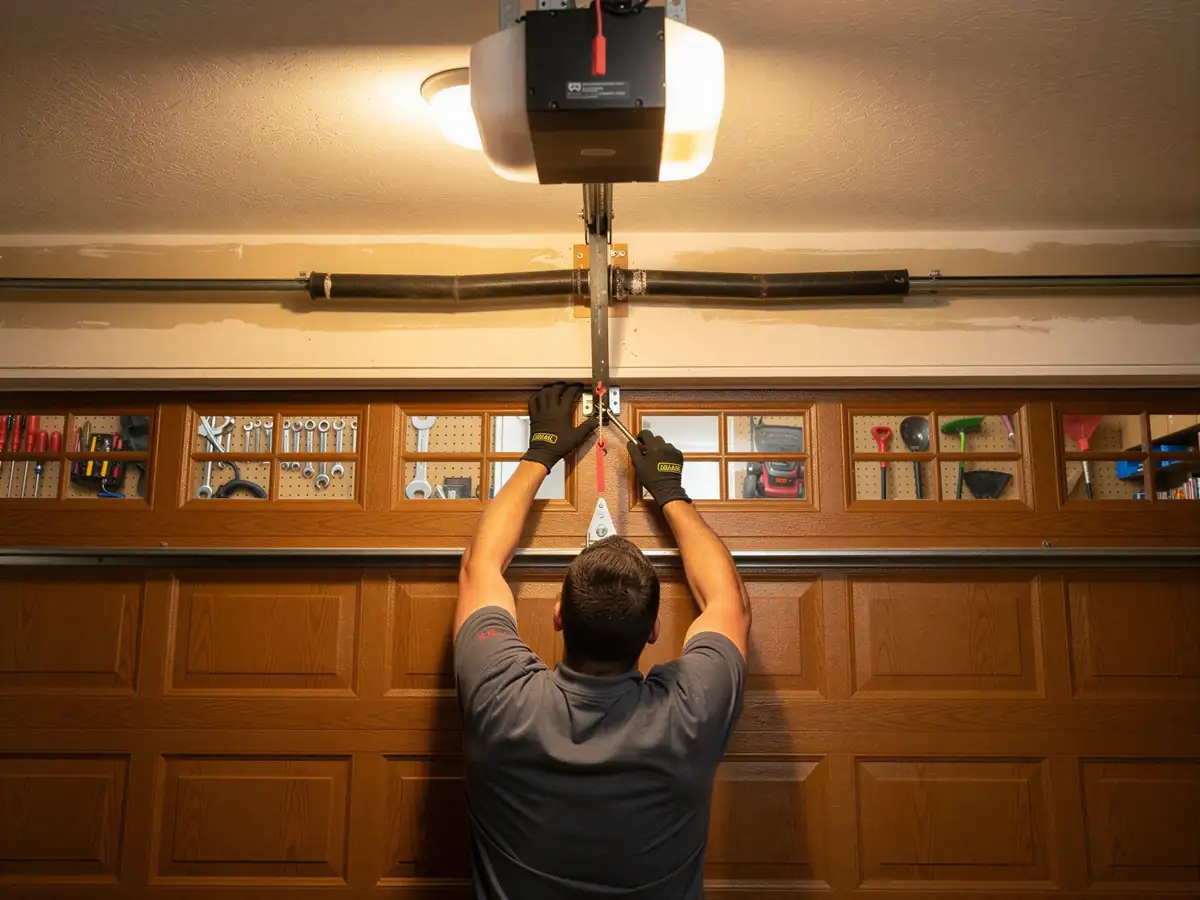
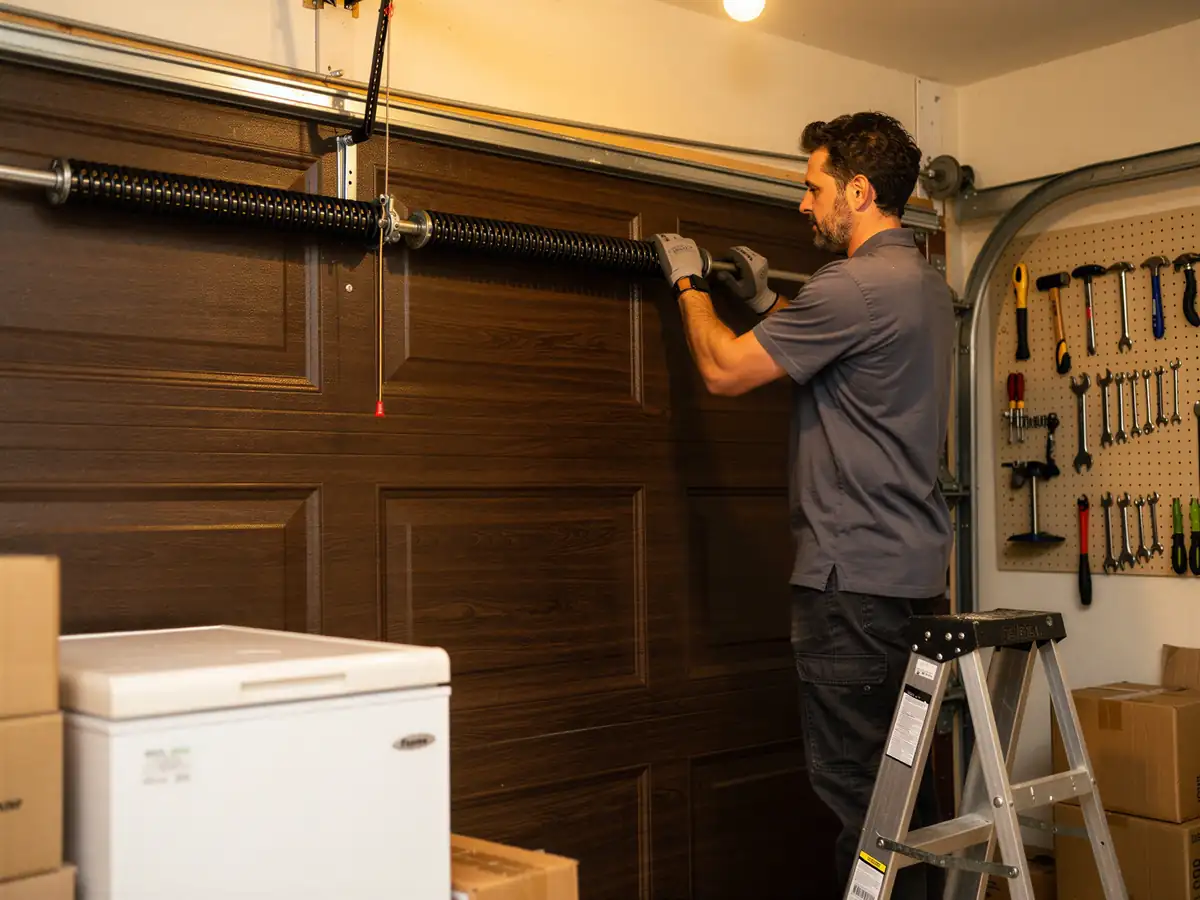
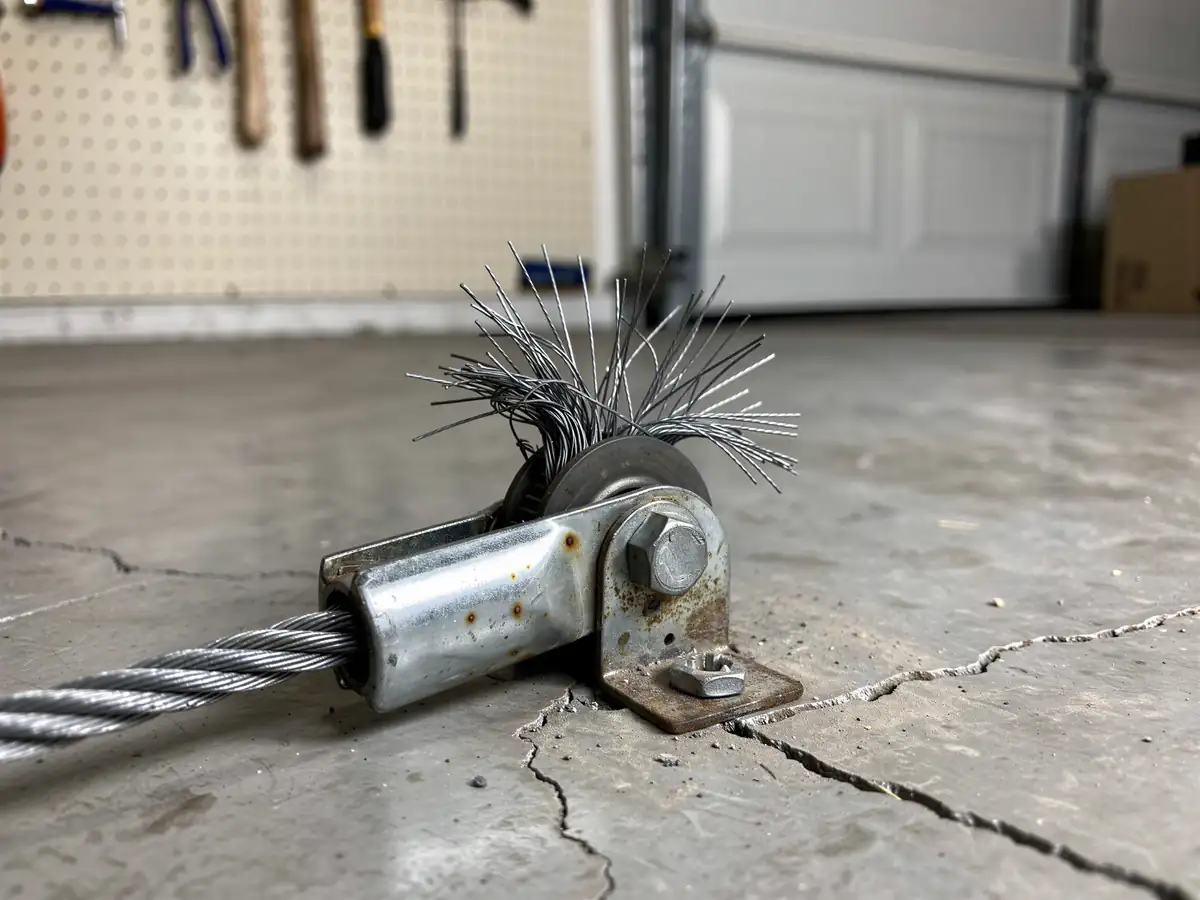
Which is the median build year for homes out here. That means galvanized torsion springs sized for the heavier steel sectional doors that became standard in the late '80s, nylon rollers that replaced the old steel ones, and chain-drive openers with the half-horsepower motors that were the default before belt drives took over. We carry the torsion spring sizes that match that era's door weight, plus the standard extension spring kits for the smaller detached-garage doors some of these properties still run. What we don't keep on the truck is anything for a door older than that build window - wood-panel doors from before 1980 use hardware that's mostly special-order now, and if that's what's on your garage, expect a short wait on the part, not a same-day swap.
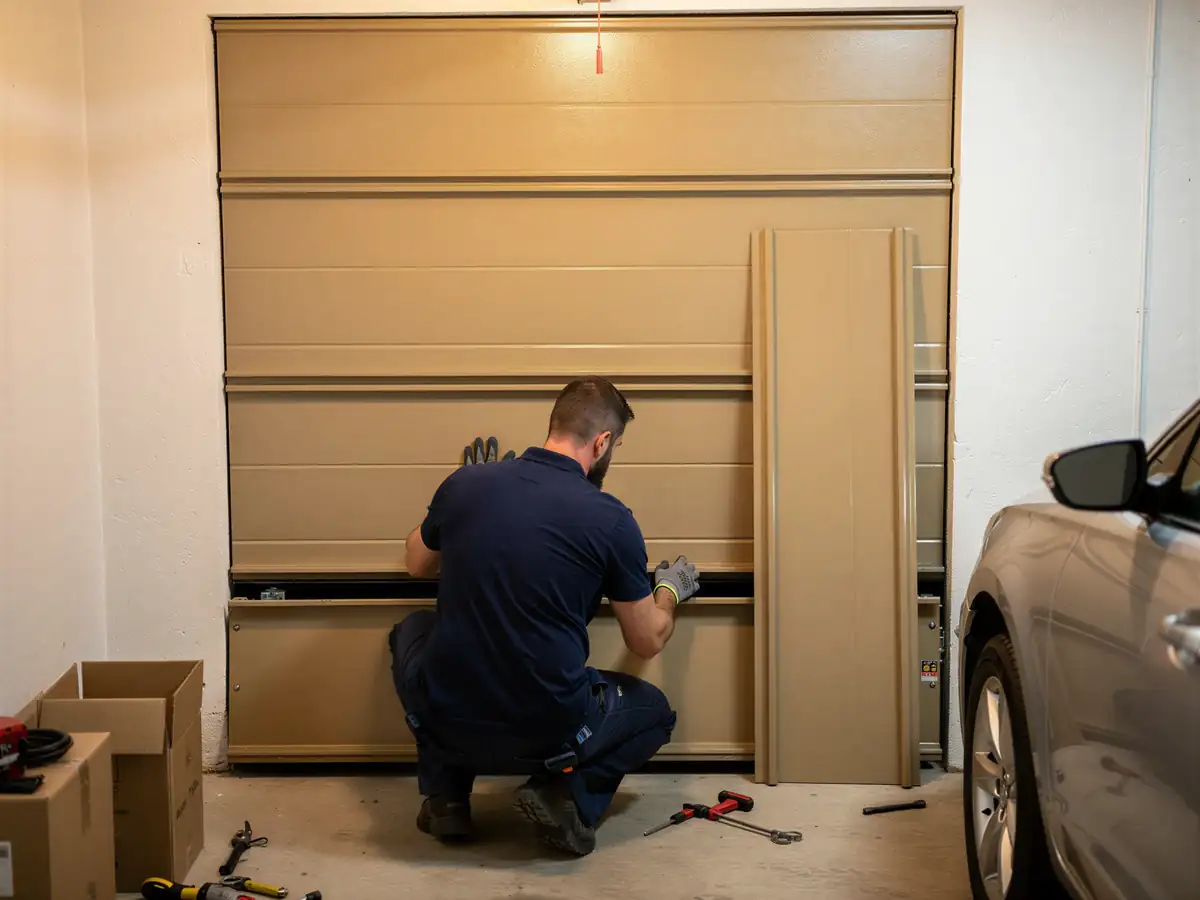
We also stock weatherstripping and bottom seals sized for the panel profiles common to that construction period
Since that's the part that fails first out here and the one people call about least until it actually lets water in.
What the Fix Involves
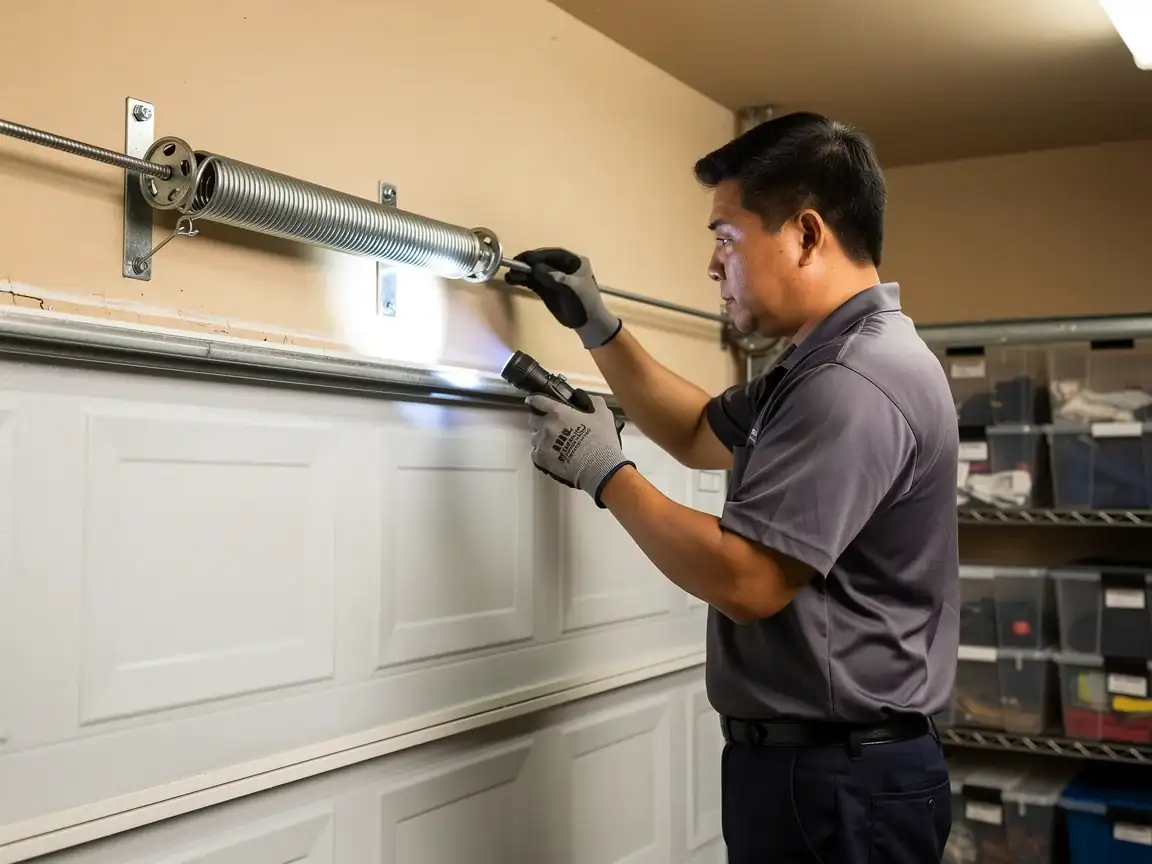
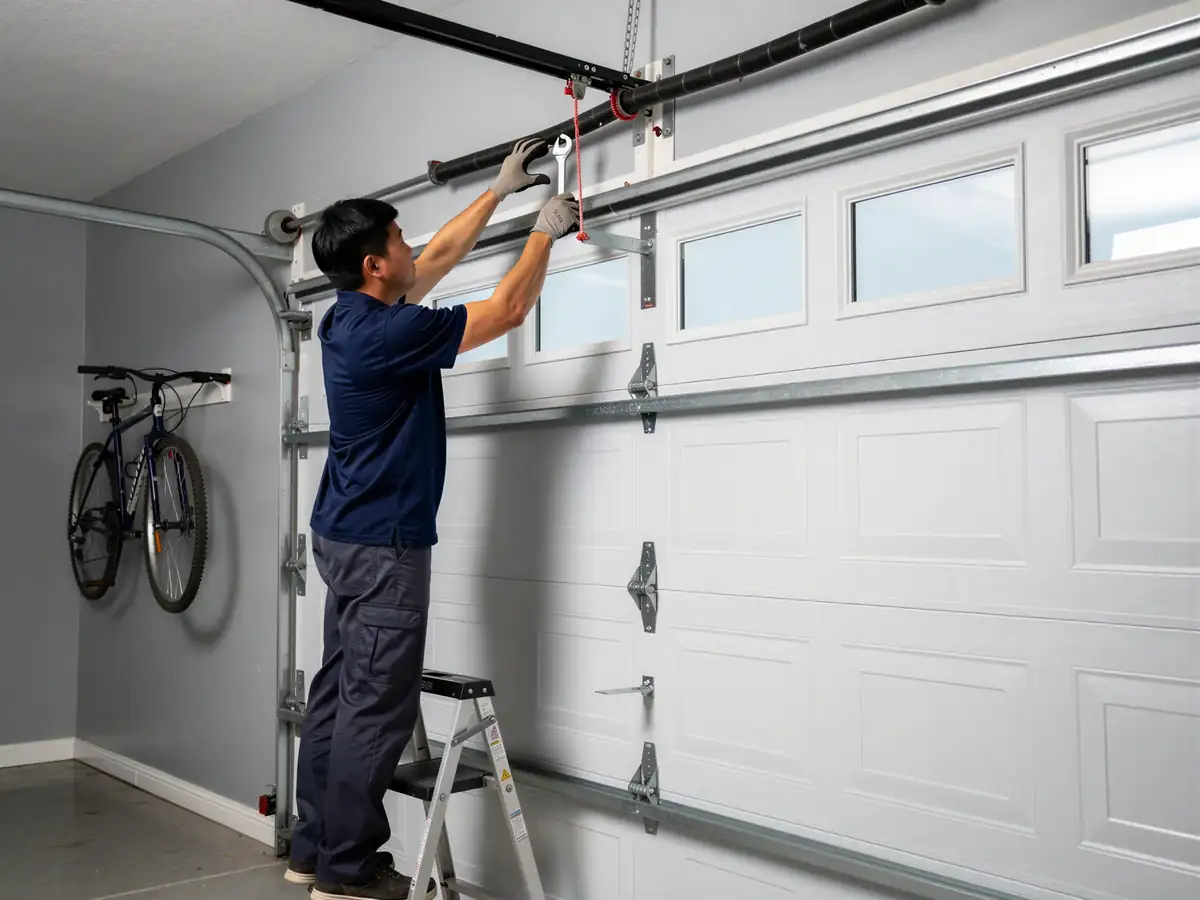
A torsion spring replacement on a door from this period usually means winding bars sized for the heavier coil gauge, not the lighter setup you'd use on a newer insulated steel door. The springs on these homes carry more weight because a lot of the original doors never got upgraded to the thinner, better-insulated panels that came later - so the spring doing the lifting is often oversized for what a modern door would need, and matching it correctly on replacement matters more than people think.
Opener work is usually a straight swap: the half-horsepower chain units from that generation are past the point where a capacitor or sprocket repair makes sense, and replacement is the honest call once the motor itself is the problem. We make the trip out from Farmington, about 10 miles, with the spring stock and a standard chain or belt opener on the truck, so most of this doesn't require a second visit unless the track or header needs rebuilding too - that part we can't always tell until we're looking at it in person.
Why This Fails Locally
This part of Minnesota sits in a cold-moderate climate band, and a door built around 1989 wasn't engineered with today's insulation standards in mind. The steel panels from that period are often single-layer or thin double-wall, which means they flex more in a hard freeze-thaw cycle than a modern polyurethane-core door would. That flexing is what loosens hinges and cracks the bottom seal over a few winters - it's not a manufacturing defect, it's just what 30-plus-year-old steel does in this cold.
Credit River's households skew toward higher income than the wider Farmington service area - median household income here runs around $149,524 against roughly $93,077 across the broader area - and what that tends to mean in practice is bigger detached garages and heavier doors, which puts more load on original torsion hardware that's now well past its rated cycle count. The failure isn't dramatic; it's a spring that's been quietly losing tension for years and finally lets go on a cold morning.
The Complications
Credit River is a small base
About 1,956 households - spread out enough that it doesn't have the density of closer-in suburbs, which matters for one honest reason: if a part isn't on the truck, getting a special-order item out here adds real days, not hours, because it has to come in before the trip makes sense. We'd rather tell you that up front than pretend every job is a same-visit fix.
- 1,956 households
The other complication is diagnosis by phone
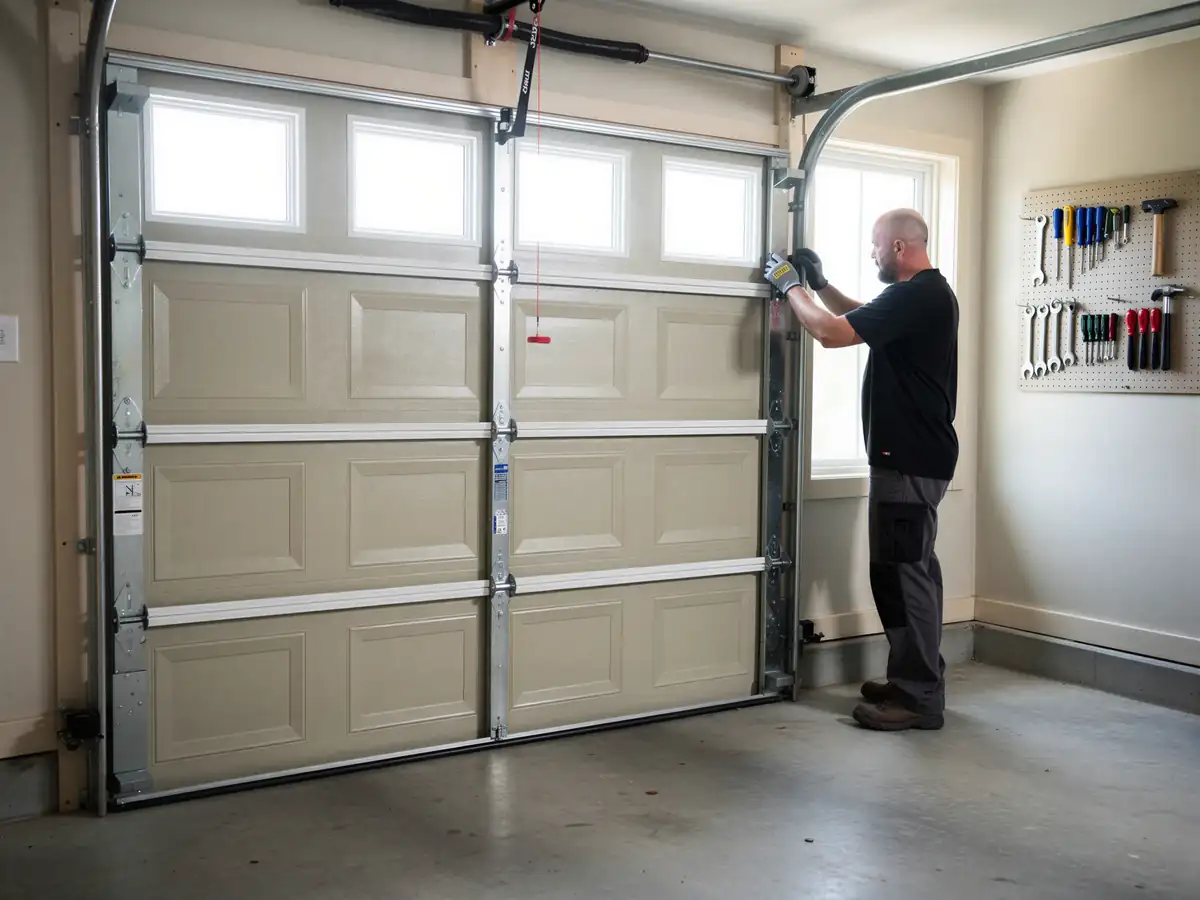
A homeowner describing a slow-closing or crooked door on a home built around 1989 could be describing a spring, a bent track, or a header that's settled slightly over three decades - all three show the same symptom from the driveway. We don't guess a fix over the phone when the hardware's this old; we look at the track alignment and the panel seams before we say spring versus full replacement, because on a door this age, guessing wrong means a second trip from Farmington for nothing.