What the Fix Involves
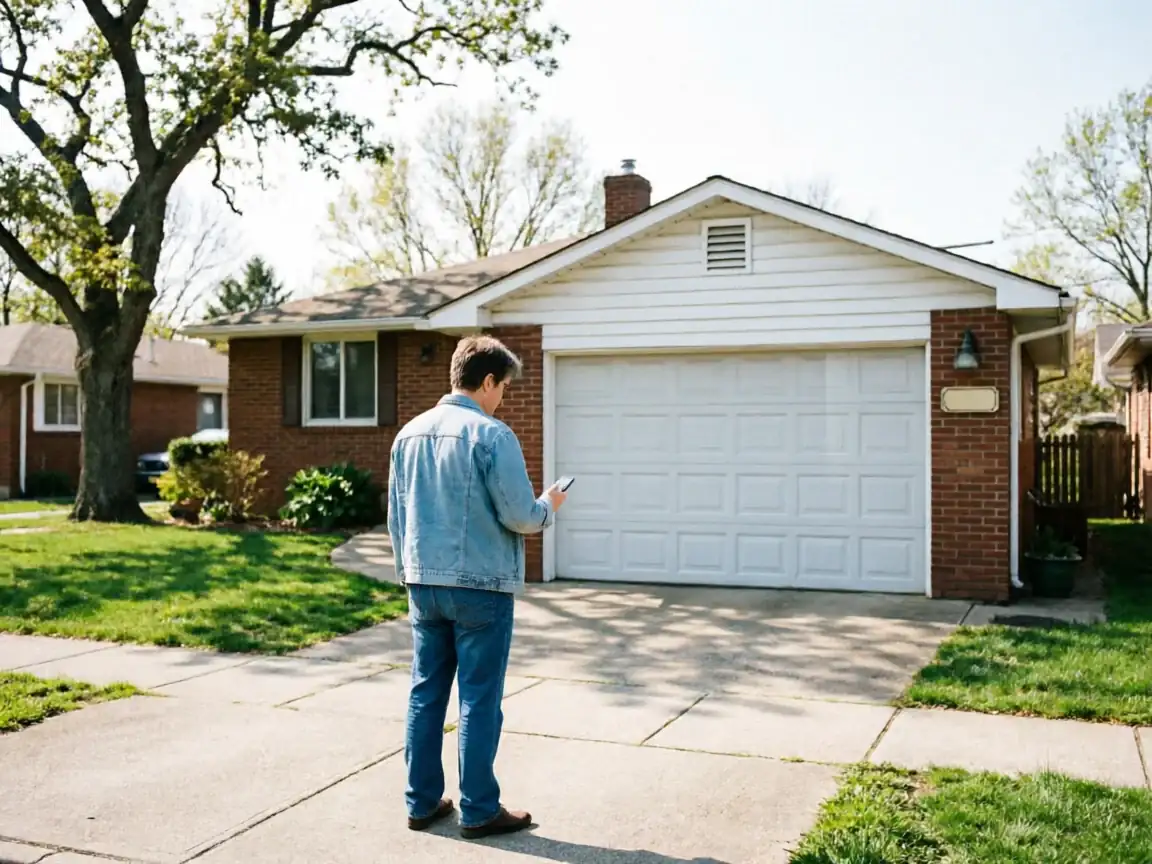
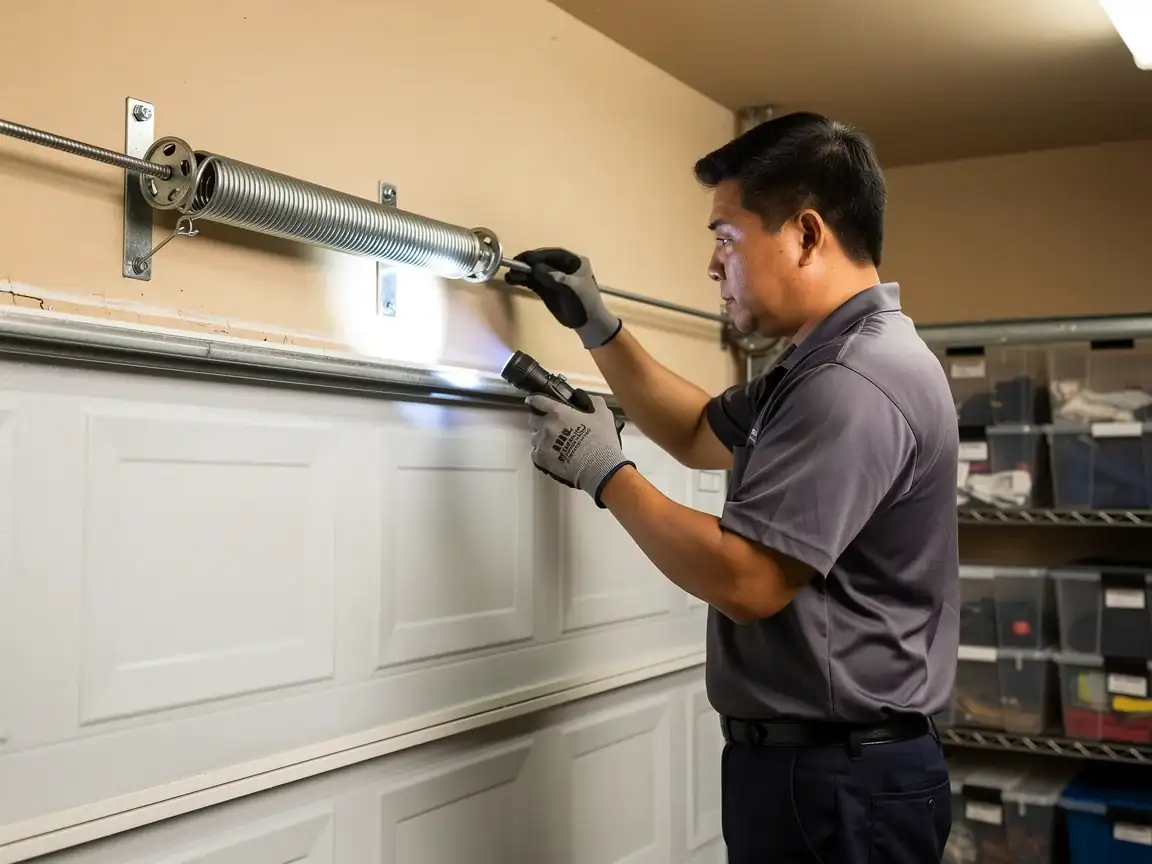
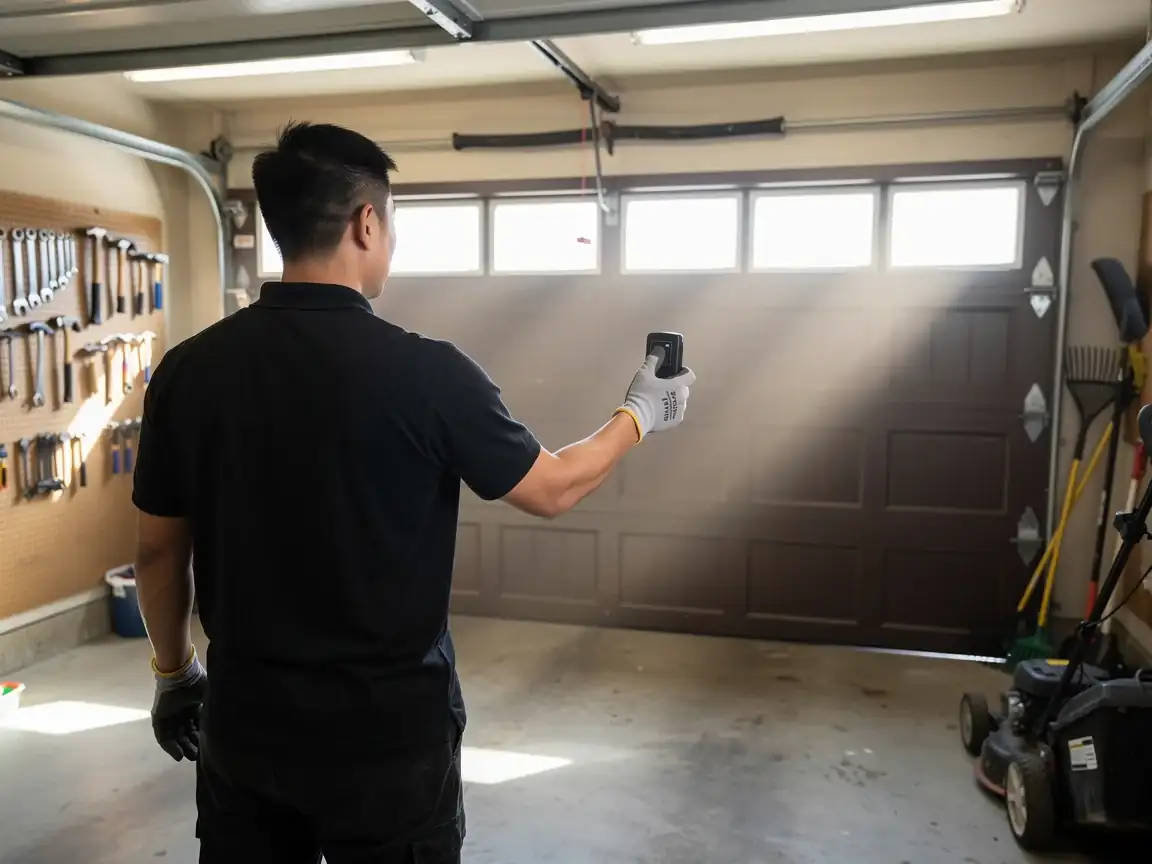
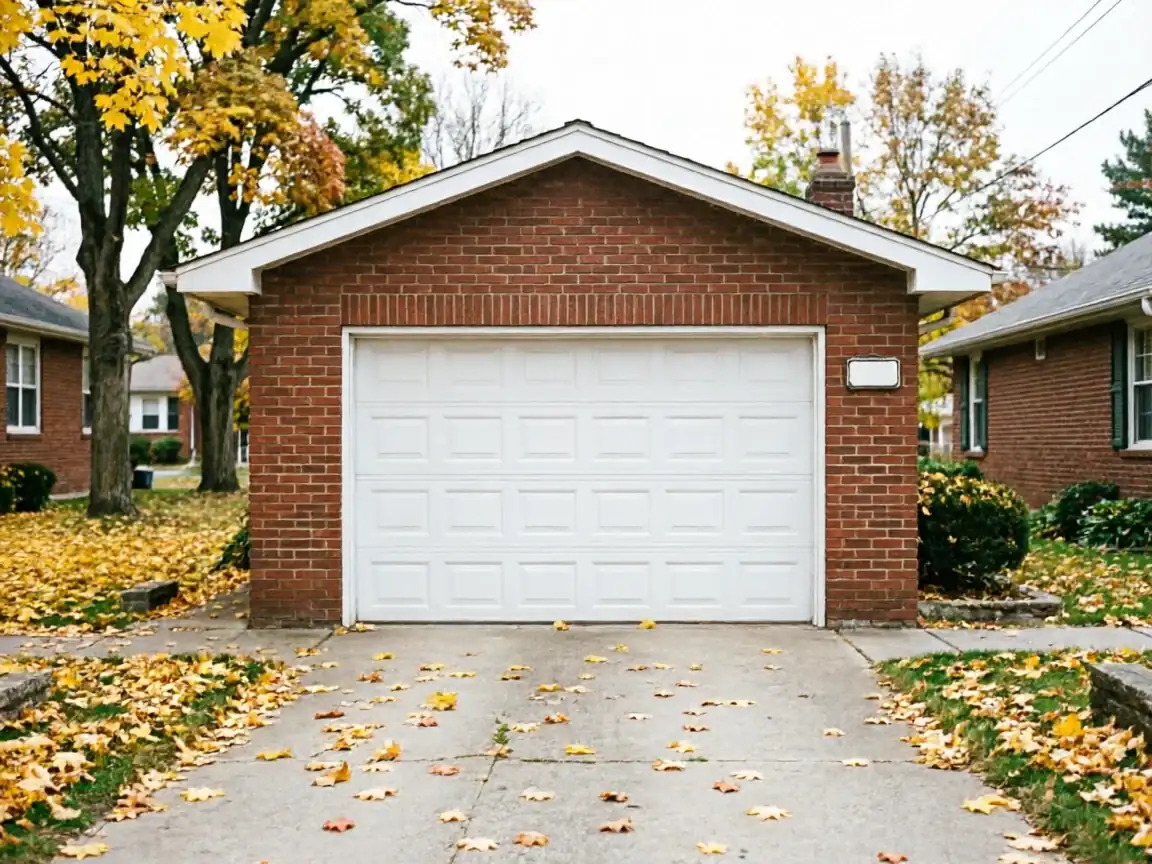
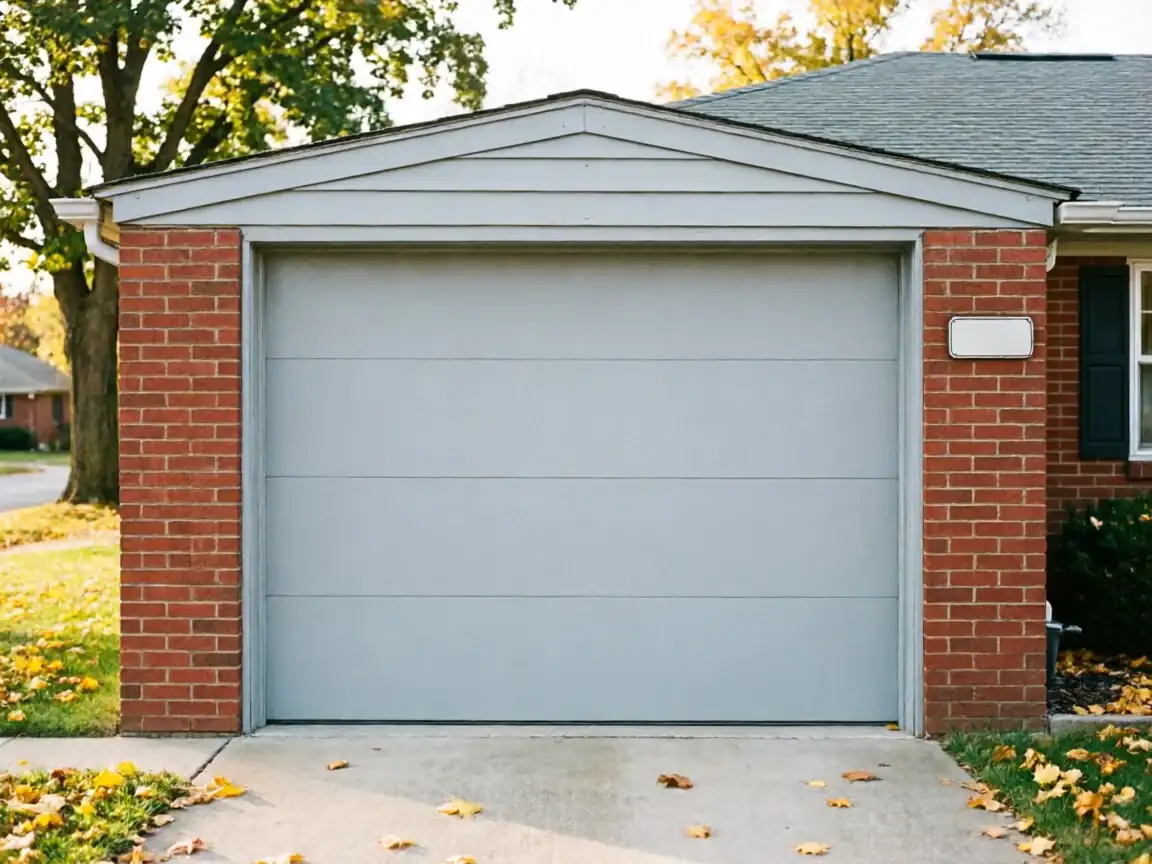
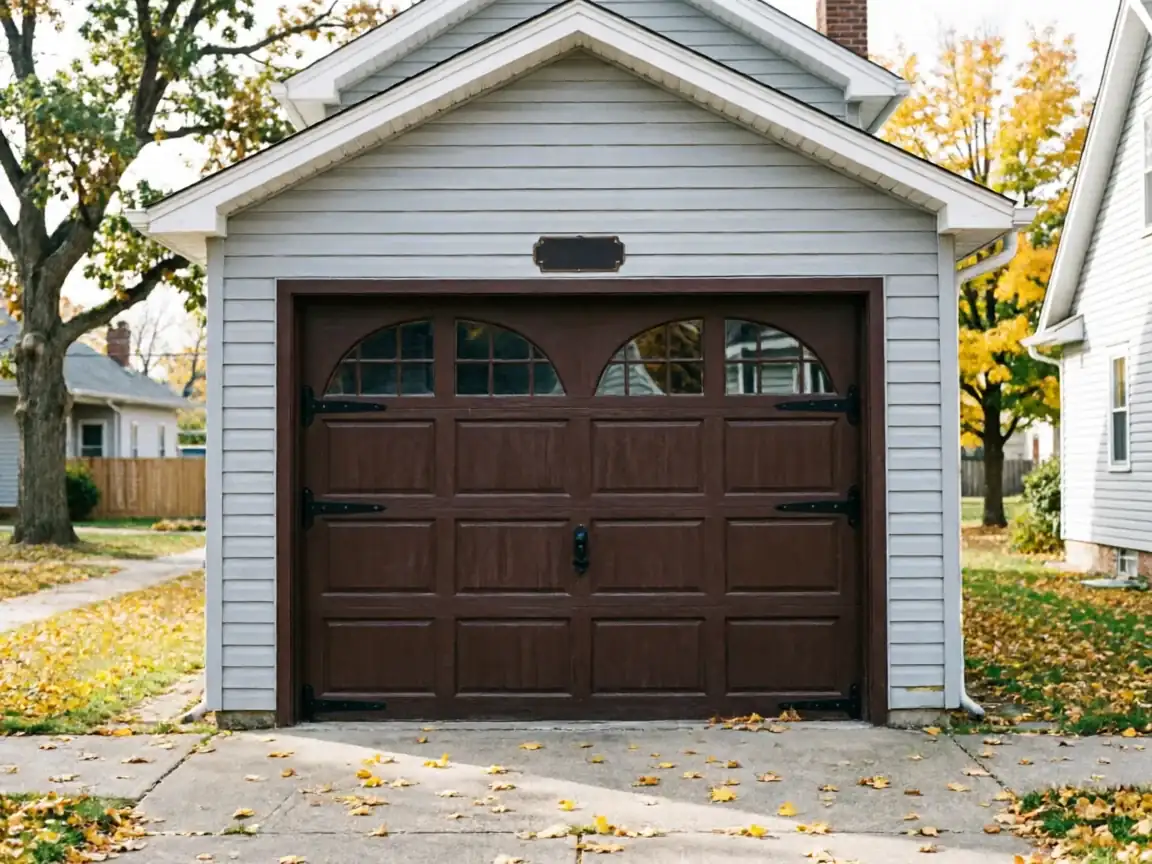
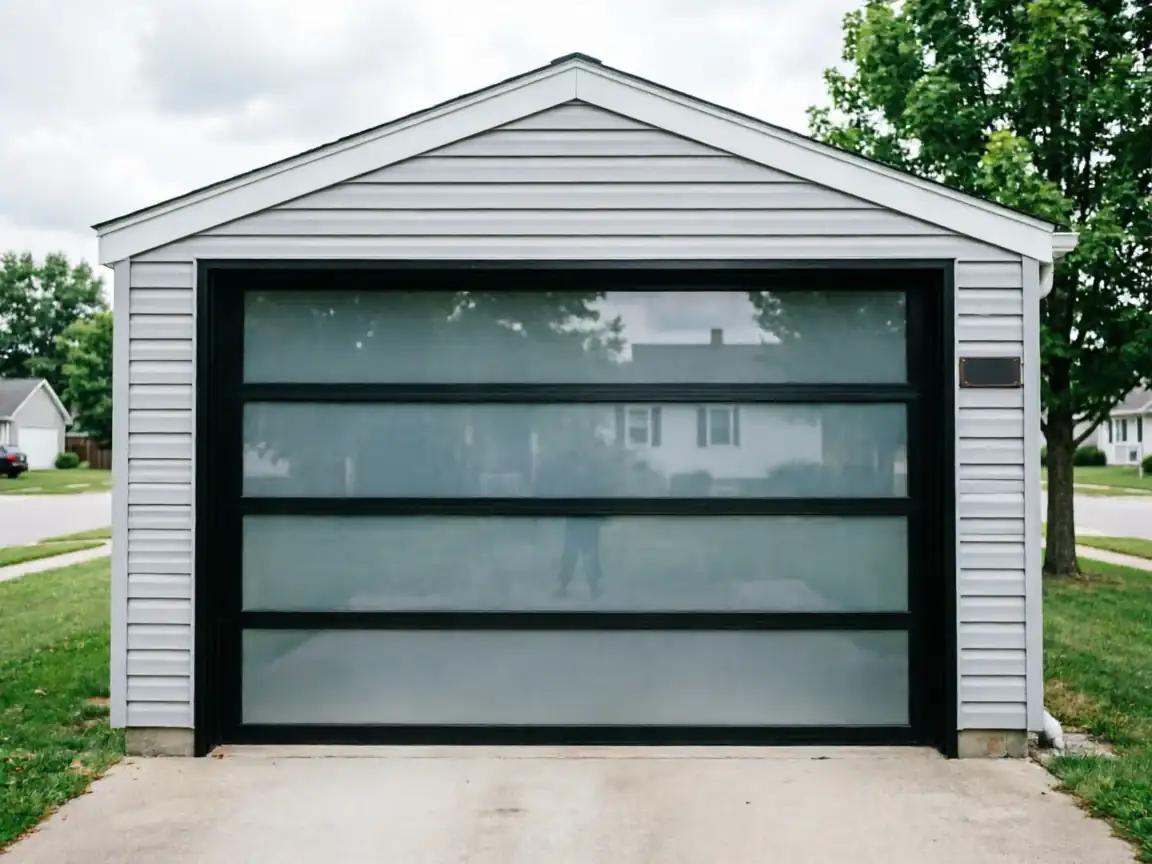
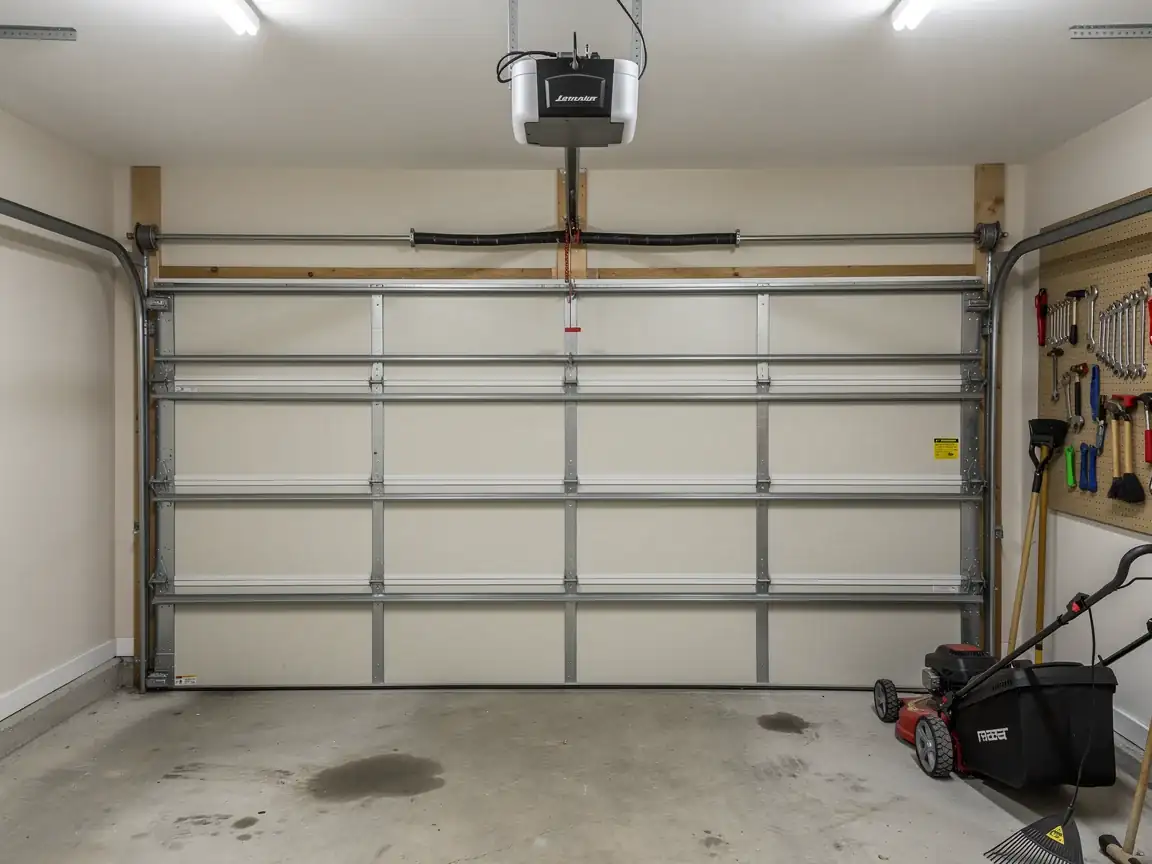
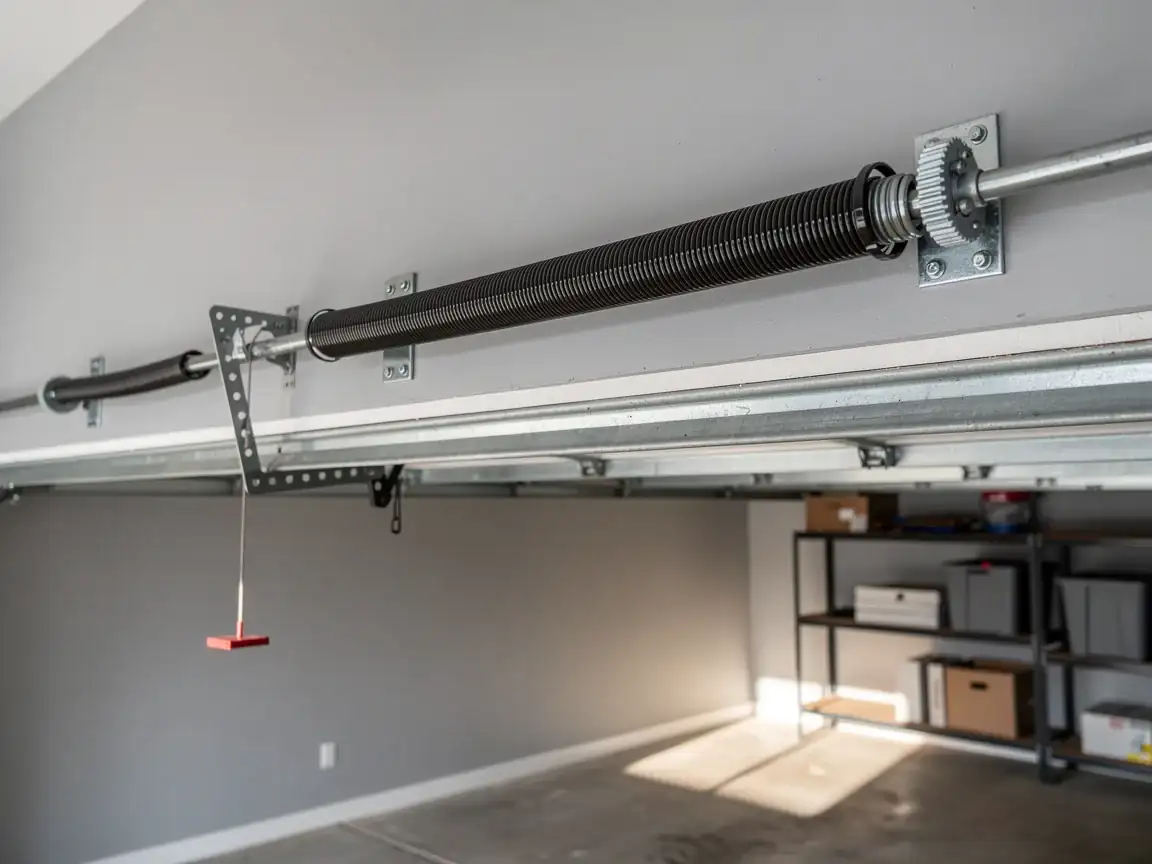
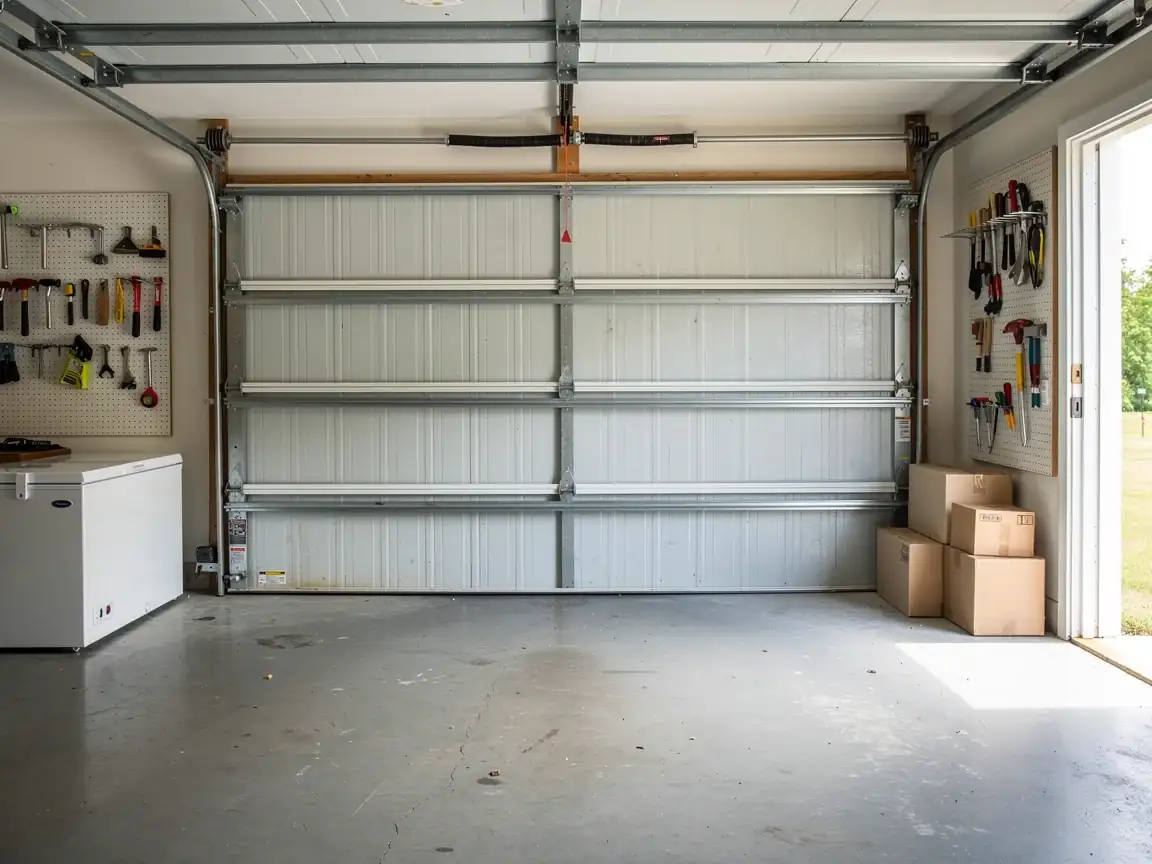
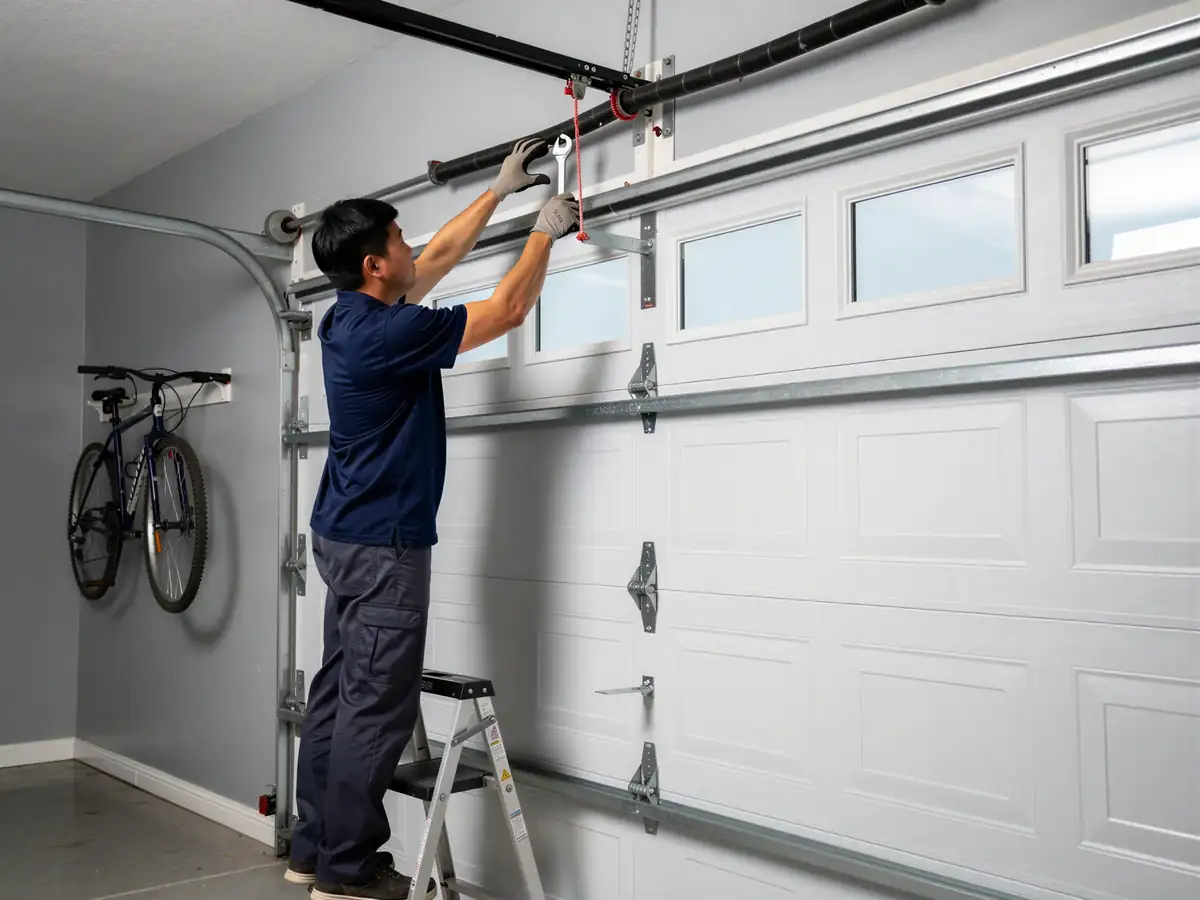
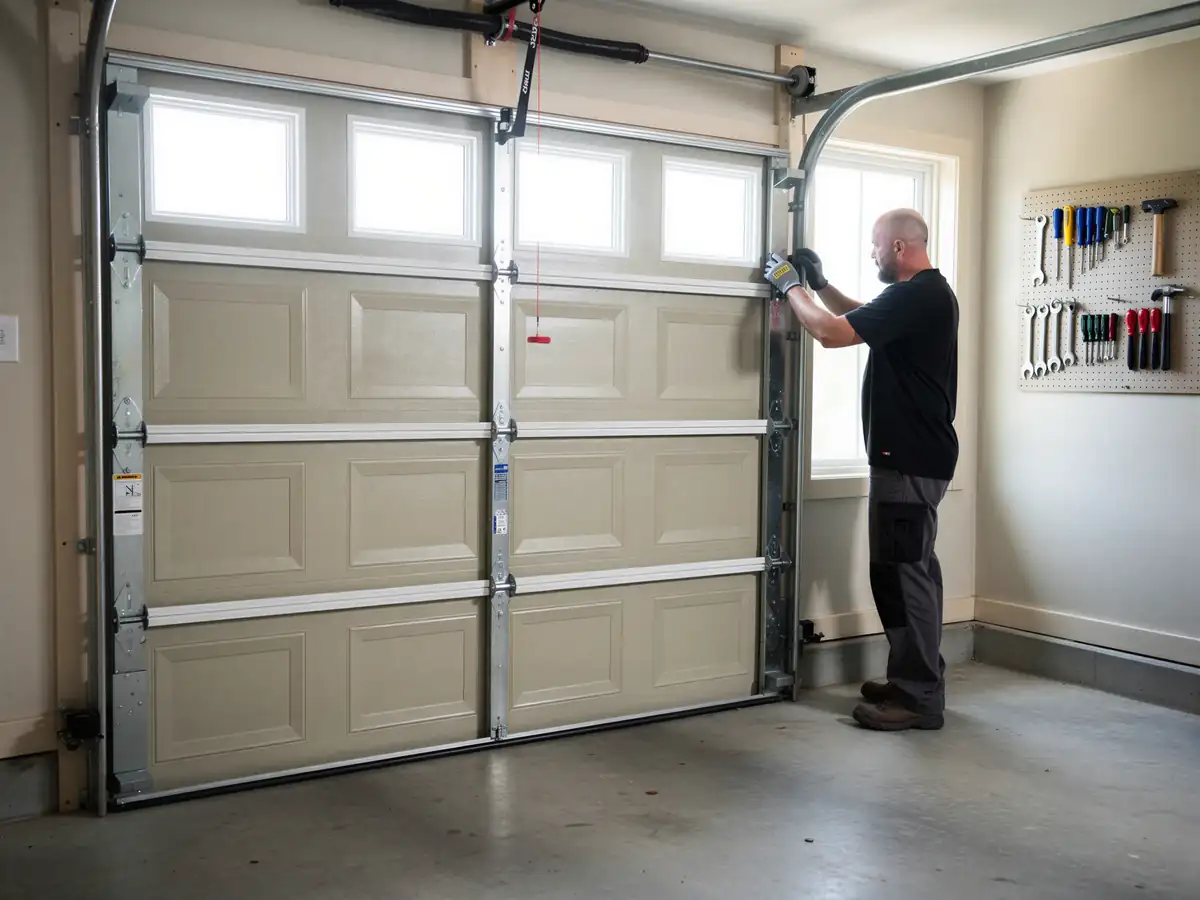
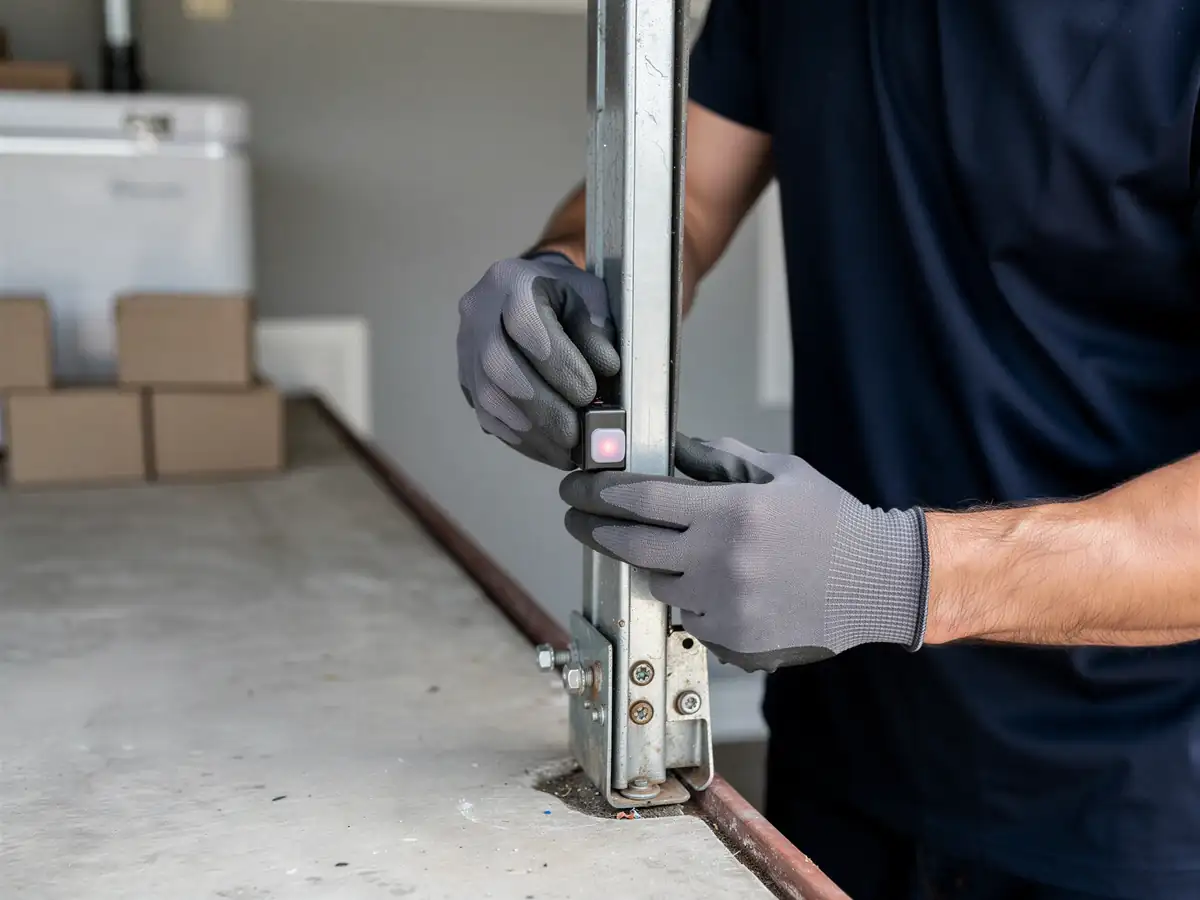
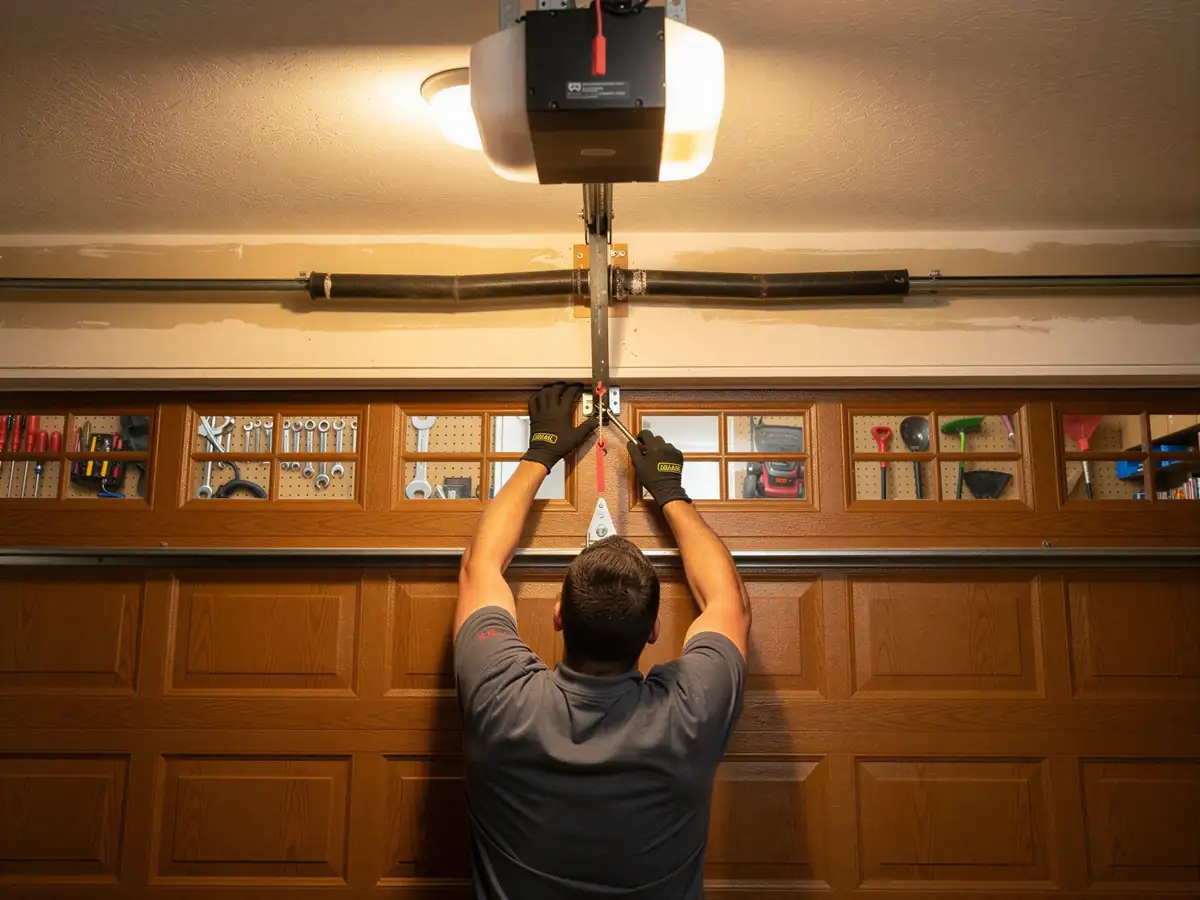
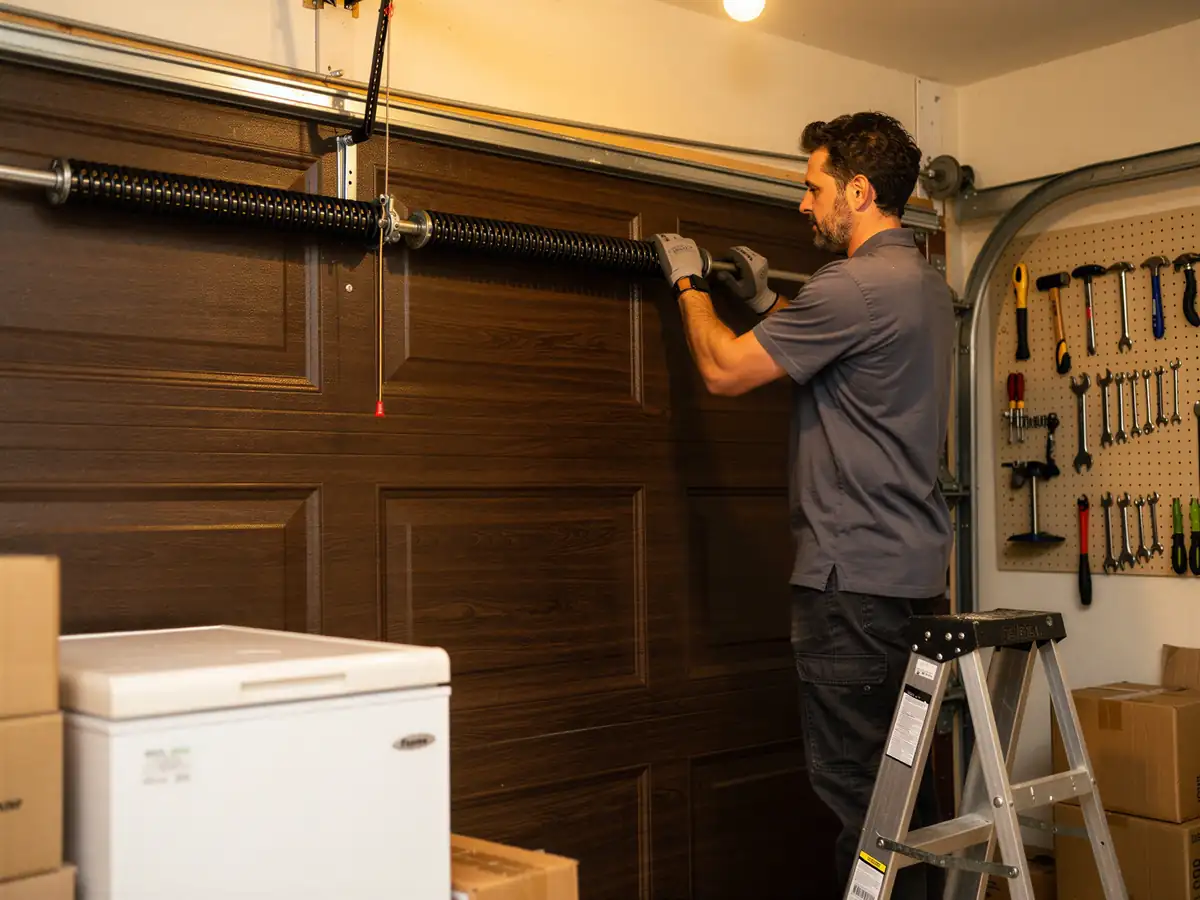
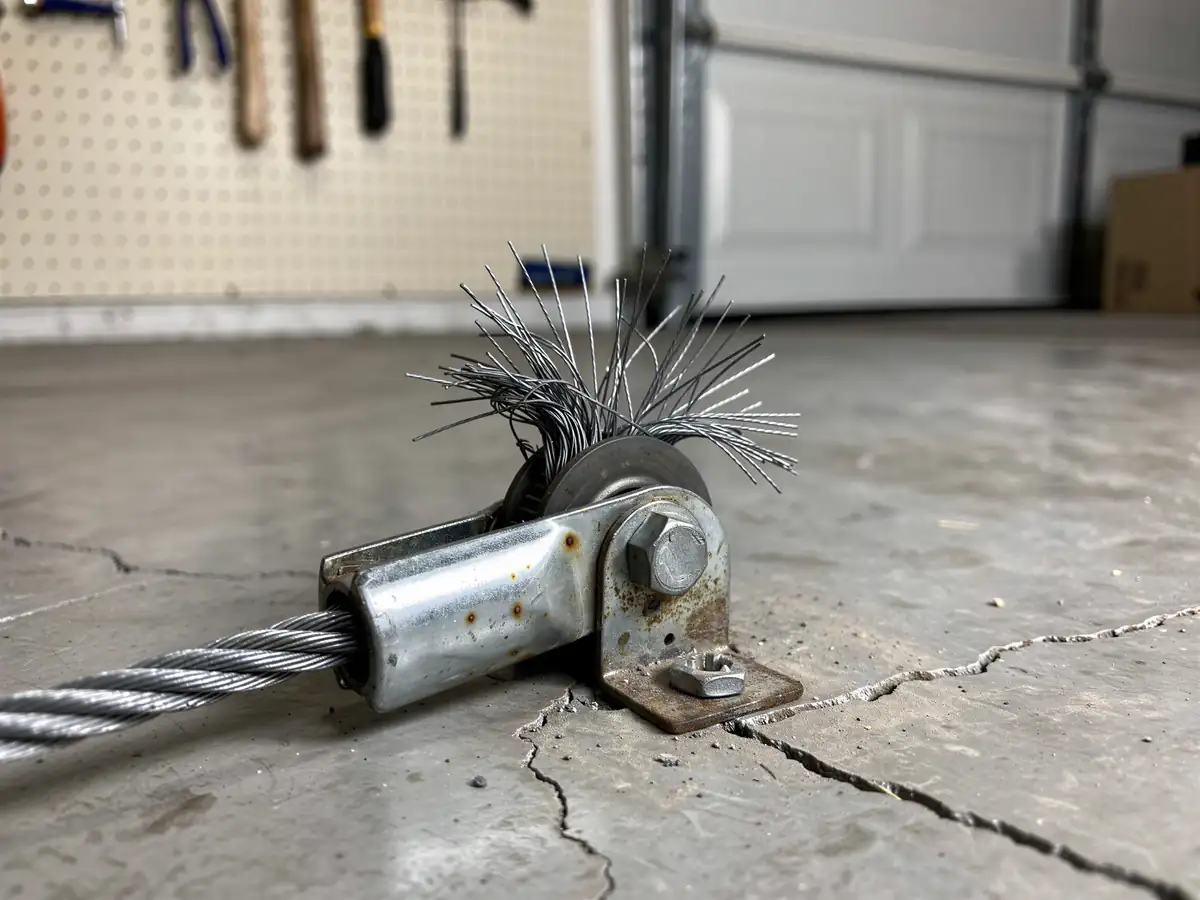
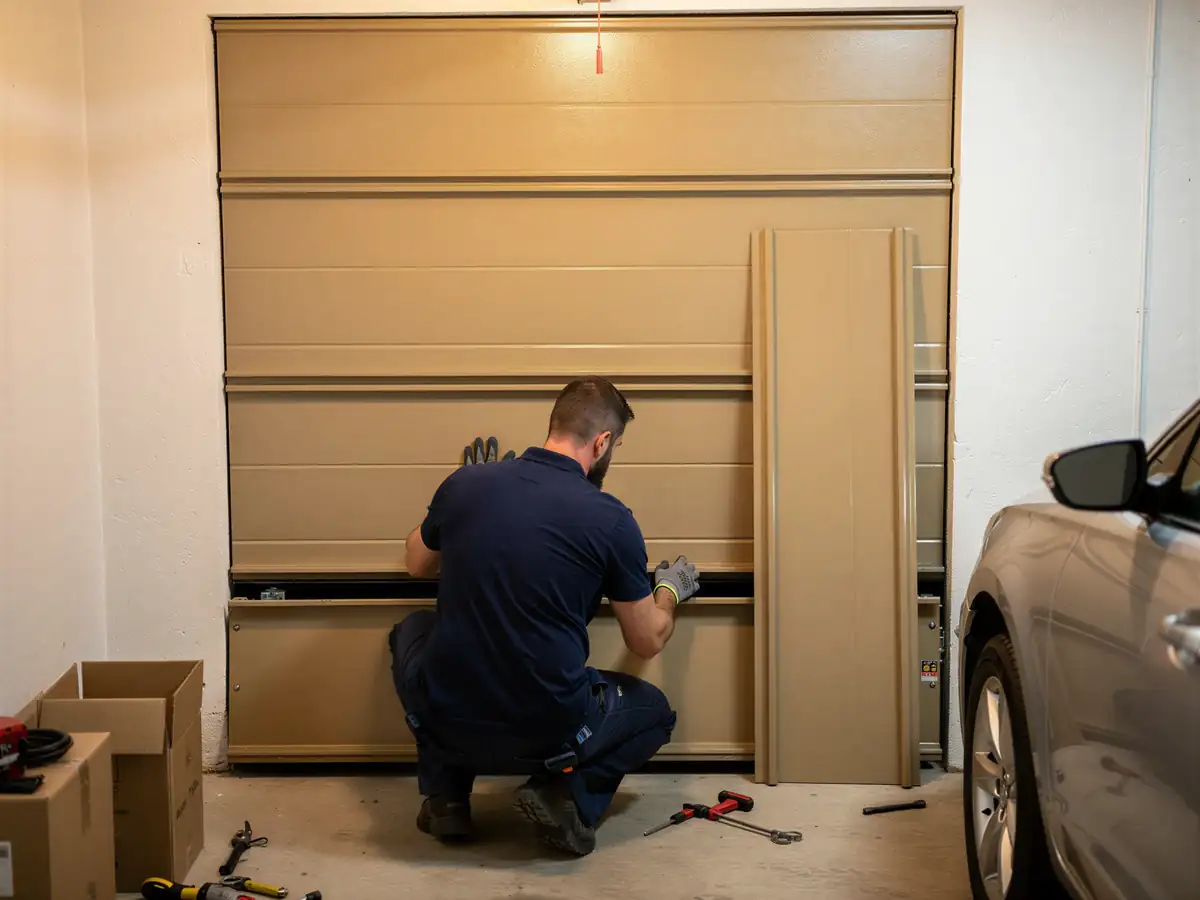
We start by measuring the damaged section against the rest of the door, not just the opening, because sag and racking over 30-plus years change the numbers. On a door built around the 1989 mark, we're usually working with torsion or extension spring setups that predate a lot of the safety hardware sold today, so a panel swap often means checking that the cables, hinges, and rollers around it are still rated for the job, not just bolting in new steel. We pull the damaged section, transfer the hinges and roller brackets if they're sound, and set the new panel so the seams line up without putting uneven tension on the spring system. On insulated panels we check the door still closes square once the new piece carries its share of the weight - an insulated section weighs more than the bare steel original, and older springs weren't always sized for that difference. If the spring's tired, we say so before we start, not after.
Why This Fails Locally
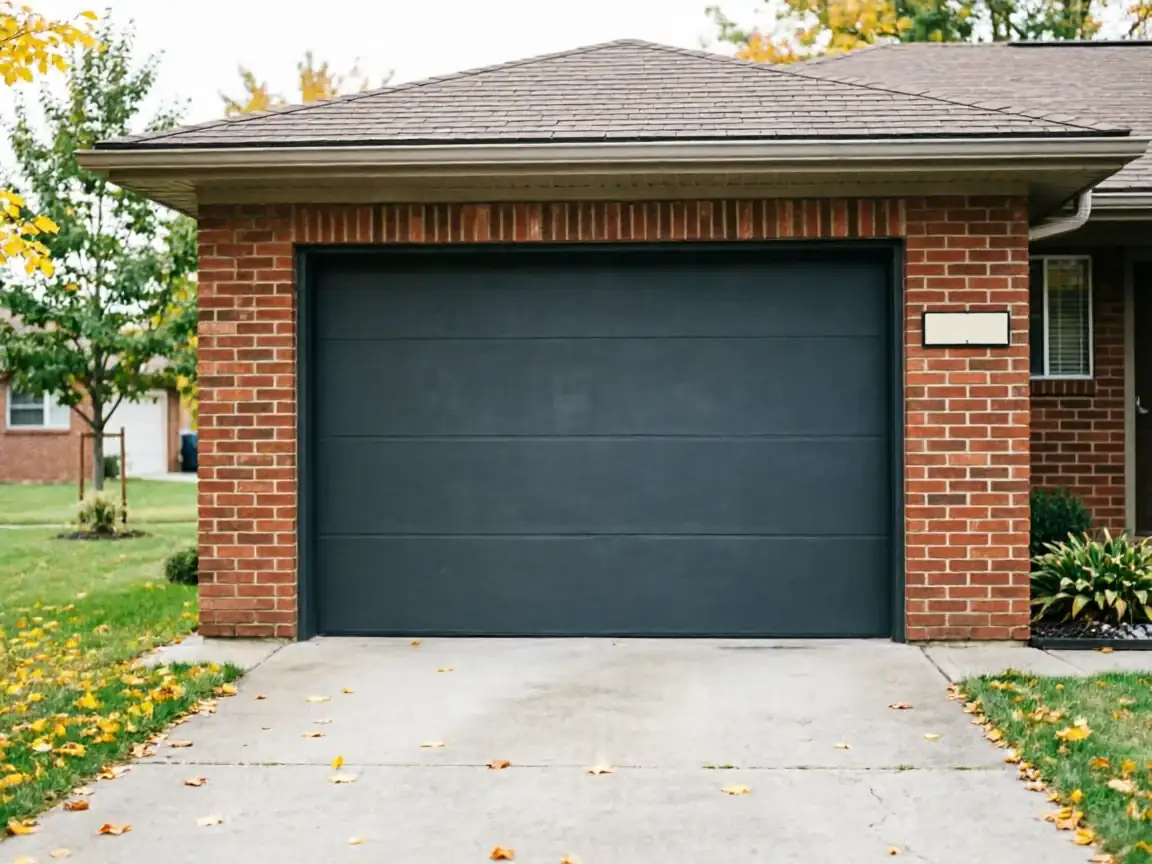
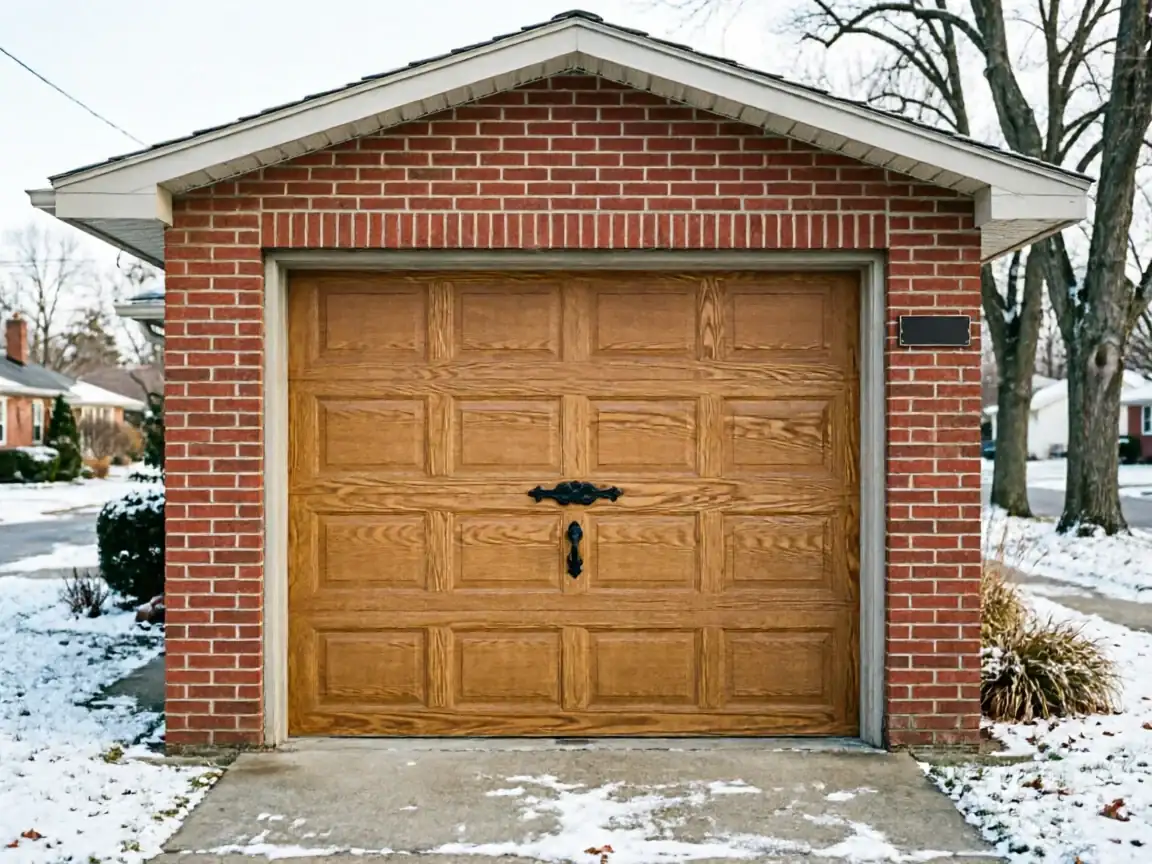
The failure pattern here tracks the climate, not bad luck. Cold, moderate winters mean repeated freeze-thaw cycling on anything with trapped moisture, and a cracked panel seam from a backed-into dent becomes a bigger problem once water gets into the foam core and freezes. On doors from the 1989 construction wave, that core is often original - it's had three decades of expansion and contraction, and the bond between steel skin and foam weakens well before the panel looks obviously bad from the driveway. A hairline crack that would be cosmetic in a warmer climate turns into a split seam here once a few winters work on it. We also see panels that were fine until a harder-than-usual cold snap made the steel brittle enough that a minor impact split it clean through, where the same hit on a newer door wouldn't have left a mark.