What the Fix Involves
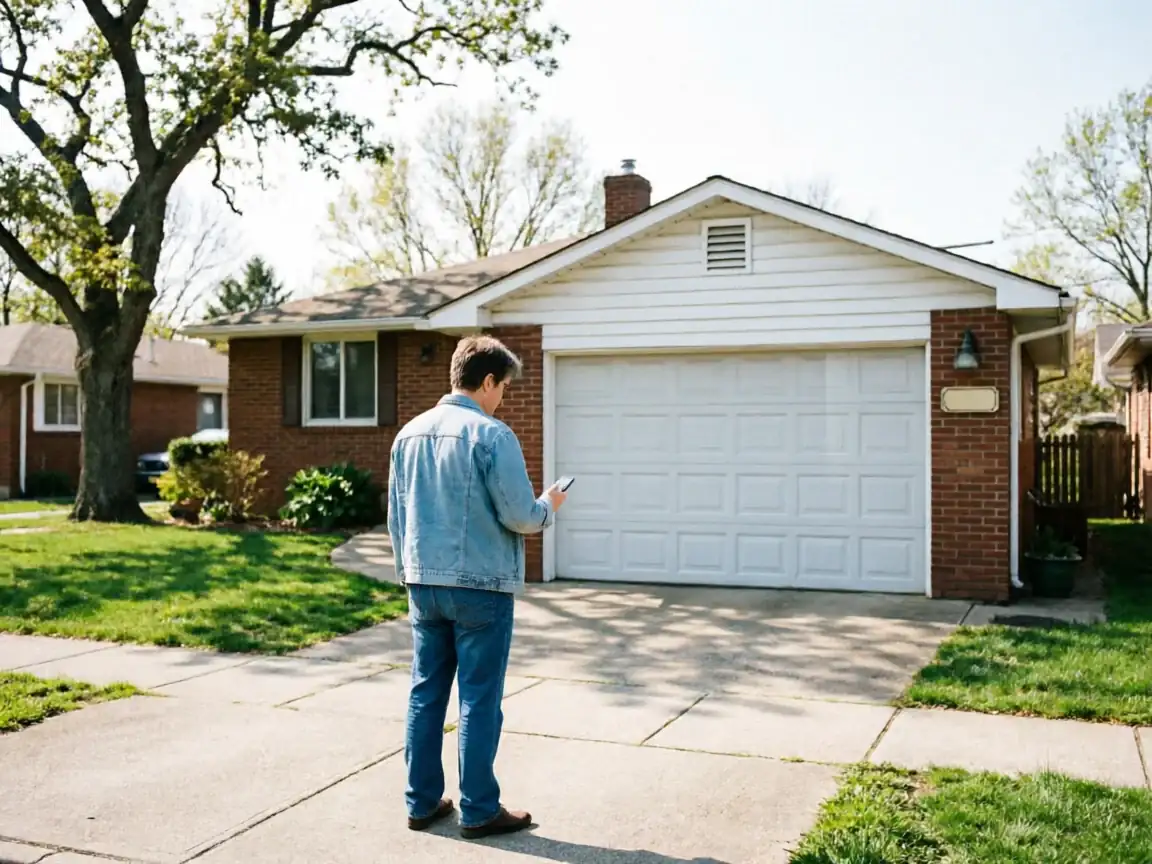
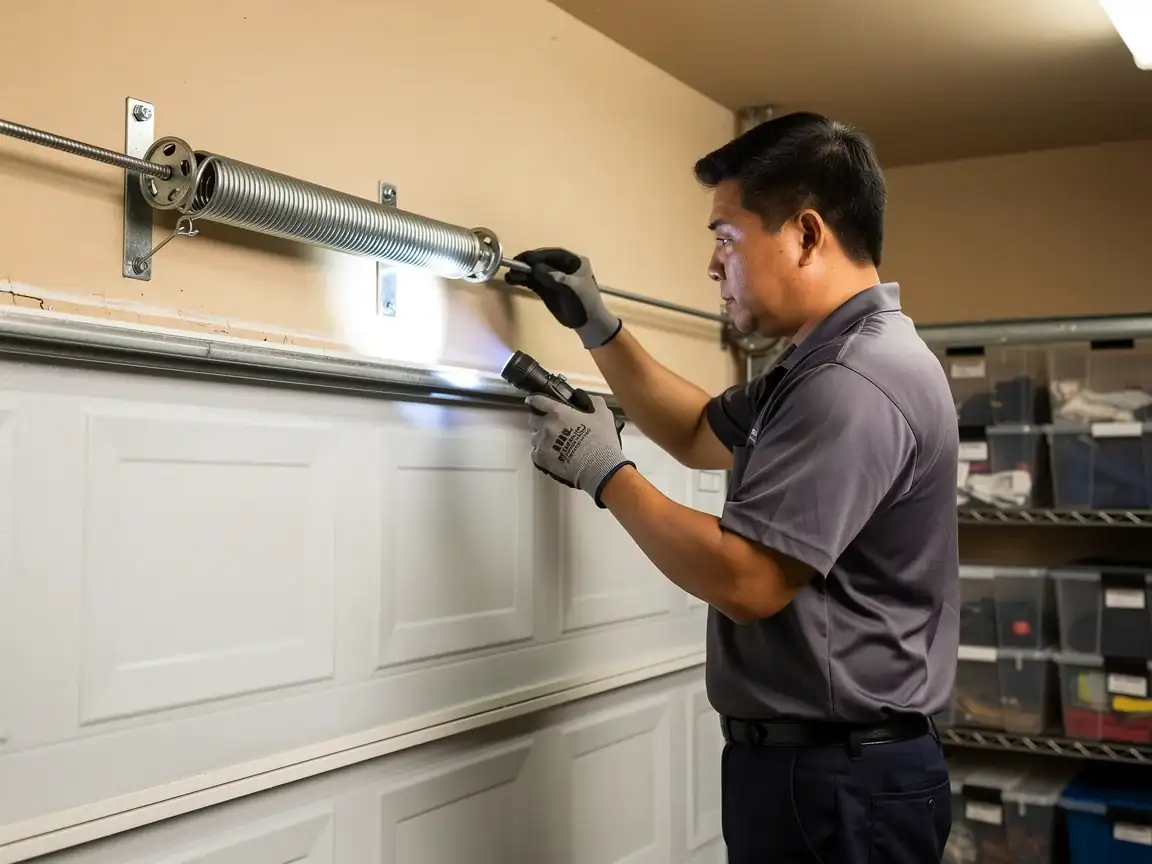
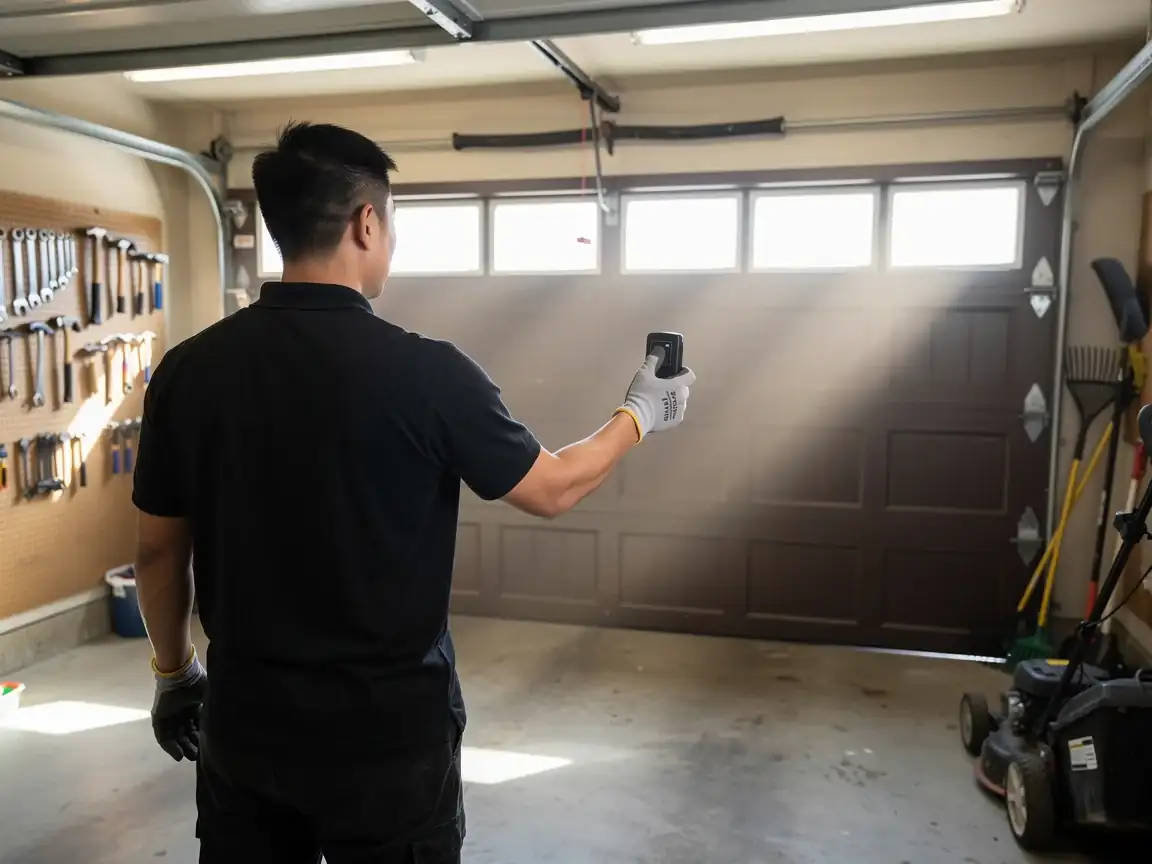
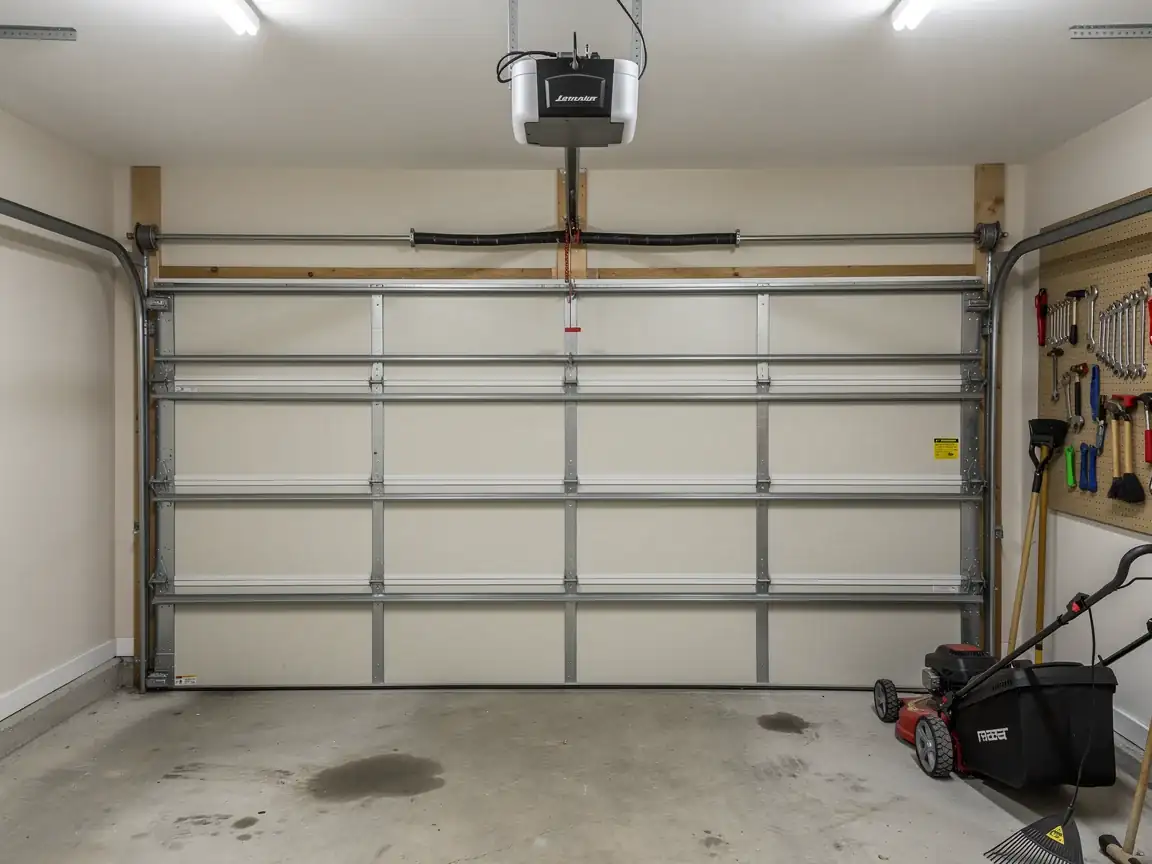
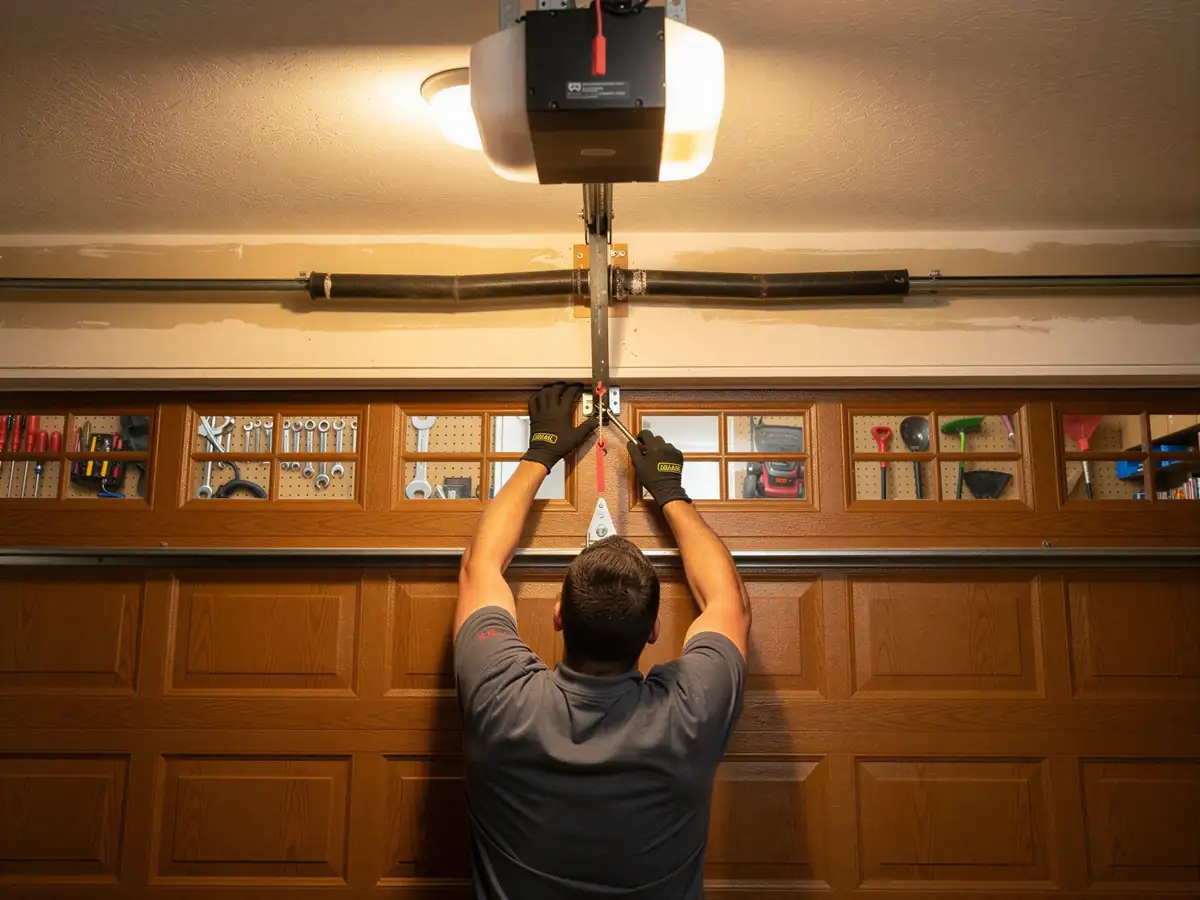
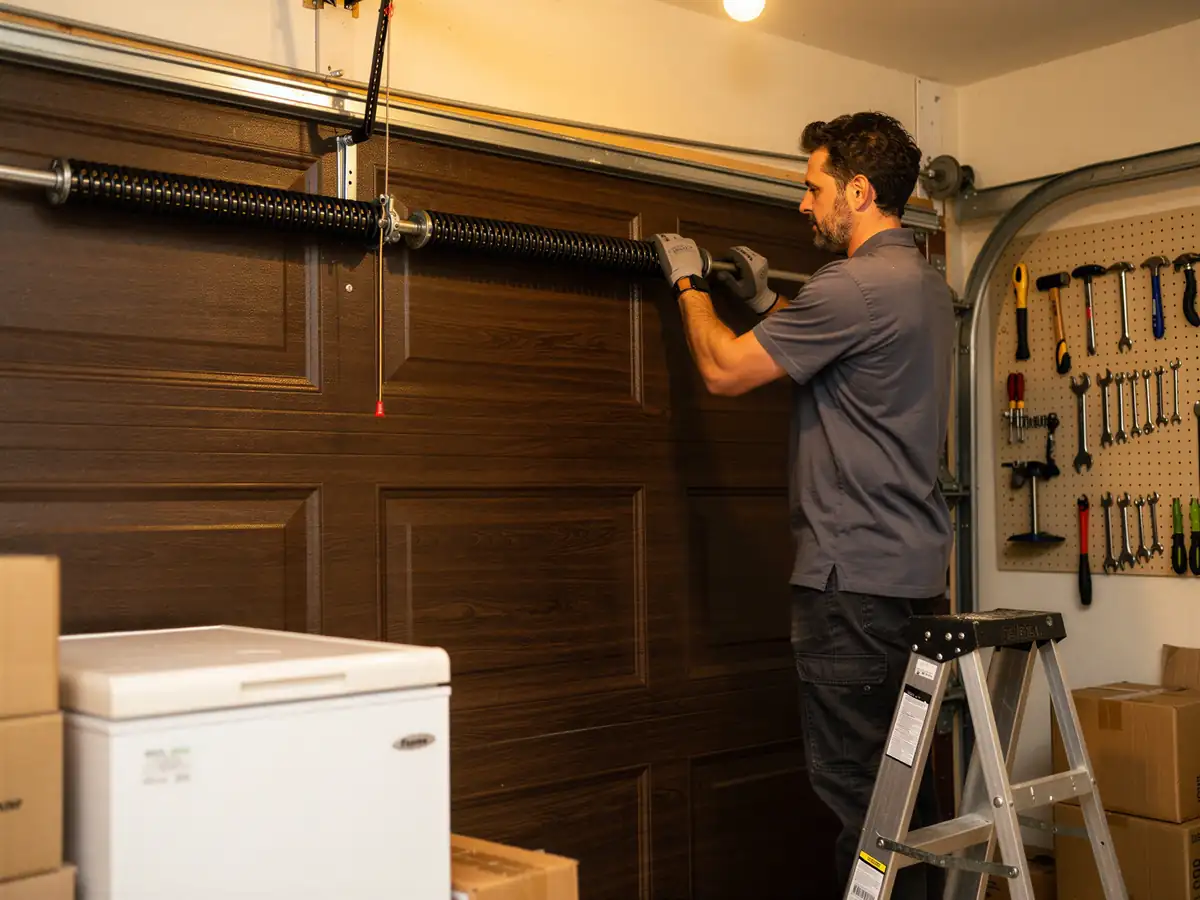
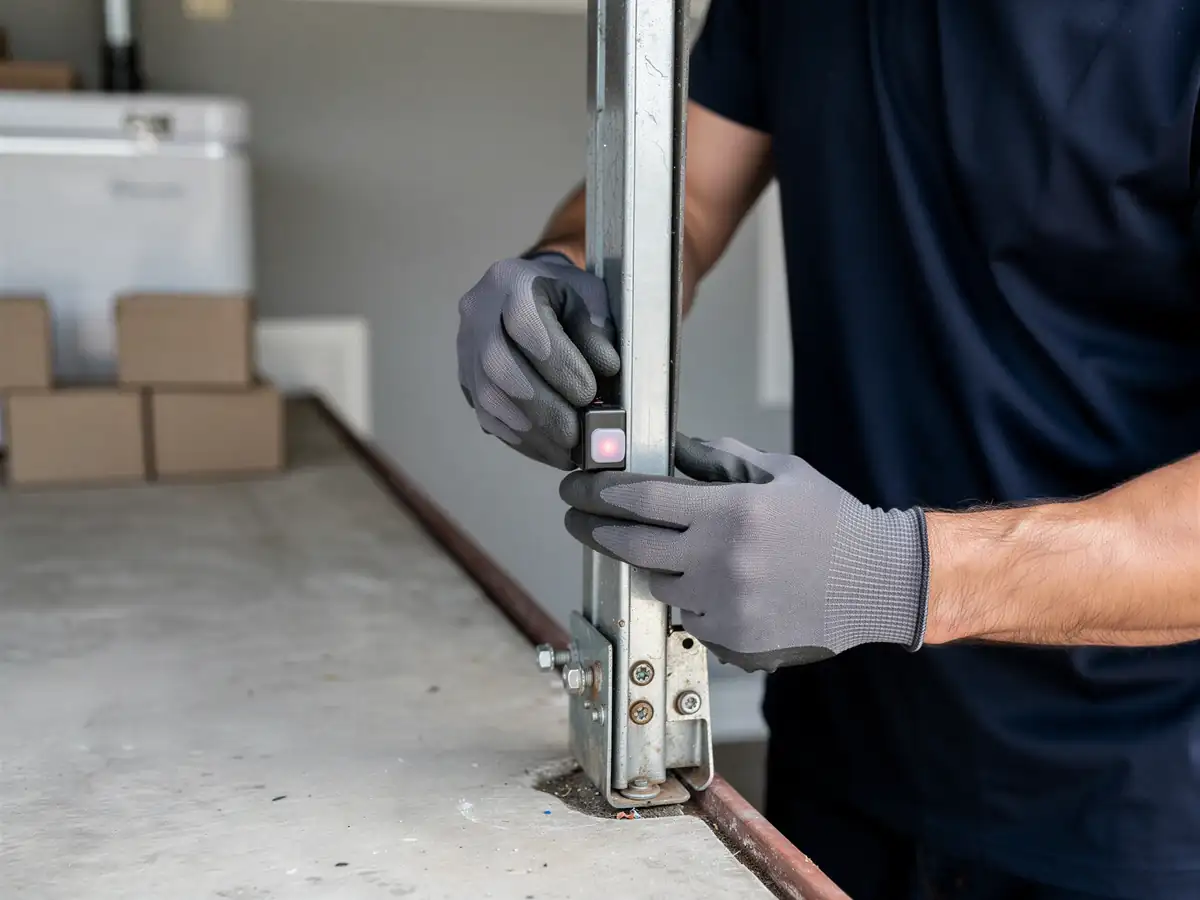
Houses here went up with a median build year of 1989, six years newer than the 1983 median across the rest of the service area. That six years matters more than it sounds like - it's roughly the window where openers shifted from pure chain-drive to belt and screw-drive units with early circuit boards instead of relay logic. A fix on a Credit River opener usually starts with the board, not the motor: cutting out mid-cycle, reversing before the door seats, or refusing to respond to the remote are board and sensor symptoms, not gear symptoms, on a unit this age. We test the safety sensors, the wall control wiring, and the board itself before we touch the drive mechanism, because swapping a motor on a board that's failing just moves the complaint to next month.
Why This Fails Locally
Minnesota's cold climate band means openers installed here in the late 1980s and early 90s are old enough now that condensation cycling through three decades of winters has started taking out circuit boards at a higher rate than the drive hardware itself. That's a different failure pattern than a house built in 2004 would show, and it's a different failure pattern than one built in 1960 with no powered opener at all - this town's housing stock lands squarely in the belt-drive-with-early-electronics era, and that's the equipment we're pulling off ceilings out here. At $149,524, median household income in Credit River runs well above the $93,077 median across the territory we cover, and we see more owners here choose a full opener replacement with a current board over a board-only repair once a unit hits this age, simply because the newer unit comes with a warranty the old board never will again.