What the Fix Involves
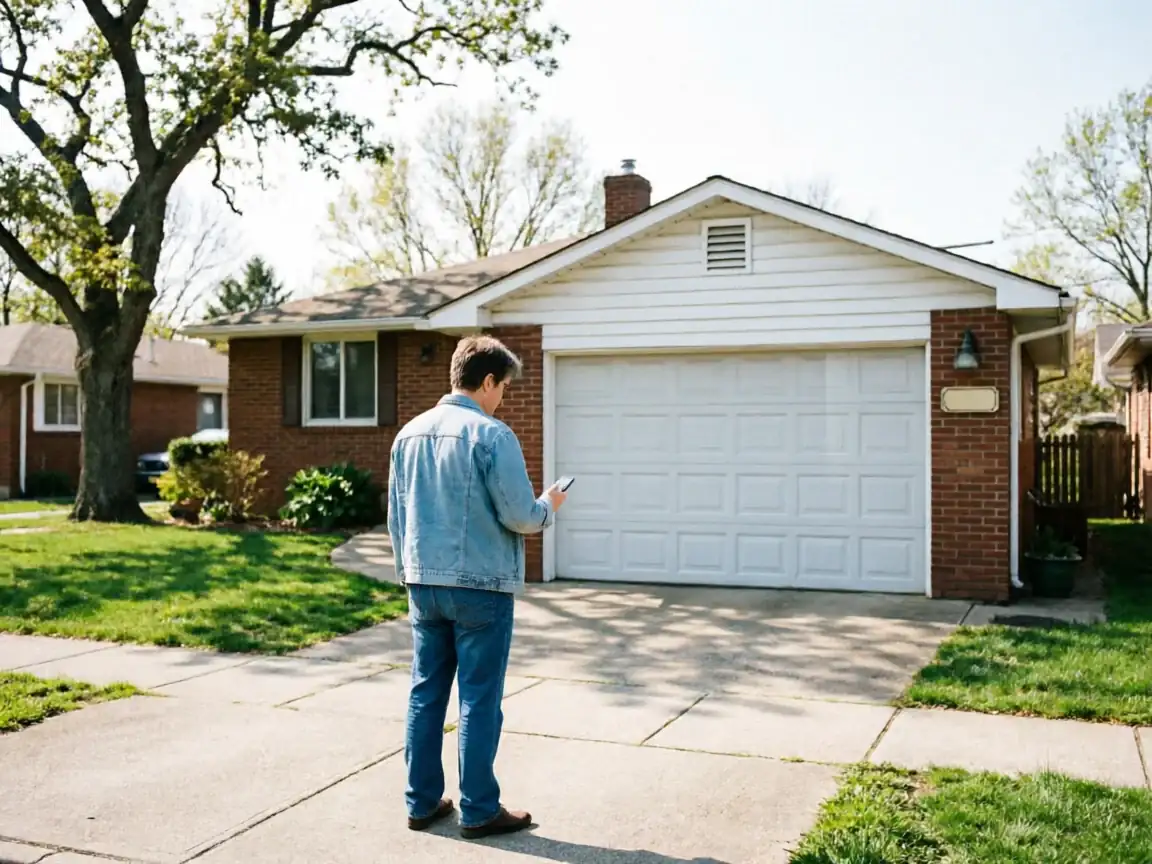
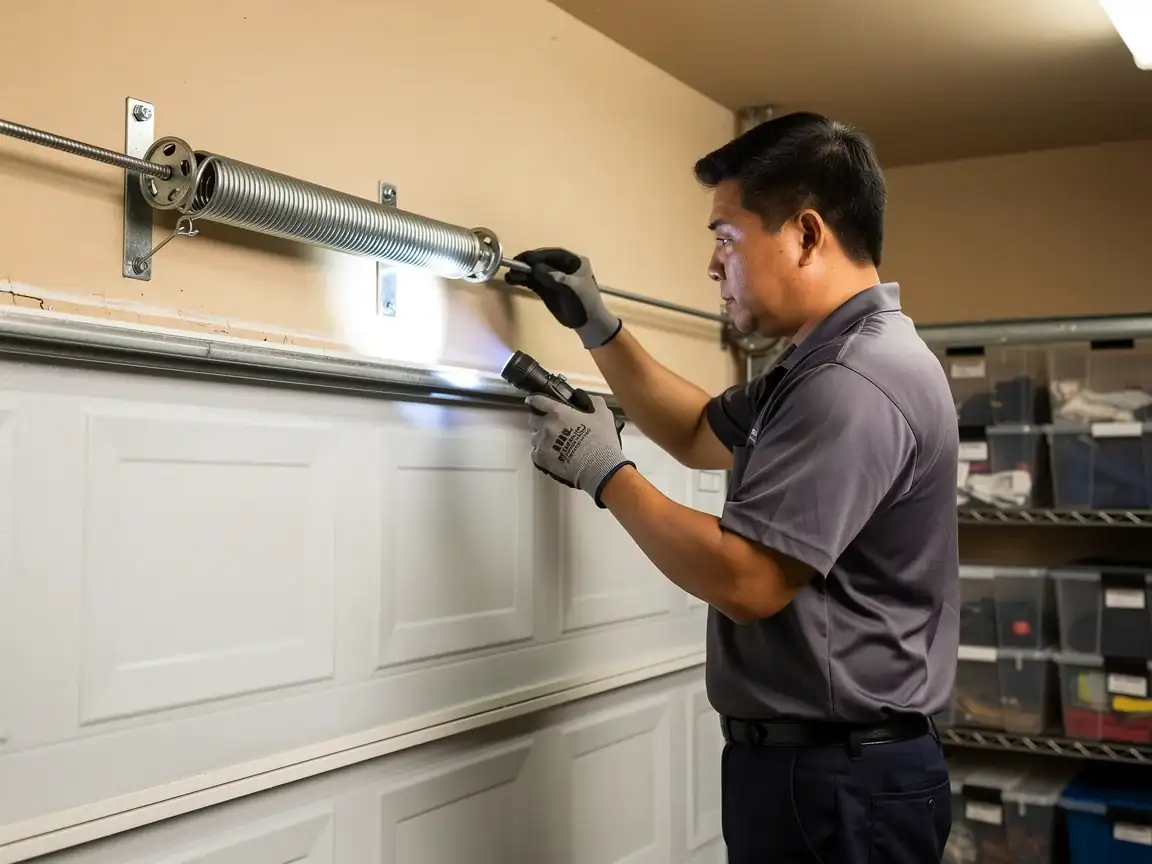
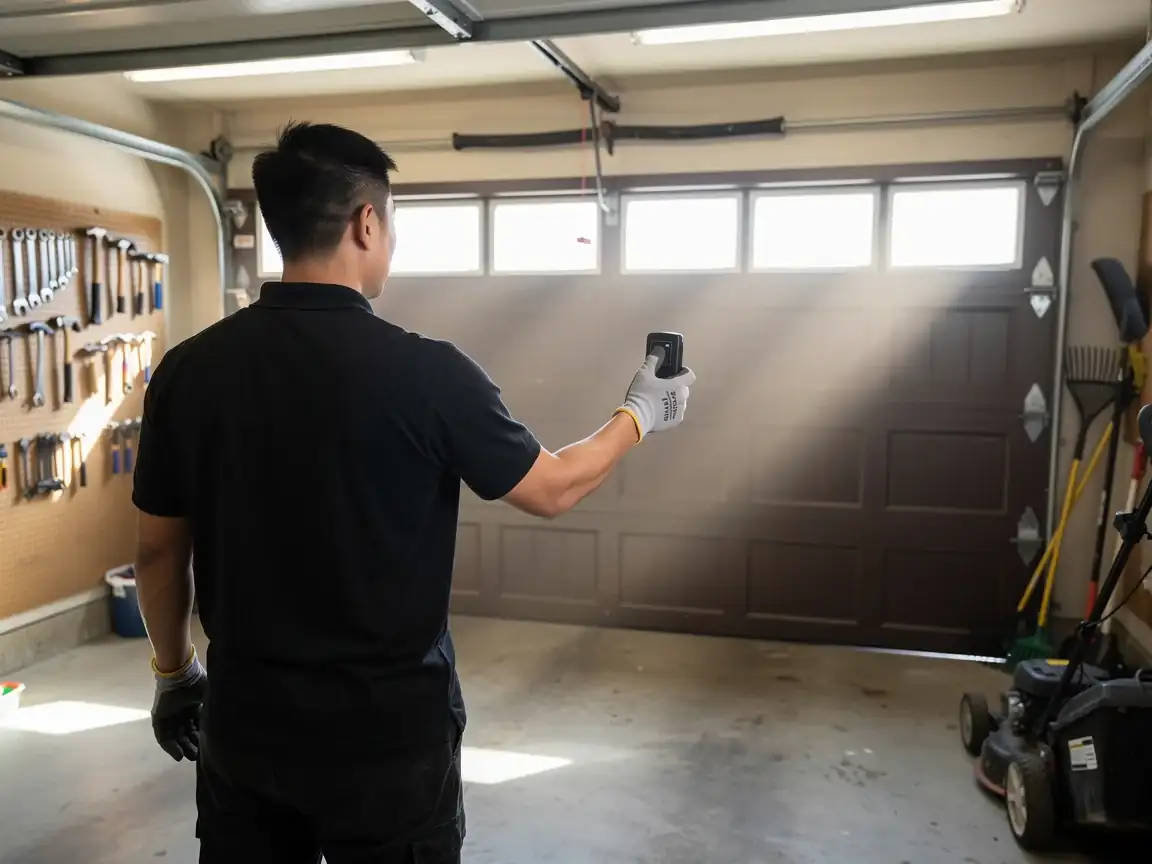
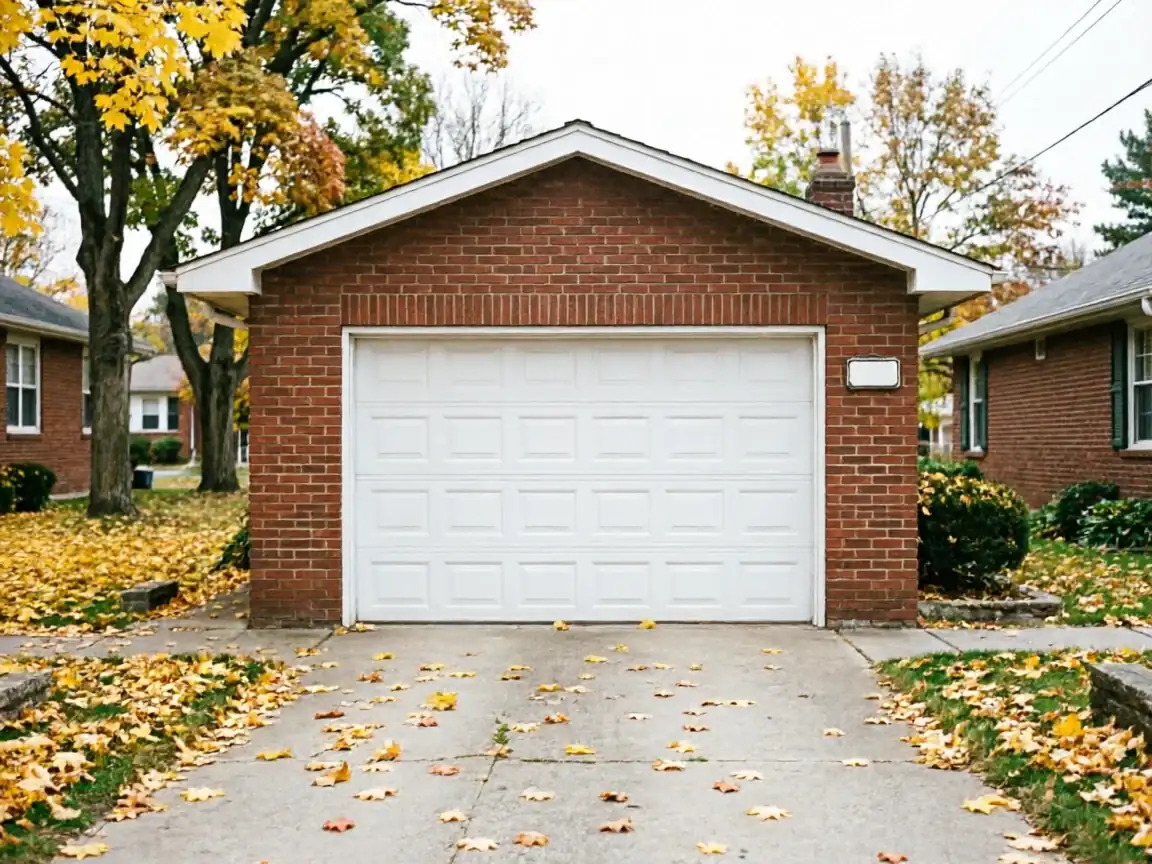
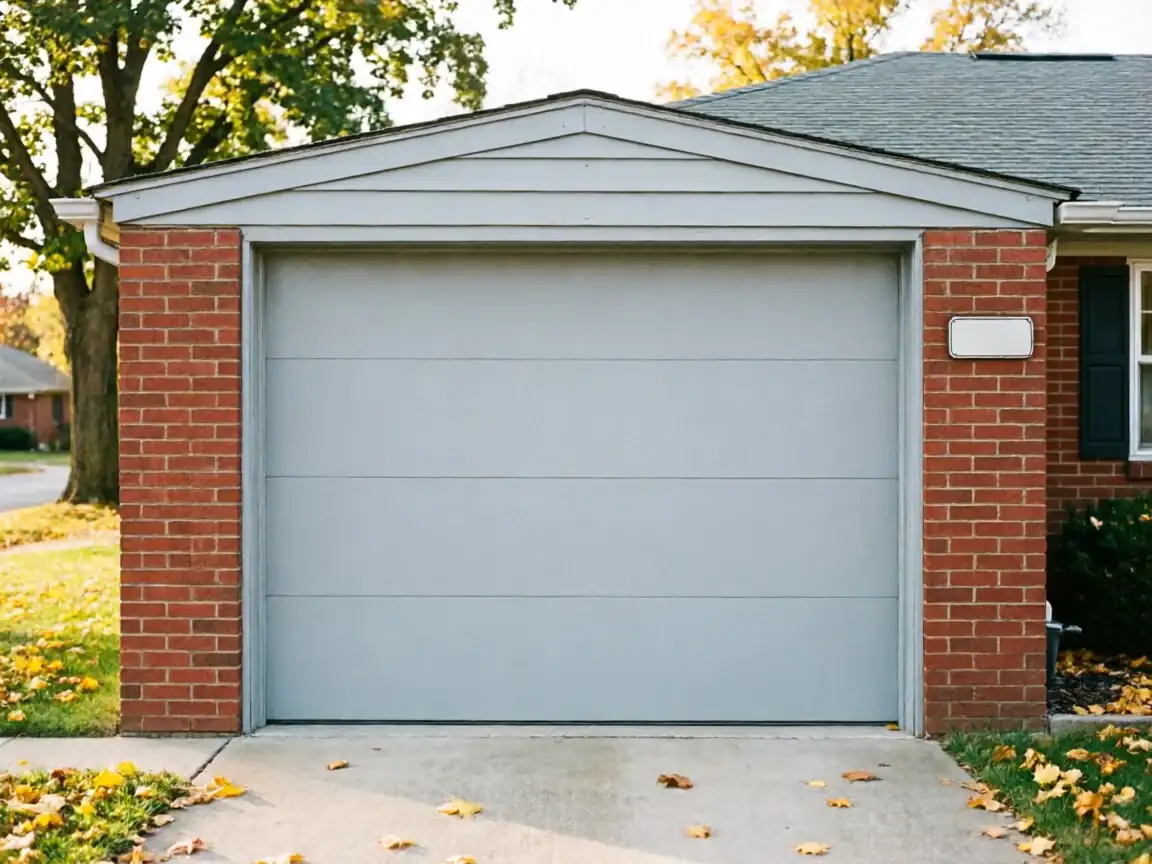
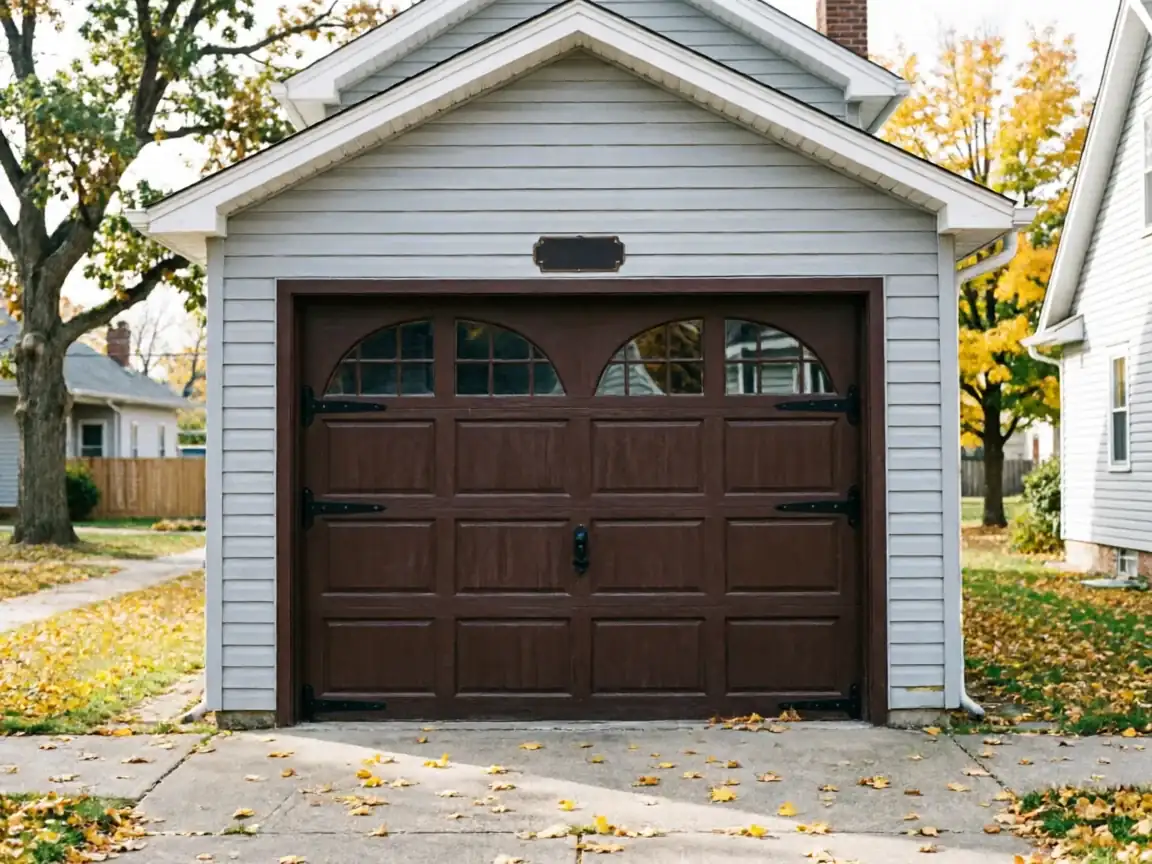
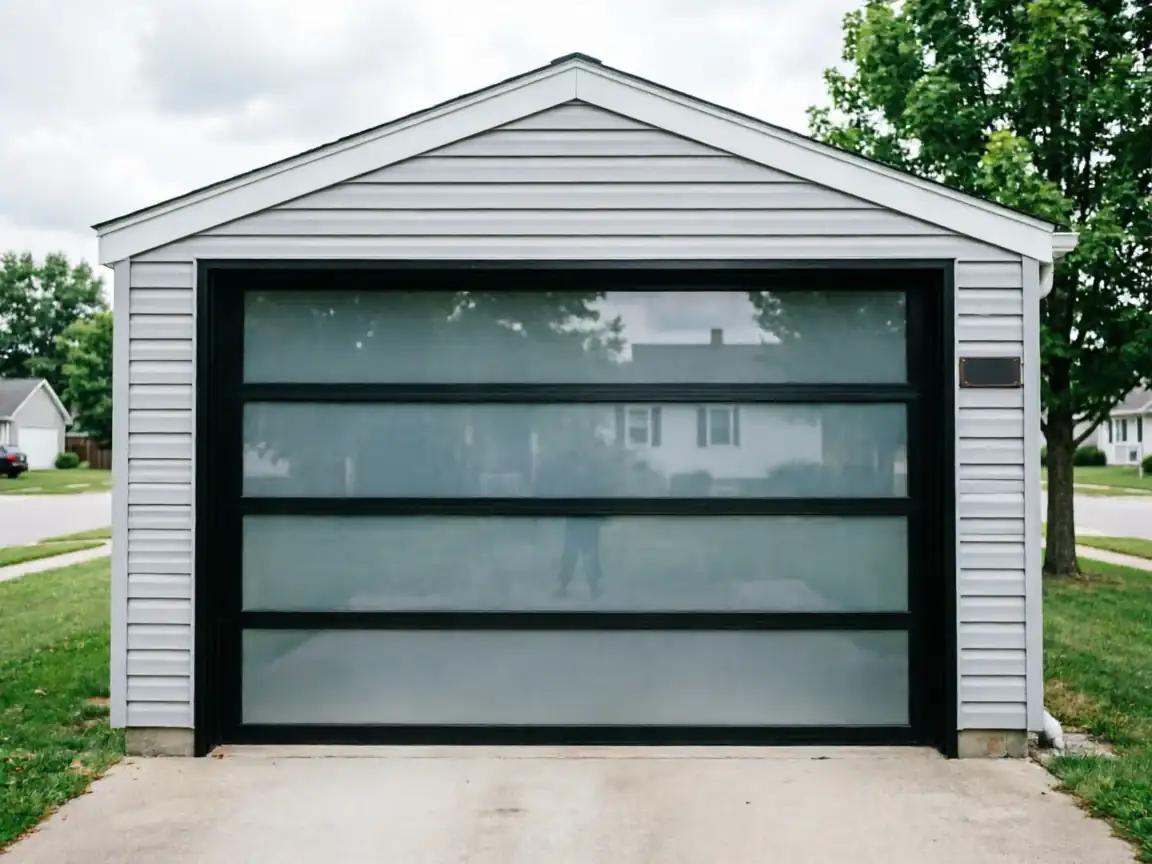
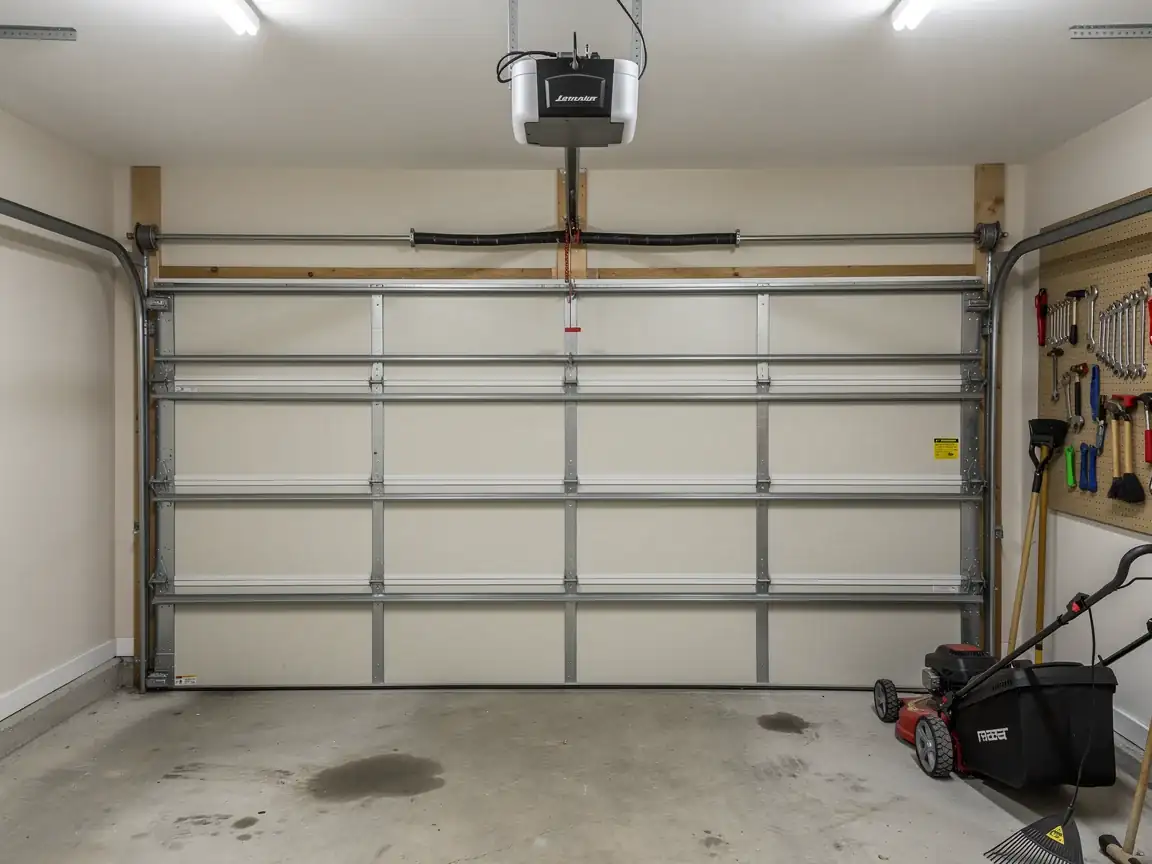
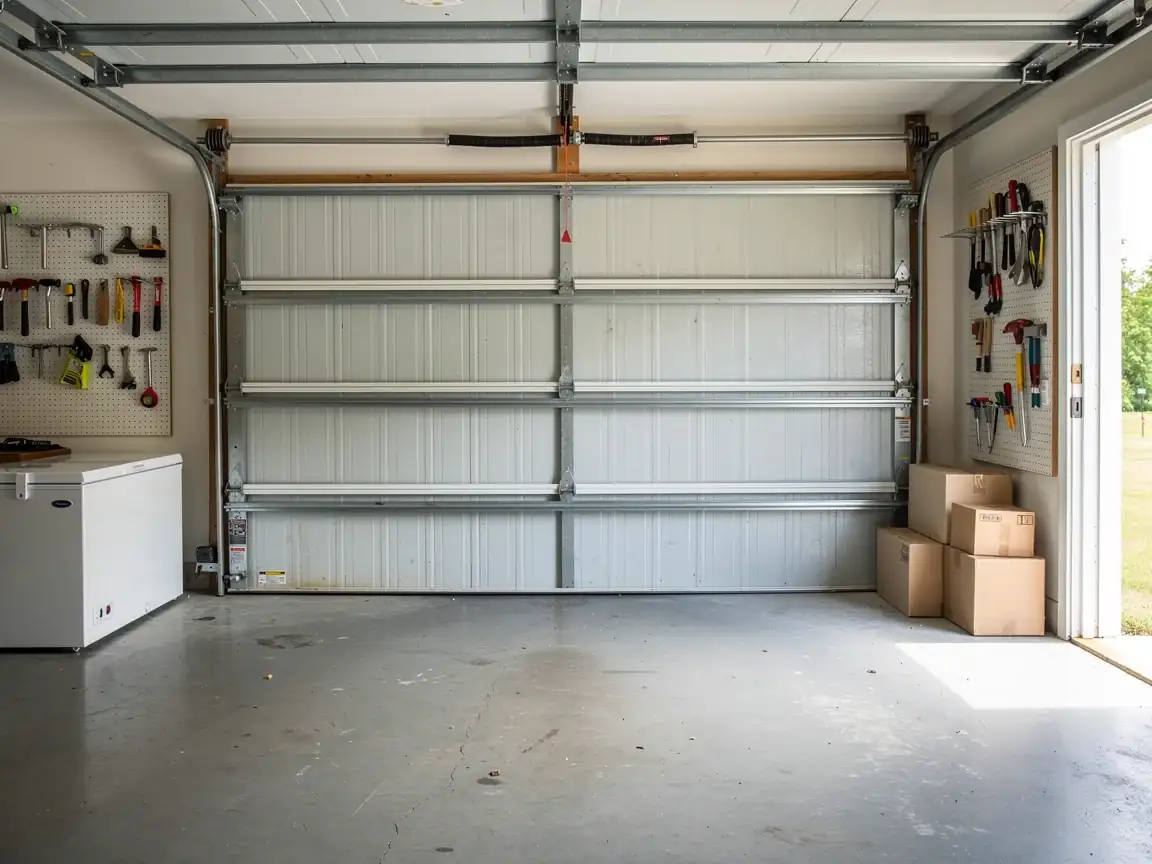
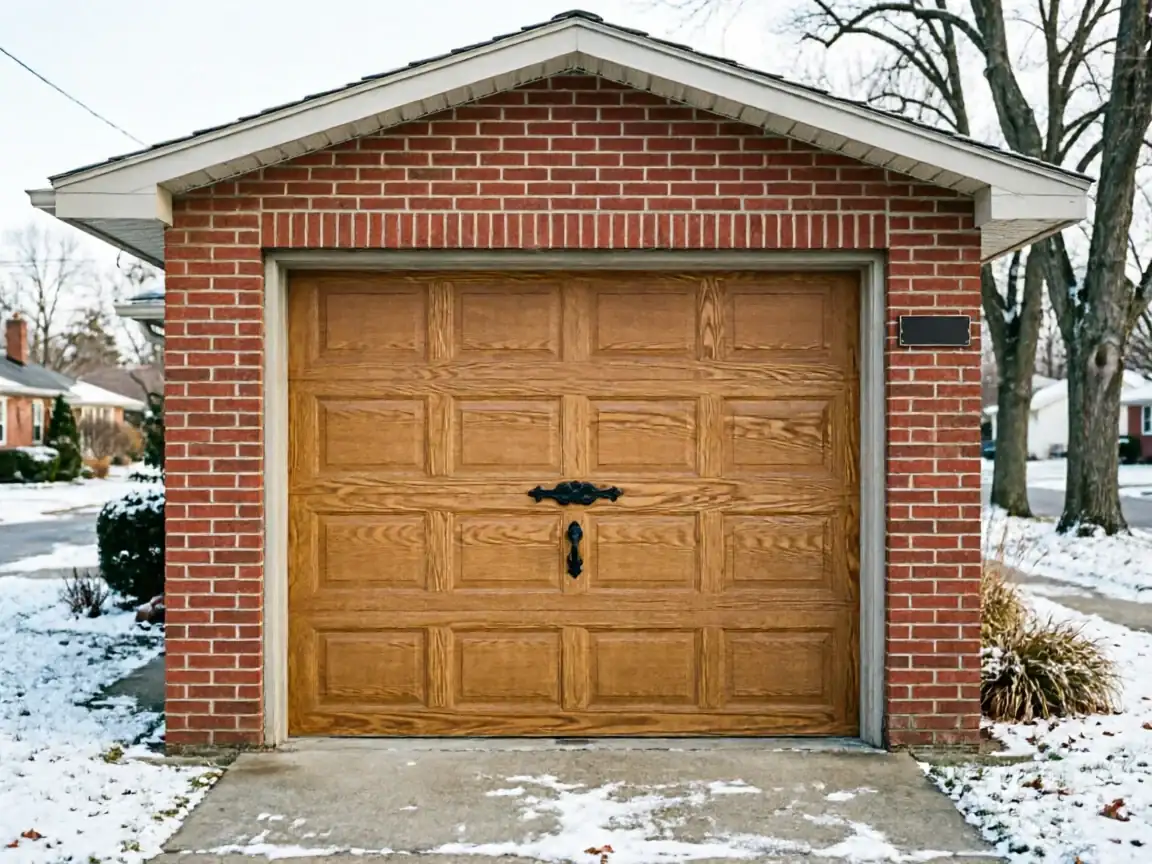
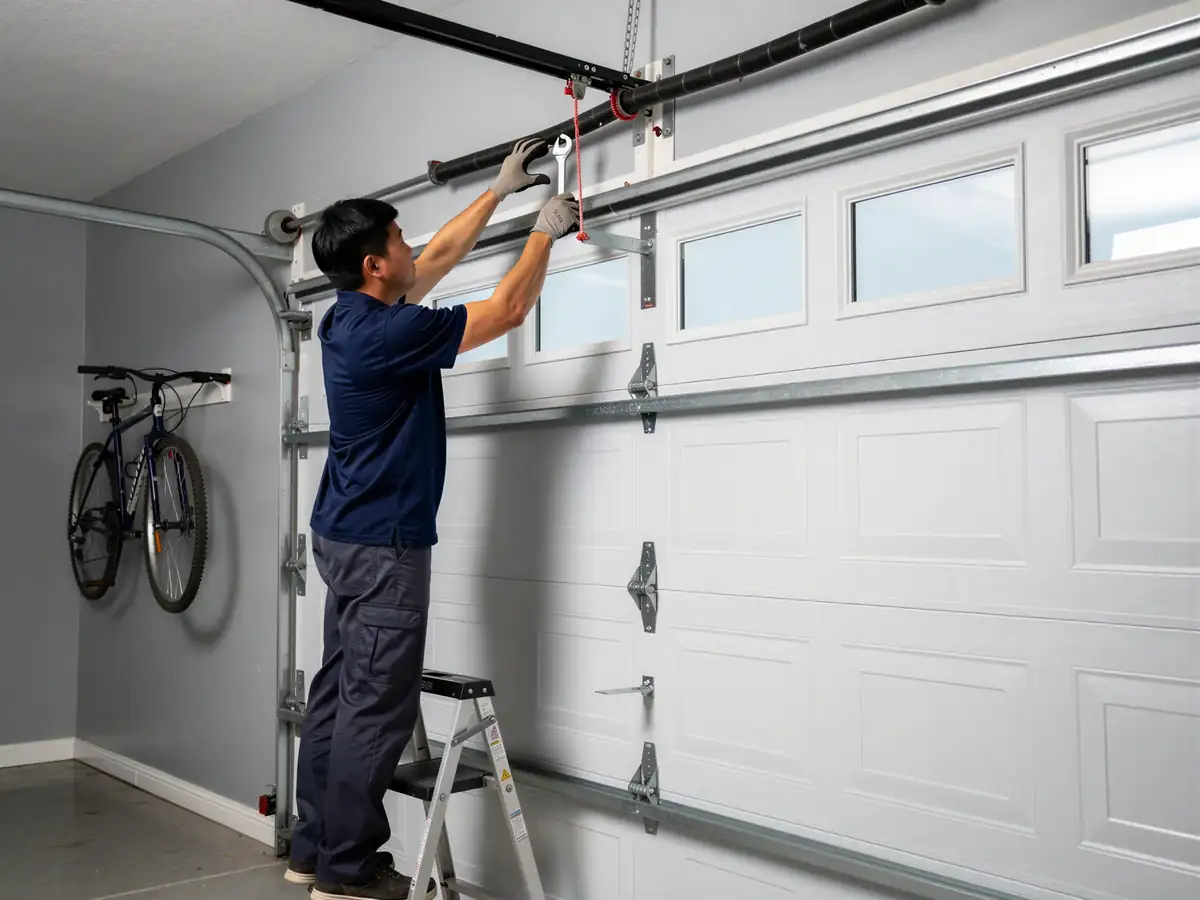
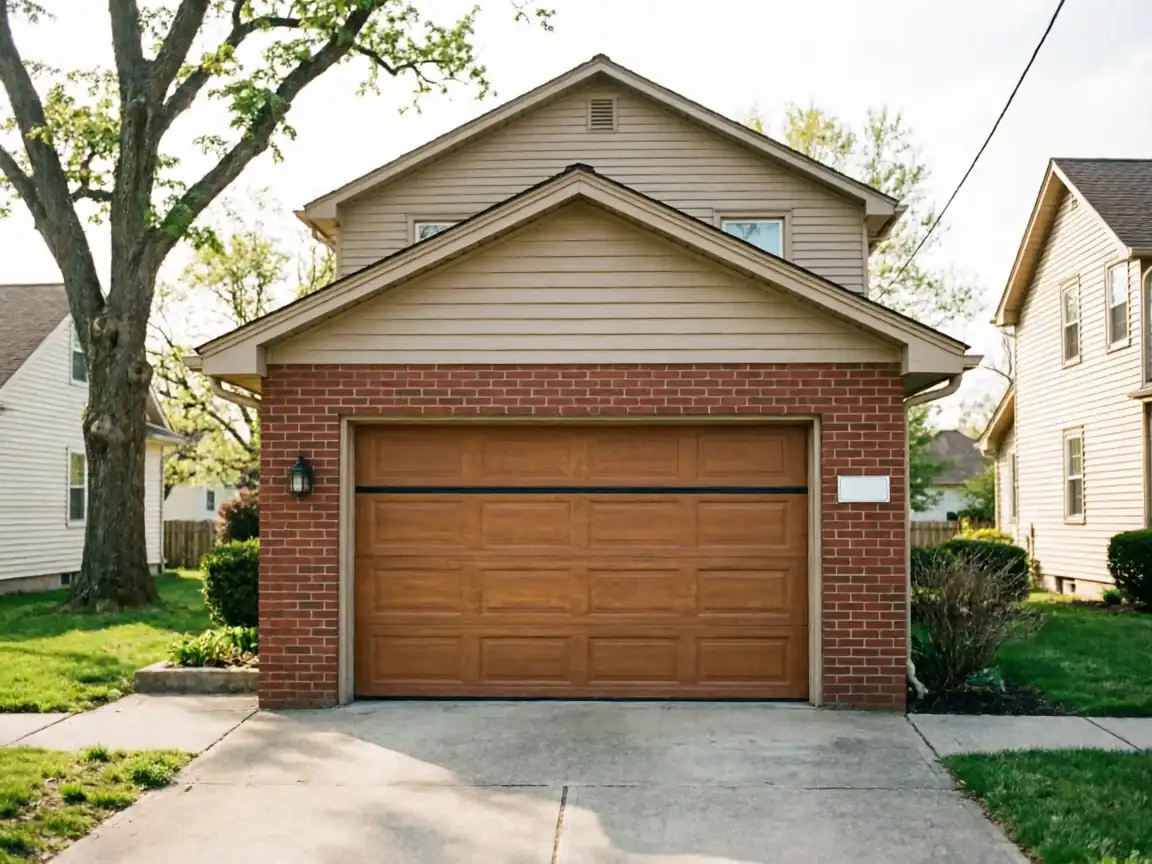
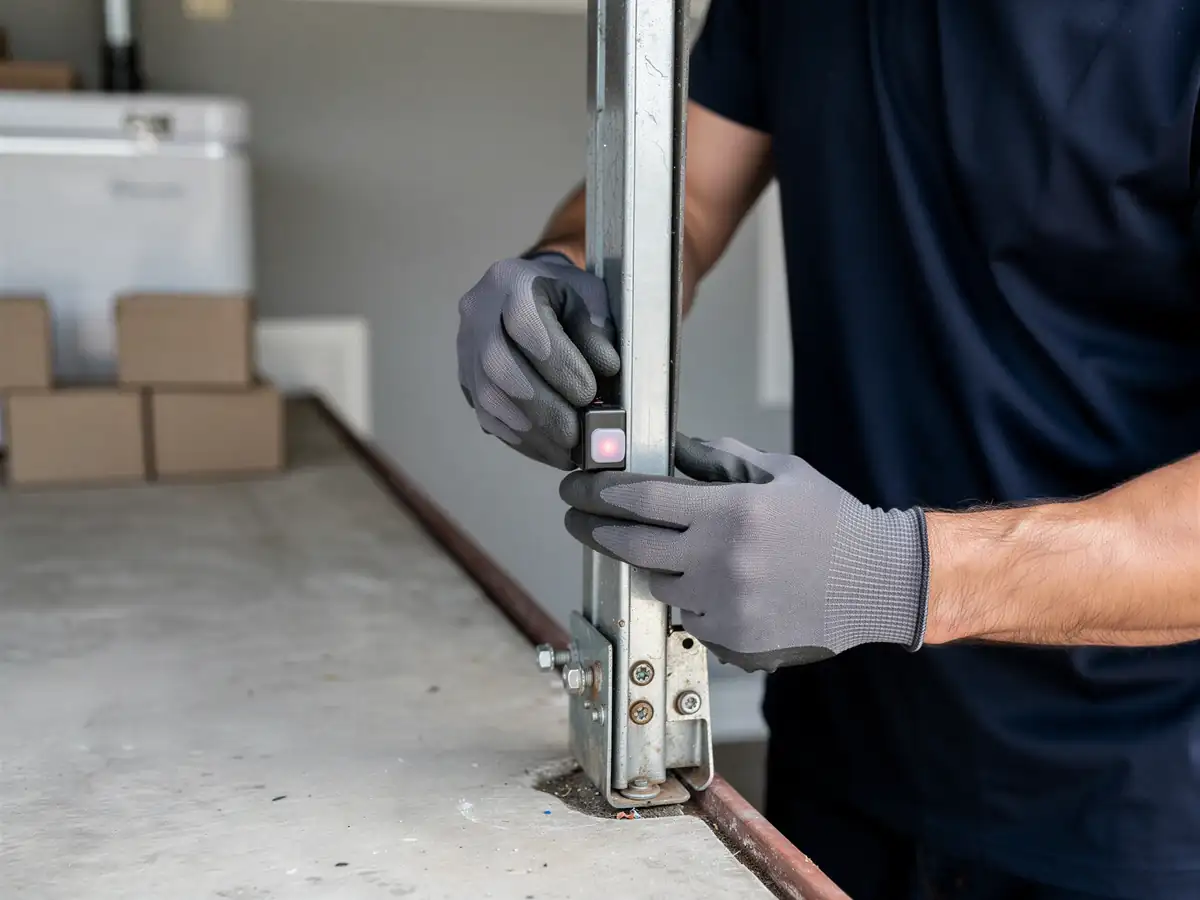
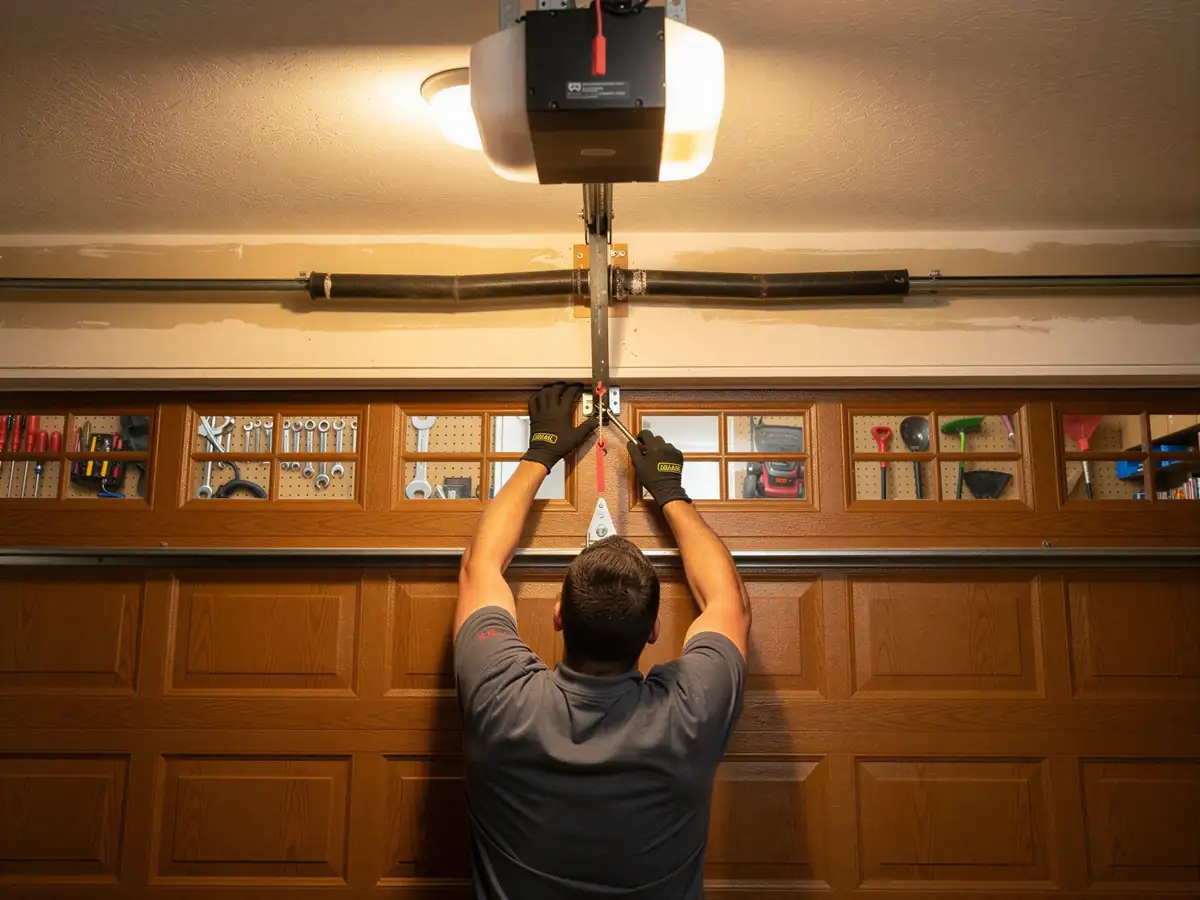
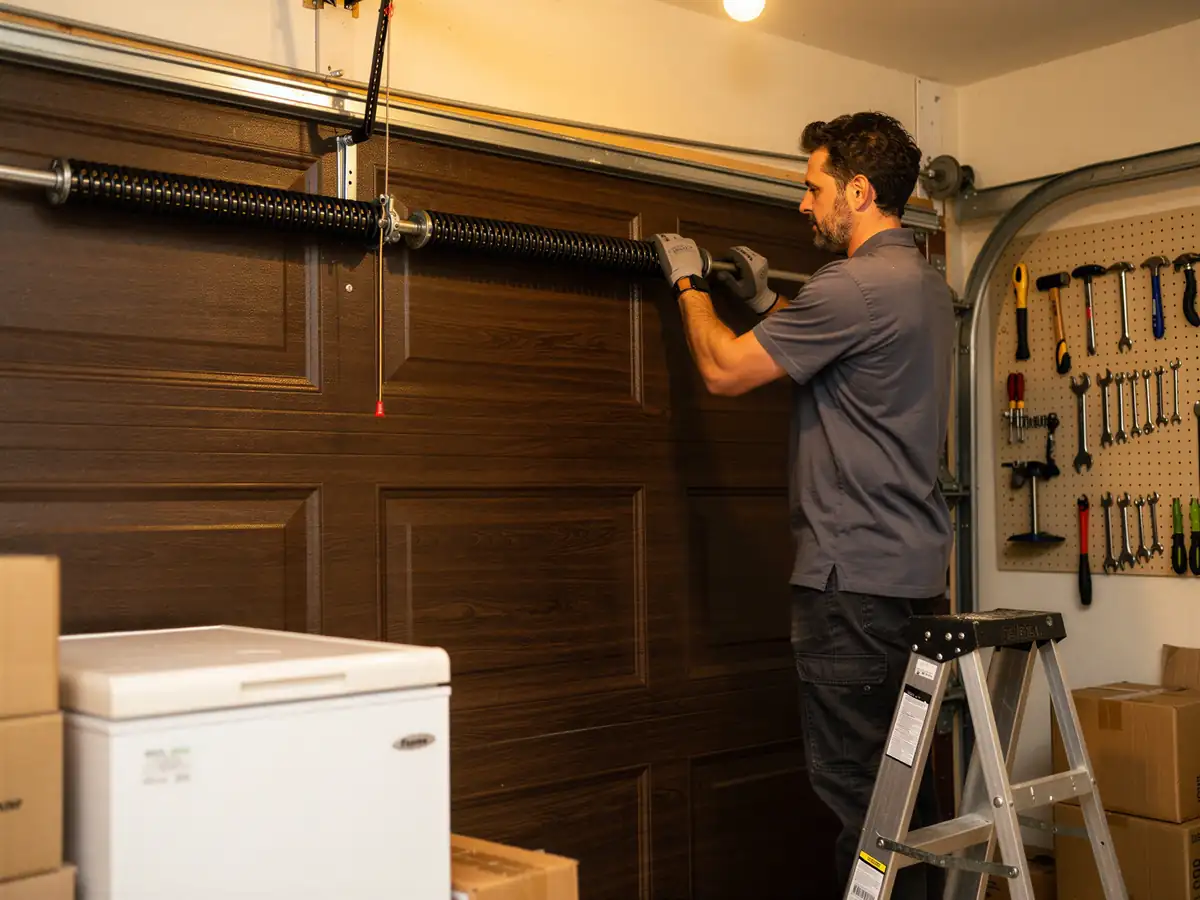
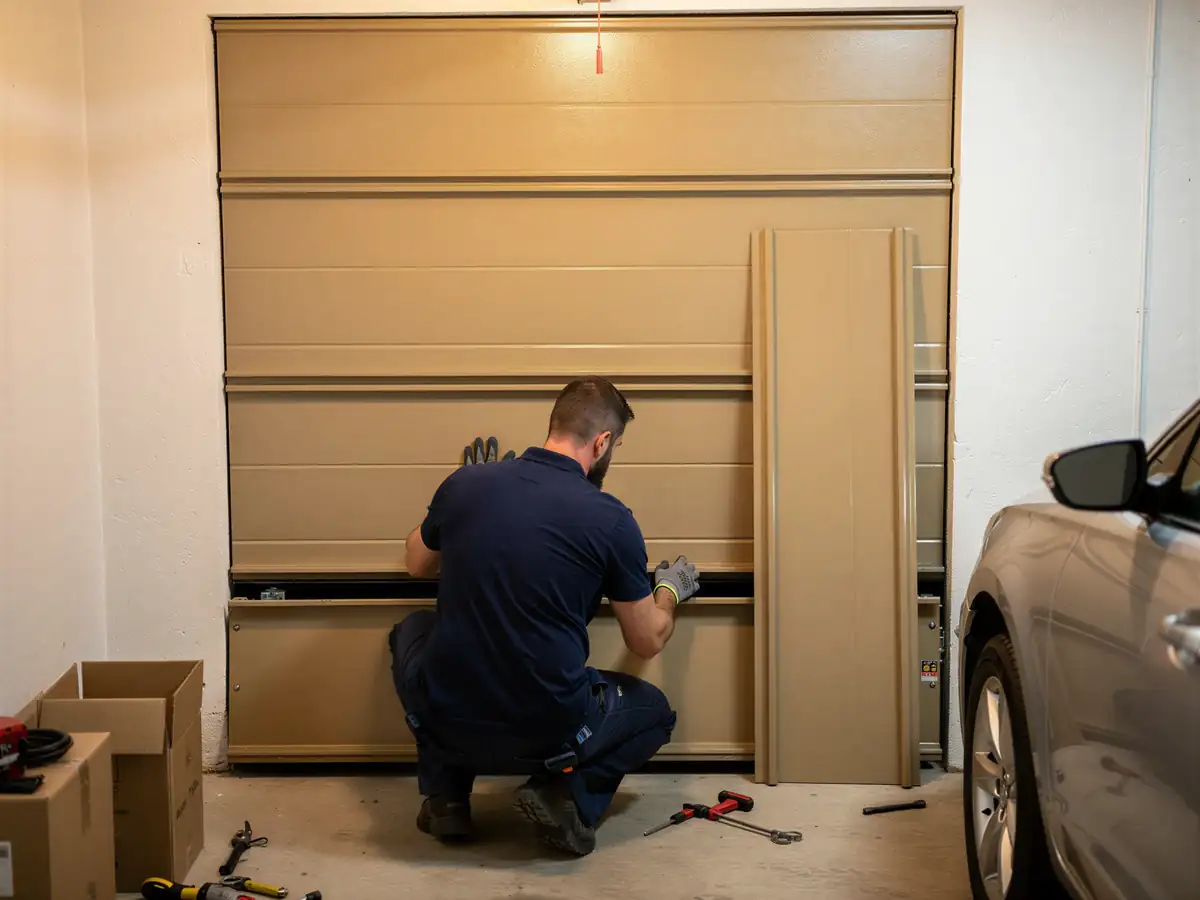
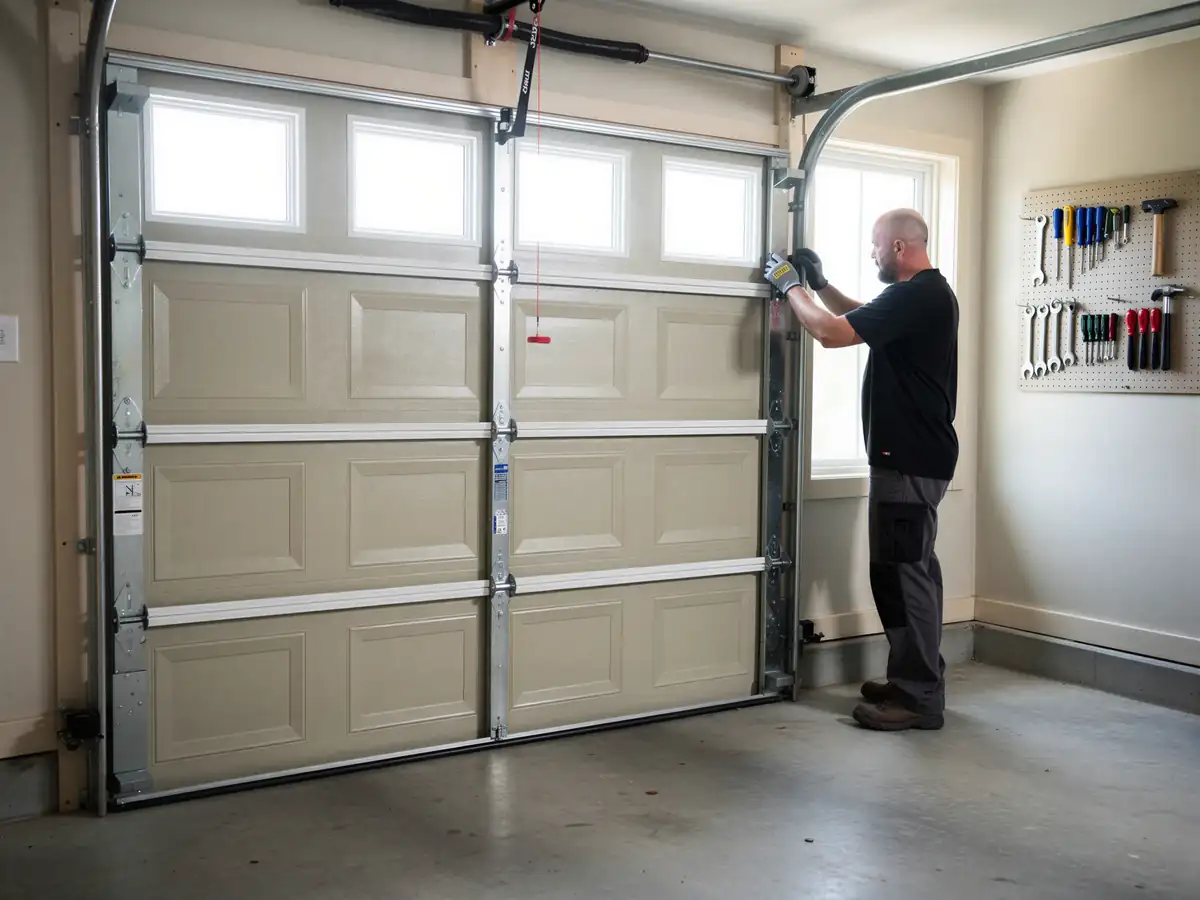
Swapping a door on a house from this build era starts with the track and the header, not the door itself. A 1989-vintage opening was framed for a single-layer steel door at a certain weight; a new insulated two-inch panel door weighs more, so the torsion spring has to be re-rated and the track brackets checked, not just reused. We pull the old door and springs, inspect the jambs for square - these settle over three decades, more than people expect - and reset the track before anything goes back up. Then we mount the new door, balance the spring to the new weight, and set the opener's force and travel limits from scratch rather than copying the old settings. For households with the higher incomes this area carries, we often install insulated steel with a heavier-gauge skin and a quieter belt-drive opener rather than the builder-grade door that originally went in. That's a choice, not a requirement - a basic steel door does the job fine too.
Why This Fails Locally
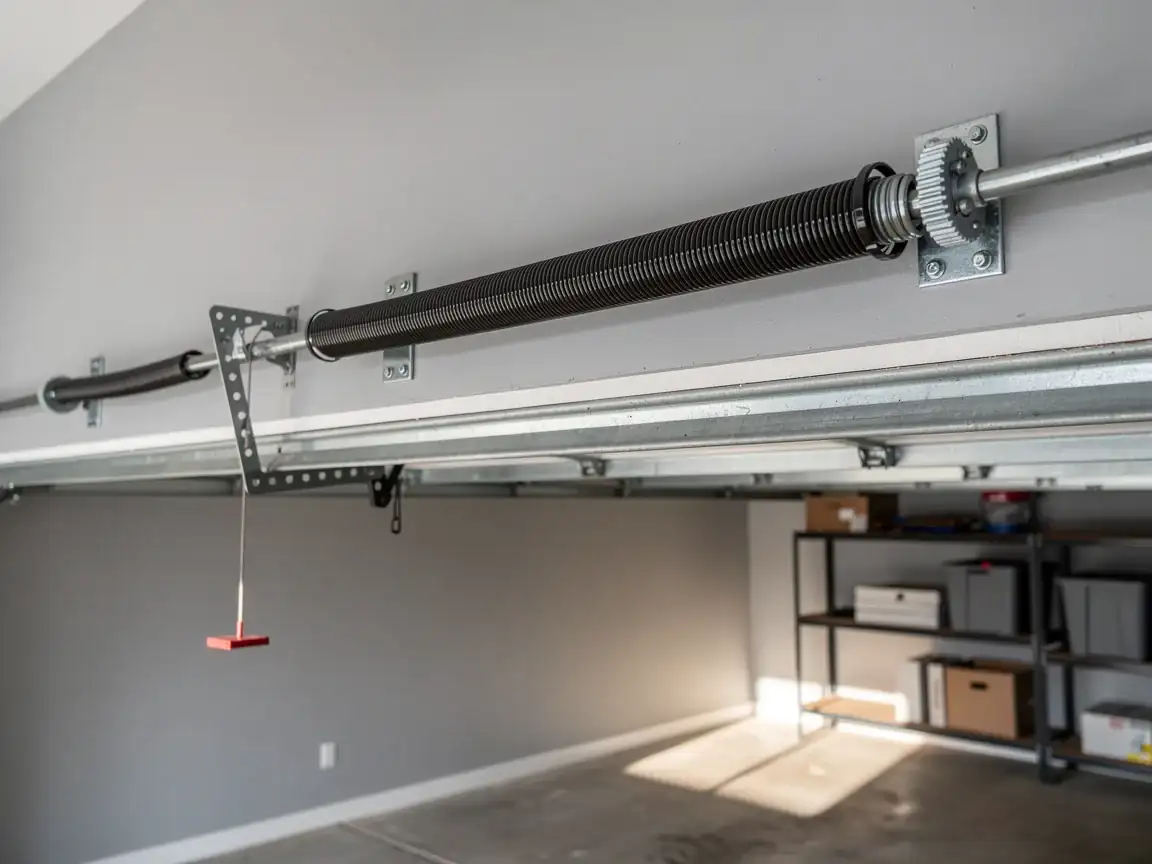
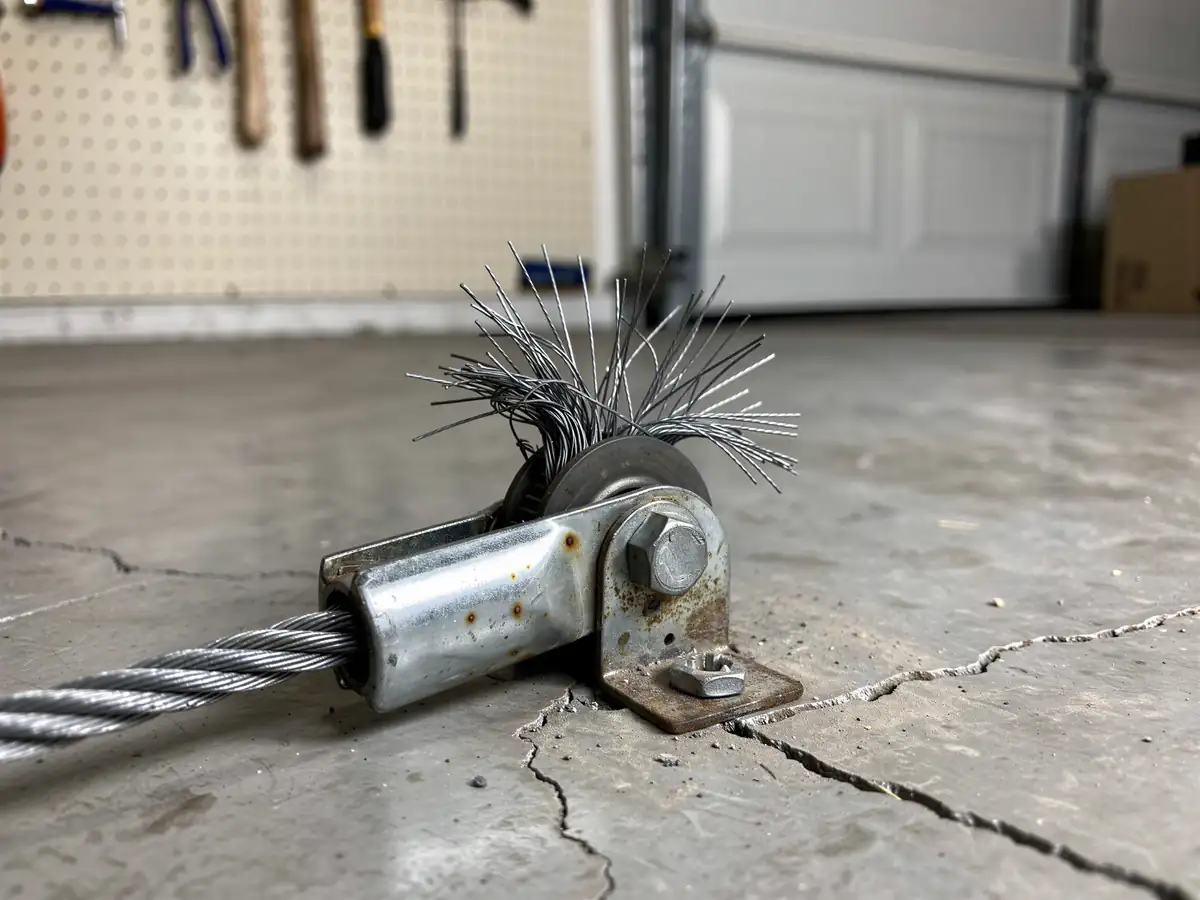
The failure point isn't really the door skin, it's the spring and the track hardware behind it, because that's what's most likely to still be original on a house built in 1989. A torsion spring is rated for a set number of cycles - somewhere around 10,000 on a standard residential spring - and a door going up and down twice a day for over three decades runs through that count well before the panel itself looks worn. So the door still looks fine, the paint's fine, but the spring is past its rated life and the track brackets have loosened from years of vibration. That combination is why a lot of calls in Credit River aren't