What the Fix Involves
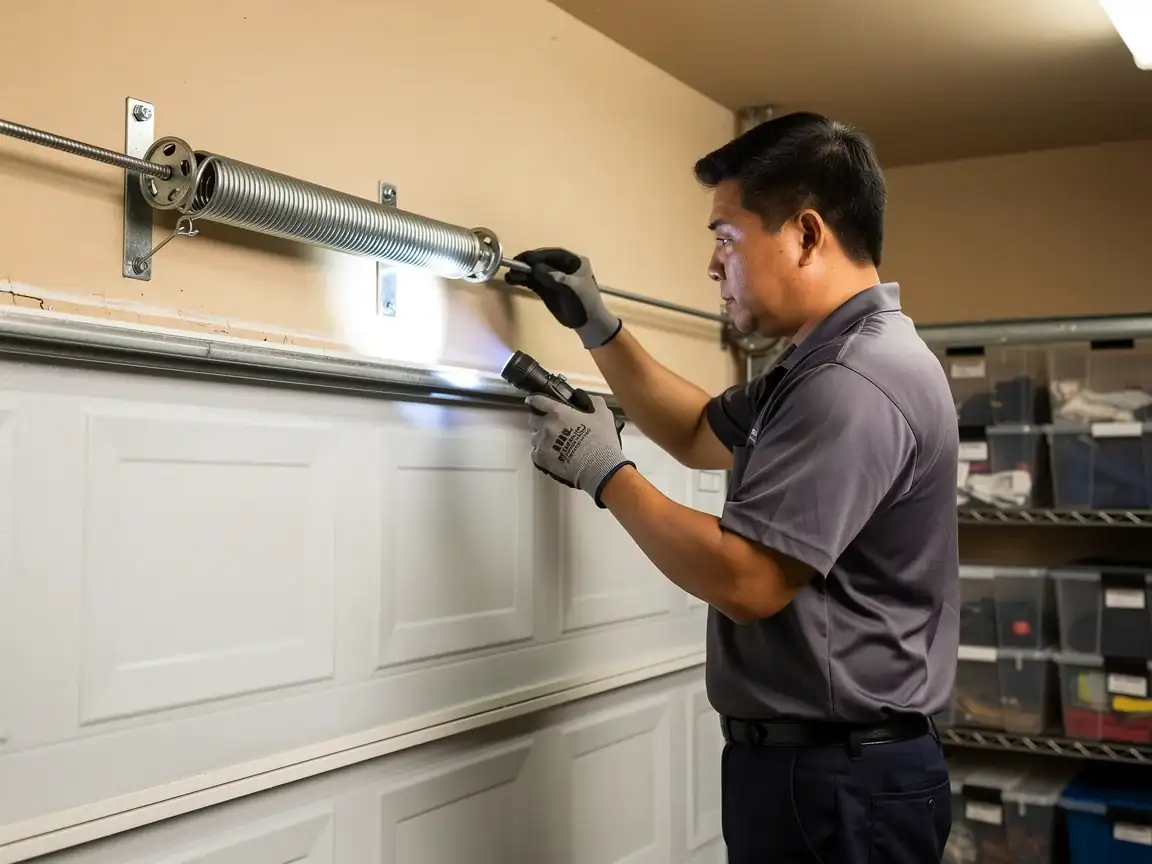
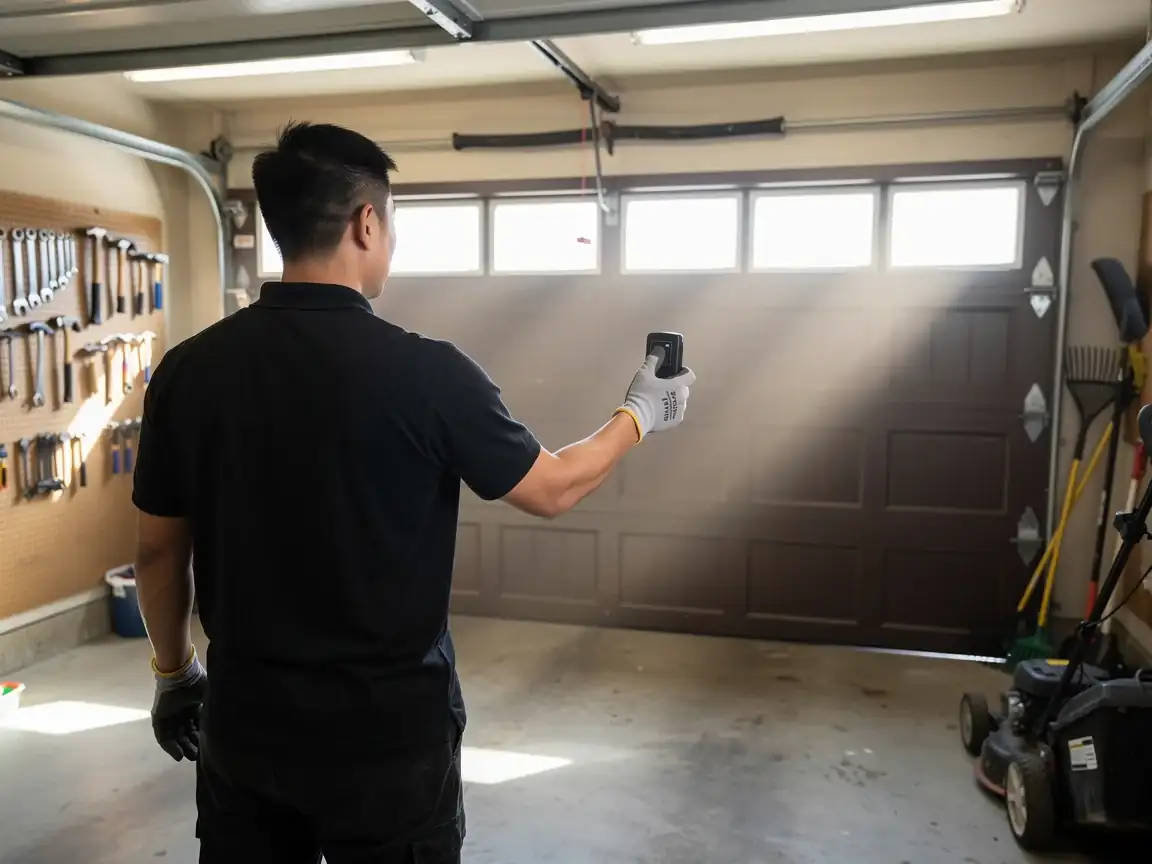
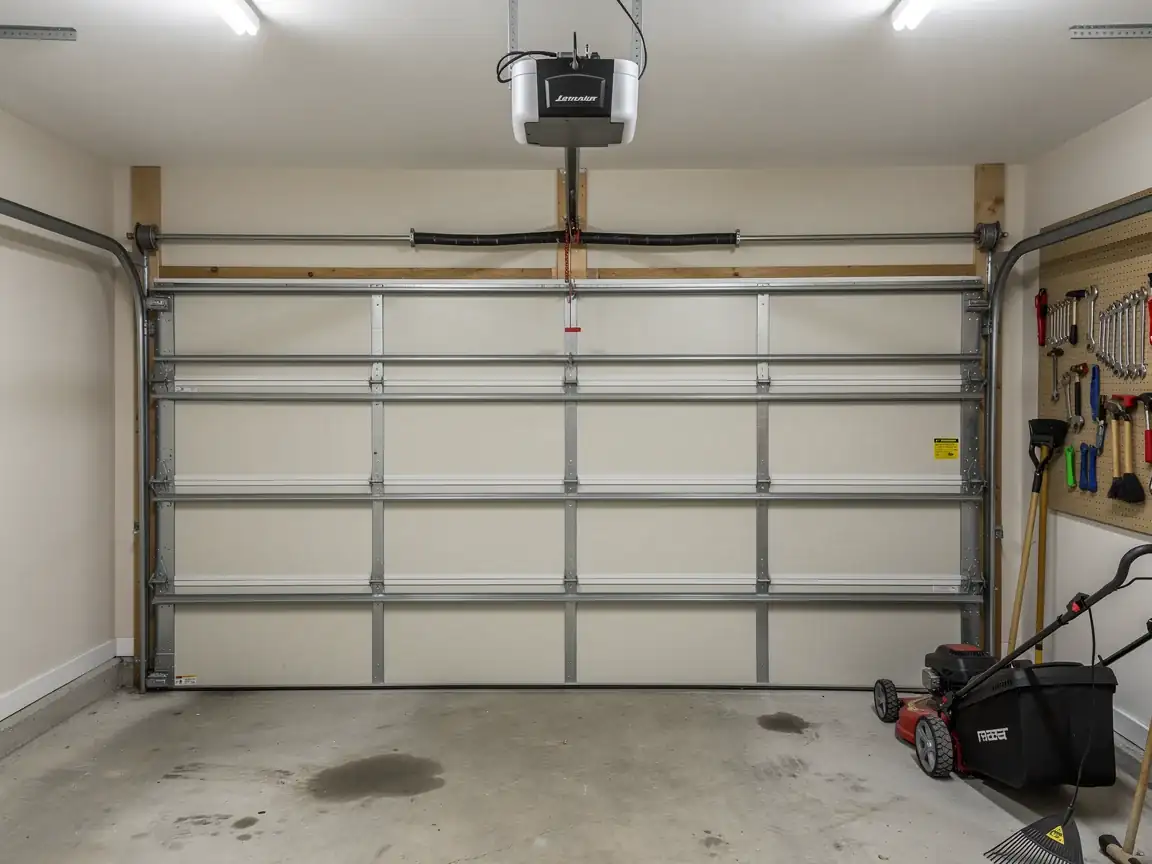
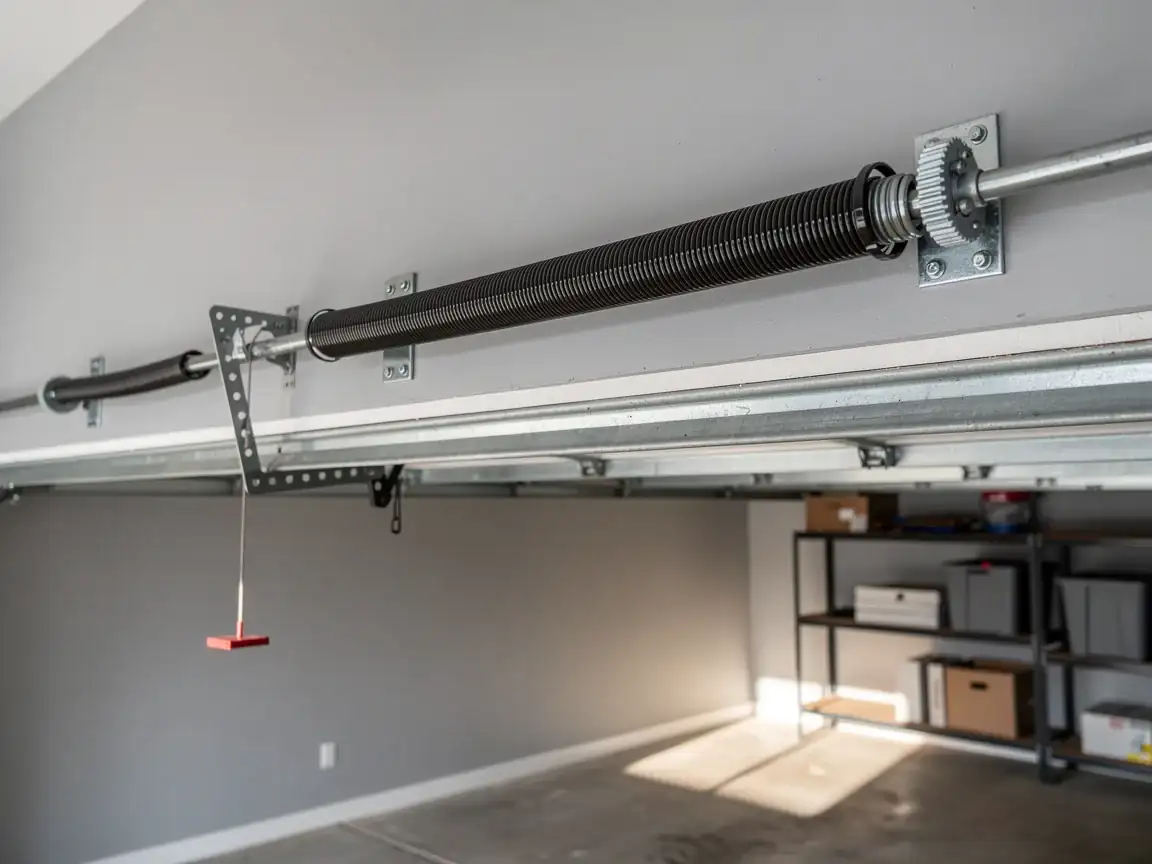
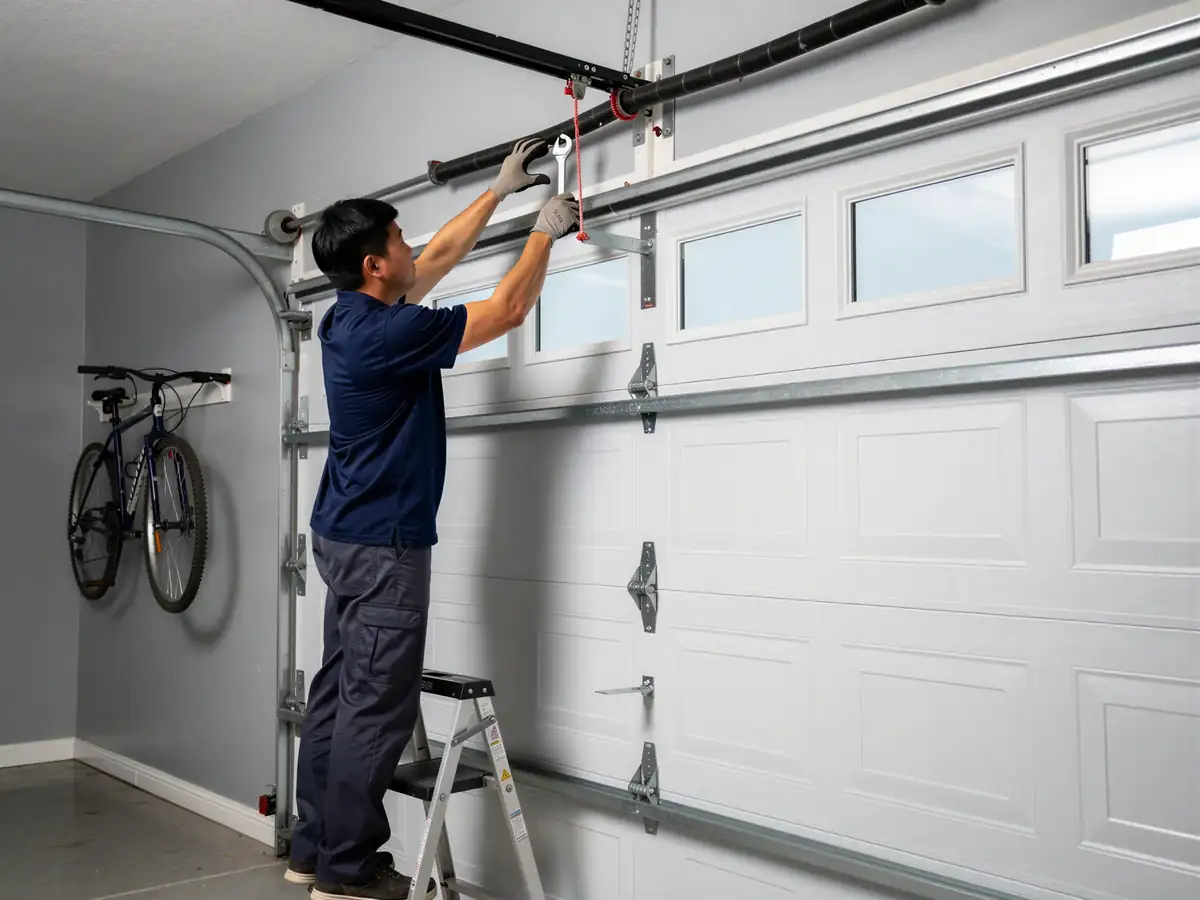
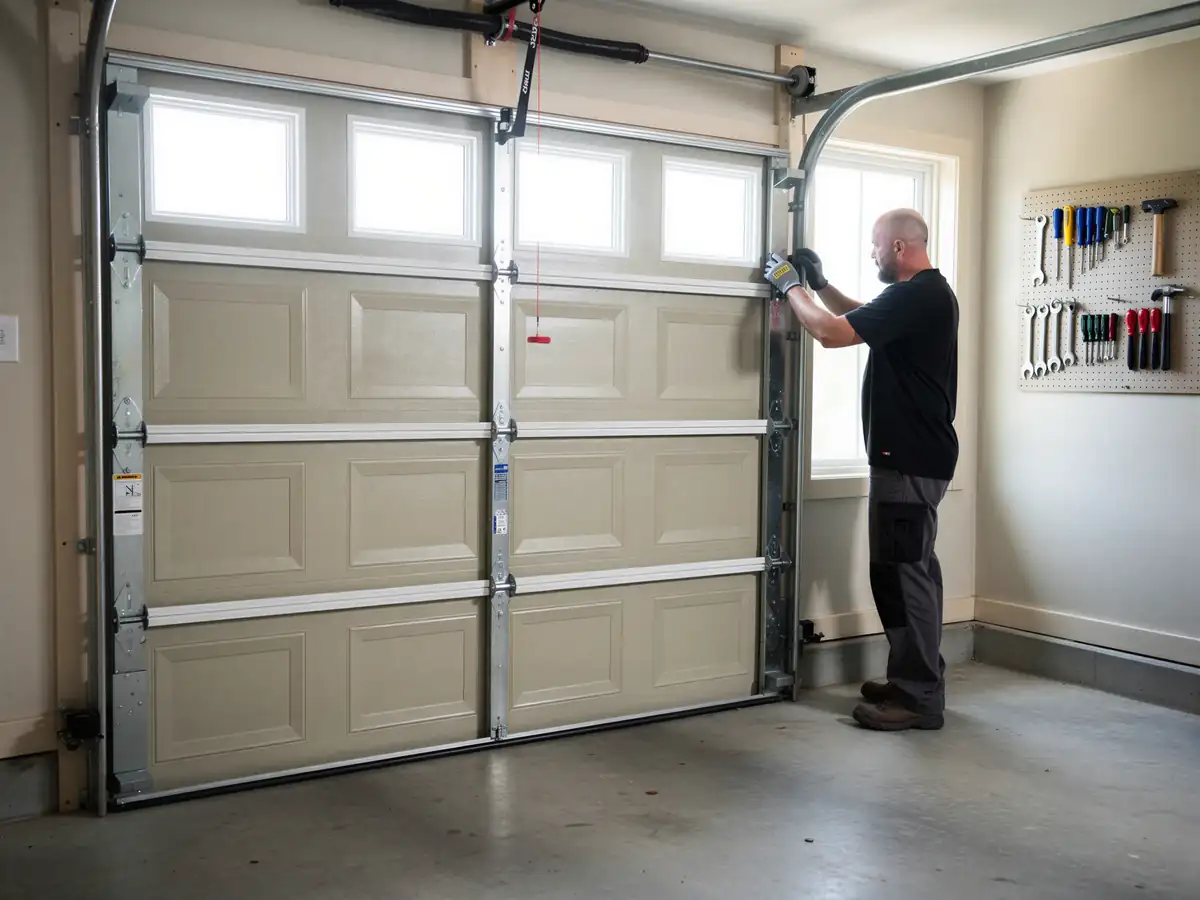
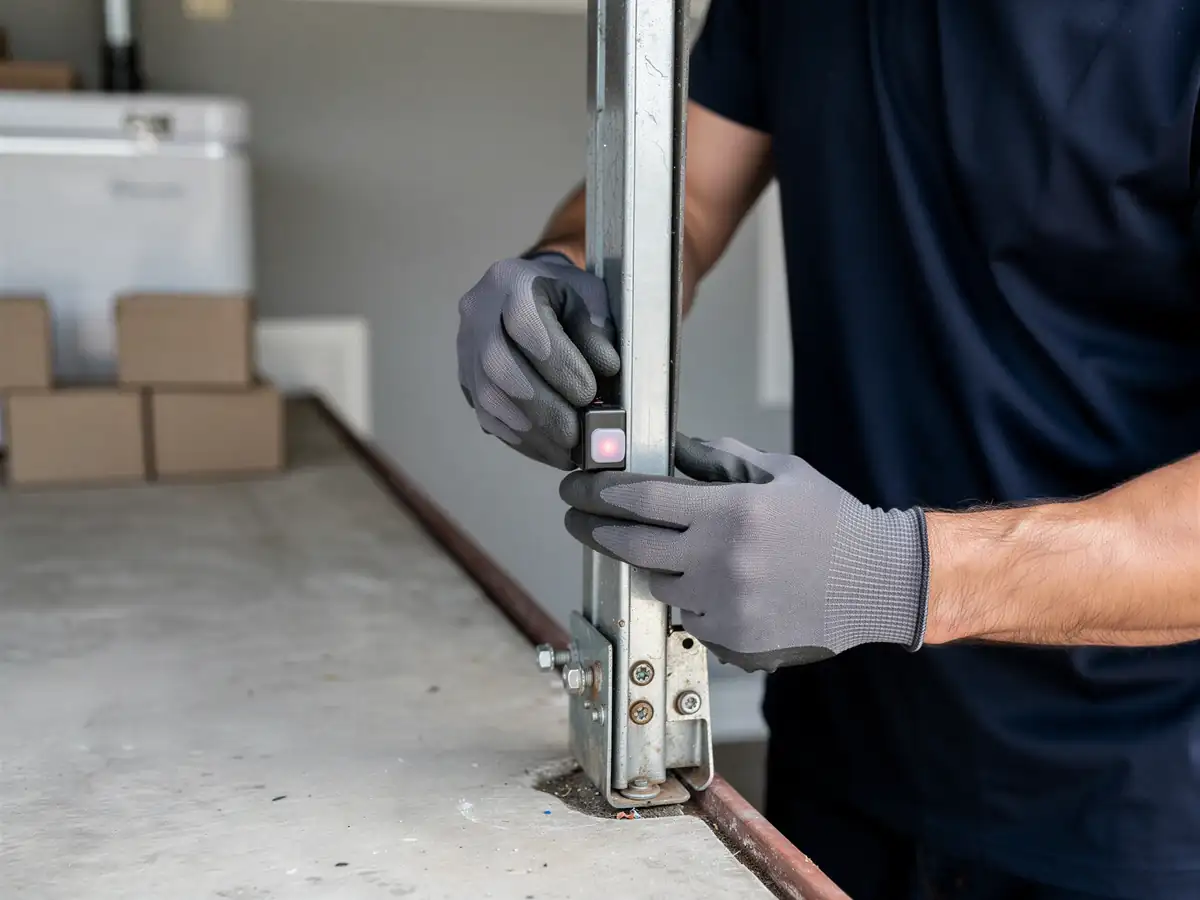
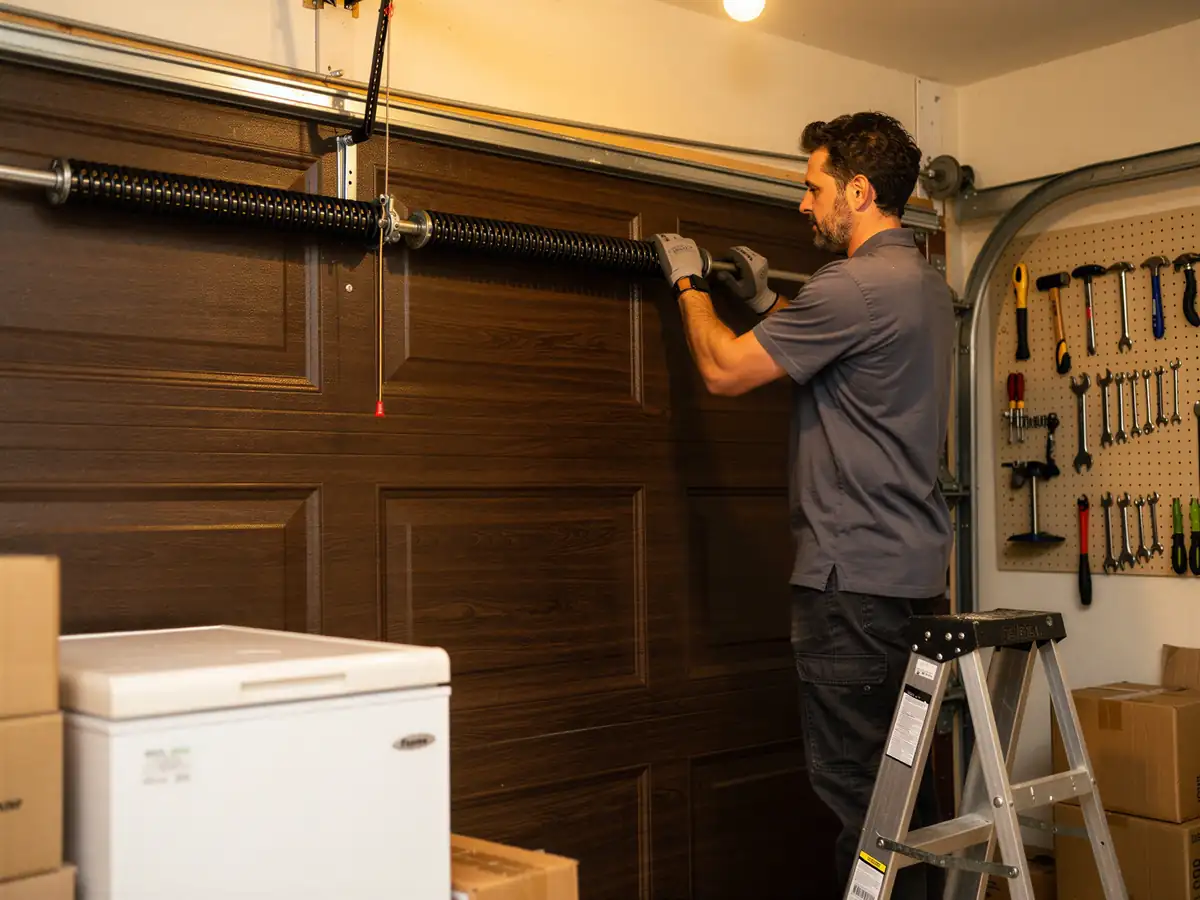
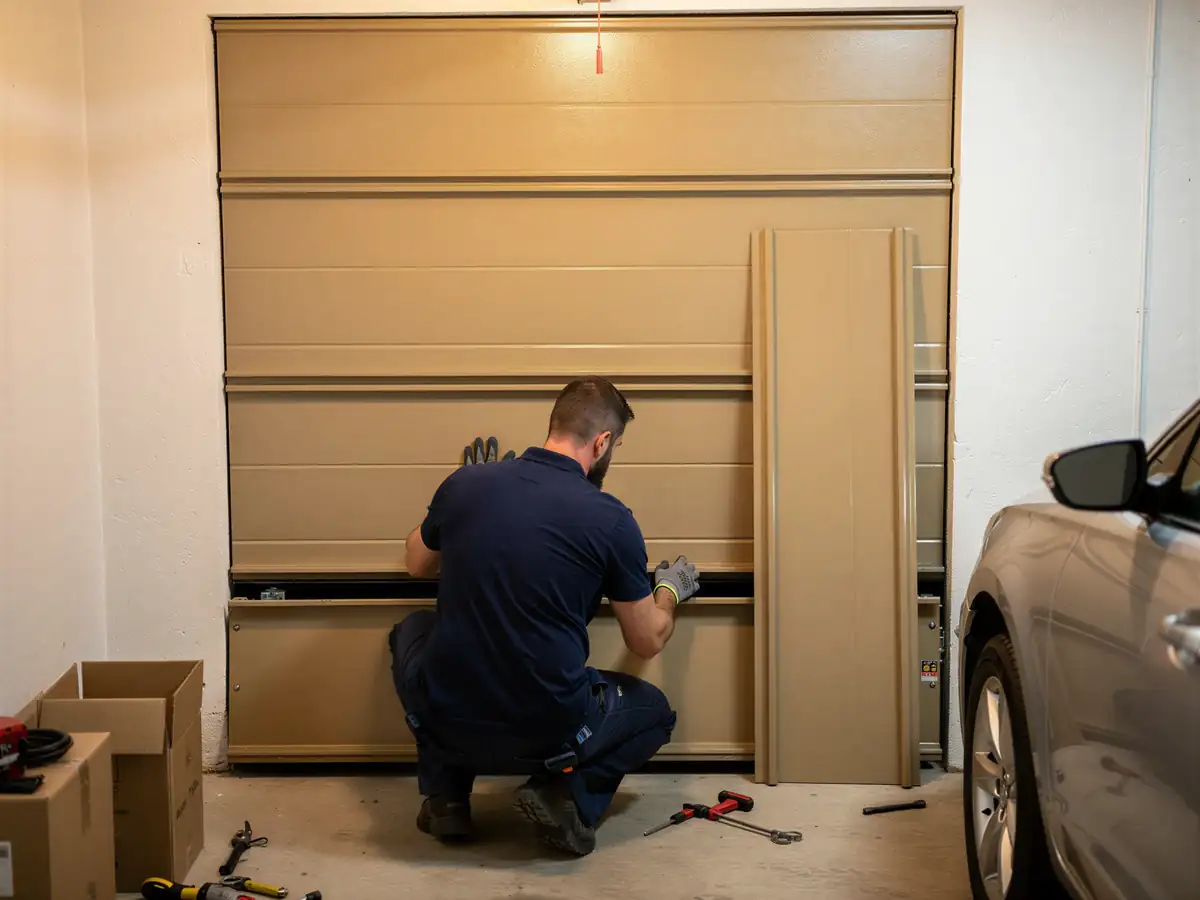
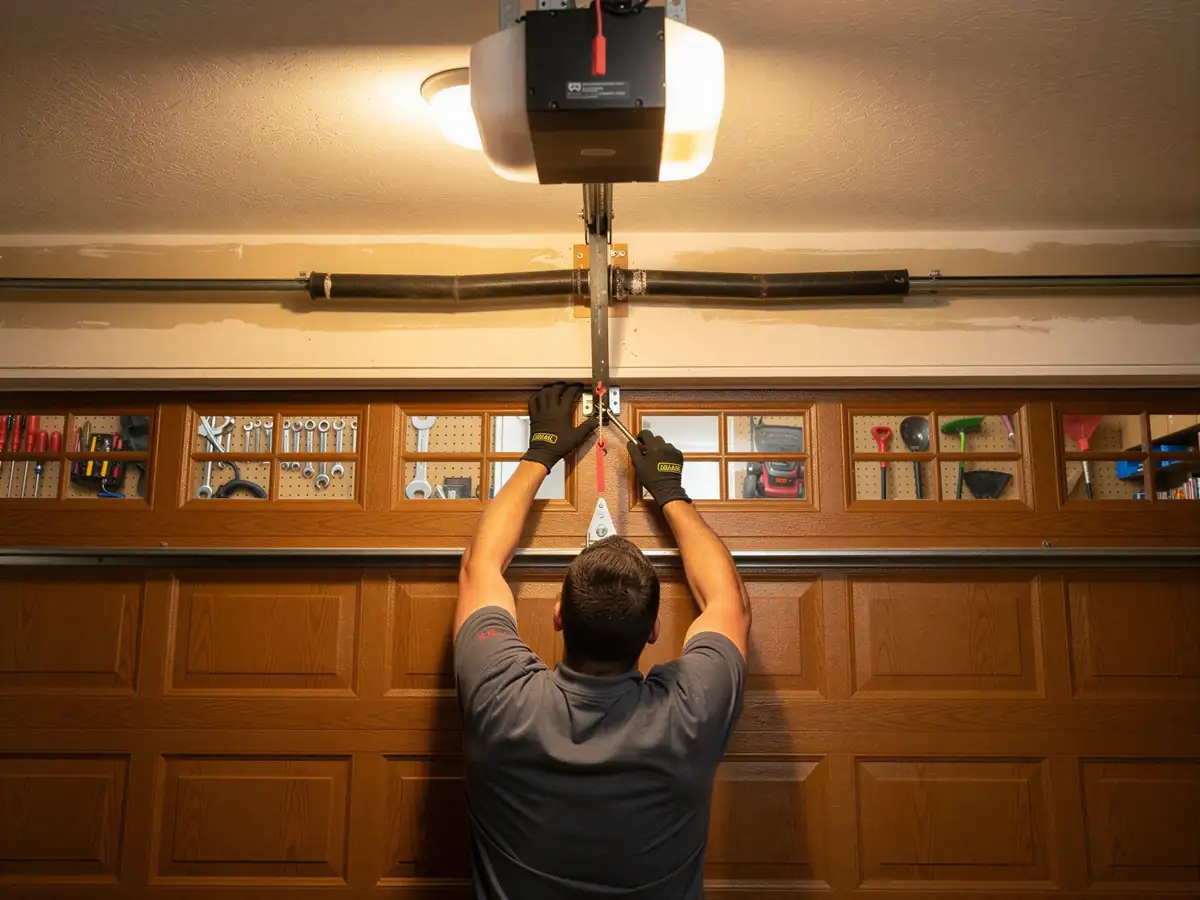
We travel from Farmington, about 10 miles to Credit River, so a swap is scheduled rather than same-hour. On site, the job starts with pulling the old motor head and rail, checking whether the existing header bracket and door weight still match what a new opener expects - on a late-1980s door that's seen one prior opener swap, that bracket has sometimes been patched or reinforced by a previous owner, and we won't hang a new unit on hardware that can't take the load. We set travel limits, force settings, and safety reversal, then run the door through a full open-close cycle under load before we call it finished. For the roughly 1,956 households in Credit River, most of this work is a direct swap rather than a full rebuild, since the track and door panel usually outlast the motor by a wide margin.
Why This Fails Locally
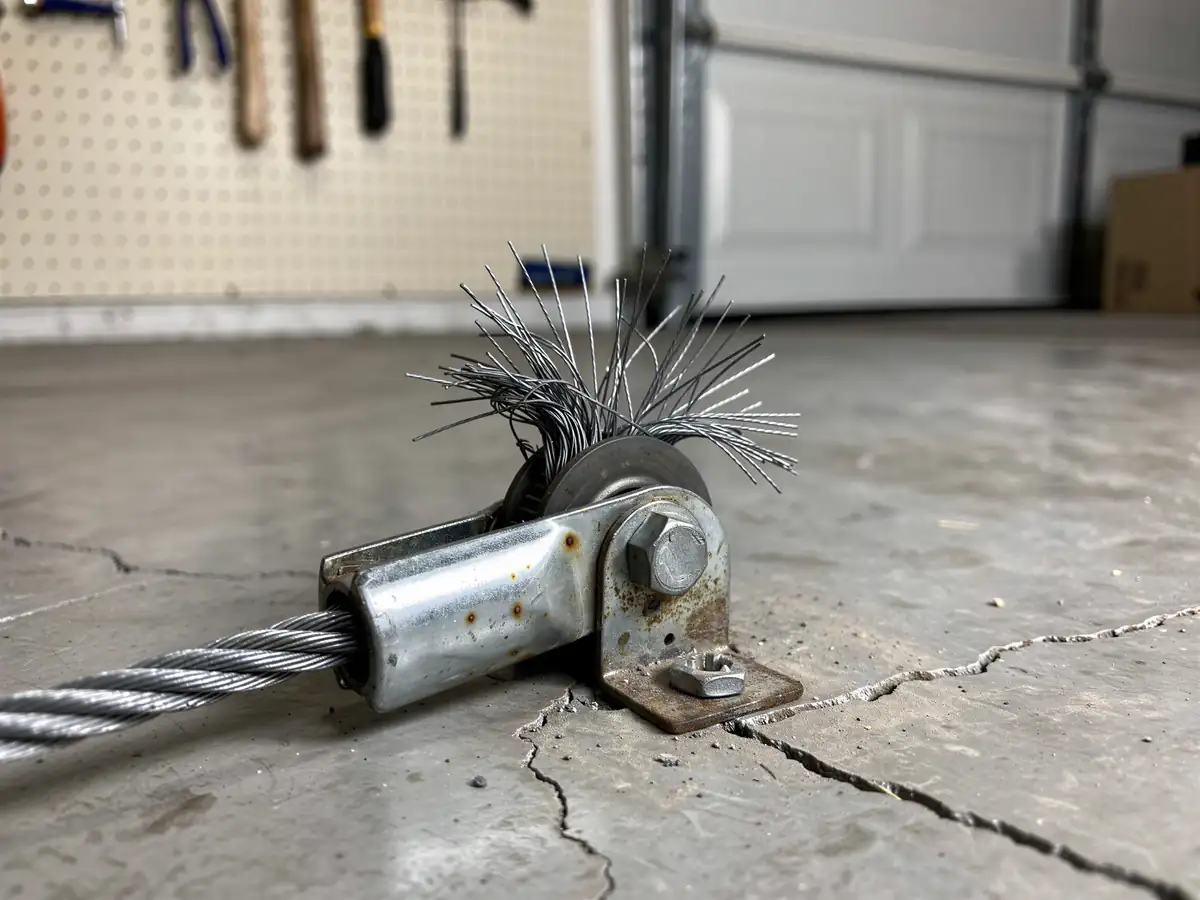
Credit River sits in the same cold-moderate climate band as the rest of the service area, and openers built or installed in the 1989 wave were not speced for today's expectations around power-outage backup. A chain-drive unit from that era has no battery backup circuit at all - if the power drops during a winter storm, the door is stuck until someone pulls the manual release and lifts it by hand. That's a real limitation worth knowing before you buy: not every household needs battery backup, but if you're in a home built in that late-1980s window and you've never had the opener replaced, you're very likely running on original hardware that predates the feature entirely. The fix isn't exotic - it's choosing a current opener with a backup battery built in, not a workaround bolted onto the old one.