Doing It Yourself
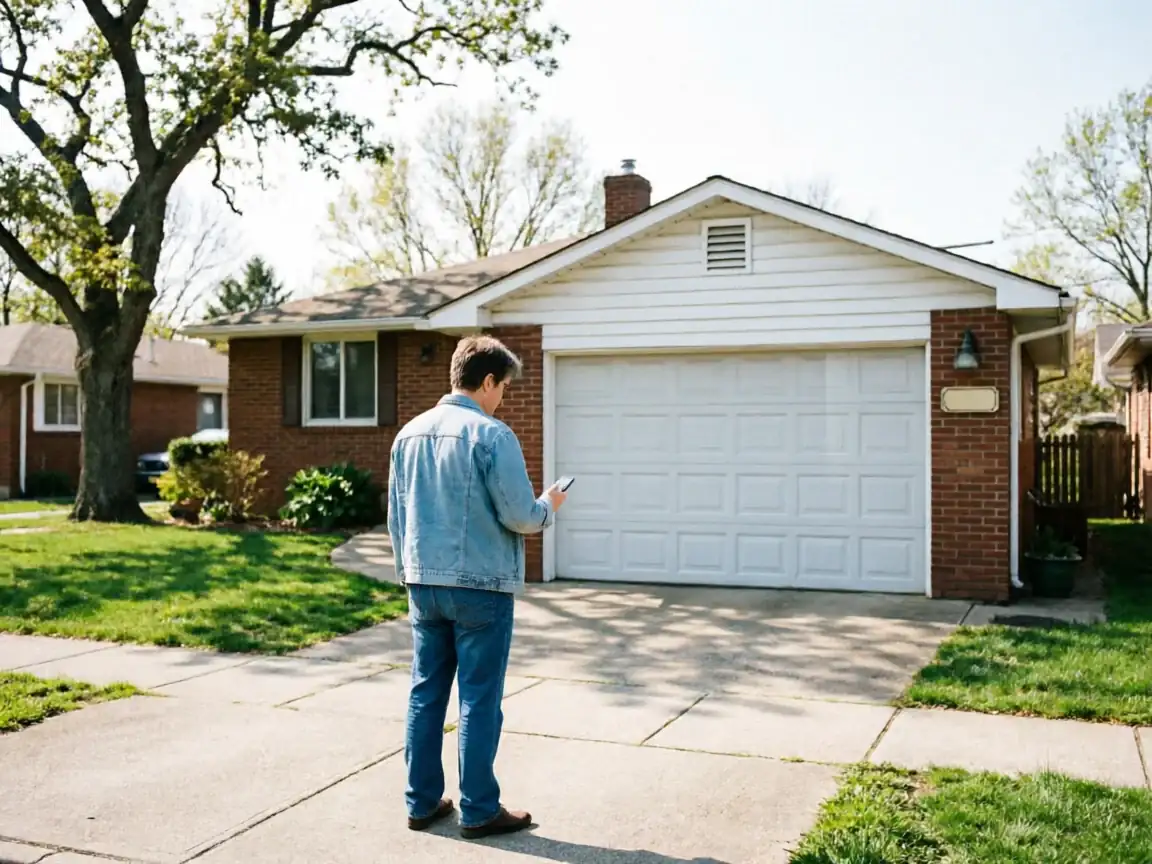
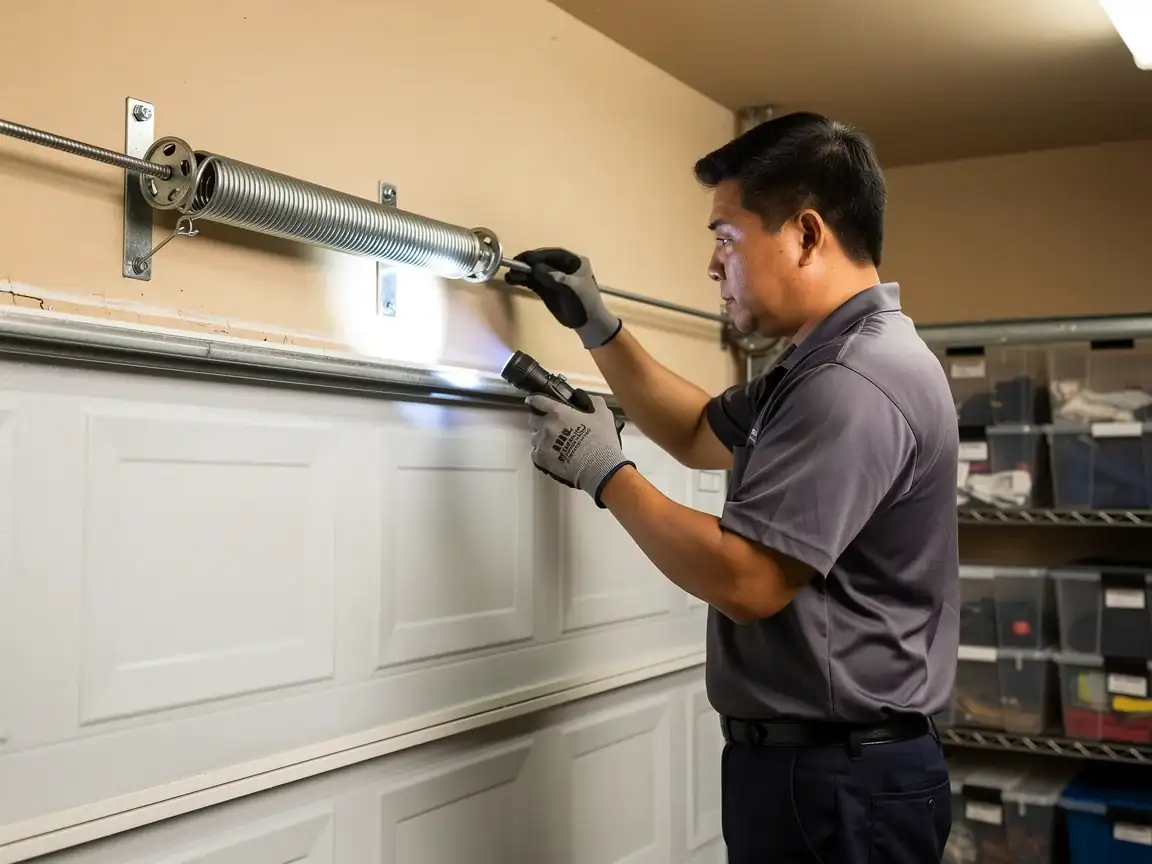
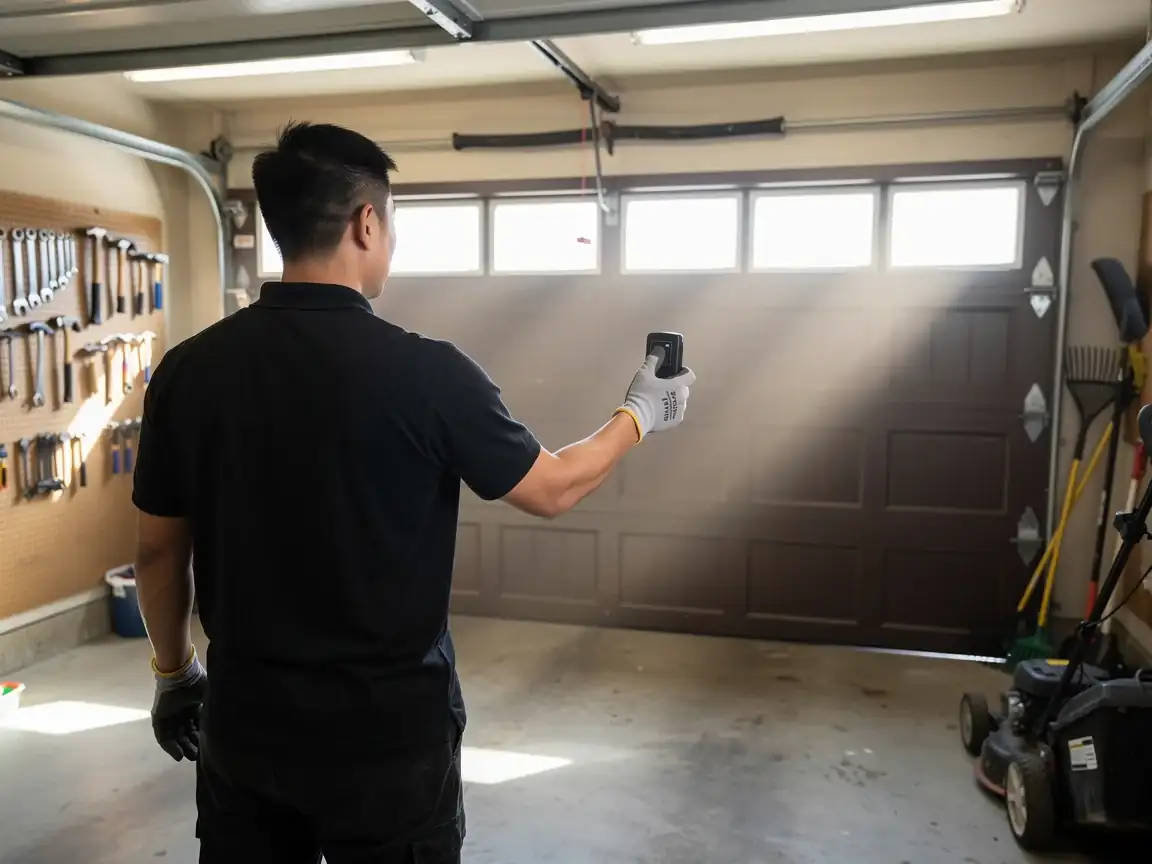
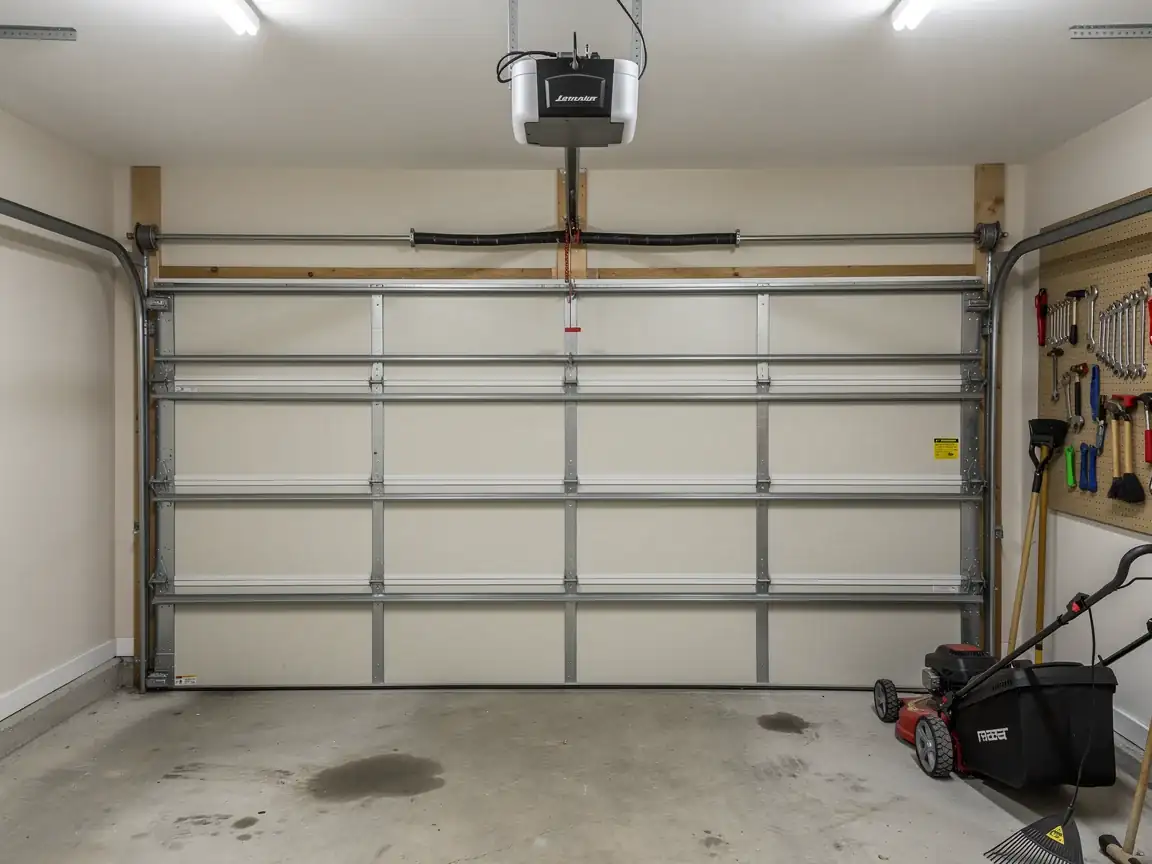
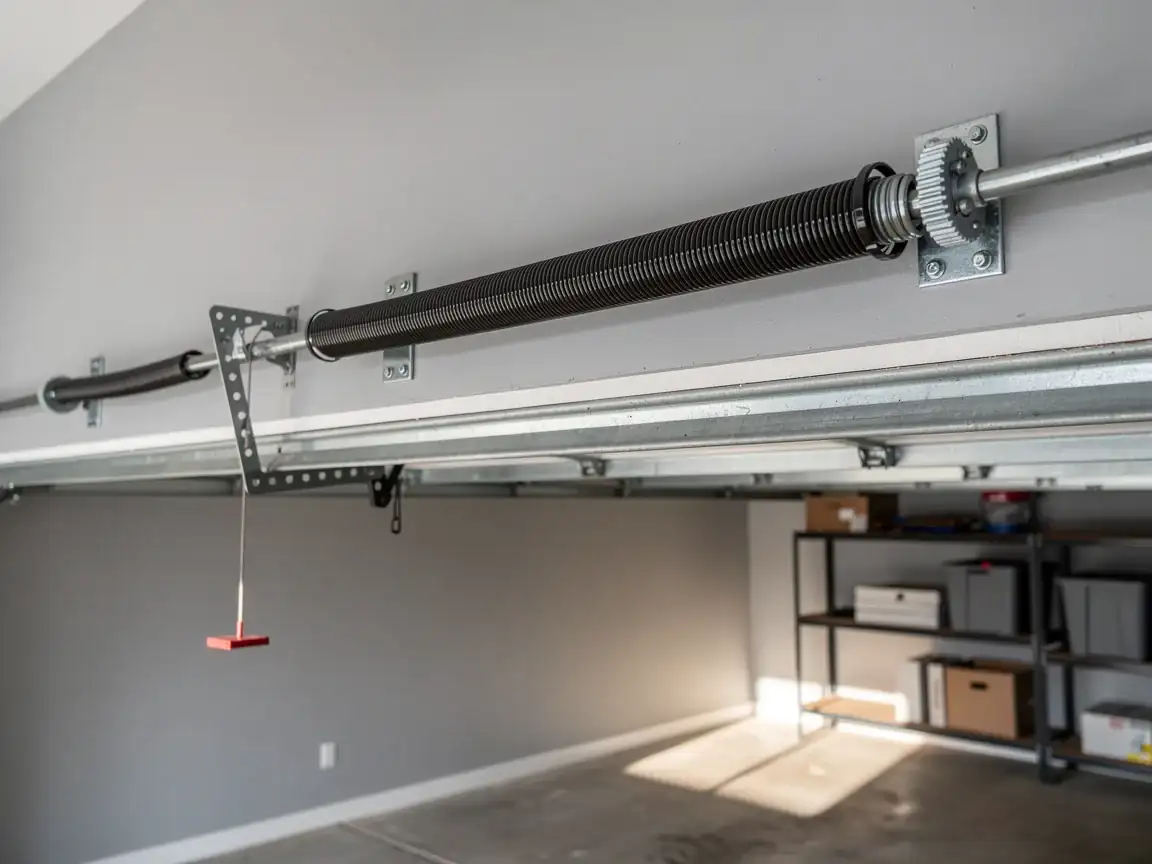
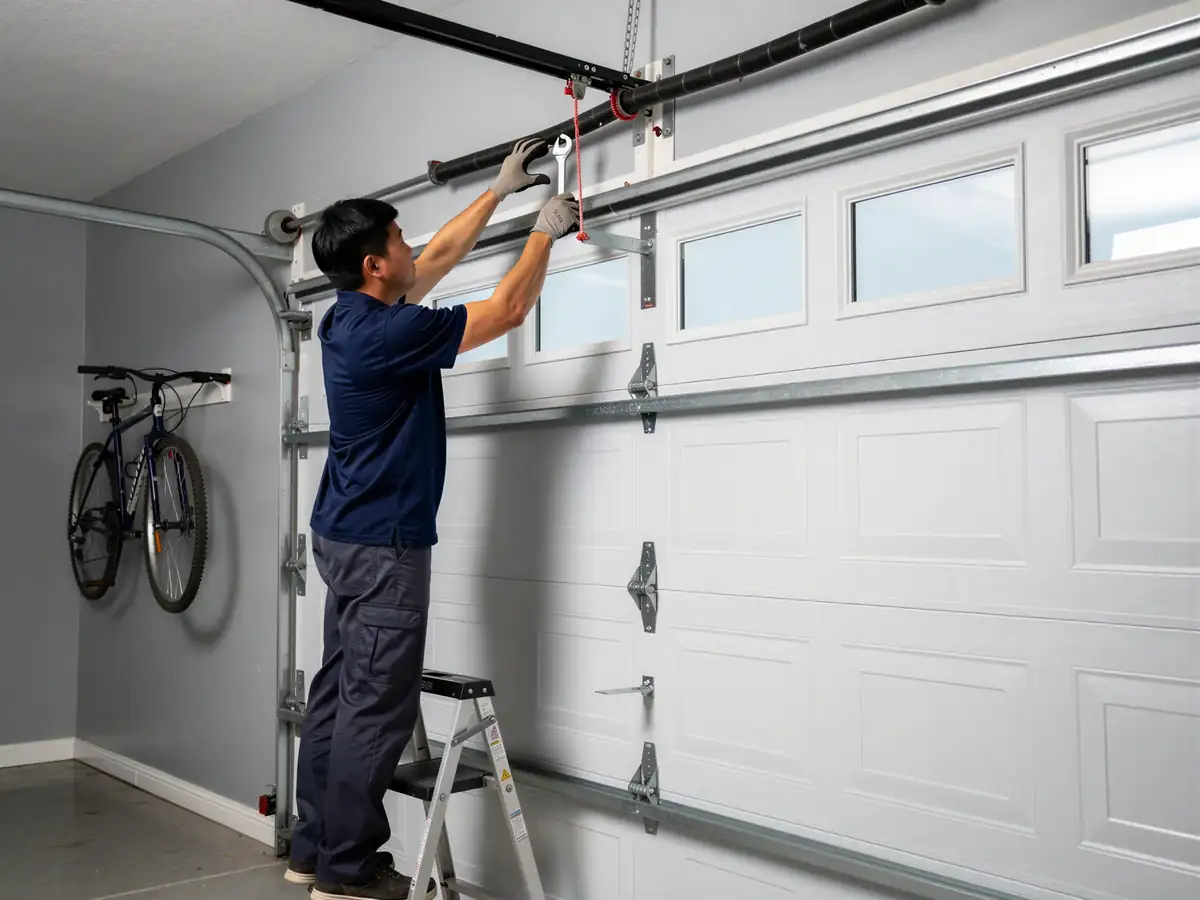
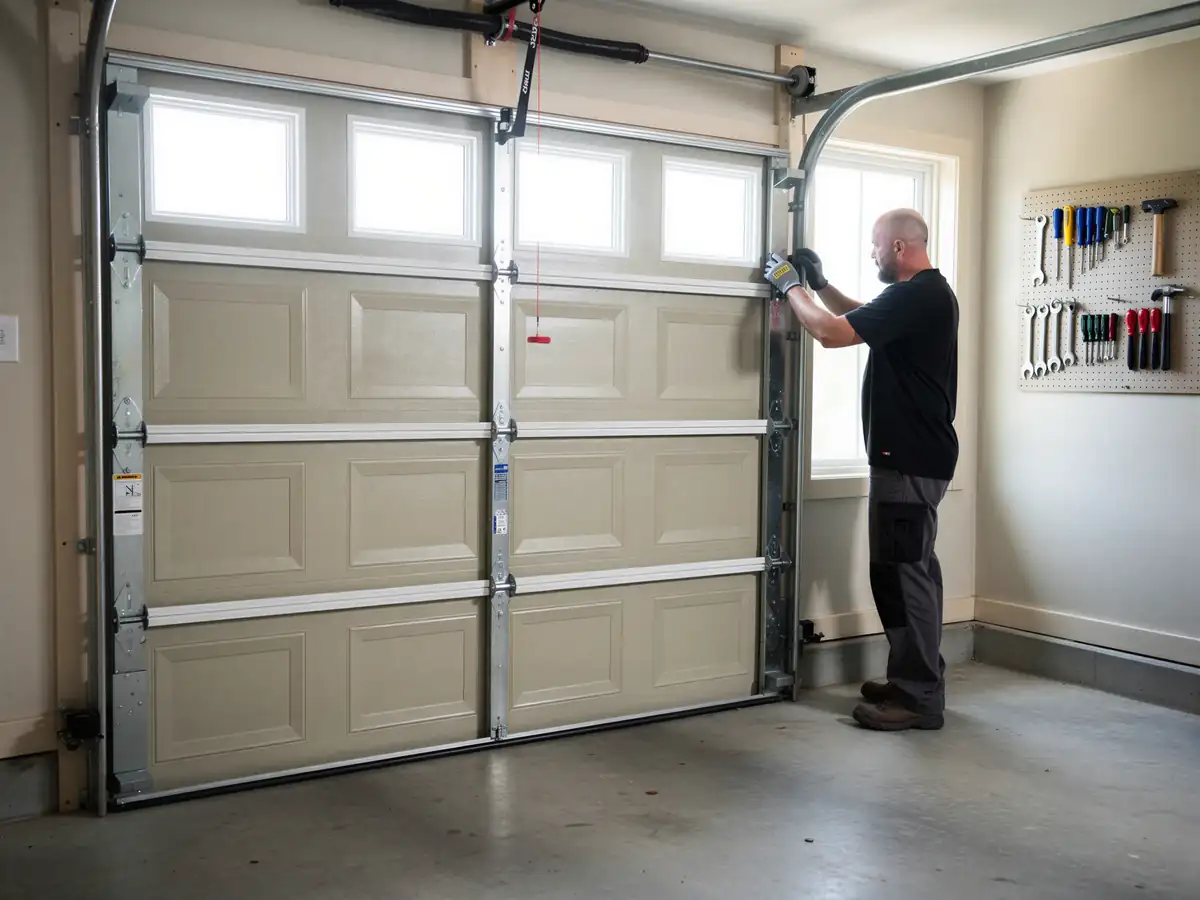
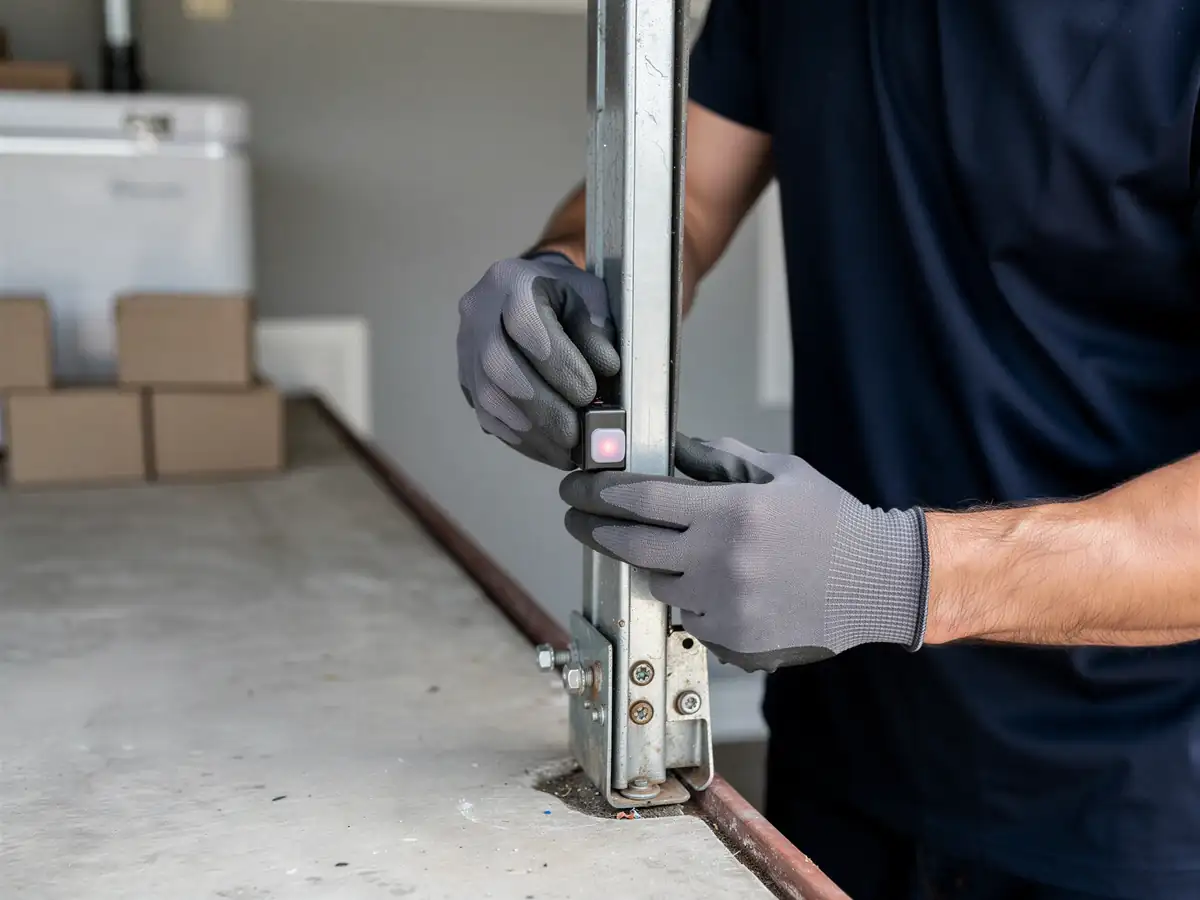
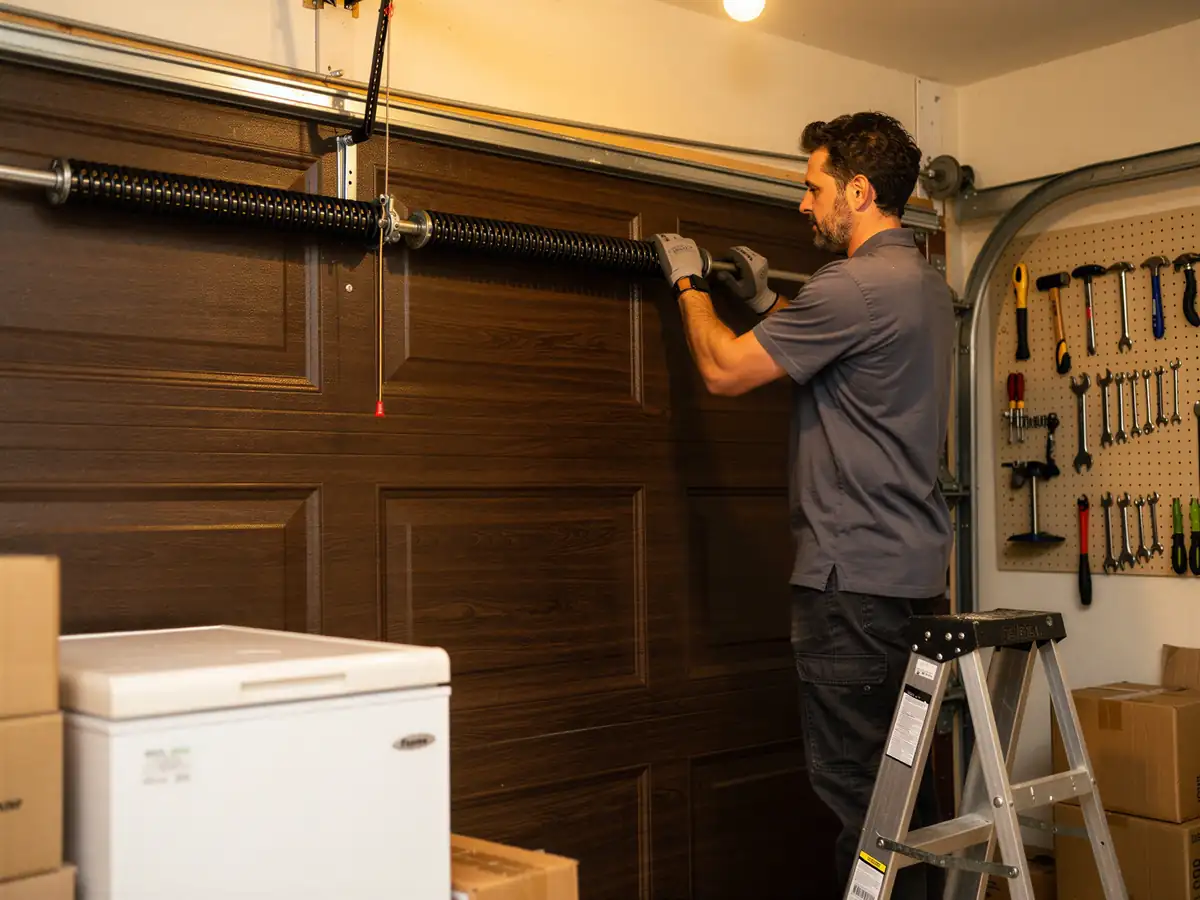
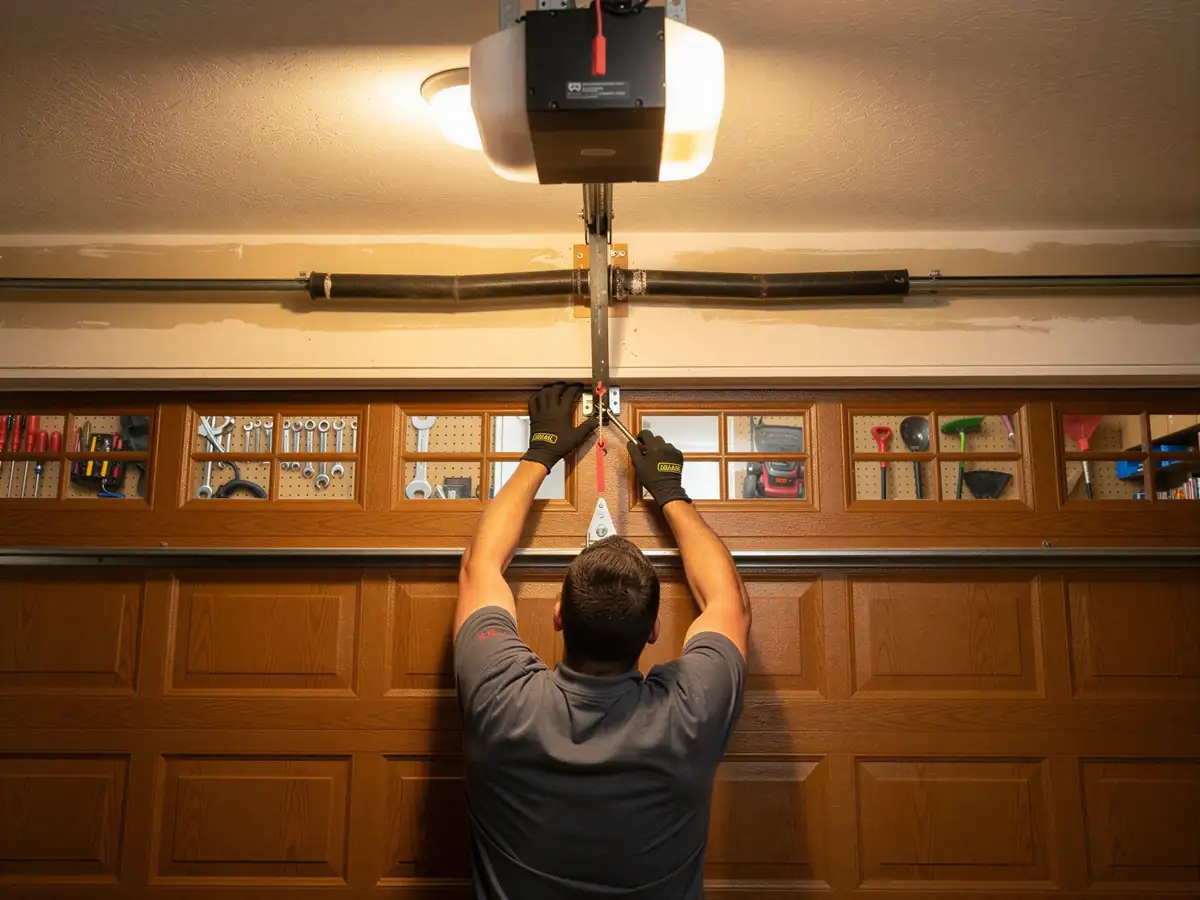
A new opener looks like a weekend project until you're standing on a ladder with the old unit half off its bracket. The part that trips people up in houses this age isn't the opener itself - it's the bracket, the header, and the travel limits on a door track that's been adjusted and re-adjusted since 1983. Get the force setting wrong on an older door and the opener either won't close past the first foot or it slams down hard enough to crack a panel. We're not going to tell you it can't be done; plenty of homeowners manage it. But if your attic access is tight, if the header looks original, or if you're not sure what gauge of rail your door actually needs, that's the point where a DIY job turns into two trips instead of one - yours, and then ours to fix the mounting.
Why This Fails Locally
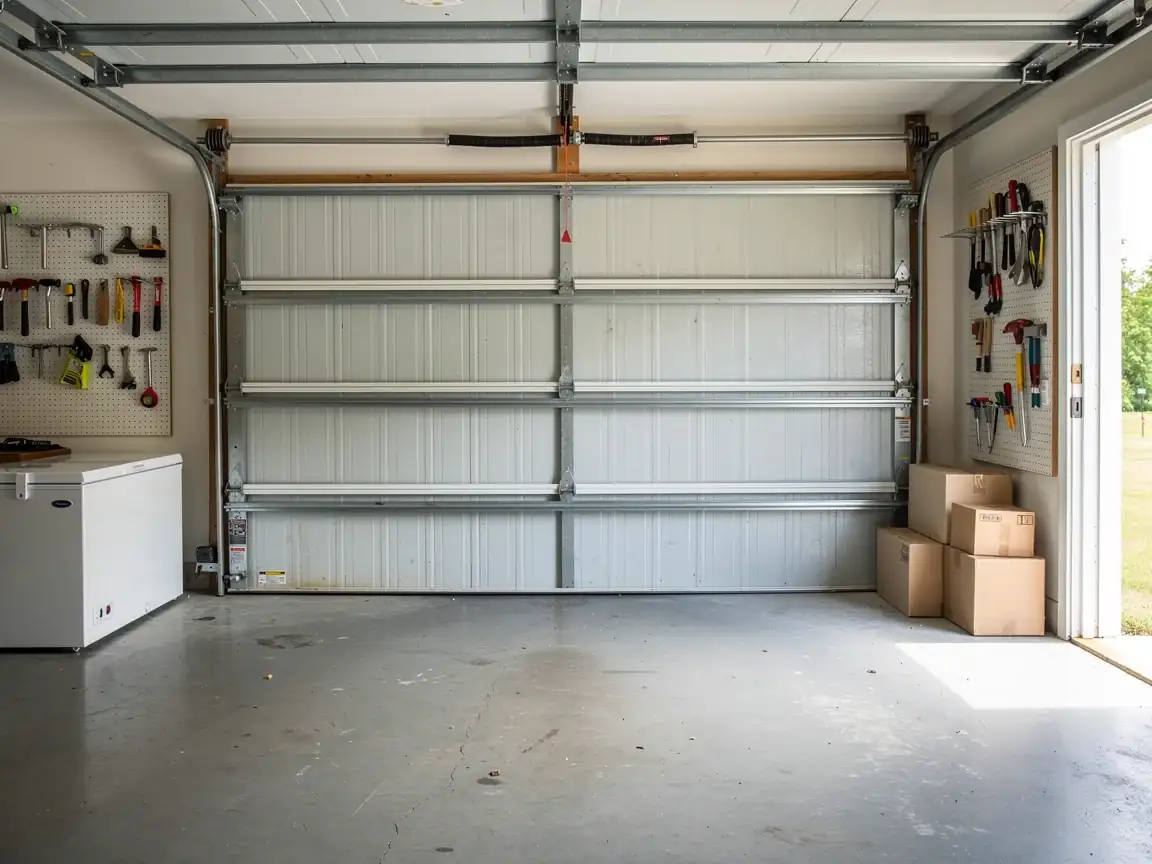
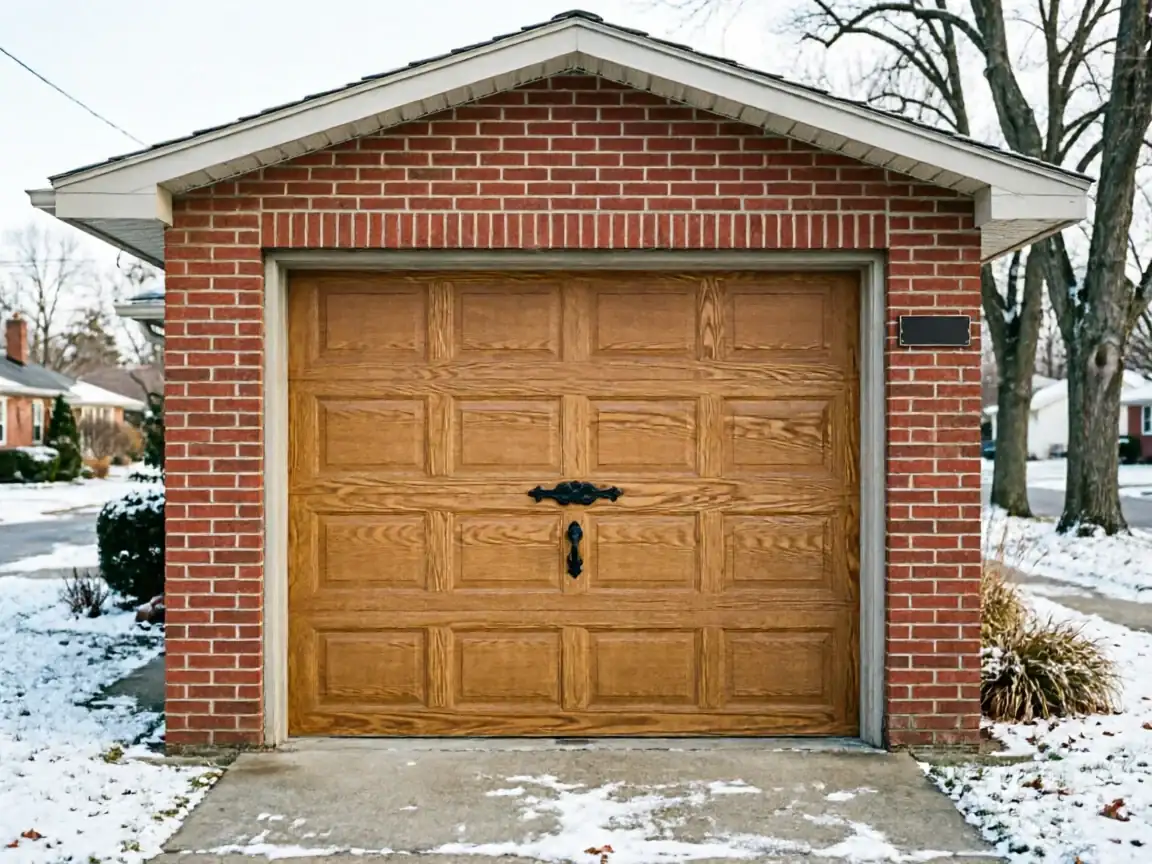
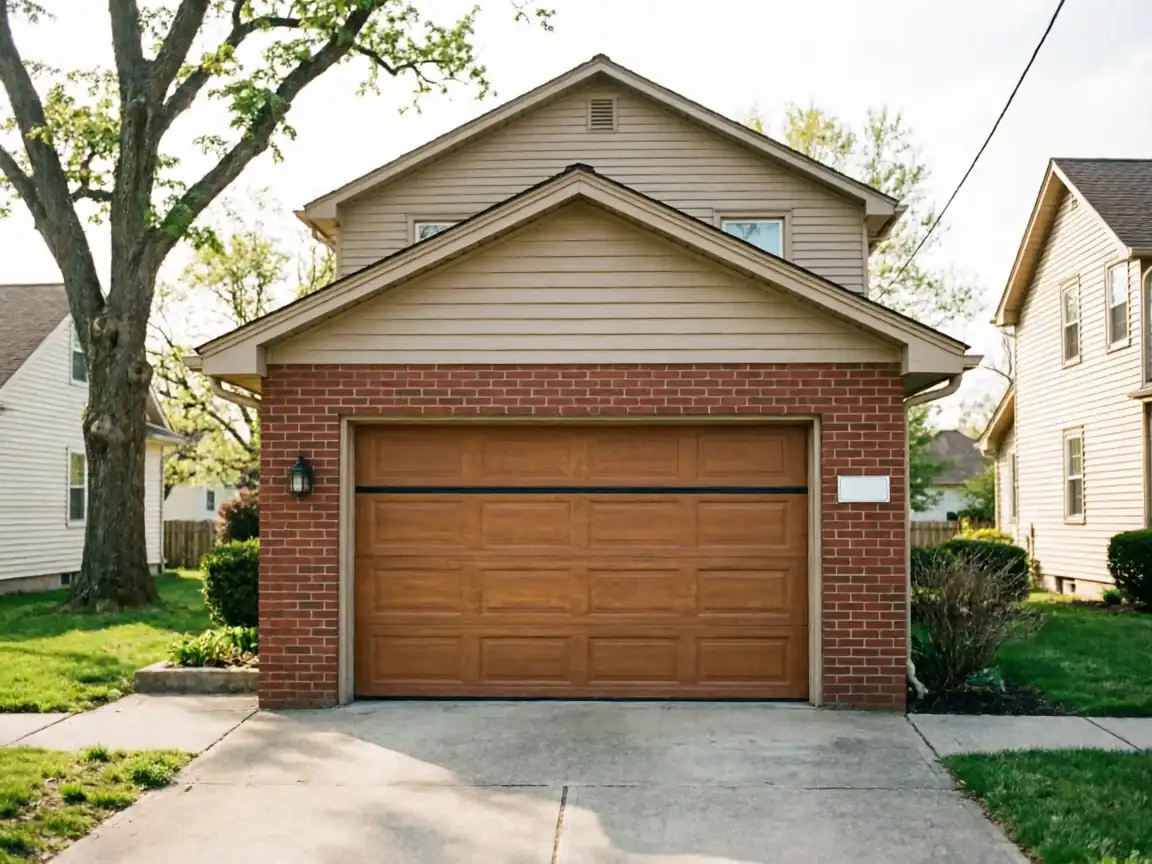
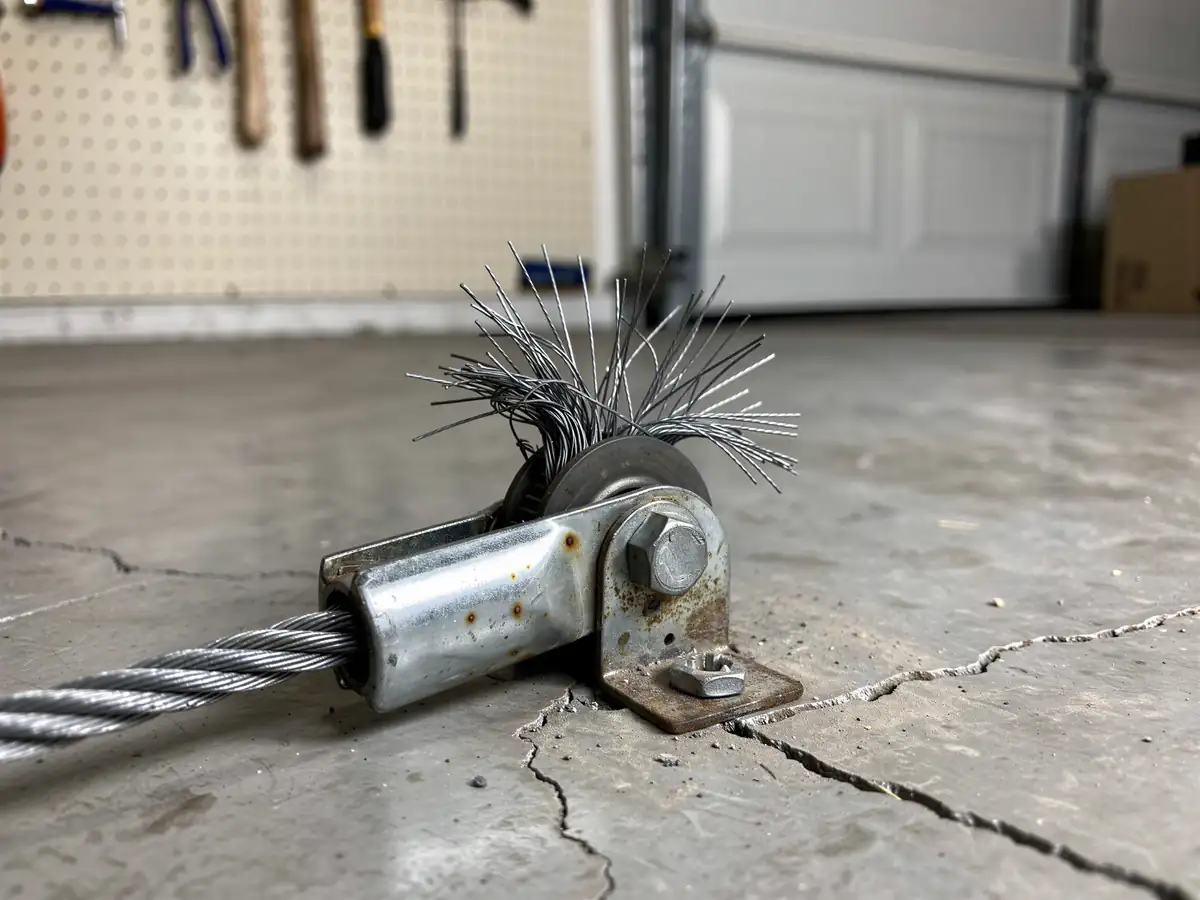
The failure pattern in Mendota Heights tracks the build year. A house wired in 1983 almost never has a dedicated outlet near the header, so the opener either runs off an extension cord looped through a joist, or it's hard-wired in a way that makes swapping units a bigger job than it should be. On top of that, headers from that construction period were sized for the lighter steel doors sold at the time - thinner panels, lower dead weight. Put a heavier insulated door on that same header with an underpowered opener and you get strain on the bracket within a year or two, not a clean failure but a slow sag that shows up as noise and uneven travel. At a median household income of $132,935, a fair number of these owners have already upgraded to heavier insulated doors without touching the opener that's lifting it, which is exactly the mismatch that causes the problem.
How Long You Are Without the Door
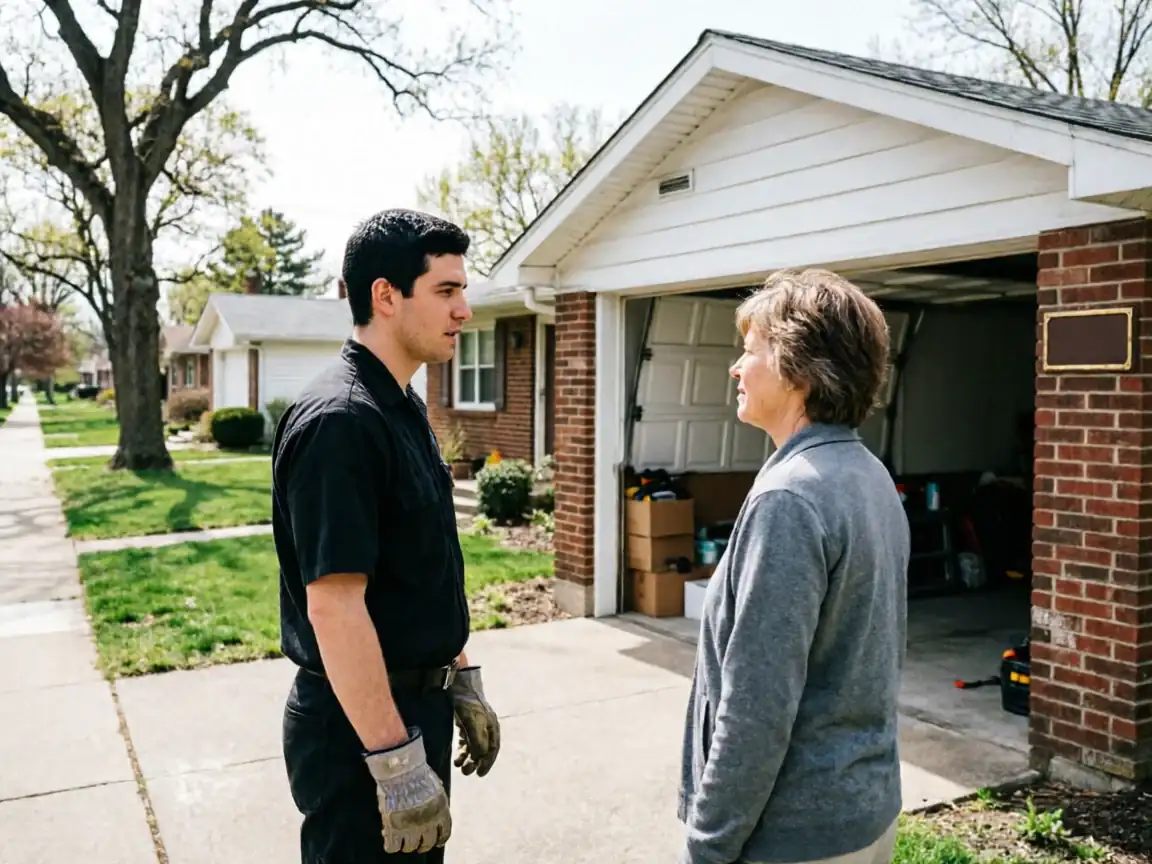
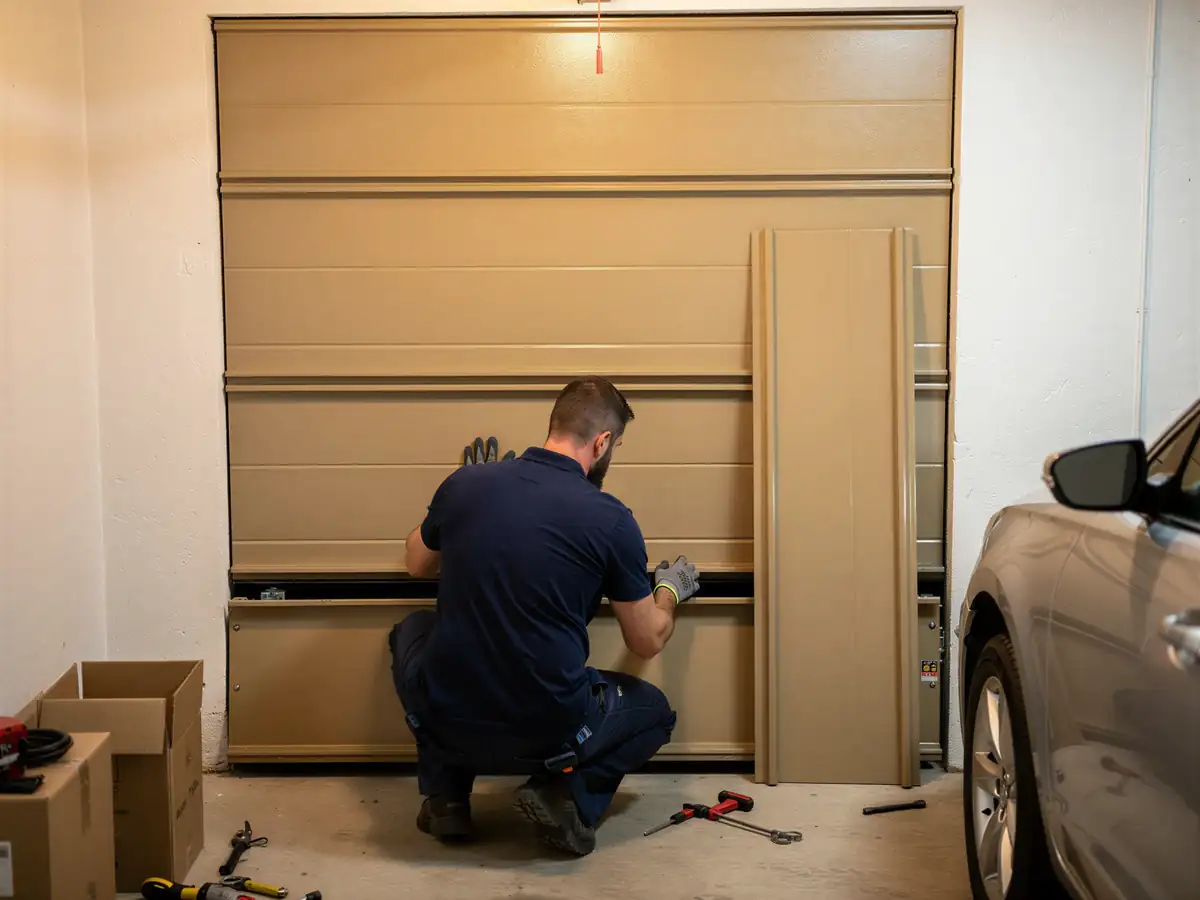
We're not based in Mendota Heights - the truck comes out of Farmington, about 15 miles away, so an opener install here is a scheduled trip, not a same-hour drop-in. Once we're on site, a straight swap - same drive type, header already sound - usually runs under two hours. If the header needs reinforcement or the existing wiring has to be reworked because there's no outlet near the unit, plan on longer, and we'll tell you that before we start, not after. We don't carry every rail length on the truck for every job, so if your house needs an unusual travel distance we may need a second trip to bring the right kit. That's a real limitation, and it's better to hear it now than to get a half-finished job.