Doing It Yourself
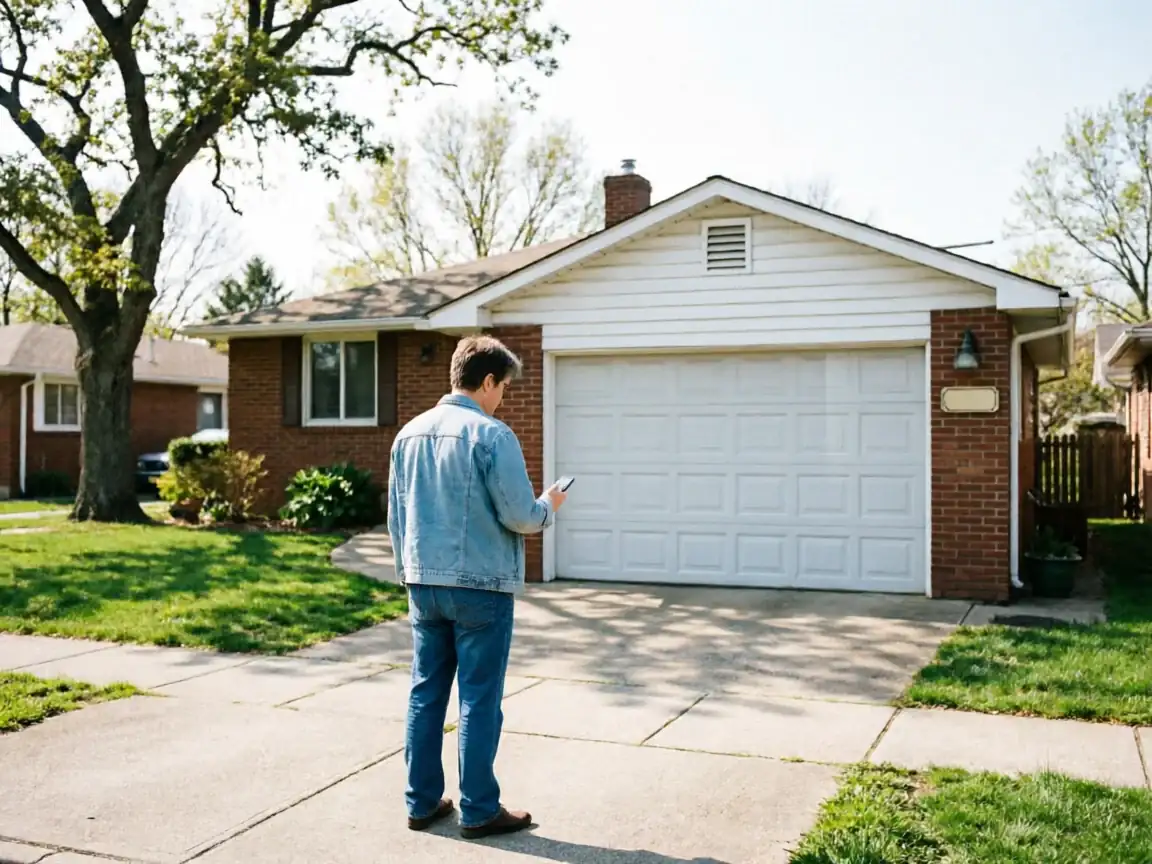
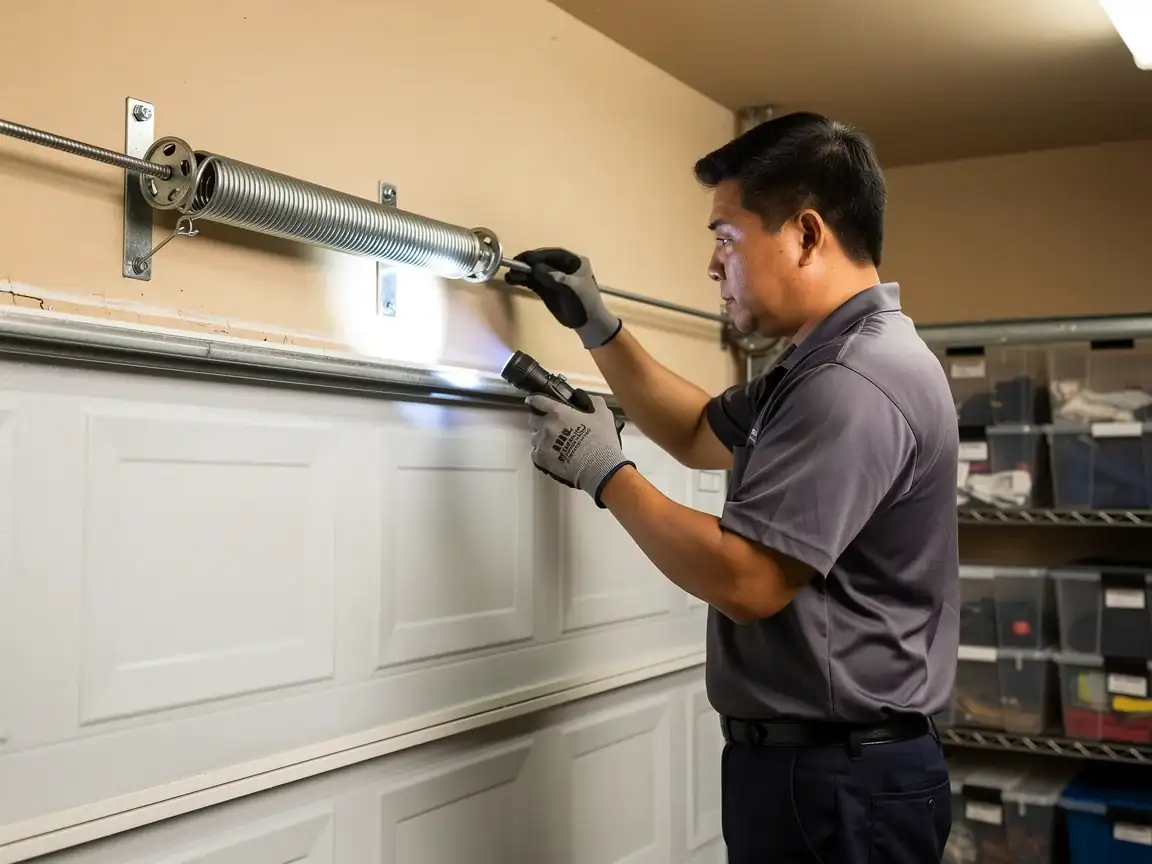
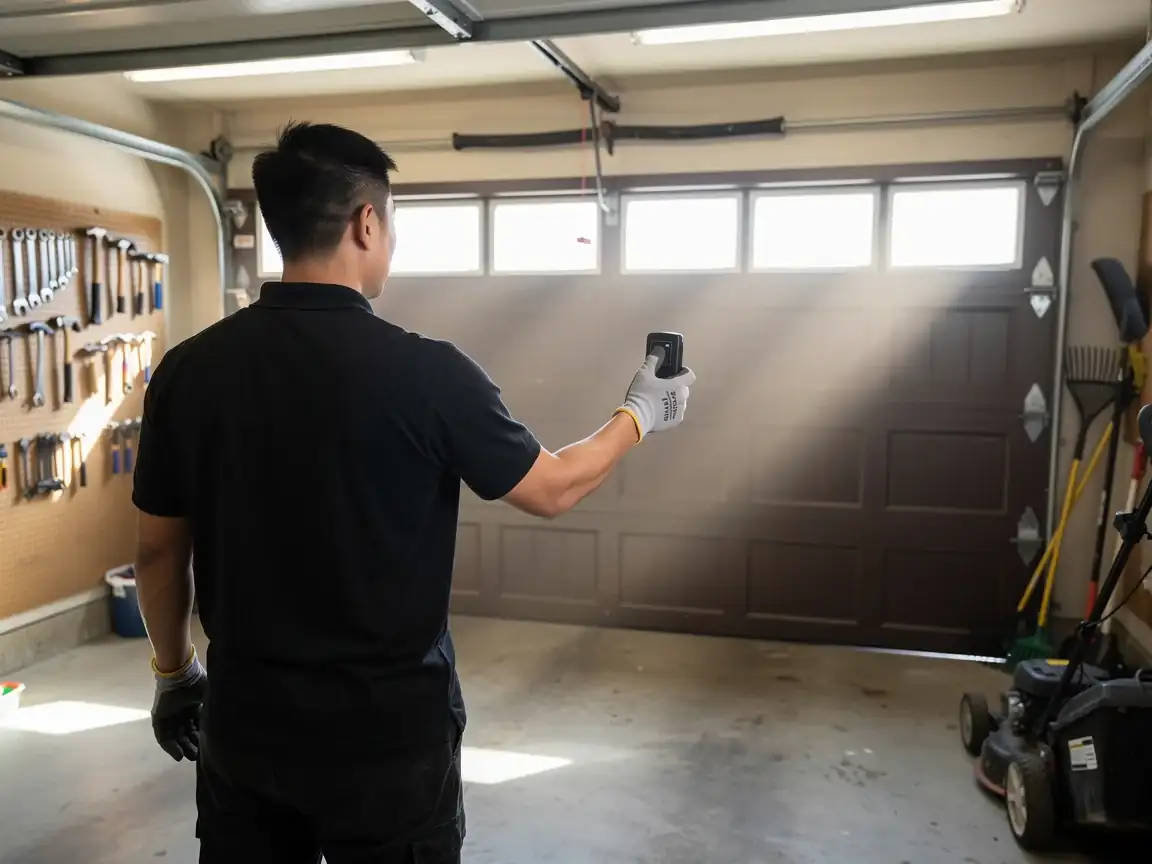
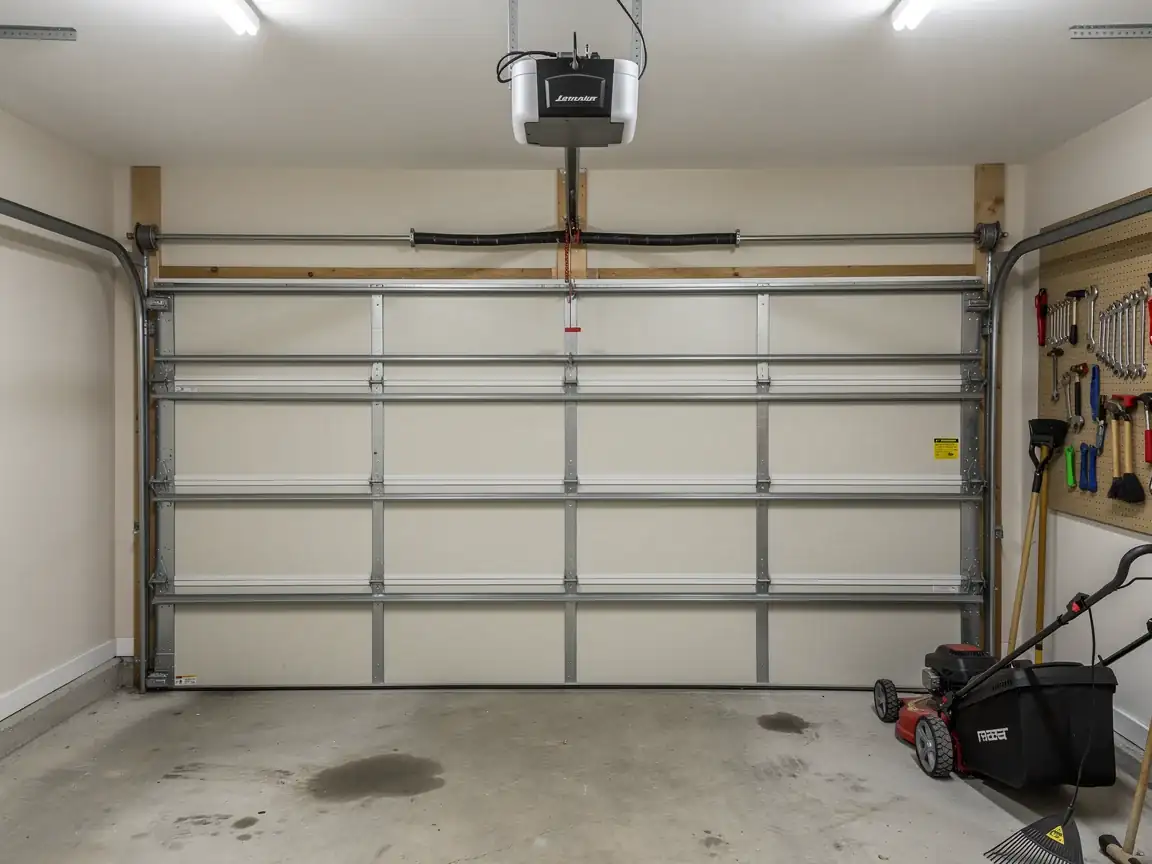
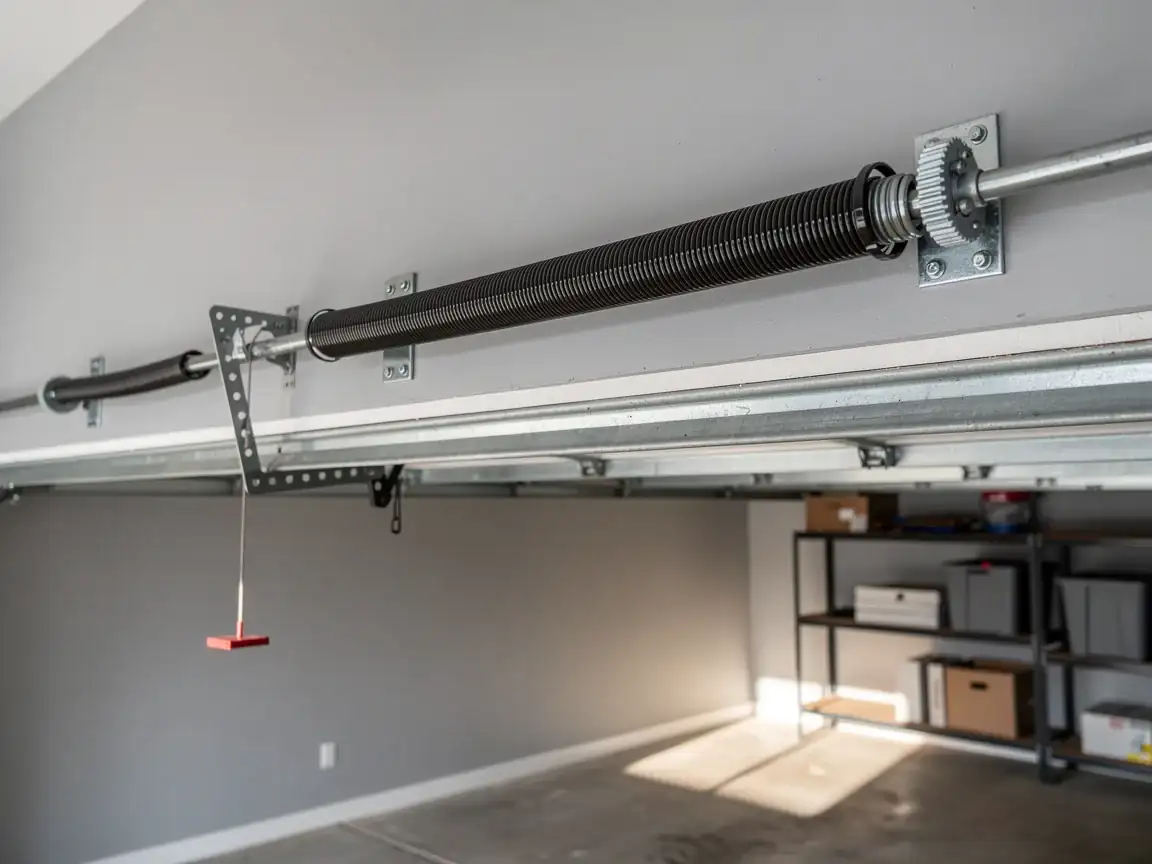
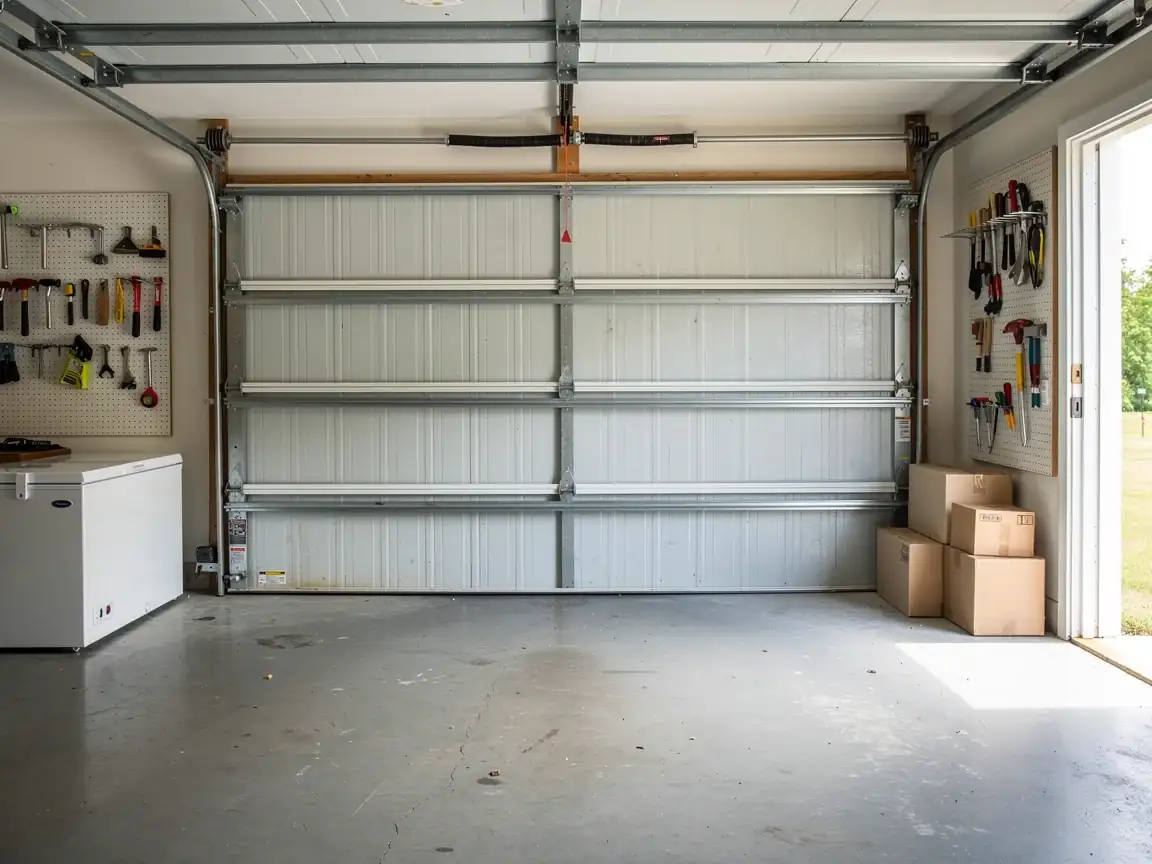
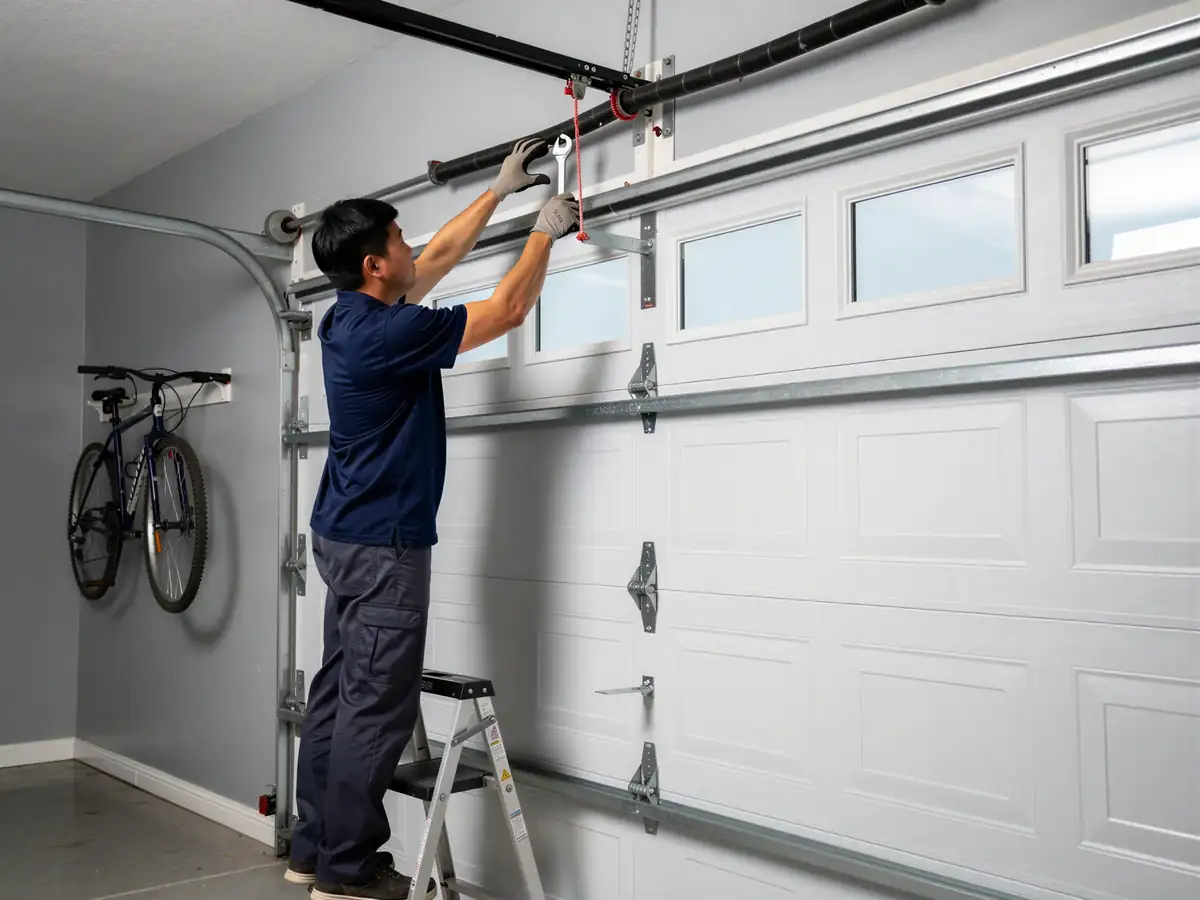
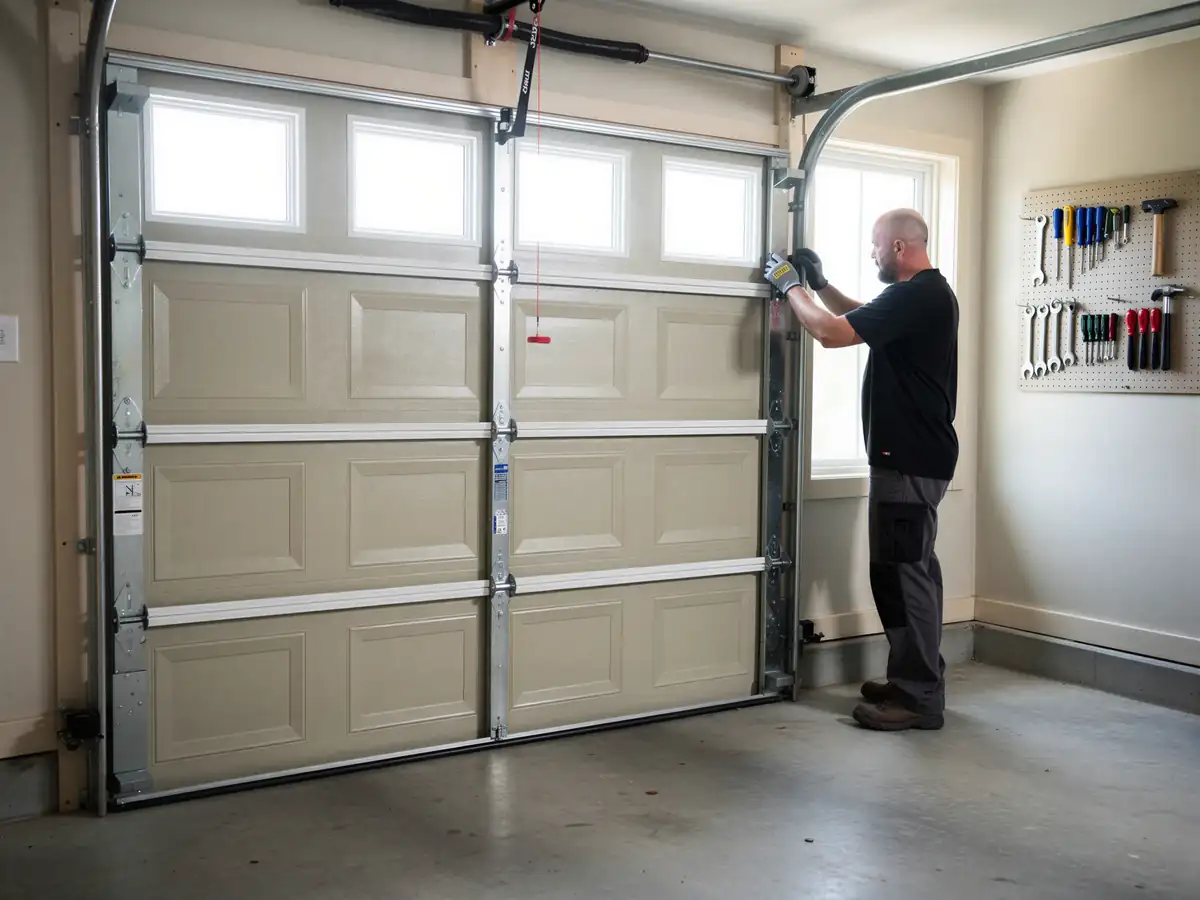
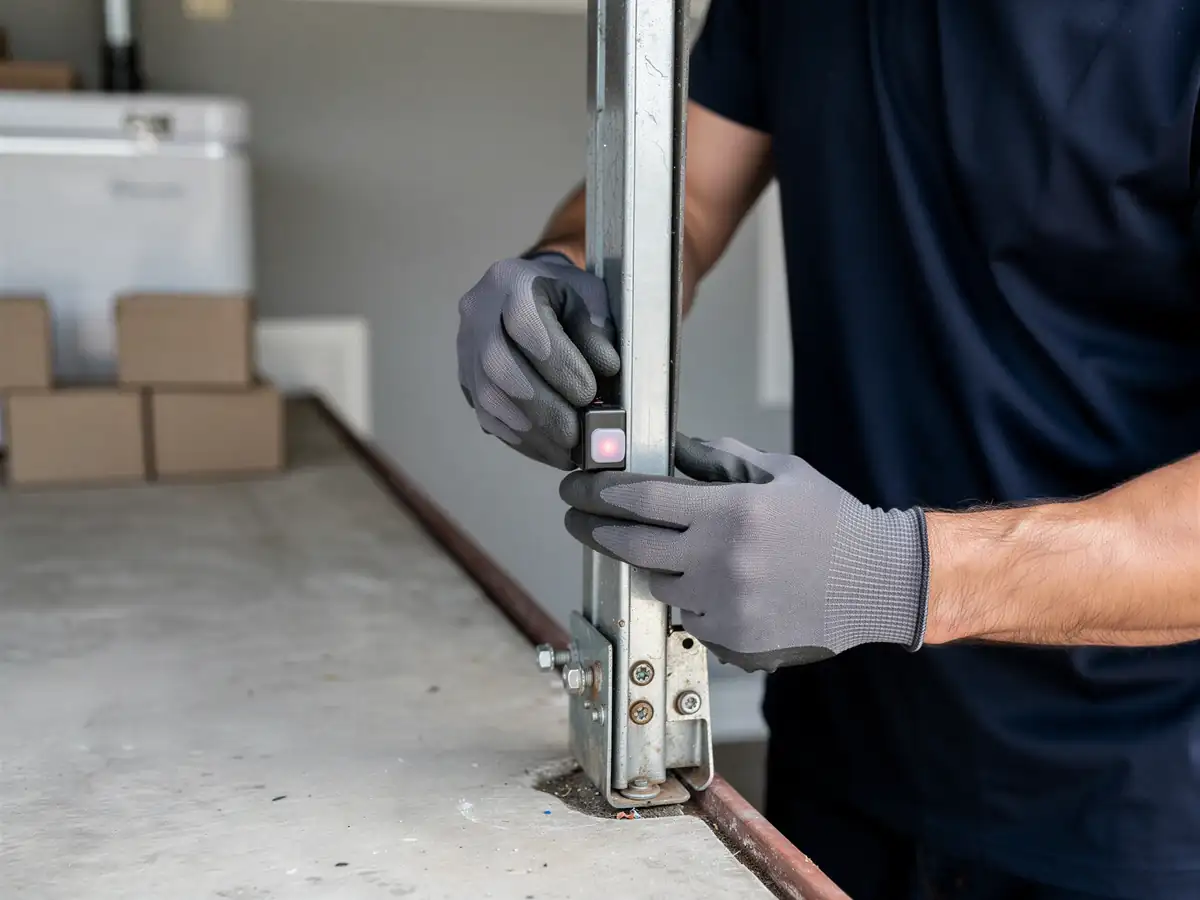
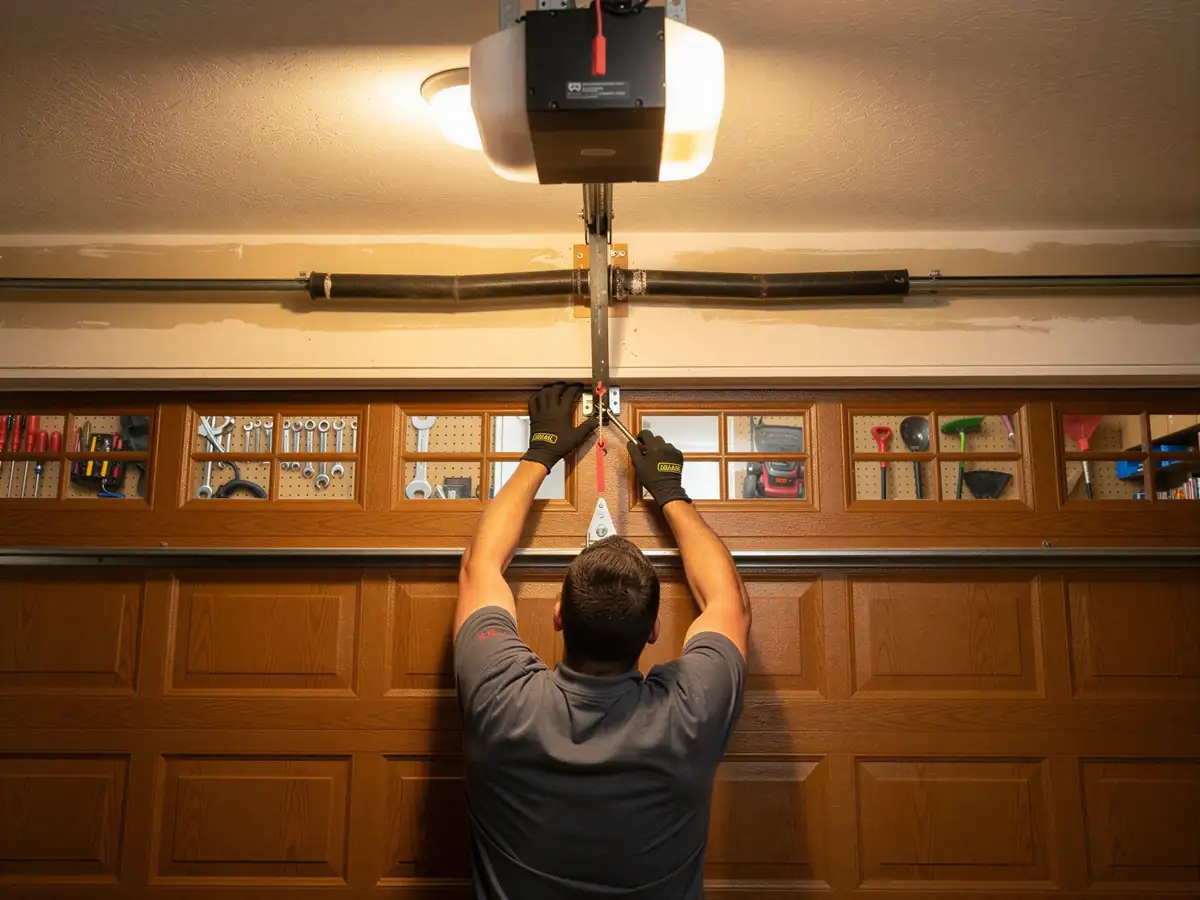
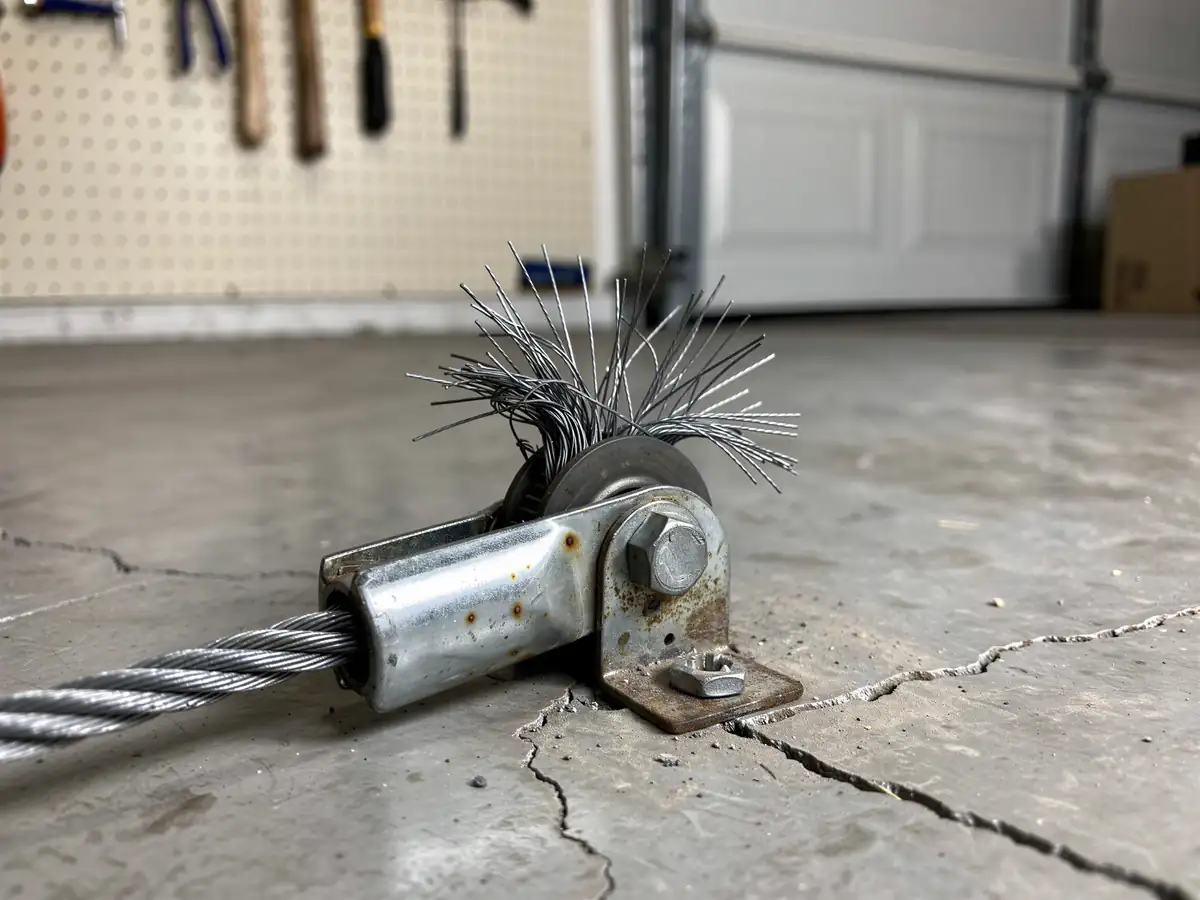
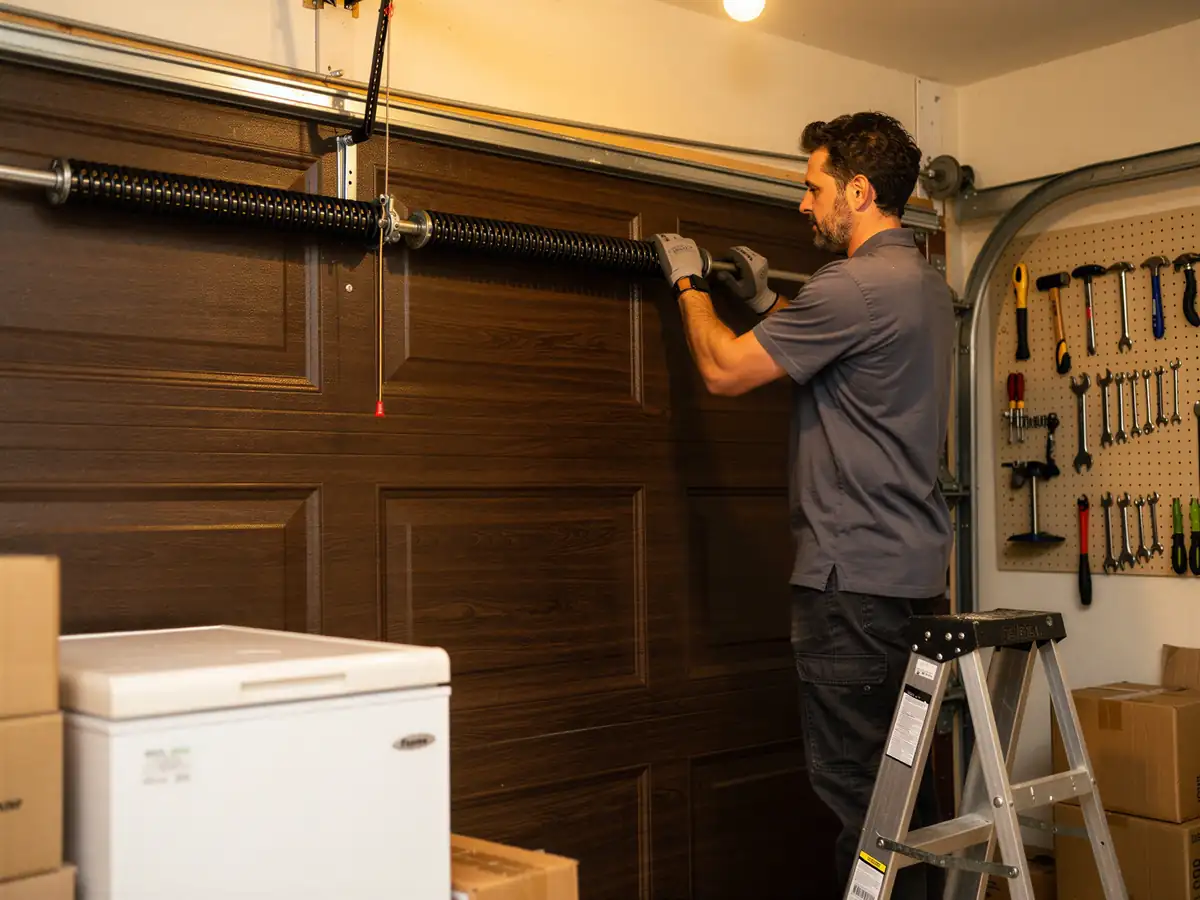
Torsion springs store enough force to break a jaw or a finger, and the winding bars and tools that do this job safely aren't something most garage shelves have. On a 1983-era torsion system the spring sits on a shaft under tension even when the door looks still, and loosening the wrong set screw first is how people get hurt. We're not going to pretend this is a weekend job with the right YouTube video. If you're handy and want to do the diagnosis yourself - checking for a gap in the coils, listening for the bang that means it already broke - that part is safe and worth doing before you call anyone. The repair itself isn't.
Why This Fails Locally
Minnesota's cold climate band means steel torsion springs here go through a wider temperature swing each year than springs in a mild-winter market, and that cycling is what fatigues the coil over the decades a 1983-built door has been standing. A spring rated for a given number of cycles doesn't care how gently you've treated the opener - cold contraction and summer heat both work the metal. Across the roughly 4,740 households in Mendota Heights, most garage doors are now 35 to 45 years into that cycle, which puts a real share of them past the point where a spring failure is a surprise rather than a when-not-if. This isn't a defect specific to this suburb's doors; it's what happens to any torsion spring run through enough cold-climate winters.
How Long You Are Without the Door
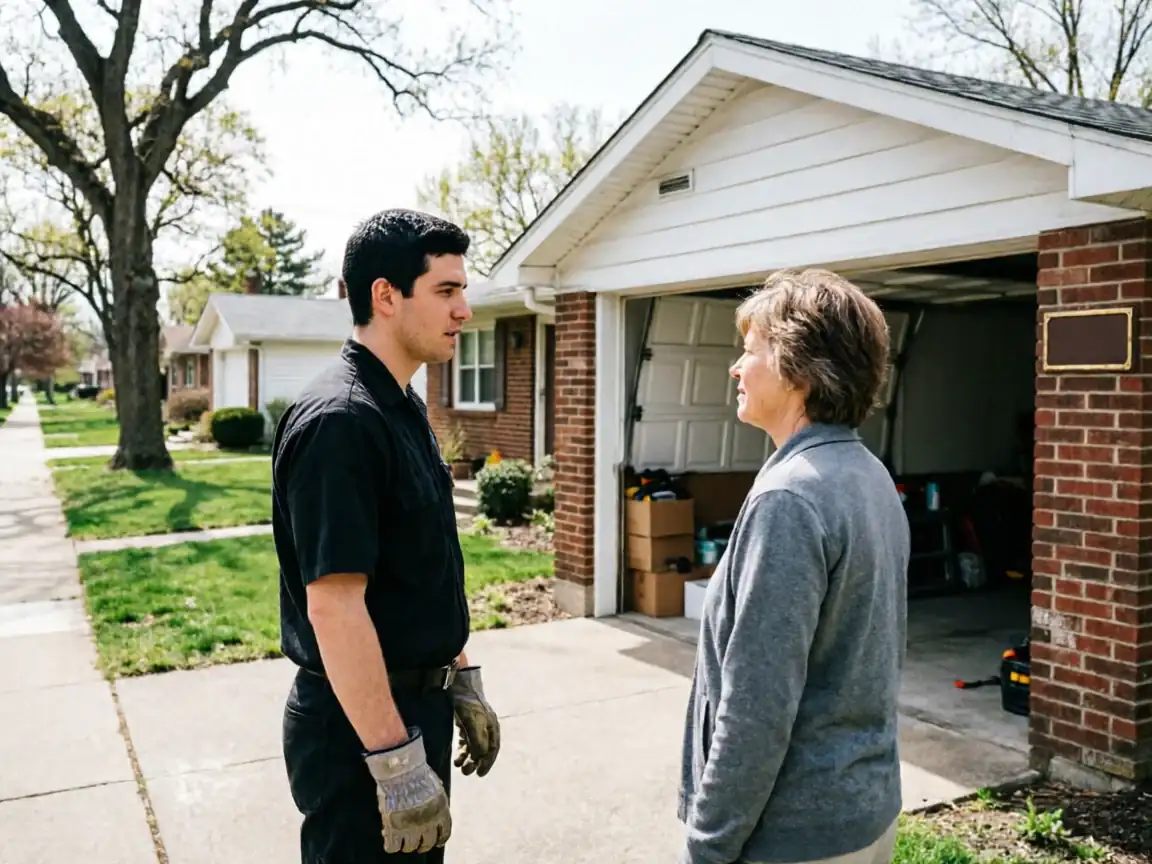
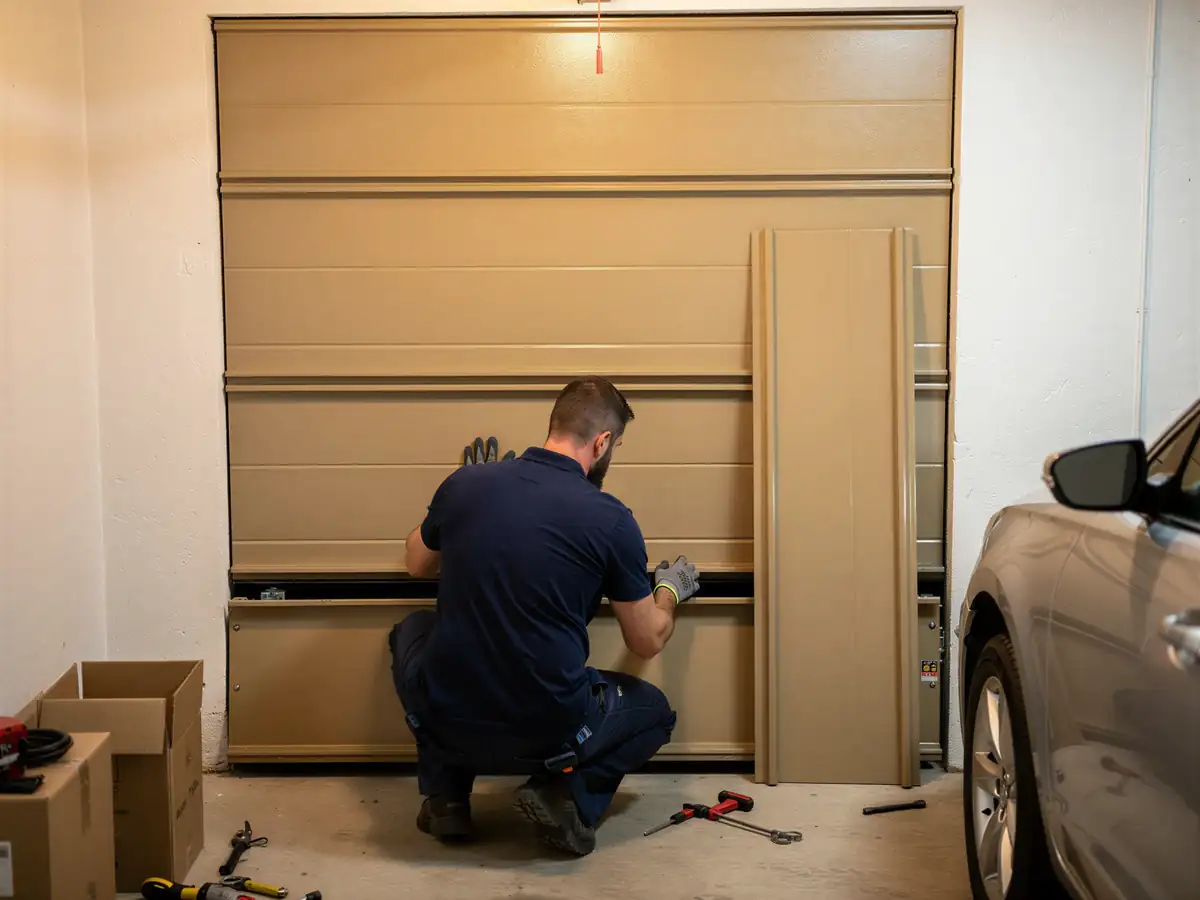
We run this job from Farmington, about 15 miles out, so the honest answer is that the door is out of service for the time it takes us to get scheduled and drive out - we don't operate a branch or a depot in Mendota Heights, and we won't claim a response window we can't back. Once we're on site, a standard torsion spring swap on a residential door is a same-visit job; it's the getting-there that takes the time, not the repair. At a median income of $132,935, replacing a spring rather than the whole door is almost always the better math on a house built in this era - the opener, track, and panels from 1983 are usually still sound, and there's no reason to replace a door over one worn part.