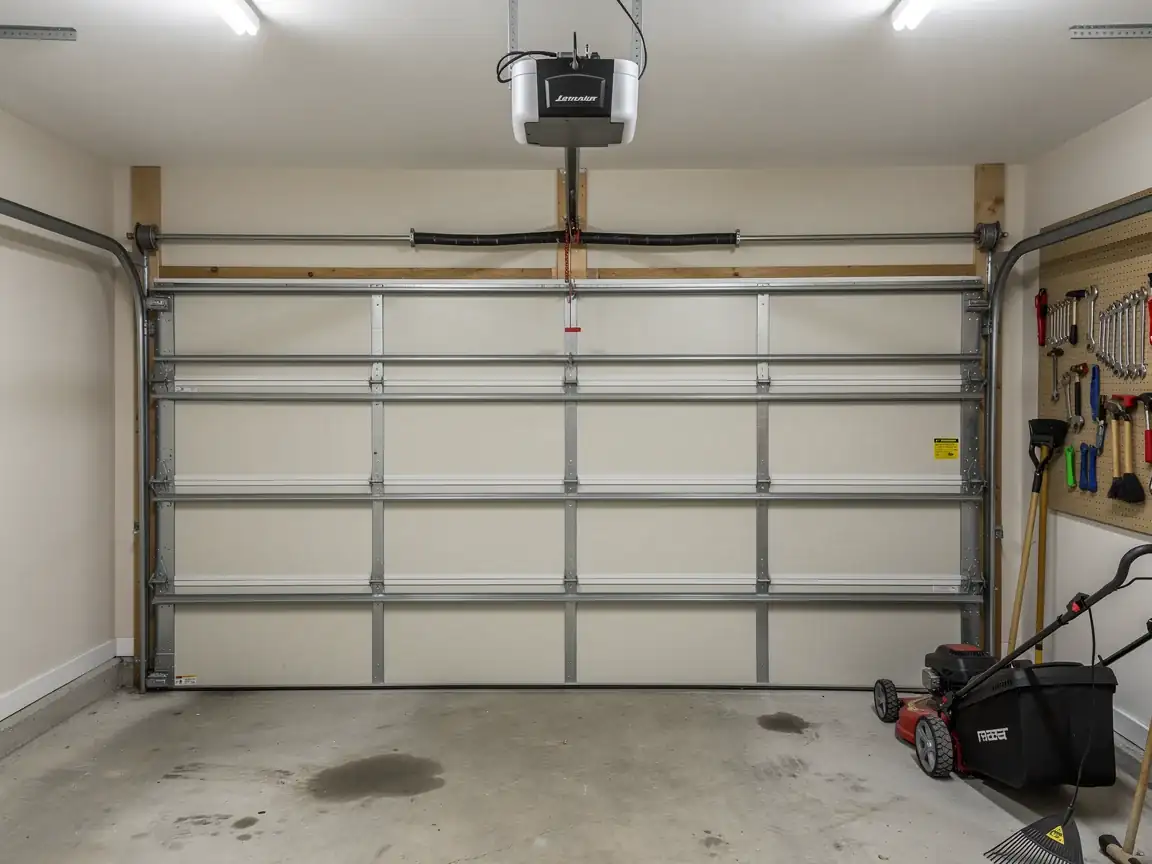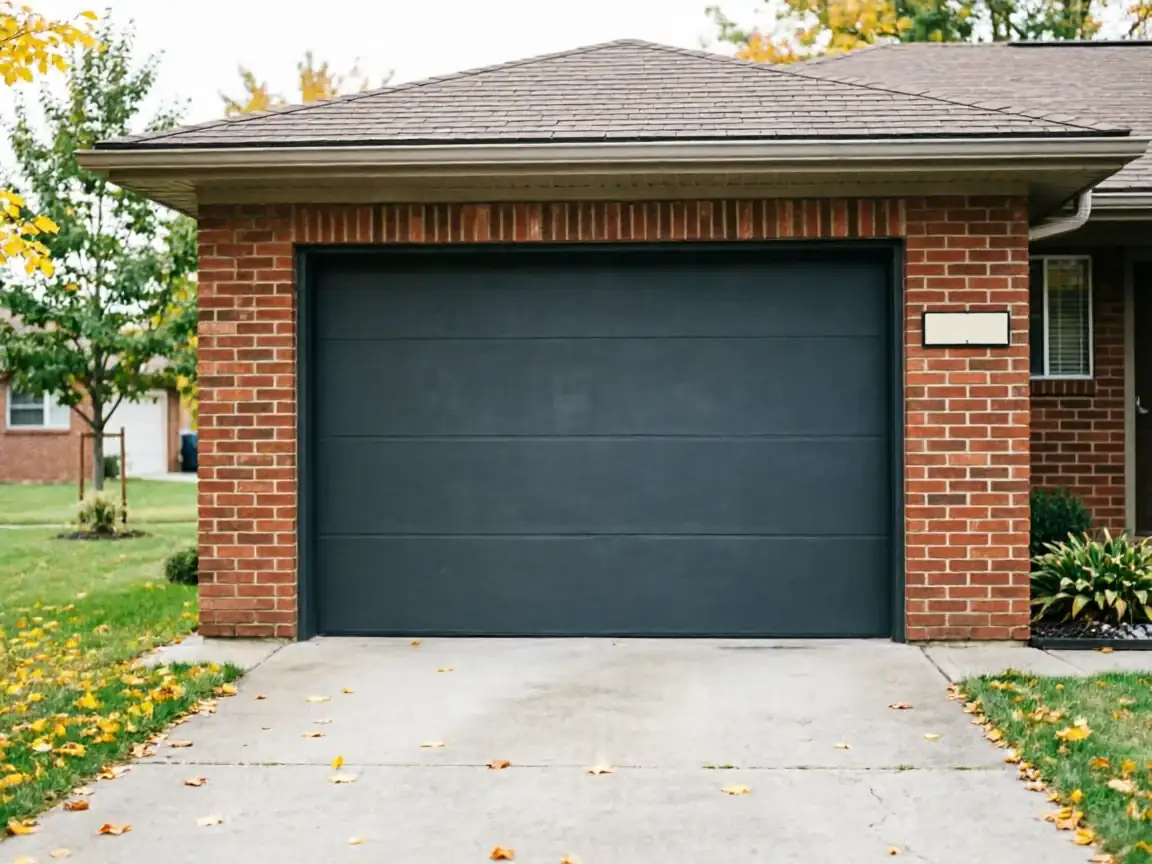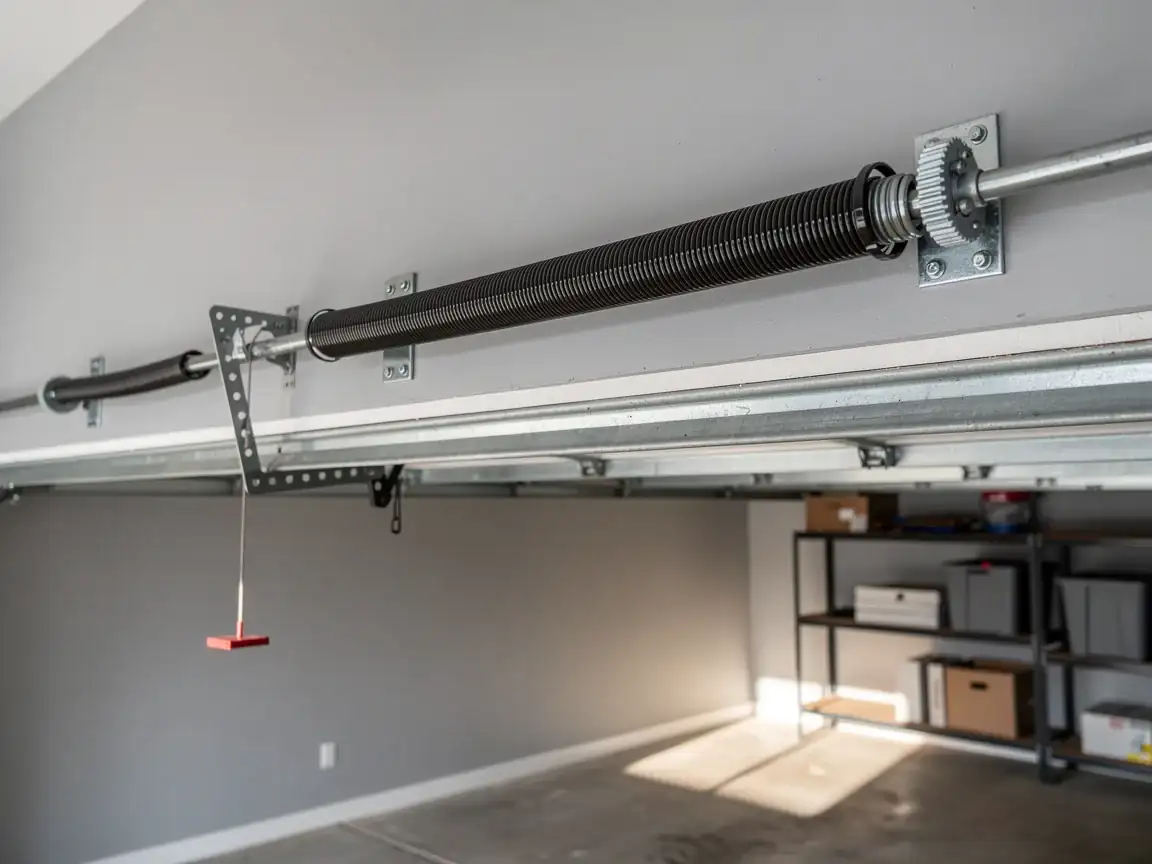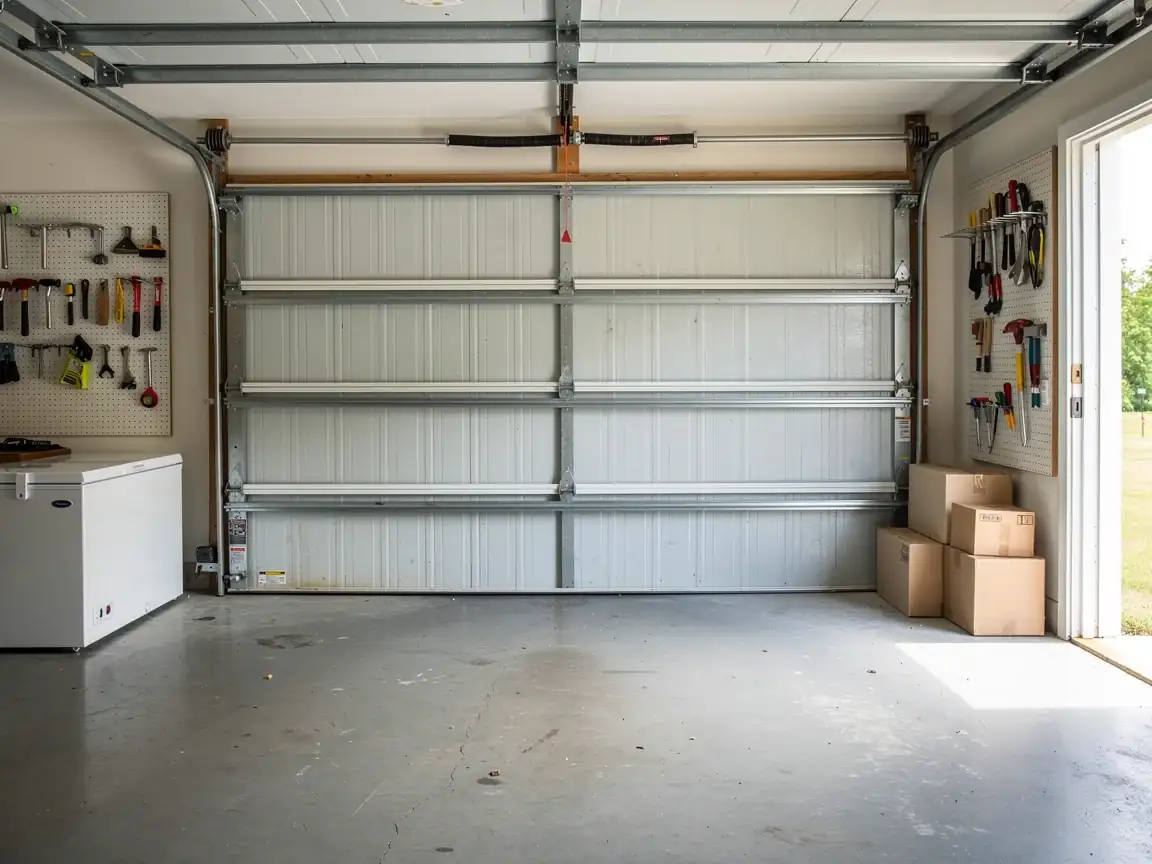
Parts We Carry
Mendota Heights sits in the 1955-2004 build window that covers most of this service area
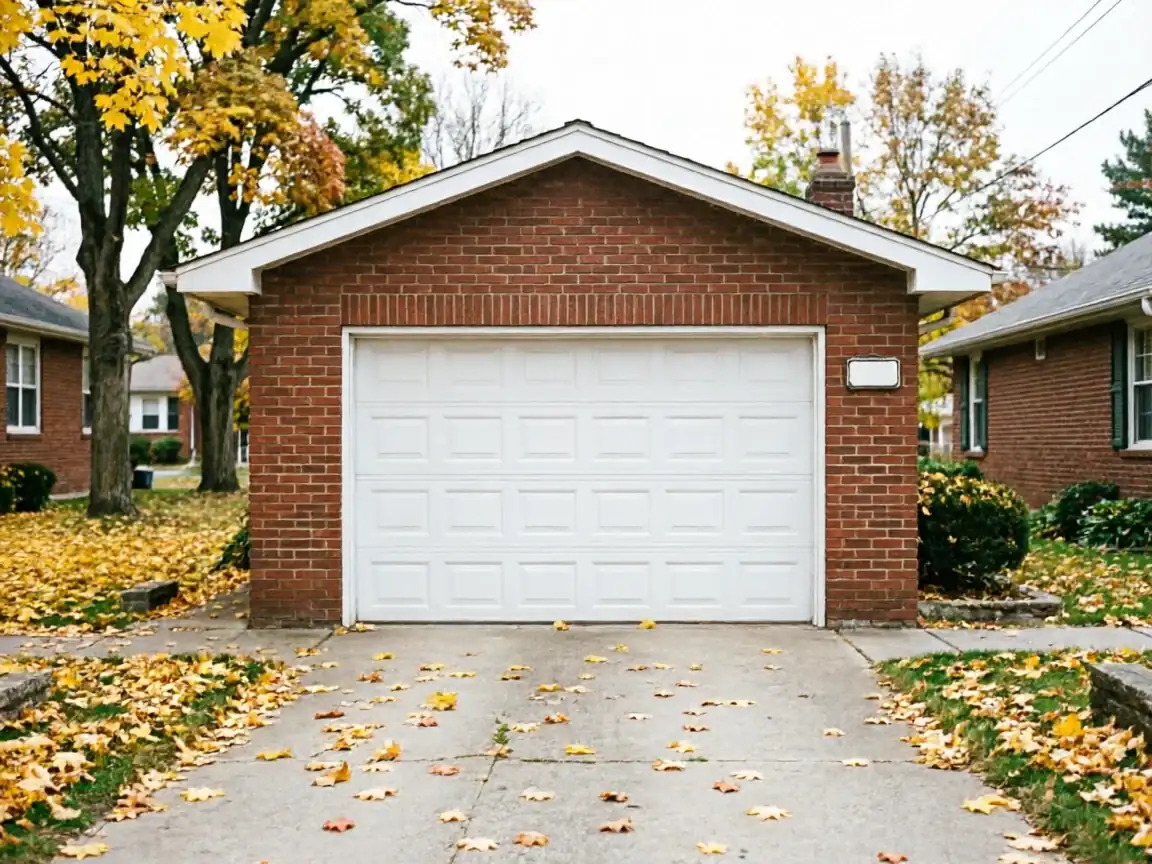
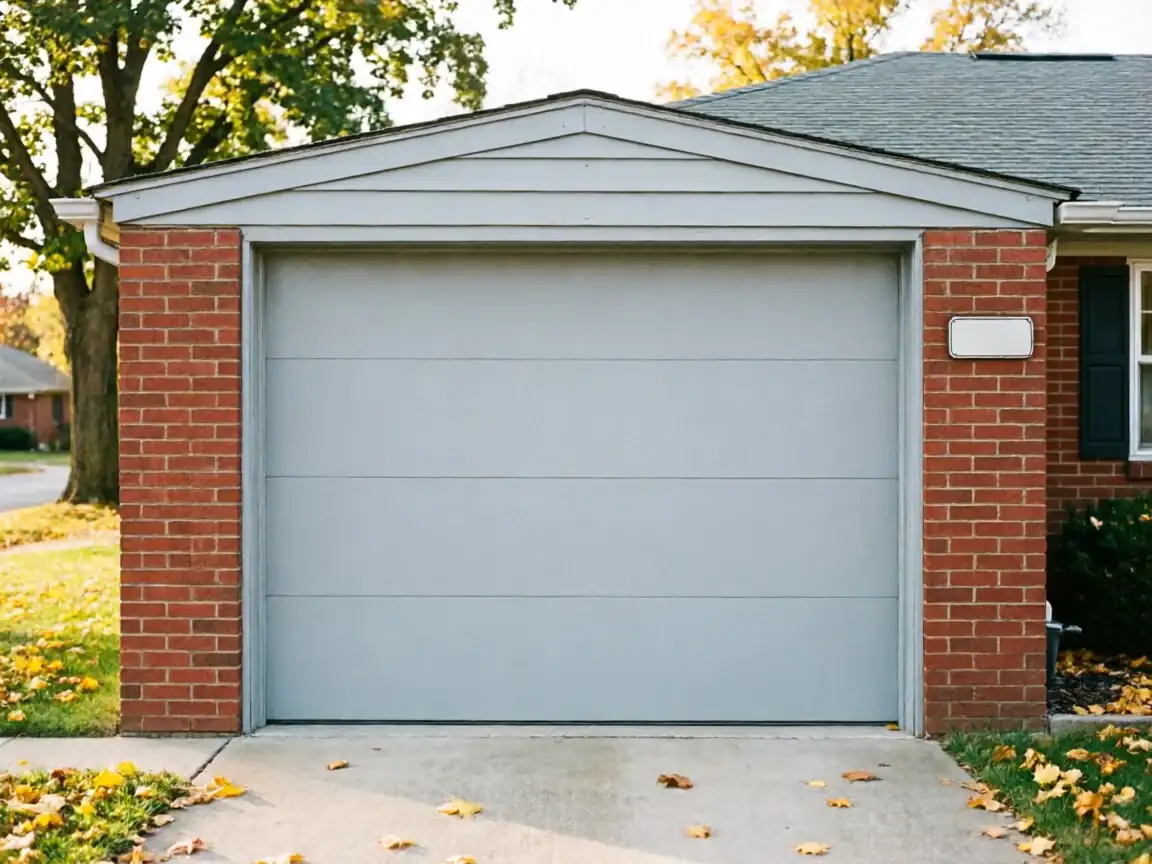
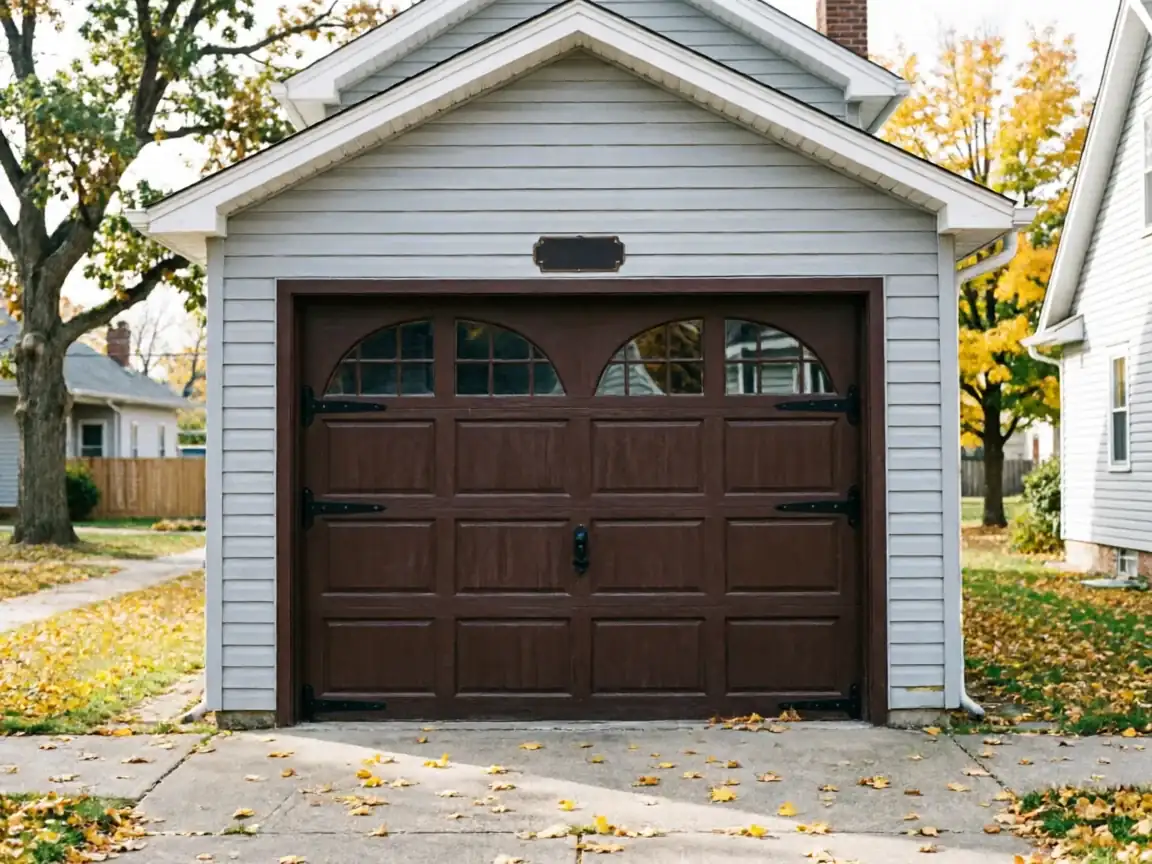
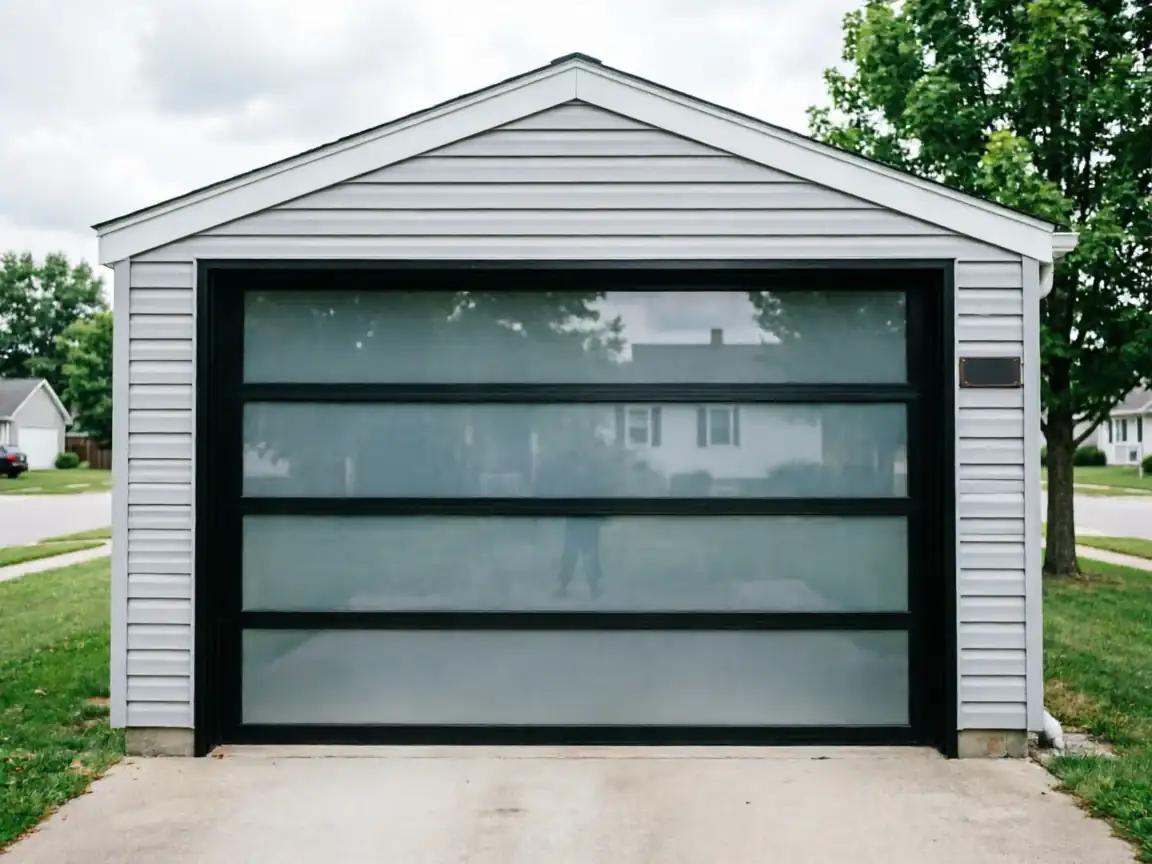
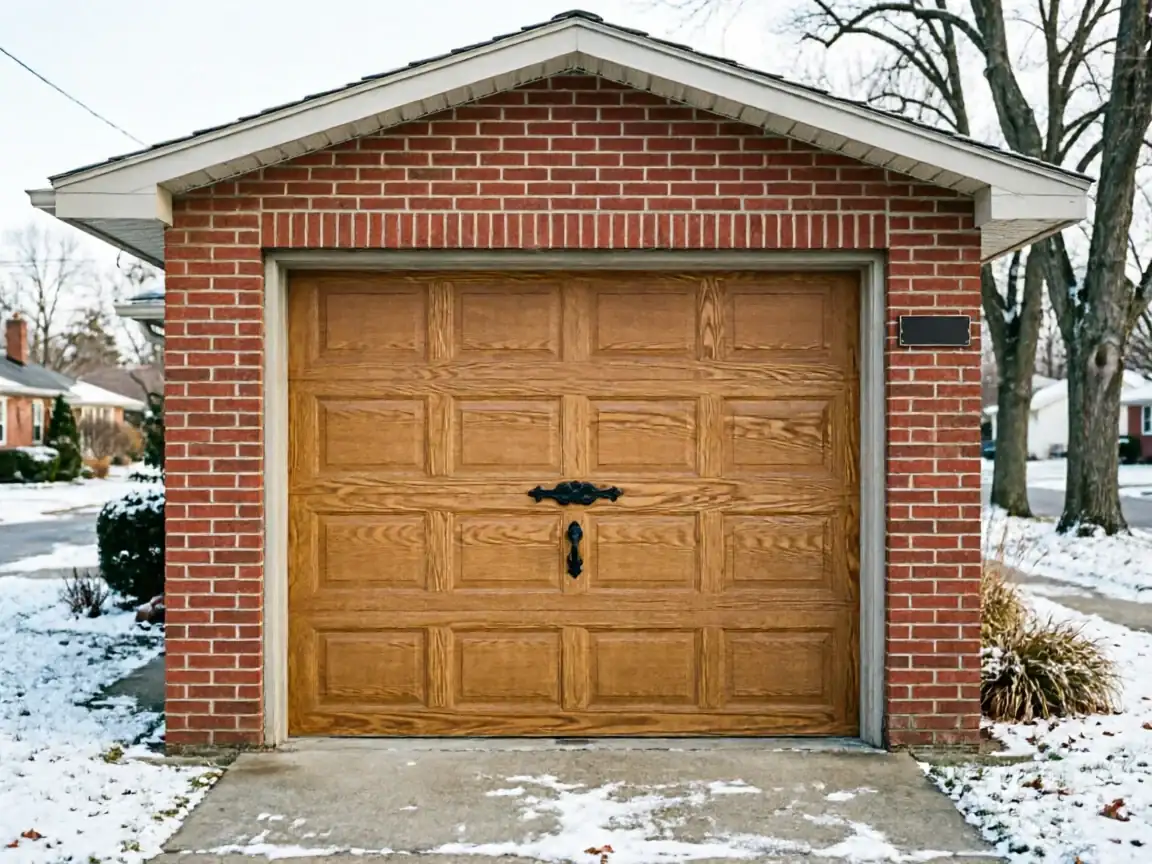
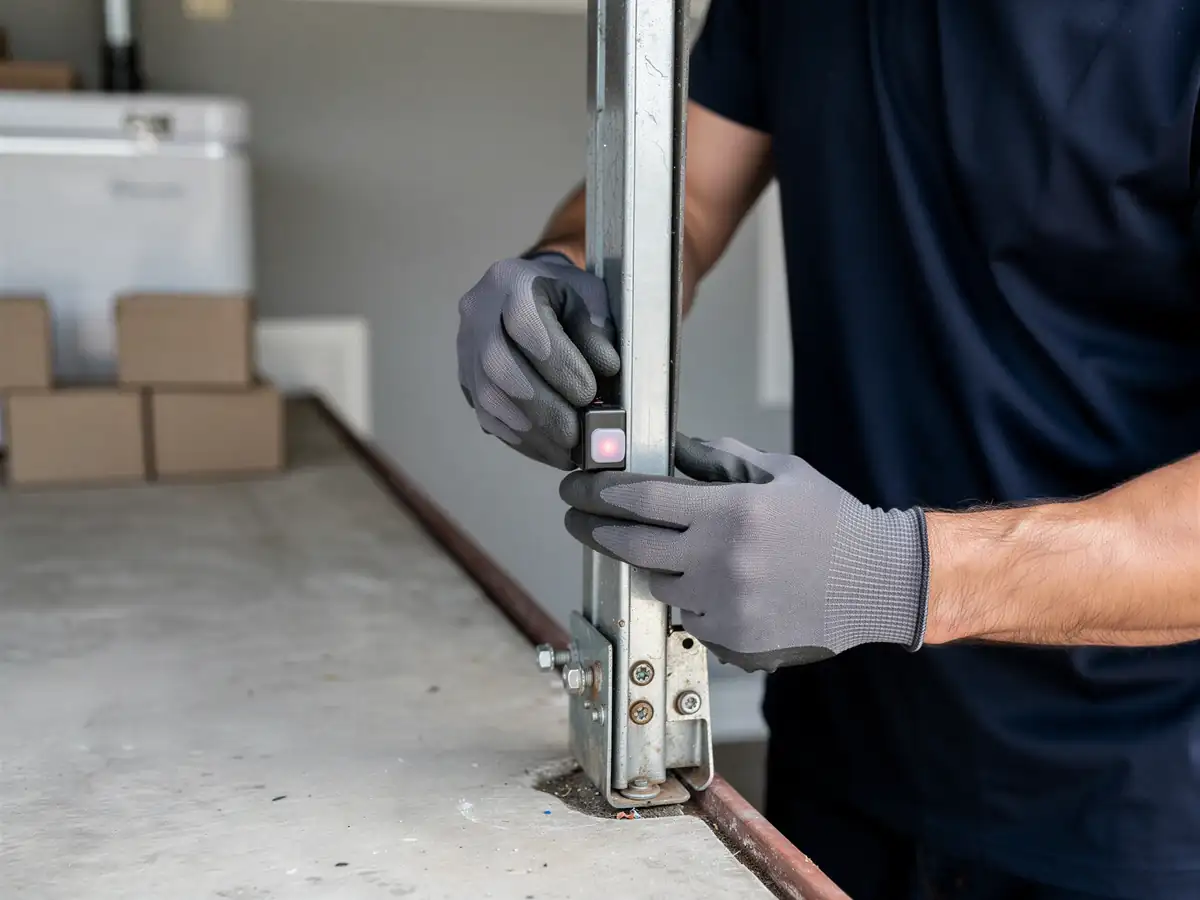
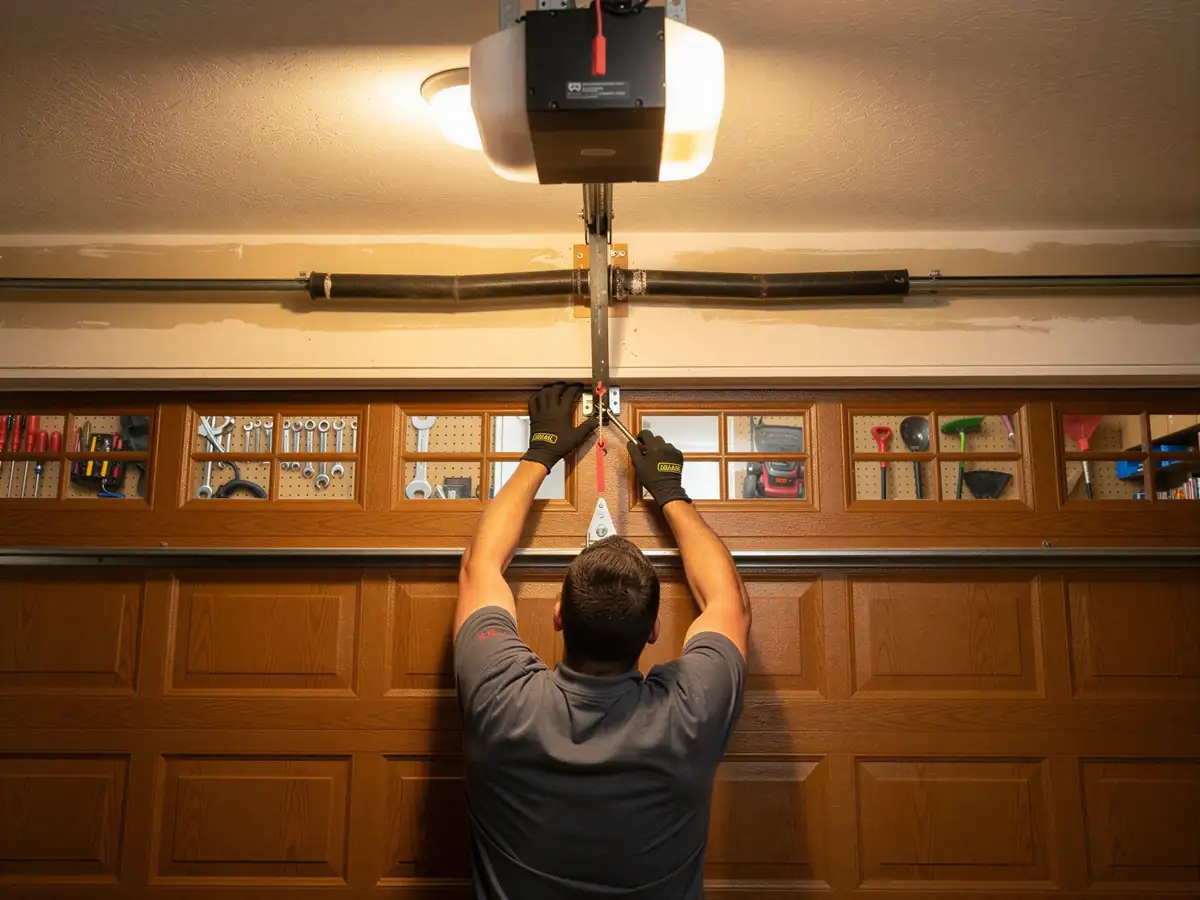
And the town's own median year built lands right at 1983. That means a lot of the doors we're asked to replace here are still running on the original torsion spring and track set that came with the house - hardware nobody has touched since the drywall went up. We carry torsion springs sized for the double-car openings common to that era, steel panel sections in the widths that fit 1980s framing, and standard-lift track hardware. What we don't carry on the truck is every proprietary panel profile a builder might have specced forty years ago - if a homeowner wants an exact match to a discontinued panel style, that can mean a special order and a wait, not a same-visit swap. For most jobs here the fix is a full new door and opener rather than hunting down a part that stopped being made two decades ago.
We size everything to the cold-climate band this area sits in
Not to a generic catalog listing. That matters more once you understand what's failing and why, which the next sections get into.
Doing It Yourself
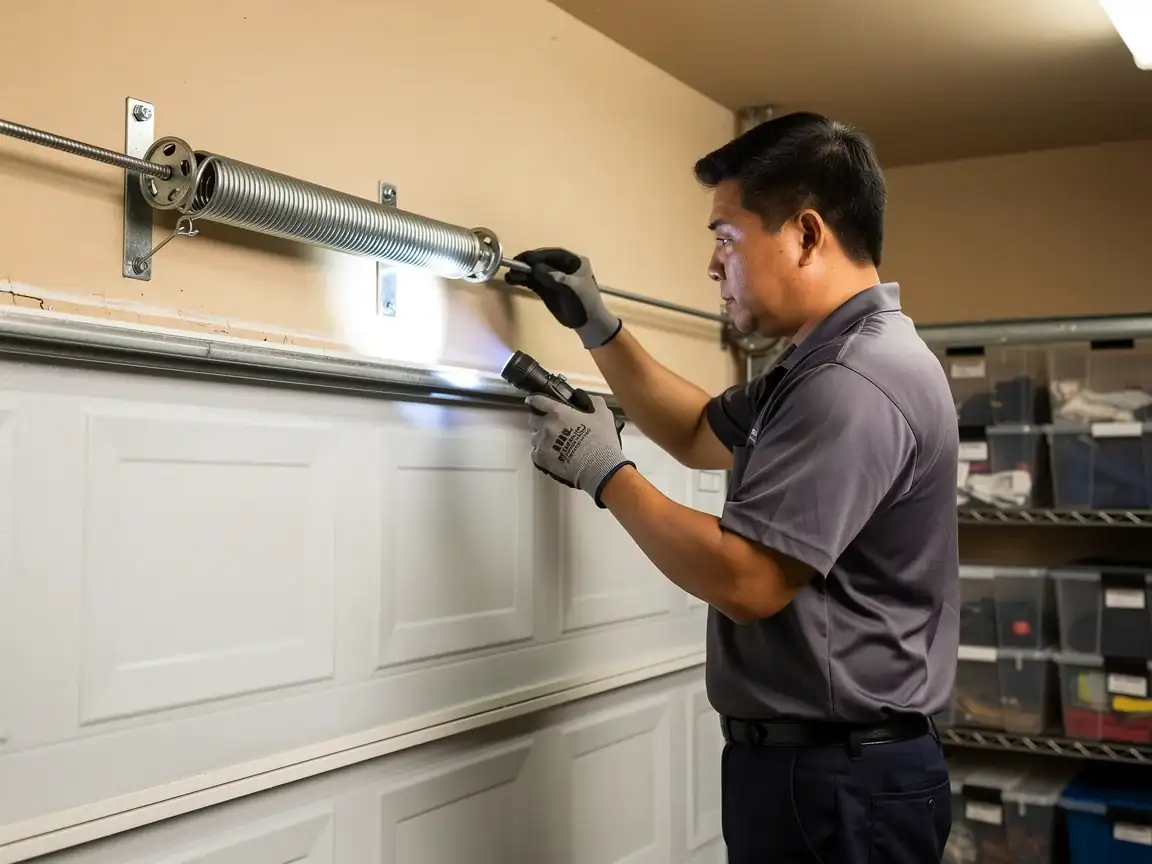
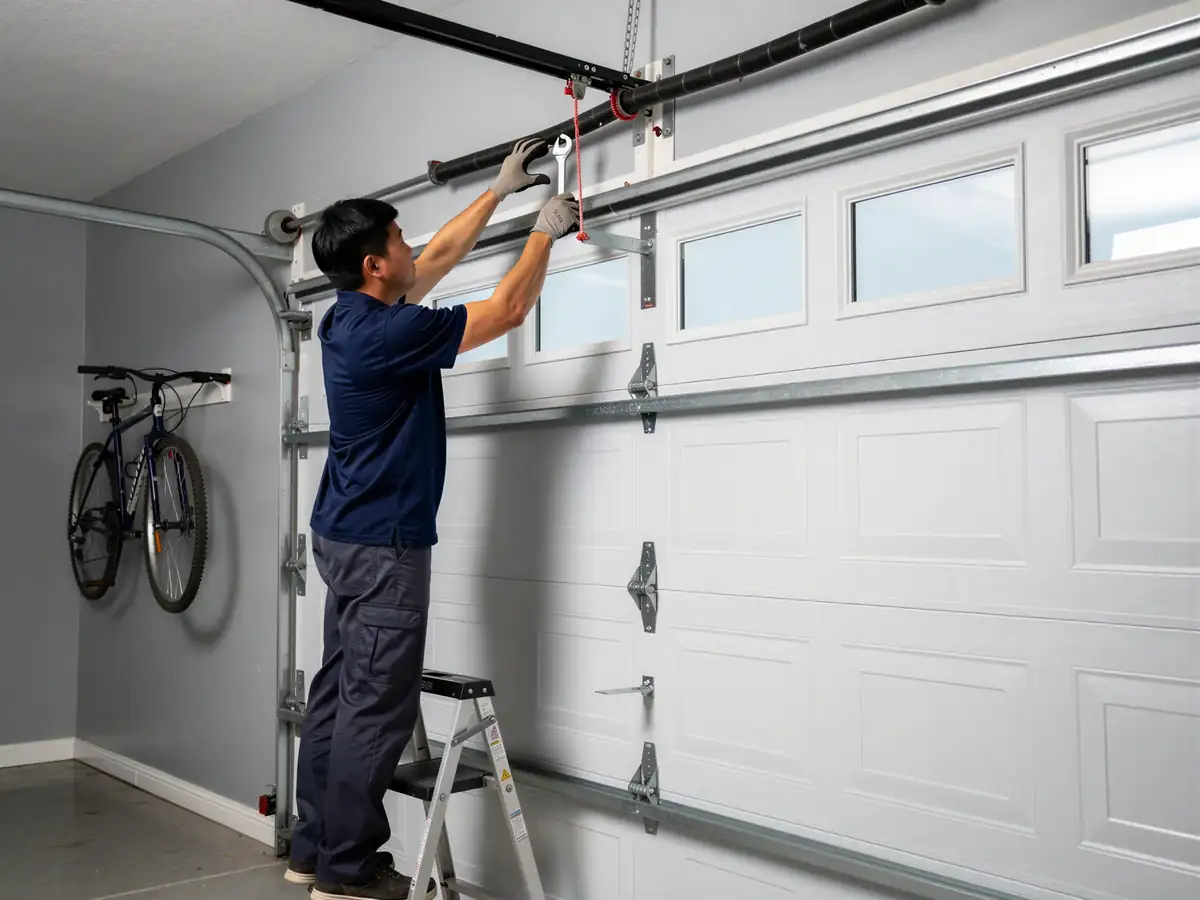
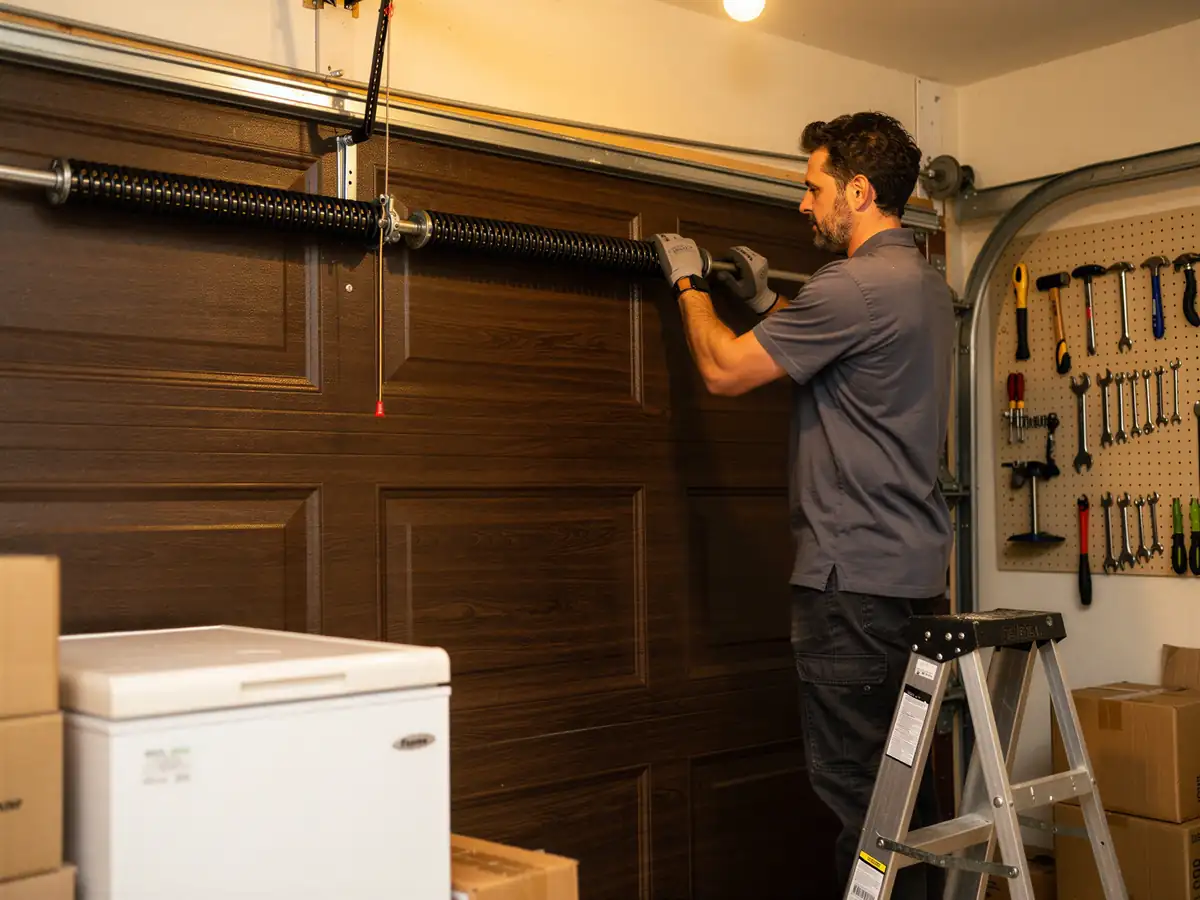
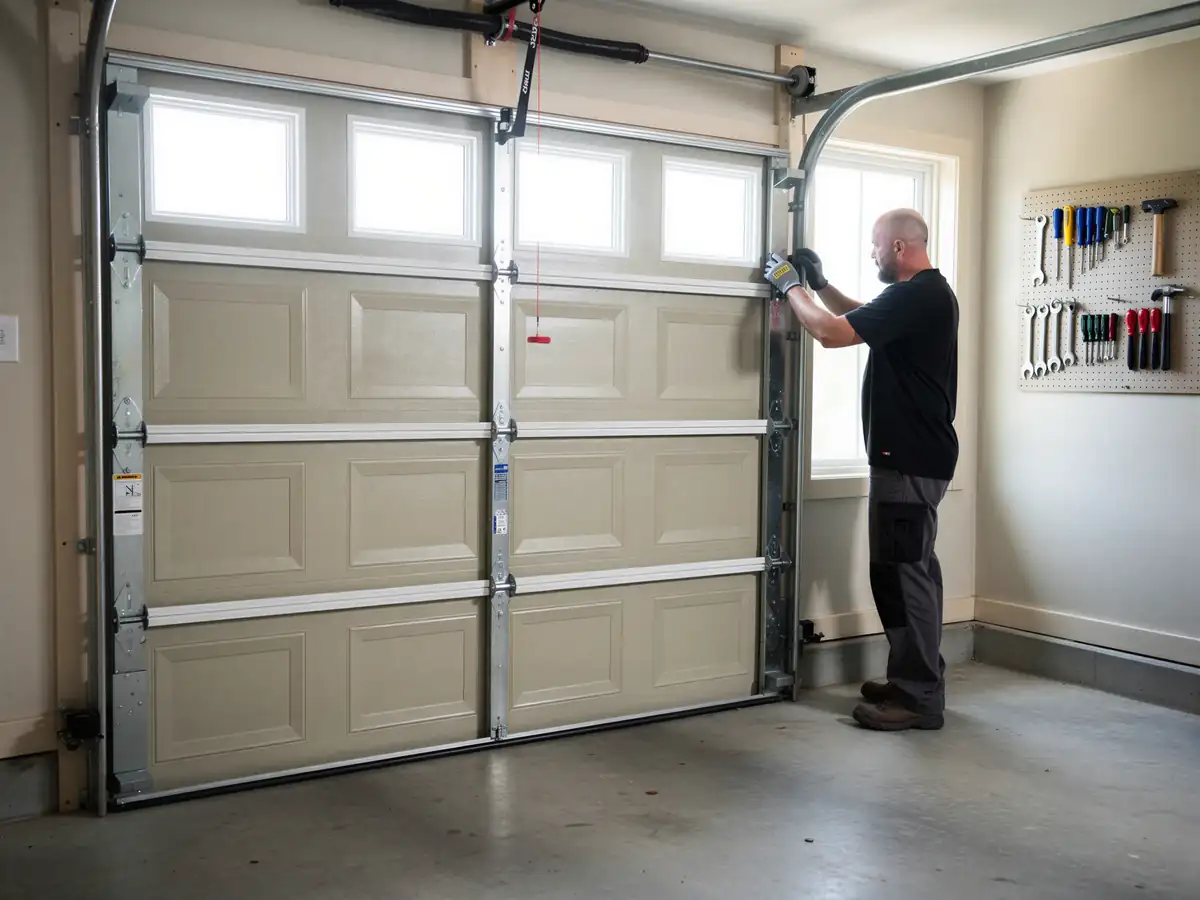
A torsion spring holds enough stored tension to break a wrist or worse, and a door built in 1983 has had four decades for that spring to fatigue in ways you can't see from the garage floor. Winding bars, vice grips as a backup clamp, a ladder on an uneven slab - none of it forgives a mistake, and the failure mode is sudden, not gradual.
The other problem specific to a house this age is that the hardware wasn't designed with today's heavier insulated doors in mind. Swap in a modern door on an old track and jamb without checking the math, and you've got a door that's either too heavy for the opener or too light for the spring rate, and it shows up as a door that reverses itself, drifts open, or slams down. In this region's cold-moderate climate, metal fatigue and brittle seals aren't theoretical - a spring or cable that's borderline in October can fail outright on the first hard cold snap. We'll say plainly: this isn't a Saturday project if the door hasn't been touched since the house was built. The honest move is to have the spring and track checked before you order a door, not after.
Why This Fails Locally
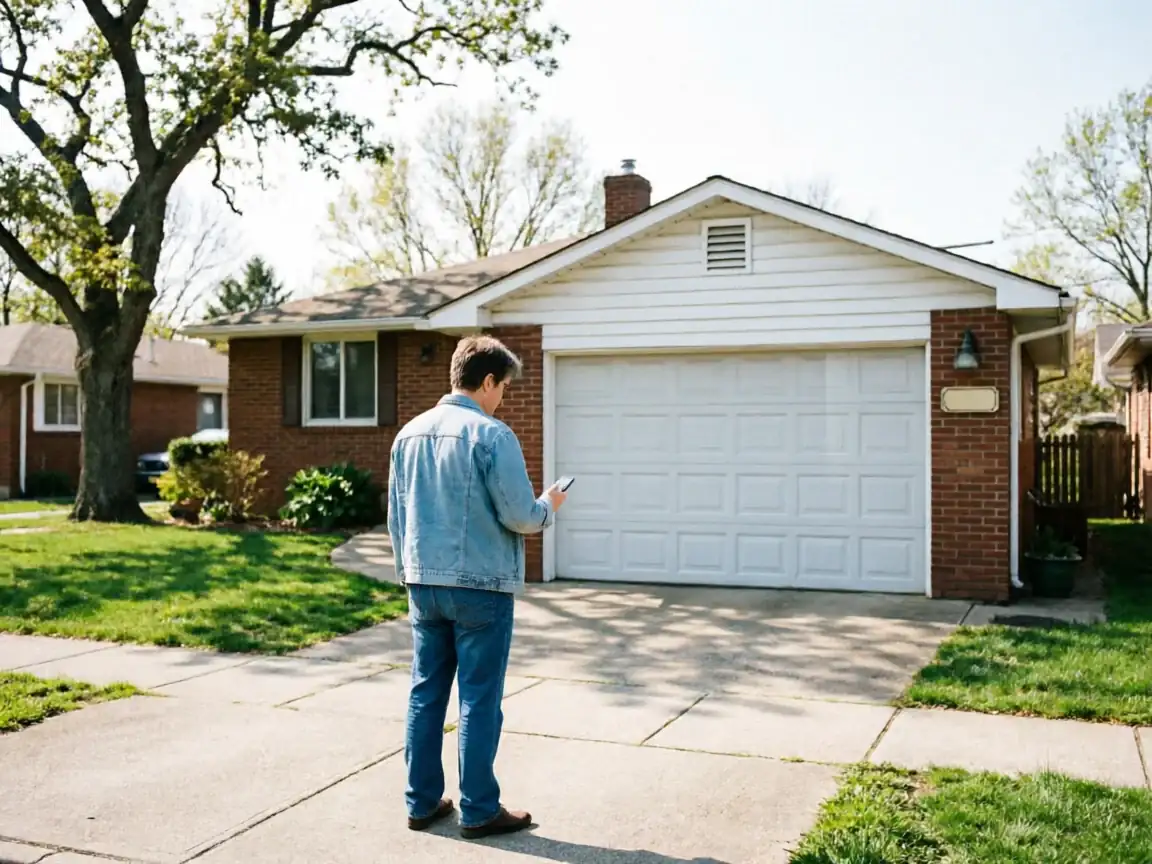
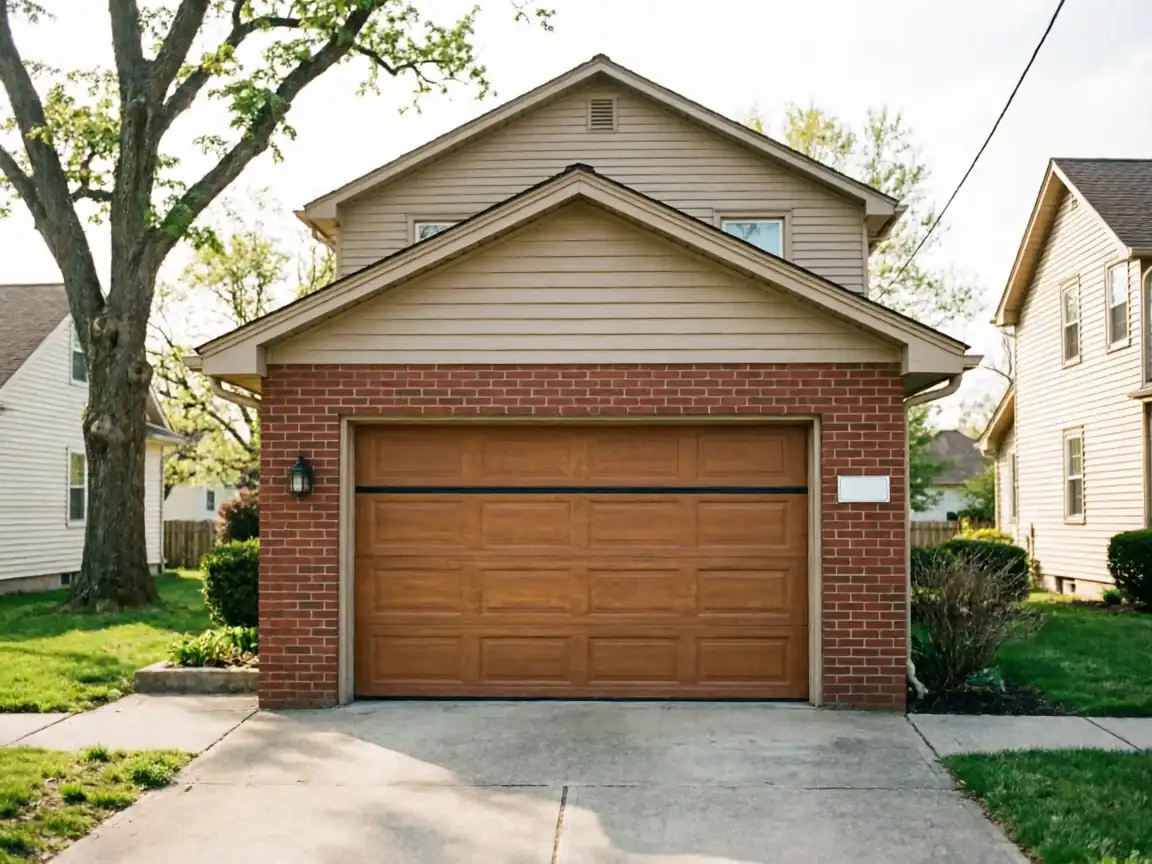
Mendota Heights homes built in the early 1980s wave were framed for the door sizes and opener torque of that decade, not for today's heavier insulated steel doors. When a homeowner upgrades to a better-insulated door without upgrading the spring and opener to match, the original jamb hardware - now over forty years old - is doing more work than it was built for. That's the mismatch we see over and over in houses from this build year: original track brackets, original spring cones, carrying a load they were never sized for.
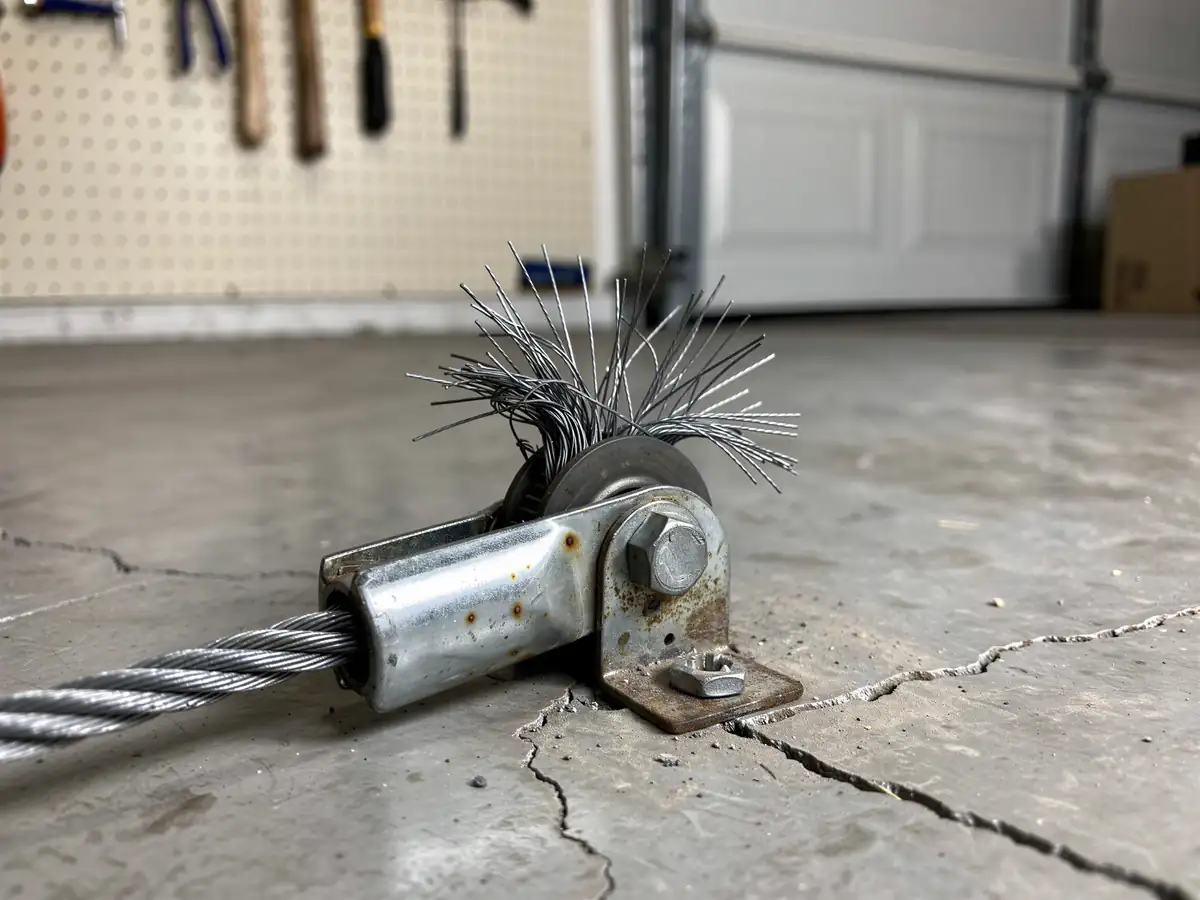
Cold is the other half of it. This area sits in a moderate-cold climate band, and steel contracts in winter the same way it does everywhere, but hardware that's already fatigued from forty years of seasonal cycling has less margin left before something gives. A cable that's frayed but holding in summer can snap in January. With 4,740 households in Mendota Heights, most dating to that same original construction wave, this isn't a one-house problem - it's a pattern tied to when the neighborhood went up, not to any one family's maintenance habits.
How It Shows Up
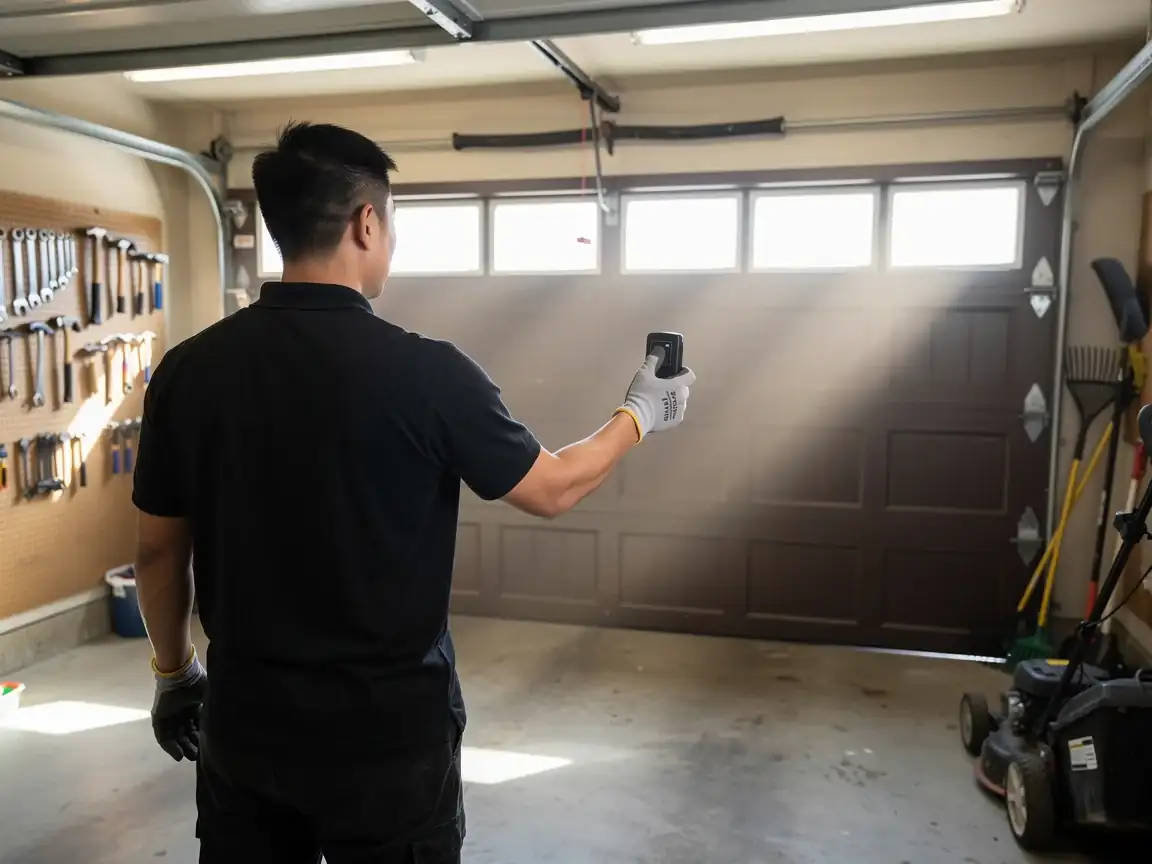
The most common call we'd expect from a Mendota Heights house of this age is a door that's gotten noticeably heavier to lift by hand
Or an opener that strains and stalls partway up - both signs the spring has lost tension it should still have. Rollers worn down from forty seasons of temperature swings show up as grinding or a door that jumps the track slightly before straightening out.
On the cosmetic side, steel panels from this era weren't always insulated to today's standard
So condensation and rust along the bottom panel edge is common on original doors that have never been swapped. None of these are emergencies by themselves, but they're the signs that the door is running on original 1983-era parts well past the point most hardware is rated for, and that a full replacement - door, track, and opener matched together - is worth pricing out before something fails outright.
How Long You Are Without the Door
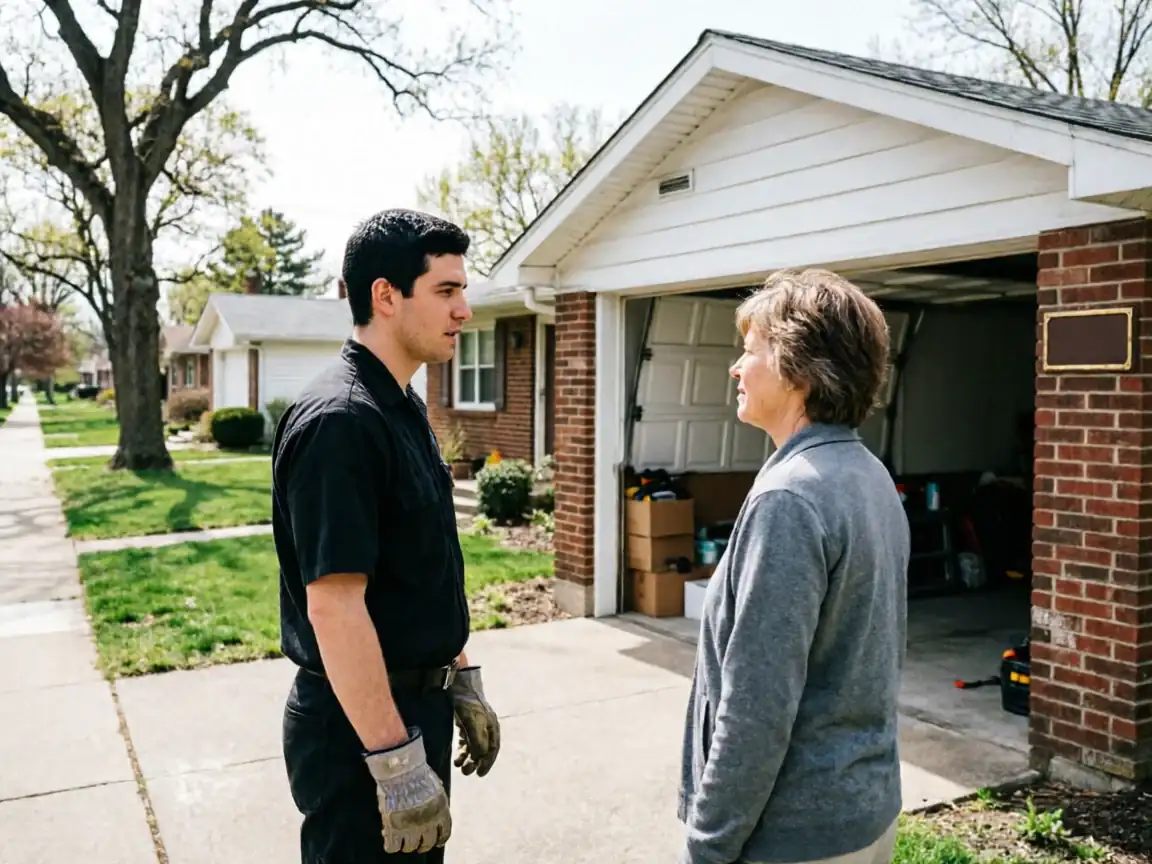
Mendota Heights is about 15 miles from Farmington, which is where this crew and truck are based - there's no branch location in Mendota Heights itself, so every job here is a scheduled trip out, not a drop-in. We don't publish a fixed response window because it depends on the day's route and what the job needs, but the distance is a real factor worth knowing going in, not a detail to gloss over.
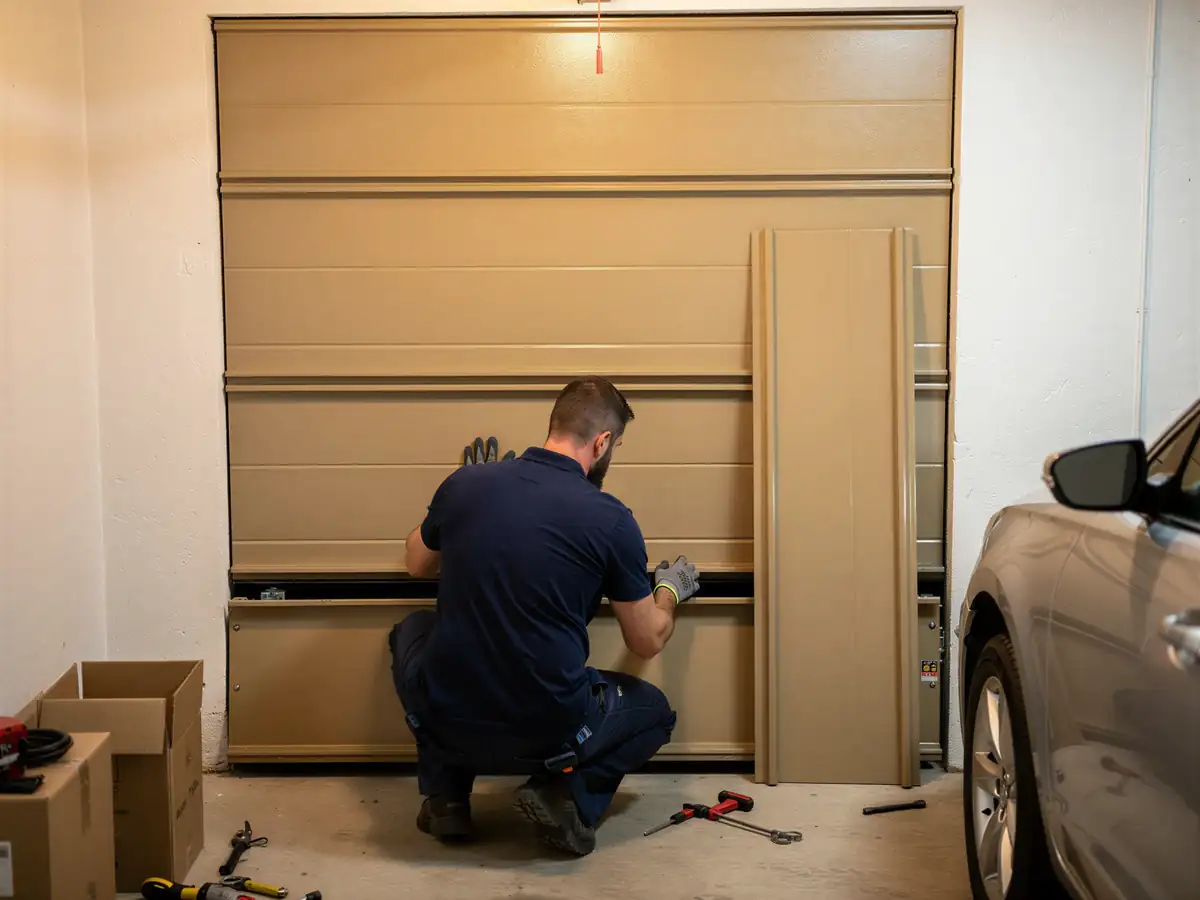
Once the crew is on site, a standard double-door install with new track and opener is typically a same-day job. Where timelines stretch is parts: if a homeowner wants a panel style or color that isn't on the truck, that's a special order, and lead times on manufactured doors can run longer than the install itself. For a house running original 1983 hardware, the safest plan is to get the door measured and ordered before the old spring fails completely, rather than finding out how long the wait is with the car stuck inside.