Parts We Carry
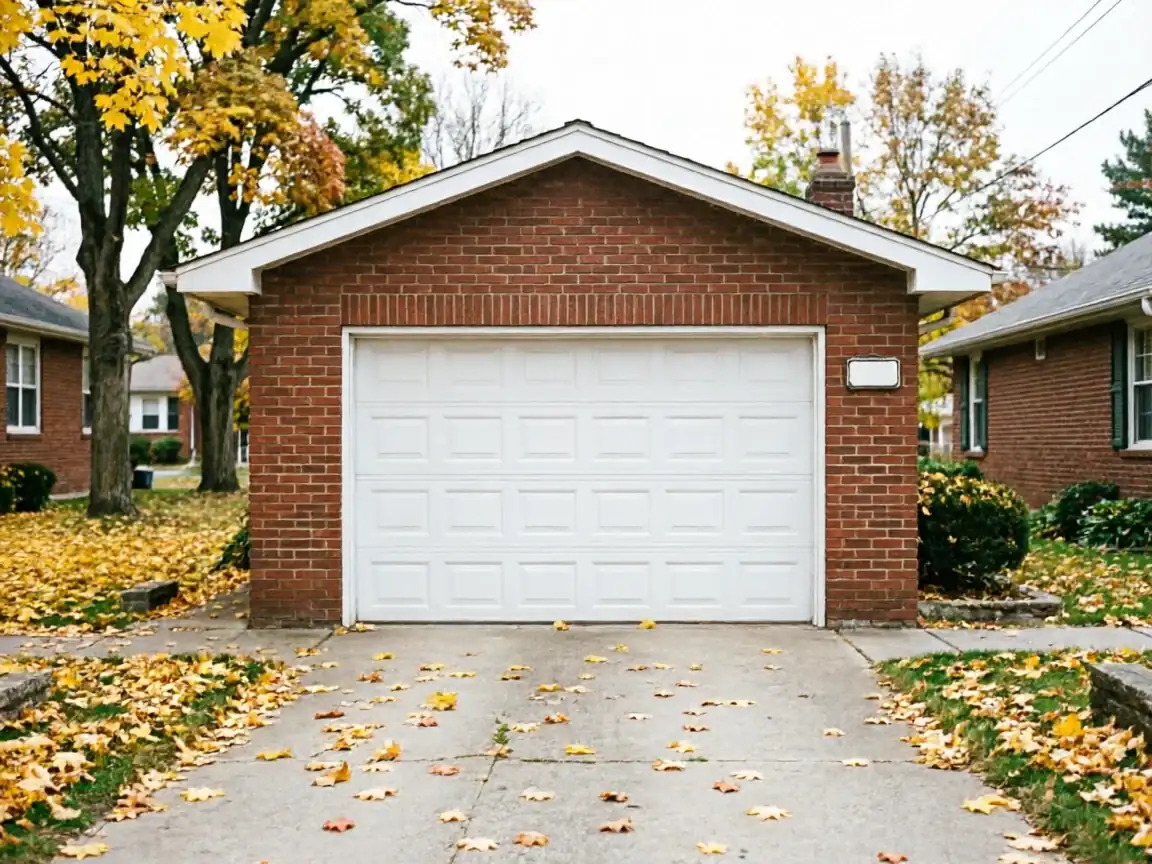
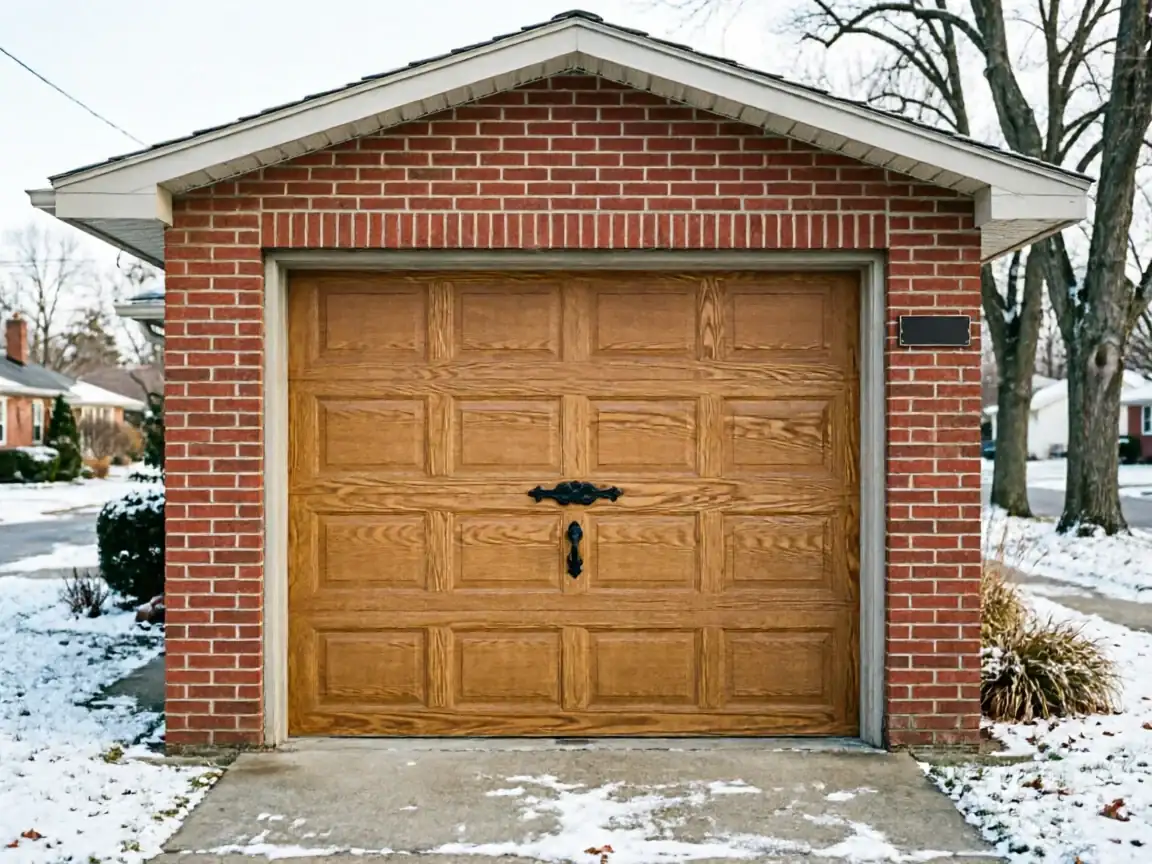
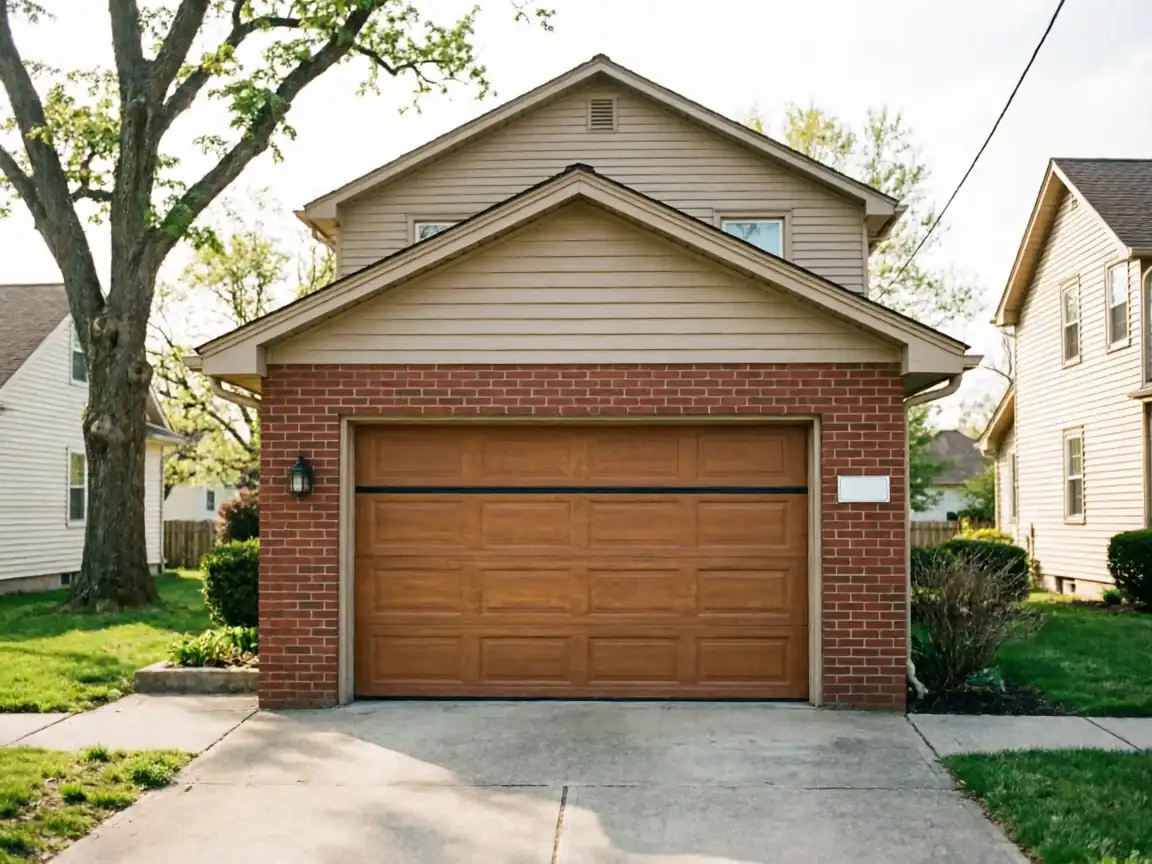
Most garages in Mendota Heights went up when the area's housing stock centers on a median build year of 1983
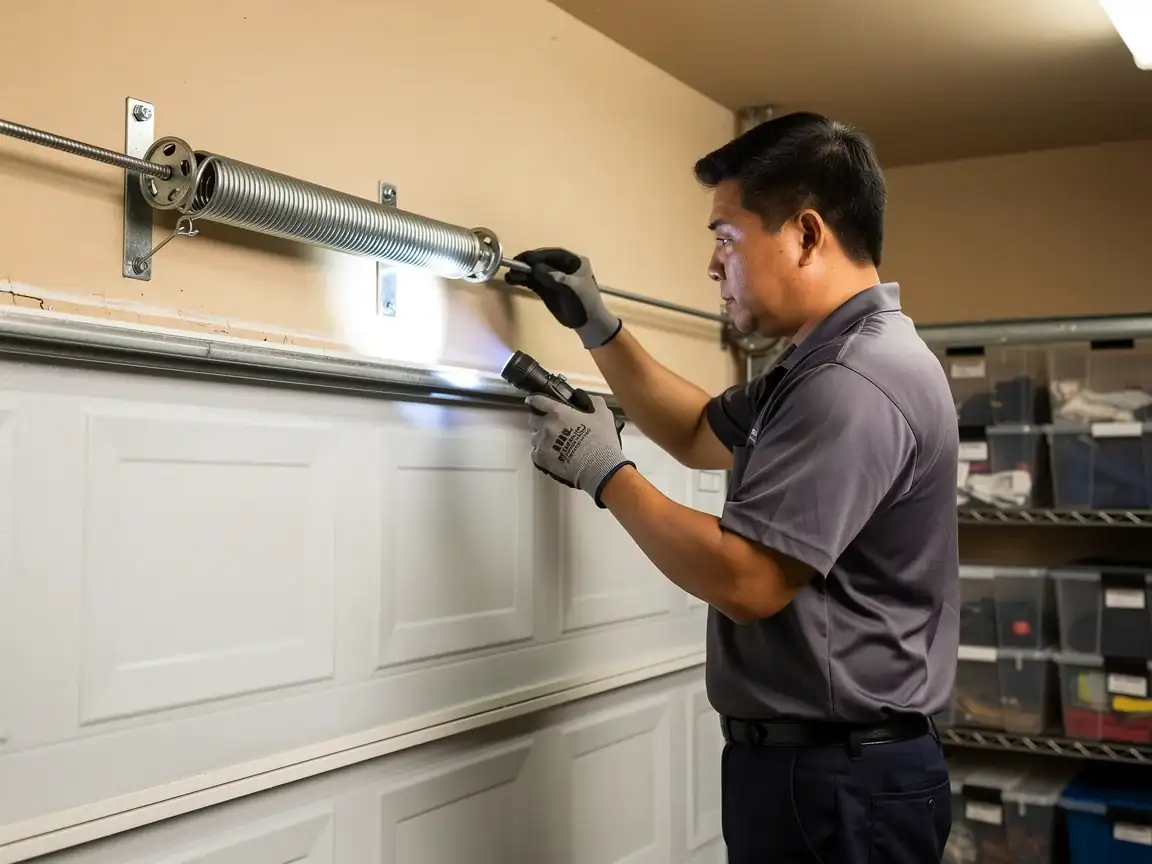
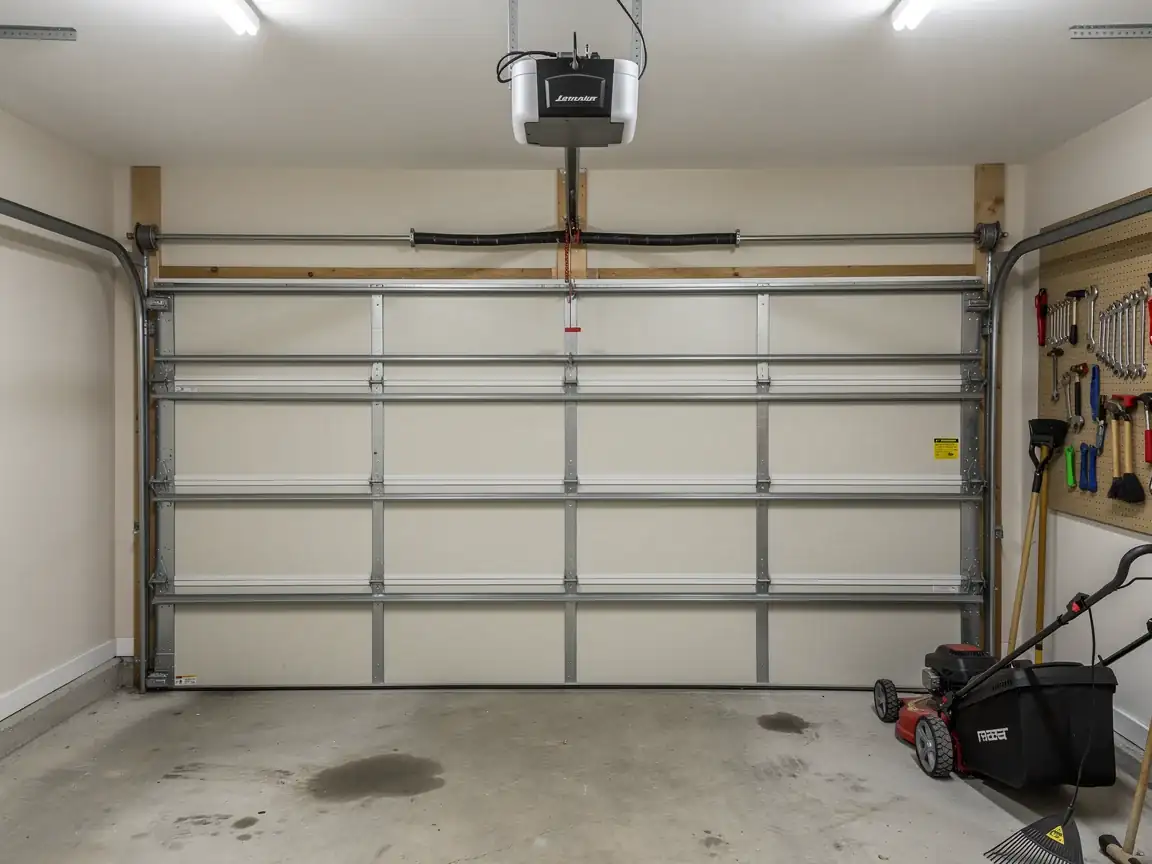
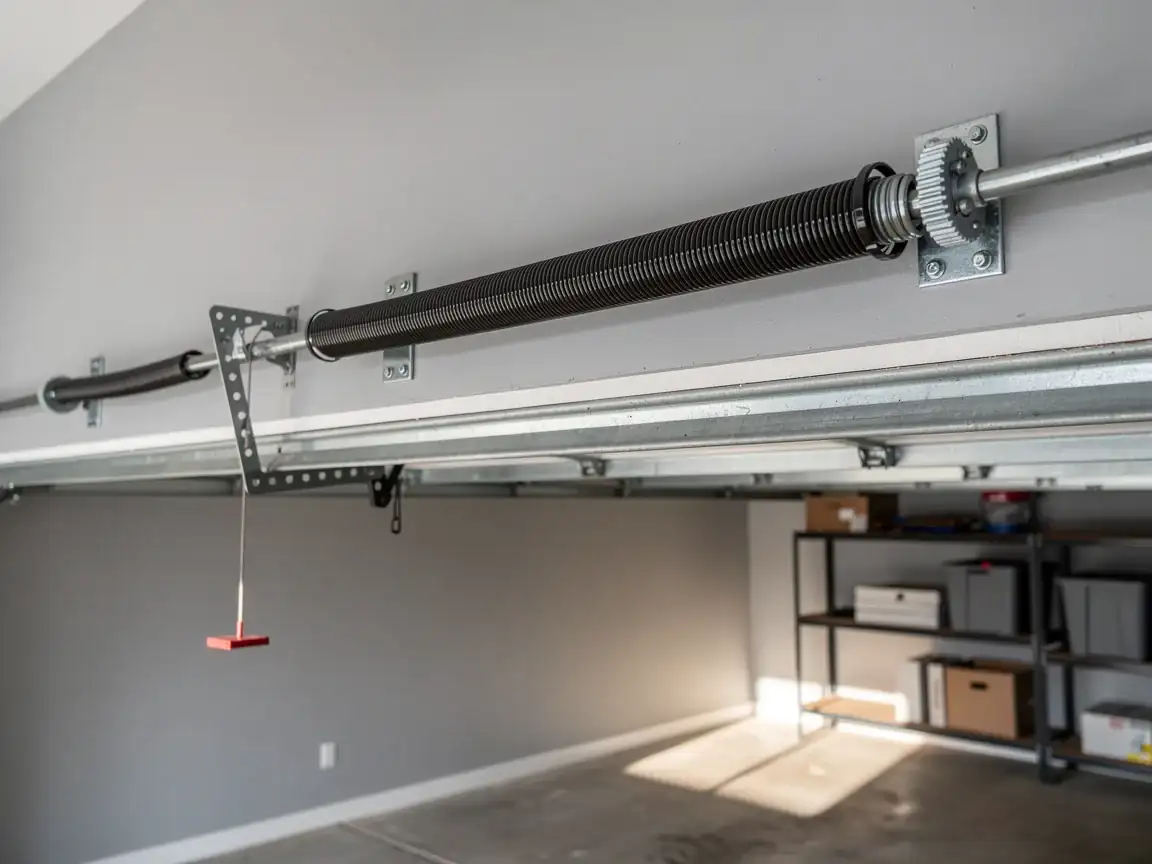
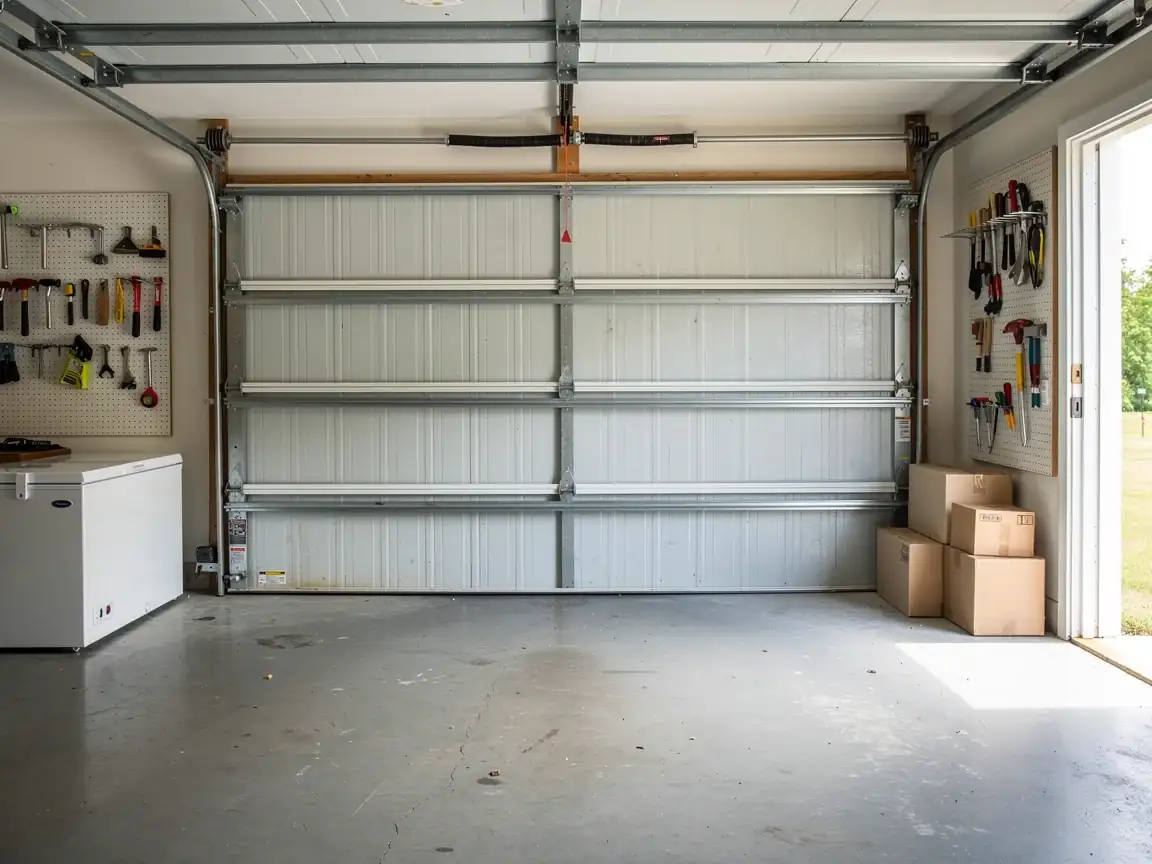
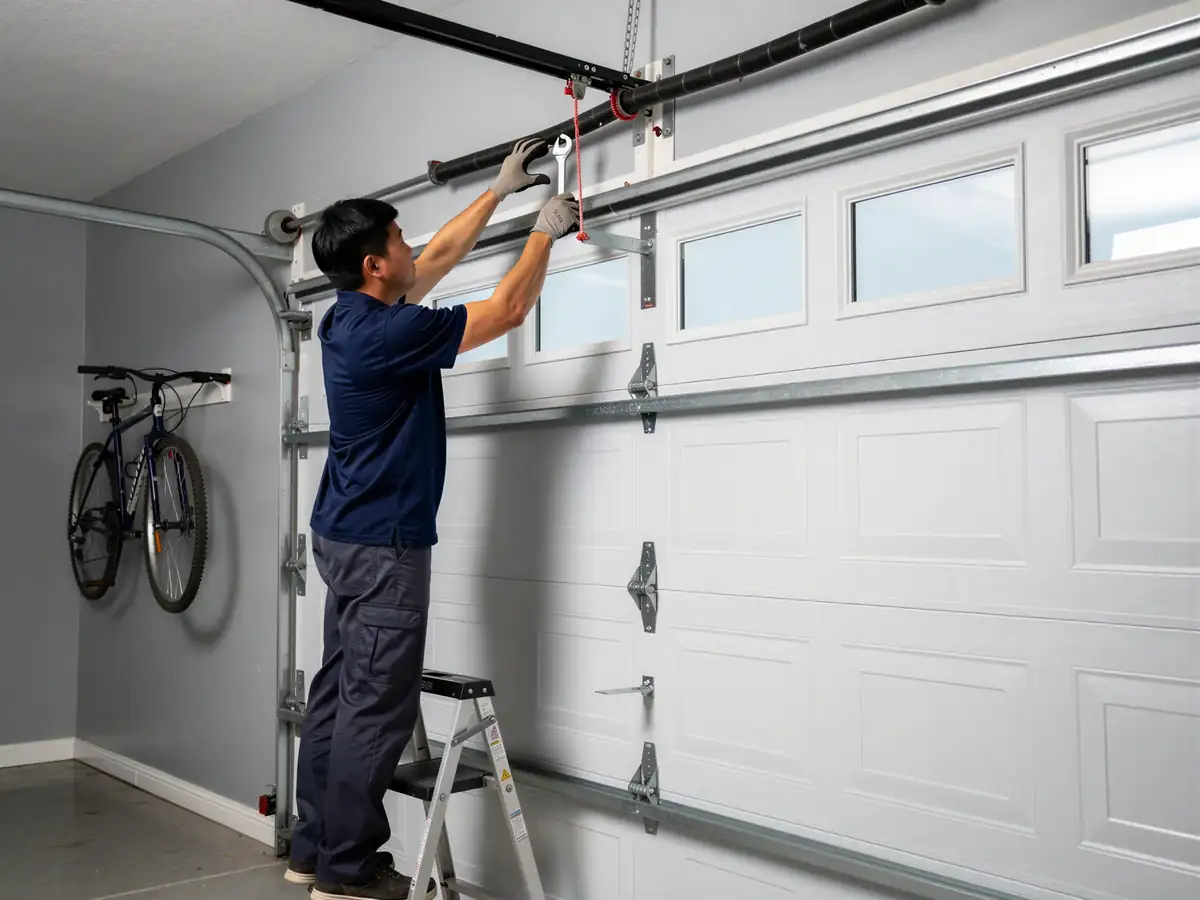
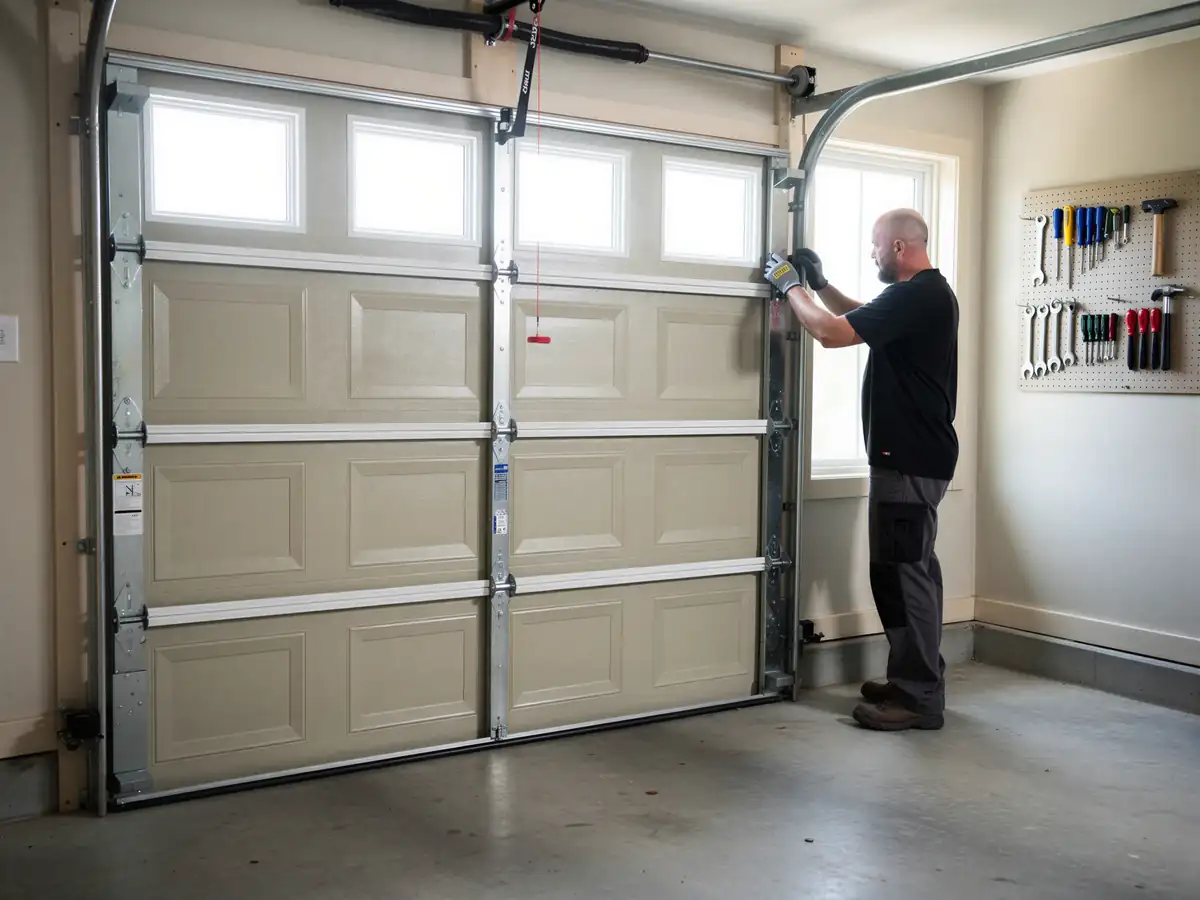
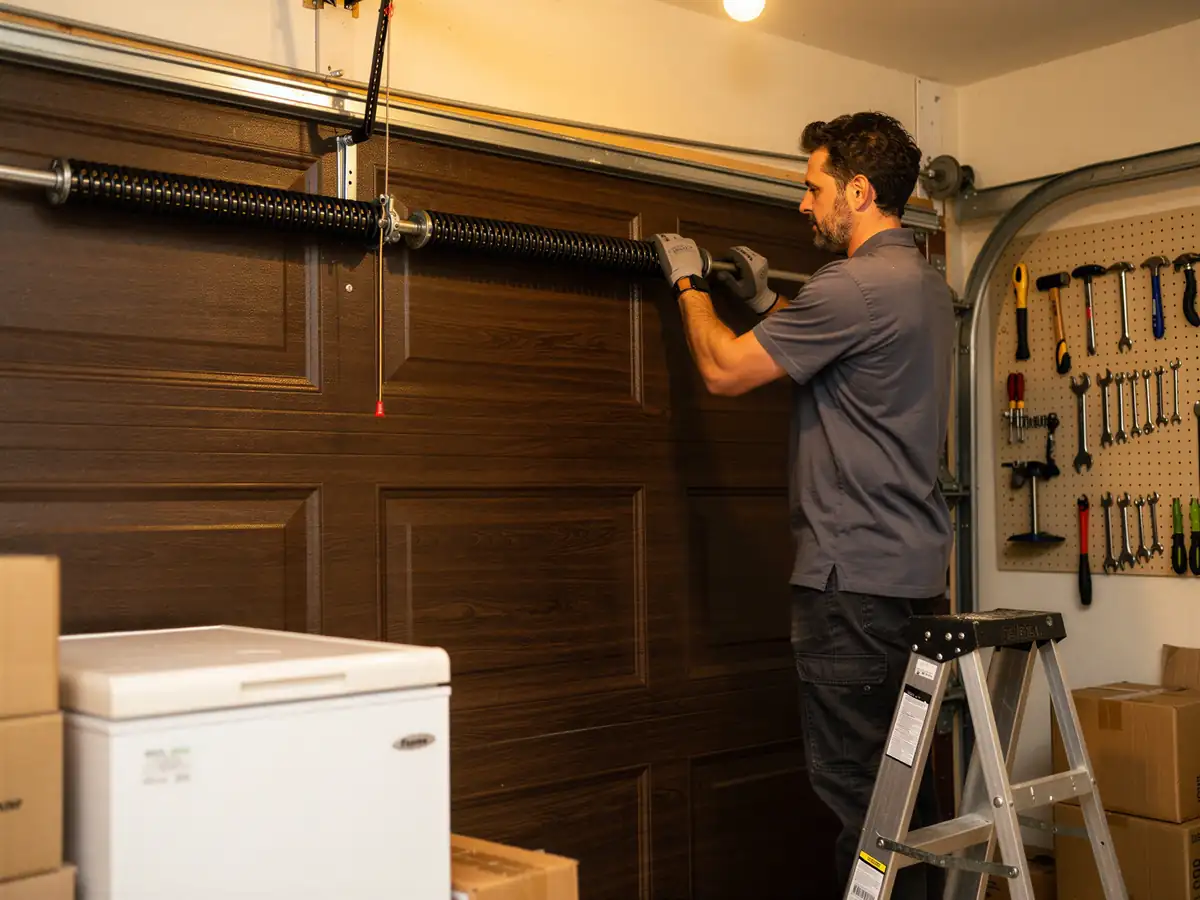
Which puts a lot of doors here right in the middle of the torsion-spring-with-drum-cable era. That's a double steel door, usually 16 feet wide, hung on a single torsion bar with a lift cable wound onto a drum at each end of the bar. Some of the single-car bays from the same stretch of building got the narrower 9-foot version of the same hardware. Either way, the cable is doing real work: it's the only thing connecting the drum to the bottom bracket, and on a door this size it's under a lot of tension even when the door looks still.
- 16 feet
We carry galvanized aircraft cable in the gauges that match 1980s torsion drums
Plus the bottom brackets and drum sets that wear out alongside the cable rather than separately. If your door is an off-era replacement - say a newer insulated steel door swapped in on the original track - we'll check the cable spec against the drum before we cut anything, because mismatched gauge is how a repair turns into a second call.
Doing It Yourself
A frayed cable on a torsion system is not a safe DIY job, and we'll say that plainly even though it costs us nothing to say otherwise. The spring on the other end of that drum is storing enough force to snap a cable under load, and a cable that's already frayed can let go the moment you touch the drum set screws. People get hurt loosening the wrong screw on a wound torsion bar more often than from almost any other part of this job.
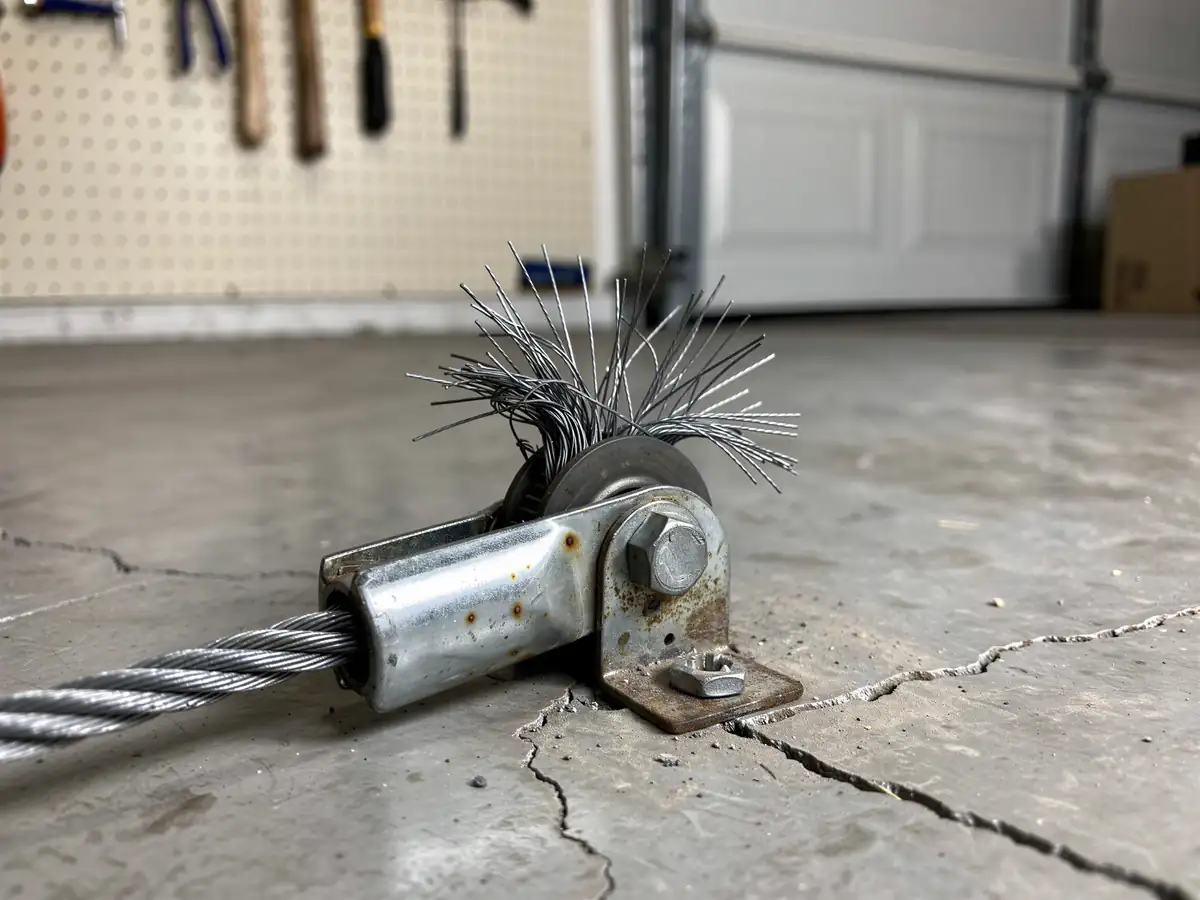
What you can safely do yourself: look. Pull the release and check the cable along its full length for rust bloom, flat spots, or separated strands near the bottom bracket - that's where road salt and winter runoff do the most damage. If you see fraying, leave the door down, don't force the opener, and call it in. That's the honest limit of what a homeowner should handle on this hardware.
Why This Fails Locally
The climate here runs cold, which matters more for cable life than people expect. Galvanized coating slows corrosion, but it doesn't stop the cycle of slush, salt spray off the driveway, and overnight freeze that a door in this belt goes through every winter. On a 1983-era torsion drum, the cable rides in a groove that collects that spray, and the strands closest to the bottom bracket corrode from the inside out before the outer wrap shows much rust.
Mendota Heights sits among a stretch of the service area - Coates, Hampton, Credit River and the rest - where the housing is mostly from the 1980s and 90s, so this is the dominant fault we see on this side of the territory rather than an exception. The household income here runs well above the wider service area's median of $93,077, and we mention that only because it shows up in the parts people choose: more owners here replace a frayed cable with upgraded galvanized or stainless cable rather than the stock gauge, which costs a little more up front and lasts longer against the salt cycle.
How It Shows Up
A cable that's about to go rarely fails without warning
The most common sign is a door that runs crooked on the way down - one side reaching the floor before the other because one cable has stretched or a strand has given way under the drum. You'll also hear it: a popping or snapping sound mid-cycle, or a scraping noise as a frayed strand catches on the drum housing.
If a cable fully parts while the door is open
The door will drop hard and unevenly, often jamming in the track on the side with the intact cable. Don't run the opener again at that point - it just keeps winding against a door that can no longer travel straight, and that's how a cable repair turns into a track and panel repair.
How Long You Are Without the Door
We run out of Farmington, about 15 miles south, so getting to Mendota Heights takes that drive into account before any wrench turns. Once we're on site, a standard cable replacement on a torsion-drum double door is a same-visit job in most cases - the cable itself isn't the slow part, the spring unwind and rewind around it is.
What can stretch it out: a mismatched drum from a prior non-matching repair, a bent bottom bracket that needs replacing alongside the cable, or a second cable on the opposite drum that's close enough to failure that it makes sense to do both at once rather than have you call again in a few months. We'll tell you on site if that's the case rather than quote one cable and find the other halfway gone.