Why This Fails Locally
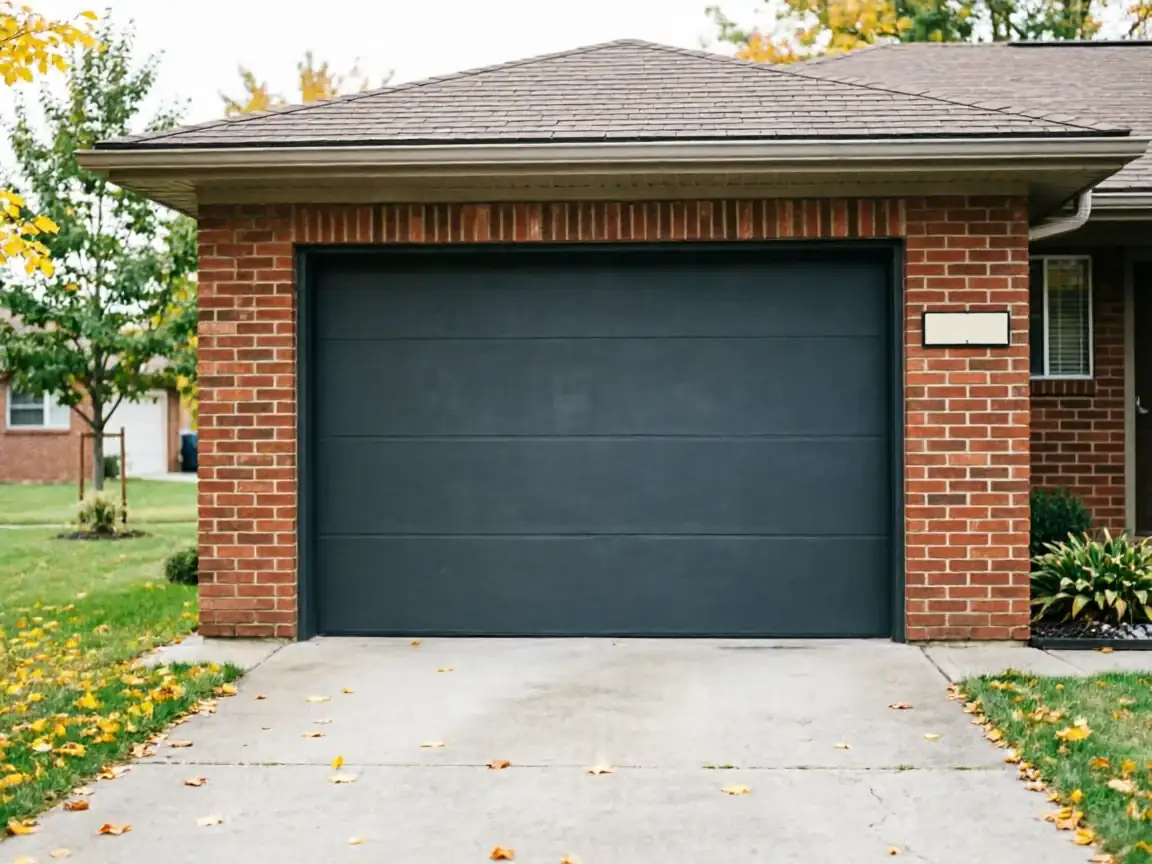
South St. Paul sits about 17 miles from our shop in Farmington
And that drive shapes how we handle a panel job here. We don't keep a second truck stationed in town, so when we come out we come loaded for what we expect to find, not what we hope to find.
- 17 miles
What we expect is a door that's been through a lot of winters
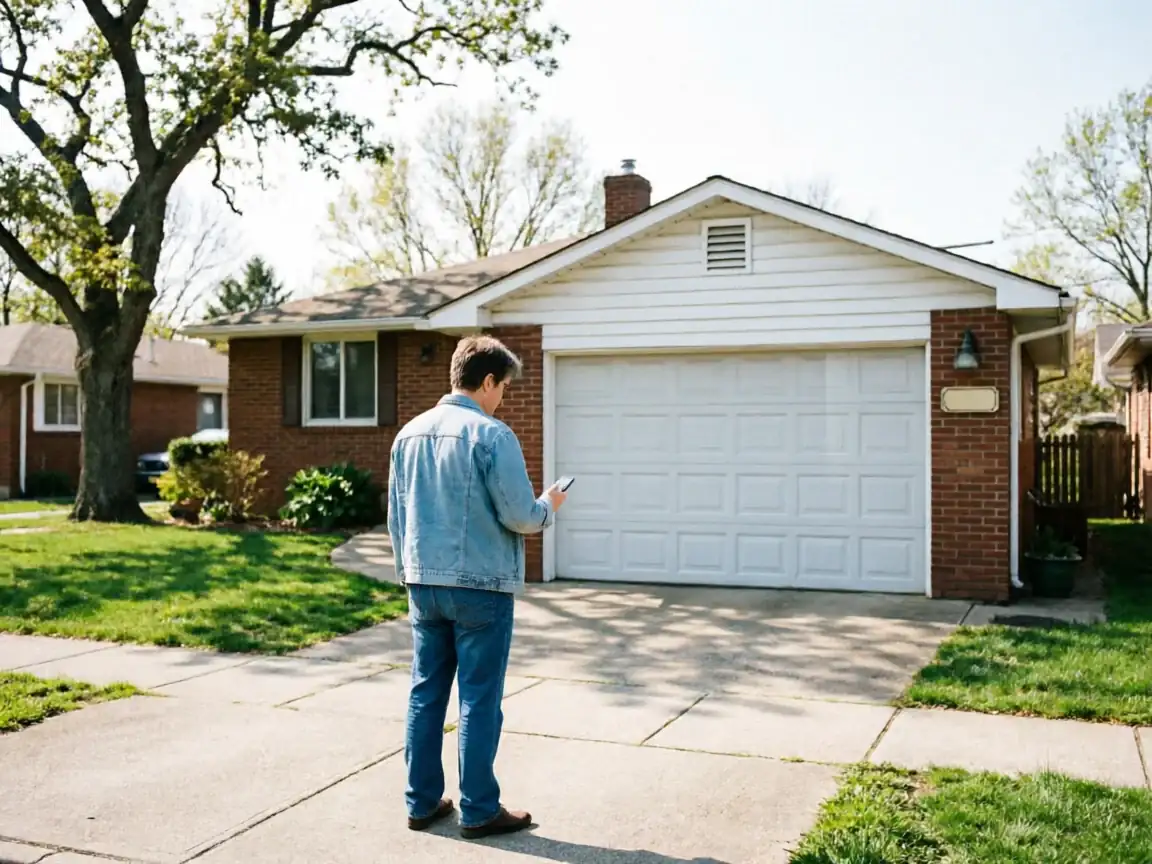
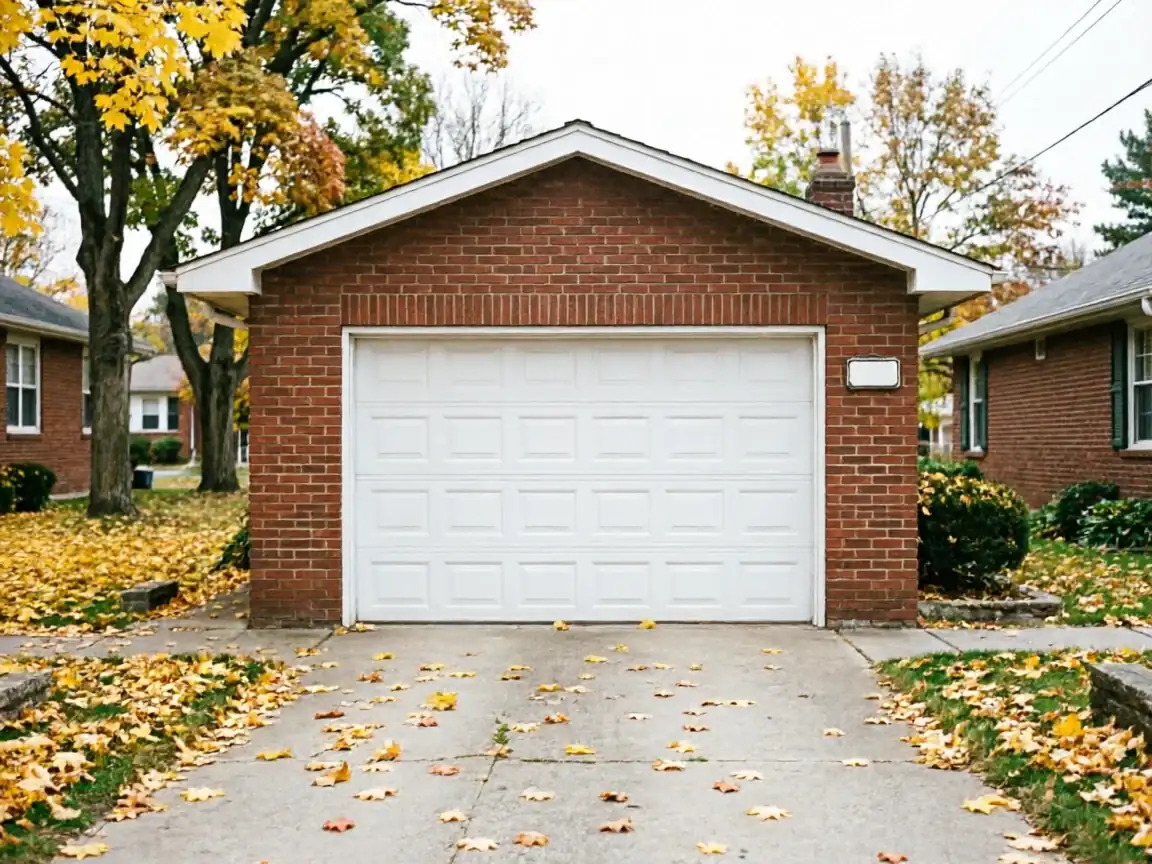
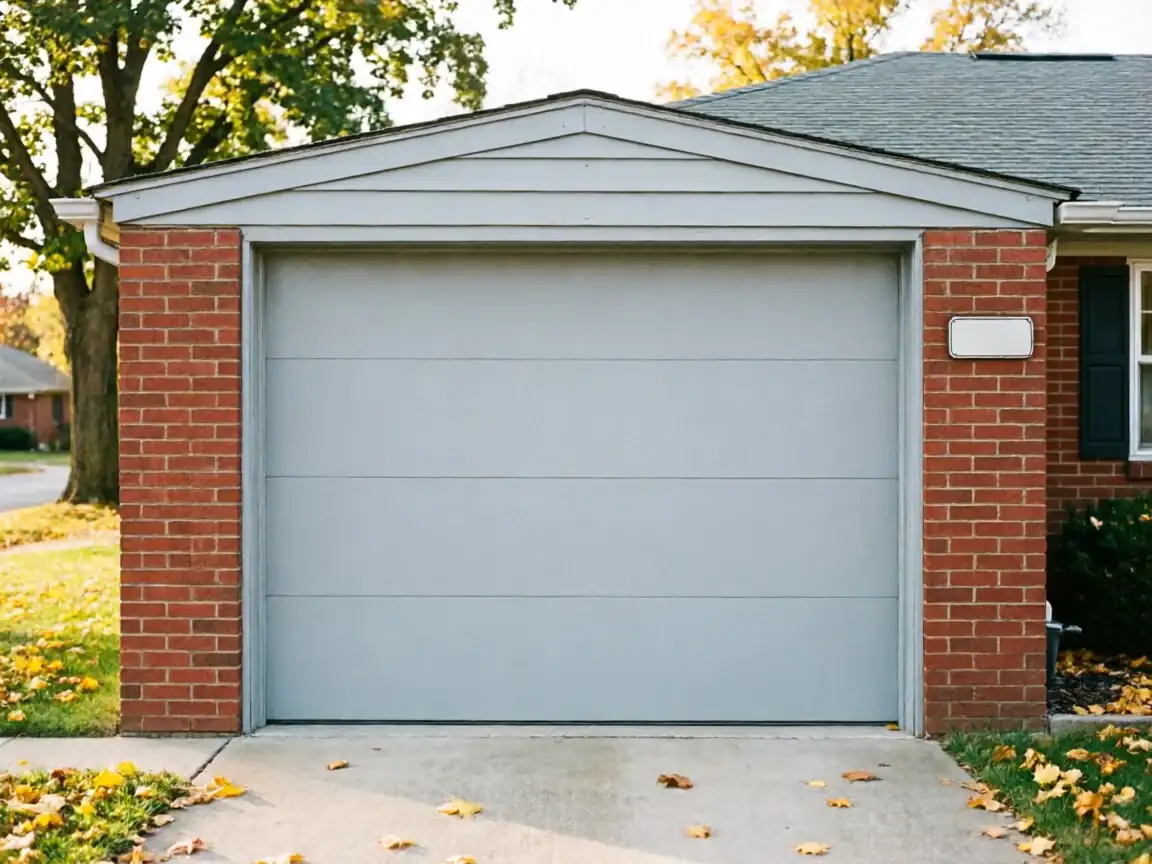
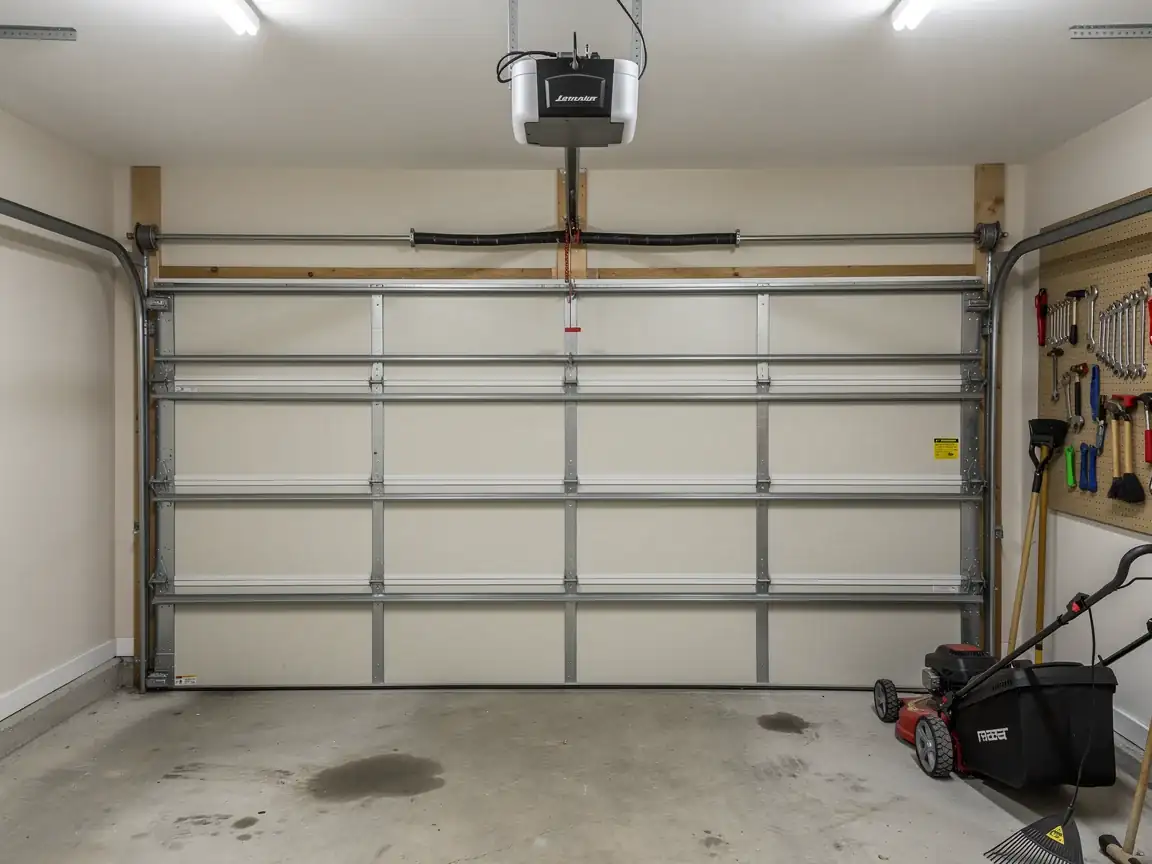
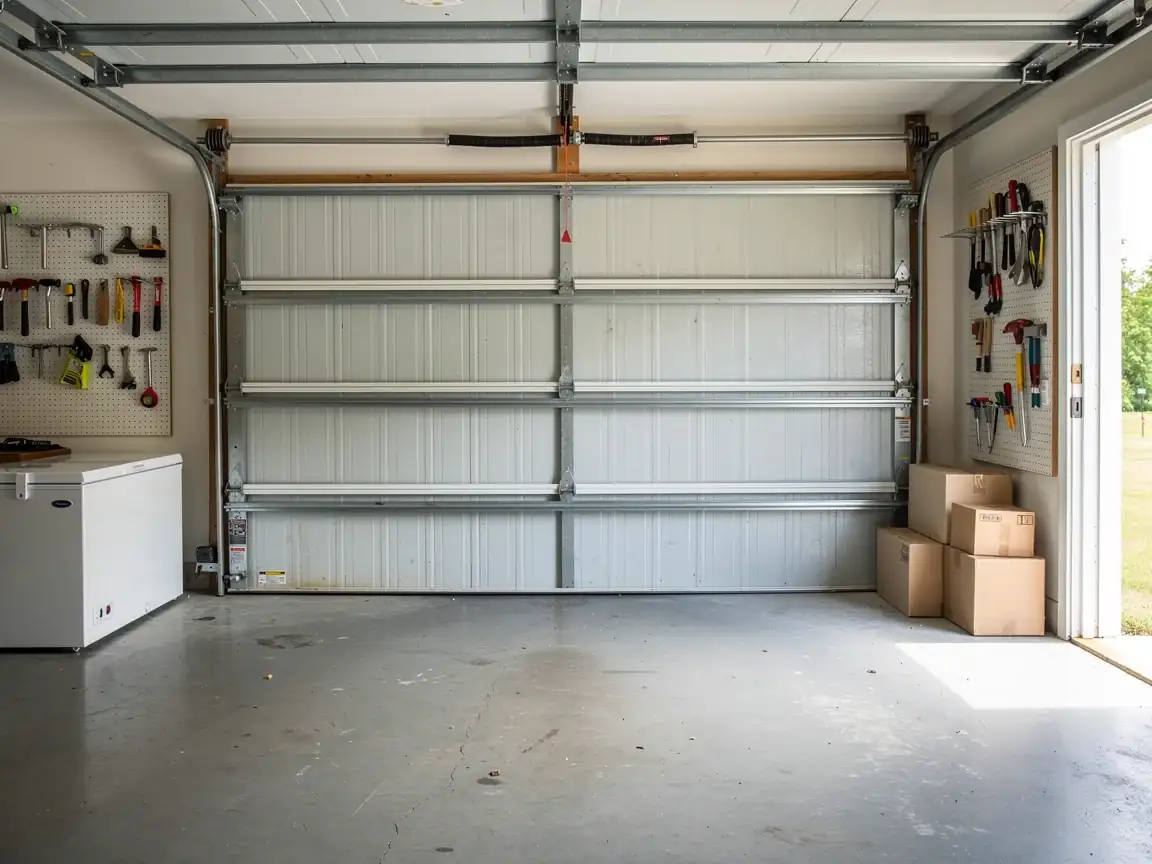
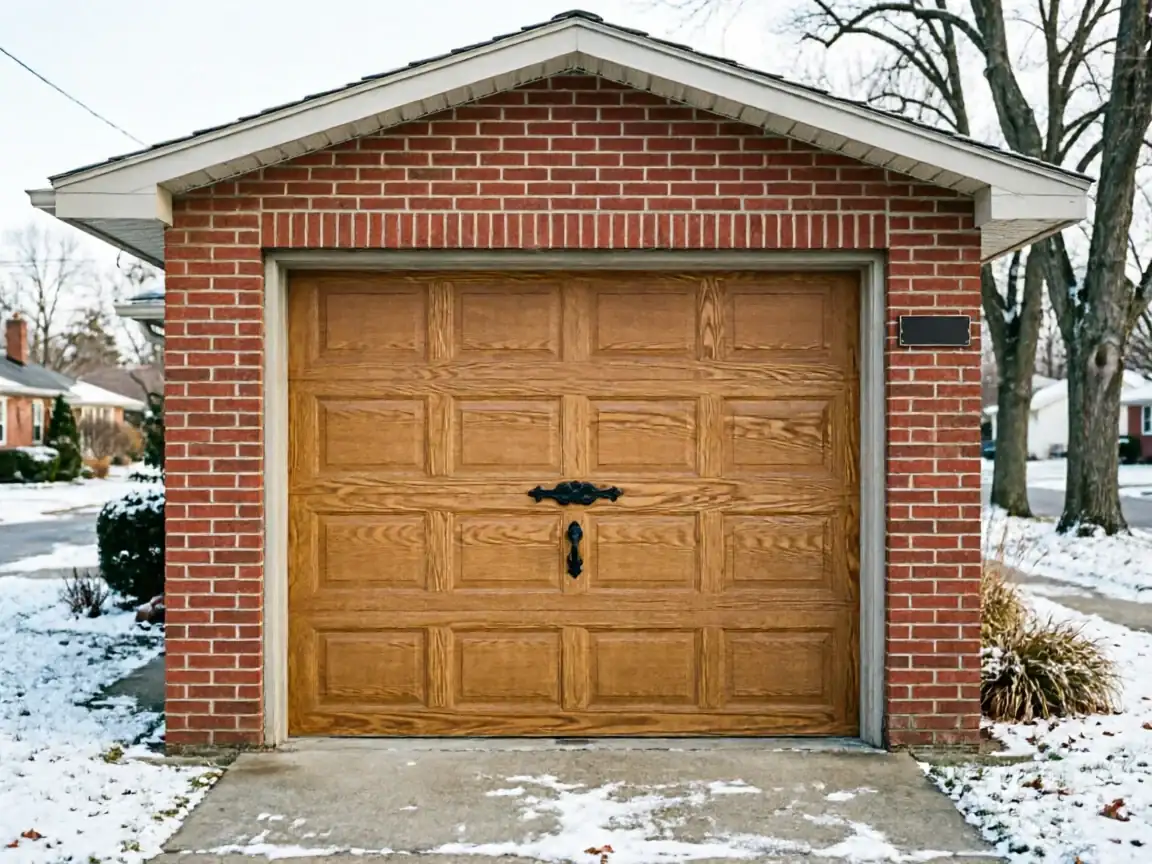
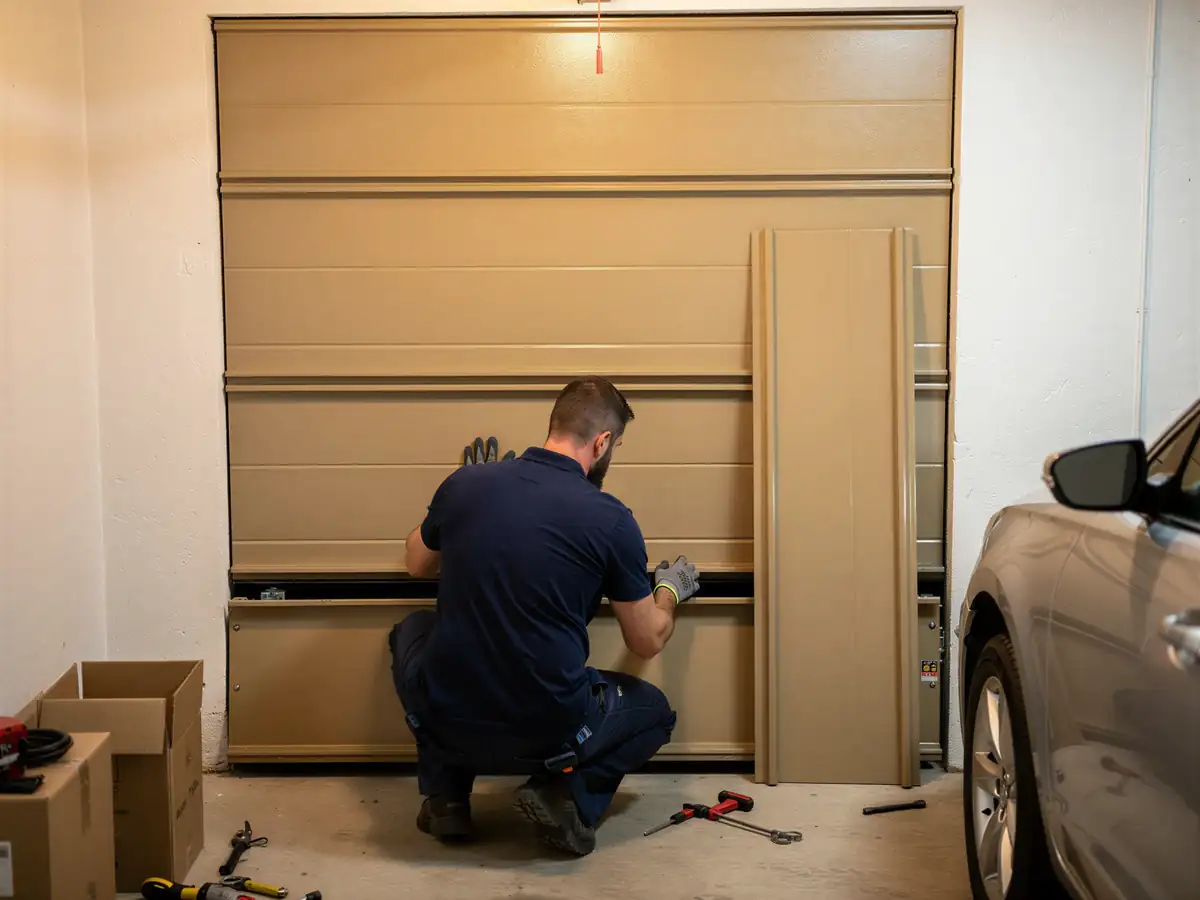
A big share of the houses on this side of the river went up in the late 1950s, and a steel sectional door installed on a house from that era is not the same animal as one installed in 1995. Panel heights ran narrower back then, the steel gauge was lighter, and rust works faster on a cold-climate panel seam that's been flexing for sixty-some winters. A single dented or rusted-through panel on one of these older doors is rarely a simple swap-in-a-new-panel job, because the panel size itself may not be something anyone still stocks.
That's the local problem
Not that garage doors break, but that the doors breaking here are old enough that "just order the part" isn't always true.
How Long You Are Without the Door
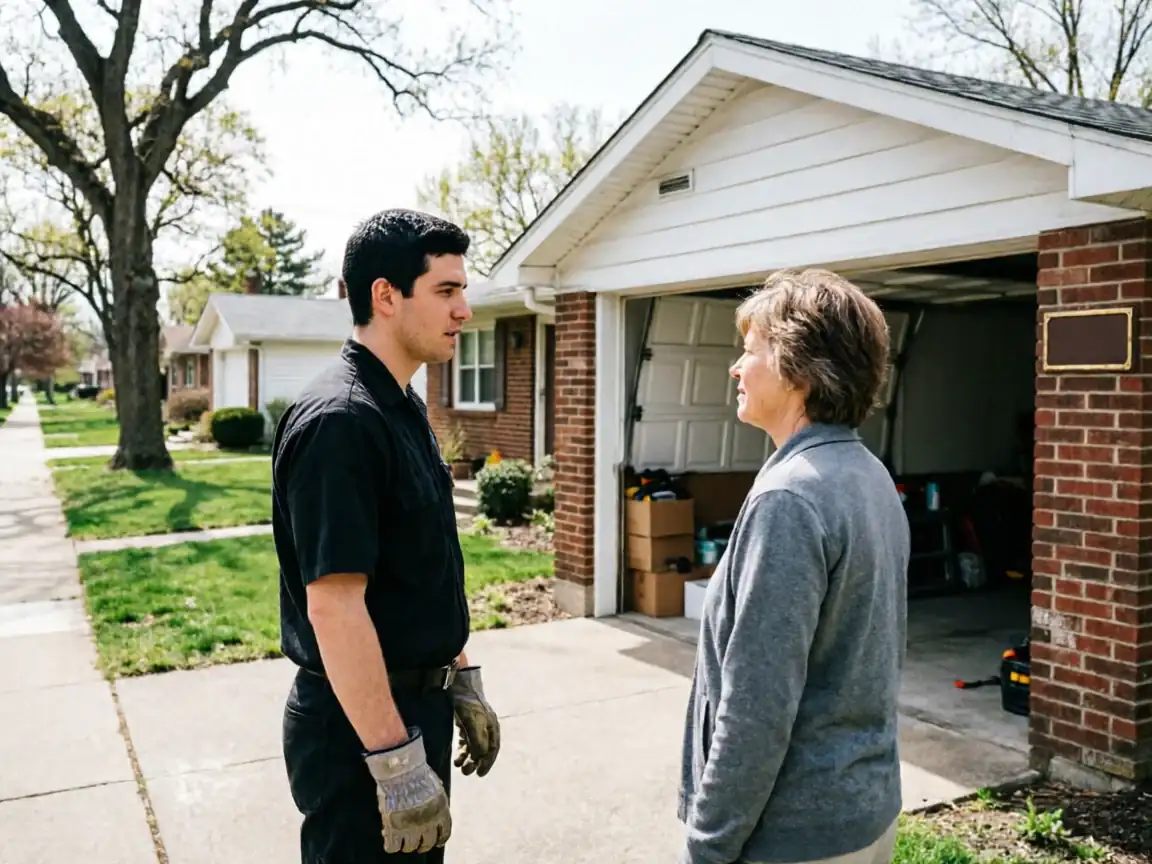
Because we're driving in from Farmington rather than working out of a South St. Paul location, the first visit is almost always a look-and-measure trip. We're not going to guess at a panel width over the phone and show up with the wrong piece, not on a door this old.
If your panel size is still made, the second trip - install - can usually follow quickly once the part's in hand. If it's an obsolete profile from a 1950s or 60s-era door, we're ordering against a lead time we don't control, and we'll tell you that up front rather than promise a date we can't keep. That's the honest limit of this job: we can control the drive, we can't control a manufacturer's backlog on a discontinued panel width.
Booking a Visit
We cover South St. Paul as part of our regular route out of Farmington - you can see the areas we run on our coverage page. Because the trip is roughly 17 miles each way, we schedule panel calls here in batches with other nearby stops when we can, which keeps the visit itself affordable even though we're not based in town.
When you call, have the door's width and the approximate age of the house handy if you know it - for a house built in the late 1950s that detail alone tells us a lot about what panel stock we're dealing with before we ever load the truck. If you're not sure, that's fine too; the first visit covers it.
The Complications
The complication we run into most often here isn't the panel - it's what's holding it
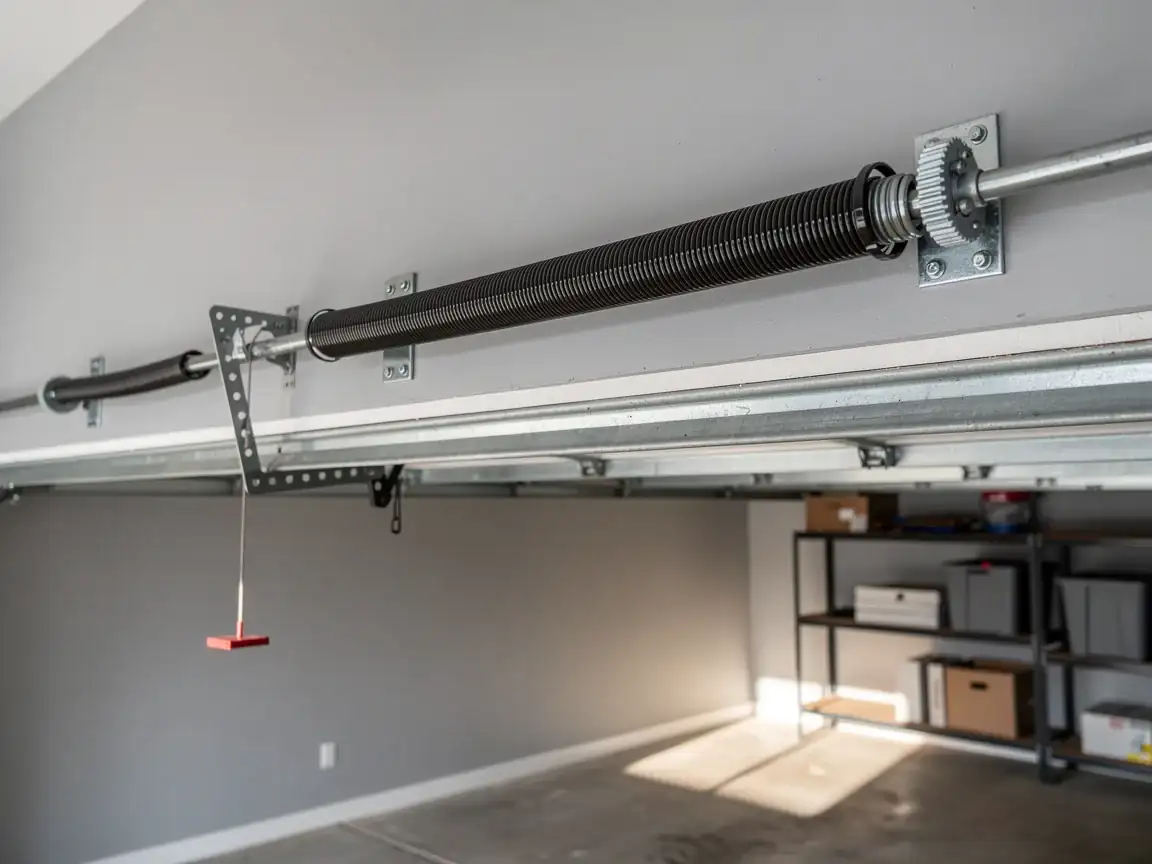
A 1957-built garage was framed for a door track and spring system sized to what was available then, and over the decades a lot of these doors have had partial upgrades: a newer opener bolted to old track, or one replacement panel from a prior repair that doesn't quite match the rest.
When a door has that kind of patchwork history, swapping one more panel in isn't a clean job
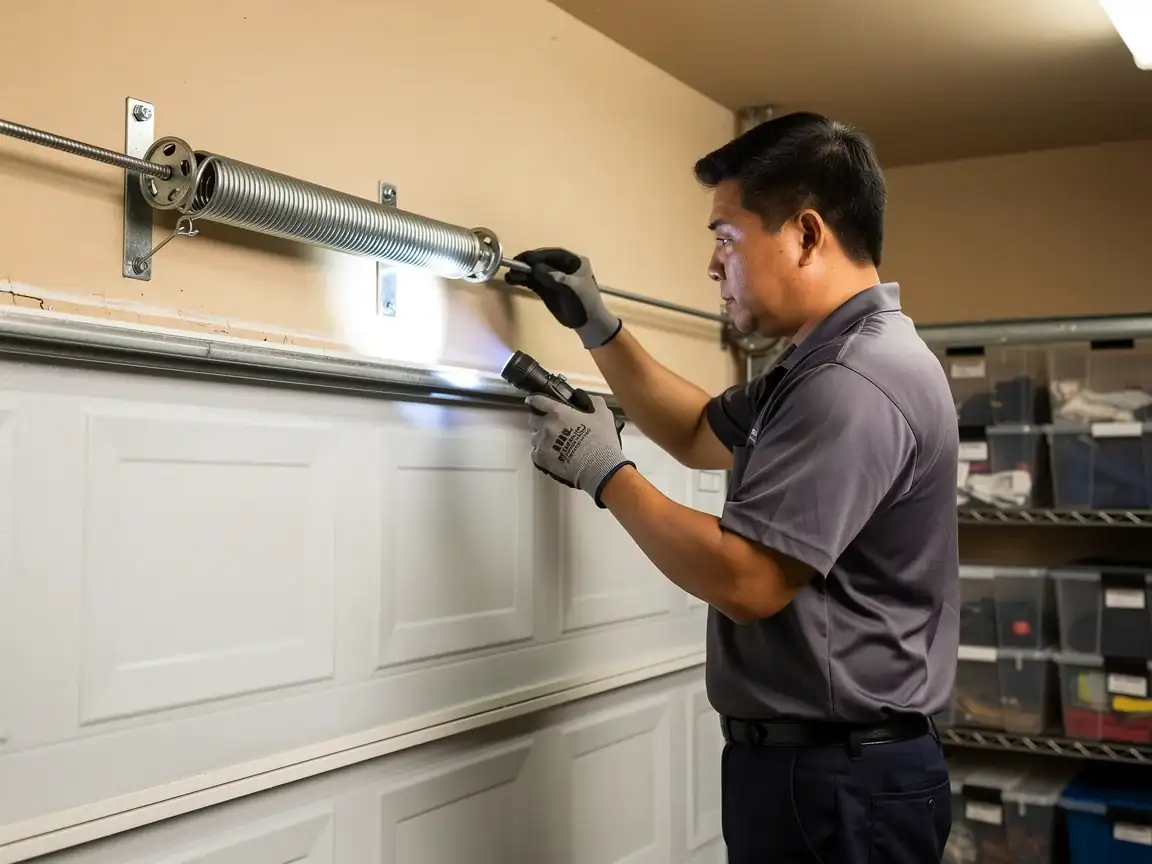
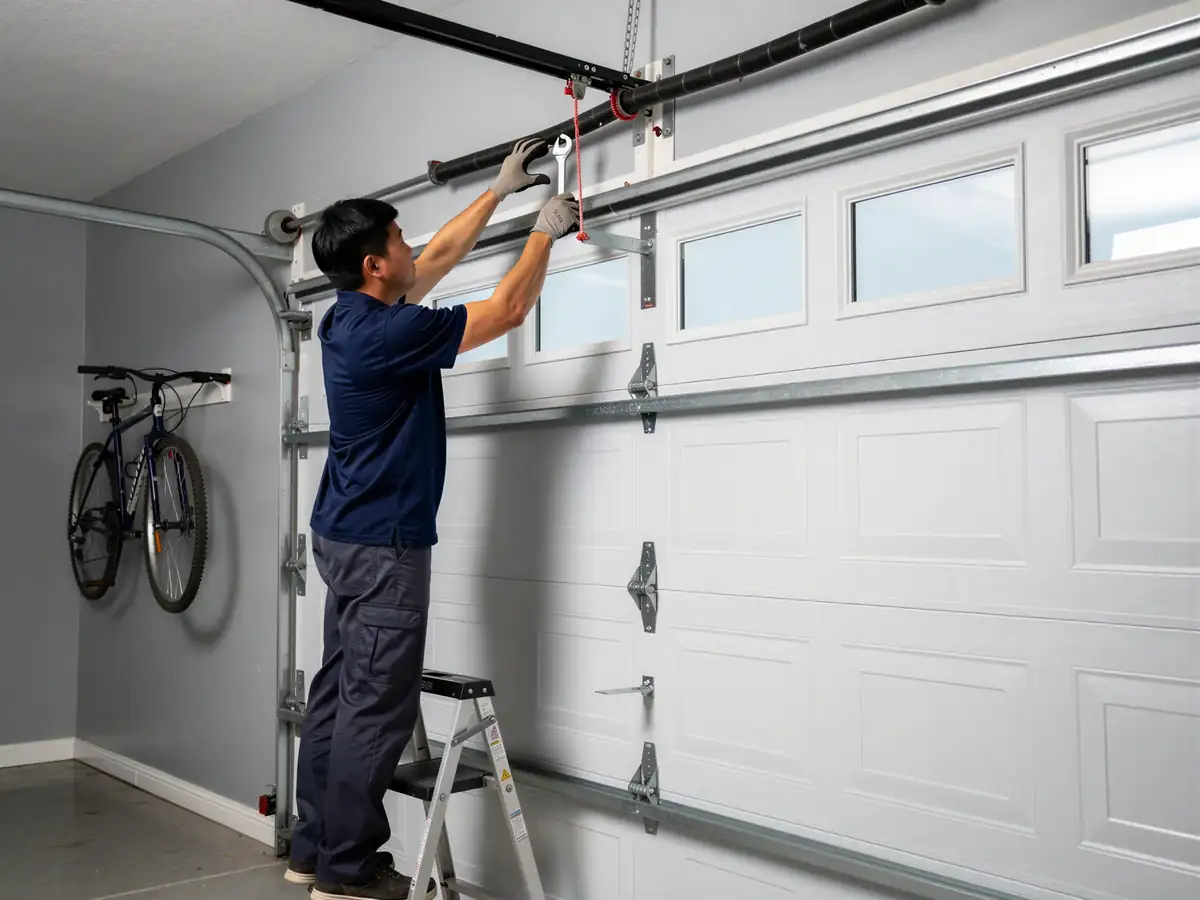
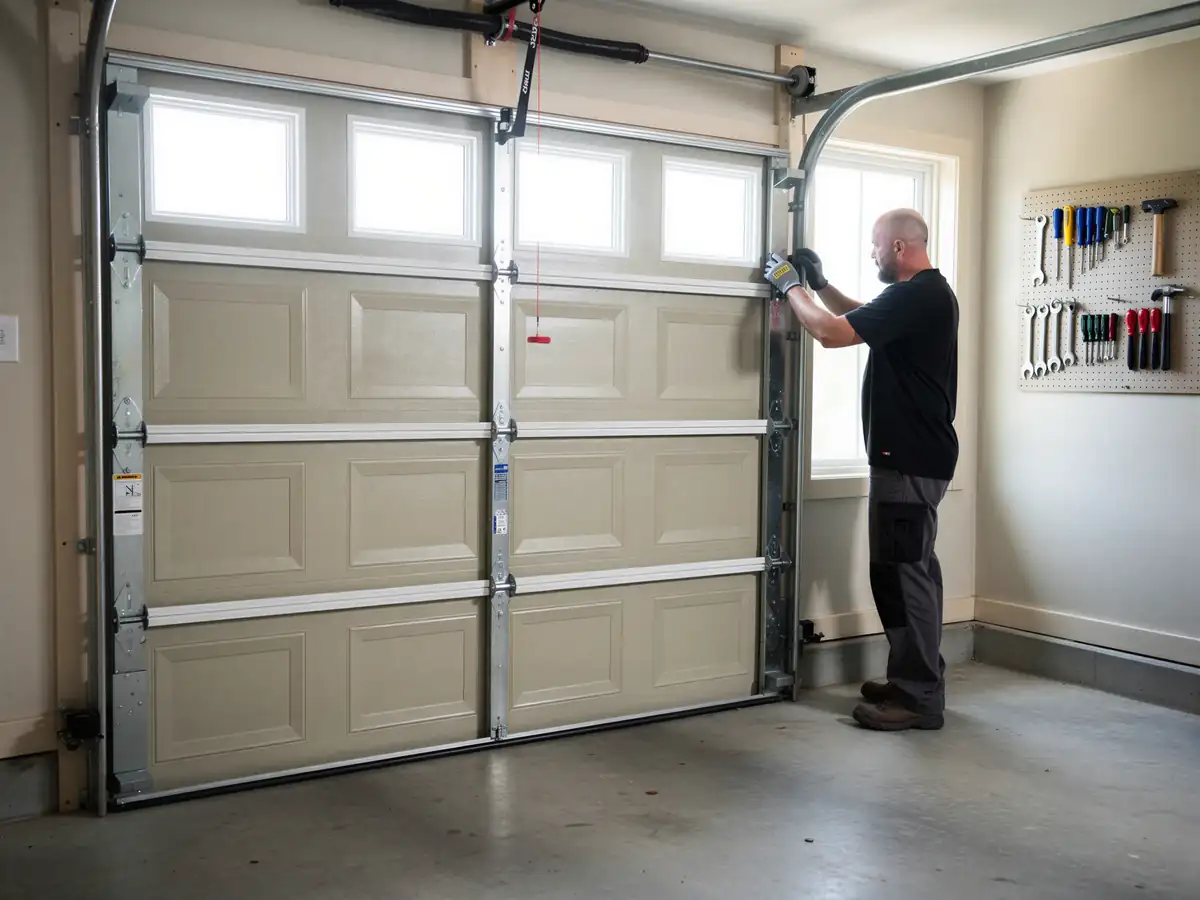
We have to check that the track width, hinge spacing, and panel gauge all still line up before we order anything. Sometimes that check tells us a single panel swap will leave the door uneven or will stress a spring sized for the old setup. In those cases, we'd rather tell you that replacing the full door costs less aggravation than chasing a mismatched panel fix.
Parts We Carry
We stock common current panel sizes and the hardware that goes with them, which covers doors from the newer end of this area's housing stock without a special order. For the older end - doors original or close to original on houses built in the late 1950s and through the 1980s - panel profiles are often no longer in production, and we order against the manufacturer's catalog rather than pull from our own stock.
That's a limitation we're upfront about: we can measure, match, and order, but we can't manufacture a discontinued 1960s panel ourselves, and if the lead time runs long we'll say so rather than let you wait without an answer. For more on how we approach panel work generally, see our Farmington panel replacement page.