Why This Fails Locally
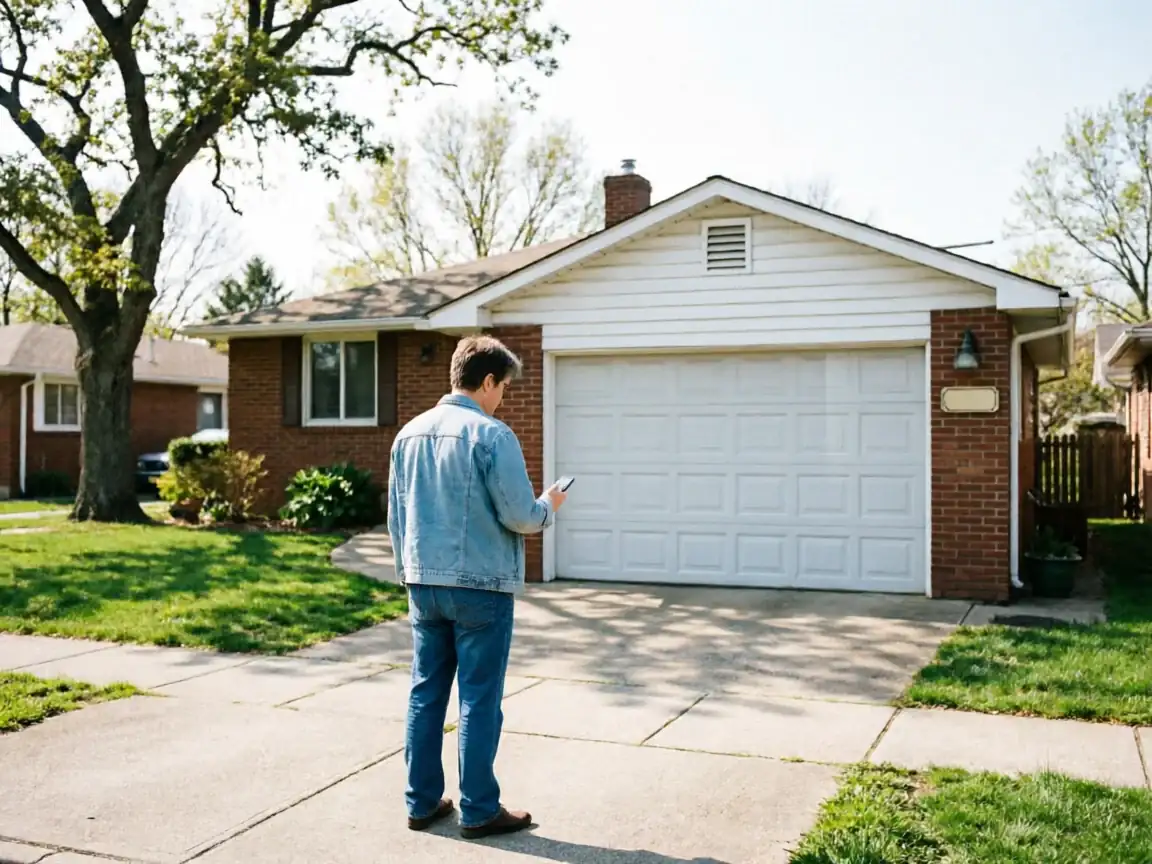
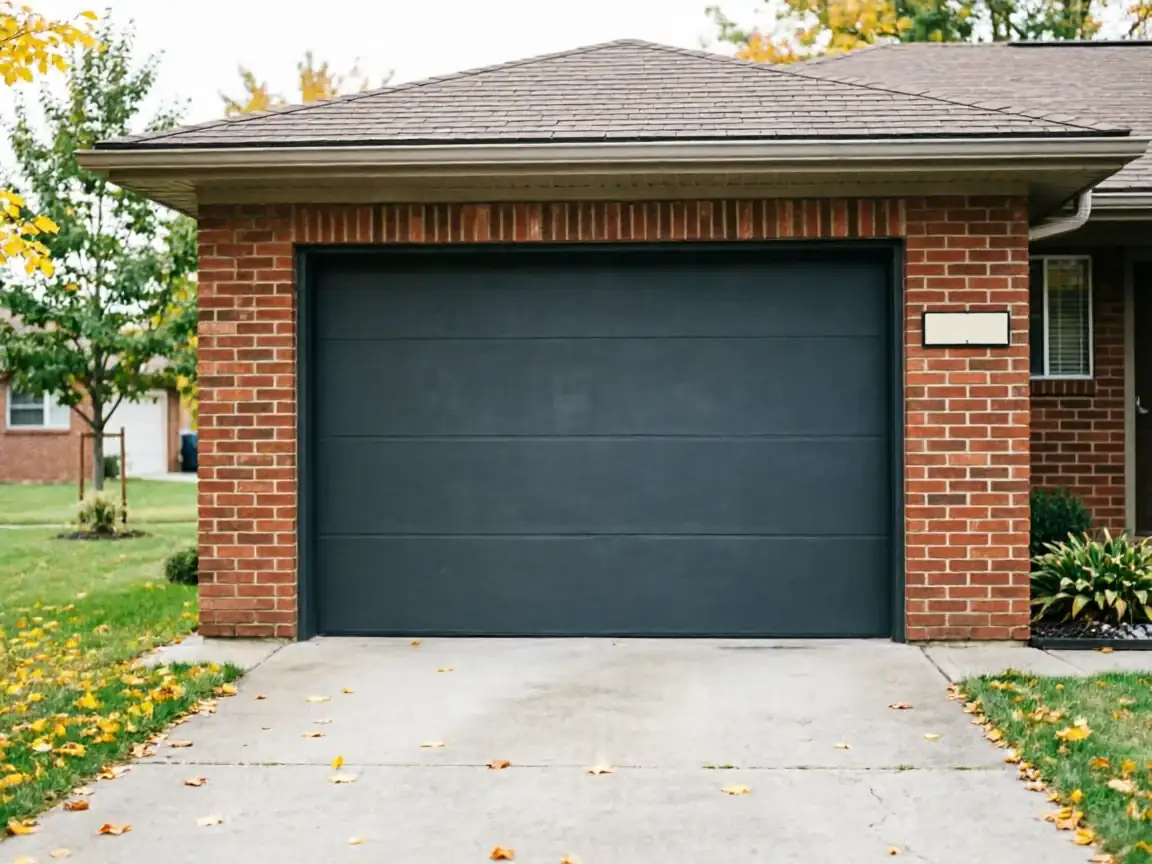
Most houses in South St. Paul went up around 1957
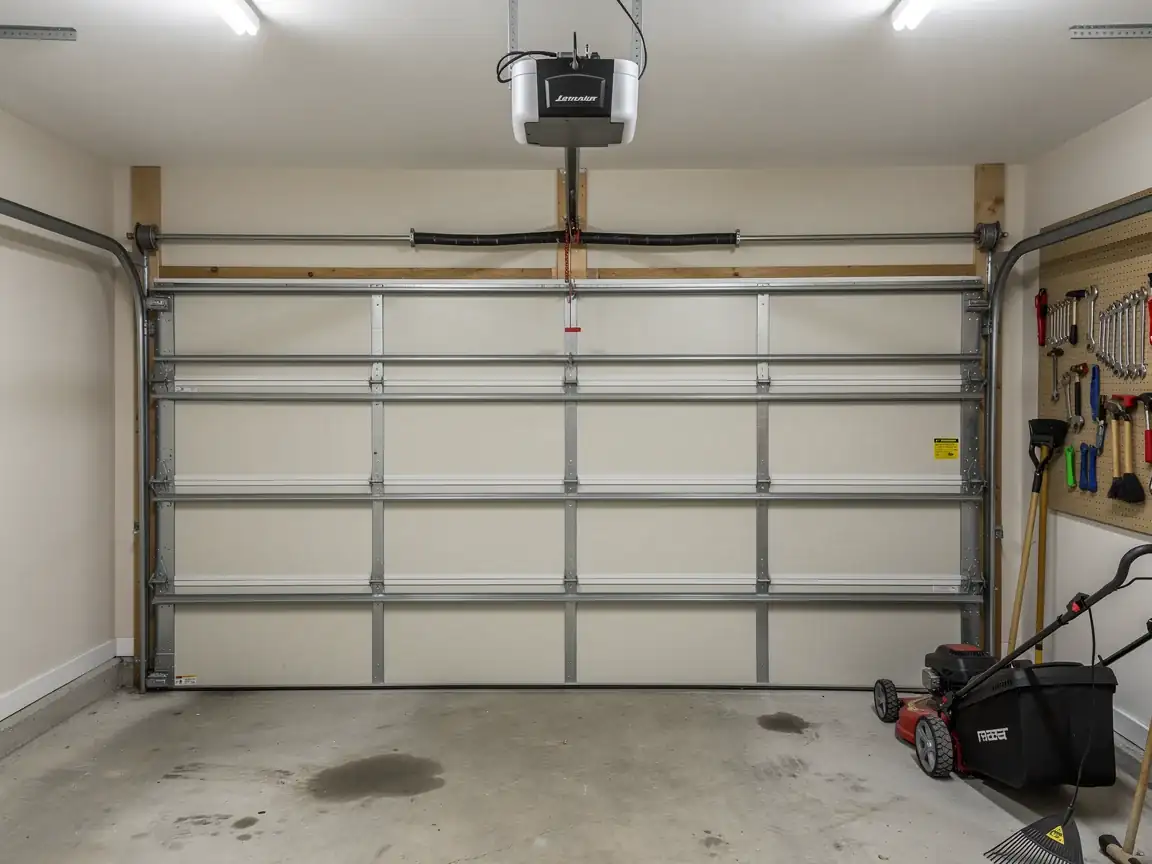
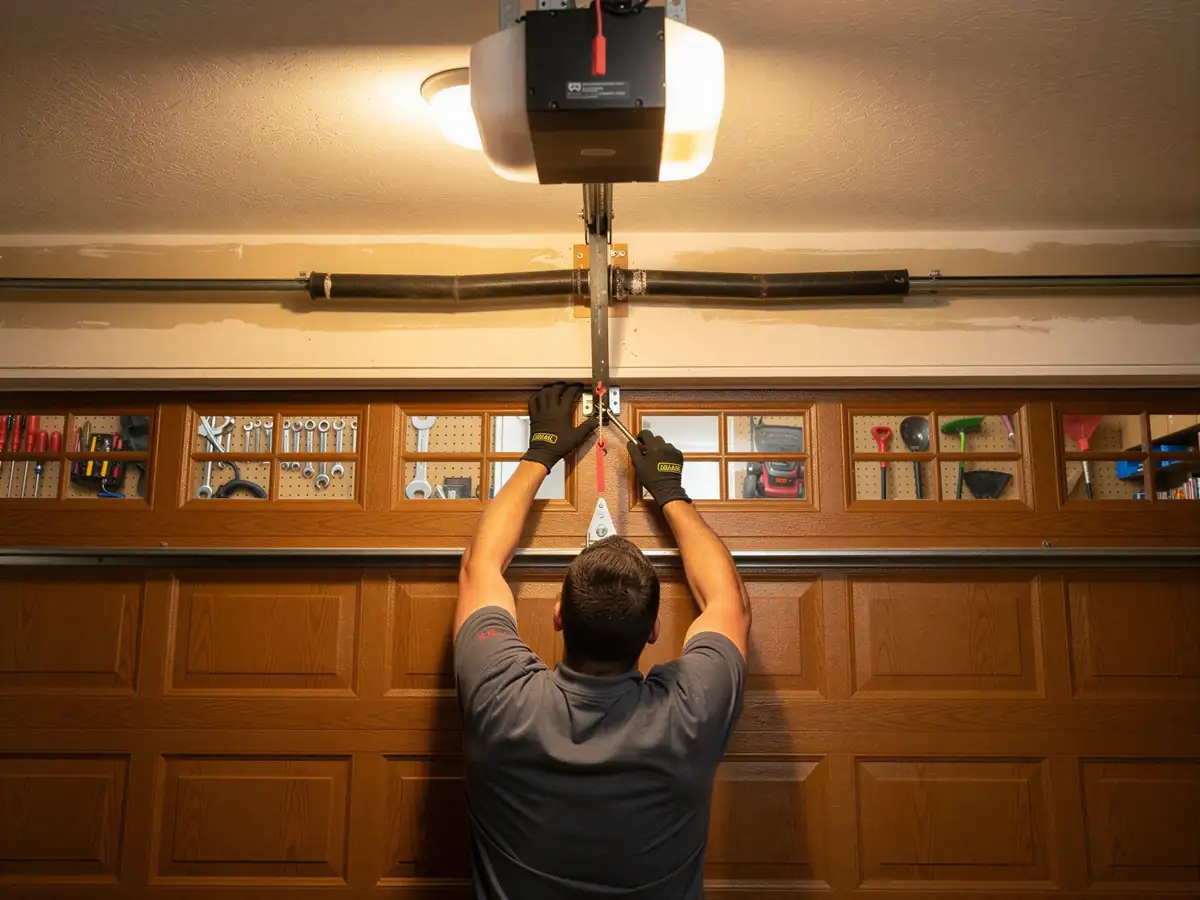
Right in the middle of the postwar building wave. Garages from that era were built for openers that came decades later, which means a lot of retrofit work: openers bolted onto framing that was never meant to carry a motor, or wired through a junction box someone added in the 1980s. When the opener finally gives out, it's rarely just the motor. The travel limits drift because the rail was never squared to the header in the first place, or the bracket holding the unit has worked loose from forty-plus years of vibration.
We also see a fair number of chain-drive units from the 1990s retrofit boom still limping along
Because the house itself predates the opener by three decades. Capacitors fail, gears strip, logic boards corrode from a garage that was never insulated for a Minnesota winter. None of this is unique to one house - it's the pattern across a town where the housing stock skews older than what you'd find in a newer development ten miles away.
How Long You Are Without the Door
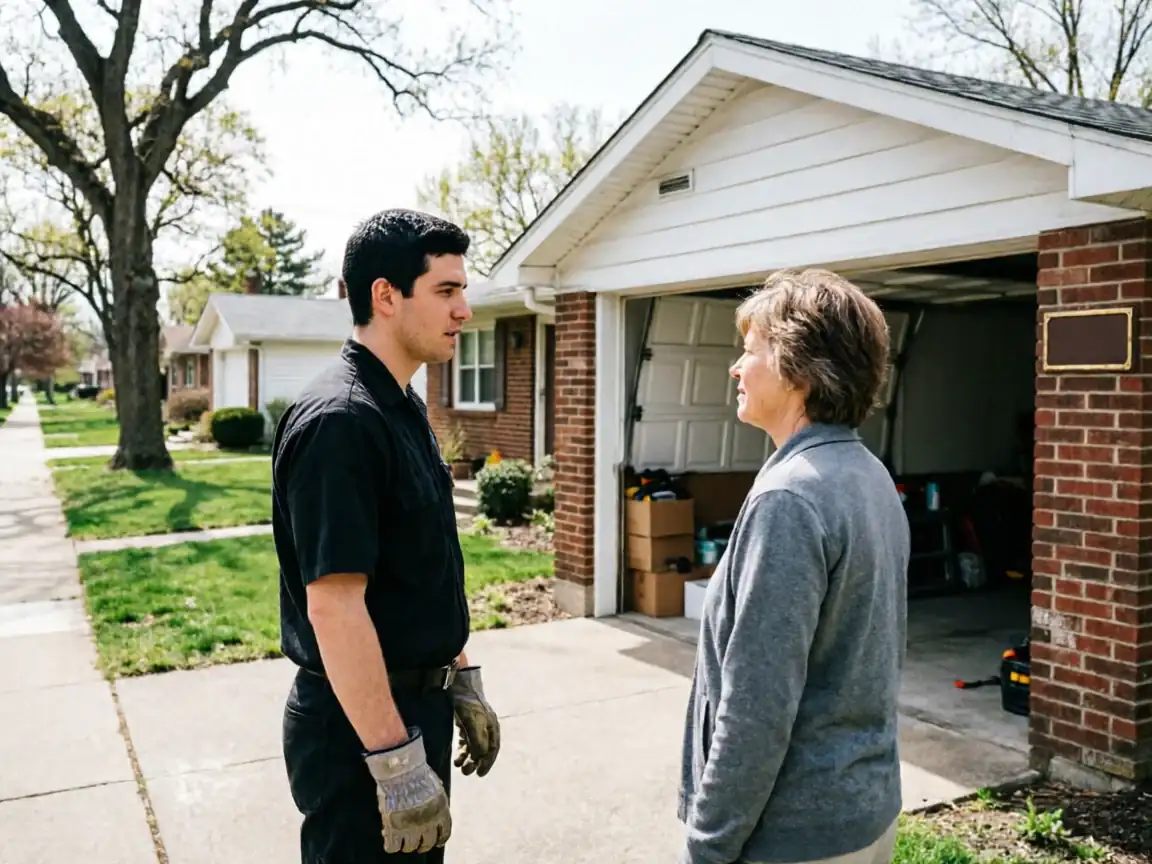
We run out of Farmington, 17 miles from South St. Paul, so we don't pretend to be a two-minute drive away. That distance is part of planning the call: if your opener fails and the door is stuck down, you're without the garage for the stretch between your call and our arrival, not for some number we'd have to make up to sound reassuring.
If the door is stuck open, that's a different problem in a COLD climate zone - an open garage in a Minnesota winter means pipes, a water heater, or anything else in that space is exposed to real cold, not just inconvenience. We'll ask on the phone whether the door is up or down, because that changes how we prioritize the trip from Farmington.
Booking a Visit
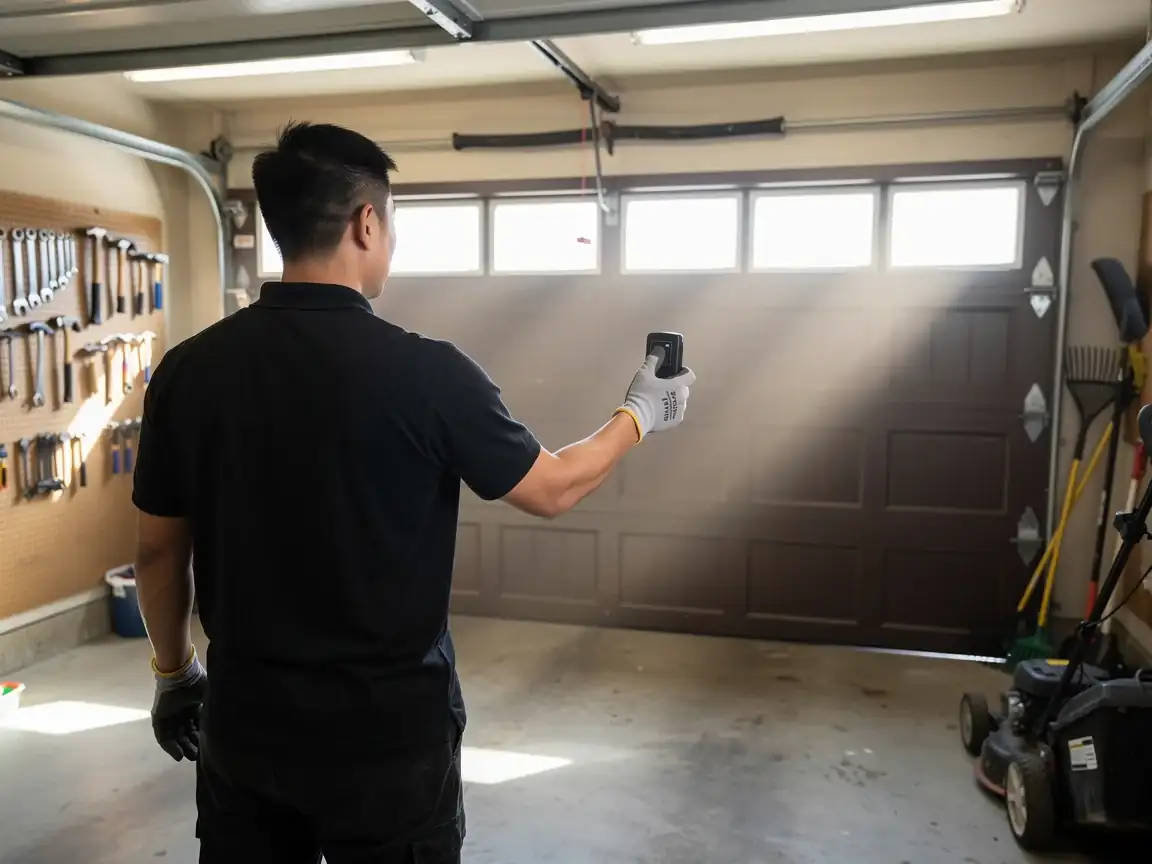
Call and tell us what the opener is doing - grinding, reversing, dead at the wall switch, or running without moving the door at all. Those are different failures and we'd rather know before we're standing in your garage. Because we're driving in from Farmington, having a clear description up front means we bring the right part instead of a second trip.
We cover South St. Paul as part of our regular service area, not as an occasional detour - you can see the full coverage area at our South St. Paul page.
The Complications
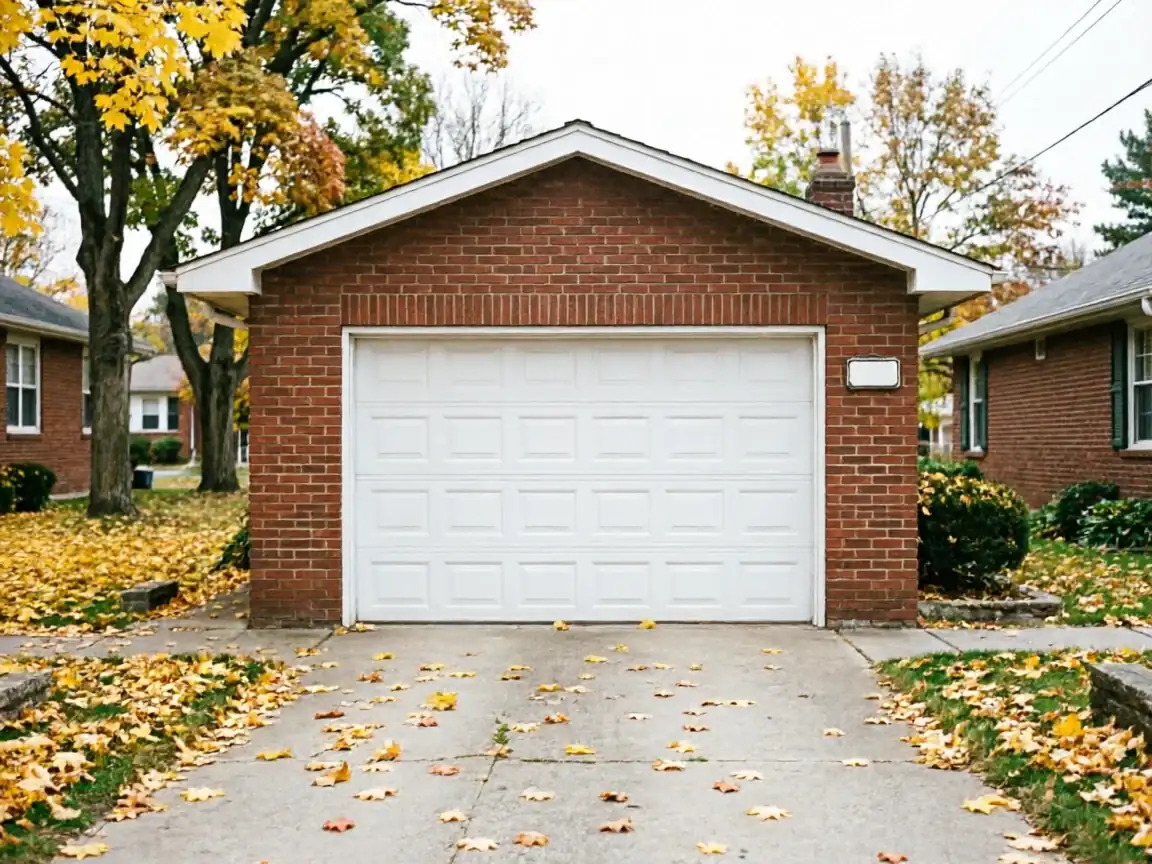
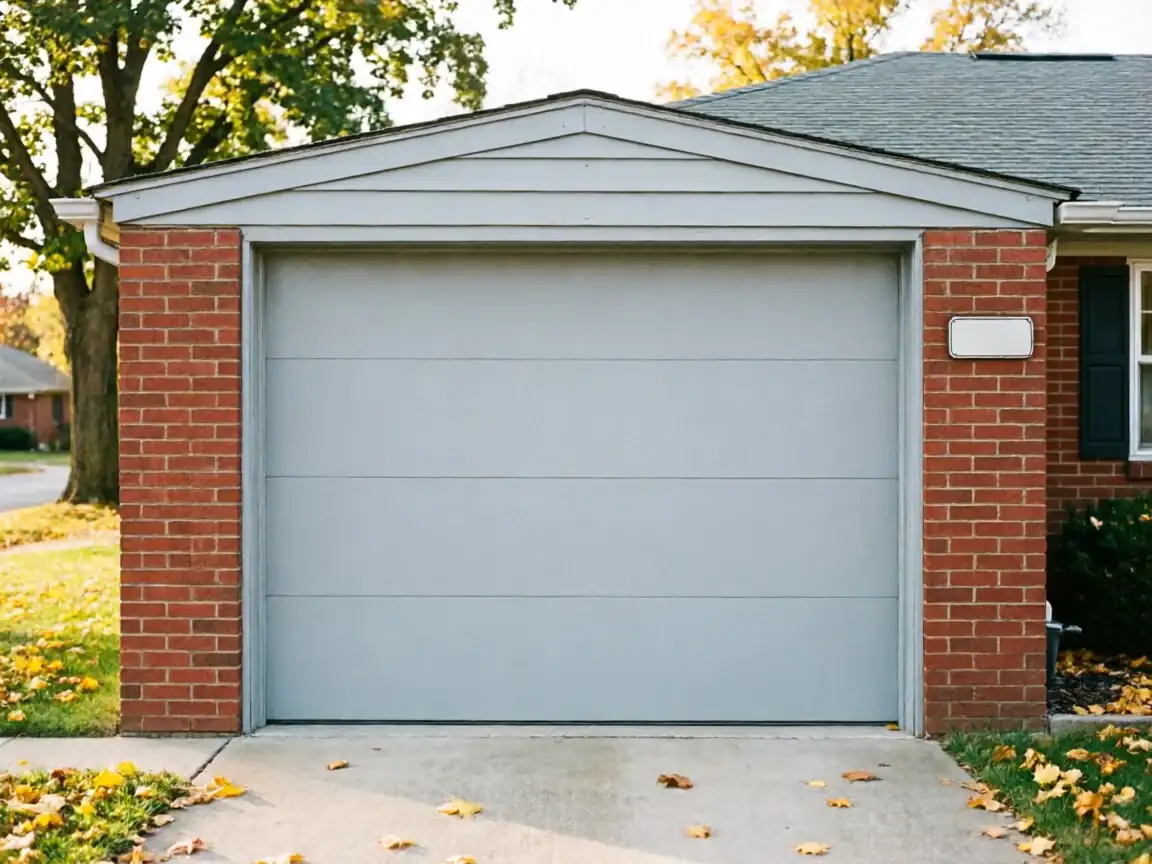
The biggest complication in a town built mostly in the mid-to-late 1950s is the garage itself
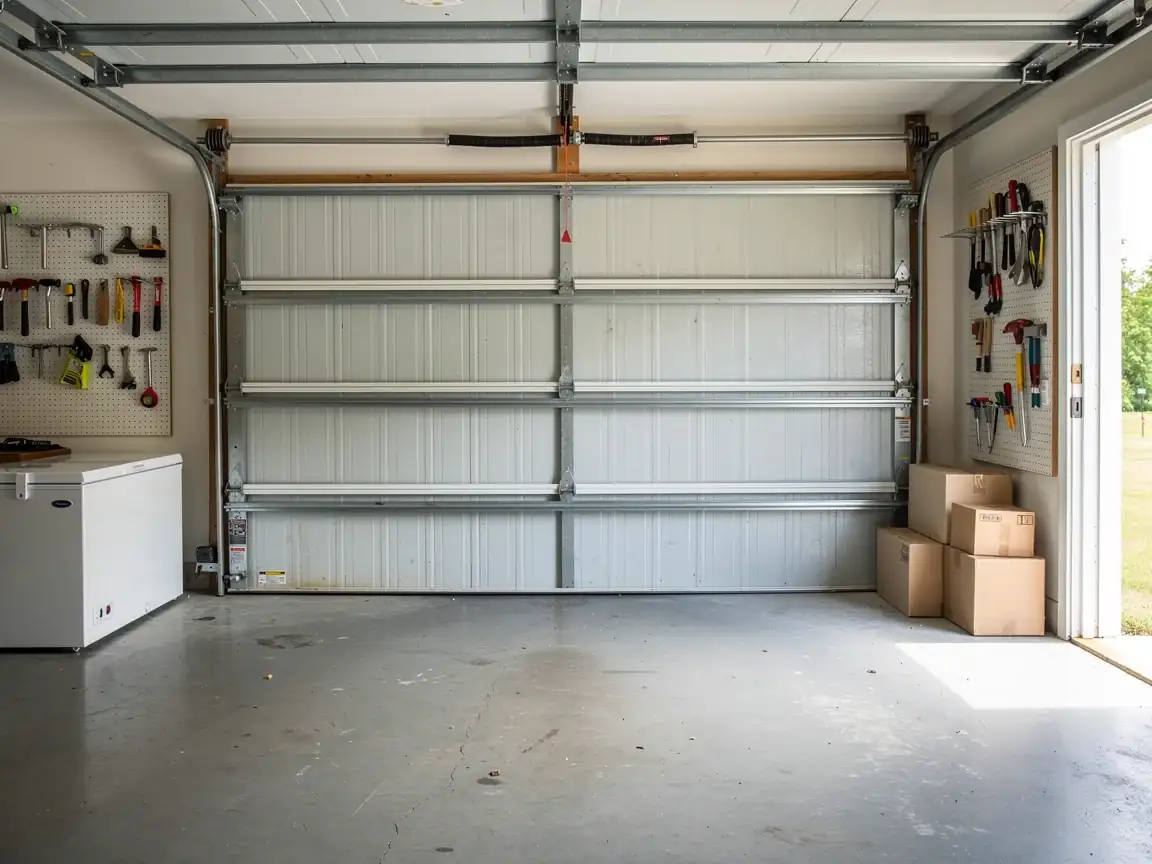
Framing from that period often wasn't sized for the header clearance modern openers want, so a straight swap can mean notching wood that shouldn't be notched, or mounting the unit a few inches off from where the old one sat. We've also found older houses here where the opener is wired into a circuit shared with something else in the garage, which isn't a code problem so much as a reason breakers trip at the worst time.
The honest limitation
If your opener is original to a 1960s or 70s install and parts for it haven't been made in years, we're not going to chase down a part that doesn't exist. At some point replacement is cheaper and more reliable than a repair held together with a part pulled off a unit twice its age. We'll tell you when we're at that point instead of billing for a long shot.
Parts We Carry
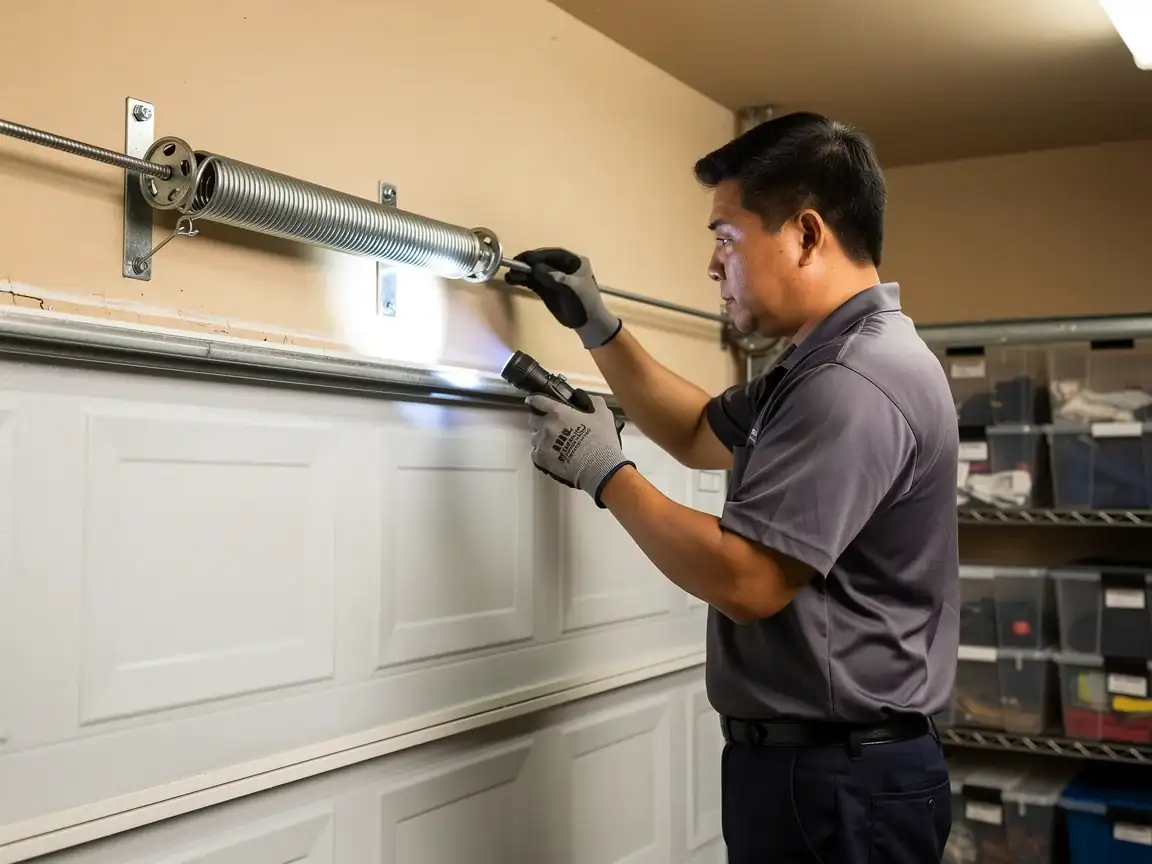
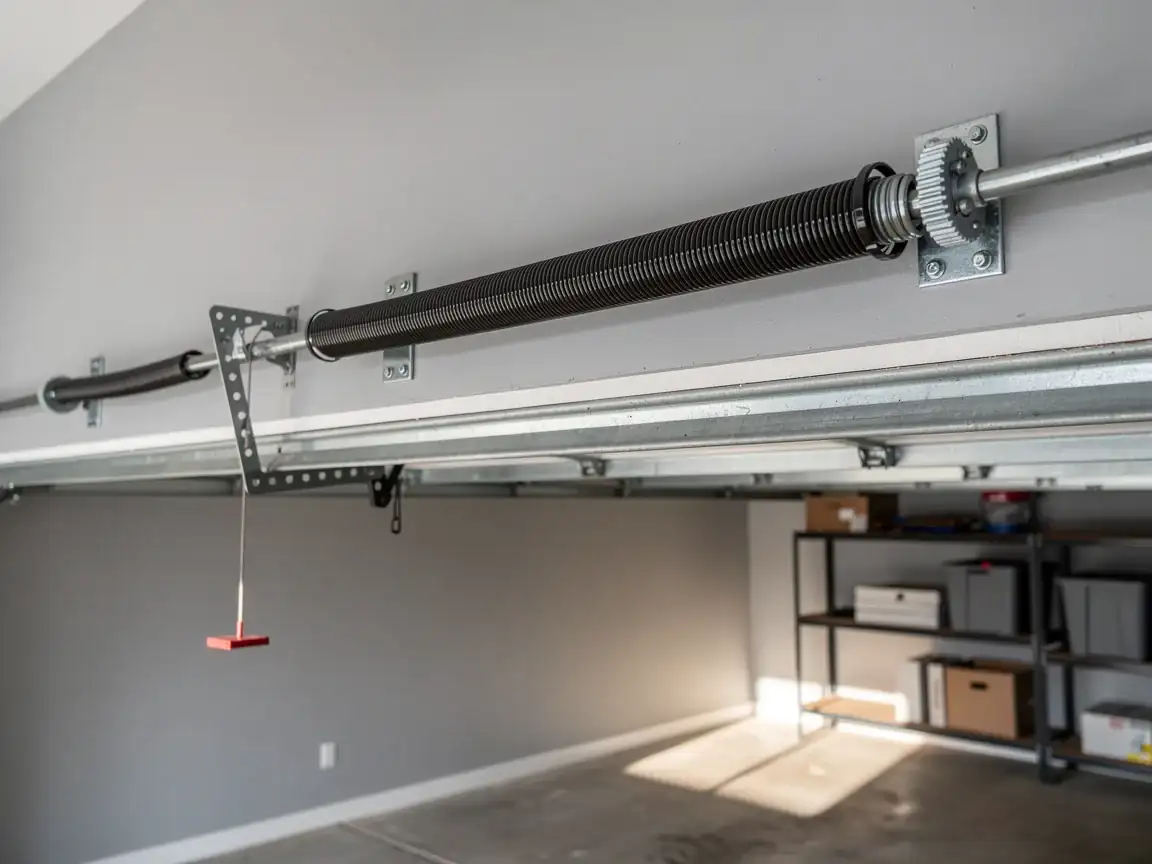
We stock the belt and chain-drive components that cover most of what's failing in this town's housing stock - drive gears, sprockets, limit switches, logic boards for the common screw and chain units, and the wall controls that go with them. For a town where the median house is pushing seventy years old, we see more worn-out drive gears and brittle plastic sprockets than we do on newer builds.
What we don't carry on the truck is anything proprietary to a discontinued opener line - some older brands stopped making replacement boards years ago, and if that's what's in your garage, we'll say so on the first visit rather than stringing out a repair that was never going to work.