Why This Fails Locally
Start with the number that actually matters here
Median household income in South St. Paul runs $84,472, below the $93,077 median across the rest of our 18-area service territory. That gap changes the math on a repair call. When a torsion spring snaps or a panel caves in on a door that's already near the end of its service life, the question isn't just "can we fix it" - it's whether fixing it is worth it against the cost of a new unit, and at this income level that line sits earlier than it does in some of the newer suburbs we cover.
The housing stock pushes the same direction
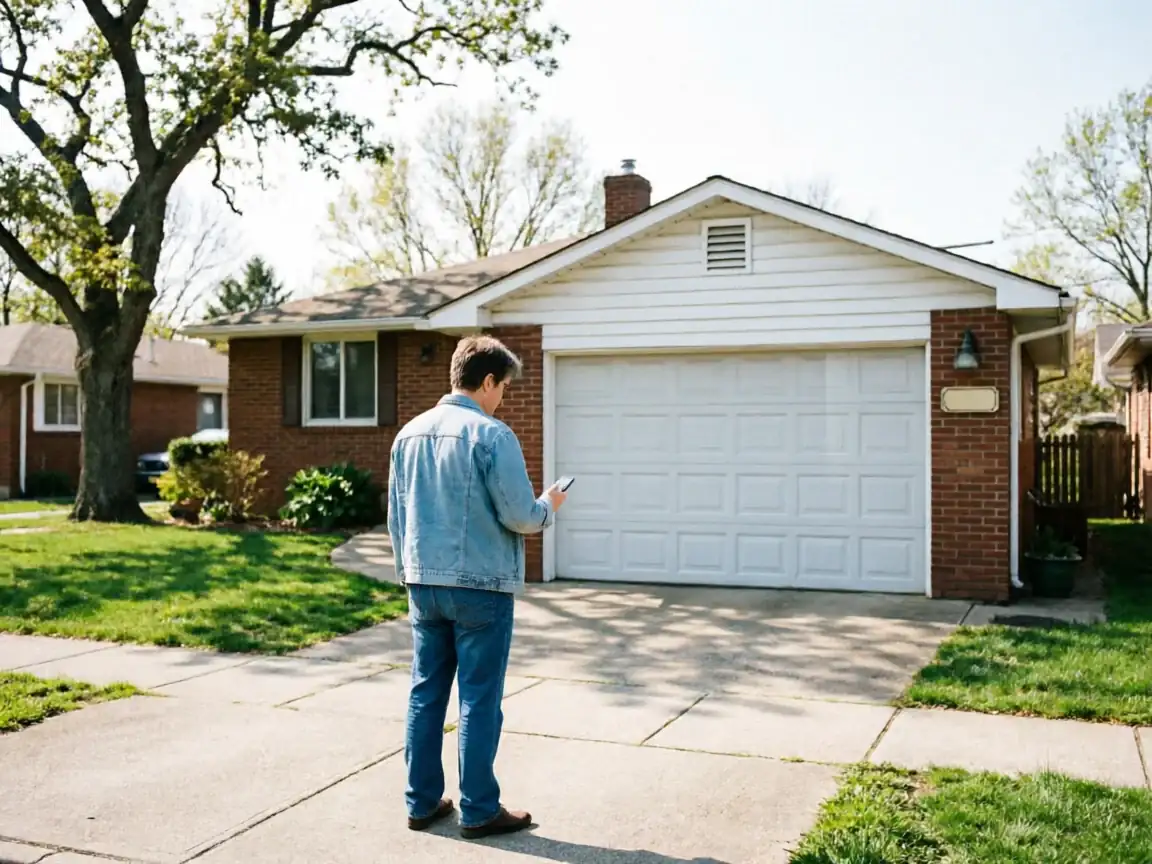
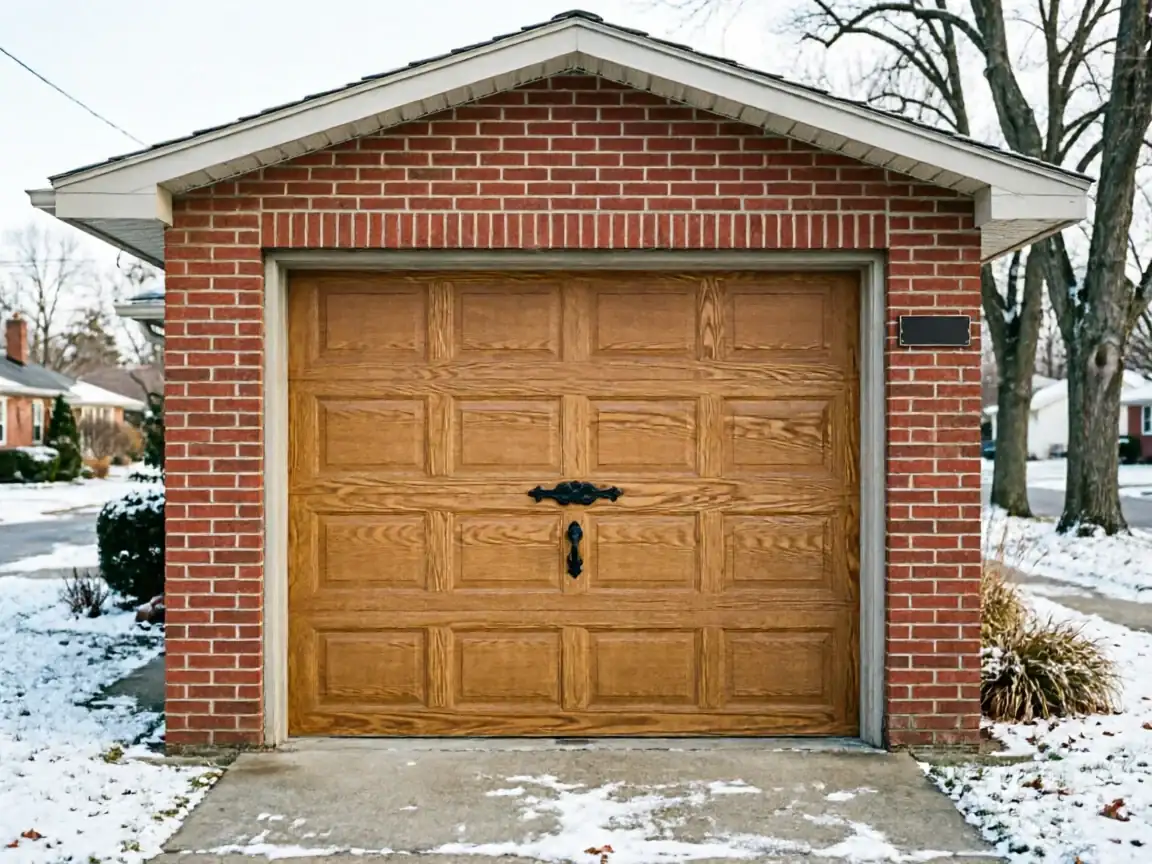
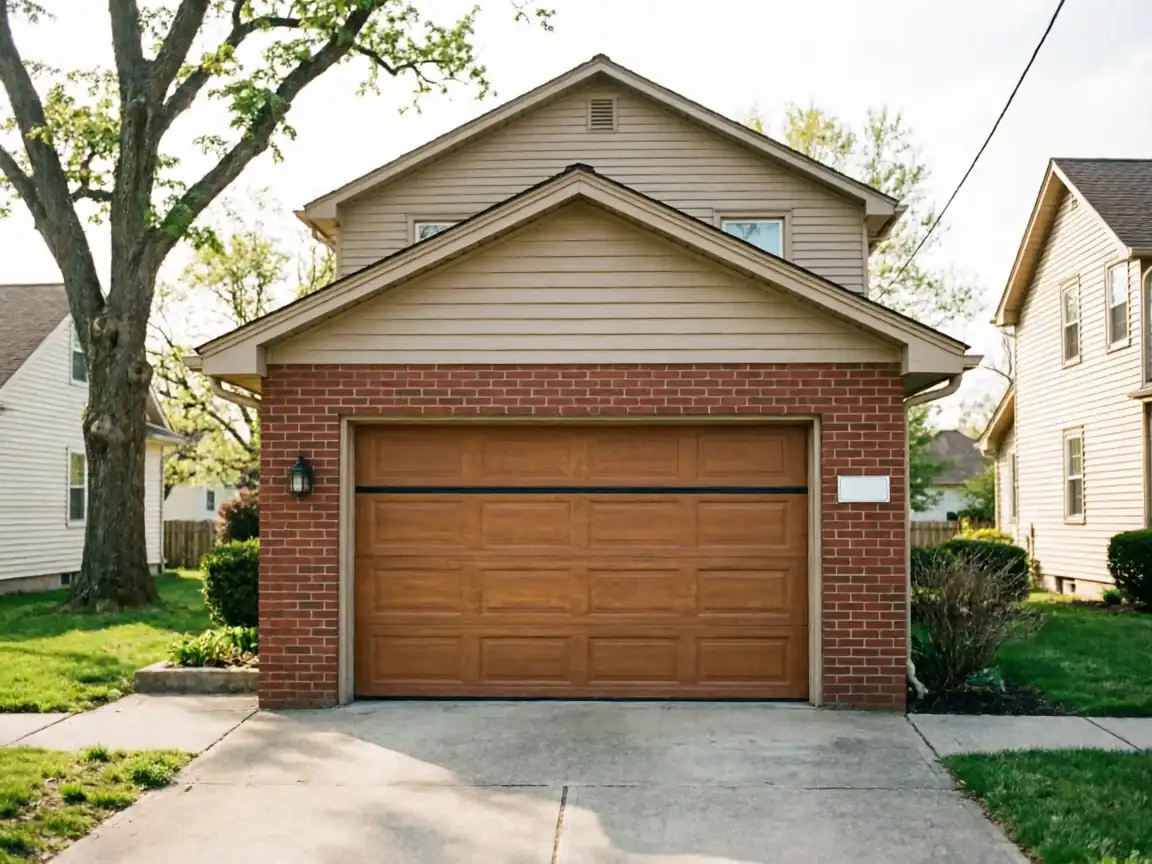
A lot of South St. Paul went up around 1957, older than the 1983 median build year across the broader service area we work. Doors from that era are usually one-piece or early sectional, often on side-mounted torsion hardware that isn't stocked the way current extension and torsion setups are. Out of roughly 8,300 households here, a meaningful share are still running original or first-replacement hardware from that period. That's the starting point for almost every call we take in this town - older gear, tighter household budgets, and a repair-versus-replace decision that has to be made honestly, not automatically.
- 8,300 households
How Long You Are Without the Door
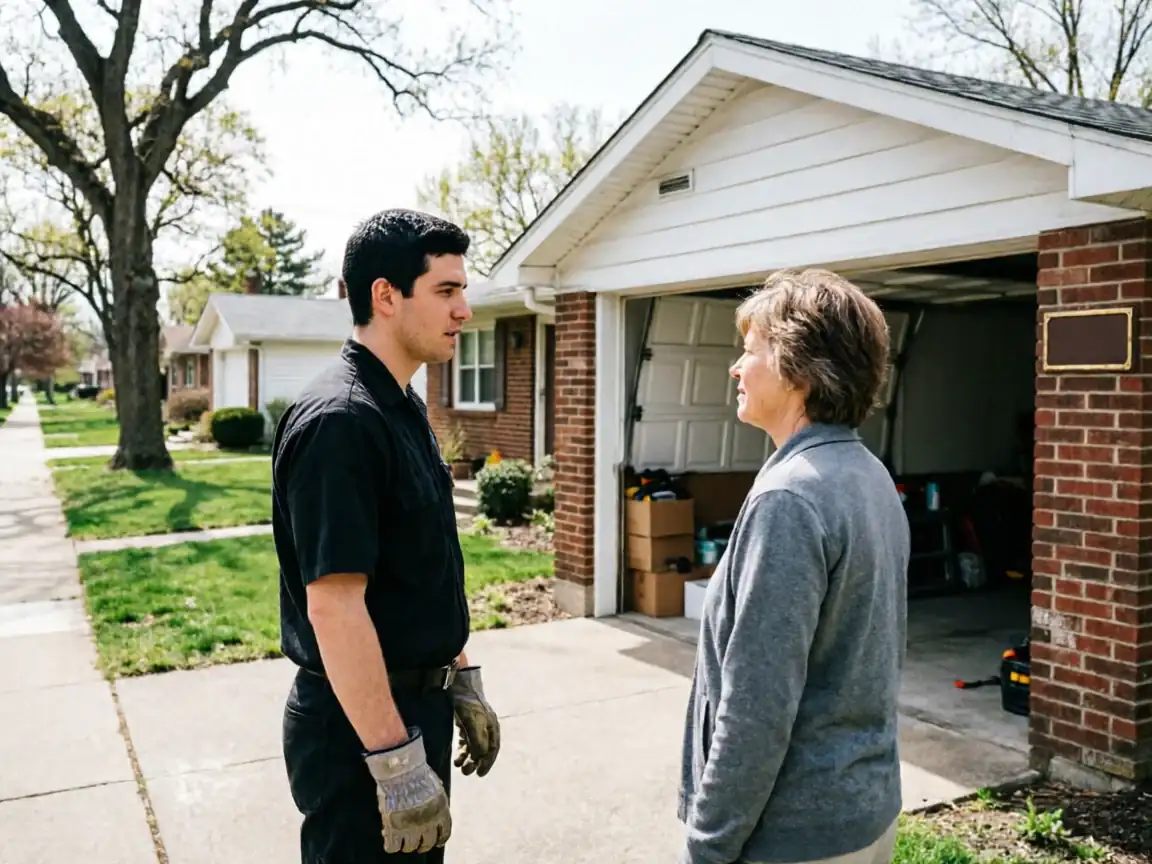
We run this job out of Farmington, 17 miles from South St. Paul. There's no branch or counter in town, so we're not going to promise a walk-in same-day slot the way a shop with a local yard might. The honest version: the drive is part of the job, and it gets built into when we can get there, not worked around.
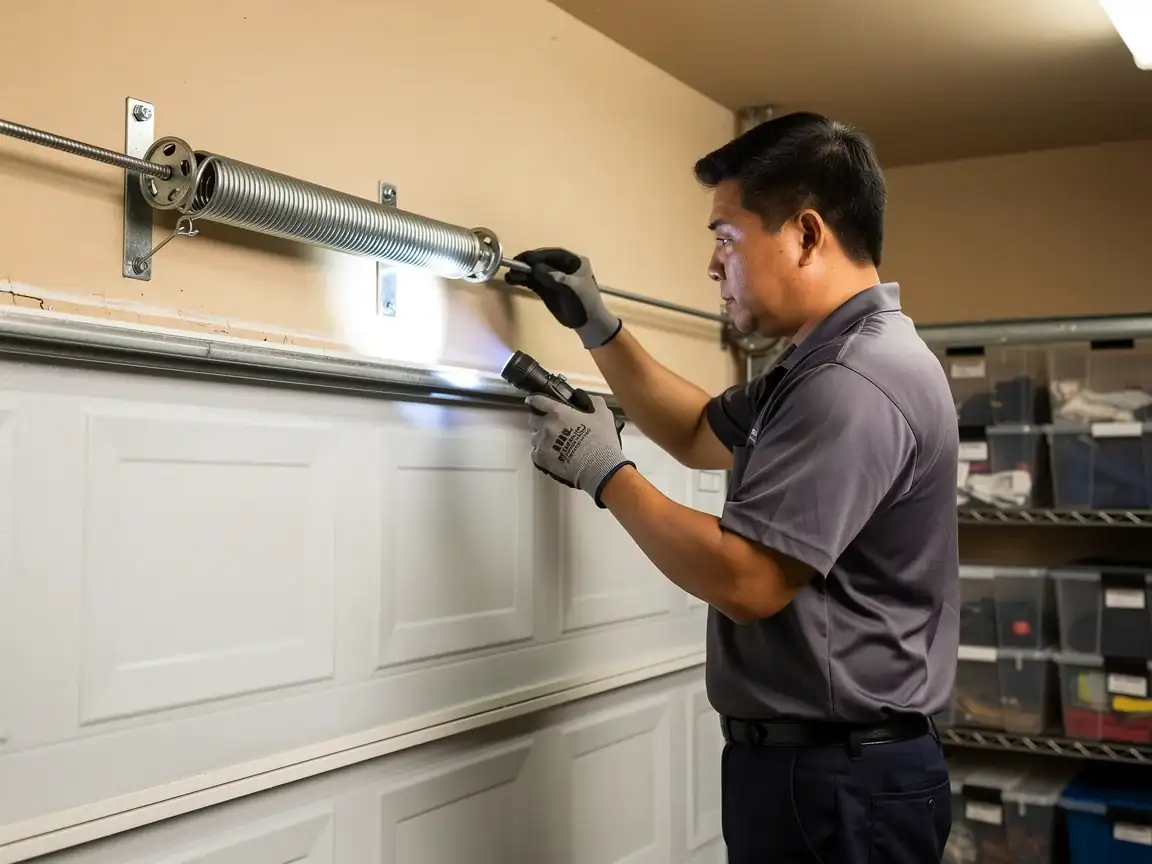
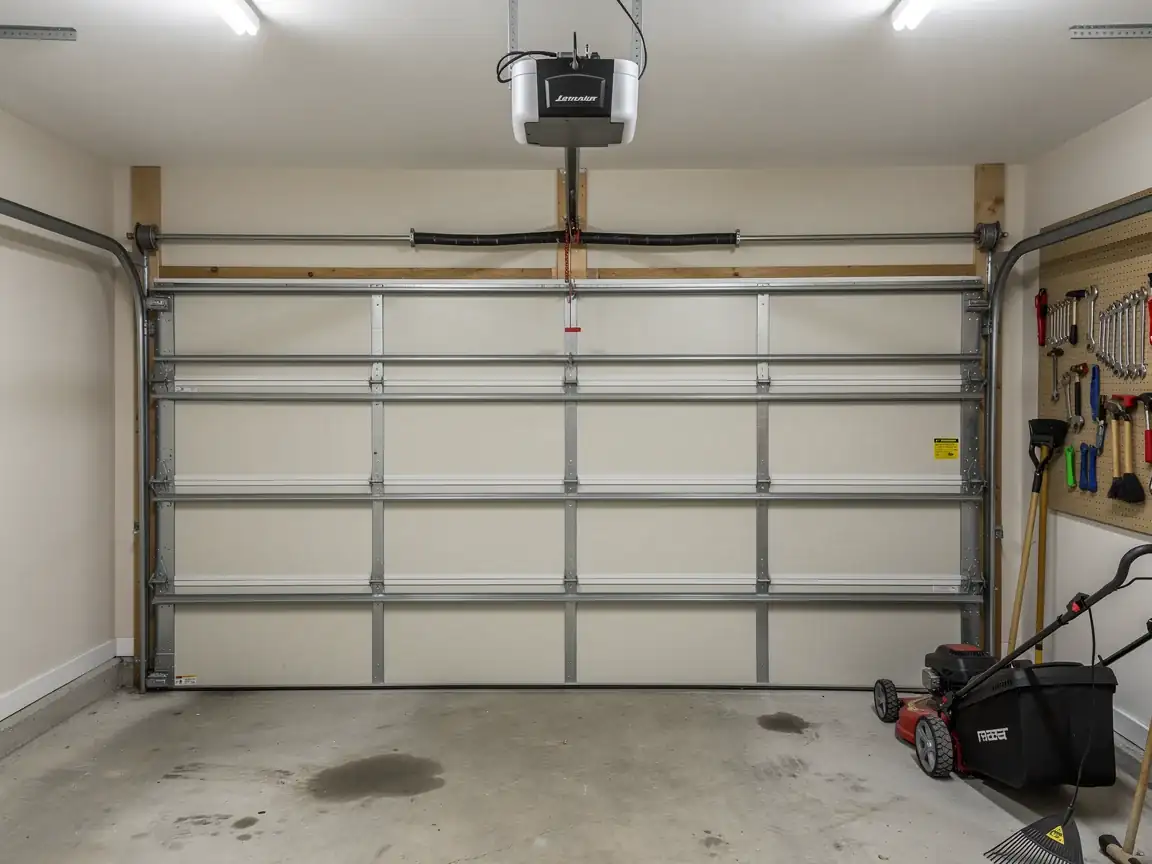
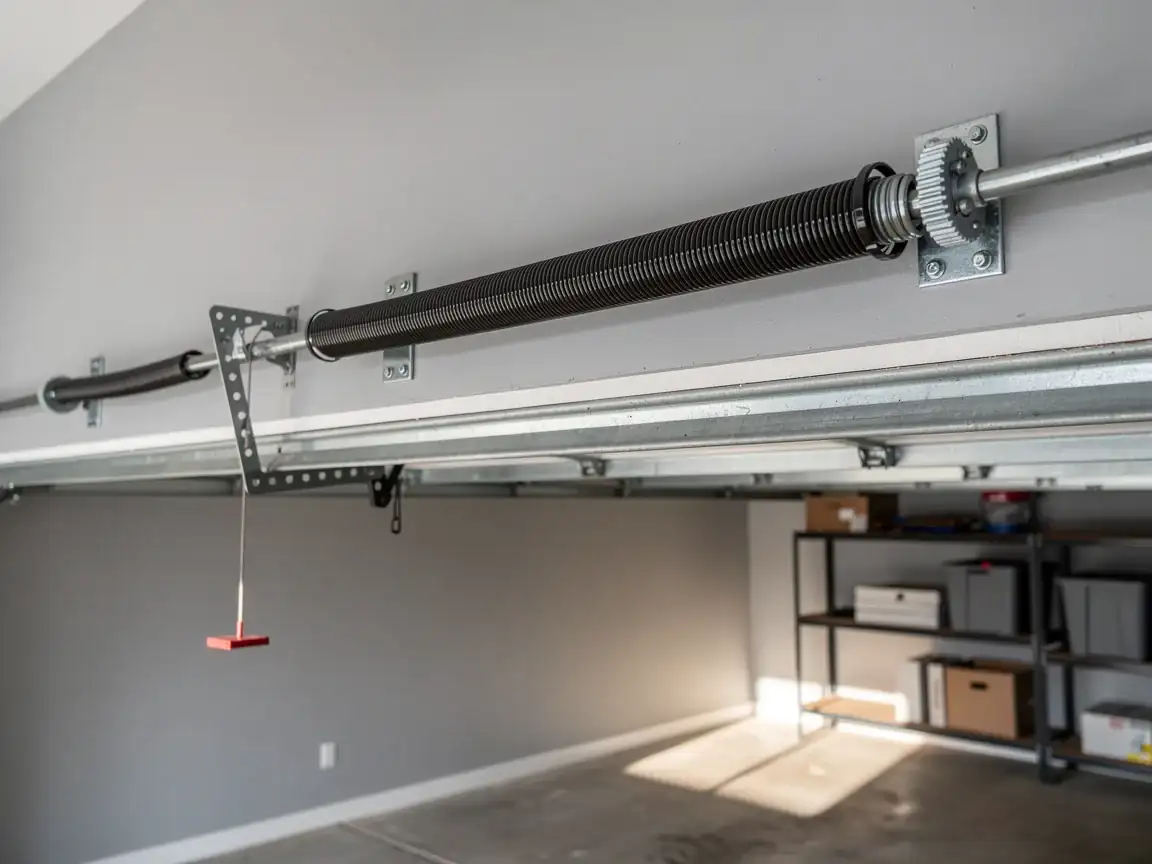
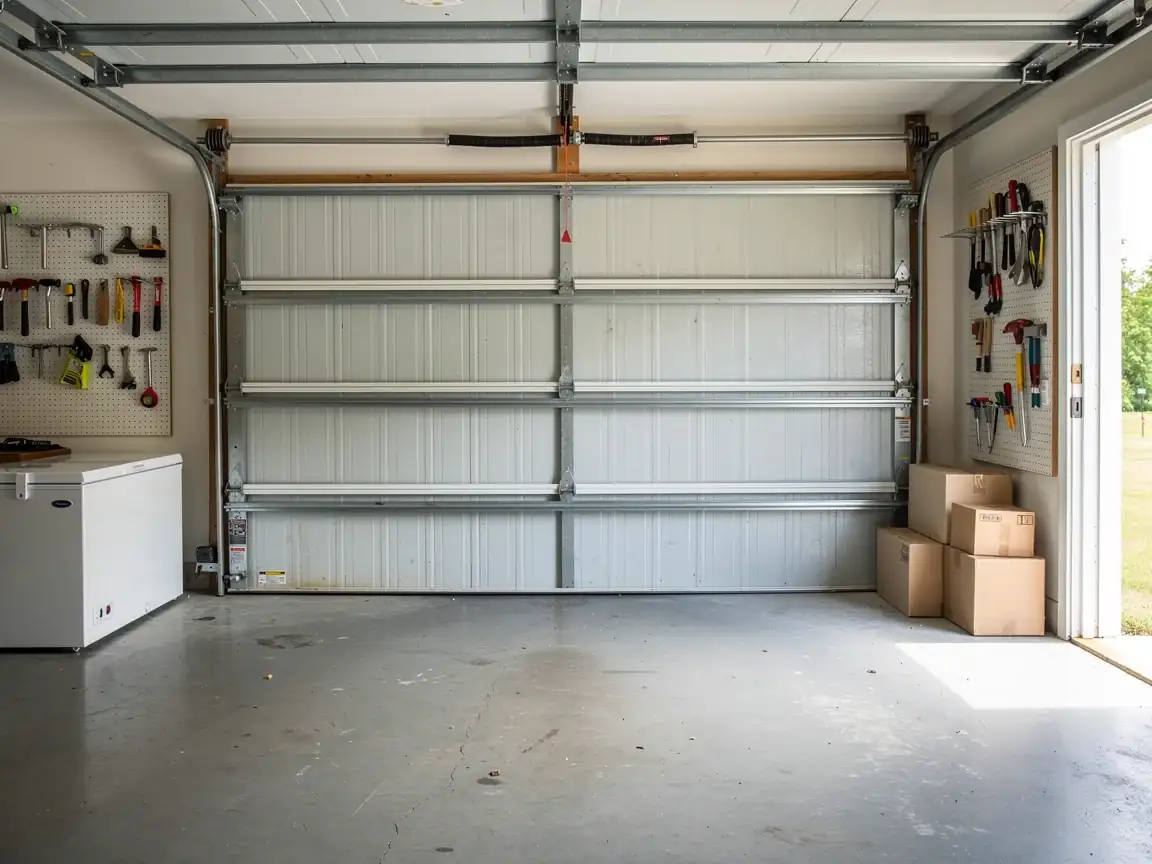
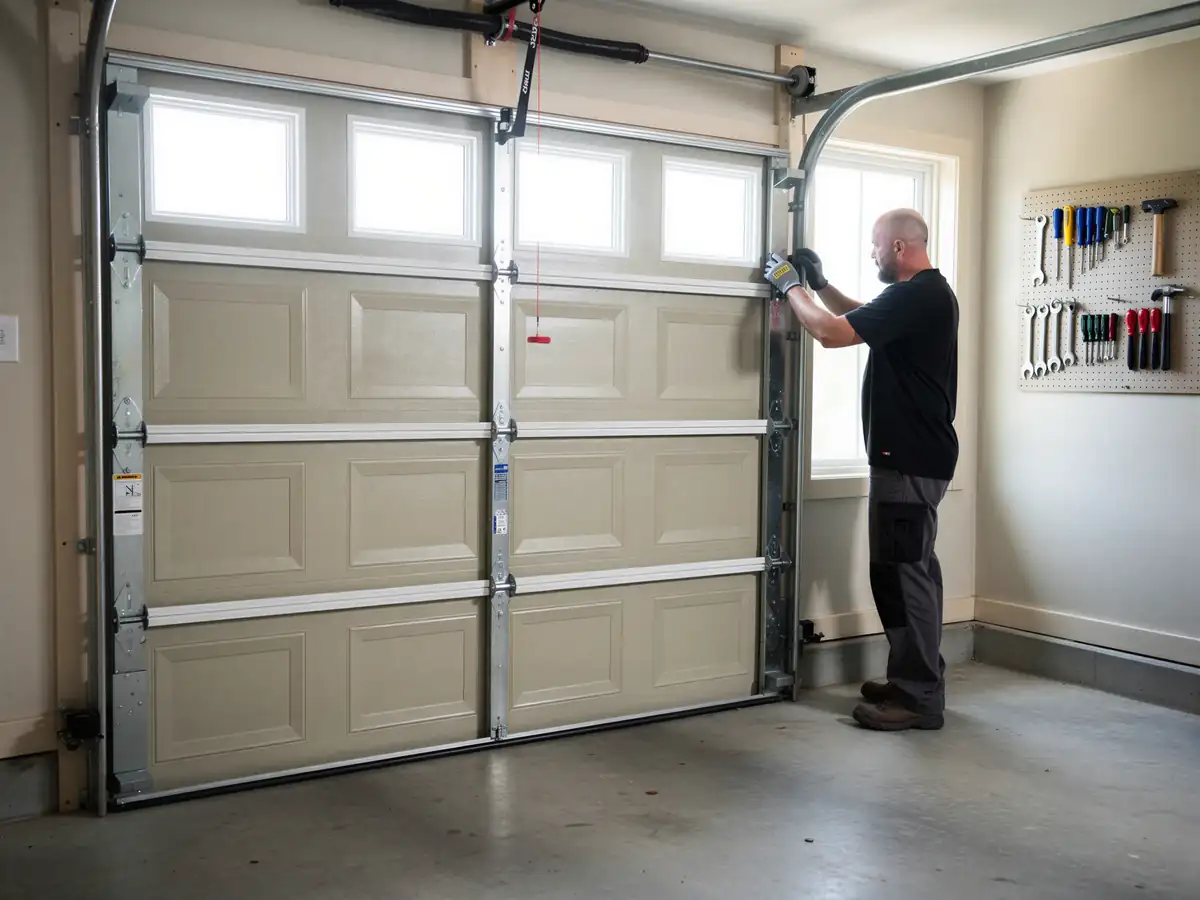
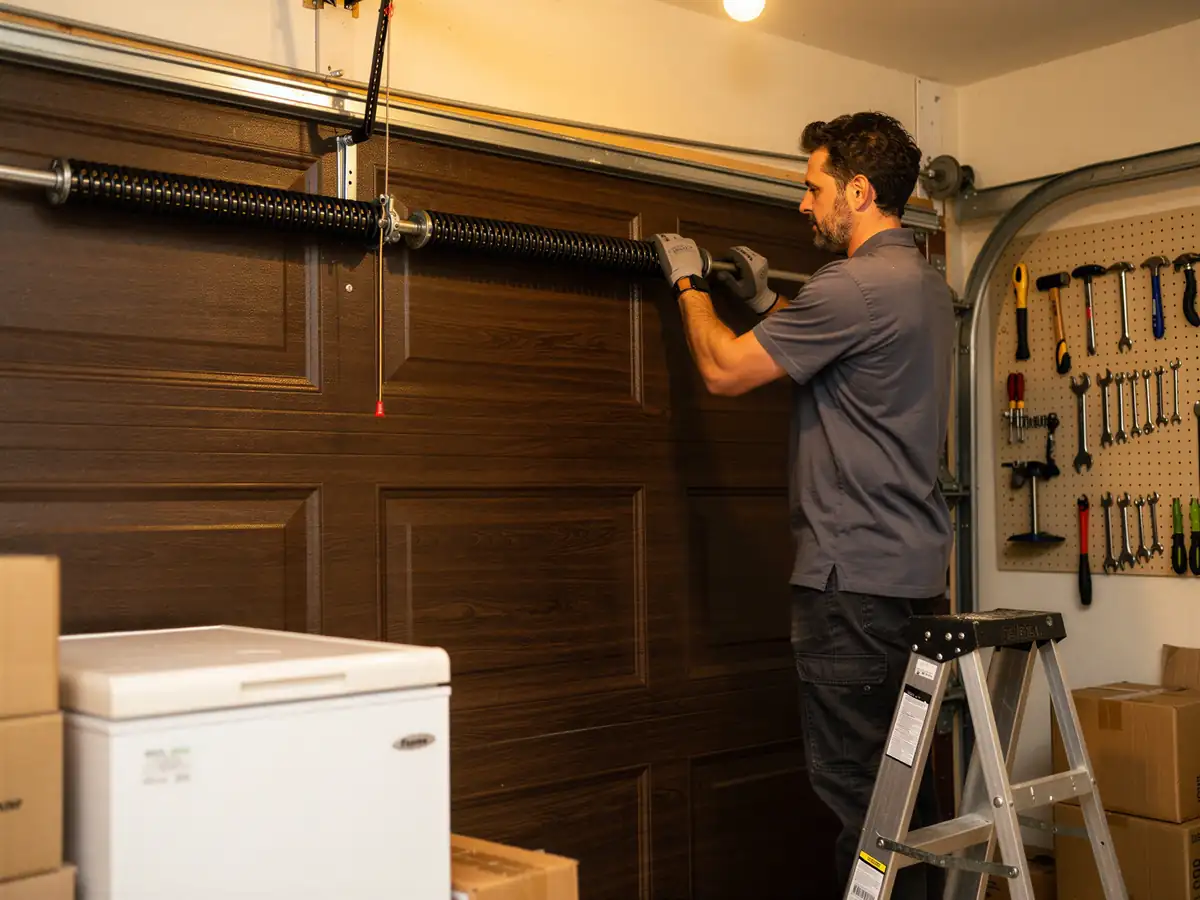
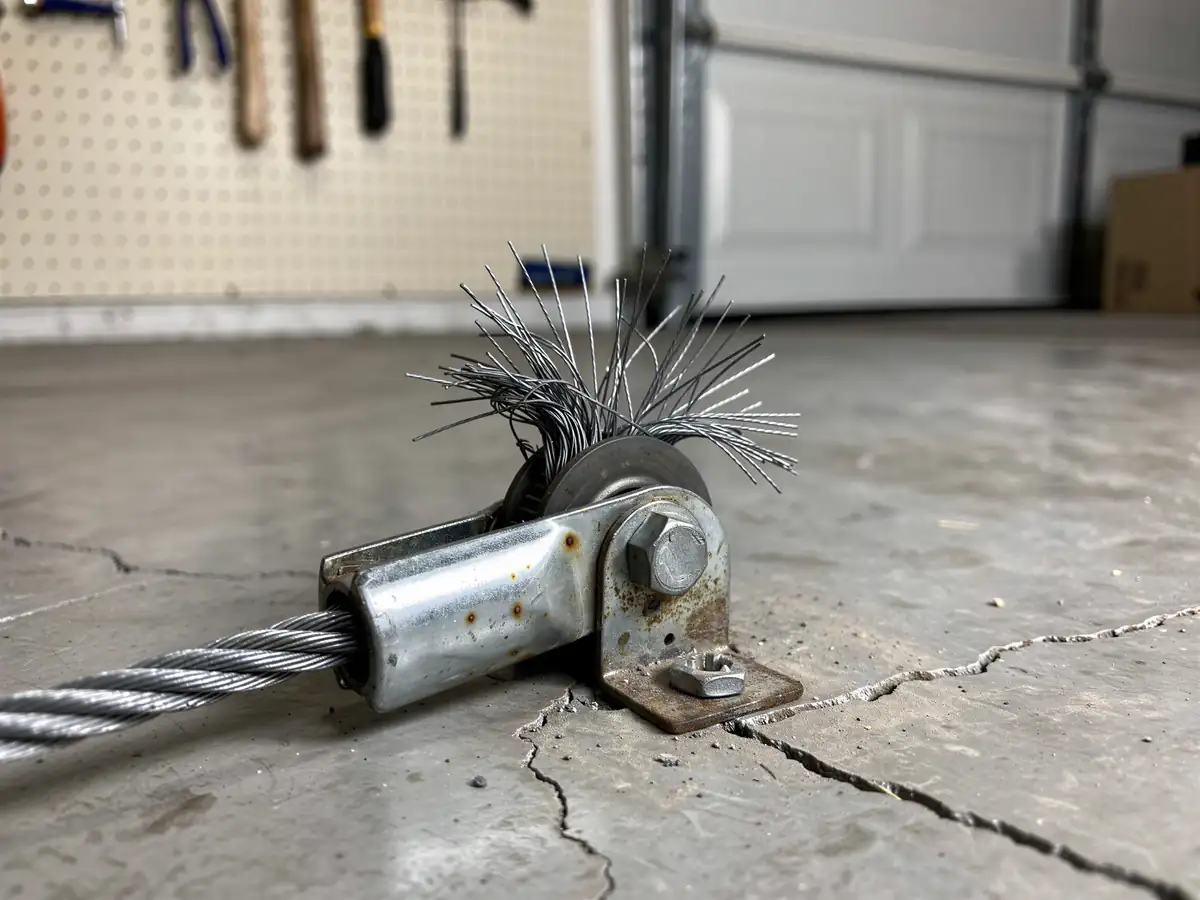
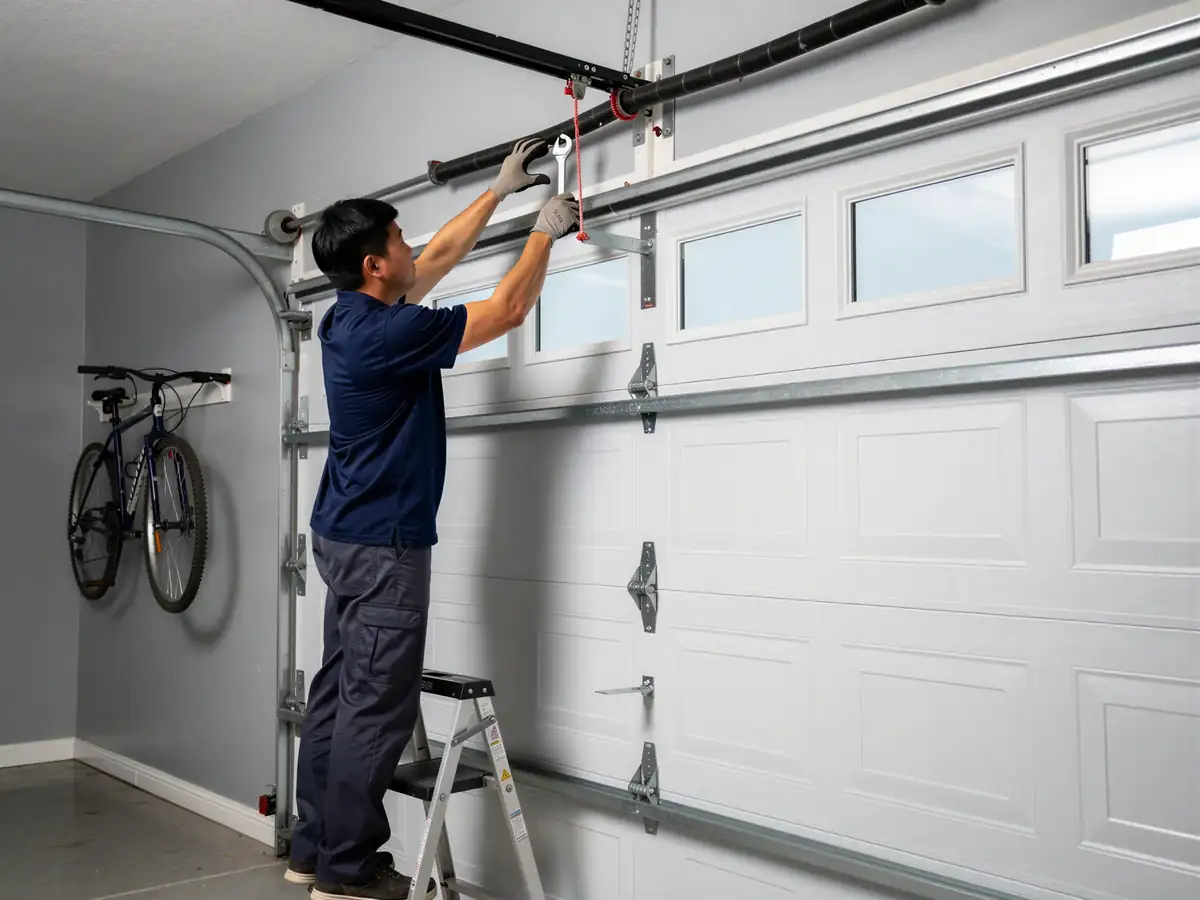
What we can tell you is what we're bringing. For a 1957-era door, the common failure is a torsion spring that's cycled past its rated life, or a cable that's frayed on an original drum. Those are parts we can usually carry on the truck. If the track or the section itself needs replacing on an older one-piece door, that sometimes means a special order, and that's the one honest limitation worth stating up front: a part that's common on a 1983-built door in the rest of our territory isn't always common on a 1957 one. We'd rather tell you that before the truck rolls than after.
Booking a Visit
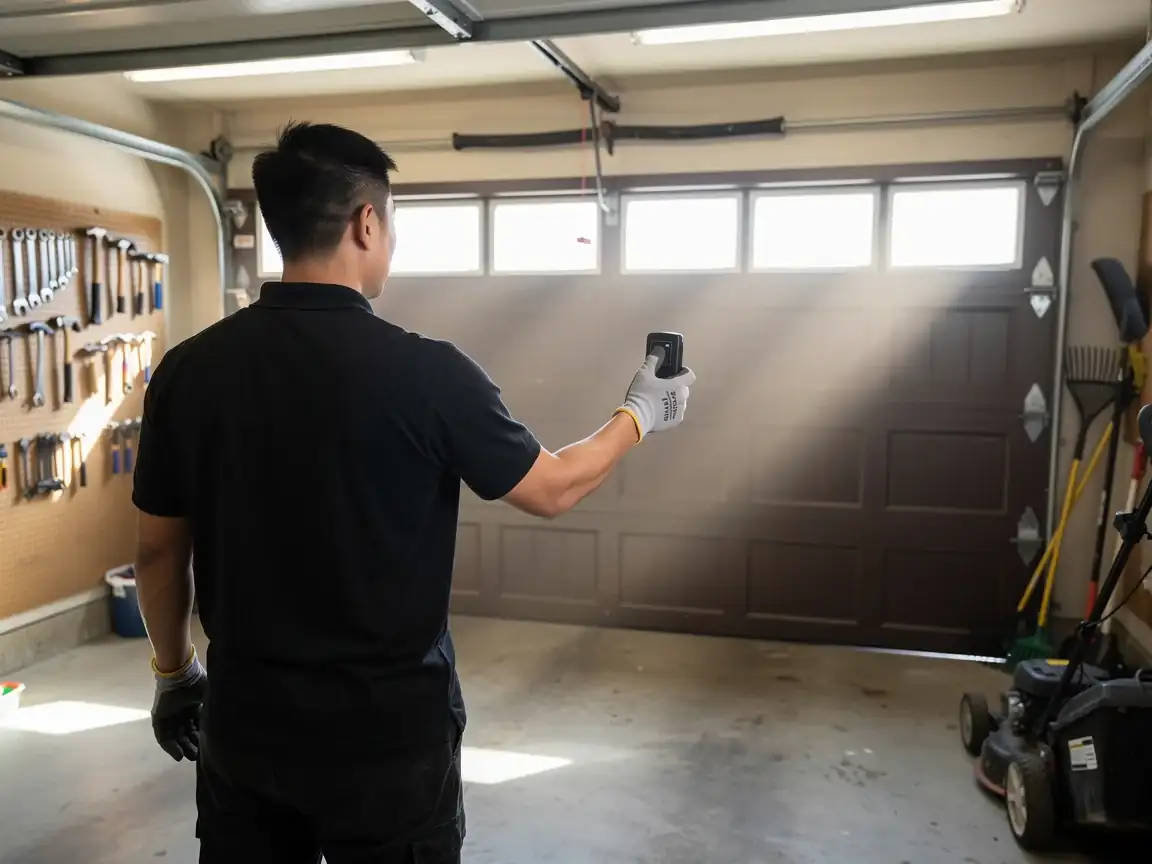
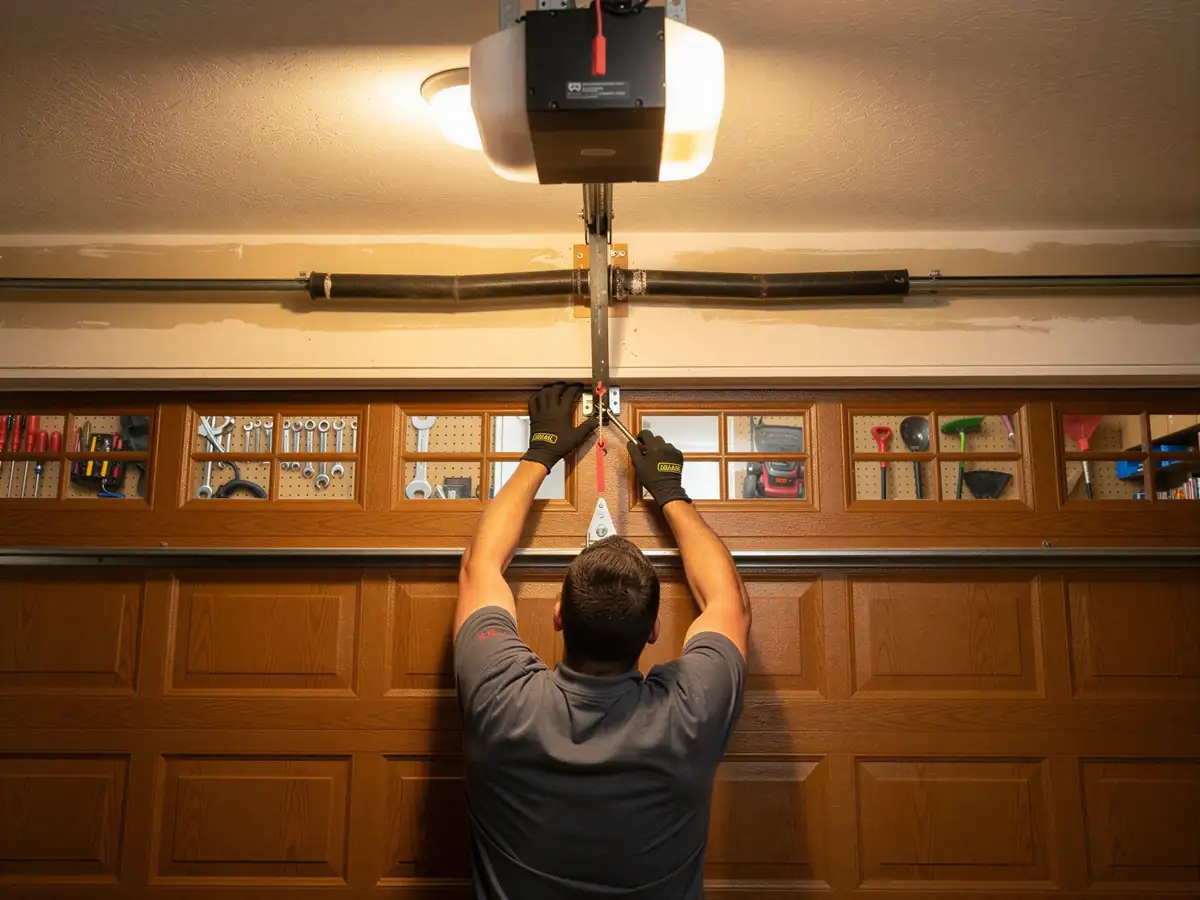
If you're in South St. Paul and the door won't open, won't close, or is making a noise that sounds expensive, the fastest path is to book through our South St. Paul coverage page, where we note that every job here is scheduled out of Farmington rather than dispatched from a local yard.
For anything broader than a repair - full replacement, insulated panels, opener upgrades - that's covered on our main Farmington repair page, since that's where we lay out the full service list rather than repeating it town by town. Keep the two separate in your head the way we do: this page is about fixing what's broken on your door today, in a town where that door is more likely to be original equipment than it is a few miles down the road.
The Complications
Minnesota winters put real stress on any garage door
And South St. Paul sits in the same cold-moderate climate band as the rest of our territory - that part isn't unique to this town. What is more particular to South St. Paul is the combination: older 1957-era doors meeting decades of freeze-thaw cycling on hardware that was never built with today's lubricants or weatherstripping in mind.
The practical result is that springs here tend to fail from age and corrosion rather than just cycle count
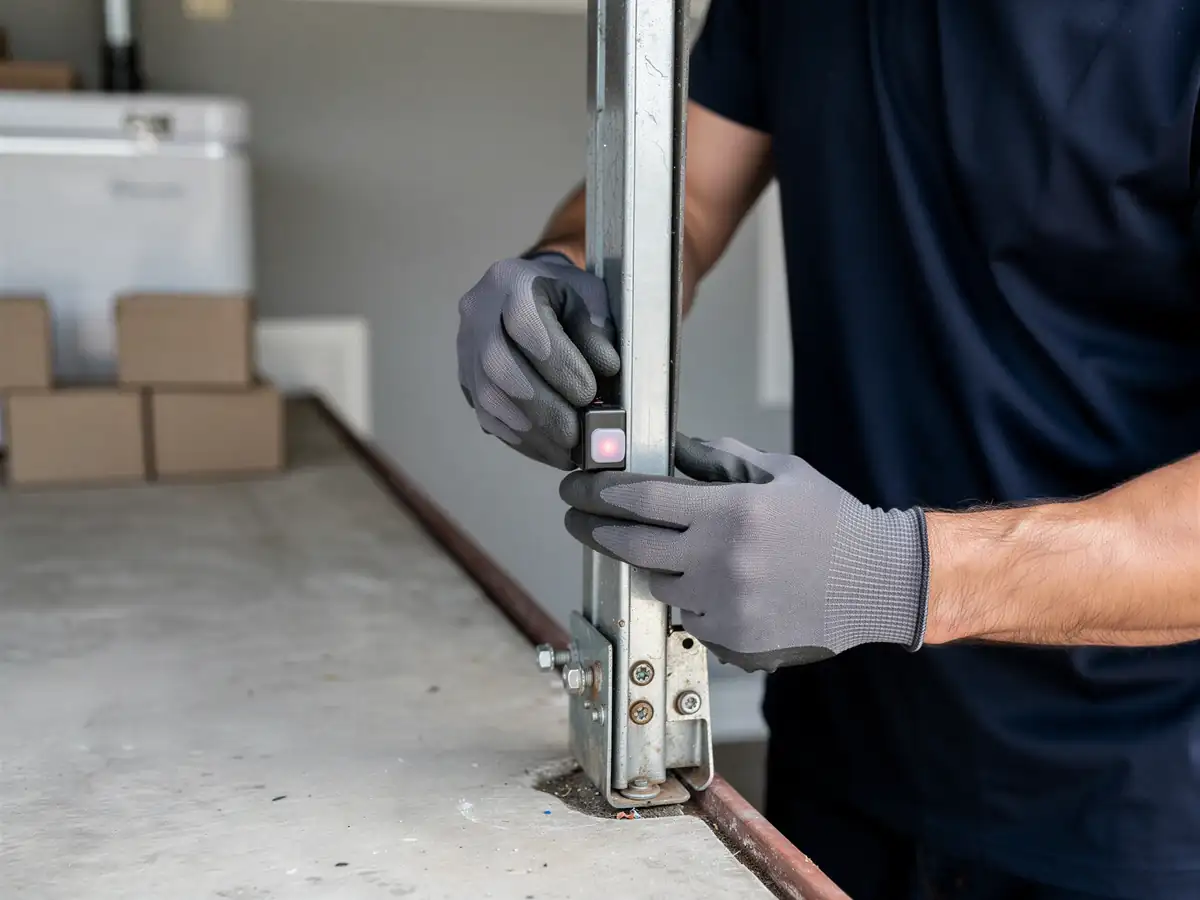
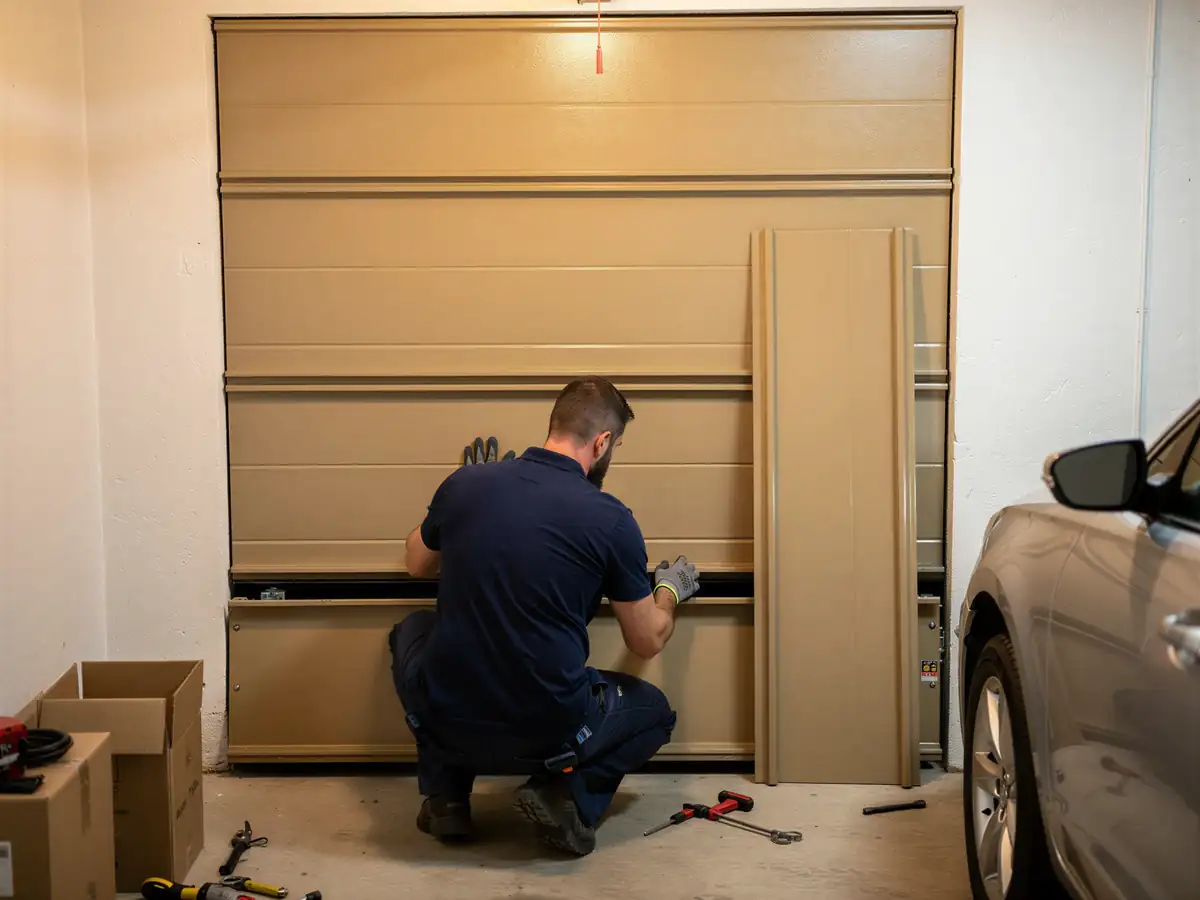
And rollers on original steel track can seize before they visibly wear out. We also see more rust-through on bottom panels where the original door sat low enough to catch road salt spray over the years - a slow failure that often doesn't show until the panel buckles under its own weight during a cold snap. None of that is dramatic, but it's the reason a service call here often starts with us checking the spring date and panel condition before touching the opener, even if the opener is what the homeowner called about.
Parts We Carry
For the torsion springs and extension cables most common on South St. Paul's older doors, we carry standard replacement stock sized to match what was typically installed in the 1950s through 1970s on single and double door openings. Standard rollers, cables, and bottom brackets are usually a same-visit fix.
Where it gets slower is specialty track and original-spec sections for one-piece doors from that era - those aren't something any garage door company keeps on a shelf, and if your door needs one, we'll tell you that up front rather than guess at a timeline. In a lot of those cases, especially once a 1957 door has a cracked panel on top of worn hardware, replacing the whole unit with a modern sectional door ends up cheaper and faster than chasing parts for the original. That's not a sales pitch - it's just how the math works out on a door of that age.