What the Fix Involves
Most opener calls we get from St. Paul Park start the same way
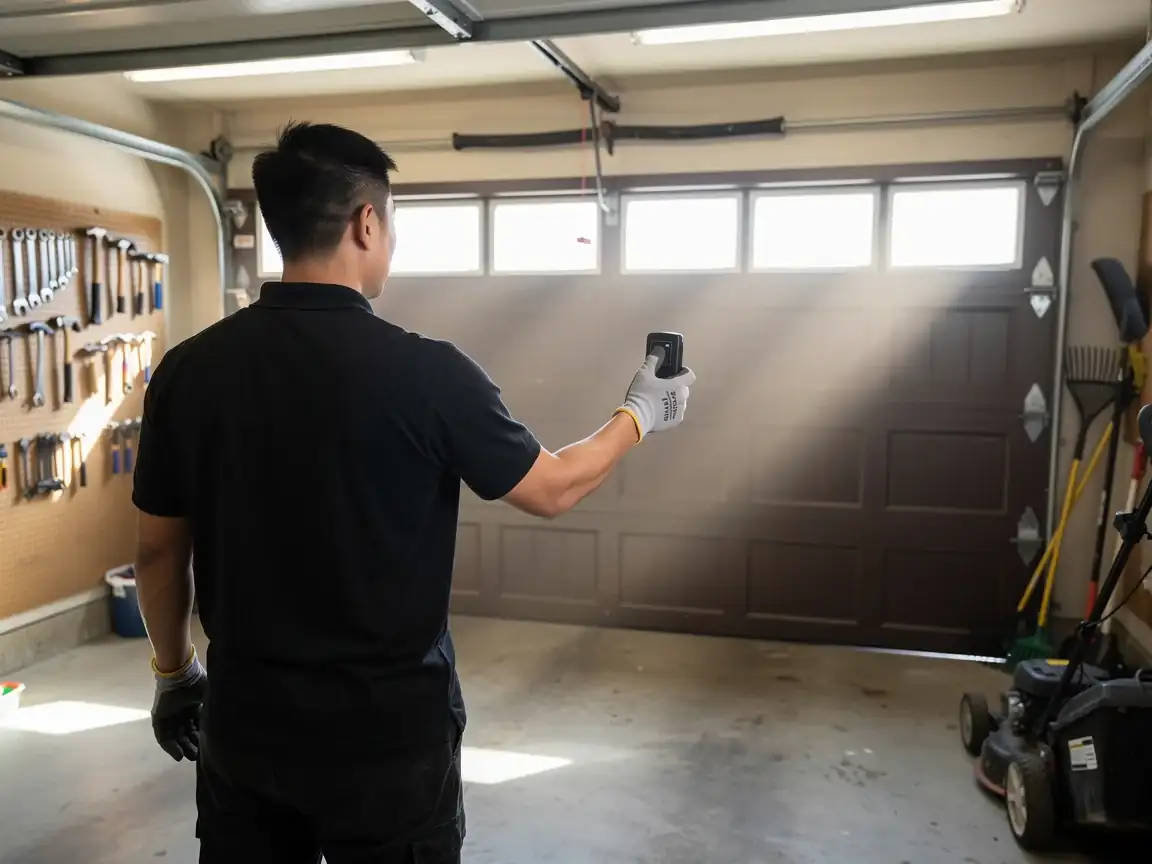
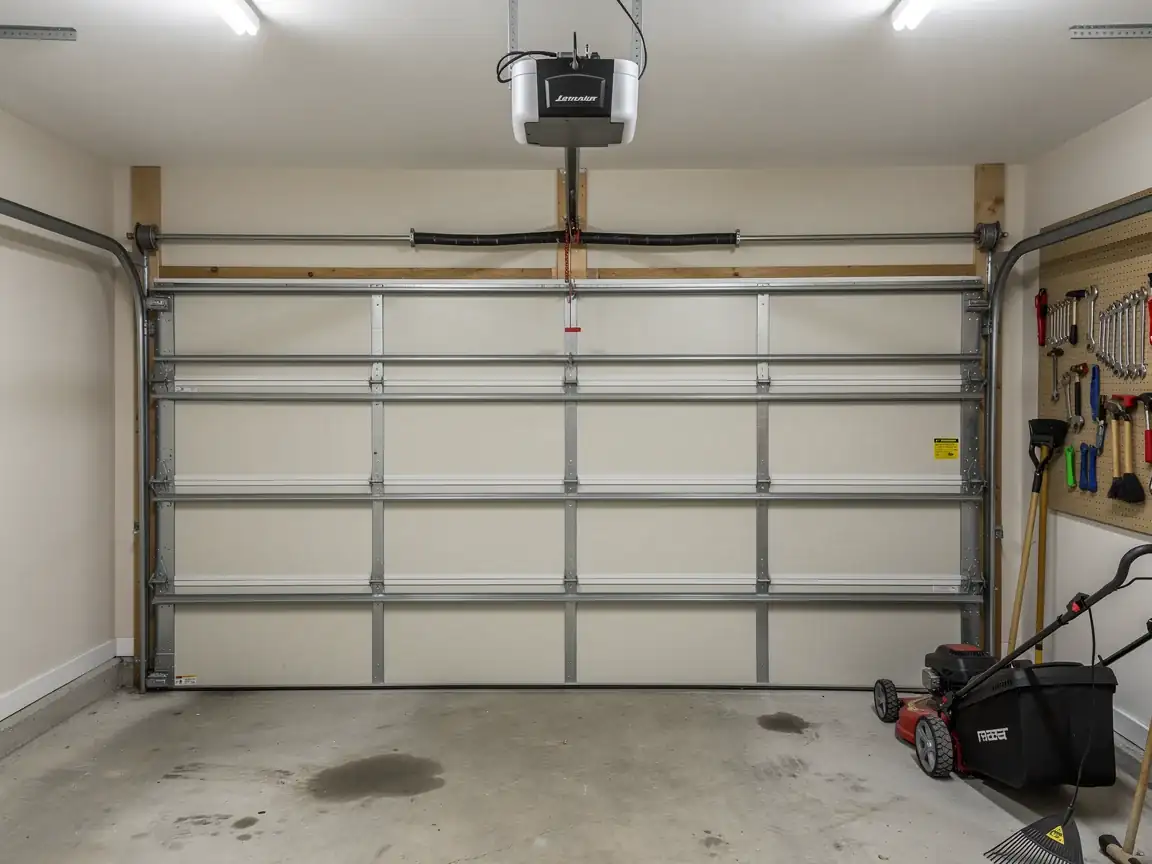
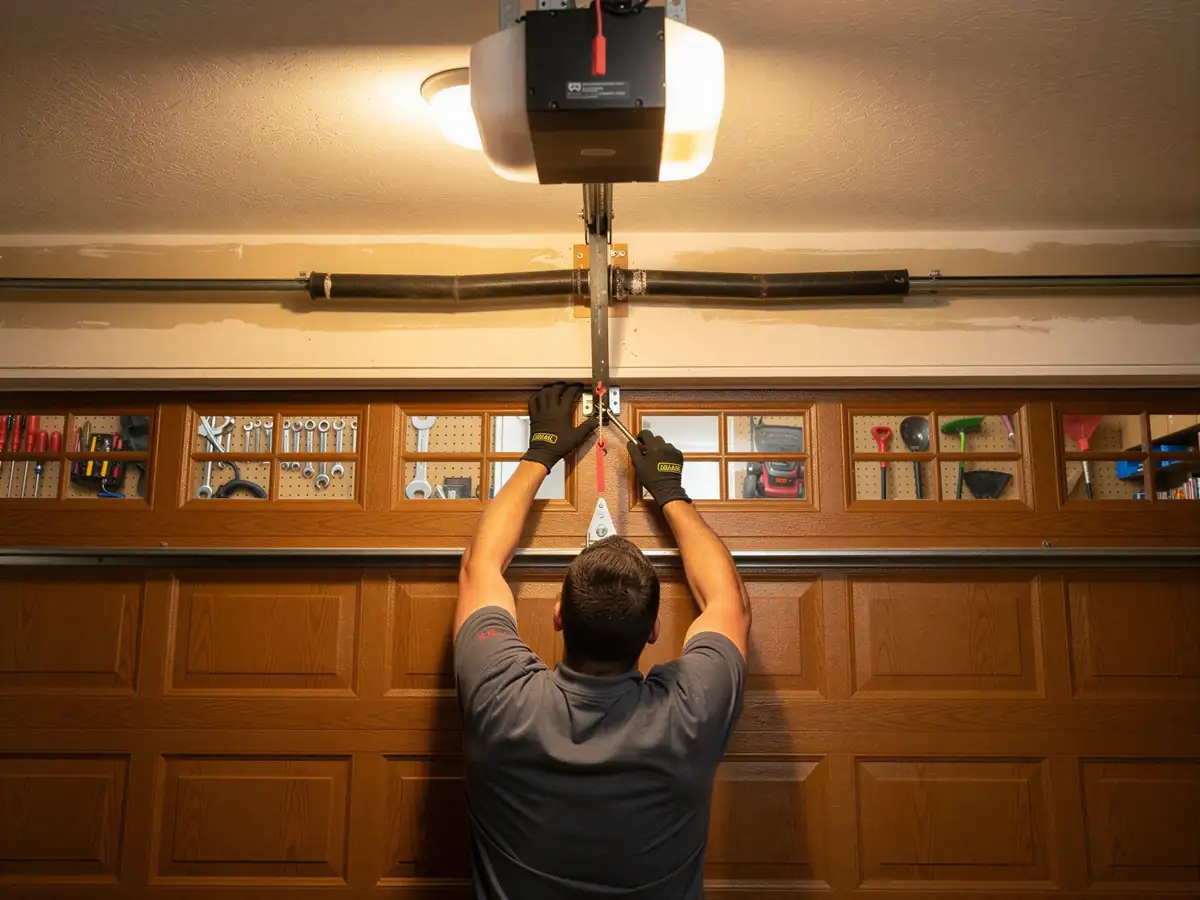
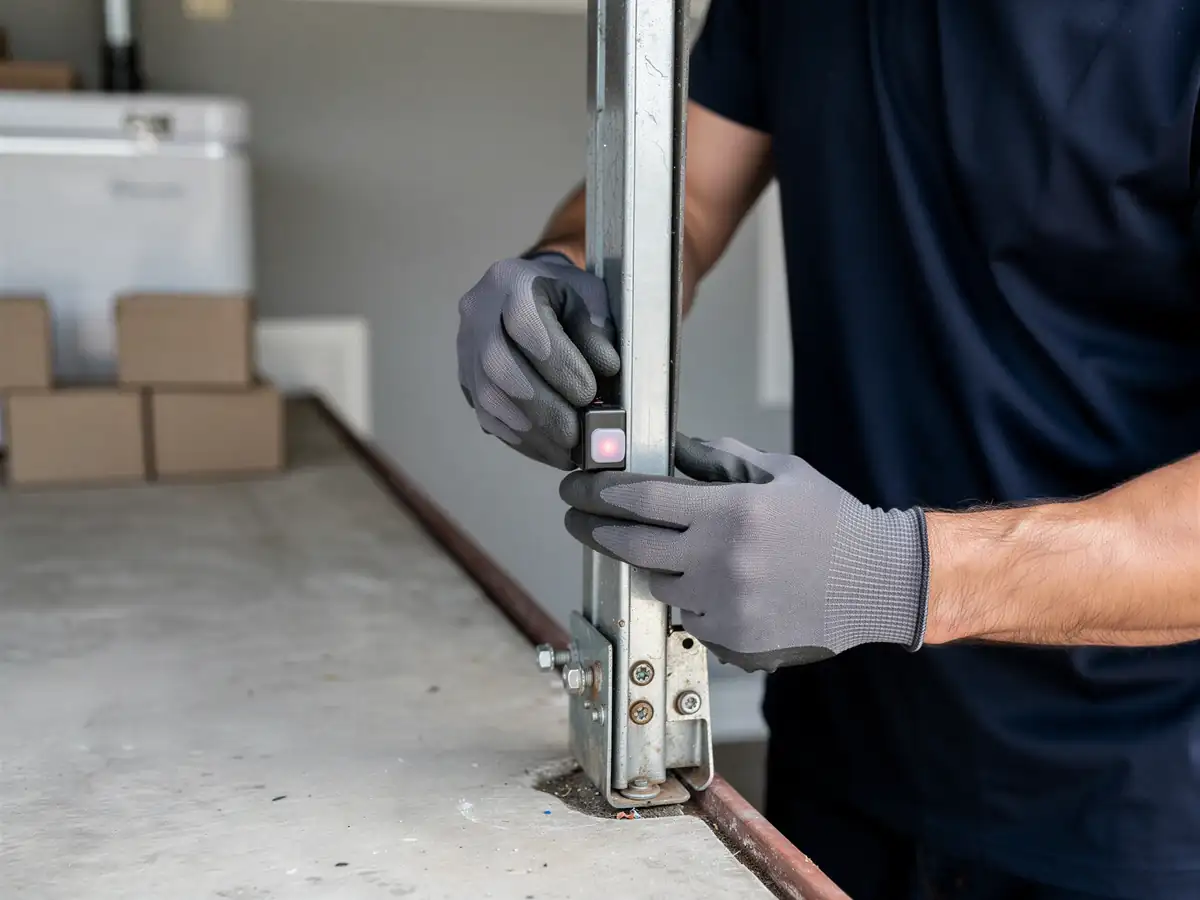
The door won't move, or it moves and reverses before it closes. The usual culprits are a stripped drive gear inside the unit, a worn-out chain or belt that's started to skip, or the safety sensors near the floor knocked out of alignment. None of that is exotic - it's what happens to any opener after enough years of daily use.
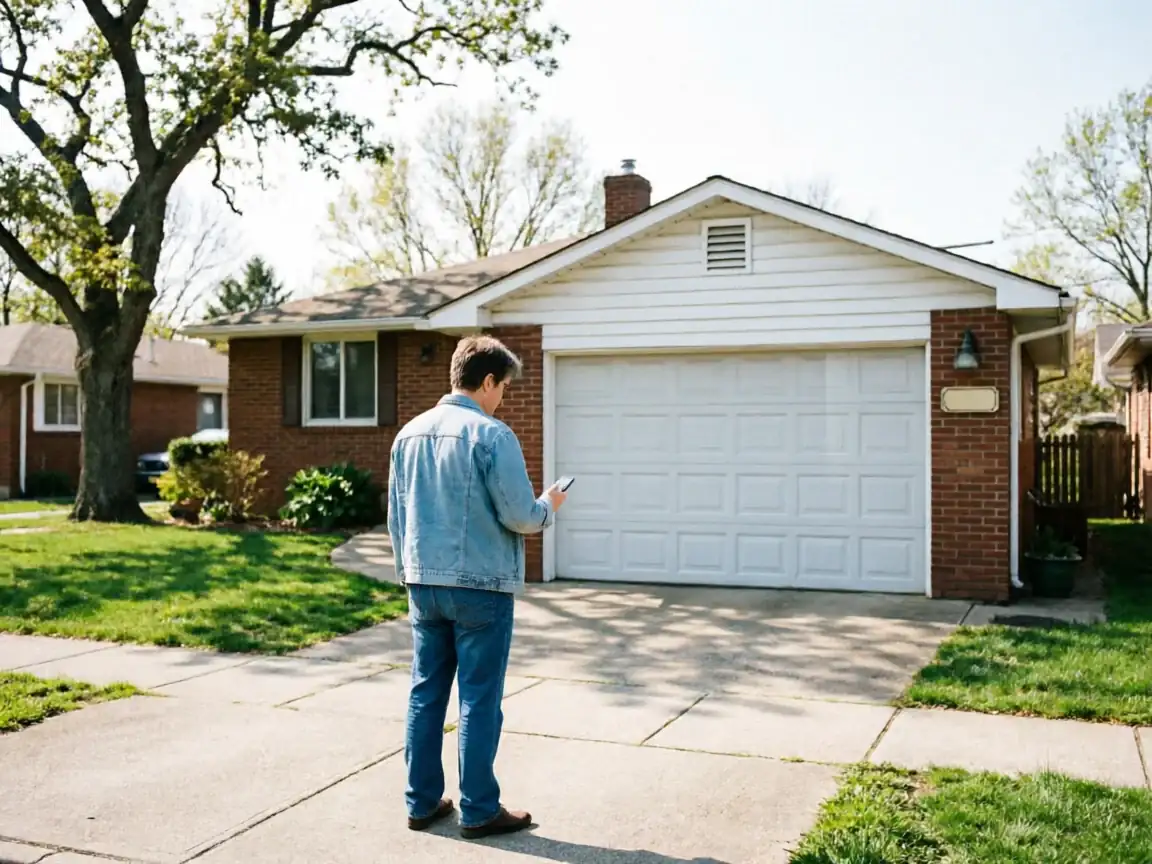
What makes St. Paul Park a little different is the age of the stock
The median house here was built around 1970, which puts a lot of these garages a decade or more ahead of the 1983 median across the wider service area. That matters for openers specifically: a house from 1970 has likely been through two or three opener generations already, and whatever's mounted on the ceiling now could be an older chain-drive model with a capacitor or circuit board that's harder to source than current parts. We check the motor, the gear, the sensors, the wiring at the wall button, and the force settings - that's the job, not a guess-and-replace.
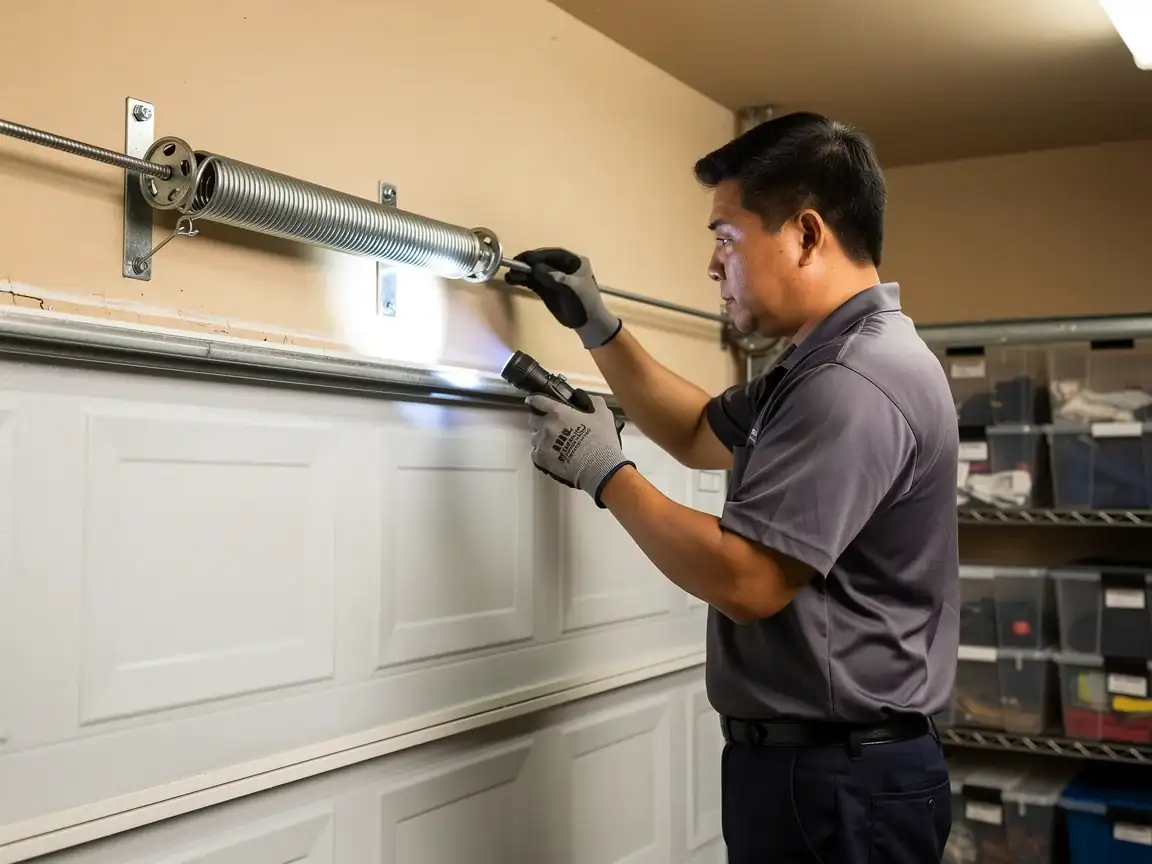
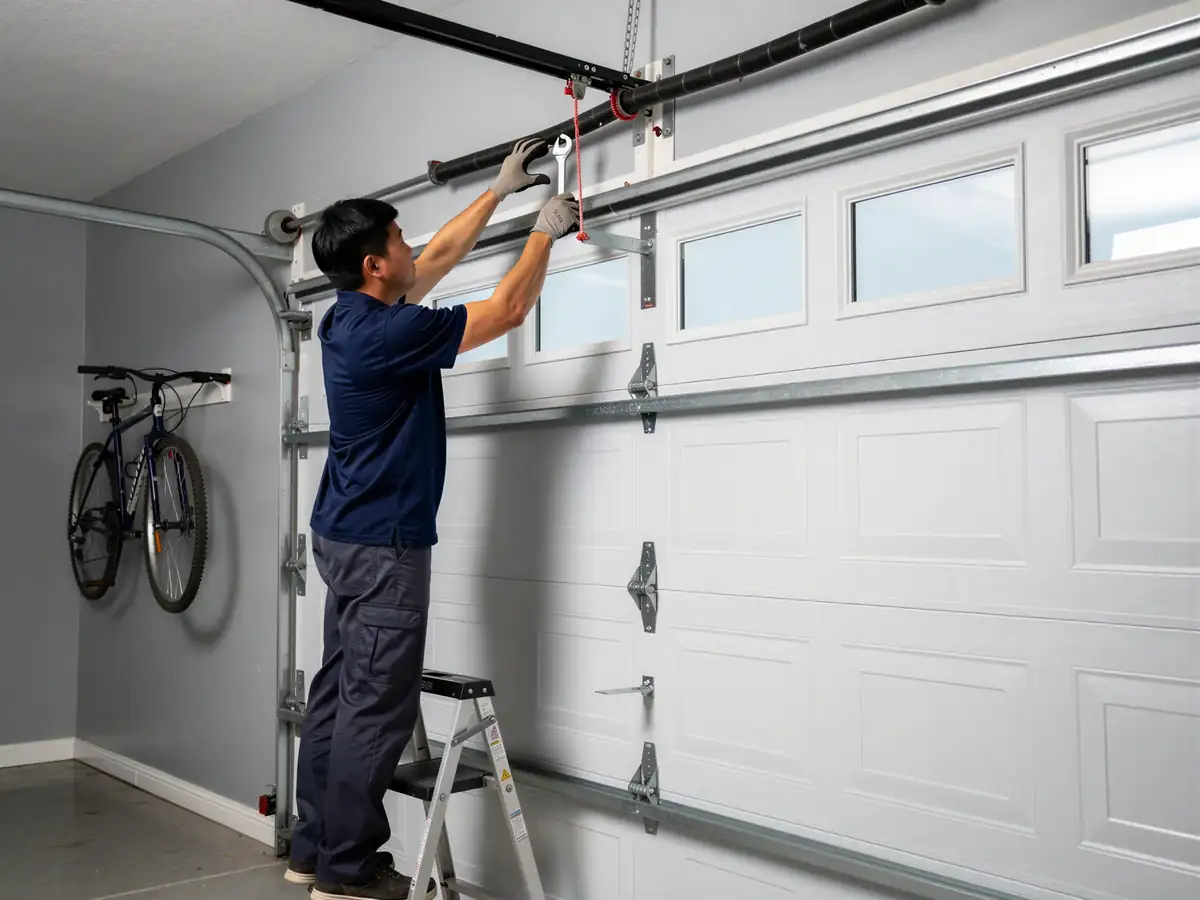
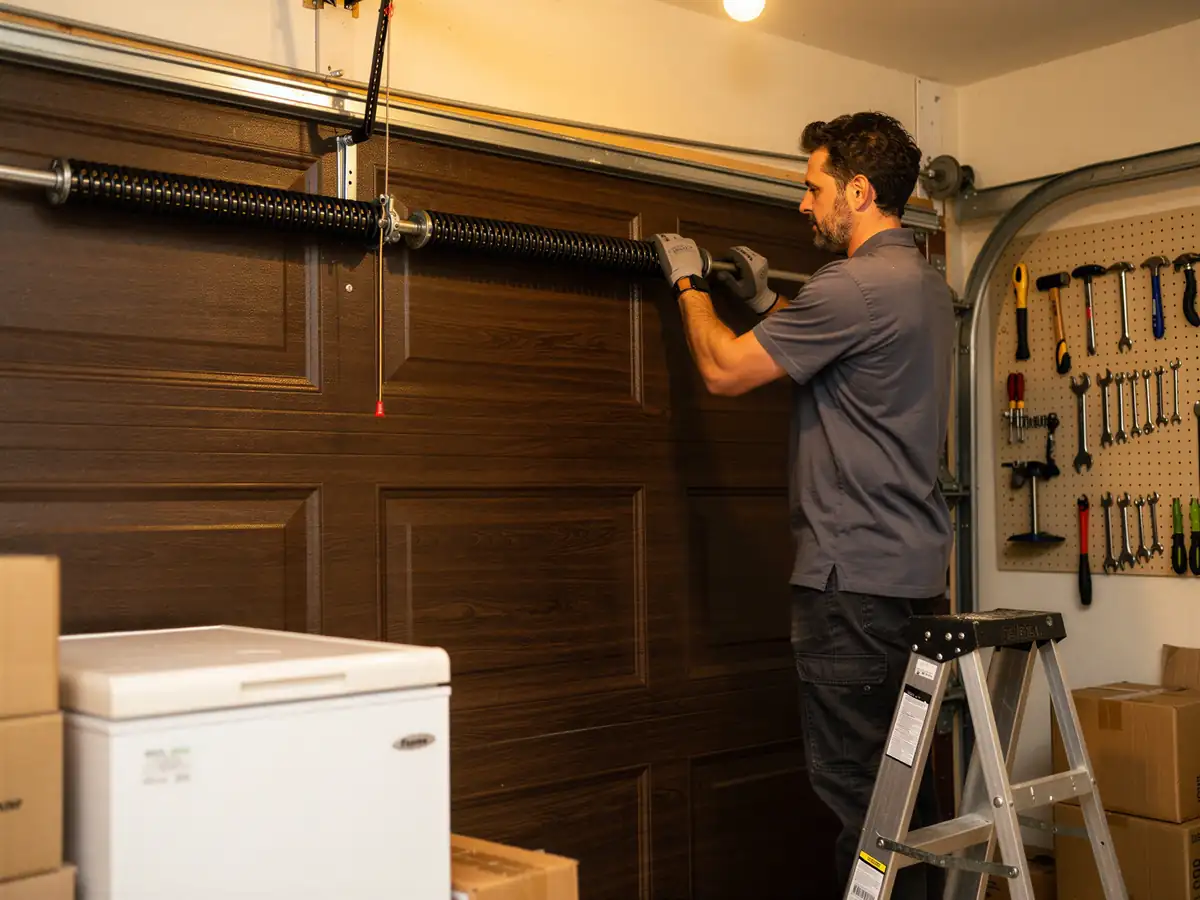
We also look at the door itself while we're up there
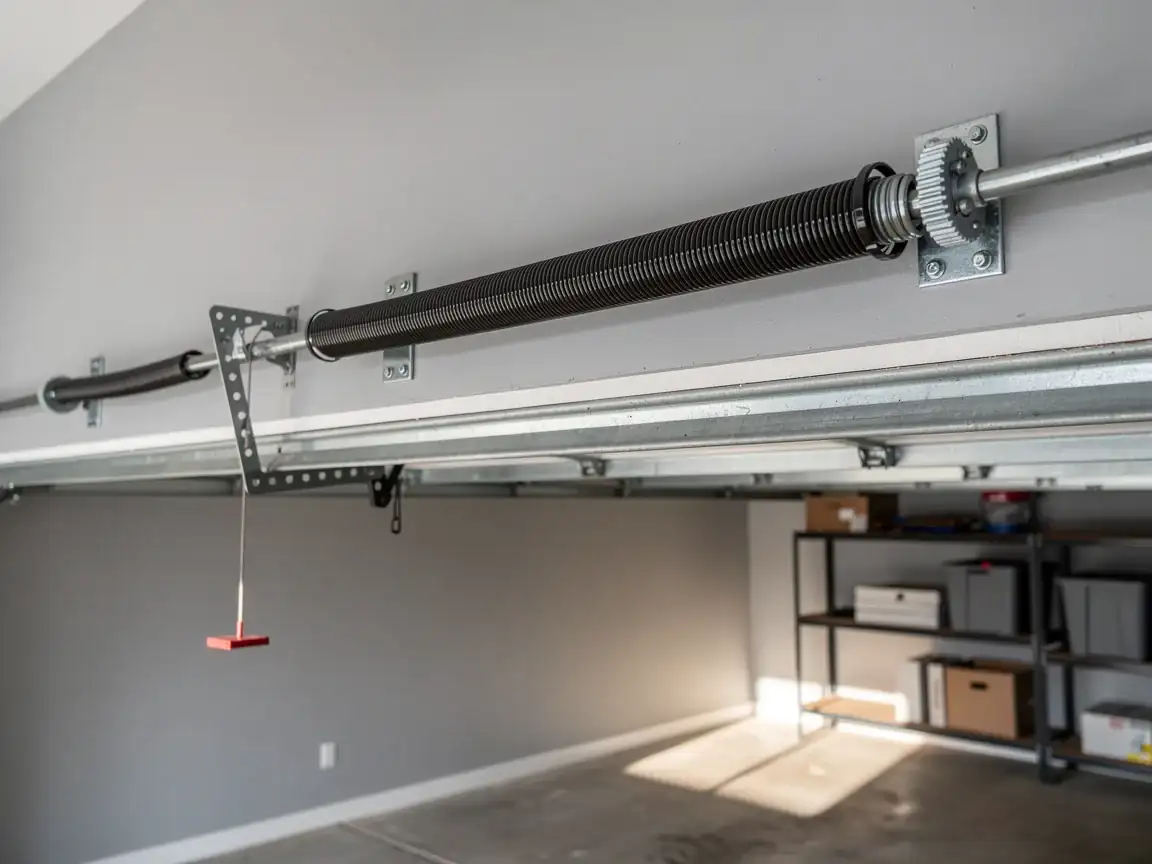
Because an opener working overtime against a spring that's lost tension will burn out faster regardless of how new the unit is.
How Long You Are Without the Door
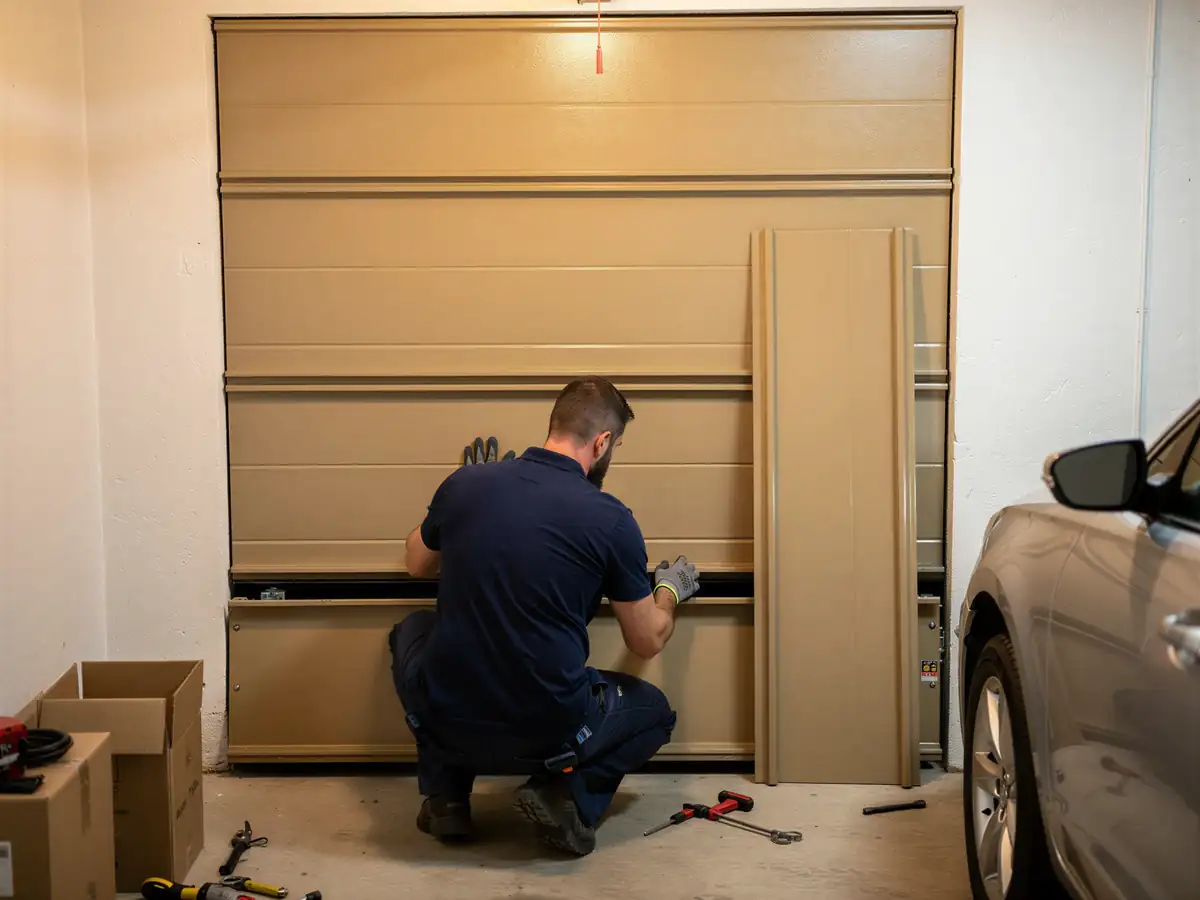
A gear or sensor repair is typically a same-visit fix once we're on-site - we carry common belt and chain-drive parts on the truck. Where it runs longer is when the opener itself needs replacing and the mounting bracket or rail doesn't match current standard kits, which comes up more often on houses from the 1970 era than on newer builds. In that case we either adapt the existing rail or you're looking at a short wait for the right hardware.
We're honest about one thing: if your opener is old enough that the manufacturer no longer makes boards for it, repair stops making sense and replacement is the better call, even though it costs more upfront. We'll tell you straight when that's the case instead of patching something that'll fail again in six months.
Booking a Visit
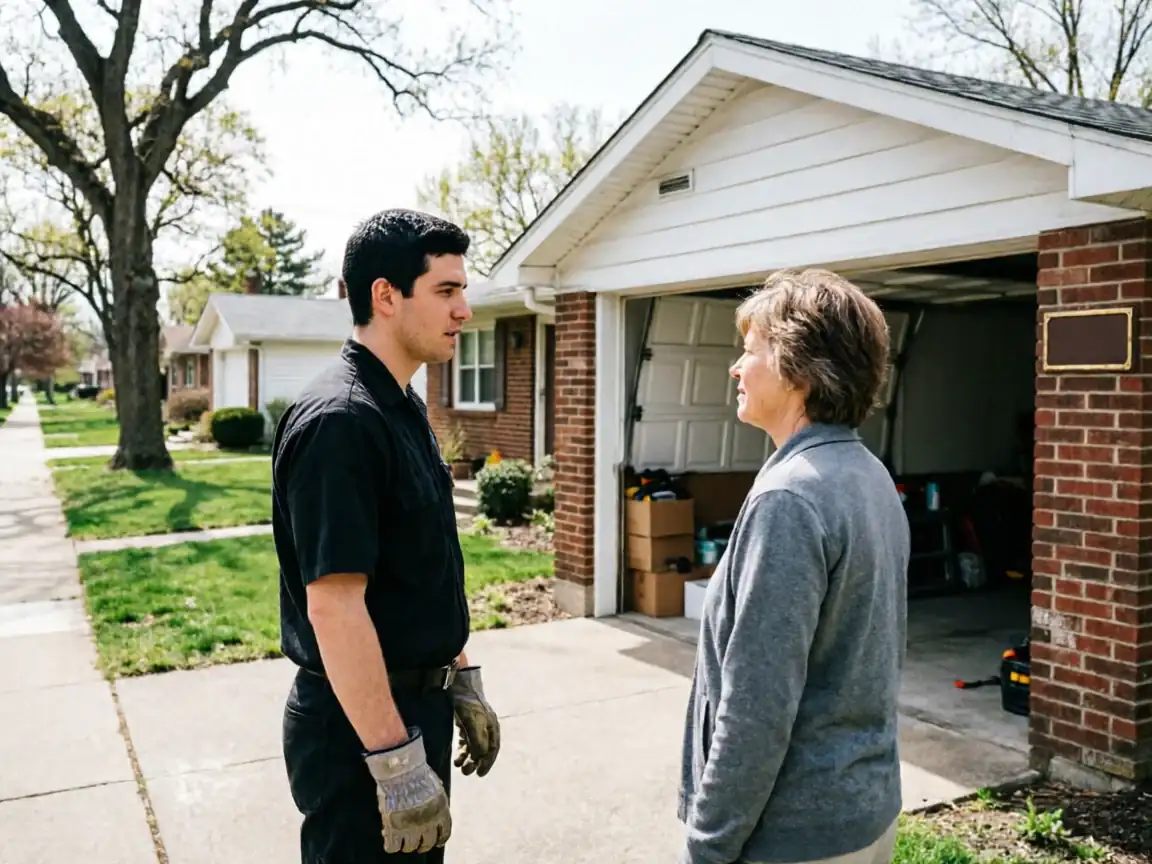
We cover St. Paul Park from our Farmington base, about 15 miles out, so a visit here gets scheduled as a dedicated trip rather than a drop-in. Call ahead and describe what the door is doing - won't open, opens partway, reverses, makes a grinding noise - and we'll bring the parts that match that symptom instead of showing up to diagnose cold.
St. Paul Park is a smaller household base than some of the areas we cover, around 2,216 households, so we're not running multiple trucks through here daily the way we might in a bigger pocket of the service area. Booking a specific day works better than expecting a same-day drop-by.
The Complications
Cold is the complication nobody budgets for
This is a cold-moderate climate zone, and opener motors and door springs both stiffen in winter - a chain-drive unit that labors all summer can seize up entirely once temperatures drop, especially if the gear was already worn. We see more opener calls in St. Paul Park in the cold months for exactly that reason.
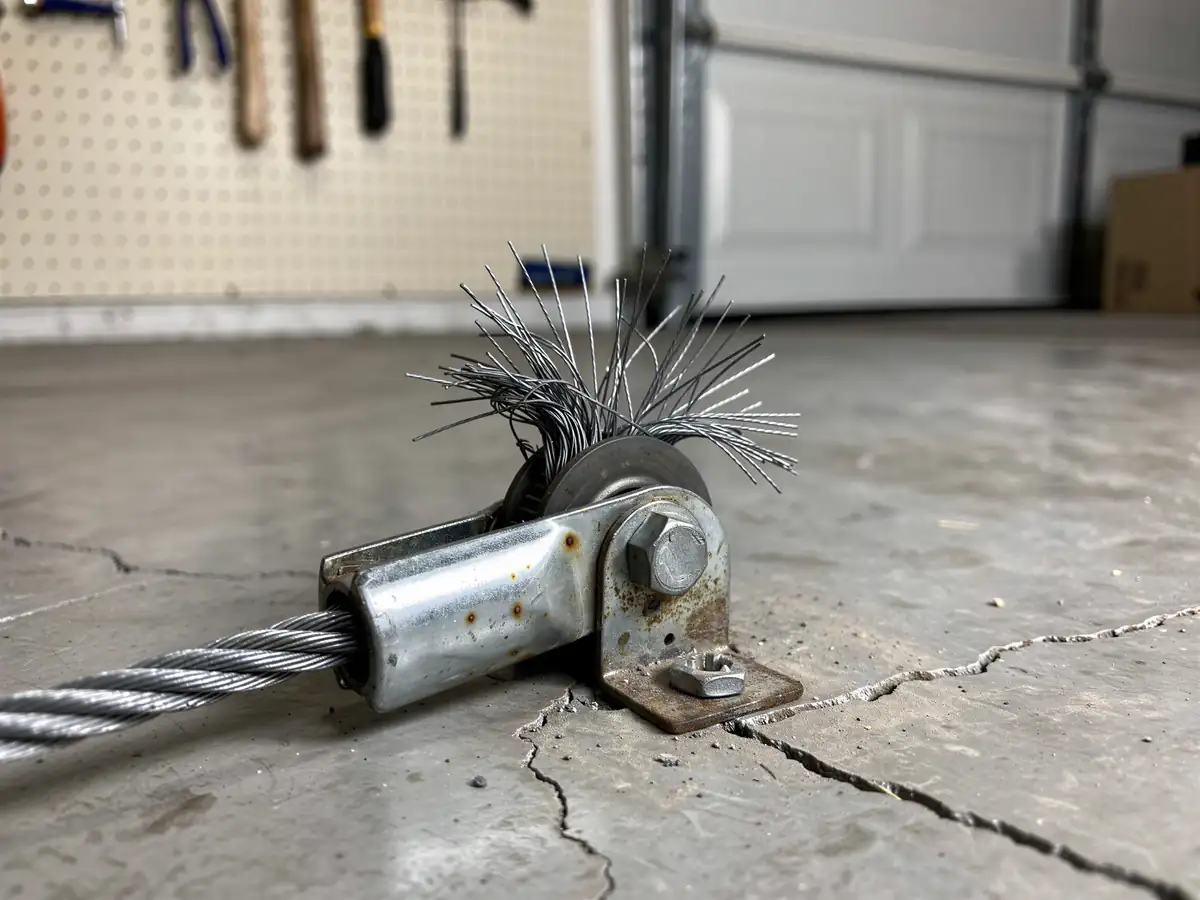
The other complication is parts availability for older units
A house built around 1970 may still have an opener from decades back, long after the original manufacturer stopped stocking boards and logic circuits for it. When that happens, we don't pretend a universal part will work cleanly - we tell you it's a replacement job, not a repair, and we price it that way. Median household income in the broader service area runs close to $93,077, and St. Paul Park itself runs a bit higher at $98,670, which generally means replacement is a realistic option here rather than a hardship call, but we still lay out both choices before we touch anything.