What the Fix Involves
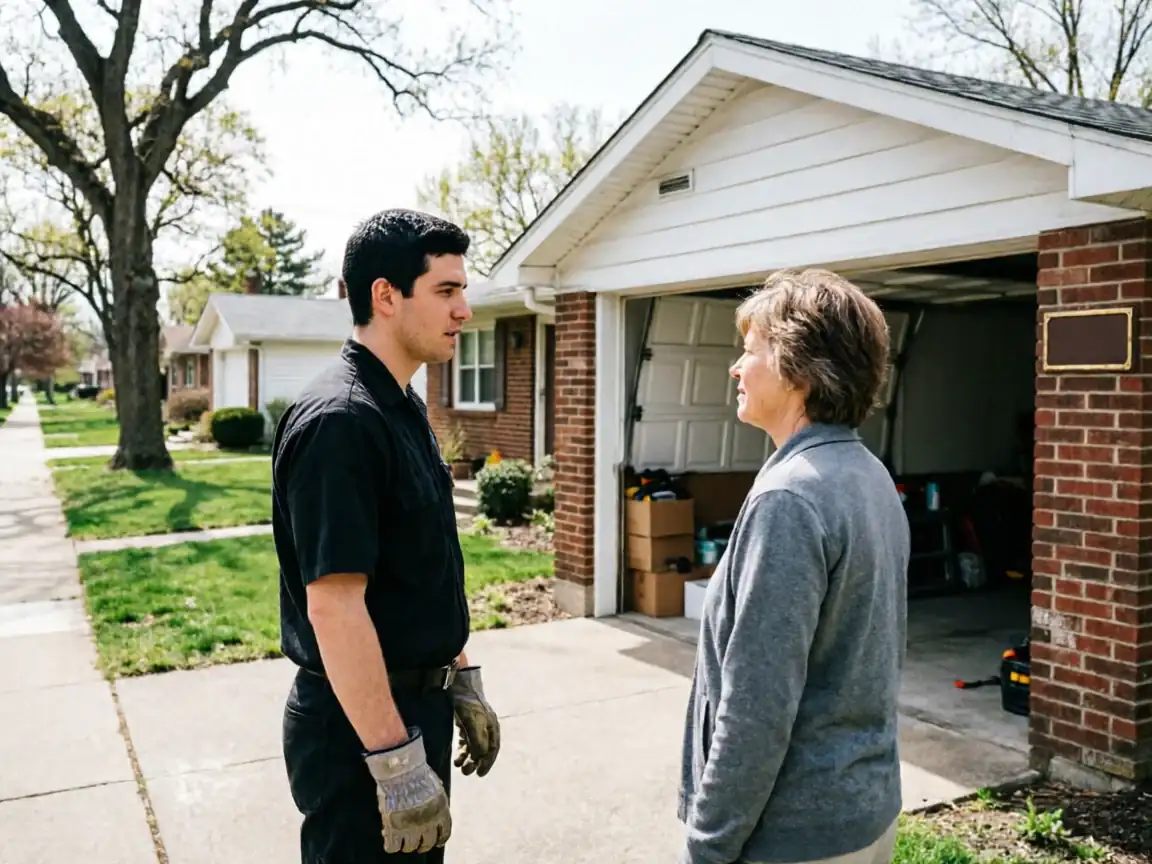
We run the truck out to St. Paul Park from our Farmington base
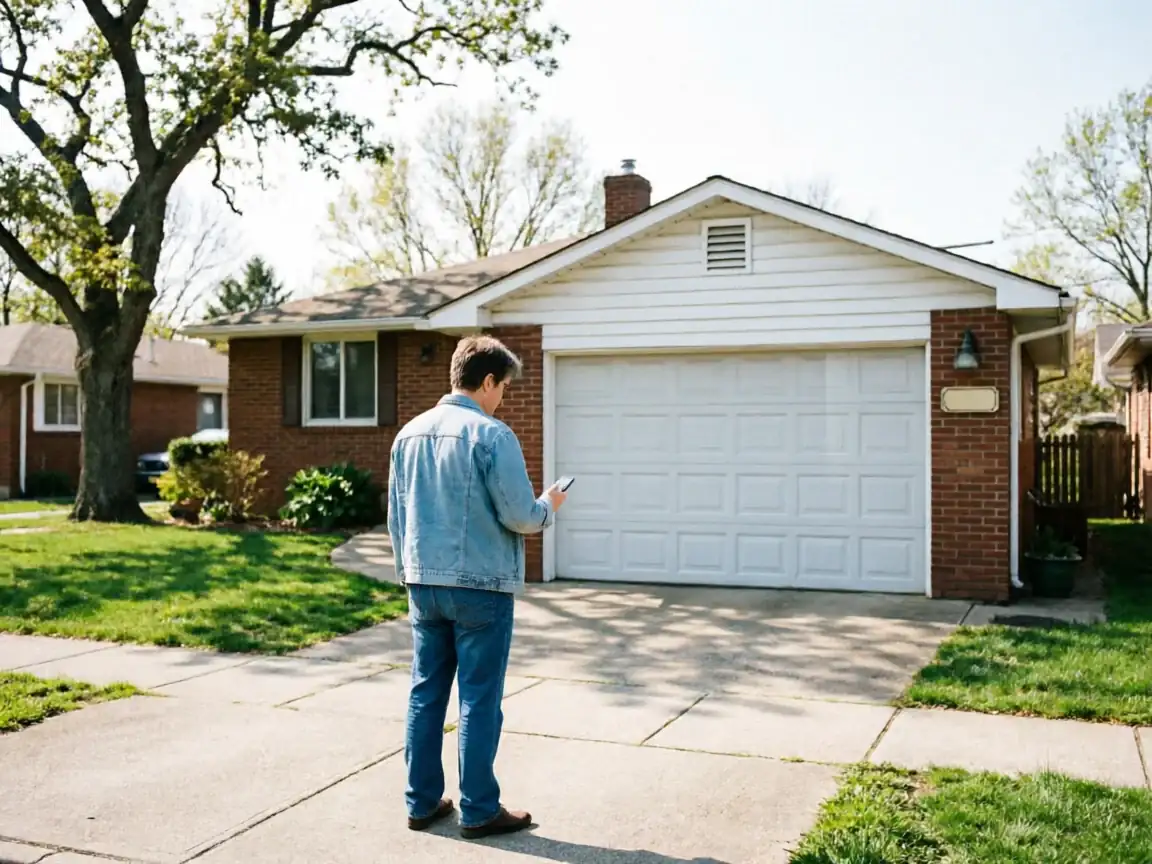
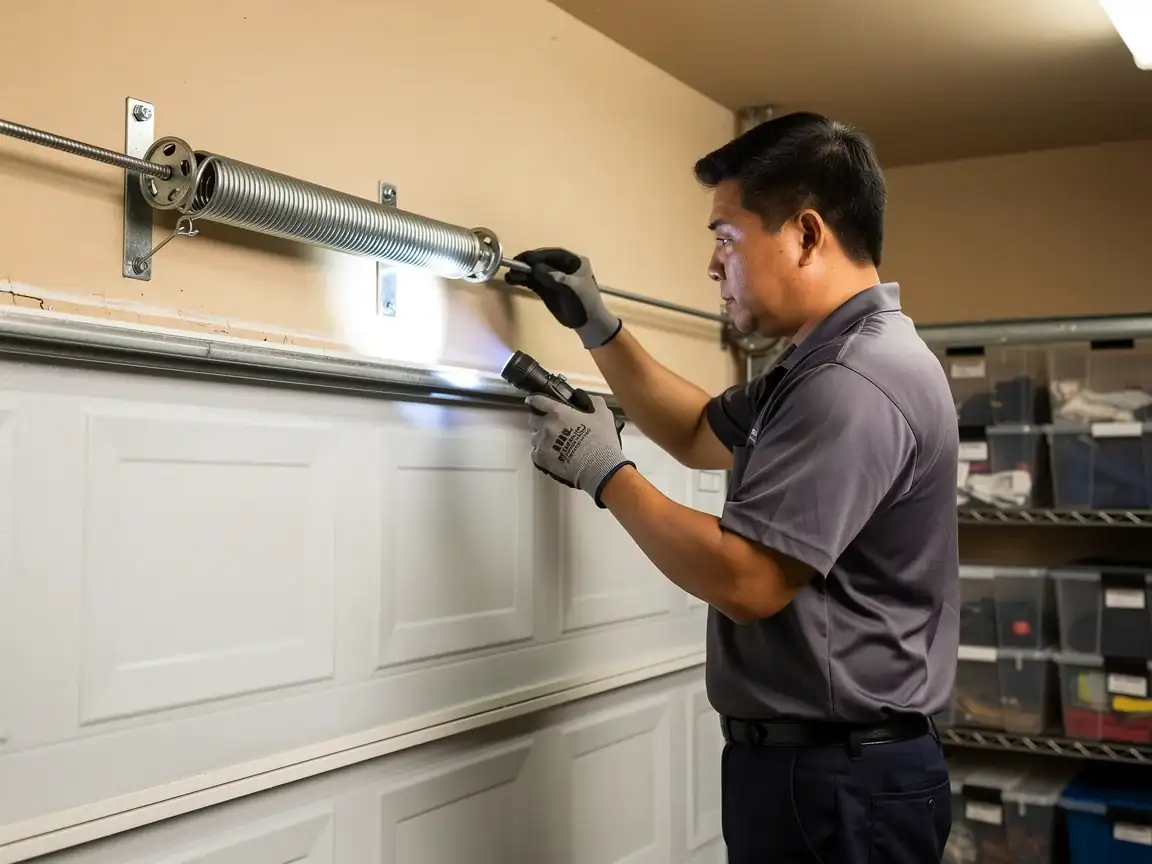
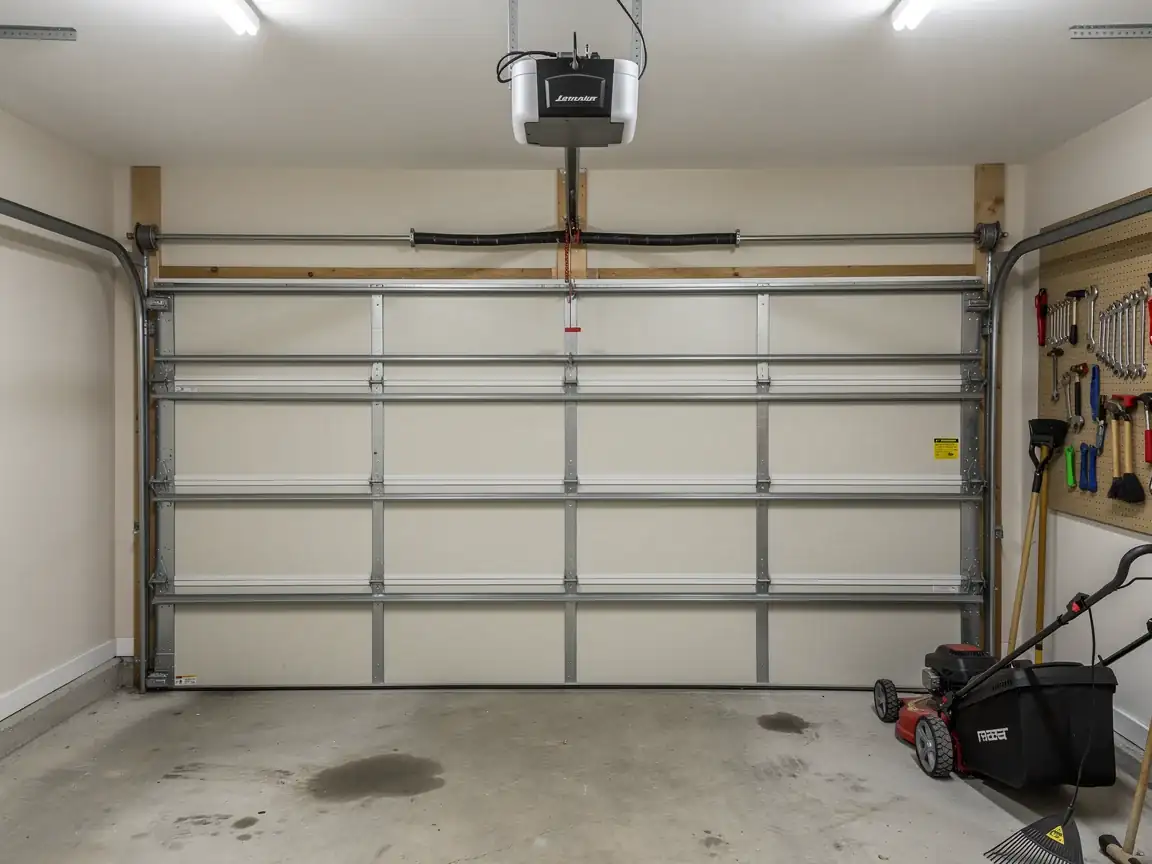
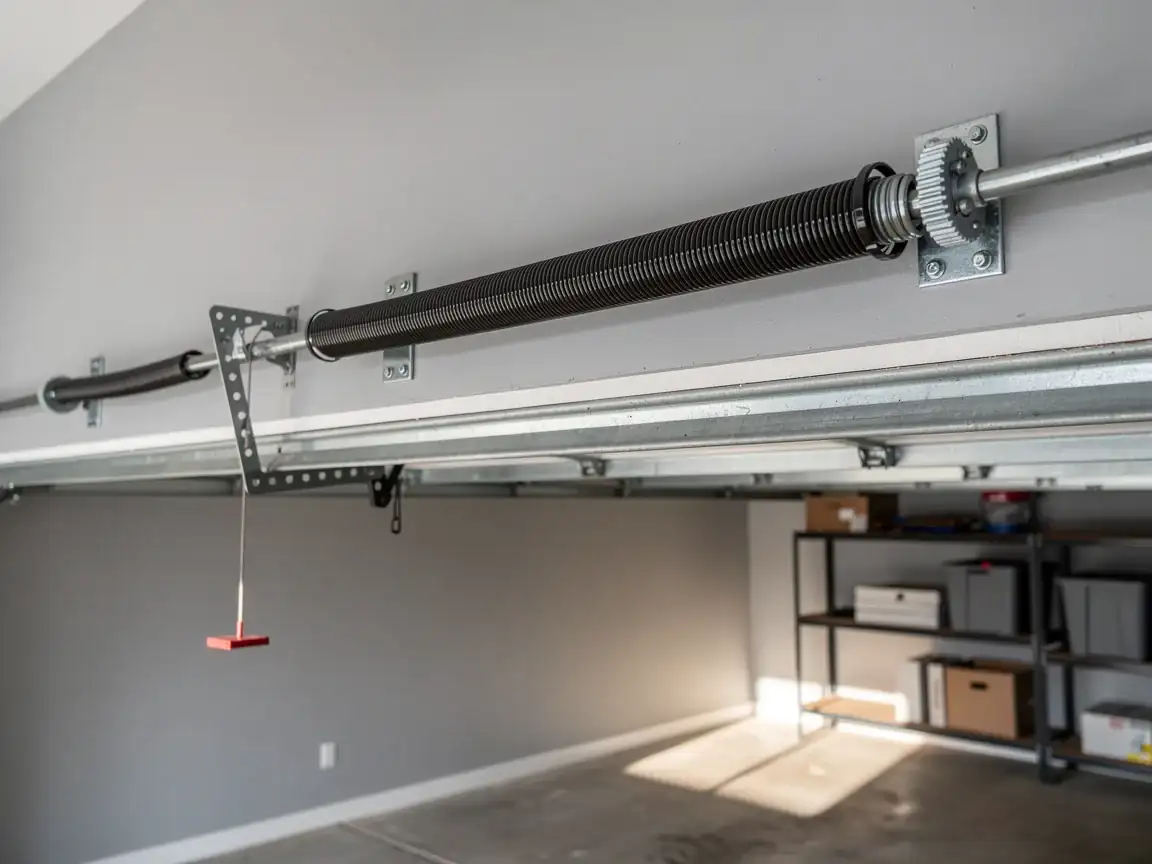
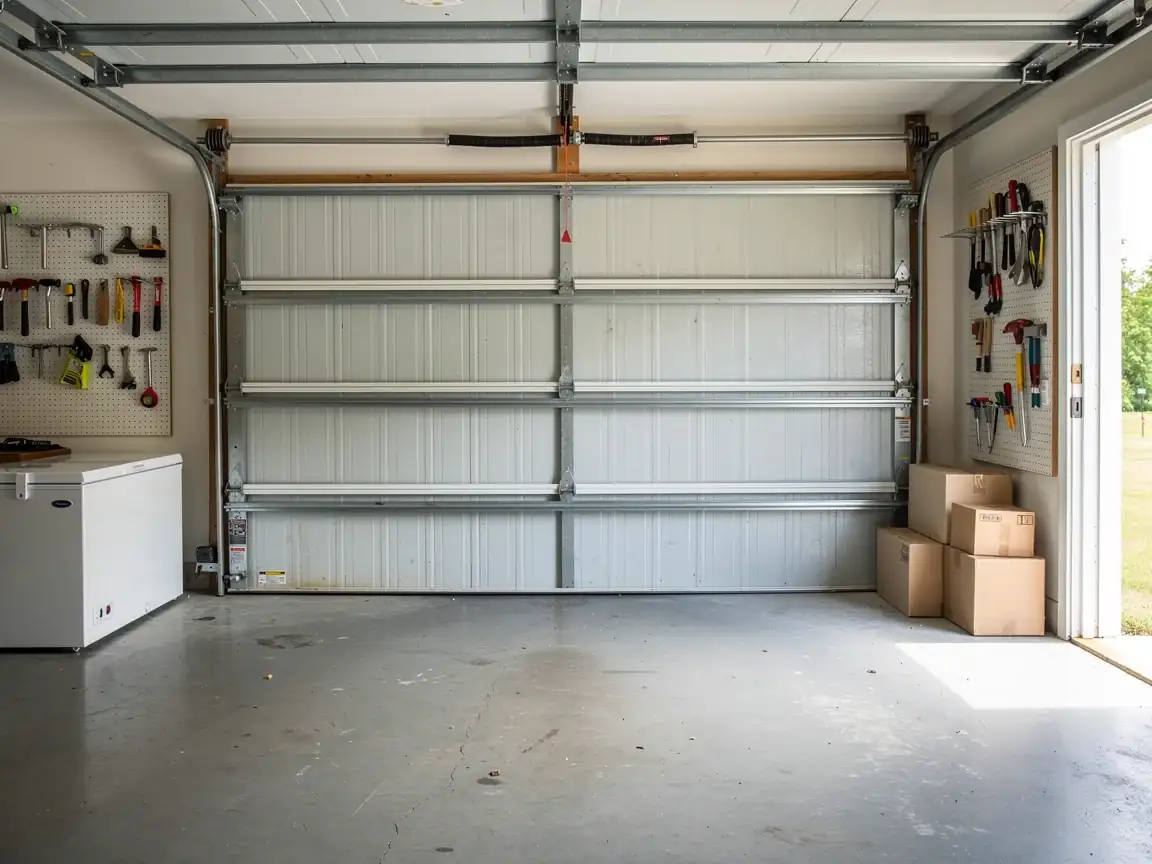
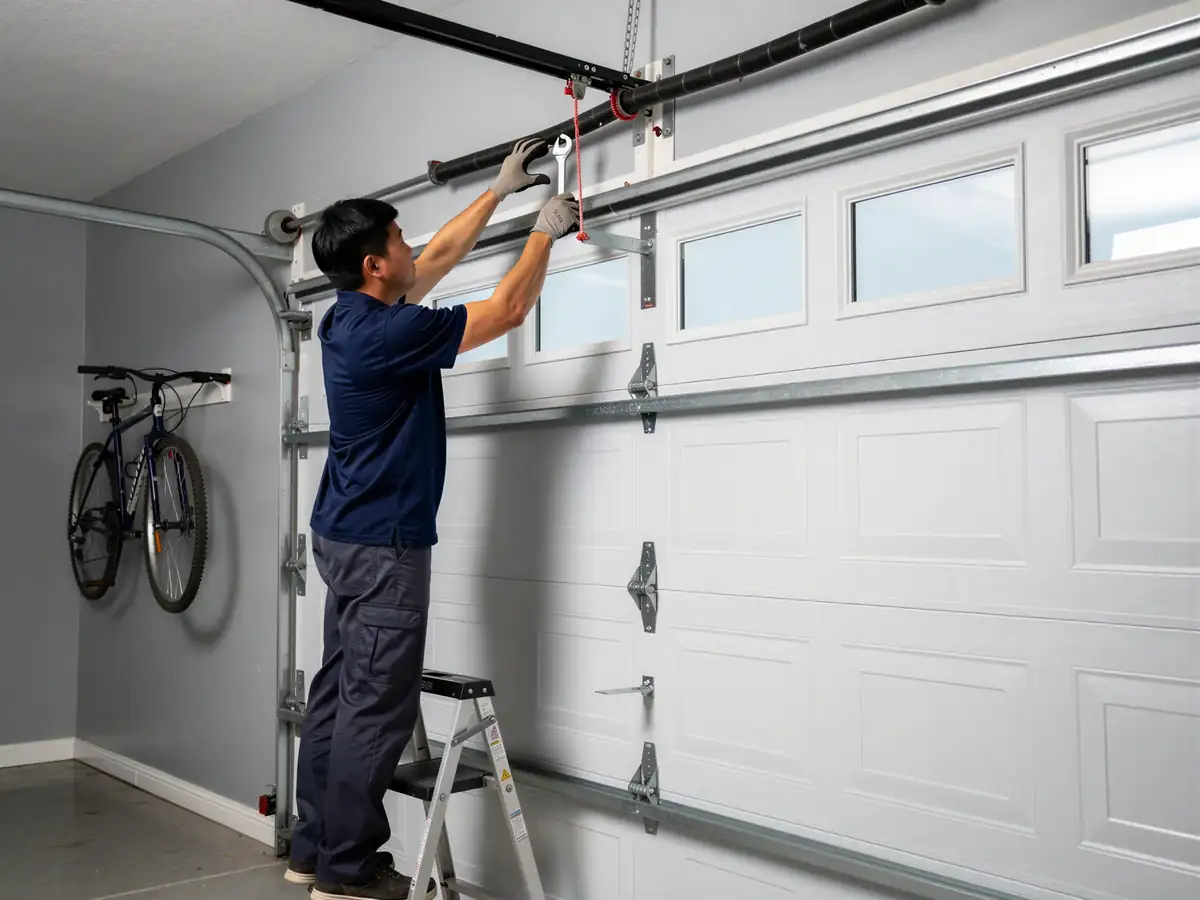
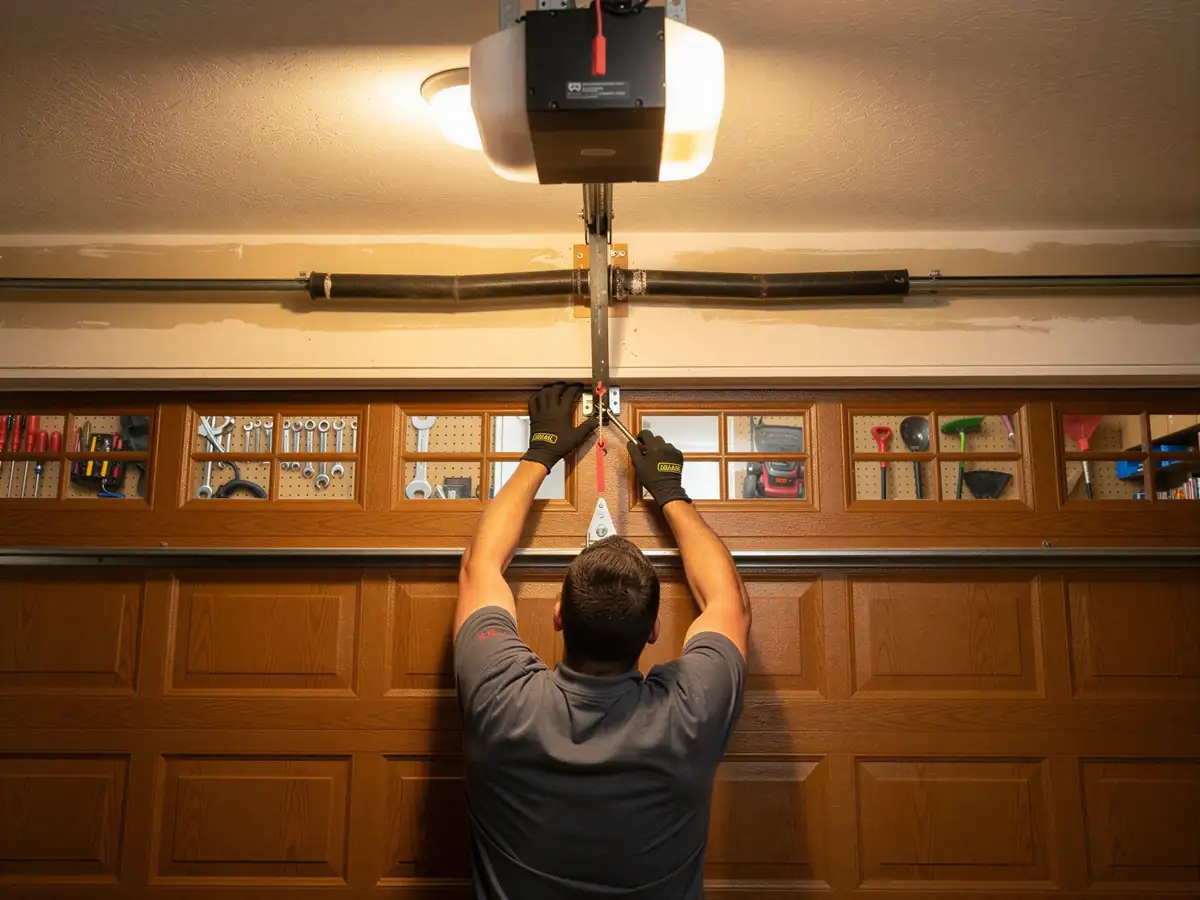
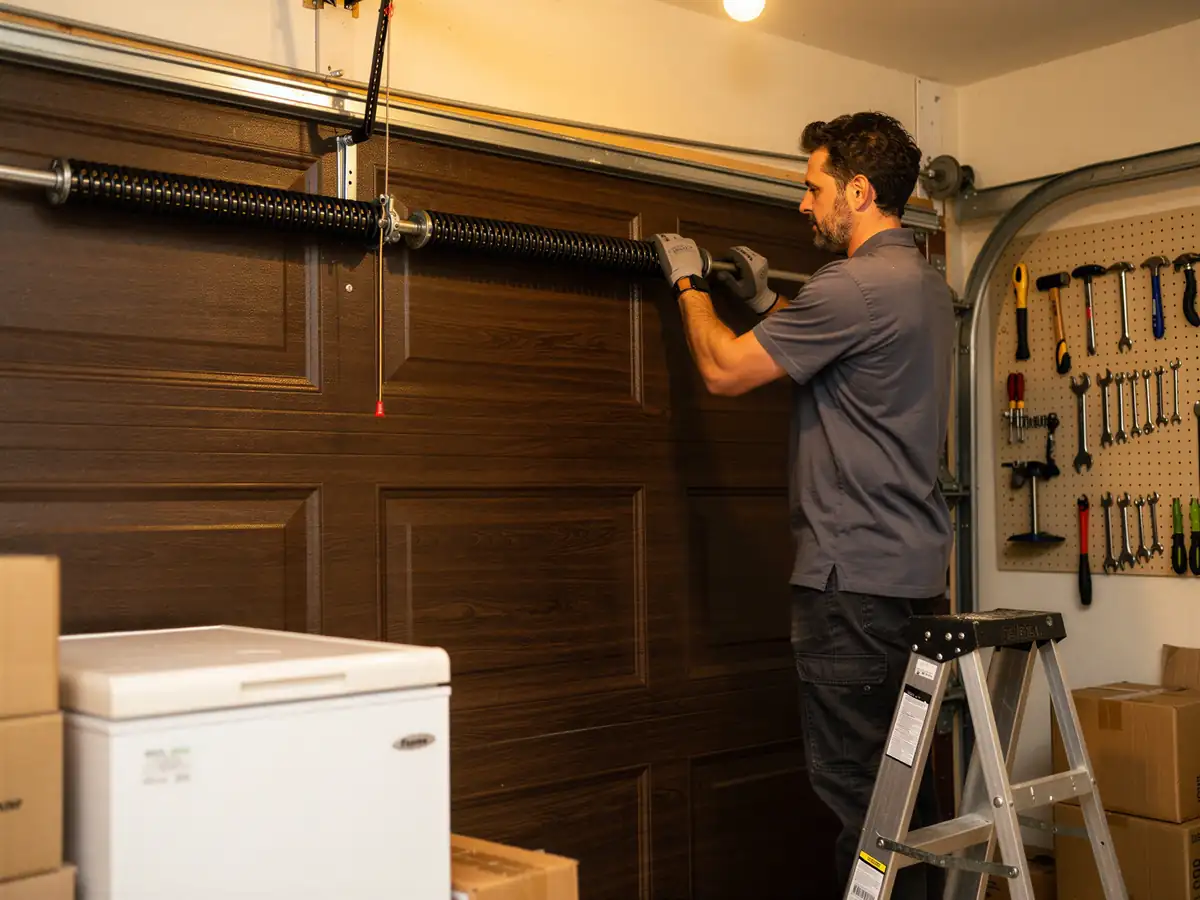
A 15-mile drive that shapes how we plan the job before we leave the shop. On a call like this, we're not guessing what's in the bay - we load the van with what the housing era tells us we'll need. Most of St. Paul Park's homes went up around 1970, which puts the town ahead of the broader service area's median build year of 1983 (the wider territory runs 1955 to 2004). That matters for hardware. A door installed in 1970 almost certainly came with torsion spring hardware rather than the older extension-spring setups, but after five decades those original torsion springs are well past their rated cycle count, even if nobody's touched them.
What we actually find varies
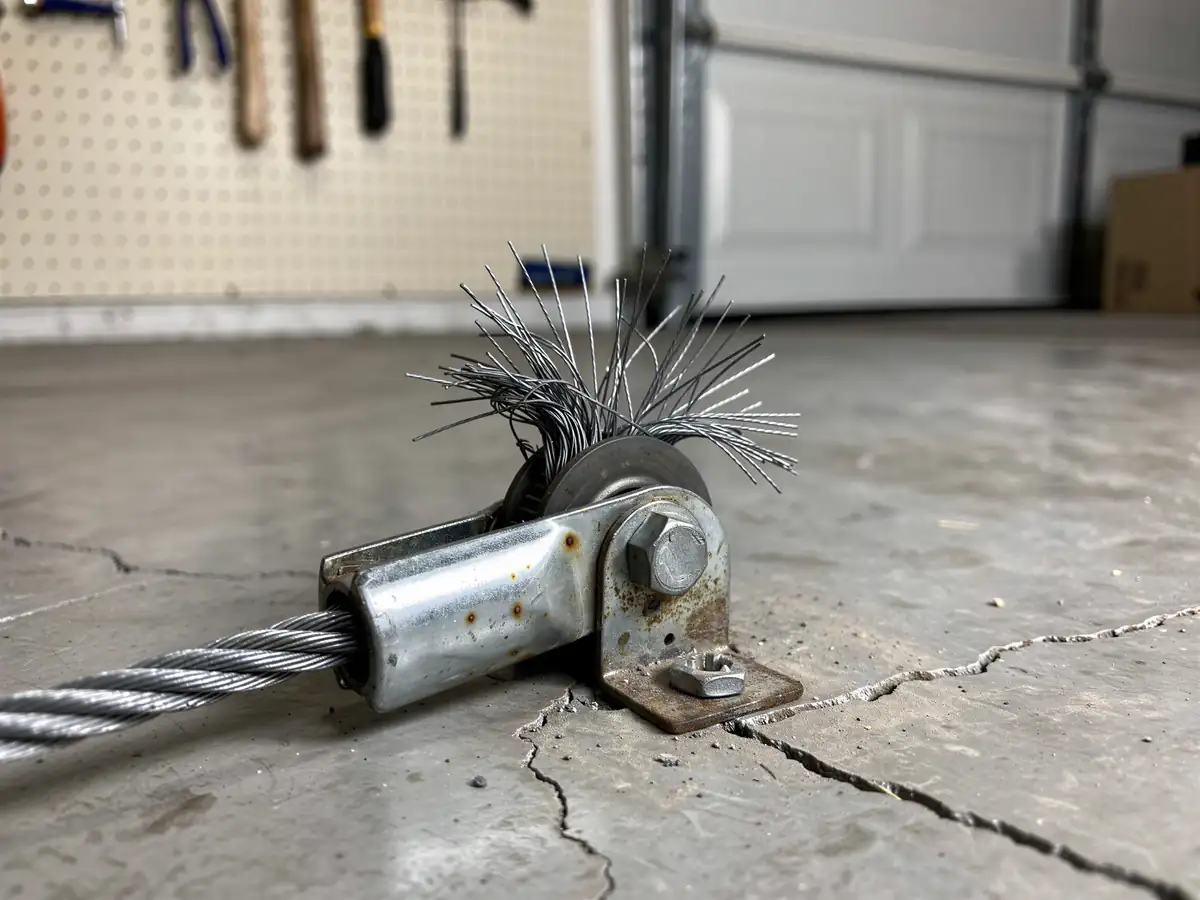
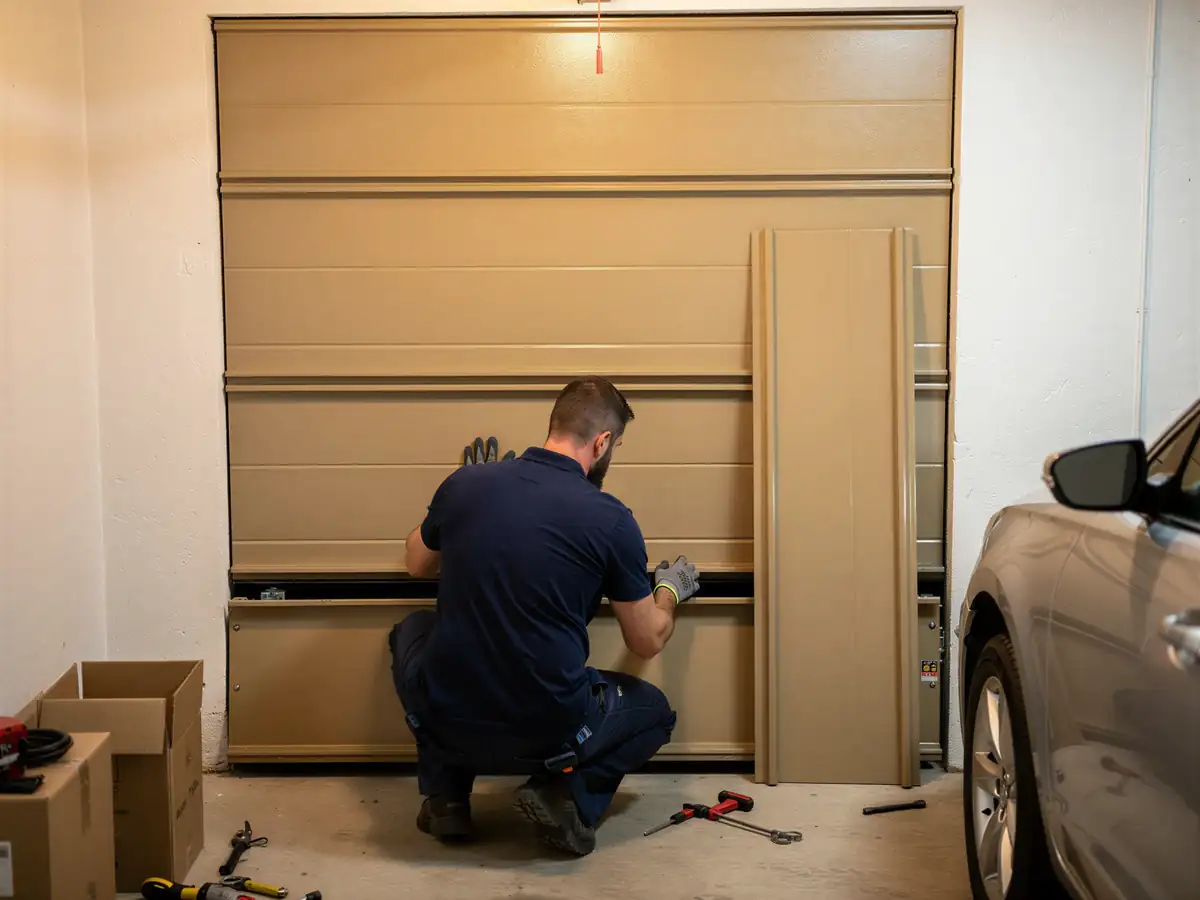
A spring that's been replaced once already with a mismatched wind, an opener bolted on later that doesn't match the door weight, or original hardware that's simply tired. Because we're driving in rather than working from a local yard, we bring spring stock sized for the common torsion setups this era uses, plus the usual rollers, cables, and hinges. If a job needs a part we didn't anticipate - an odd-length track section, say - that's a second trip, not a guess made on-site with the wrong size.
How Long You Are Without the Door
Most spring and cable jobs on a 1970-era torsion door close out in a single visit once the truck is on-site - the work itself is an hour or two for a trained hand. The variable isn't the repair, it's the drive. Fifteen miles each way means scheduling has to account for travel time on both ends, so a same-day call placed in the morning has a better shot at an afternoon fix than one placed after lunch.
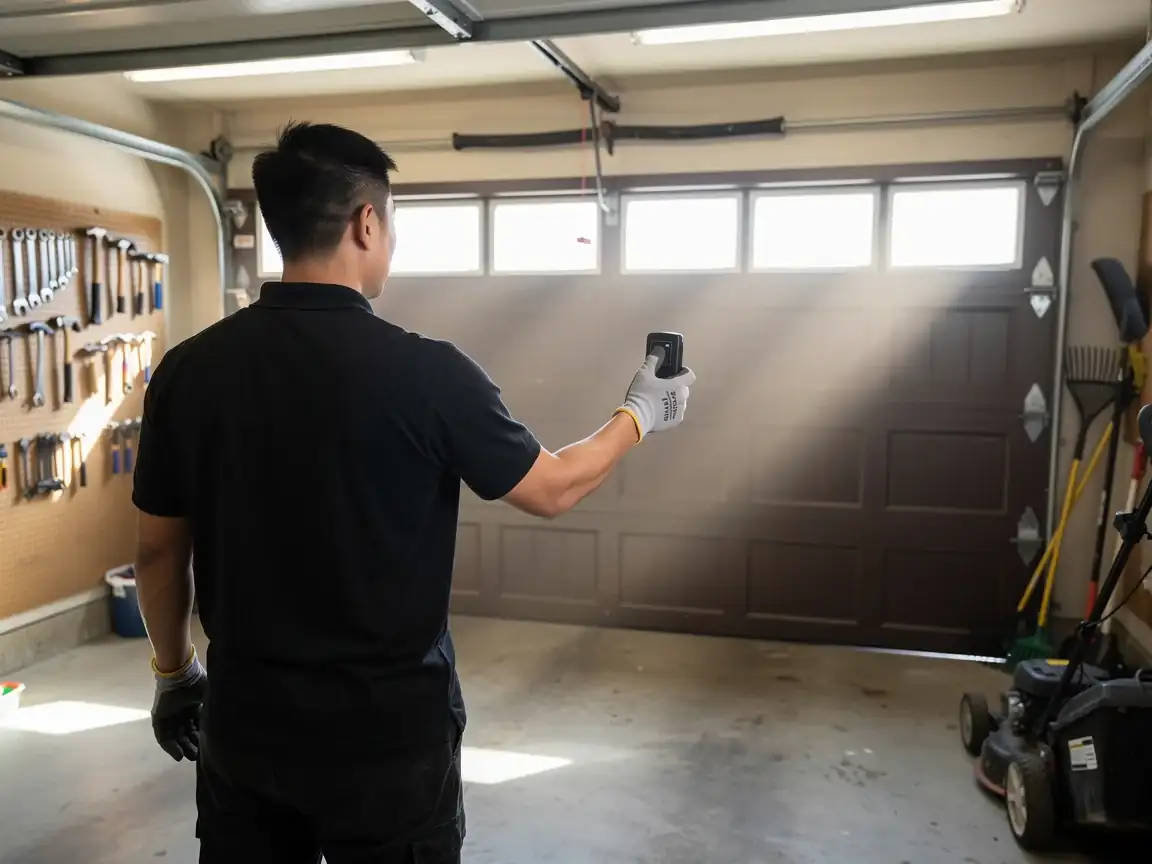
If the opener itself is the problem rather than the door hardware, diagnosis can take longer, since a dead opener and a binding track can look identical from inside the house. We'd rather spend ten extra minutes confirming which one it is than replace a part that wasn't broken. Parts we don't carry standard - certain opener logic boards, for instance - mean a return trip, and we'll tell you that up front rather than string the first visit out.
Booking a Visit
Tell us the door's approximate age when you call - if your house was built close to 1970 like most of the neighborhood, say so, since it points us toward torsion hardware before we've even seen the garage. St. Paul Park has roughly 2,216 households, and a fair number of them are sitting on original or first-generation replacement hardware from that same build era, so this isn't a rare call for us even without a local yard.
Because the visit comes out of Farmington, we ask for a bit more lead time than a next-door job would need, and we'll give you a window rather than an exact minute. Weekday mornings tend to route more easily than late afternoons. If you can send a photo of the spring or the opener label when you book, it saves a diagnostic step on arrival.
The Complications
St. Paul Park sits in the same cold-moderate climate band as the rest of the territory
And that cold does specific things to a door this age. Steel contracts in low temperatures, which tightens tolerances on tracks that were already slightly out of plumb from fifty years of settling. A door that rolls fine in August can bind in January on the same hardware - not because anything broke, just because the gap closed up.
The honest limitation
If the torsion spring on a door this old has never been replaced, we're not going to patch around it. Re-tensioning a fifty-year-old spring to buy another season usually costs more in a return visit than replacing it now, and a spring that lets go under load can do real damage to a cable drum or a knuckle. We'll say so rather than charge you twice for the same problem. Household income in St. Paul Park runs toward $98,670, which doesn't change the physics of a worn spring, but it does mean most owners here choose the straight replacement over a stopgap once we explain the trade-off.