What the Fix Involves
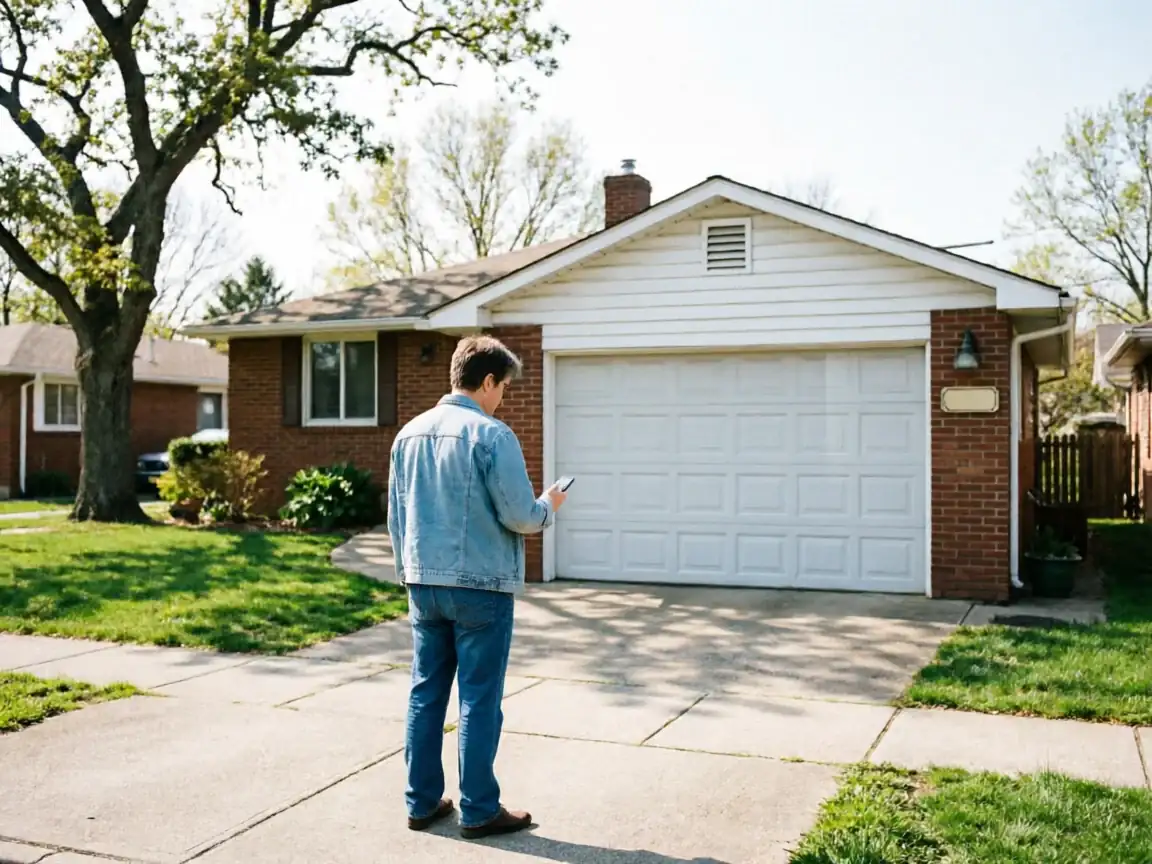
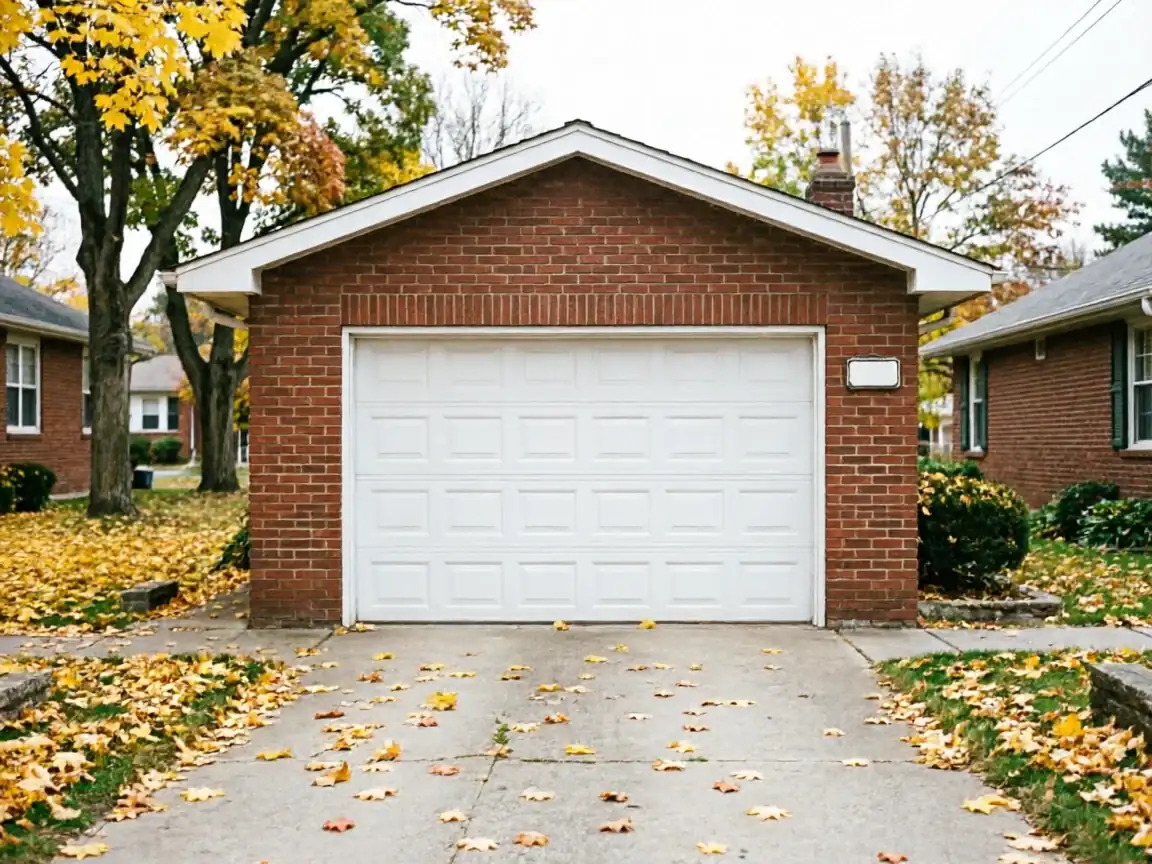
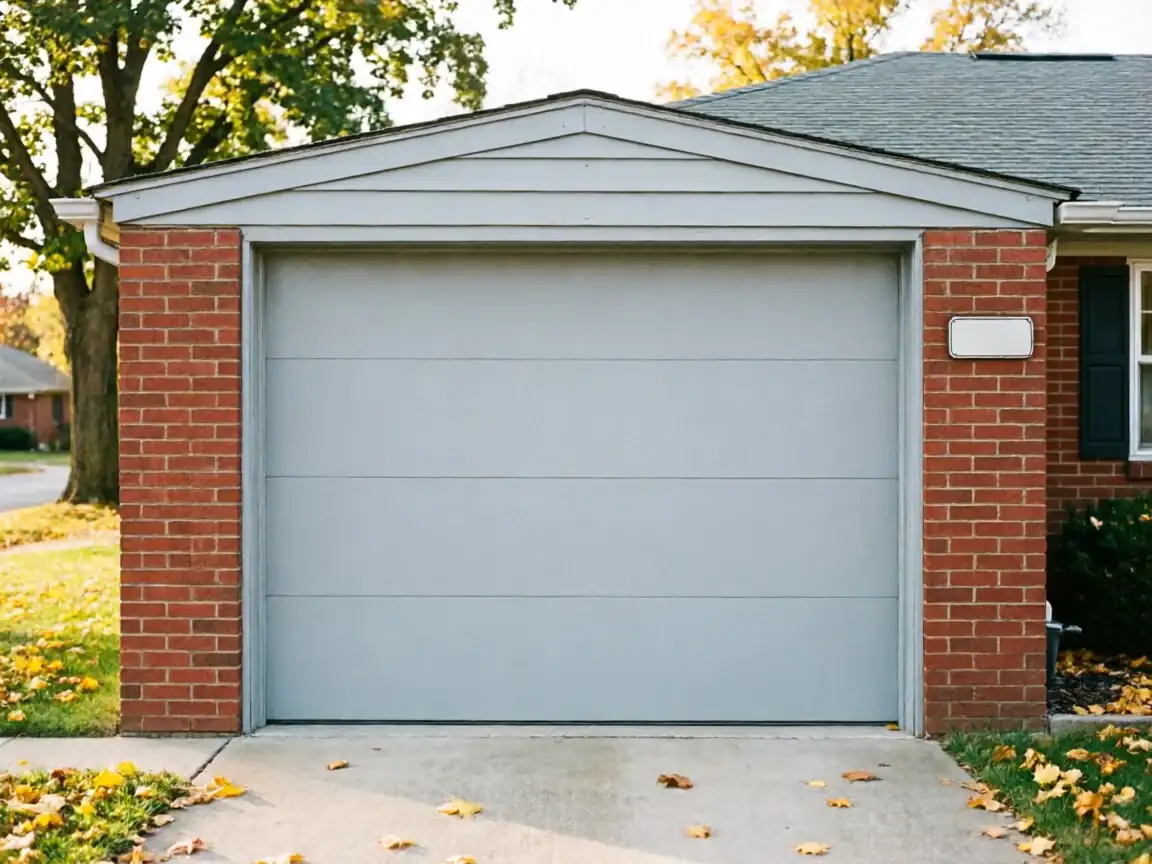
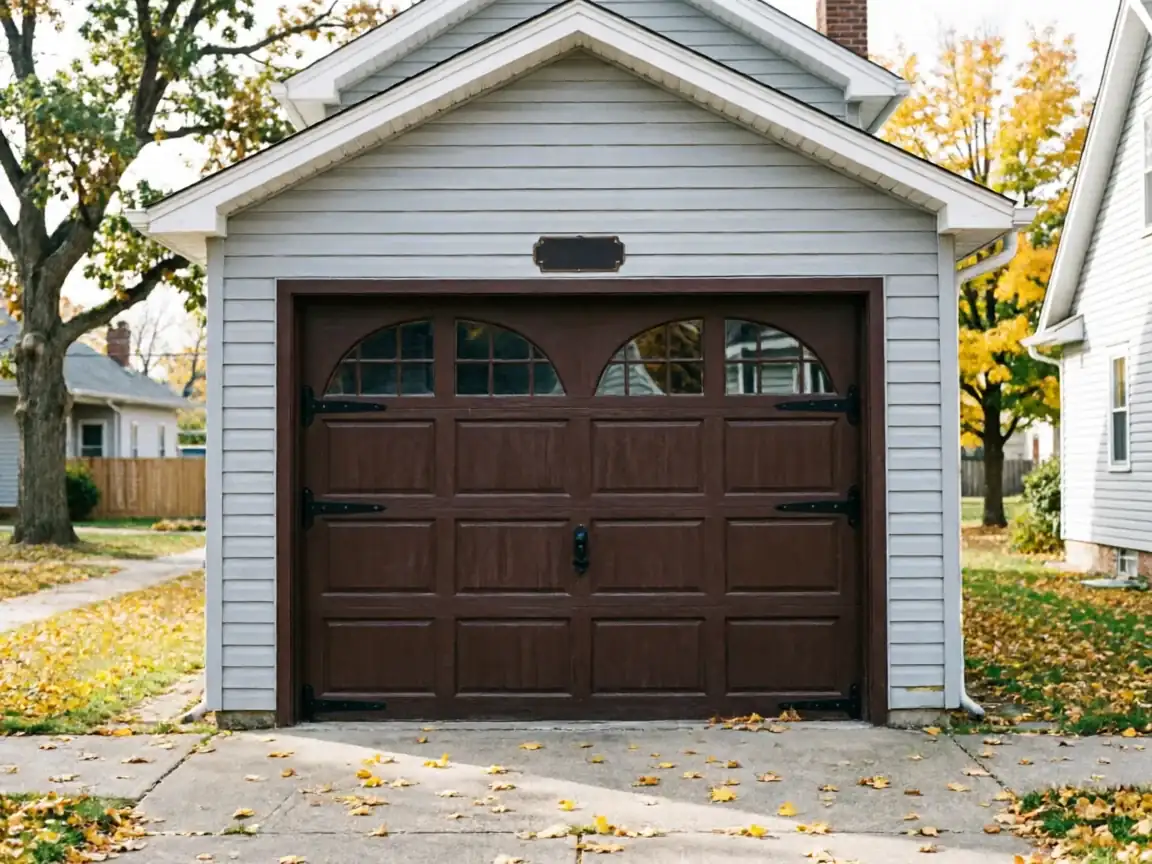
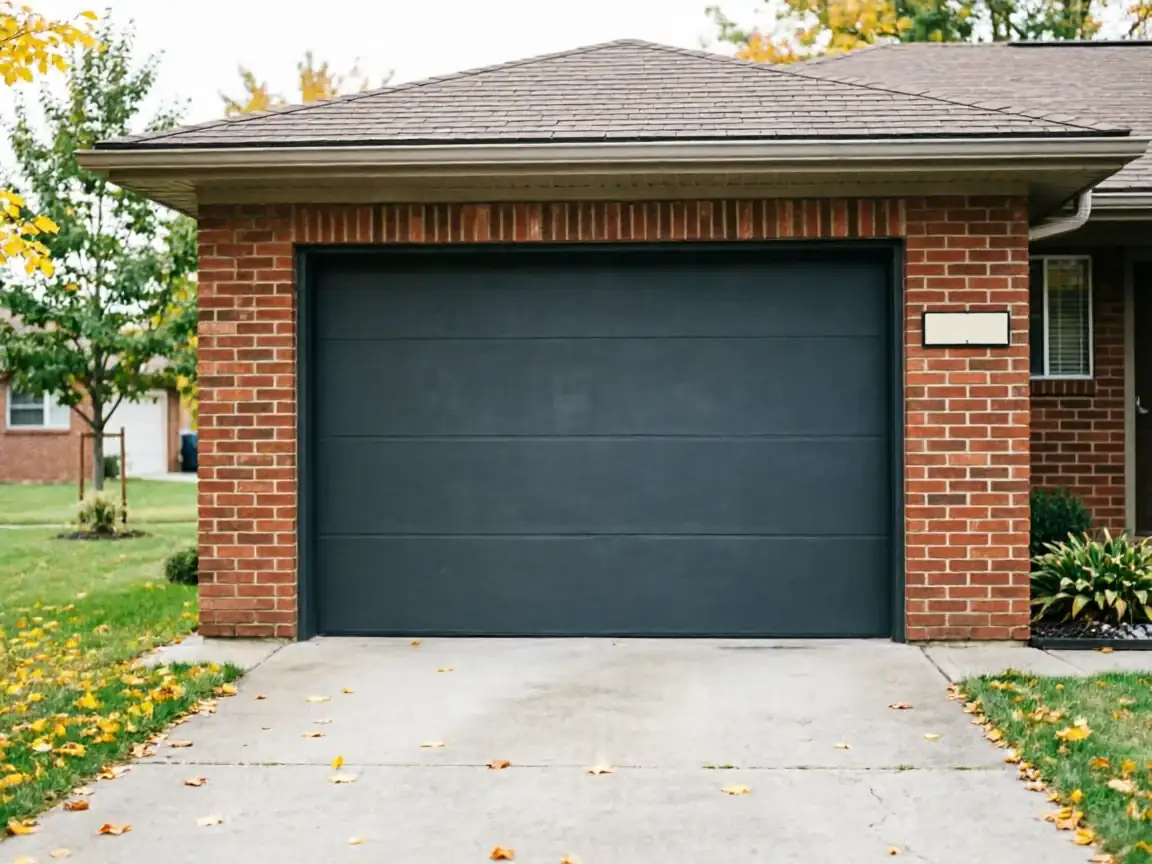
Most houses in St. Paul Park were built around 1970
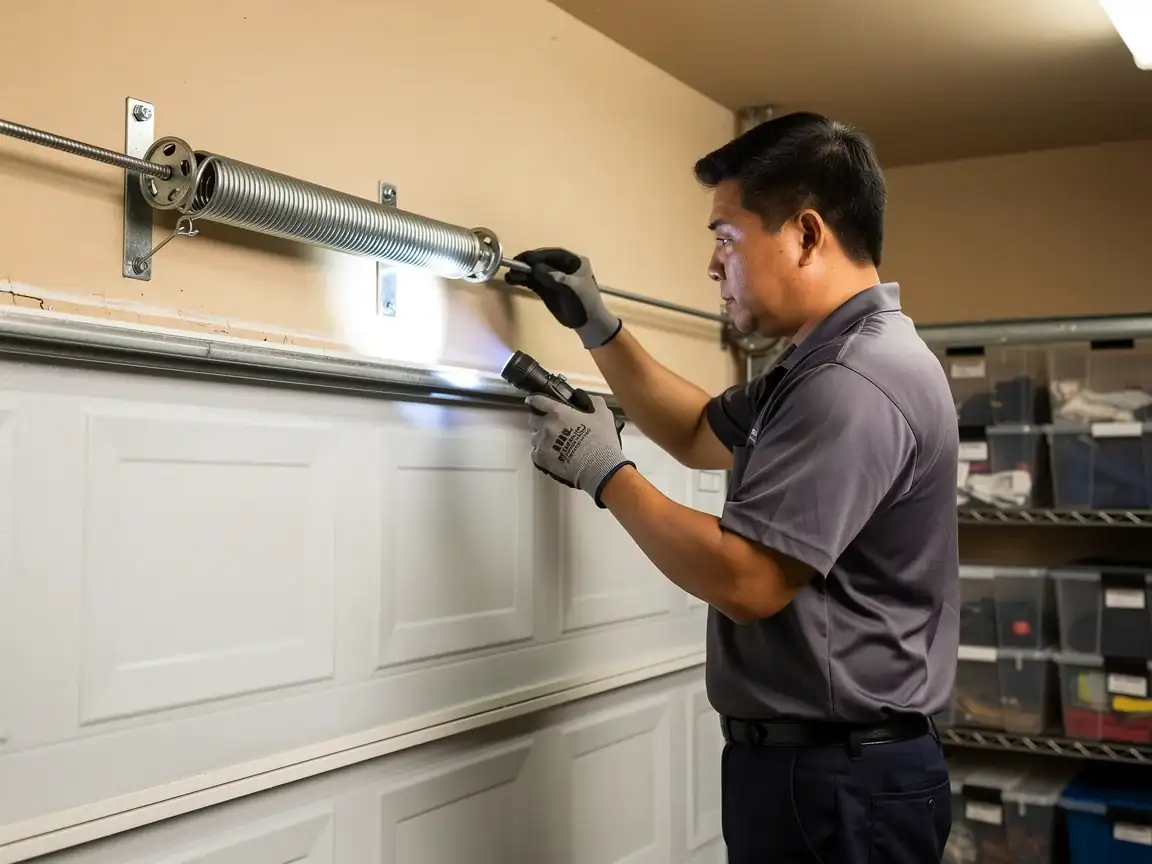
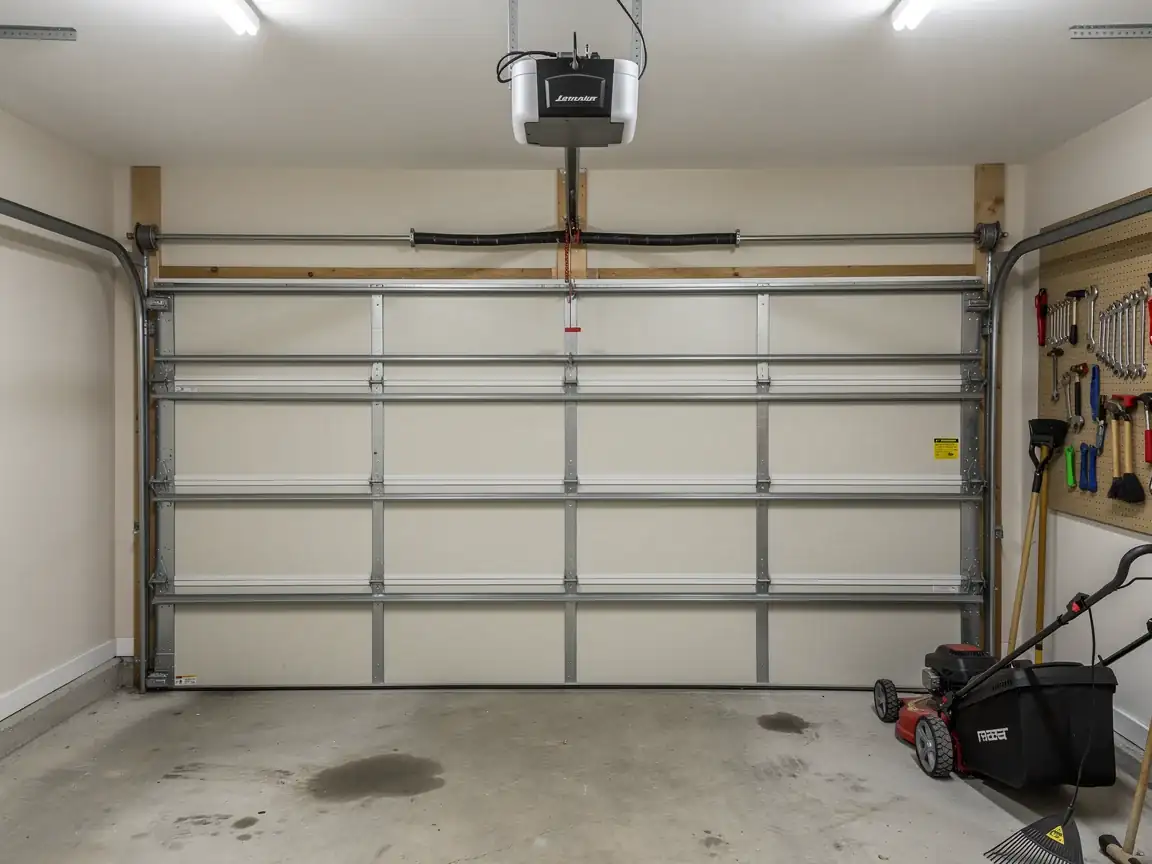
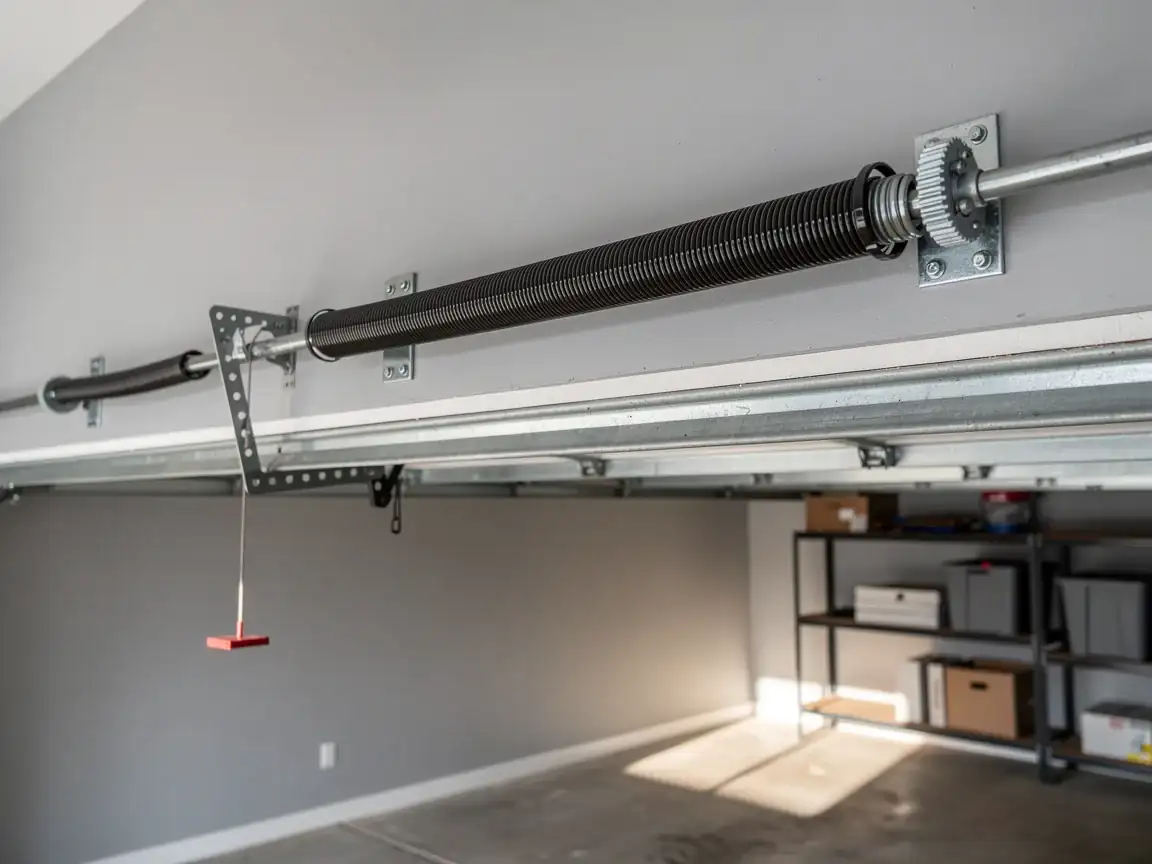
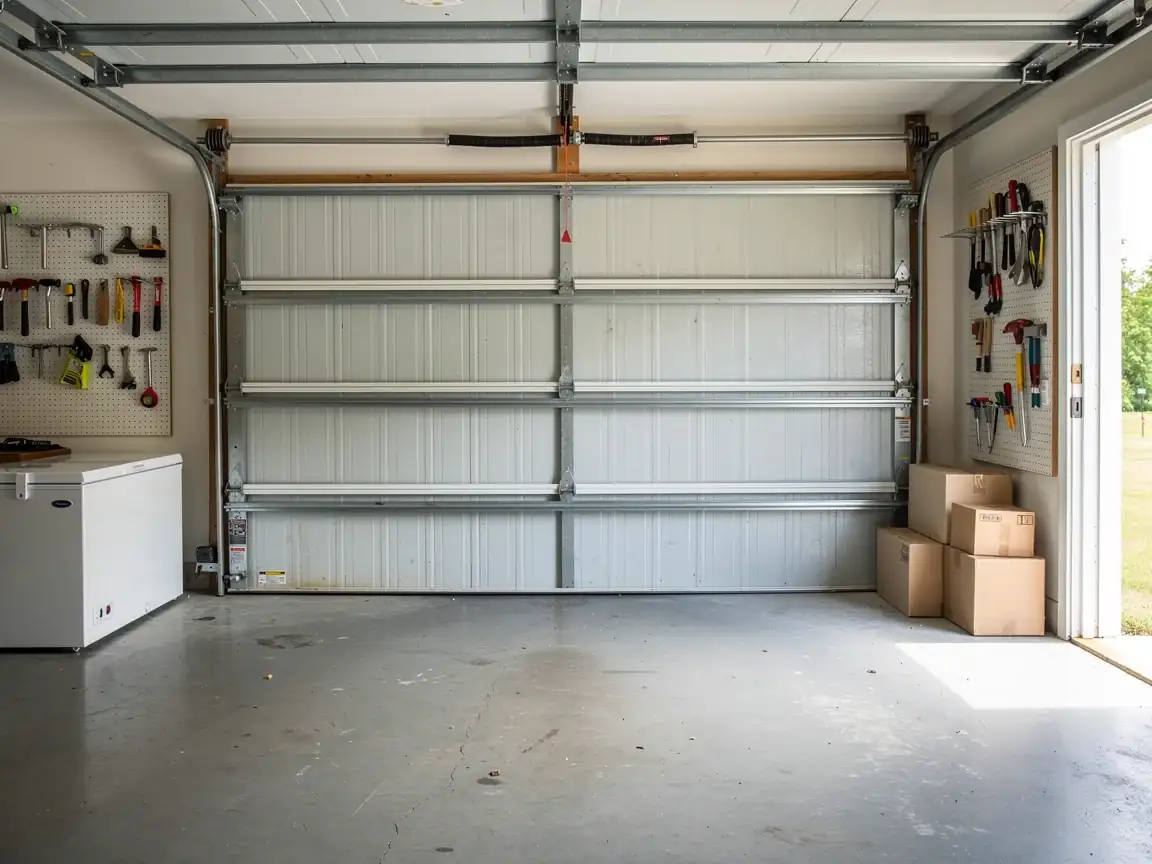
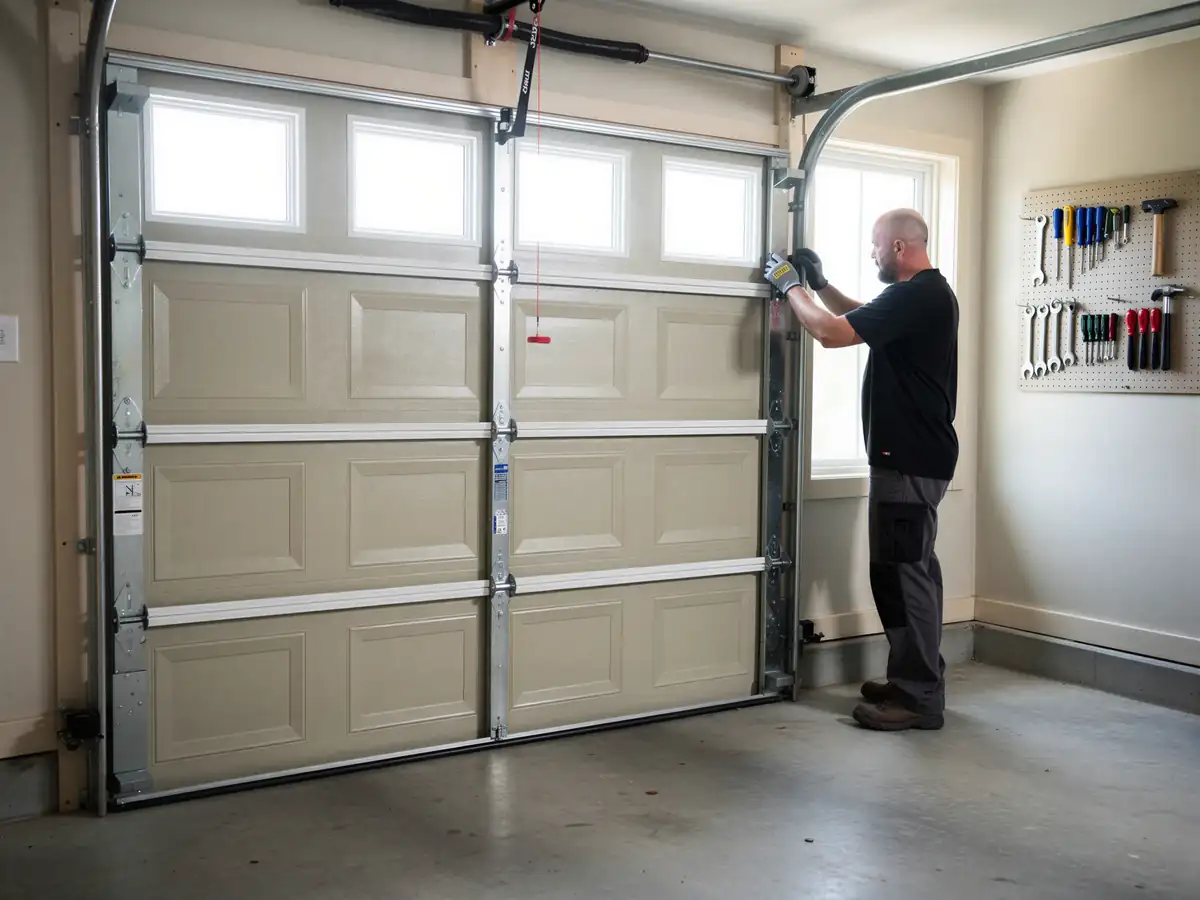
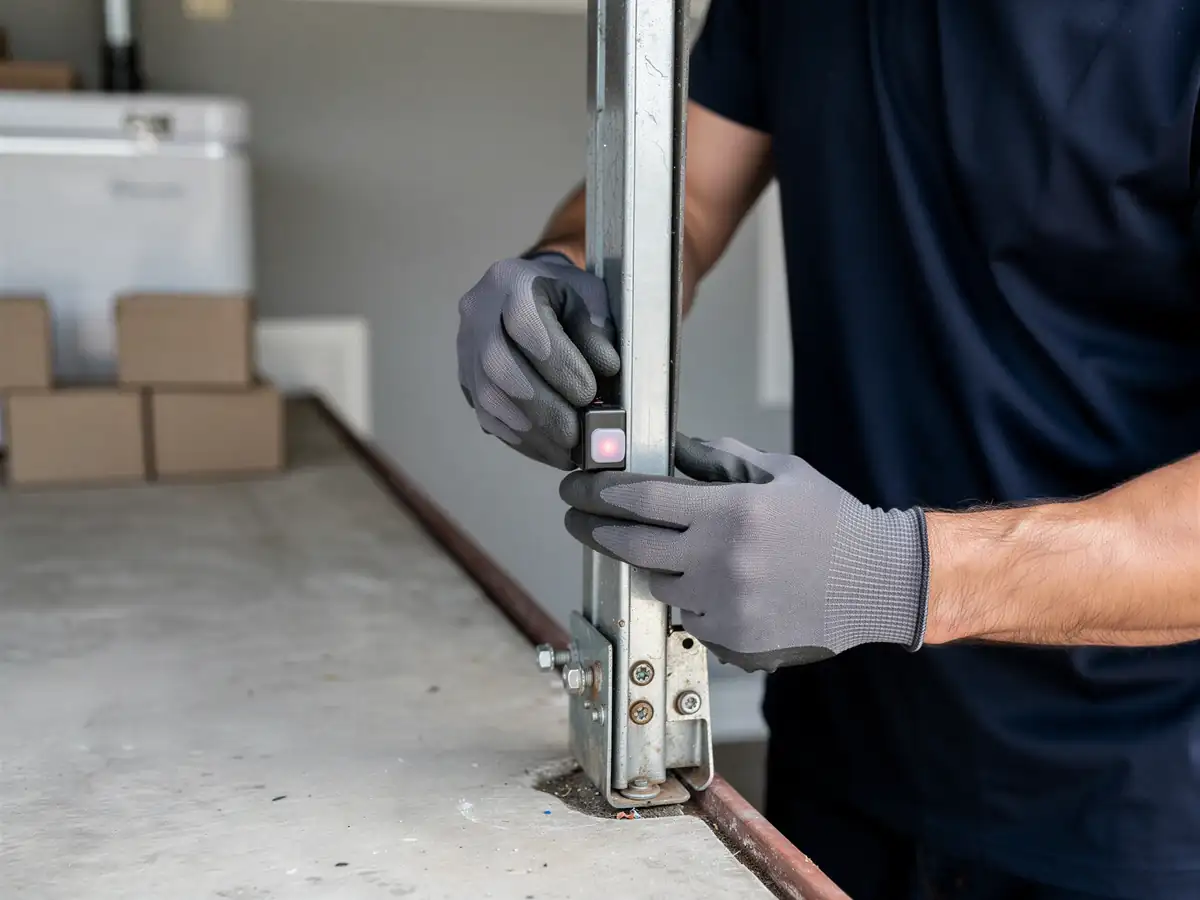
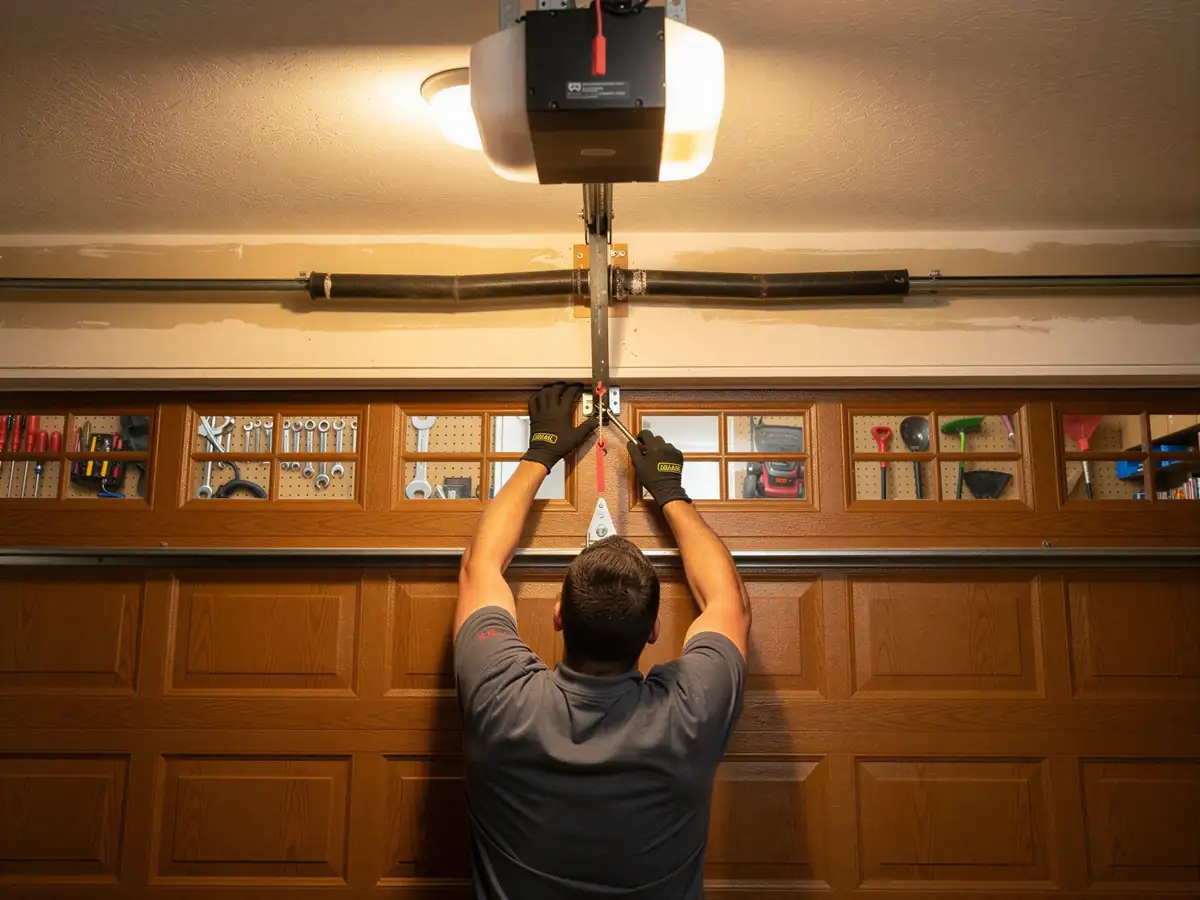
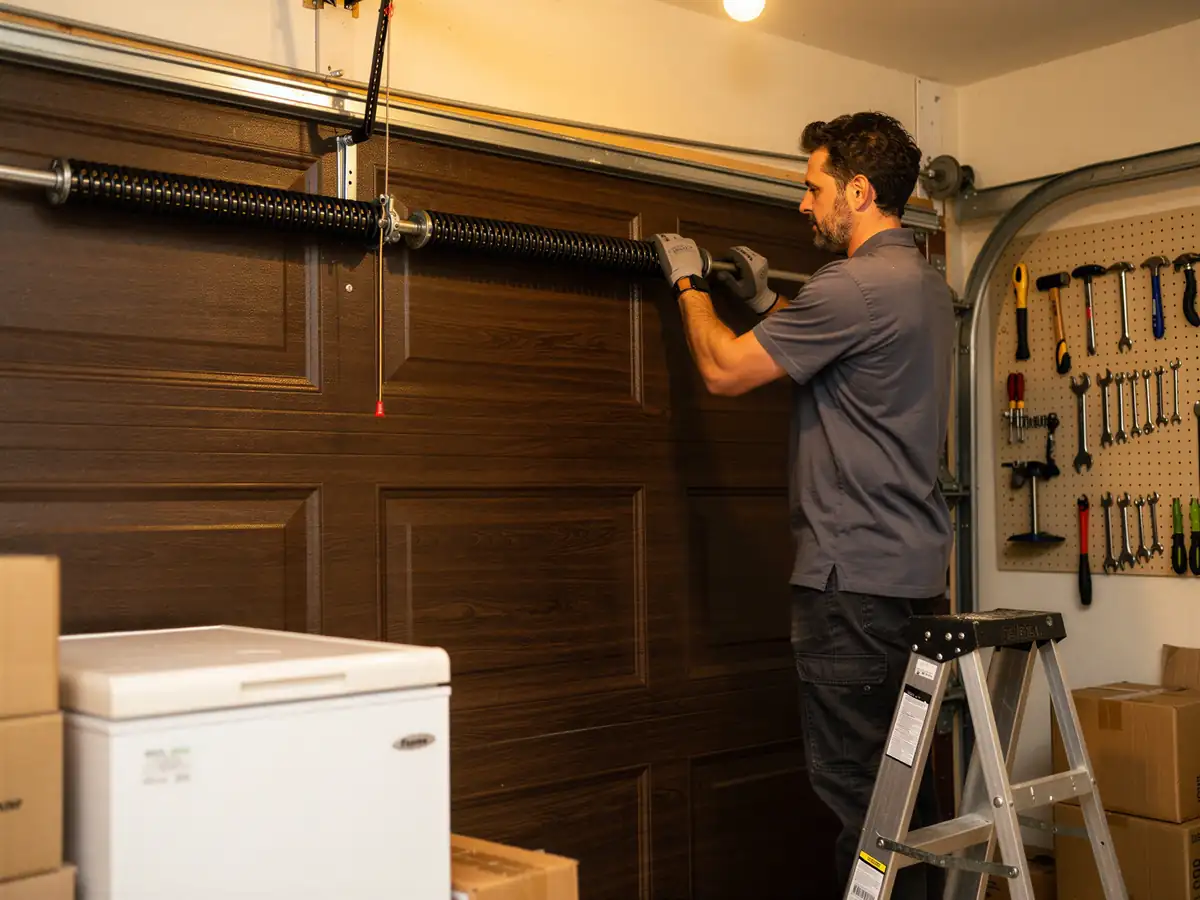
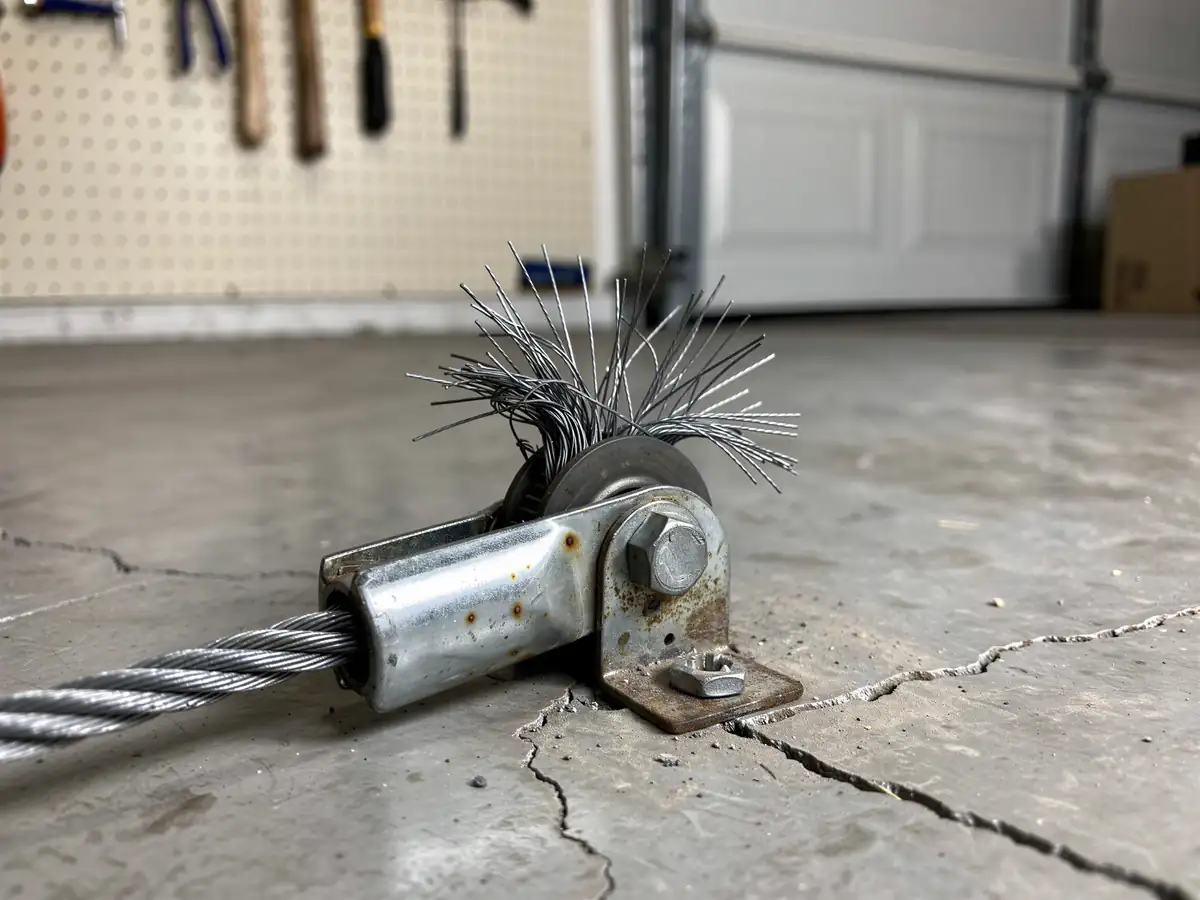
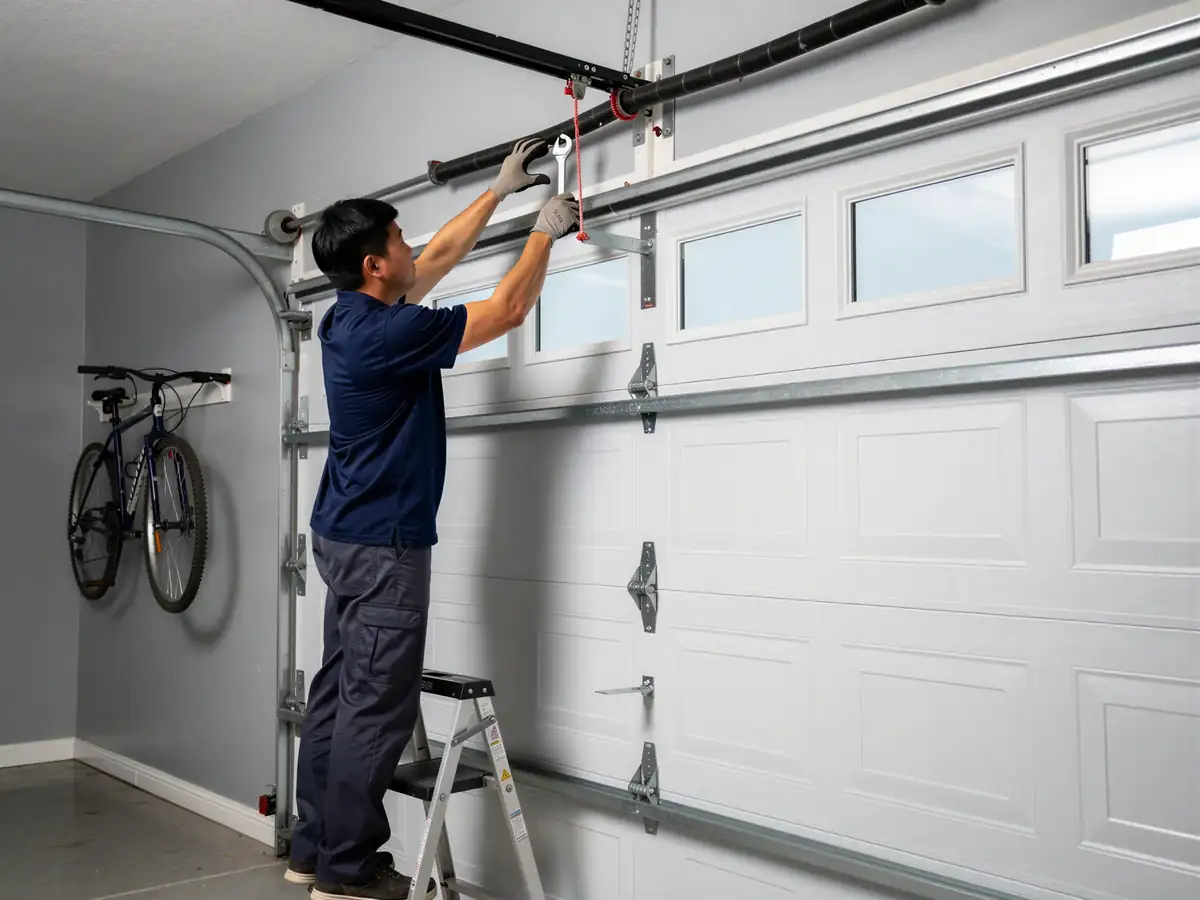
And that year matters more than people think. Doors from that era were almost always single-layer steel or wood panel, hung on extension springs mounted along the horizontal track rather than the torsion springs you'd find on a door installed in the last 20 years. If your door is original or close to it, the failure points are predictable: frayed lift cables where they wrap the drum, a bent track from a door that's been forced on a dragging roller, or a safety cable missing entirely because it wasn't code when the house was framed.
- 20 years
We work on what's actually there
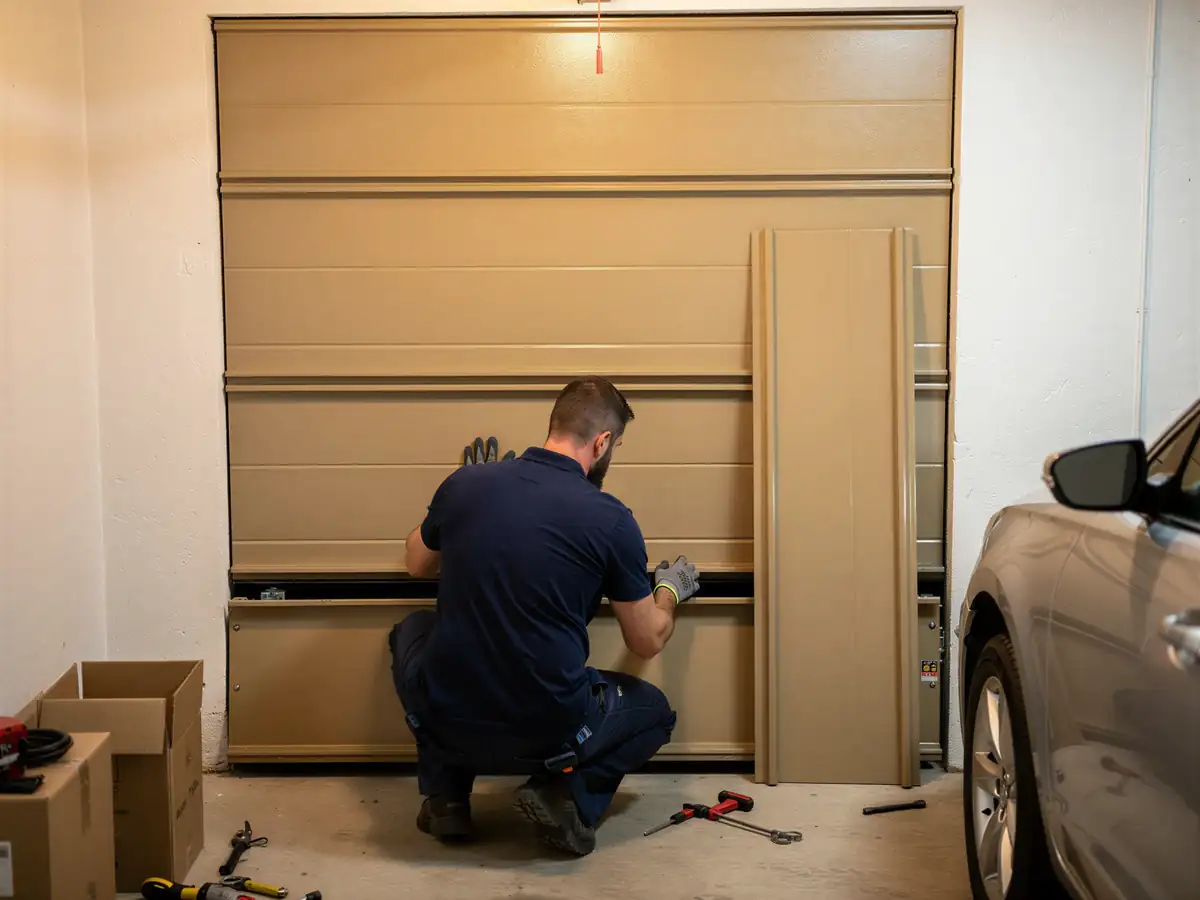
Which in a lot of St. Paul Park garages means retrofitting a safety cable onto an older extension-spring setup rather than replacing the whole assembly. That's a judgment call we make on site, not over the phone. If the track is rusted through or the section panels are rotted at the bottom, patching springs on a door that's otherwise failing isn't worth your money, and we'll say so. A door this age can usually be kept running another decade with the right parts - but not always, and we're not going to sell you a repair that doesn't hold.
How Long You Are Without the Door
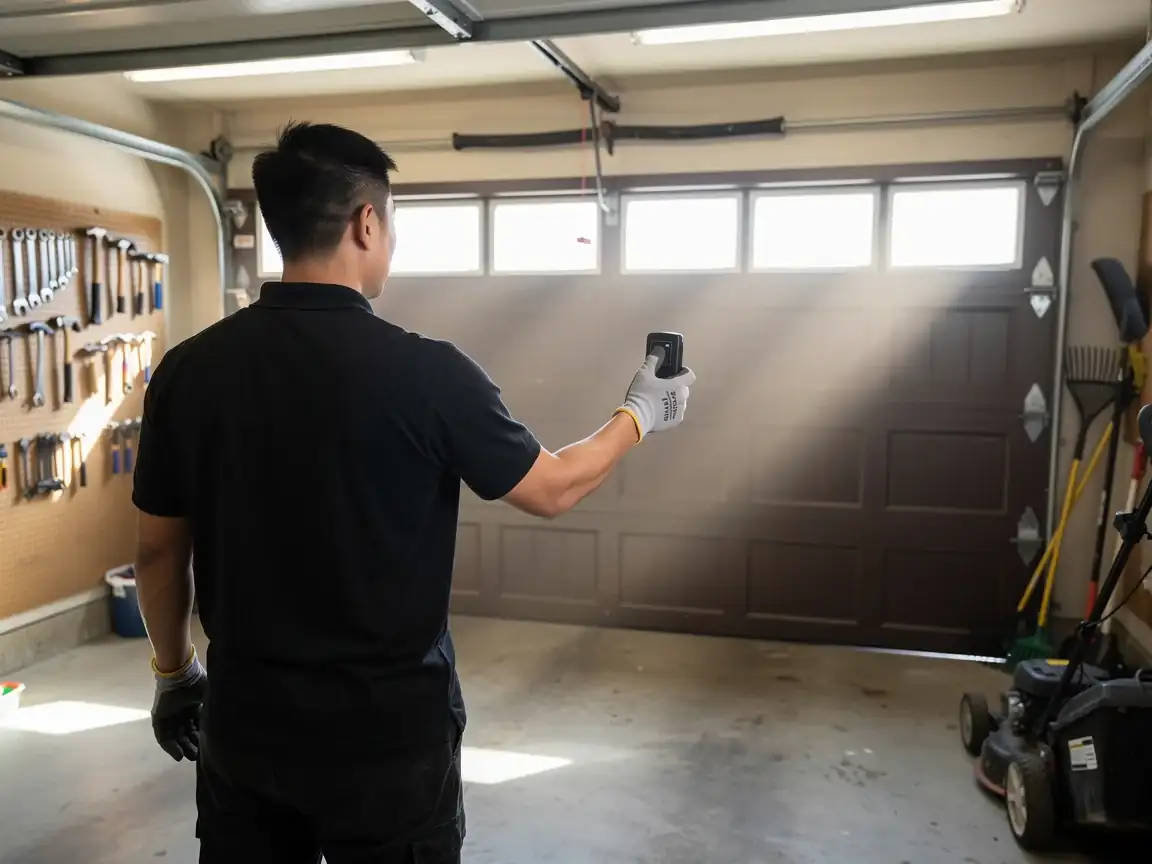
A broken spring or snapped cable on an extension-spring door is usually a same-visit fix once we're on site with the right parts - most of these components are common enough that we carry them on the truck rather than needing to order them. Where it runs longer is track replacement on a bent or rusted rail from an older door, since that sometimes means matching an odd track width that current stock doesn't carry off the shelf.
We're coming from Farmington, about 15 miles out, so factor that drive time into when the truck shows up rather than when the work starts. Once we're there, the repair itself on a typical 1970s door - spring, cable, roller, or a section panel - runs the length of a normal service call, not an all-day job.
Booking a Visit
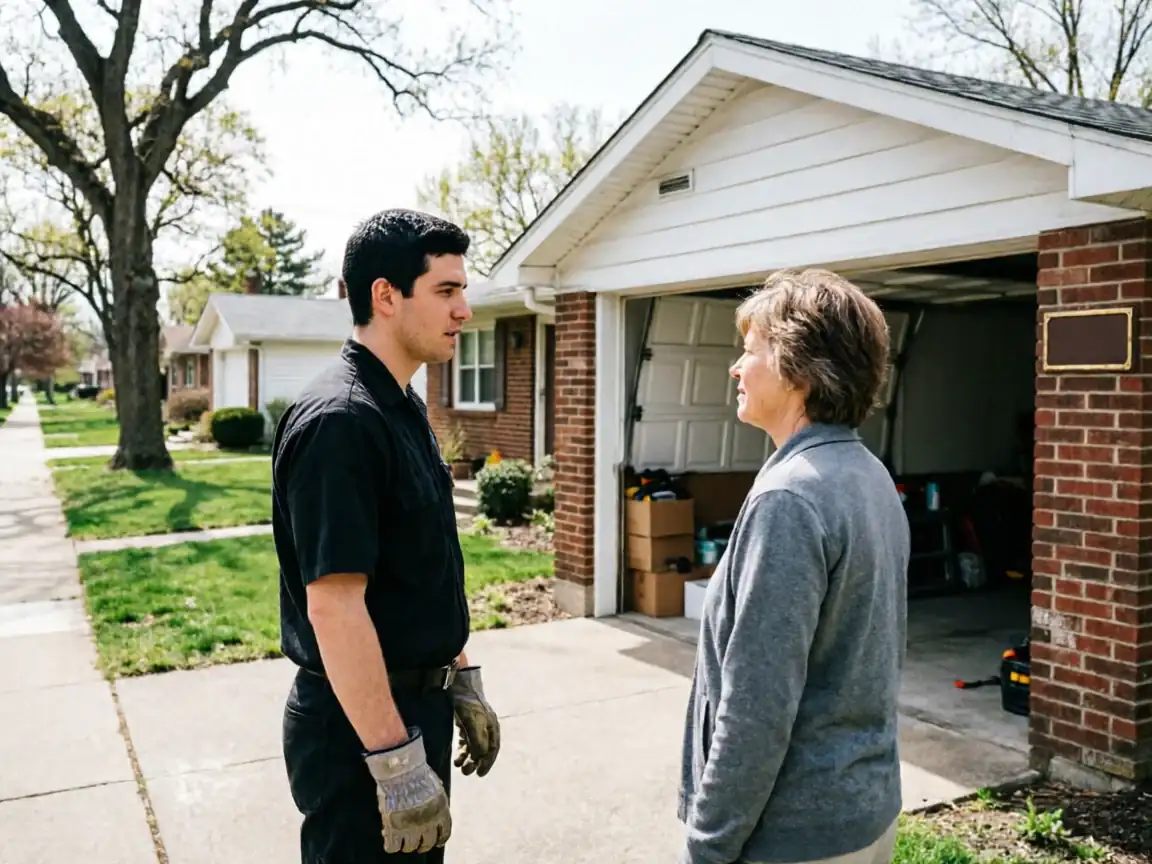
Tell us the door's make and roughly how old the house is when you call - St. Paul Park's housing dates mostly to 1970, and knowing that up front lets us pull the right springs and cable length before we leave Farmington instead of guessing at the panel. If you know whether it's extension springs along the track or a torsion bar over the opening, that's the single most useful detail you can give us.
We book the visit, confirm what we're bringing based on what you describe, and drive out. See the St. Paul Park coverage page for how this fits into the broader service area, or the Farmington repair page for the full list of what we handle.
The Complications
The climate here is the other half of the equation
Winters in this part of Minnesota put real stress on steel track and spring tension - cold-stiffened extension springs on a 50-year-old door are more likely to snap on a hard pull than a newer torsion setup would be, and that's exactly the failure we see most on original hardware this age. Rollers that have gone dry over a long cold stretch bind in the track and put extra load on a cable that's already thinning.
The other complication is parts matching
A door installed around 1970 sometimes used track widths or spring sizes that aren't standard today, which can mean a repair takes an extra trip if what's on the truck doesn't fit. We'd rather tell you that up front than pretend every older door takes a universal part. If the hardware's too far gone to match safely, replacing the door is usually cheaper in the long run than chasing parts for one that's done.