How Long You Are Without the Door
The fault we see most in Northfield isn't a broken spring
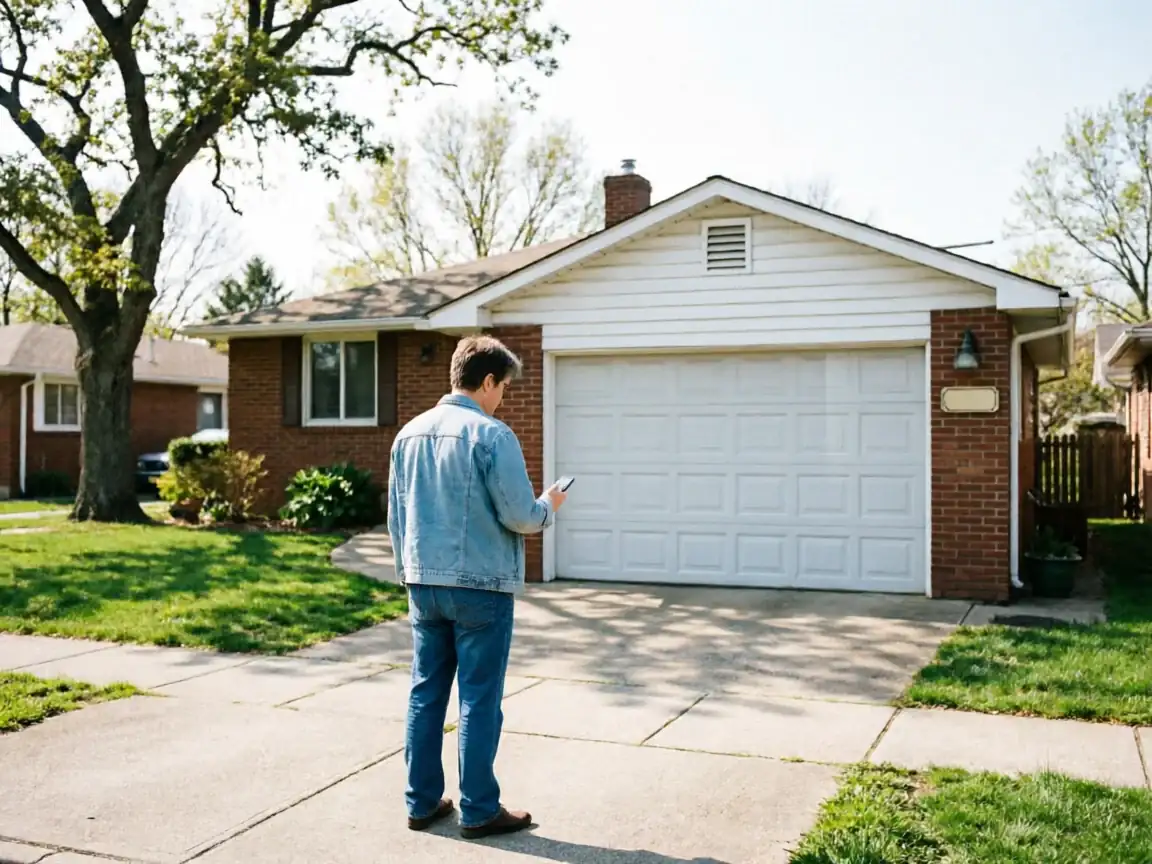
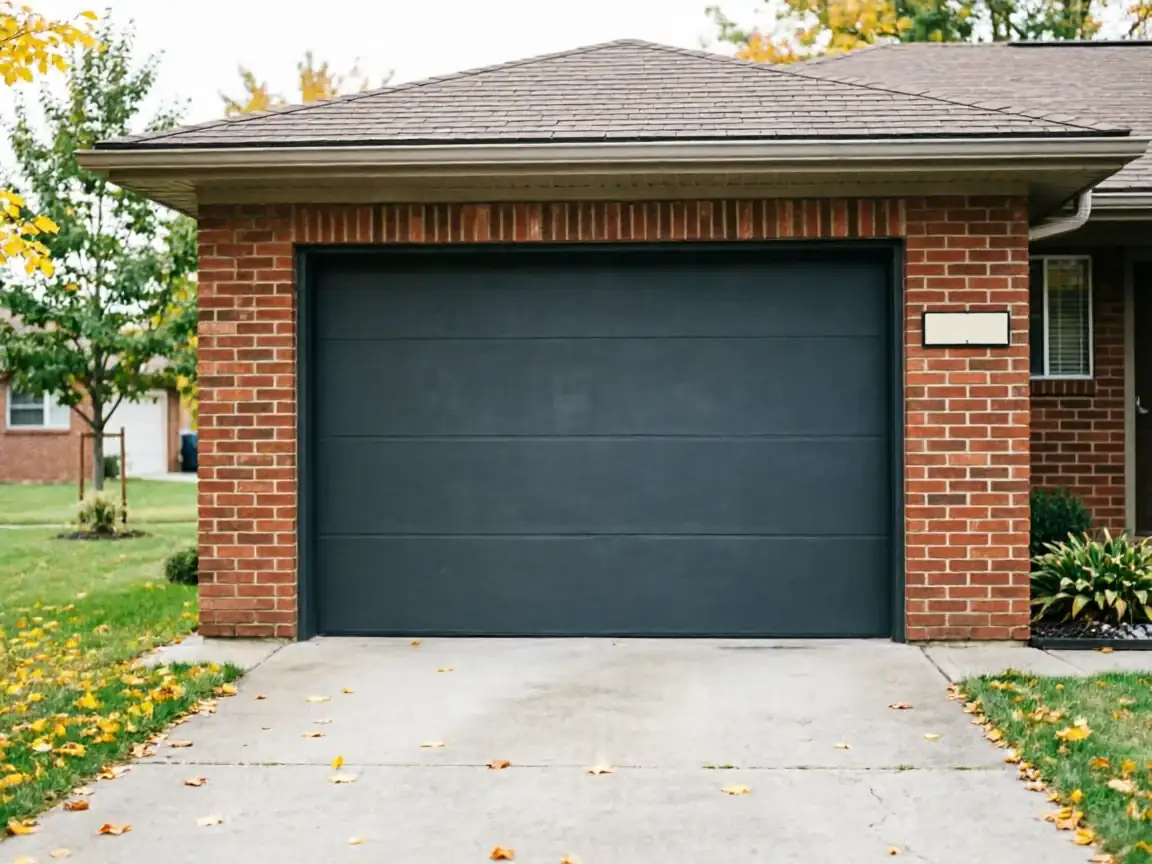
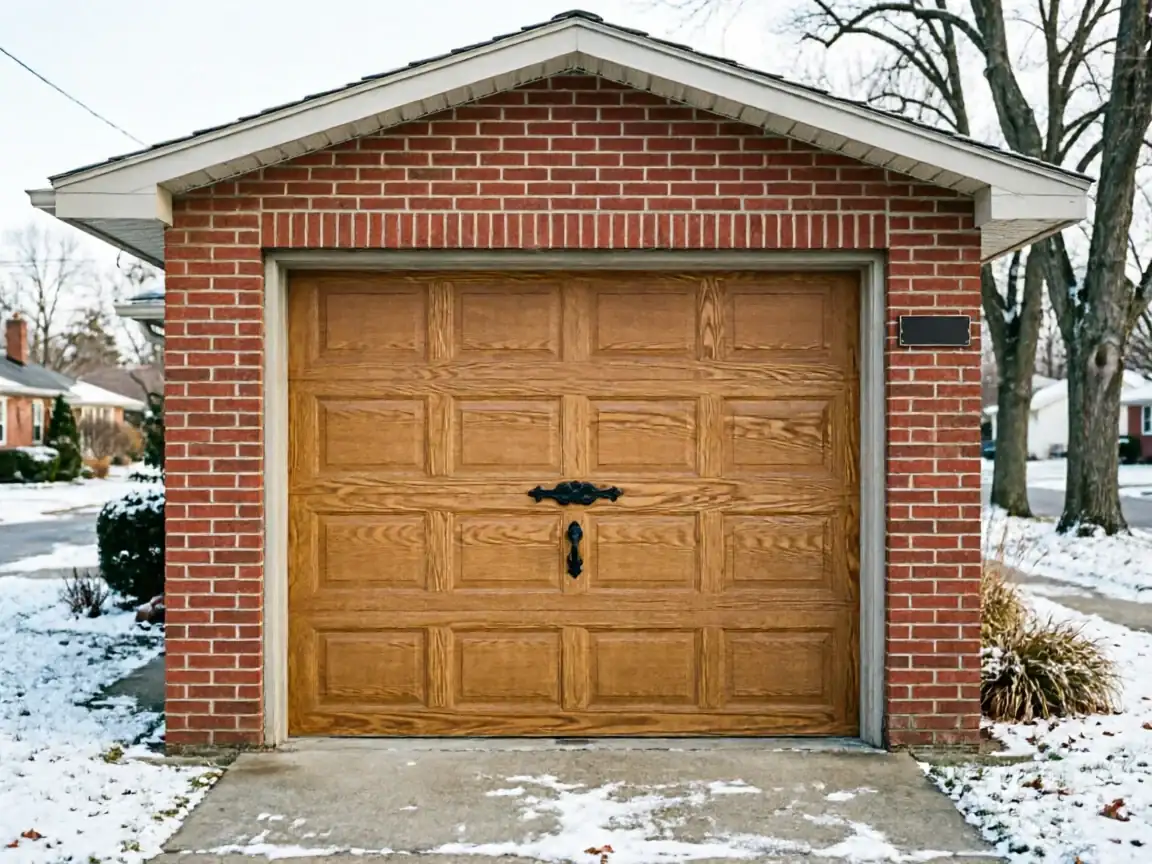
It's a door that was never right for the opening in the first place. A lot of the housing here went up when the area's build-out was in full swing, and by the early-to-mid 1980s the standard garage opening and the standard door on the shelf didn't always match the way they do now. You get a door hung slightly out of square, a header that was framed for a size no longer sold, or a track bracket set for an opener that's been replaced twice since.
Median year built in this part of the service area sits around 1983
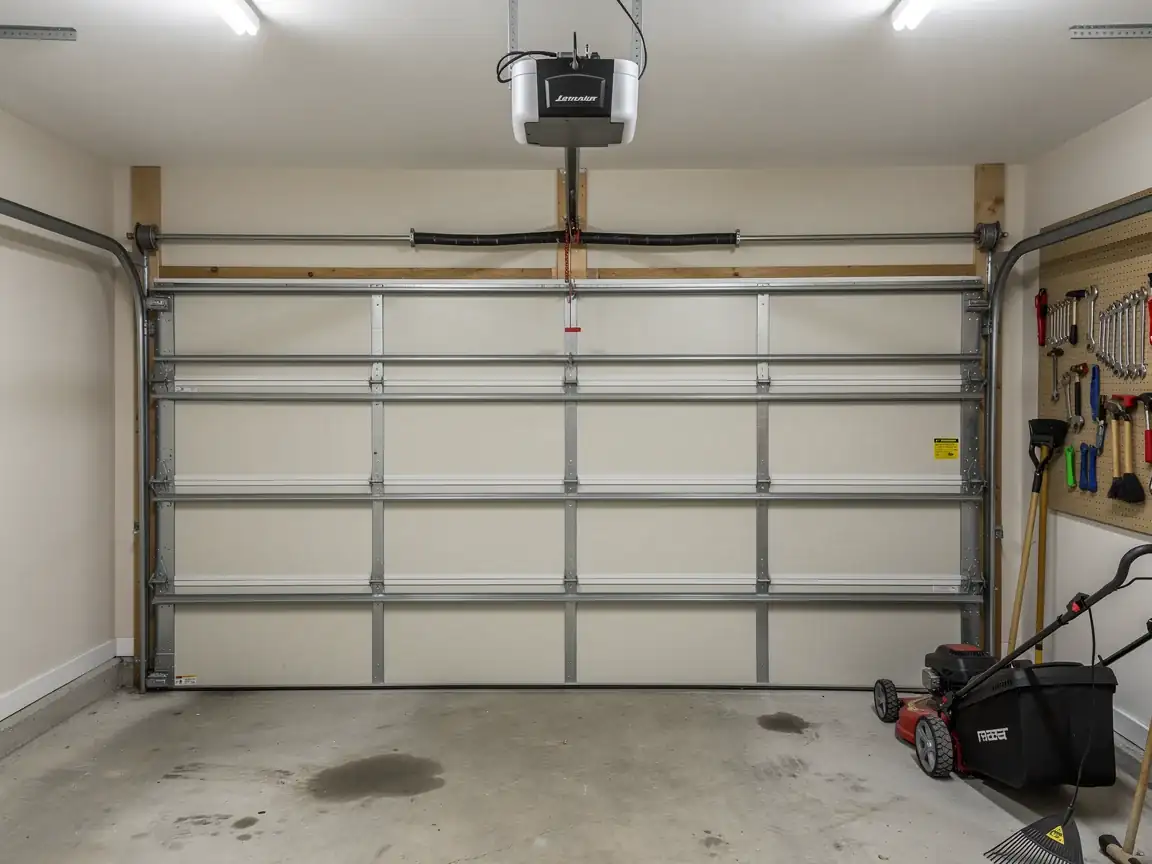
And that number matters more than it sounds like it should. A door installed then was built to the codes and materials of that era - single layer steel, minimal insulation, galvanized hardware rated for a lighter cycle count than what a household runs today with two cars and a remote clicker in every pocket. We travel the 14 miles out from Farmington to measure the actual opening before we quote anything, because on a house this age the opening on paper and the opening in the wall are often two different numbers.
- 14 miles
Doing It Yourself
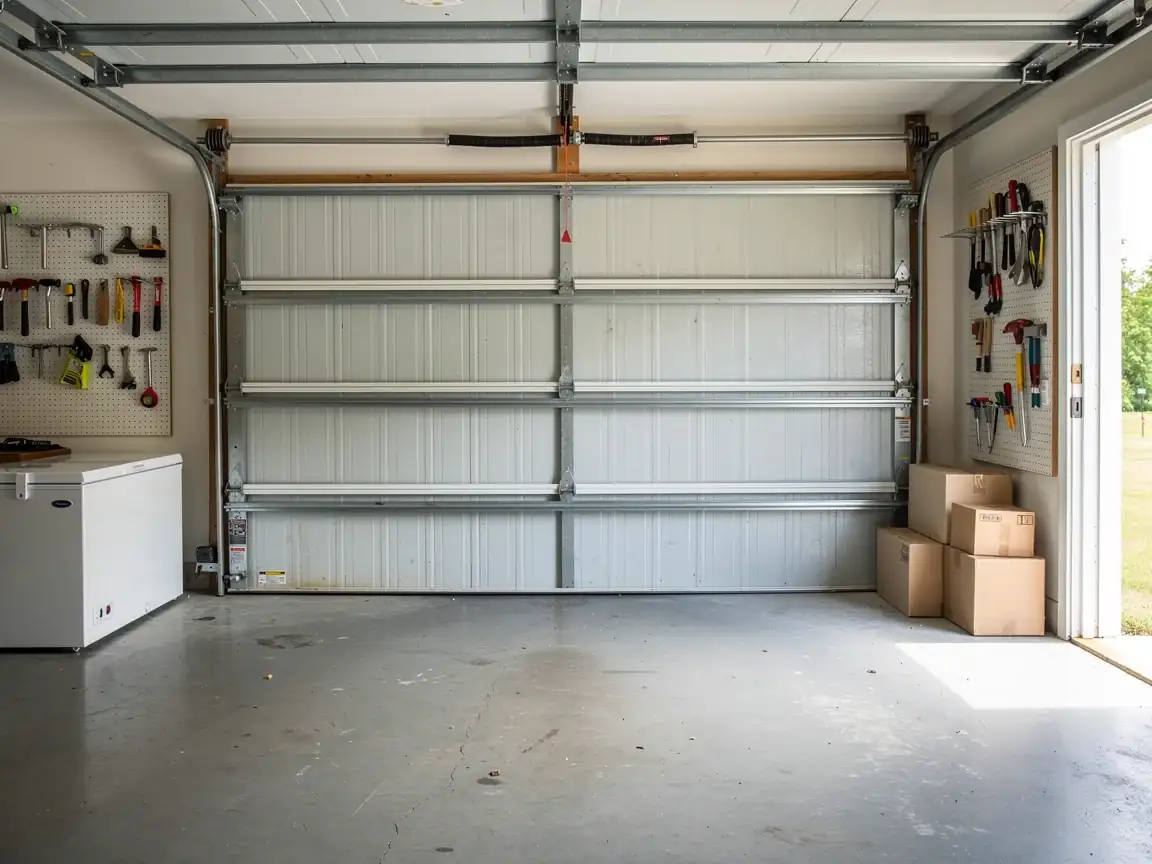
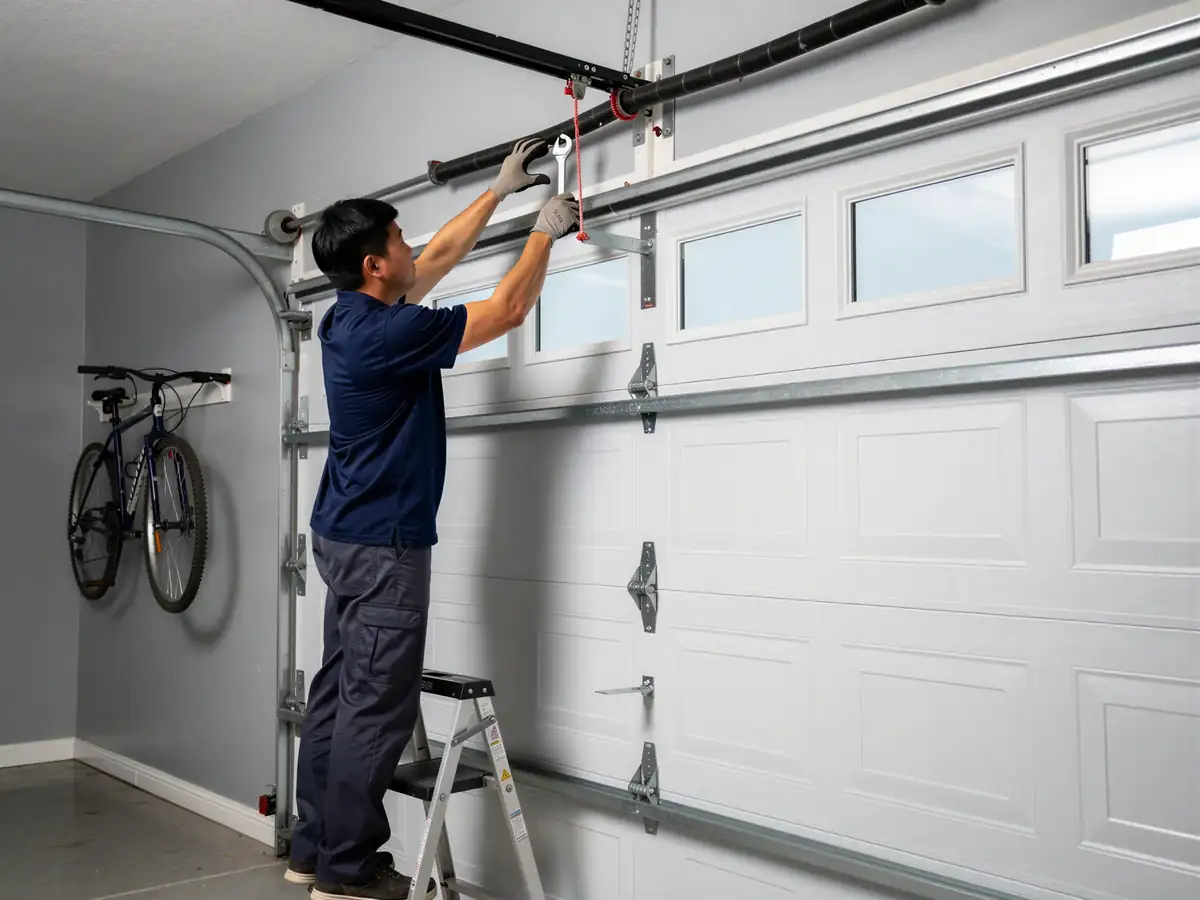
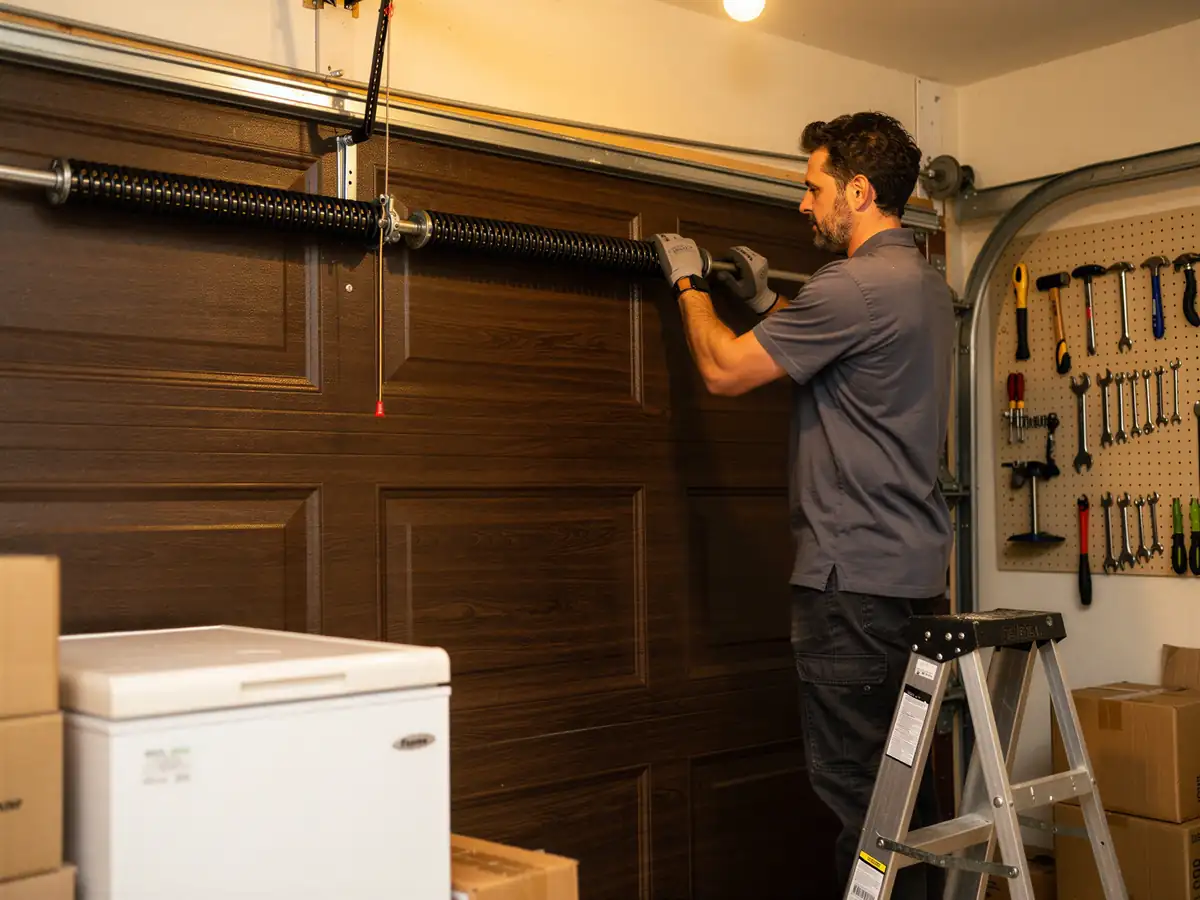
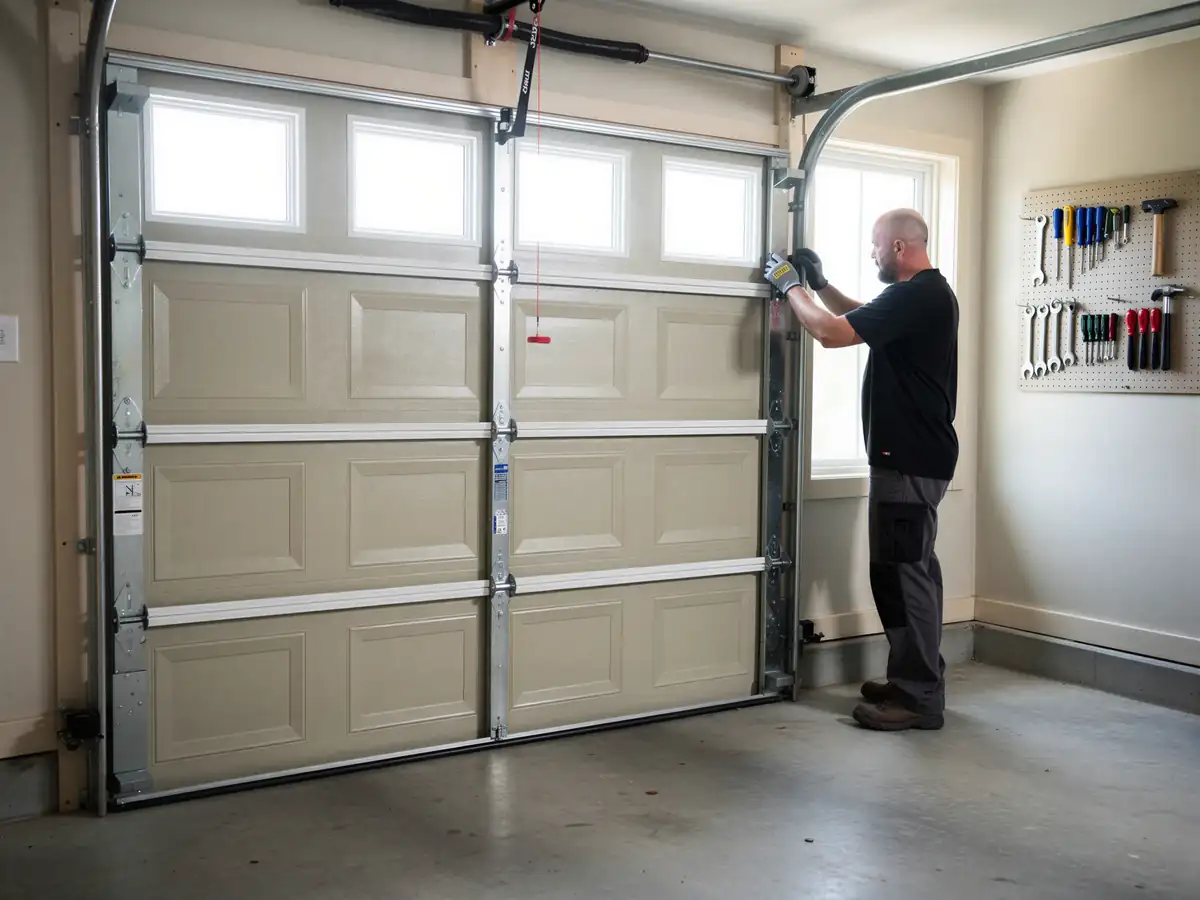
A new door looks like a weekend project right up until you're holding a 200-pound section over your head trying to align it with a jamb that's settled unevenly over forty years. On homes from the early 1980s, the jamb square is the part that trips people up - framing lumber moves over four decades, and a door kit assumes a square opening that often isn't there anymore.
We're not going to tell you it can't be done. Plenty of people hang their own doors. What we will say plainly: if the track brackets don't seat flush and you force the lag bolts anyway, you've built a door that will walk out of alignment within a year, and the rollers will tell you about it every time it opens. If you're set on doing it yourself, at minimum get the opening squared and measured by someone who's done it before you buy the door.
Parts We Carry
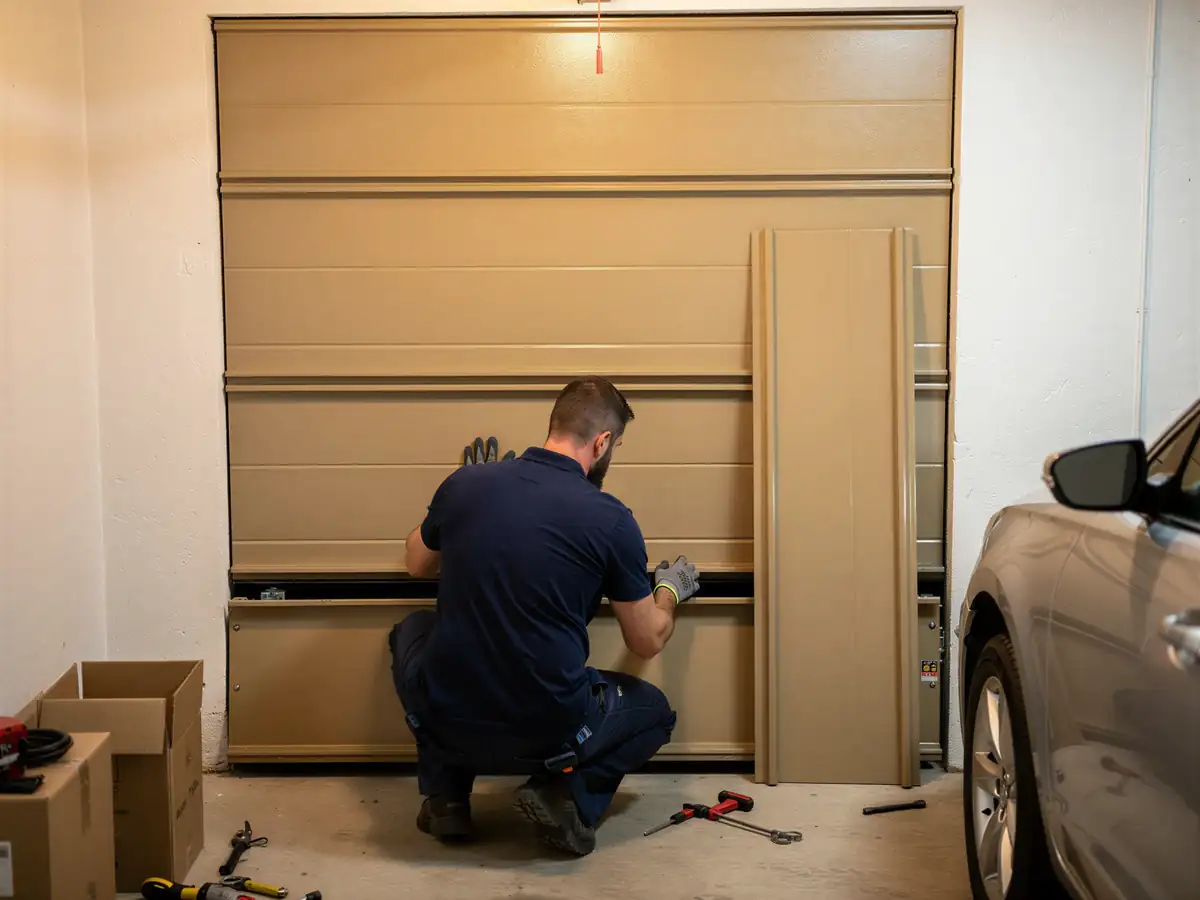
For a cold-climate build like this one, we install sectional doors with full polyurethane-filled panels rather than the single-skin steel that was standard when most of these houses were framed. The insulation value matters here - this is a moderate-cold climate band, meaning the garage sees real freeze-thaw cycling most winters, and a hollow door lets that cold sit against anything stored or parked against the inside wall.
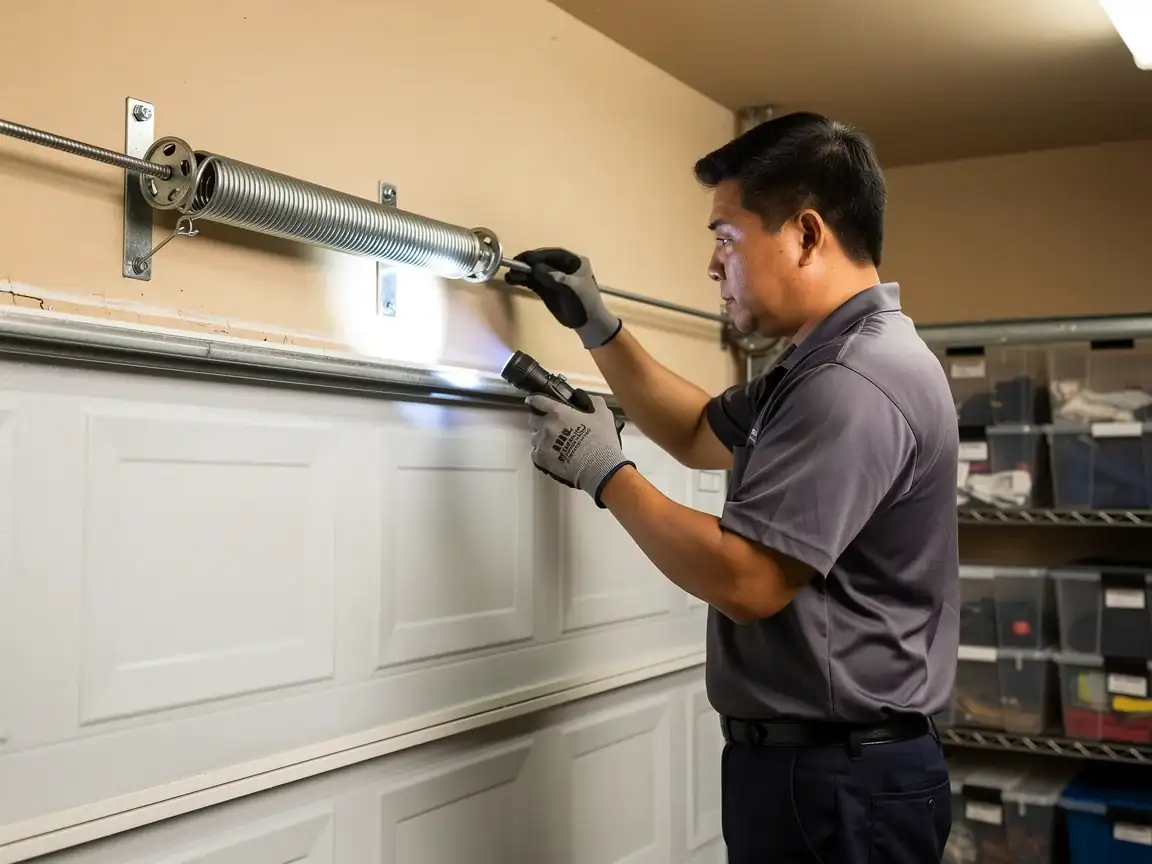
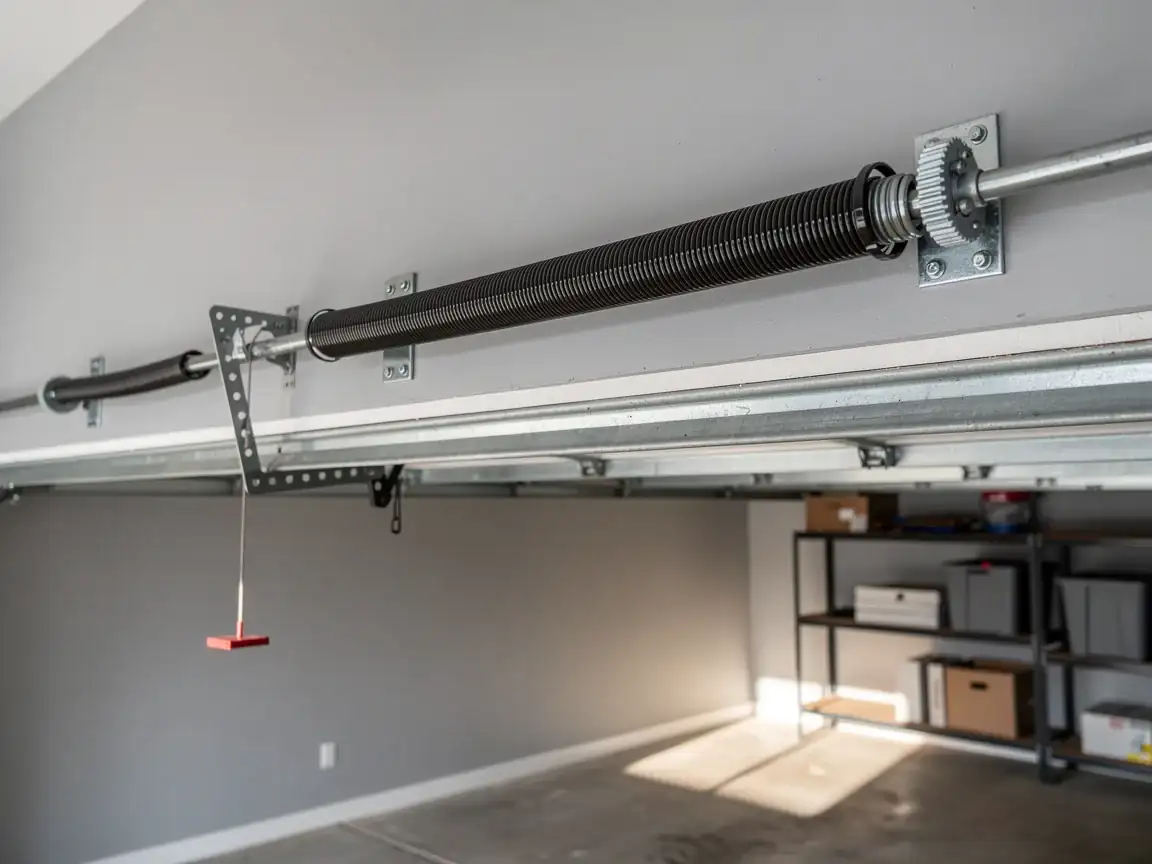
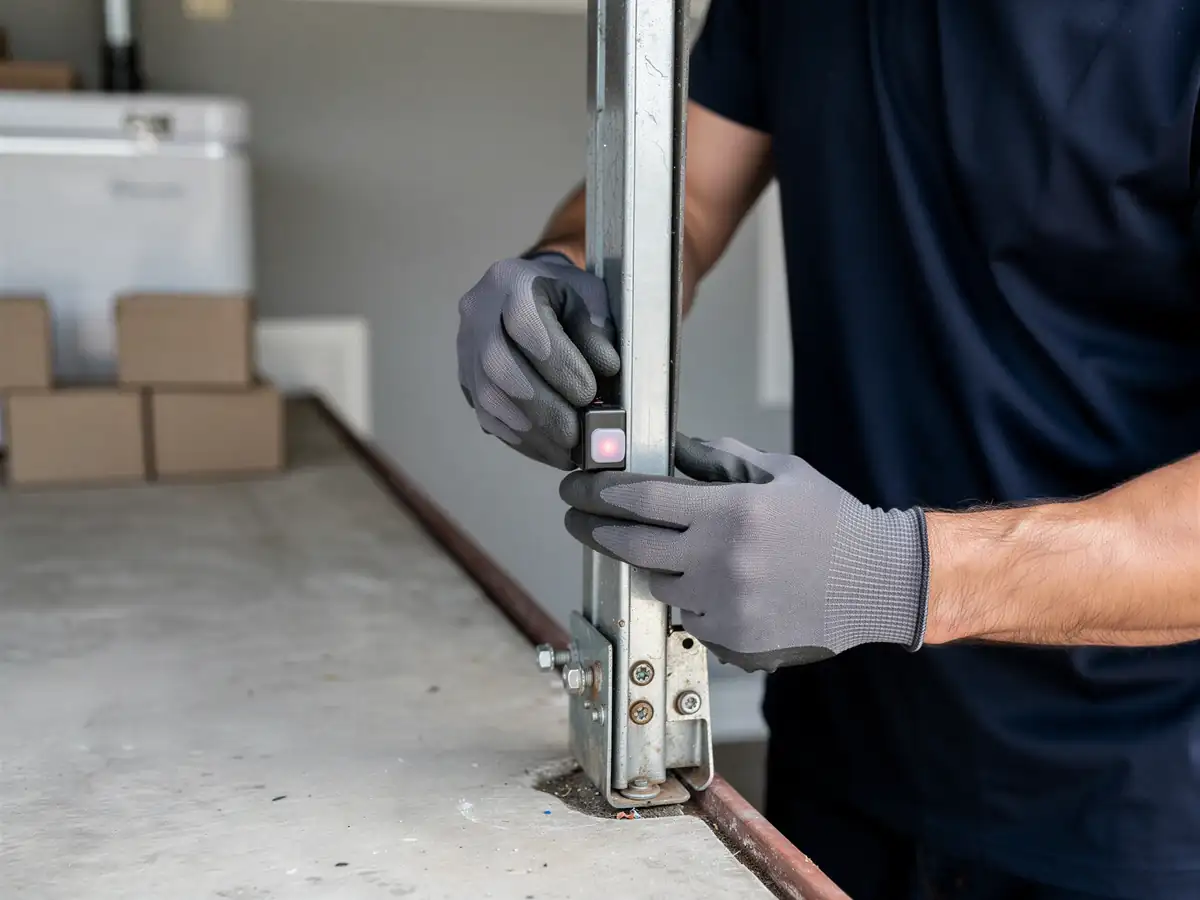
We stock galvanized torsion spring systems sized to actual door weight rather than a generic size, nylon rollers in place of the steel rollers original to many 1983-built openings, and weather seal kits that account for a slab that's shifted slightly over the decades. What we don't carry is a universal track kit - every opening here gets measured, because a stock size that fits a house from 2004 often doesn't fit one from 1983.
Why This Fails Locally
The reason a generic replacement door fails faster here than it would on newer stock comes down to the combination of the build era and the climate
Houses from the early-to-mid 1980s through the stretch running into the early 2000s share a track width and header clearance that newer manufactured doors don't always account for off the shelf. Pair that with a cold-moderate climate where the slab heaves slightly each freeze-thaw cycle, and a door that was shimmed instead of properly fitted starts binding on the track within a season or two.
We also see a lot of openers original to these builds still bolted to the header
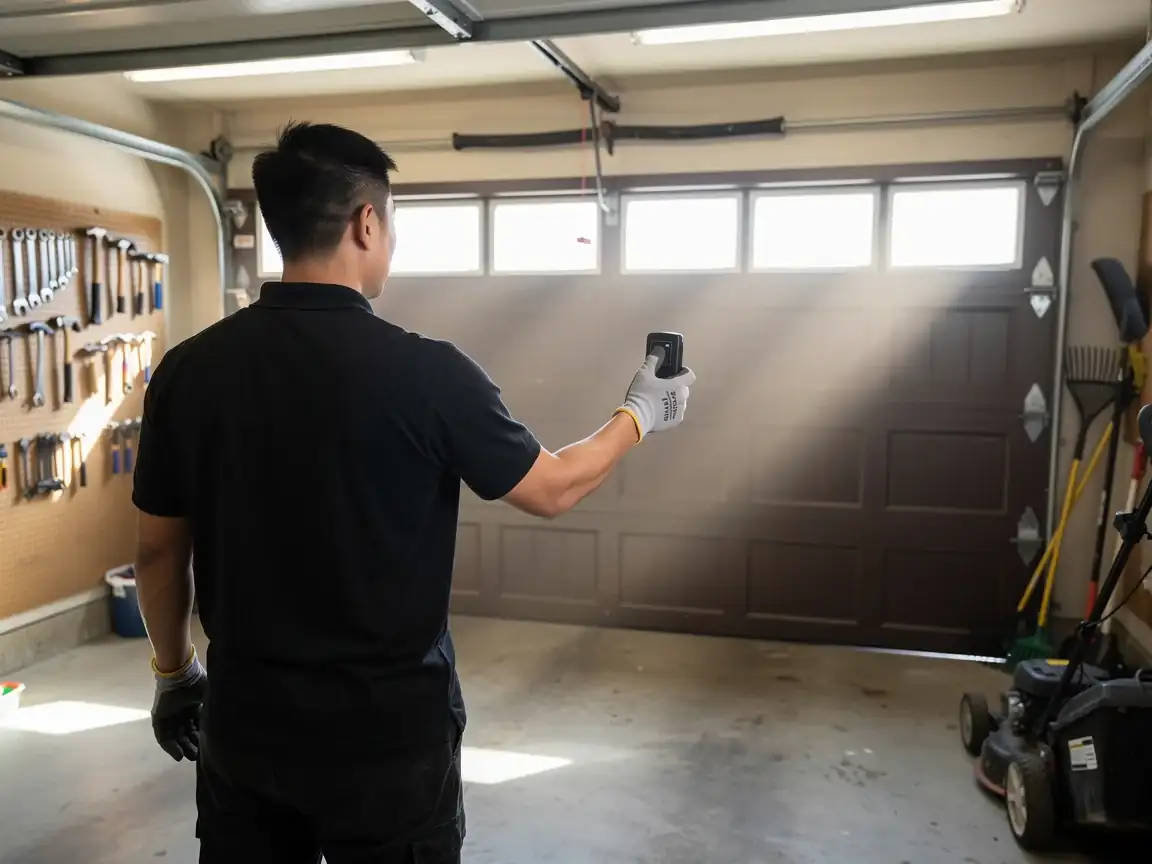
Chain-drive units rated for a lighter door than what's now hung on them. Swapping the door without checking the opener's lift capacity is how you end up with a motor straining on every cycle. It's a cheap fix to catch at install time and an expensive one to catch after the gears strip.
The Complications
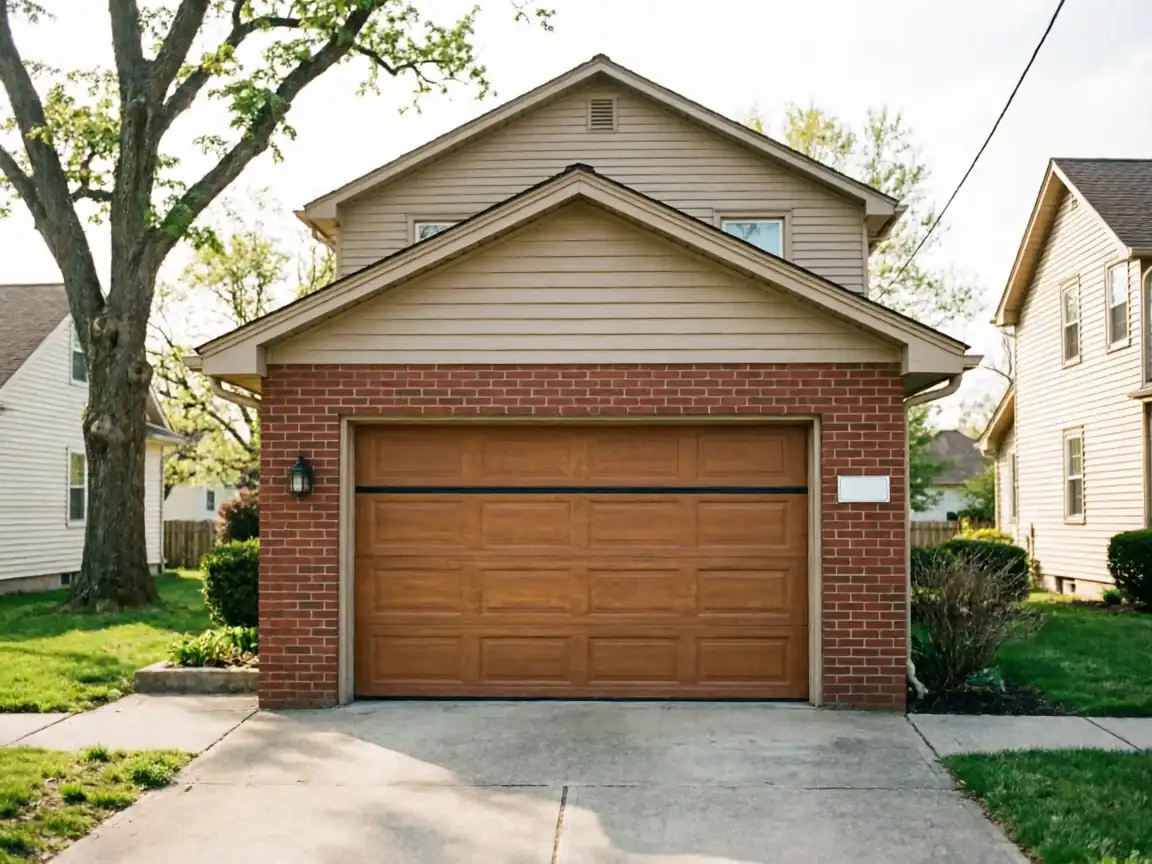
Every Northfield job we quote starts with the same question: is the opening original to the house or was it altered at some point. On a home from around 1983, we've found both - some openings widened for a second car, some left as-built. That changes the header support calculation and sometimes means a jamb repair before the new door goes in at all.
We're upfront that not every complication is worth solving with a repair. If the header's rotted from decades of condensation against an uninsulated door, replacing the door alone won't fix the underlying problem, and we'll say so rather than install a door that's going to rack again in a year. Full carpentry repair on a header isn't something we quote as a add-on; if it's needed, that's a separate conversation before the door order goes in.
Booking a Visit
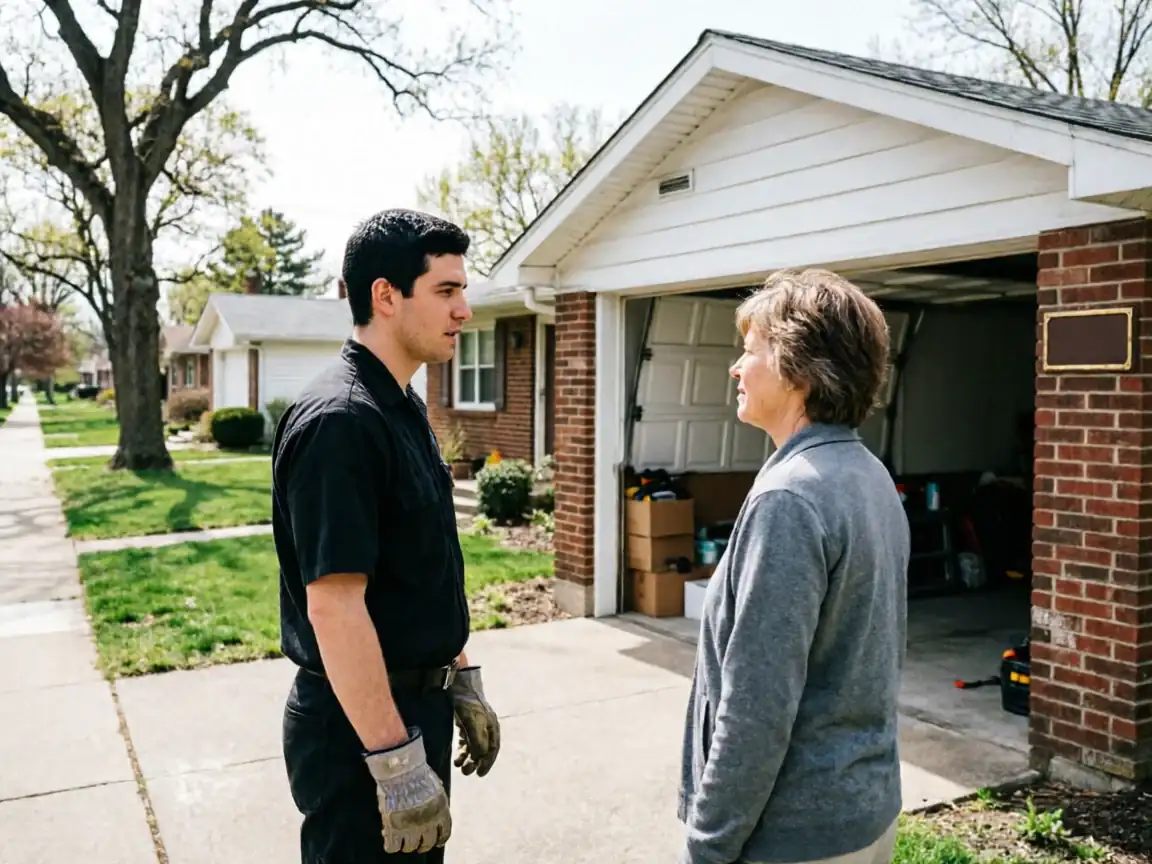
We cover Northfield from our base in Farmington, about 14 miles out, and we measure before we quote - no phone estimate based on a stated door size, because too many of the openings in this town don't match the number on the original permit. Bring us the year your house was built if you know it; it tells us more about what's behind that header than almost anything else you could tell us.
See our Northfield coverage page for what else we handle in the area, and if you're after a different service than new installation, our Farmington installation page covers the broader service area in more detail.